Loading video…


 9 Concepts
 545.8K views

Video Summary: What Is Affinity and Avidity
Why do some vaccines provide lifelong immunity while others require regular boosters? The answer lies in affinity avidity principles that govern how antibodies interact with pathogens. Affinity measures the strength between a single antibody and one antigen binding site, while avidity describes the combined strength when antibodies bind multiple sites simultaneously. The CDC's seasonal flu vaccine demonstrates these concepts-initial exposure creates low-affinity antibodies, but repeated vaccinations enhance binding strength for better protection. Watch the full video on JoVE Coach to master this concept with expert-led visuals and step-by-step explanations.
What is affinity and avidity represents a cornerstone concept in immunology that explains how our immune system creates increasingly effective responses to pathogens. These mechanisms underlie everything from vaccine effectiveness to autoimmune disease development, making them essential knowledge for students pursuing healthcare careers.
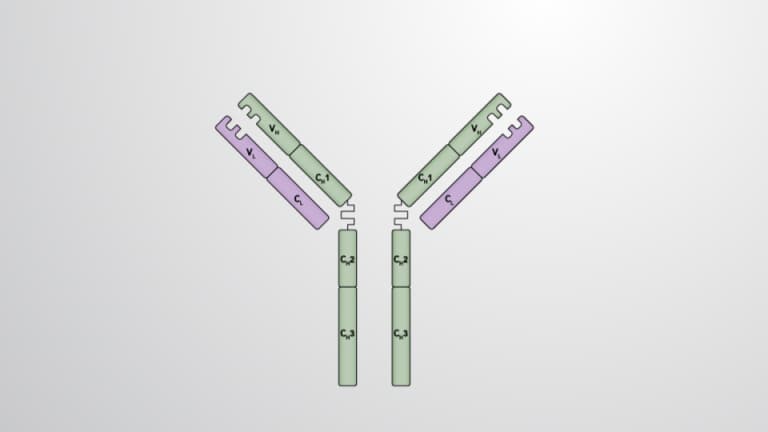
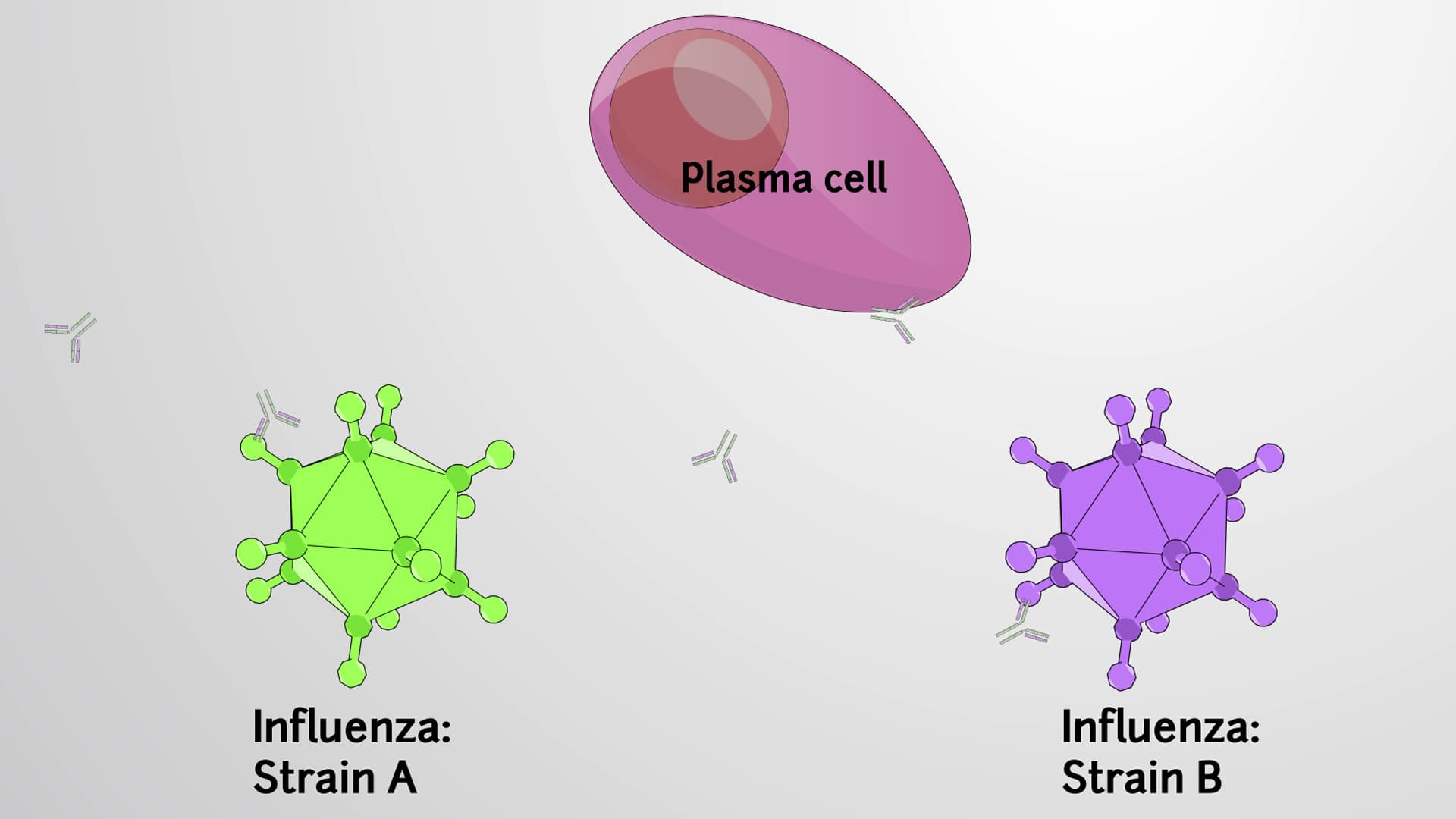
Affinity describes the binding strength between a single antibody's antigen-binding site (paratope) and a specific region on an antigen called an epitope. Think of this interaction like a lock and key-higher affinity means the key fits more perfectly and stays locked longer. Measured using dissociation constants (Kd), high-affinity interactions have low Kd values, indicating strong, stable binding.
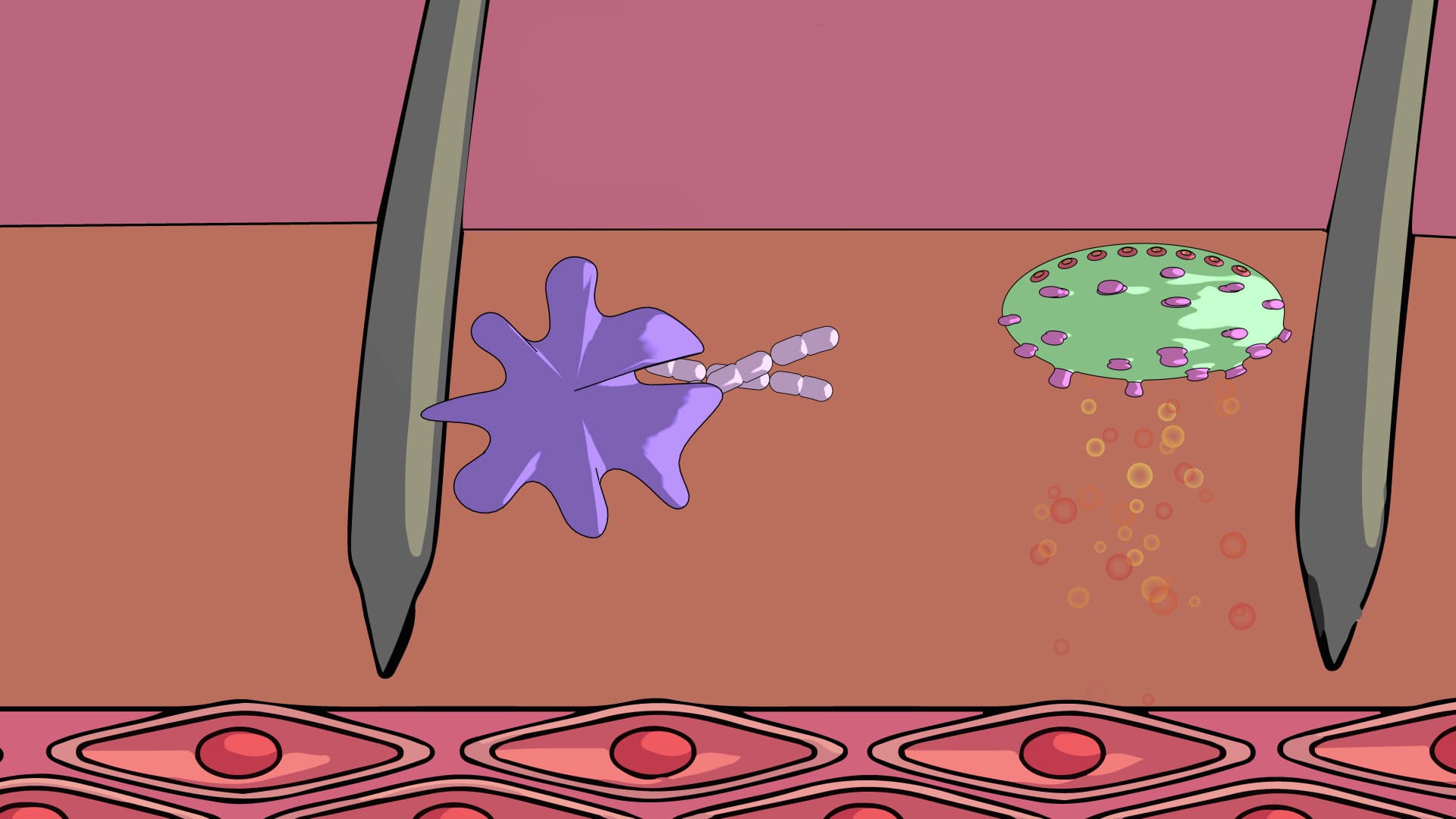
During initial pathogen exposure, B cells produce antibodies with relatively low affinity through a process called somatic hypermutation. The Johns Hopkins School of Medicine research demonstrates that first-time COVID-19 patients initially produce antibodies with moderate affinity, explaining why breakthrough infections can occur early in immune responses.
While affinity measures single binding events, avidity quantifies the cumulative strength when multivalent antibodies simultaneously engage multiple epitopes on the same antigen. This creates an "additive effect" where multiple weak interactions combine to form incredibly stable complexes-like multiple weak magnets working together to create strong attraction.
IgM antibodies exemplify high avidity through their pentameric structure, featuring ten antigen-binding sites. Although individual IgM-antigen interactions may have lower affinity than IgG antibodies, the combined avidity often exceeds IgG binding strength. This explains why IgM serves as the first-line defense in acute infections.
These concepts frequently appear on AP Biology exams, MCAT immunology sections, and undergraduate microbiology courses. Students should understand that affinity maturation-the process by which antibody affinity increases through repeated antigen exposure-explains vaccine booster effectiveness and natural immunity development.
The Moderna and Pfizer COVID-19 vaccines demonstrate practical applications: booster shots don't just increase antibody quantity but drive affinity maturation, producing higher-quality antibodies with enhanced binding strength. Similarly, the measles vaccine provides lifelong immunity partly because repeated exposure through vaccination creates extremely high-affinity antibodies that effectively neutralize the virus decades later.
Related Micro-courses