Loading subject page…


545,809 views

Video Summary: What Is Cross Reactivity
Ever wonder why someone allergic to walnuts might also react to pecans? Cross reactivity explains this fascinating immune phenomenon where structurally similar protein fragments called epitopes can trigger the same antibody response. This concept helps us understand why seasonal allergies to birch pollen often cross-react with certain fruits like apples in patients across the United States. Cross reactivity also explains how flu vaccines can provide broader protection against related viral strains. Watch the full video on JoVE Coach to master this concept with expert-led visuals and step-by-step explanations.
Cross reactivity represents a fundamental principle in immunology where the immune system's pattern recognition capabilities can sometimes work too broadly. At its core, cross reactivity occurs when antibodies or T-cell receptors recognize and bind to epitopes that share structural similarities, even if they originate from completely different sources. This molecular mimicry happens because the three-dimensional shape and chemical properties of epitopes-rather than their exact amino acid sequence-determine immune recognition.
The phenomenon becomes particularly relevant when studying antigen-antibody interactions. Antibodies recognize specific three-dimensional patterns on antigens through complementary binding sites. When two different antigens present epitopes with similar spatial arrangements of key amino acids, the same antibody can bind to both, triggering identical immune responses.
Cross reactivity explains many puzzling allergy patterns observed in US clinical practice. Oral allergy syndrome affects millions of Americans, causing individuals allergic to birch pollen to experience mouth tingling when eating raw apples, cherries, or hazelnuts. This occurs because these foods contain proteins structurally similar to birch pollen allergens.
Tree nut cross reactivity presents another compelling example. Patients allergic to walnuts frequently react to pecans due to shared protein structures, while cashew-allergic individuals often cannot tolerate pistachios. The FDA now requires food labels to account for these cross-reactive relationships, protecting consumers from unexpected allergic reactions.
Healthcare providers use skin prick tests and serum IgE measurements to identify cross-reactive patterns, helping patients understand which foods or environmental triggers to avoid. This knowledge proves essential for developing comprehensive allergy management plans.
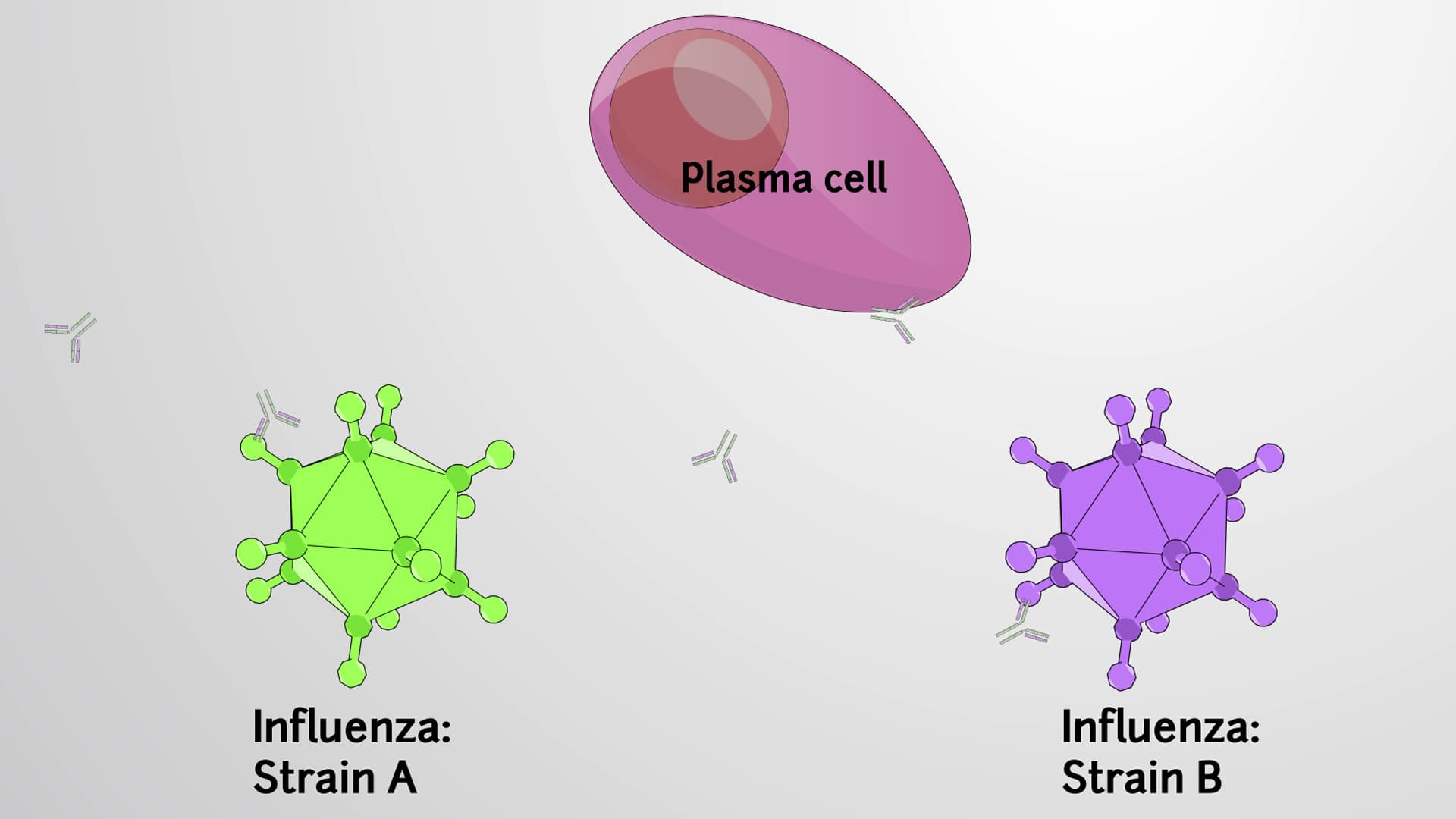
Cross reactivity also provides significant medical benefits, particularly in vaccination strategies. Annual influenza vaccines demonstrate this principle effectively. The Centers for Disease Control and Prevention (CDC) formulates flu shots to target predicted dominant strains, but cross-reactive immunity often provides protection against related viral variants that emerge during flu season.
Similarly, the smallpox vaccine's cross-reactive protection against monkeypox showcased this phenomenon's public health value during recent outbreaks. Healthcare workers and researchers studying these cross-protective effects contribute to developing more effective vaccines with broader coverage.
Students preparing for the MCAT, AP Biology exams, or college immunology courses must understand cross reactivity's mechanistic basis and clinical applications. This concept frequently appears in multiple-choice questions testing epitope recognition and in essay questions requiring analysis of vaccine effectiveness or allergy management strategies.
Medical students studying for USMLE Step 1 encounter cross reactivity in pathology, pharmacology, and microbiology contexts, particularly when learning about autoimmune diseases where molecular mimicry triggers inappropriate immune responses against self-antigens.
Related Micro-courses