- Biology
- Musculoskeletal System
Micro-courses:36

Musculoskeletal System
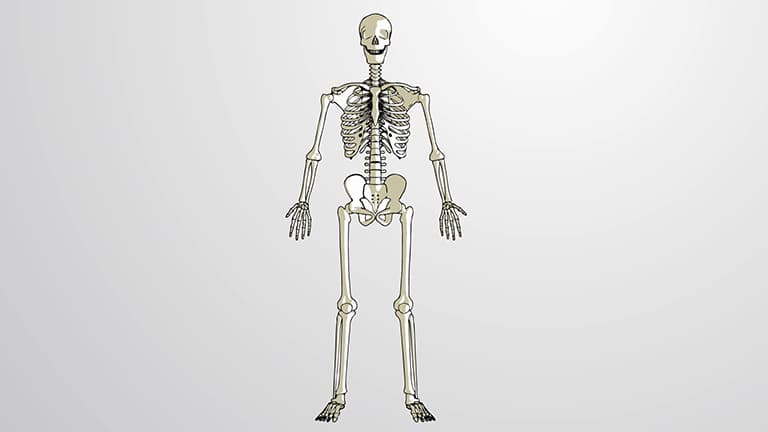
1. What is the Skeletal System?
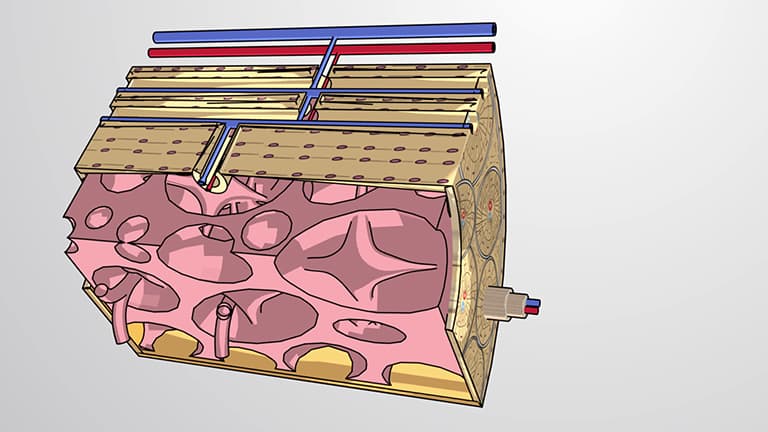
2. Bone Structure
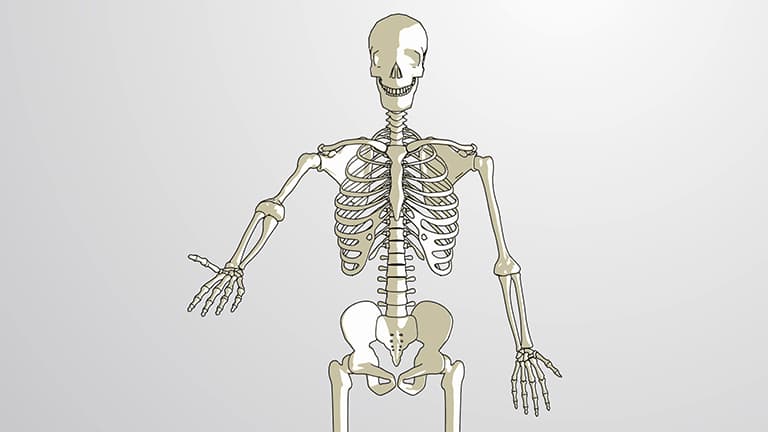
3. Joints
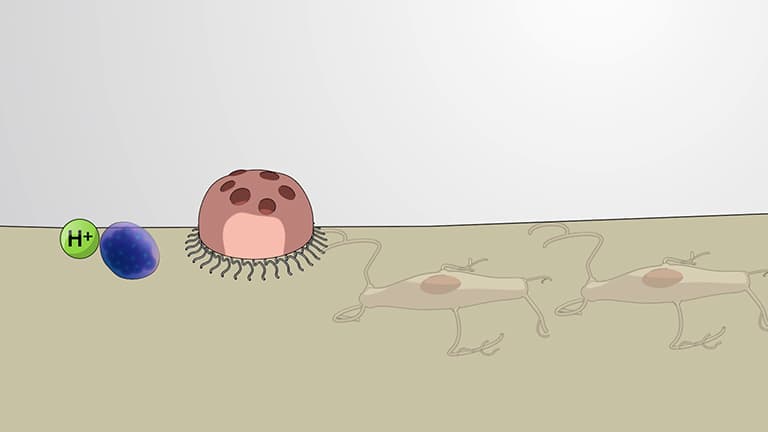
4. Bone Remodeling
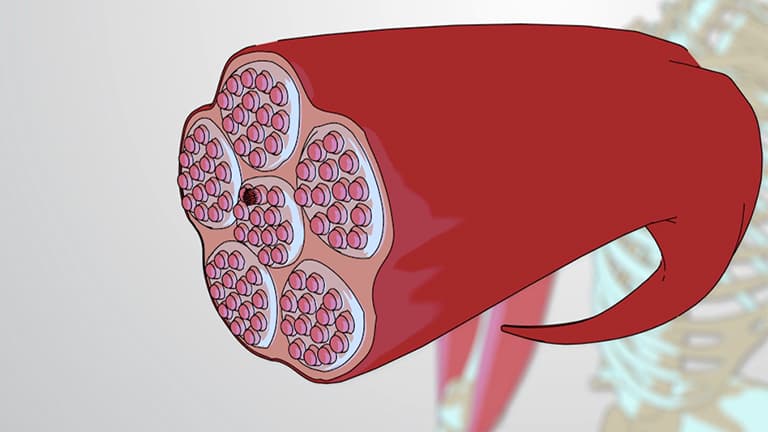
5. Skeletal Muscle Anatomy
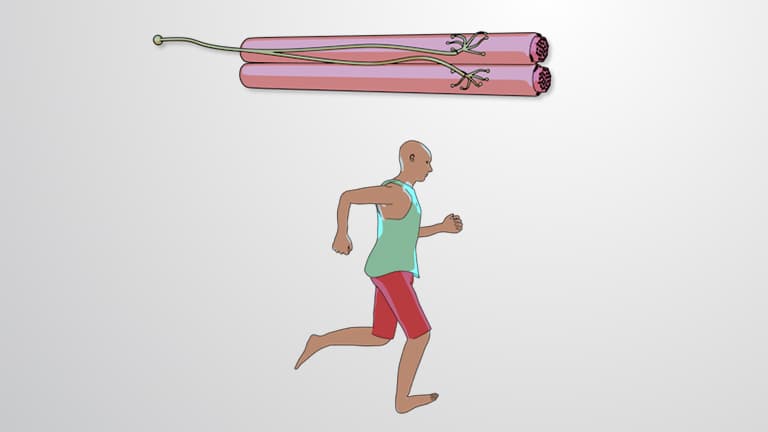
6. Classification of Skeletal Muscle Fibers
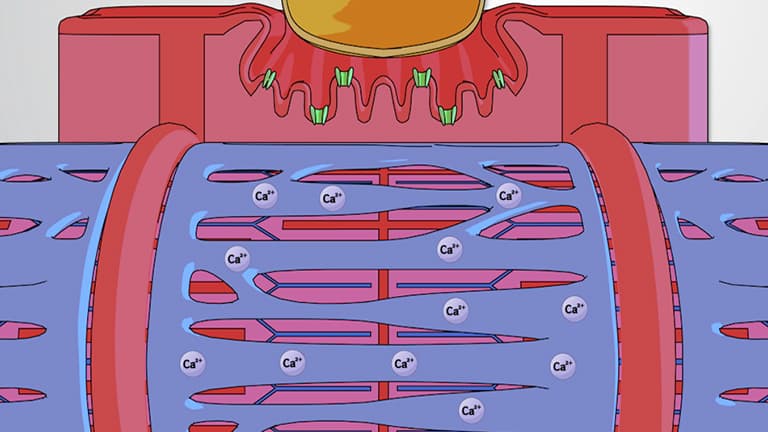
7. Muscle Contraction
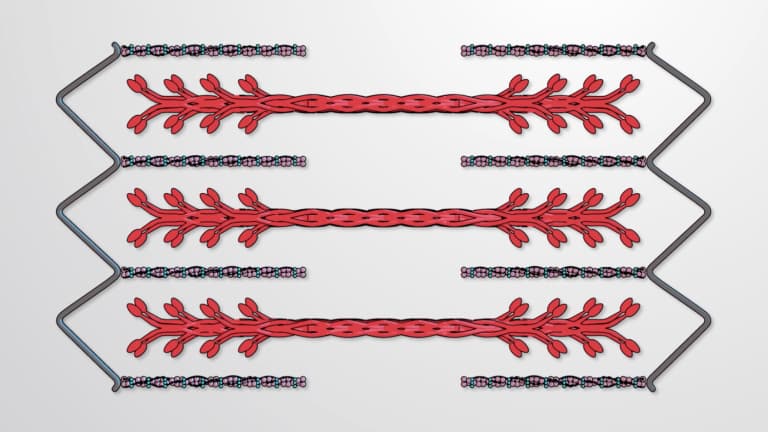
8. Cross-bridge Cycle
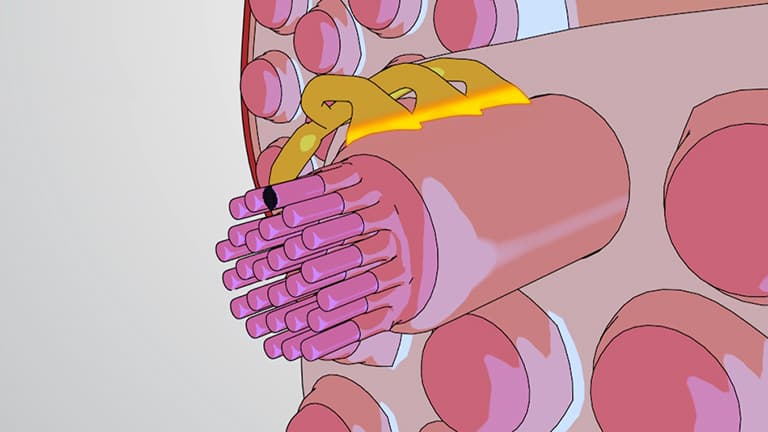
9. Motor Units
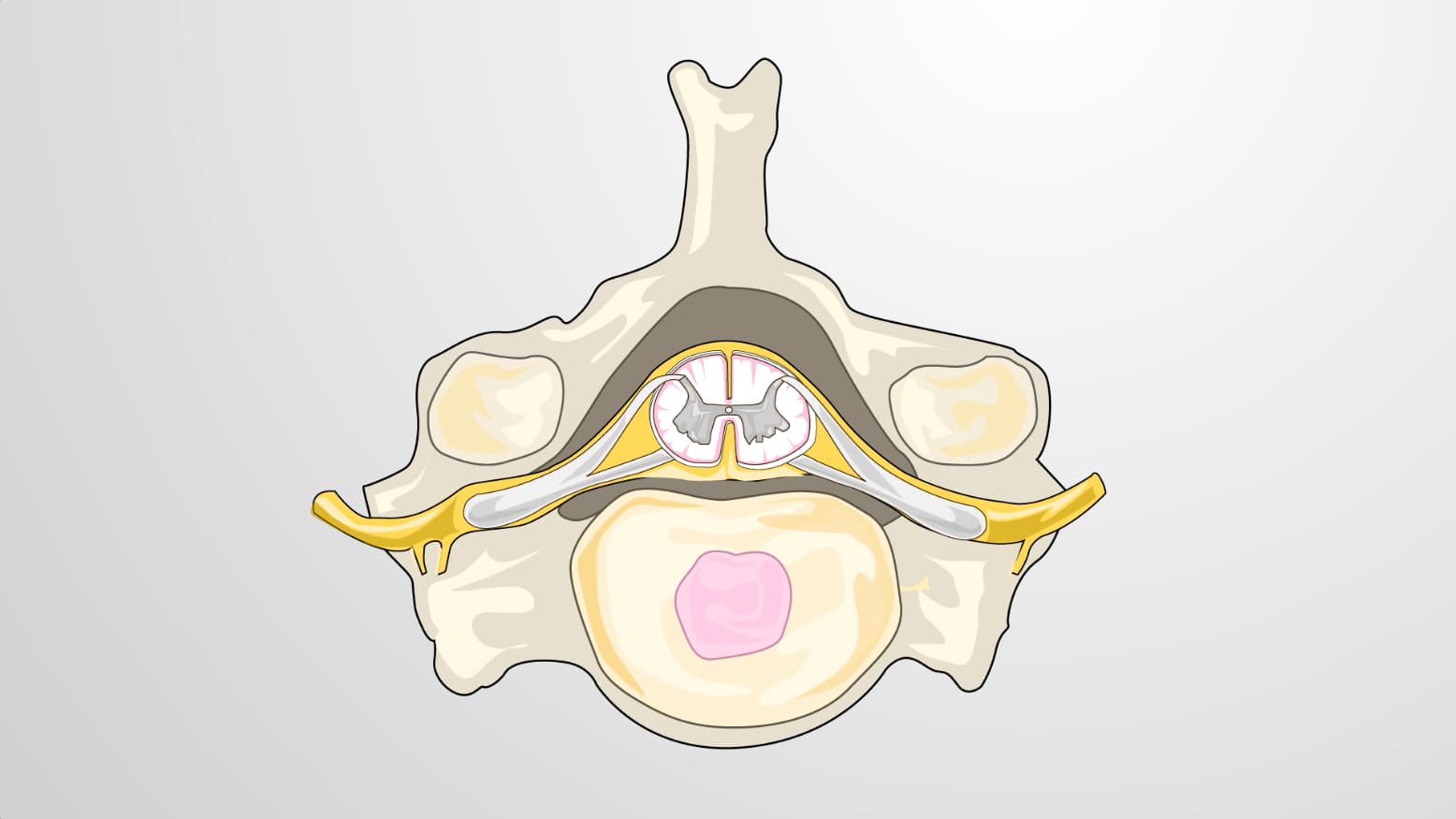
10. The Spinal Cord
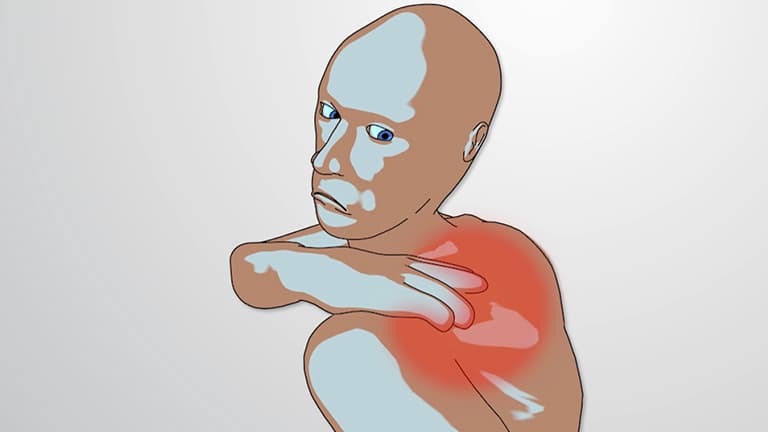
11. Nociception
The musculoskeletal system forms the structural foundation of human movement and protection, combining bones, muscles, joints, and connective tissues in coordinated function. This comprehensive course examines muscle and bone biology, exploring how muscles and bones work together through skeletal muscle contraction, bone remodeling, neural control, and pain perception—essential concepts for understanding human anatomy and physiology in clinical and research applications.
- Understand the organization and protective functions of axial and appendicular skeletal divisions
- Identify bone structure components including cortical bone, cancellous bone, and cellular organization
- Explore joint classifications and their mechanical properties for human movement
- Analyze bone remodeling processes involving osteoblasts, osteoclasts, and osteocytes
- Learn skeletal muscle anatomy from whole muscle to sarcomere level organization
- Understand muscle fiber types and their specific functional adaptations
- Apply knowledge of muscle contraction mechanisms and cross-bridge cycling
- Examine motor unit organization and neural control of voluntary movement
- Identify spinal cord anatomy and its role in motor and sensory function
- Explore nociception pathways and pain processing mechanisms
1. Skeletal System Organization and Function The human skeleton divides into axial and appendicular components, each serving distinct protective and locomotive functions. The axial skeleton, including the skull, vertebral column, and rib cage, protects vital organs like the brain, spinal cord, heart, and lungs. Meanwhile, the appendicular skeleton supports limb movement through arm and leg bones plus their connecting girdles. This organizational structure enables both stability and mobility, allowing complex movements like throwing a baseball while protecting delicate internal structures from injury during physical activity.
2. Bone Structure and Cellular Organization Long bones like the femur demonstrate the sophisticated architecture of osseous tissue, featuring dense cortical bone surrounding a medullary cavity filled with yellow bone marrow. The periosteum provides blood supply and contains bone-forming cells, while the endosteum lines internal surfaces. Microscopic osteons arrange in concentric lamellae around Haversian canals, housing osteocytes in lacunae. Cancellous bone at bone ends contains red bone marrow for blood cell production, with trabecular patterns optimizing strength-to-weight ratios essential for activities like basketball jumping.
3. Joint Classification and Movement Mechanics Joints enable movement through three main categories with varying mobility levels. Fibrous joints like skull sutures provide stability without movement, while cartilaginous joints between vertebrae allow controlled bending during spinal flexion. Synovial joints, exemplified by the shoulder's ball-and-socket design, permit extensive movement through articular cartilage and synovial fluid lubrication. This joint variety enables activities from precise handwriting to powerful swimming strokes, with ligaments and muscles providing stability and control throughout movement ranges.
4. Bone Remodeling and Adaptation Living bone tissue continuously remodels through coordinated osteoclast resorption and osteoblast formation phases, replacing skeletal regions like femur ends every six months. Mechanical stress triggers osteocyte signaling, initiating bone removal where osteoclasts create erosion cavities through enzyme secretion. Subsequently, osteoblasts fill cavities with new osteoid matrix containing collagen fibers. This process maintains bone strength during activities like marathon running while releasing calcium for metabolic functions, demonstrating bone's dual role as structural support and mineral reservoir.
5. Skeletal Muscle Architecture and Fiber Types Skeletal muscles contain hierarchical organization from whole muscle through fascicles to individual sarcomeres, the contractile units containing actin and myosin filaments. Three distinct fiber types serve different functional demands: slow-twitch oxidative fibers excel in endurance activities like distance cycling through abundant myoglobin and mitochondria; fast-twitch oxidative fibers provide power for sprinting through rapid aerobic metabolism; fast-twitch glycolytic fibers generate maximum force for powerlifting through anaerobic glycogen breakdown. Genetic factors and training adaptations determine individual muscle fiber composition.
6. Muscle Contraction and Cross-Bridge Cycling Voluntary muscle contraction begins with motor cortex signals activating spinal motor neurons, which release acetylcholine at neuromuscular junctions. Calcium ion release from sarcoplasmic reticulum exposes myosin-binding sites on actin filaments by moving tropomyosin. ATP hydrolysis energizes myosin heads for actin binding, creating cross-bridges that pull actin filaments toward sarcomere centers during the power stroke. New ATP molecules dissociate cross-bridges, enabling repeated cycling until calcium removal and ATP depletion end contraction, as occurs when stopping a bicep curl.
7. Motor Unit Organization and Neural Control Motor units consist of single spinal motor neurons innervating multiple muscle fibers, with unit sizes varying by precision requirements. Eye movement muscles contain small motor units with few fibers for precise control, while postural muscles like those supporting standing contain hundreds of fibers per unit. Motor neuron activation causes simultaneous contraction of all innervated fibers, producing graded muscle force through motor unit recruitment. This organization enables both delicate tasks like suturing wounds and powerful activities like weightlifting through selective motor unit activation patterns.
8. Spinal Cord Structure and Function The spinal cord forms a critical nervous system component, featuring butterfly-shaped gray matter containing motor neurons surrounded by white matter tracts carrying ascending sensory and descending motor information. Extending from the brainstem through vertebral foramina to the L1-2 level, paired spinal nerves emerge at each vertebral level. Ventral nerve roots carry motor signals to muscles, while dorsal roots transmit sensory information from skin dermatomes. This organization enables reflexes, voluntary movement, and sensation, with dermatome maps helping clinicians diagnose neurological conditions.
9. Pain Processing and Nociception Pathways Nociception begins when tissue damage activates free nerve endings, triggering inflammatory responses involving mast cell histamine release and macrophage cytokine secretion. Two fiber types transmit pain signals: myelinated A-delta fibers conduct sharp, localized pain rapidly for immediate withdrawal responses, while unmyelinated C fibers carry slower, burning pain sensations. Signals cross in the spinal cord before ascending to brainstem, thalamus, and somatosensory cortex for location identification. Additional processing in amygdala and prefrontal cortex creates emotional and cognitive pain components, explaining individual pain perception variations.
Frequently Asked Questions
Compact bone forms the dense outer shell providing structural strength and protection, while spongy bone creates a lightweight honeycomb interior that houses red bone marrow for blood cell production. This combination maximizes strength while minimizing weight—like a steel-framed building with hollow spaces—enabling activities from running to jumping without excessive skeletal mass.
Slow-twitch fibers excel in endurance sports like marathon running through sustained aerobic energy production, while fast-twitch oxidative fibers power sprinting and cycling through rapid aerobic metabolism. Fast-twitch glycolytic fibers generate maximum force for powerlifting and football through anaerobic energy, explaining why elite athletes often show sport-specific muscle fiber compositions.
Focus on muscle contraction mechanisms, bone remodeling processes, and motor unit organization for AP Biology. MCAT preparation should emphasize molecular details like cross-bridge cycling, calcium regulation, and neural control pathways. Understanding how structure relates to function across all organizational levels—from molecular to system—appears frequently on both examinations.
Nurses apply this knowledge when assessing patient mobility, understanding fracture healing, managing pain, and preventing complications like muscle atrophy during bedrest. NCLEX questions often test understanding of normal movement, joint function, and how diseases affect musculoskeletal function. This foundation supports patient education and rehabilitation planning.
Bone remodeling serves multiple functions: replacing old or damaged tissue, adapting to mechanical stress patterns, and maintaining calcium homeostasis for metabolic needs. This process explains how astronauts lose bone density in weightlessness, how bones heal after fractures, and why weight-bearing exercise strengthens skeletal structure throughout life.
The complexity lies in multiple organizational levels from molecular (actin-myosin) to system (whole body movement), numerous specialized terms, and interconnected physiological processes. Students often struggle connecting microscopic mechanisms to observable functions, requiring integration of anatomy, physiology, and biochemistry concepts simultaneously.
Use active learning techniques like drawing diagrams showing muscle contraction steps, creating concept maps connecting bones to muscles to movements, and practicing with clinical scenarios. Relate concepts to personal experiences—feel your own bones and muscles during movement, and connect abstract processes to familiar activities like exercising or healing from injuries.
Understanding normal function helps explain pathology: knowing joint structure clarifies arthritis mechanisms, muscle fiber types explain different injury patterns in athletes, and pain pathways illuminate chronic pain conditions. This foundation supports career preparation in healthcare, physical therapy, athletic training, and exercise science fields.
This microcourse includes 11 concept videos that walk you through the building blocks of Biology. Each video is short, about 1 minute, so you can cover a full topic during a coffee break or between classes. The full sequence starts with What is the Skeletal System? and ends with Nociception.
The playlist moves from big-picture ideas to the precise vocabulary used in Biology. Early videos introduce What is the Skeletal System?, Bone Structure, and Joints. The middle of the series focuses on Skeletal Muscle Anatomy, Classification of Skeletal Muscle Fibers, and Muscle Contraction. The final stretch covers Cross-bridge Cycle, Motor Units, The Spinal Cord, and Nociception.
The natural next step is Endocrine System. From there, you can move to Circulatory and Pulmonary Systems, Osmoregulation and Excretion, and Immune System. Once you finish those, the full Biology curriculum of 36 microcourses on JoVE Coach opens up, taking you from foundational concepts to advanced systems.
Related Subjects

