Loading subject page…
- Biology
- Population and Community Ecology
Biology
All Micro-courses:36

1.
Scientific Inquiry
8 Concepts
2.
Chemistry of Life
21 Concepts
3.
Macromolecules
9 Concepts
4.
Cell Structure and Function
16 Concepts
5.
Membranes and Cellular Transport
16 Concepts
6.
Cell Signaling
14 Concepts
7.
Metabolism
15 Concepts
8.
Cellular Respiration
14 Concepts
9.
Photosynthesis
7 Concepts
10.
Cell Cycle and Division
9 Concepts
11.
Meiosis
5 Concepts
12.
Classical and Modern Genetics
19 Concepts
13.
DNA Structure and Function
13 Concepts
14.
Gene Expression
12 Concepts
15.
Biotechnology
15 Concepts
16.
Viruses
7 Concepts
17.
Nutrition and Digestion
8 Concepts
18.
Nervous System
11 Concepts
19.
Sensory Systems
12 Concepts
20.
Musculoskeletal System
11 Concepts
21.
Endocrine System
6 Concepts
22.
Circulatory and Pulmonary Systems
8 Concepts
23.
Osmoregulation and Excretion
8 Concepts
24.
Immune System
9 Concepts
25.
Reproduction and Development
8 Concepts
26.
Behavior
10 Concepts
27.
Ecosystems
12 Concepts
28.
Population and Community Ecology
12 Concepts
29.
Biodiversity and Conservation
11 Concepts
30.
Speciation and Diversity
5 Concepts
31.
Natural Selection
4 Concepts
32.
Population Genetics
5 Concepts
33.
Evolutionary History
7 Concepts
34.
Plant Structure, Growth, and Nutrition
21 Concepts
35.
Plant Reproduction
7 Concepts
36.
Plant Responses to the Environment
8 Concepts
Population and Community Ecology
 12 Concepts
 284.3K Views
 Popular topics
Concepts: 12
00:30
35.7K views
00:54
23.3K views
01:29
21.7K views
00:51
10K views
00:57
26.3K views
00:58
35.6K views
02:02
25.2K views
02:17
20.5K views
01:39
22.8K views
02:34
23.3K views
02:39
20K views
02:26
19.9K views
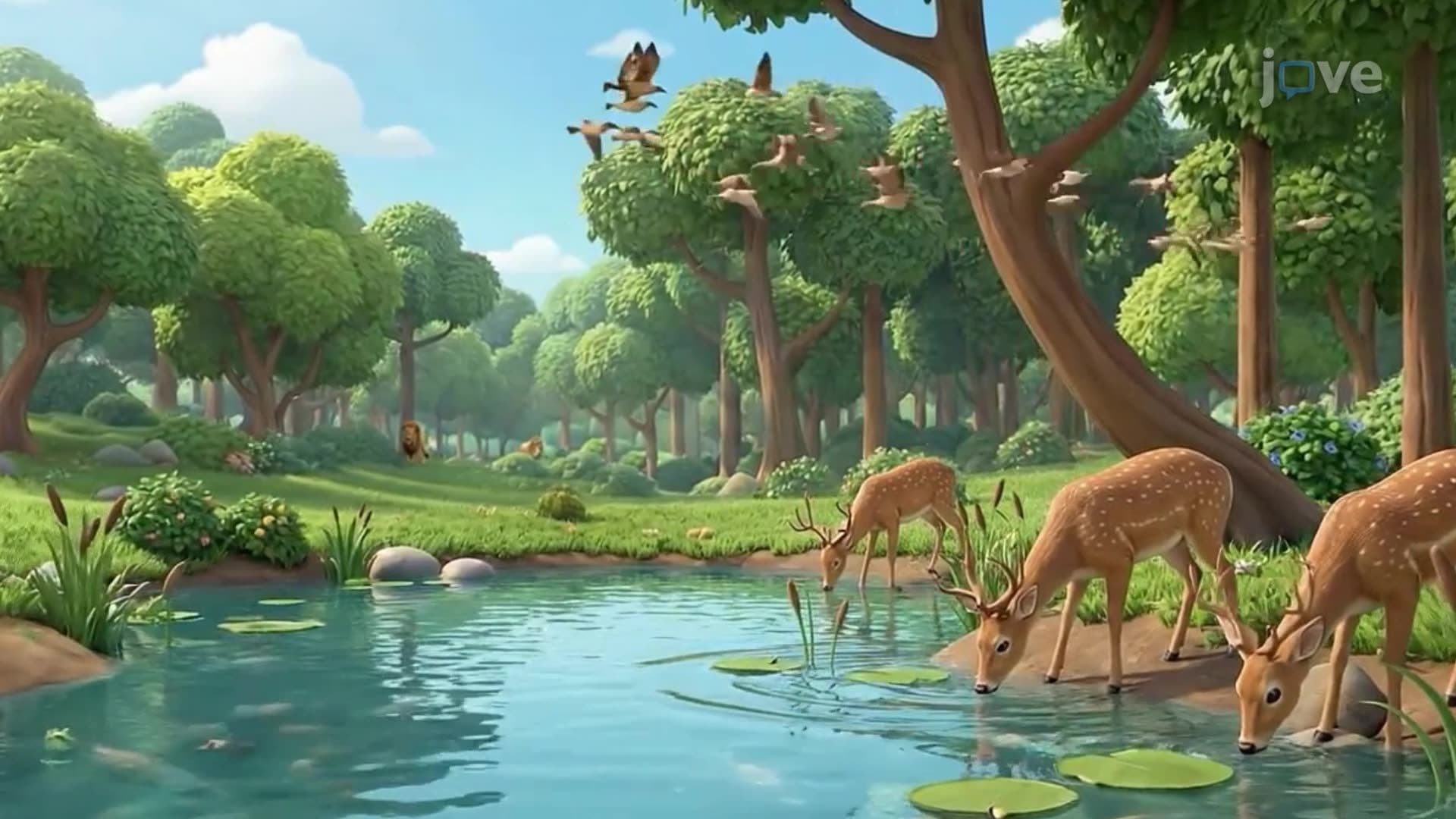
Population and community ecology examines how species interact ecology through predator-prey relationships, competition, and symbiosis within ecosystems. This comprehensive JoVE Coach course explores population growth ecology patterns, ecological niches, and community dynamics that shape biodiversity in habitats from California's kelp forests to Florida's Everglades. Students learn how populations interact in ecological communities through succession, disturbance, and keystone species effects.
- Understand the fundamental differences between populations and communities in ecological systems
- Learn distribution patterns and population growth models in natural ecosystems
- Identify various species interactions ecology including competition, predation, and symbiosis
- Explore ecological niches and resource partitioning strategies
- Analyze how populations interact in ecological communities through succession processes
- Apply energy budget concepts to life history strategies
- Examine keystone species roles in maintaining community structure
- Understand ecological disturbance effects on biodiversity and community dynamics
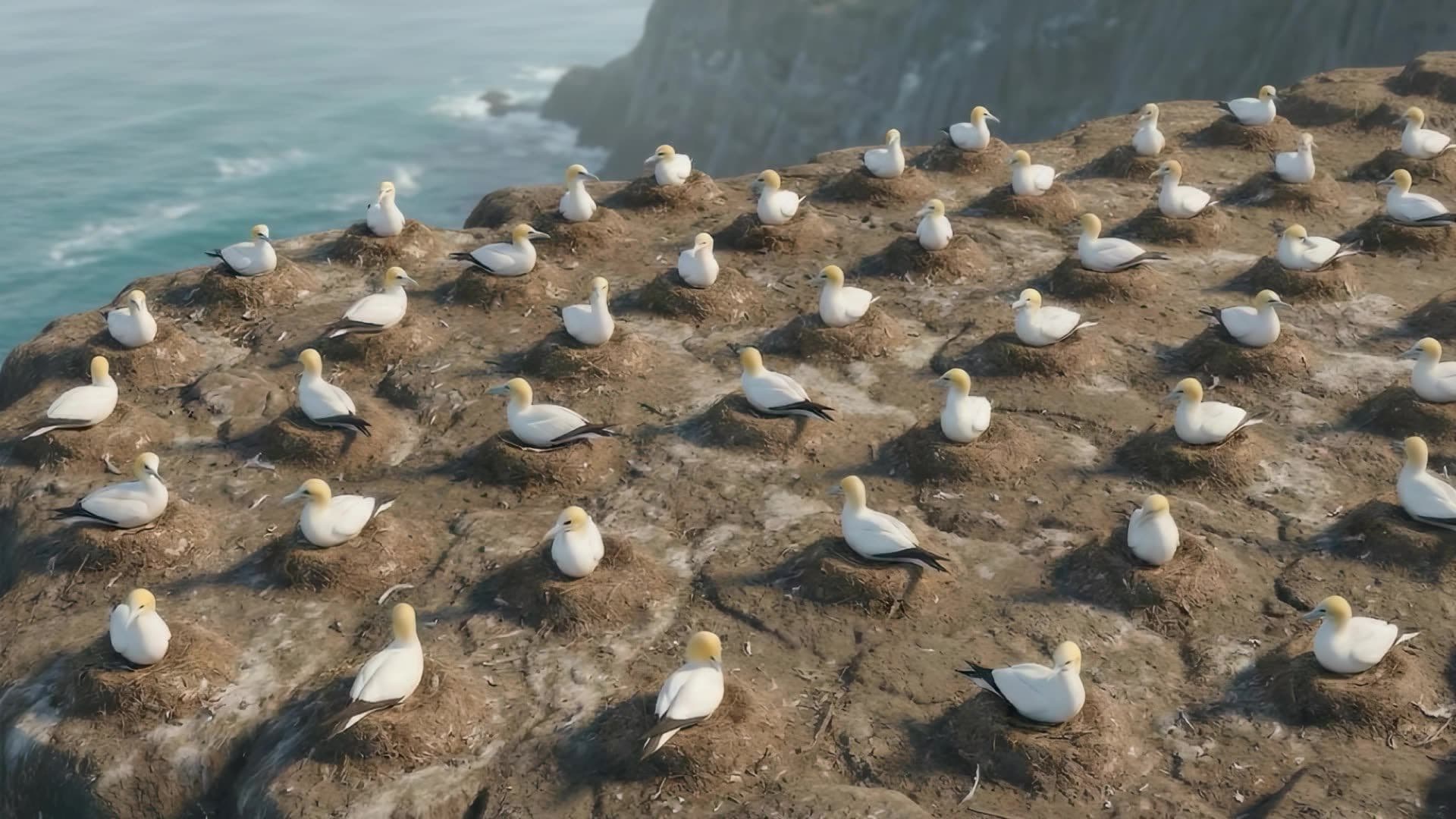
1. Population Structure and Distribution Patterns Populations consist of individuals from the same species sharing a habitat, displaying three main distribution patterns. Uniform distribution occurs when organisms maintain equal spacing, like desert tortoises in Arizona defending territories. Random distribution appears when placement is independent, such as wildflowers scattered across Texas prairies. Clumped distribution emerges around vital resources, exemplified by prairie dogs clustered near water sources in Great Plains ecosystems. Understanding these patterns helps ecologists predict species responses to environmental changes and habitat management strategies.
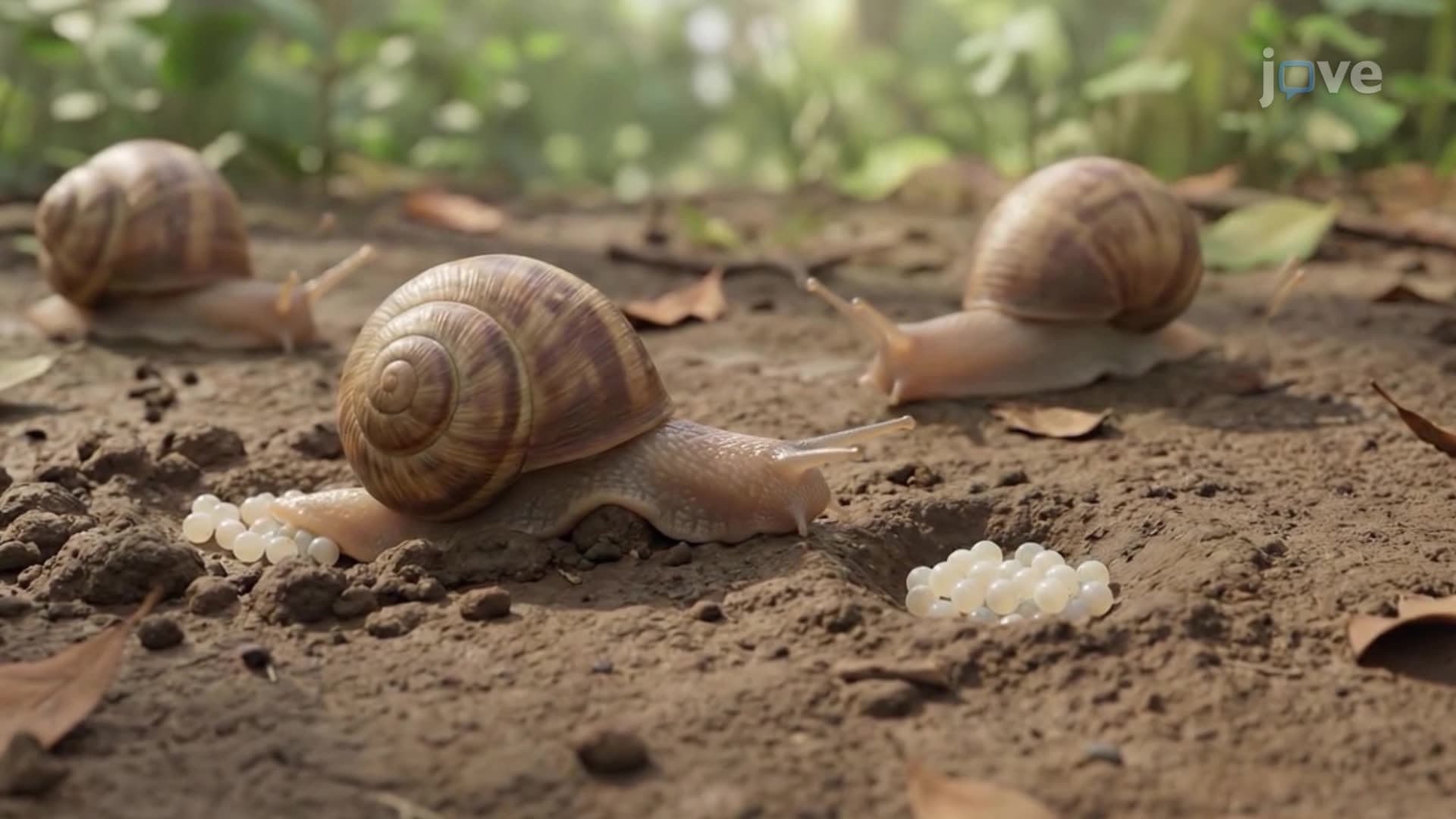
2. Life History Strategies and Survivorship Species exhibit distinct reproductive strategies affecting survival patterns. R-strategists like Pacific salmon mature quickly, produce numerous offspring, and show Type III survivorship with high juvenile mortality but stable adult survival. K-strategists such as California sea otters mature slowly, invest heavily in fewer offspring, and display Type I survivorship with high juvenile survival followed by increased adult mortality. Type II survivorship maintains constant mortality rates throughout life, seen in American robins. These strategies reflect evolutionary adaptations to environmental pressures and resource availability.
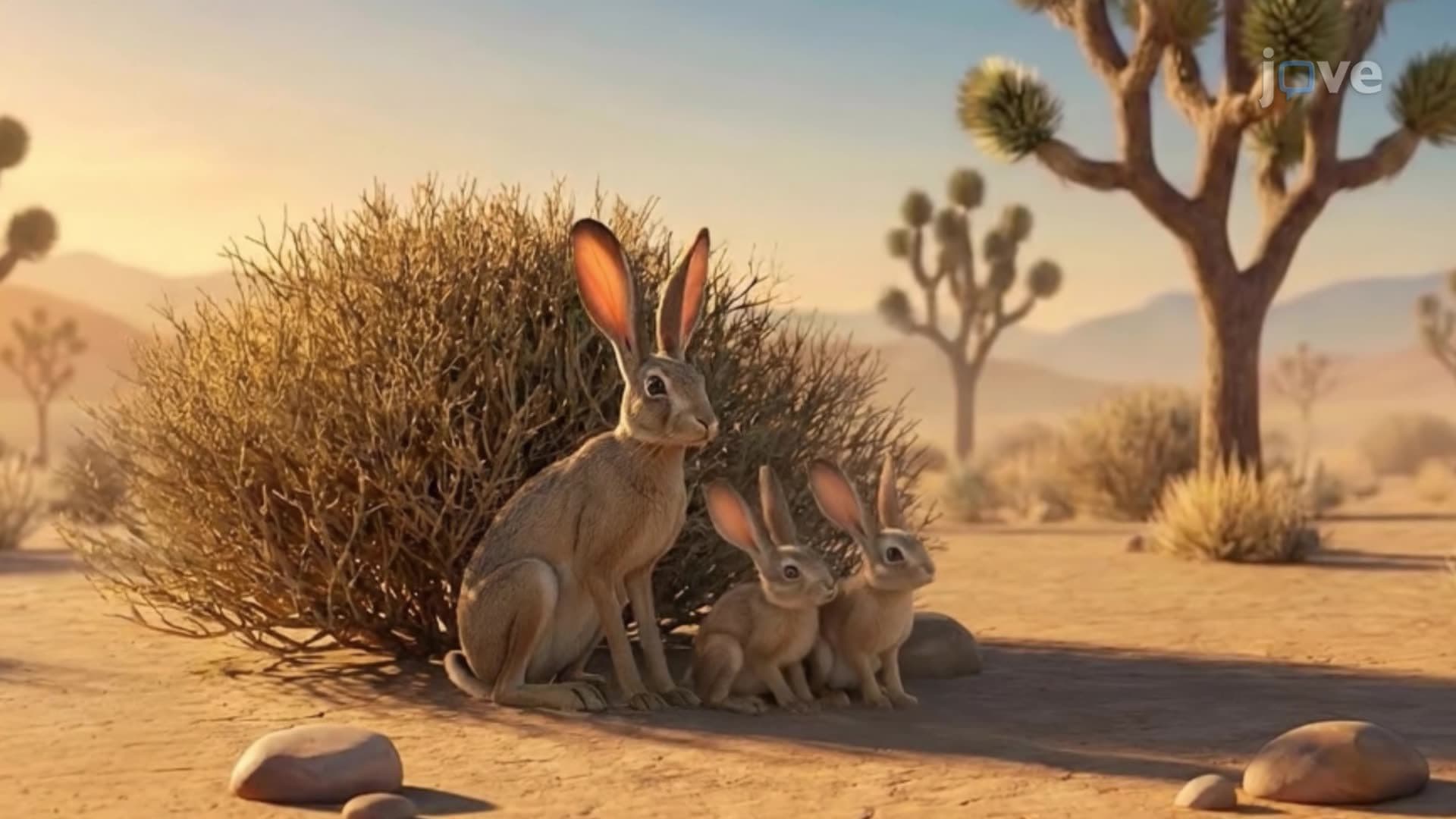
3. Population Growth and Carrying Capacity Population growth ecology follows predictable mathematical models influenced by environmental factors. Exponential growth occurs under ideal conditions with unlimited resources, creating J-shaped curves. However, real populations experience logistic growth following S-shaped curves as they approach carrying capacity-the maximum sustainable population size. Environmental resistance factors like food scarcity, disease, and competition slow growth rates. Immigration and emigration further influence population dynamics, demonstrated by seasonal bird migrations affecting local community composition in North American flyways.
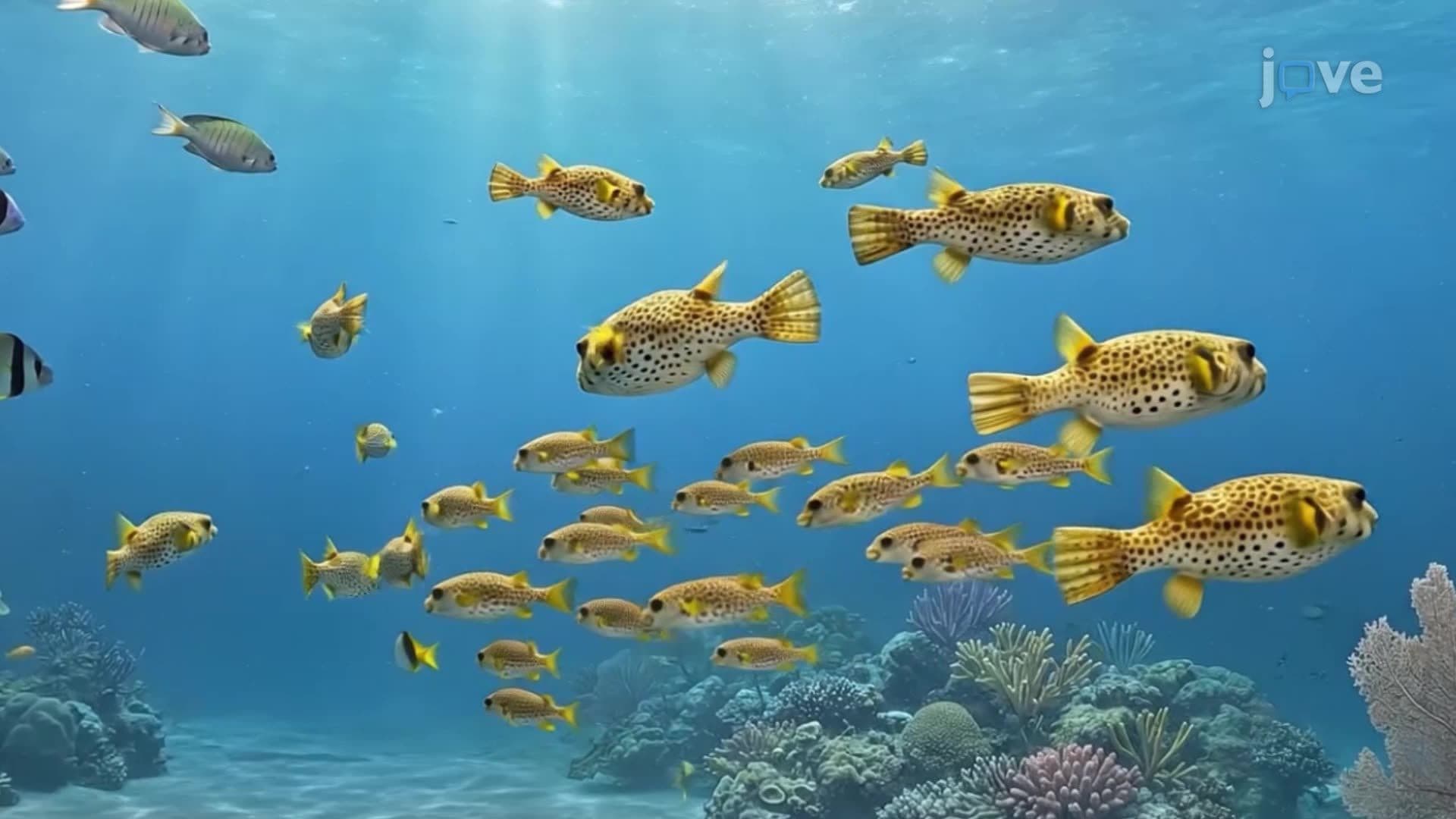
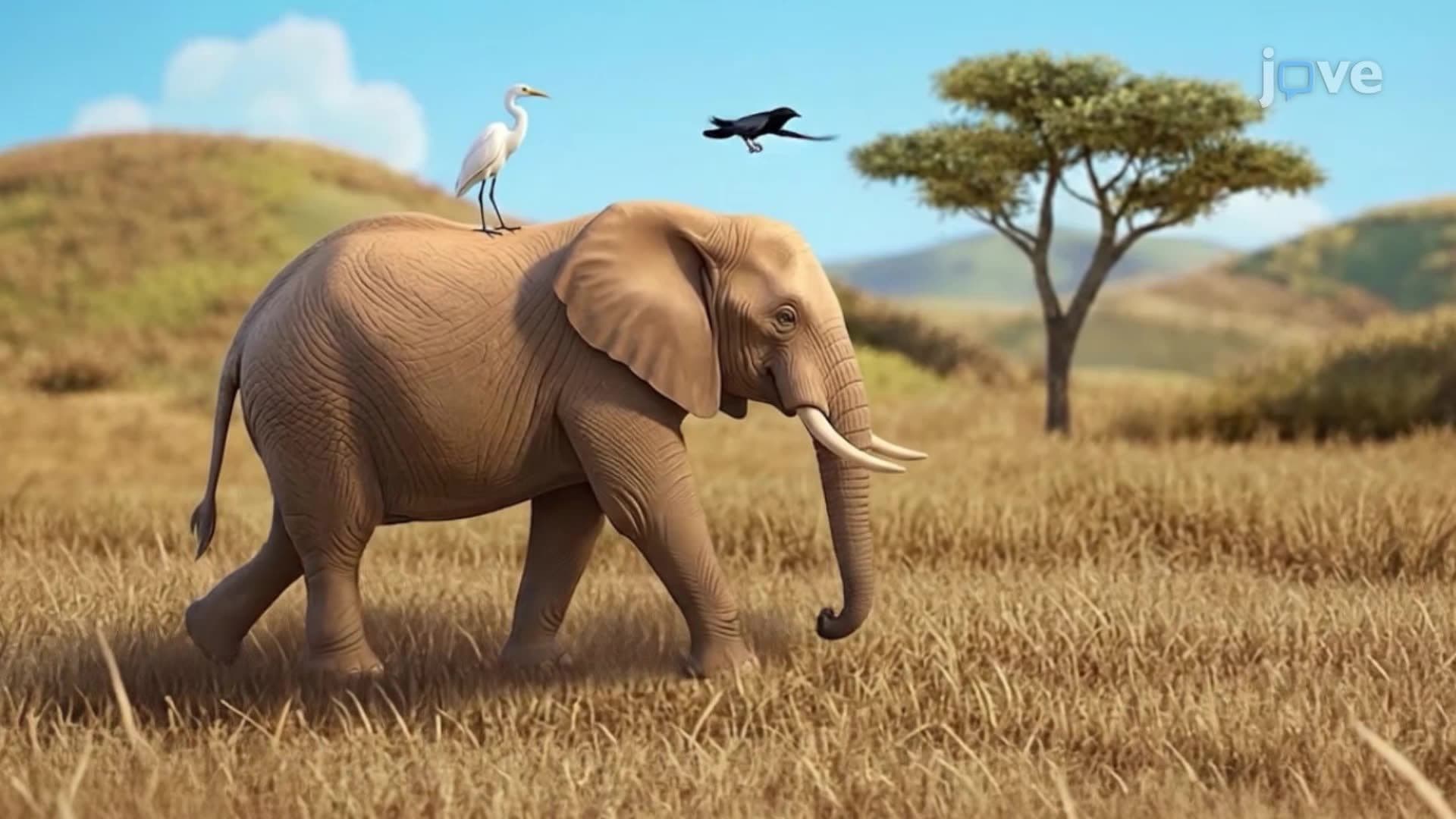
4. Species Interactions and Symbiotic Relationships How populations interact in ecological communities involves three primary symbiotic relationships. Commensalism benefits one species without affecting another, like cattle egrets feeding on insects disturbed by grazing bison. Mutualism benefits both participants, exemplified by cleaner fish removing parasites from larger marine species in coral reefs. Parasitism benefits one organism while harming another, such as deer ticks transmitting Lyme disease to humans. These interactions shape community structure and influence species distribution patterns across ecosystems.
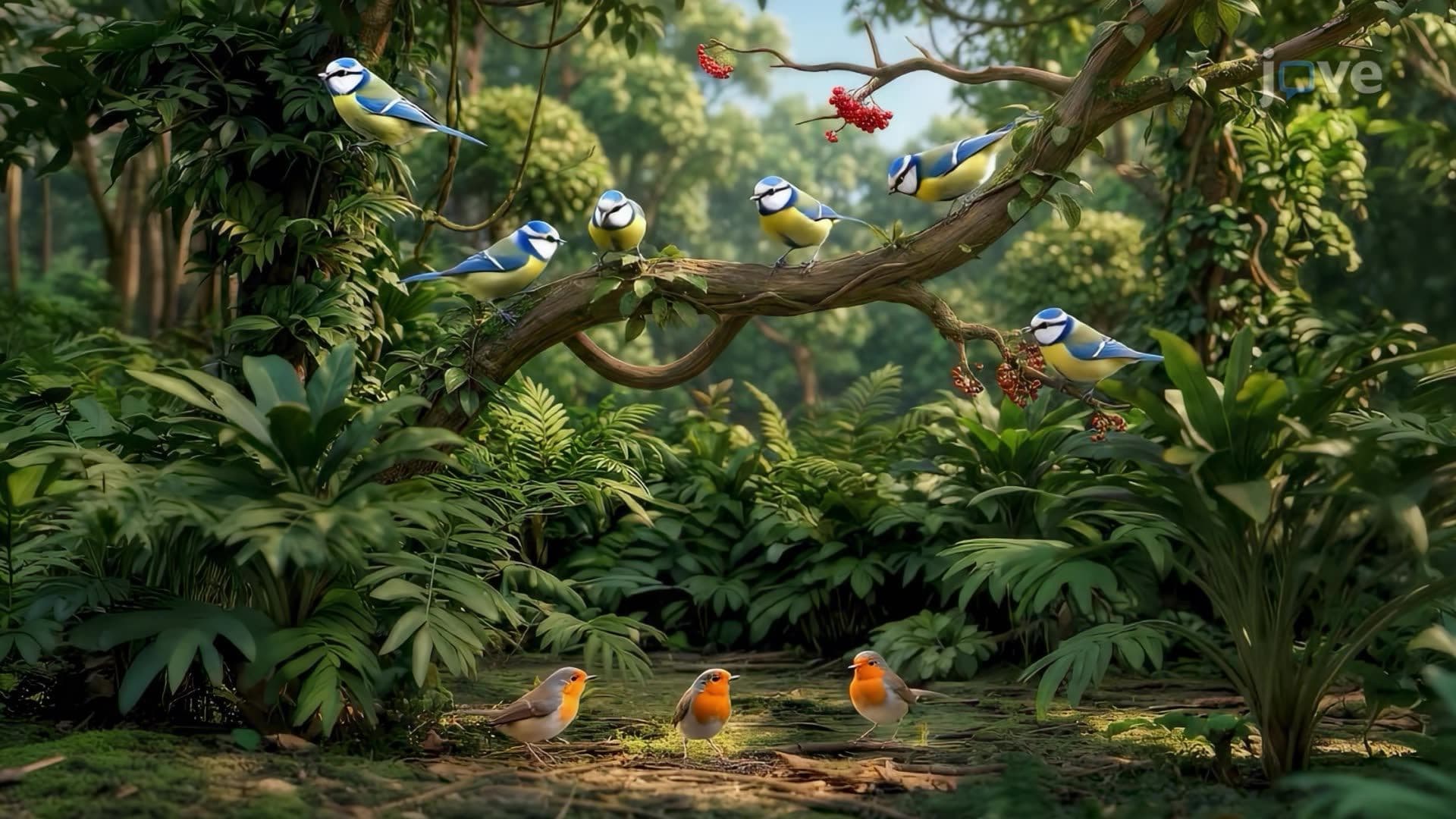
5. Ecological Niches and Resource Partitioning An ecological niche encompasses all biotic and abiotic factors affecting an organism's survival and reproduction. Fundamental niches represent potential resource use under ideal conditions, while realized niches reflect actual resource utilization under competitive pressures. Resource partitioning allows similar species to coexist by dividing available resources spatially or temporally. MacArthur's warbler studies in New England forests demonstrated how five species avoid competition by feeding at different tree heights, enabling coexistence despite similar dietary requirements.
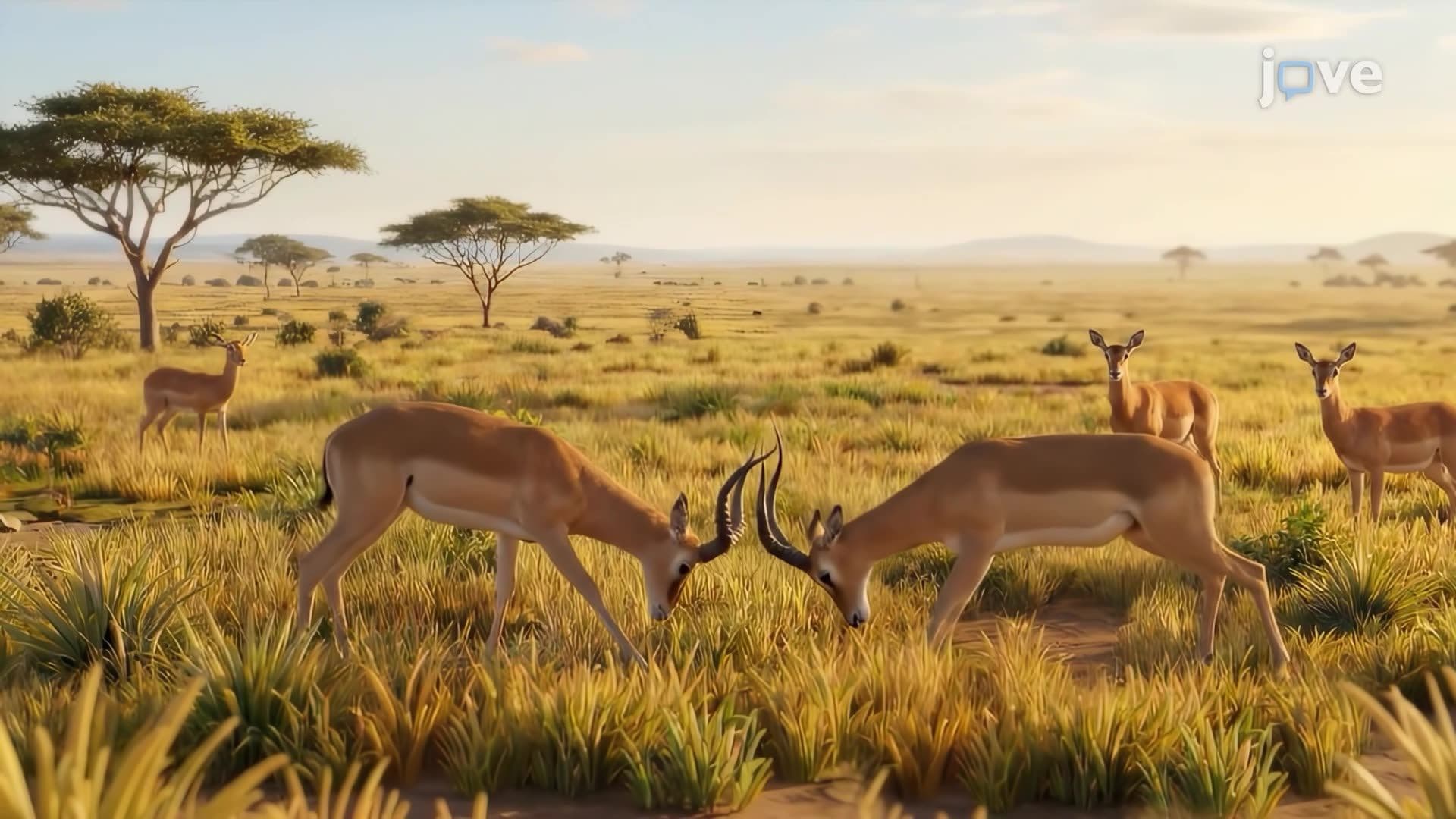
6. Competition and Competitive Exclusion Competition arises when organisms require limited resources, occurring within species (intraspecific) or between species (interspecific). Direct competition involves active interference, like male elk fighting during rutting season. indirect competition occurs through resource depletion, such as plants competing for soil nutrients. Competitive exclusion principle states that two species cannot occupy identical niches indefinitely-the superior competitor will exclude the weaker one unless resource partitioning or niche differentiation occurs. This principle explains why similar species often exhibit subtle ecological differences.
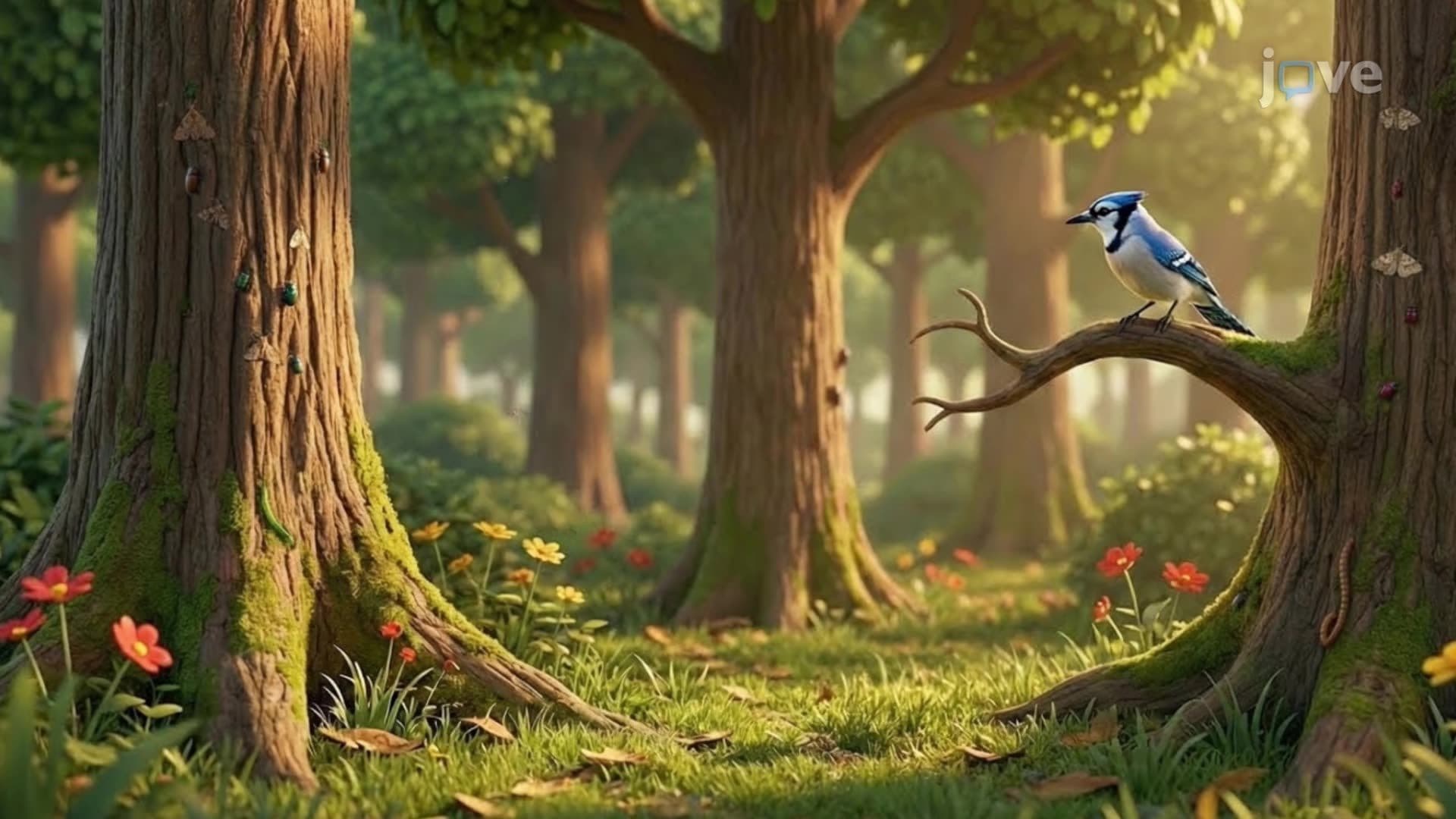
7. Predator-Prey Dynamics and Coevolution Predator-prey relationships drive evolutionary adaptations in both participants through coevolutionary processes. Predators develop enhanced sensory capabilities and capture mechanisms, while prey evolve defensive strategies. Crypsis allows prey to blend with surroundings, like peppered moths matching tree bark coloration. Aposematism warns predators of toxicity through bright coloration, demonstrated by monarch butterflies. Batesian mimicry involves harmless species copying dangerous ones, while Müllerian mimicry occurs between multiple toxic species sharing warning signals.
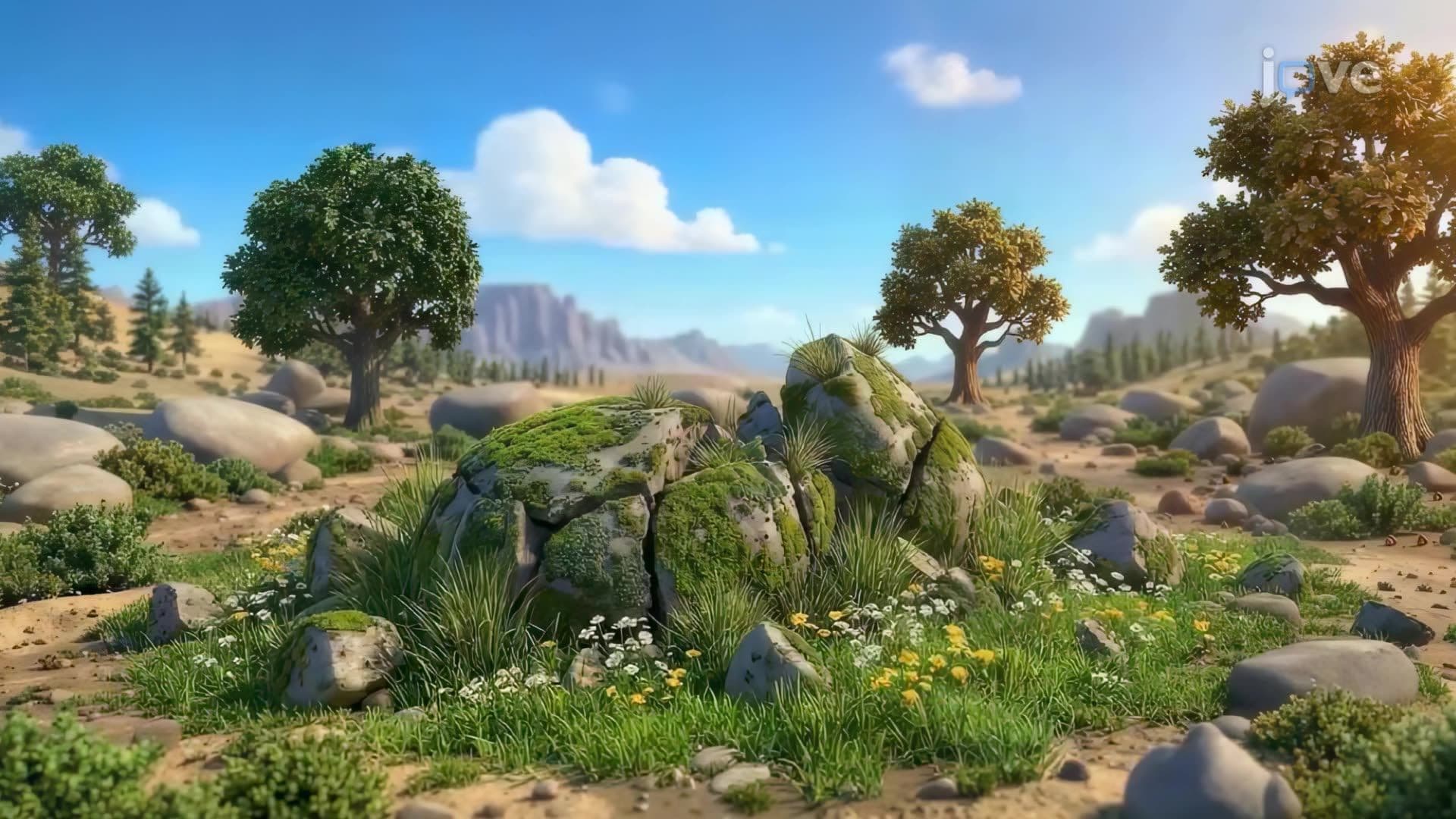
8. Ecological Succession and Community Development Ecological succession describes predictable changes in community composition over time following disturbances. Primary succession begins on bare rock surfaces after volcanic eruptions or glacial retreat, starting with pioneer species like lichens that create soil conditions for subsequent colonizers. Secondary succession occurs in previously inhabited areas after disturbances like forest fires, progressing more rapidly through herbaceous plants, shrubs, and eventually climax communities. Yellowstone's recovery after the 1988 fires exemplifies secondary succession restoring forest ecosystems.
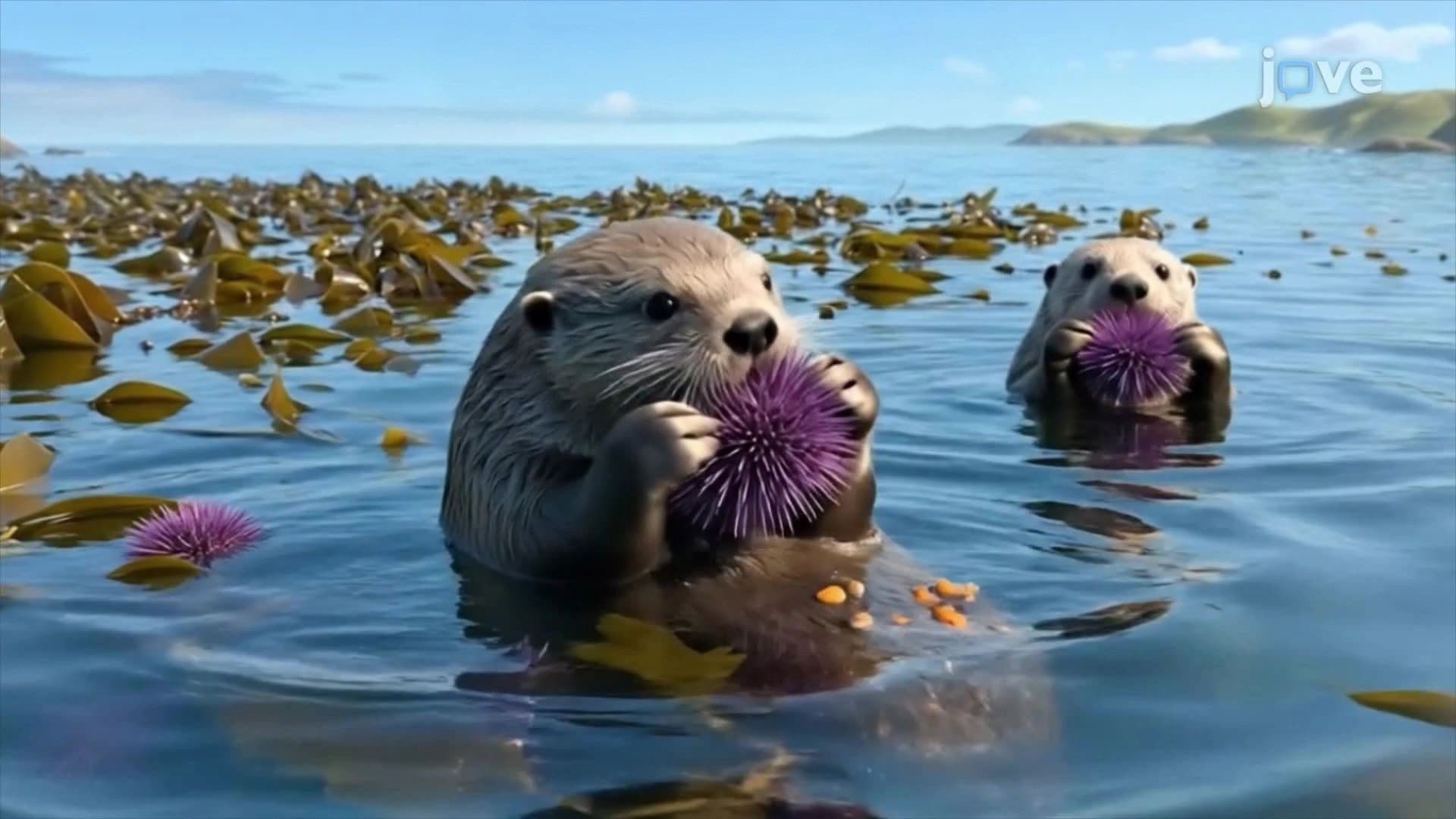
9. Keystone Species and Community Structure Keystone species exert disproportionately large effects on community structure relative to their abundance. Sea otters in Pacific kelp forests control sea urchin populations, preventing overgrazing that would eliminate kelp habitat supporting numerous other species. Removing keystone species causes cascading effects throughout the community, dramatically altering species composition and ecosystem function. Gray wolves in Yellowstone National Park demonstrate keystone effects by controlling deer populations, allowing vegetation recovery and supporting diverse wildlife communities.
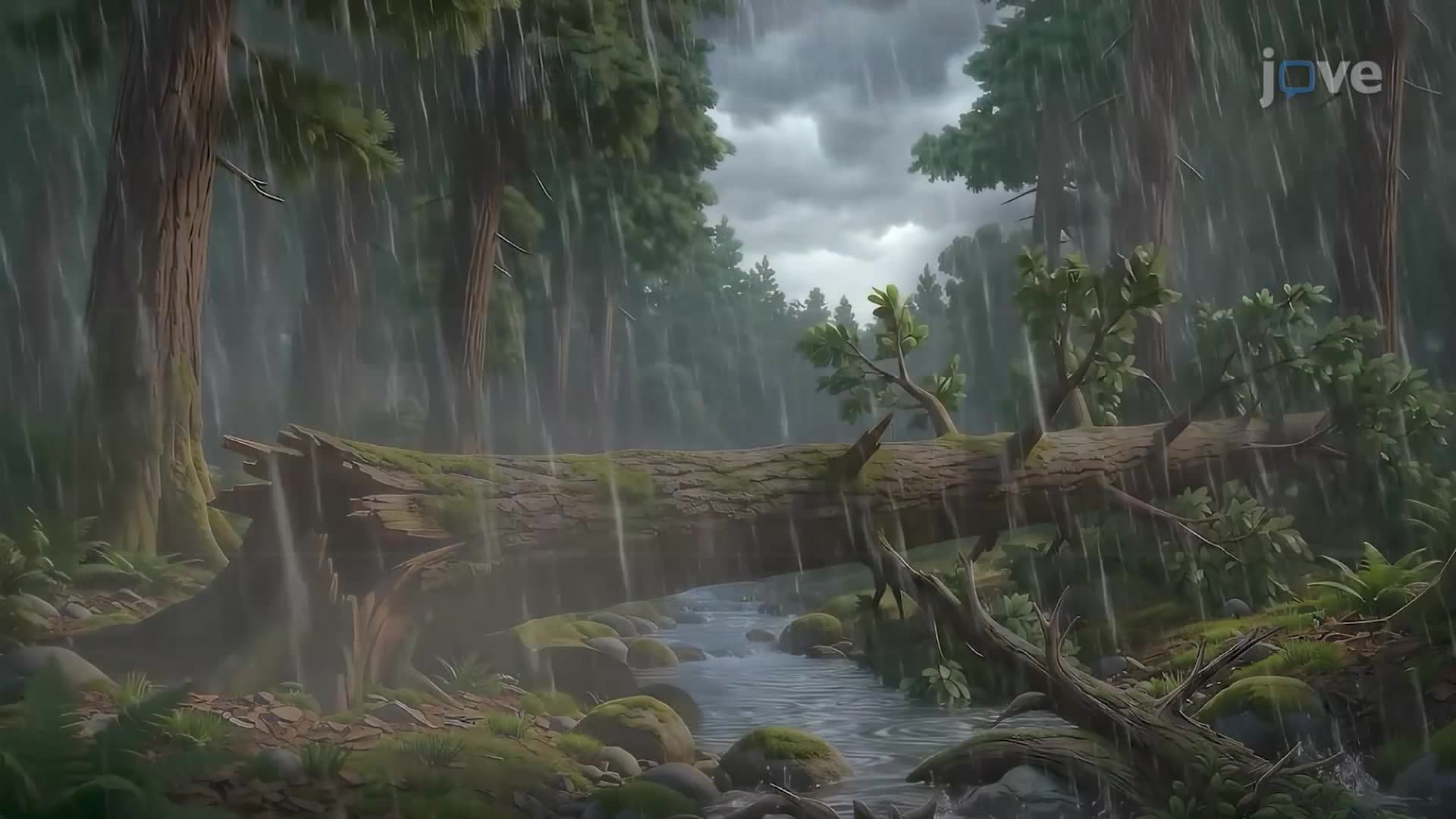
10. Ecological Disturbances and Biodiversity Ecological disturbances influence community diversity through intensity, extent, and frequency variations. Natural disturbances include hurricanes, droughts, and wildfires, while human activities like deforestation create extensive disruptions. The intermediate disturbance hypothesis suggests moderate disturbance levels maximize diversity by preventing competitive exclusion while avoiding species elimination. Hurricane impacts on southeastern U.S. forests demonstrate how disturbance frequency affects recovery patterns and species composition in forest ecosystems.