Loading subject page…
- Biology
- Plant Responses to the Environment
Biology
All Micro-courses:36

1.
Scientific Inquiry
8 Concepts
2.
Chemistry of Life
21 Concepts
3.
Macromolecules
9 Concepts
4.
Cell Structure and Function
16 Concepts
5.
Membranes and Cellular Transport
16 Concepts
6.
Cell Signaling
14 Concepts
7.
Metabolism
15 Concepts
8.
Cellular Respiration
14 Concepts
9.
Photosynthesis
7 Concepts
10.
Cell Cycle and Division
9 Concepts
11.
Meiosis
5 Concepts
12.
Classical and Modern Genetics
19 Concepts
13.
DNA Structure and Function
13 Concepts
14.
Gene Expression
12 Concepts
15.
Biotechnology
15 Concepts
16.
Viruses
7 Concepts
17.
Nutrition and Digestion
8 Concepts
18.
Nervous System
11 Concepts
19.
Sensory Systems
12 Concepts
20.
Musculoskeletal System
11 Concepts
21.
Endocrine System
6 Concepts
22.
Circulatory and Pulmonary Systems
8 Concepts
23.
Osmoregulation and Excretion
8 Concepts
24.
Immune System
9 Concepts
25.
Reproduction and Development
8 Concepts
26.
Behavior
10 Concepts
27.
Ecosystems
12 Concepts
28.
Population and Community Ecology
12 Concepts
29.
Biodiversity and Conservation
11 Concepts
30.
Speciation and Diversity
5 Concepts
31.
Natural Selection
4 Concepts
32.
Population Genetics
5 Concepts
33.
Evolutionary History
7 Concepts
34.
Plant Structure, Growth, and Nutrition
21 Concepts
35.
Plant Reproduction
7 Concepts
36.
Plant Responses to the Environment
8 Concepts
Plant Responses to the Environment
 8 Concepts
 201.3K Views
 Popular topics
Concepts: 8

01:56
25.8K views

02:00
27.1K views

02:45
40.2K views

02:26
40.5K views
02:41
11.3K views

02:45
14.1K views
02:02
13.7K views
02:26
28.6K views
Plant responses to the environment encompass the sophisticated mechanisms through which plants detect, process, and respond to various environmental stimuli including light, gravity, temperature, water availability, and threats. These responses involve complex signaling pathways mediated by plant hormones, specialized receptors, and cellular adaptations that enable plants to survive and thrive in changing conditions. Understanding these mechanisms has revolutionized American agriculture, from developing drought-resistant corn varieties in the Midwest to creating salt-tolerant crops for California's Central Valley. JoVE Coach provides comprehensive coverage of these essential plant biology concepts.
- Understand how plant hormones like auxin, gibberellins, and abscisic acid regulate growth, development, and environmental responses
- Learn the molecular mechanisms behind phototropism and how plants detect light direction and quality using photoreceptors
- Identify how biological clocks and photoperiodism control seasonal responses like flowering in crops
- Explore gravitropism and thigmotropism as directional growth responses to physical stimuli
- Analyze plant adaptations to water stress, including drought tolerance and flooding responses
- Apply knowledge of temperature stress responses and membrane adaptations in plants
- Understand plant defense mechanisms against pathogens, herbivores, and salt stress
1. Plant Hormone Signaling Networks: Plant hormones function as chemical messengers coordinating growth and environmental responses. Auxins control cell elongation and apical dominance, explaining why removing the terminal bud of a houseplant promotes bushier growth. Cytokinins stimulate cell division in tissue culture, while gibberellins trigger stem elongation - commercially used to produce seedless grapes in California vineyards. Abscisic acid mediates stress responses, closing stomata during drought conditions. Ethylene regulates fruit ripening, which is why placing unripe tomatoes with ripe bananas accelerates ripening. These hormones work through complex signaling cascades involving receptor binding, signal transduction, and gene expression changes.
2. Photoreceptors and Light Detection: Plants use sophisticated photoreceptor systems to detect light direction, intensity, and quality. Phytochromes exist in two interconvertible forms - inactive Pr and active Pfr - allowing plants to sense red-to-far-red light ratios. This system enables shade detection, explaining why forest understory plants grow tall and spindly seeking sunlight. Cryptochrome and phototropin receptors mediate blue light responses, controlling phototropism in sunflowers that track the sun across the sky. These mechanisms are crucial for optimizing photosynthesis and have been studied extensively in American agricultural research to improve crop positioning and yield.
3. Biological Clocks and Seasonal Timing: Internal circadian clocks synchronized with environmental cues control daily and seasonal plant behaviors. Photoperiodism allows plants to measure day length changes throughout the year, determining when to flower. Short-day plants like soybeans grown in Illinois flower when nights become longer than critical thresholds, while long-day plants flower during summer's extended daylight. This timing mechanism ensures reproductive success occurs during optimal conditions. The interaction between phytochrome systems and molecular clocks involves complex feedback loops regulating gene expression, enabling precise seasonal responses essential for agricultural planning in different American climate zones.
4. Gravitropism and Touch Responses: Plants orient growth relative to gravity through specialized gravity-sensing mechanisms. Root caps contain statocytes with dense amyloplasts that settle downward, triggering asymmetric growth responses that curve roots toward gravity while shoots grow upward. This explains why germinating seeds orient correctly regardless of planting position. Thigmotropism enables plants to respond to mechanical stimuli - climbing plants like morning glories wrap around supports while roots navigate around obstacles in soil. These responses involve rapid changes in cell wall properties and differential growth rates, demonstrating how plants actively interact with their physical environment.
5. Water Stress Adaptations: Plants have evolved diverse strategies to cope with drought and flooding conditions increasingly relevant due to climate change affecting American agriculture. During drought, abscisic acid accumulation triggers stomatal closure, reducing transpiration but limiting photosynthesis. Structural adaptations include leaf folding in grasses and leaf shedding in deciduous trees. Flooding responses involve ethylene accumulation leading to aerenchyma formation - air-filled tissues providing oxygen transport to submerged roots. Deepwater rice varieties demonstrate hormonal control of stem elongation during flooding. These mechanisms are crucial for developing climate-resilient crops for regions like drought-prone California and flood-prone Louisiana.
6. Temperature Stress and Membrane Adaptations: Plants respond to temperature extremes through physiological and biochemical adaptations essential for survival across diverse American climates. Heat stress triggers heat shock protein production - molecular chaperones that prevent protein denaturation and maintain cellular function. Cold stress induces antifreeze protein synthesis and osmolyte accumulation. Membrane composition adjustments involve altering fatty acid saturation ratios: increased saturated fatty acids prevent membrane fluidization during heat, while increased unsaturated fatty acids maintain flexibility during cold. These adaptations explain how plants survive from Florida's heat to Alaska's freezing temperatures and inform breeding programs for temperature-tolerant crops.
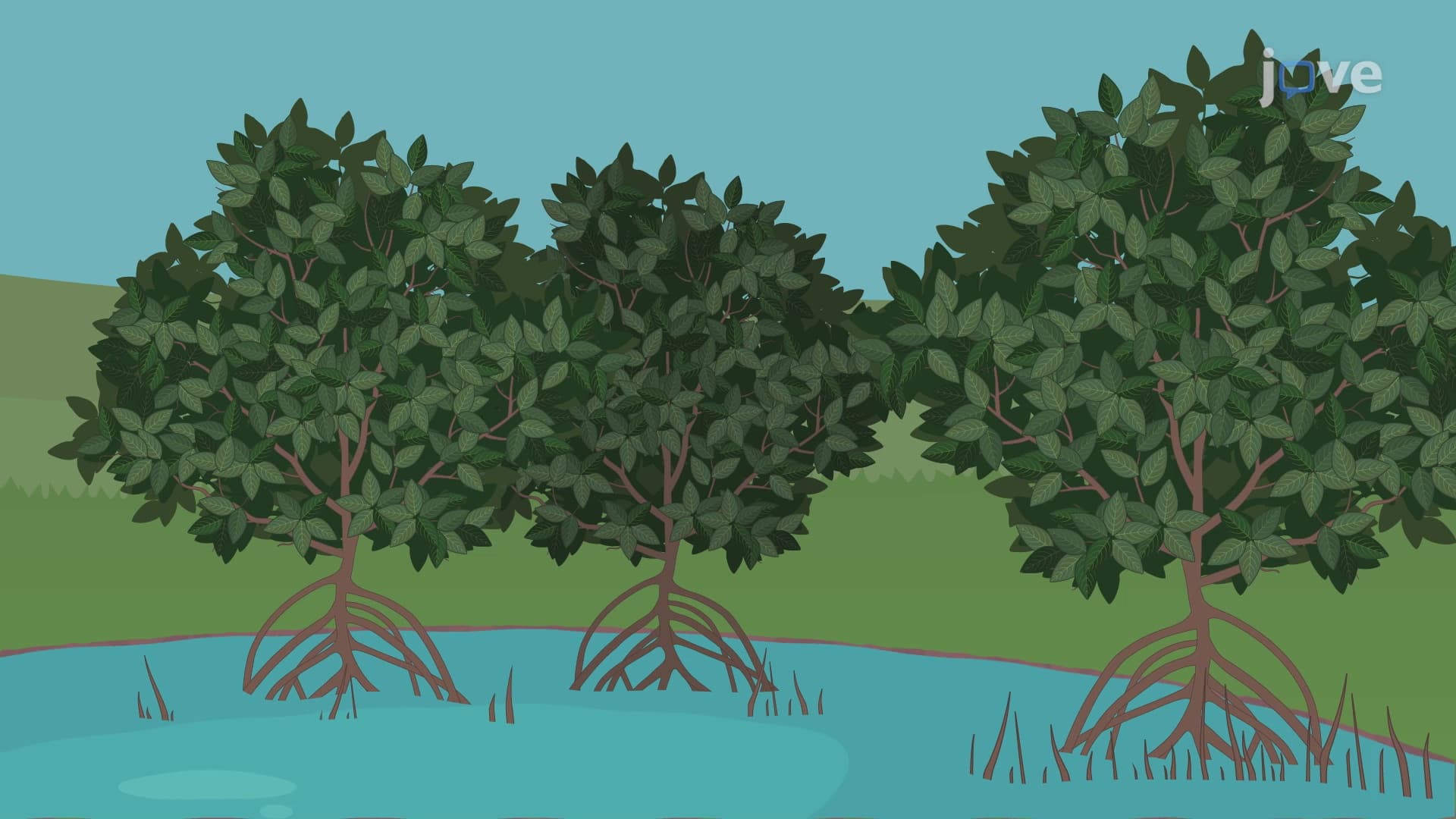
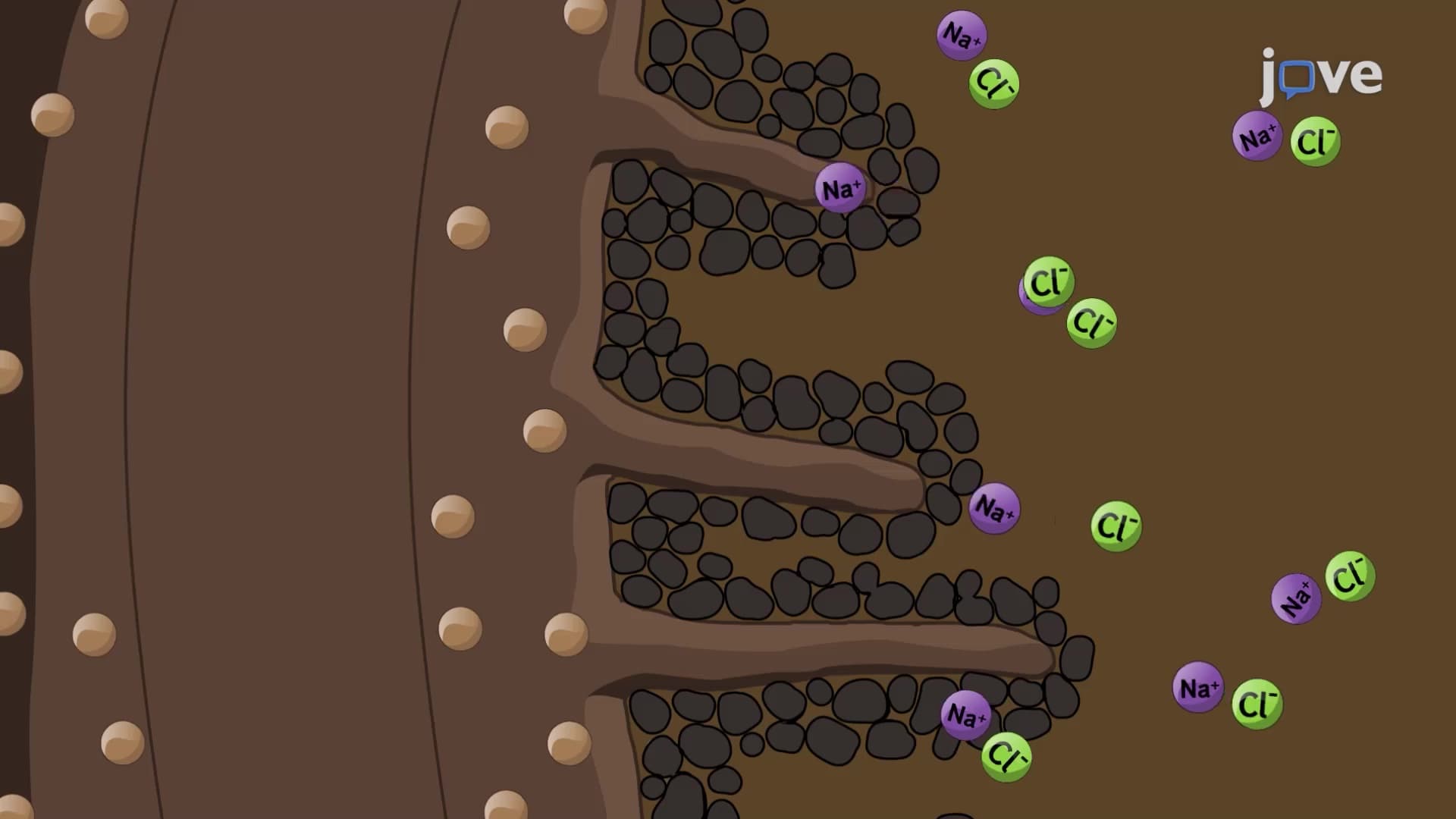
7. Salt Tolerance and Ion Regulation: Soil salinity affects plant growth by disrupting water uptake and causing ion toxicity, particularly relevant in coastal regions and irrigated agricultural areas of the American Southwest. High soil sodium concentrations create osmotic stress, preventing water absorption despite adequate soil moisture. Plants respond by synthesizing compatible solutes like proline and glycine betaine that maintain osmotic balance without toxicity. Specialized ion transporters exclude harmful sodium while maintaining essential potassium uptake. Halophytic plants like saltgrass possess salt glands that excrete excess sodium, enabling survival in saline environments. Understanding these mechanisms guides development of salt-tolerant crops for marginal agricultural lands.
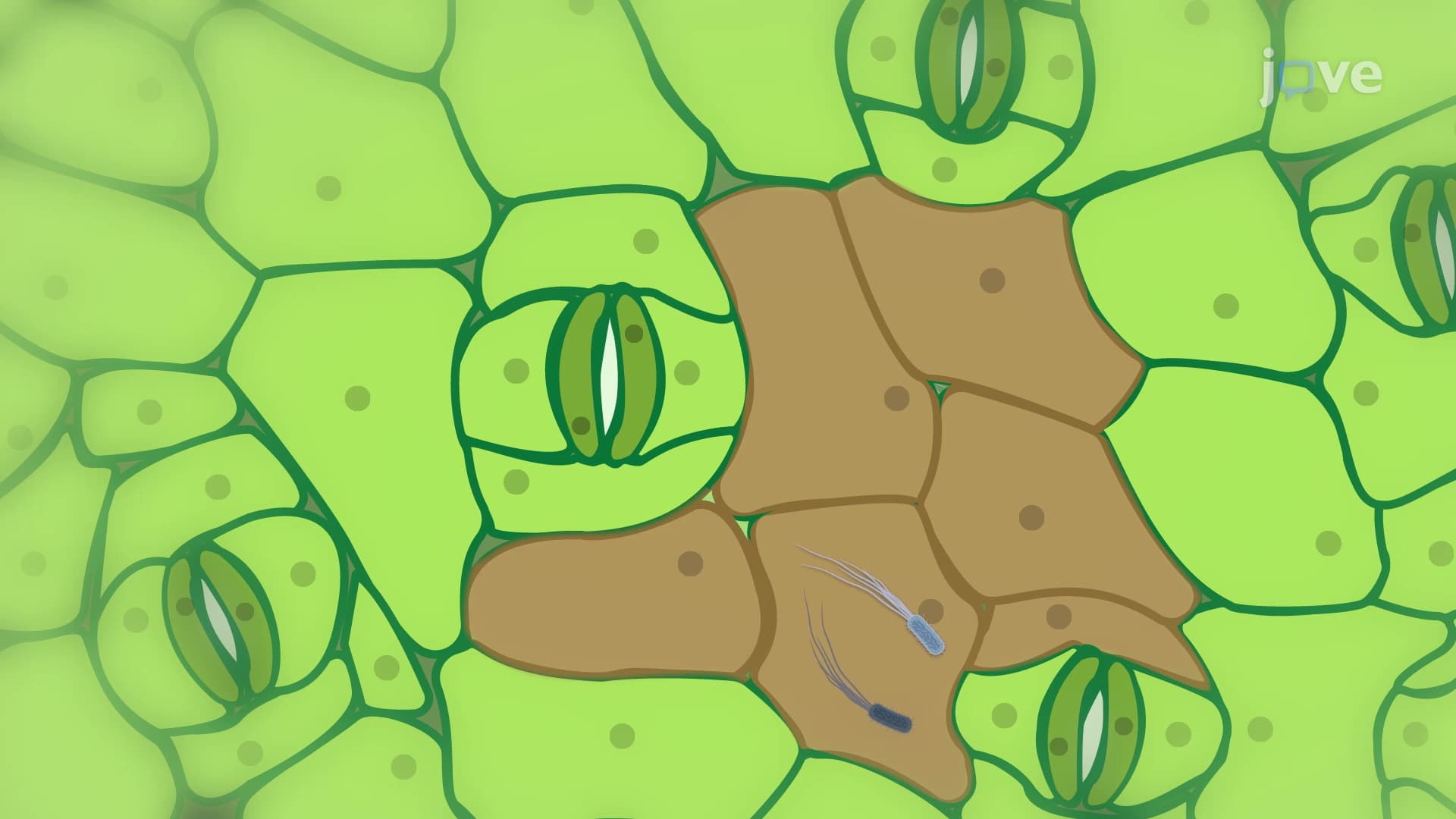
8. Plant Defense Systems: Plants employ multilayered defense strategies against pathogens and herbivores, representing sophisticated immune systems without mobility. Physical barriers include waxy cuticles, thorns, and trichomes that deter attackers. Chemical defenses involve secondary metabolites like alkaloids, phenolics, and terpenoids that are toxic or deterrent to herbivores. Pattern recognition receptors detect pathogen-associated molecular patterns, triggering immune responses including antimicrobial compound production and cell wall reinforcement. The hypersensitive response involves programmed cell death to limit pathogen spread, while systemic acquired resistance provides long-term immunity. These mechanisms explain plant survival strategies and inform integrated pest management approaches in American agriculture.