- Biology
- Reproduction and Development
Micro-courses:36

Reproduction and Development
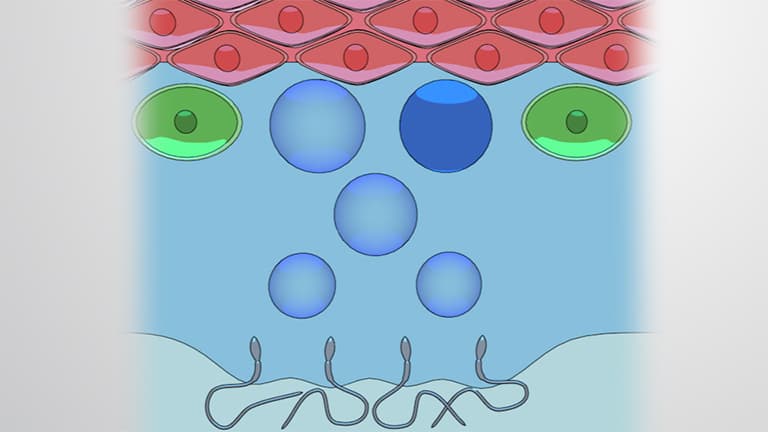
1. Spermatogenesis
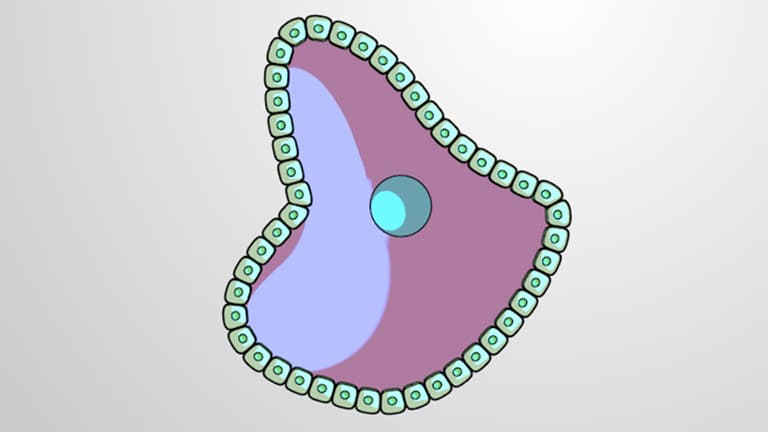
2. Oogenesis
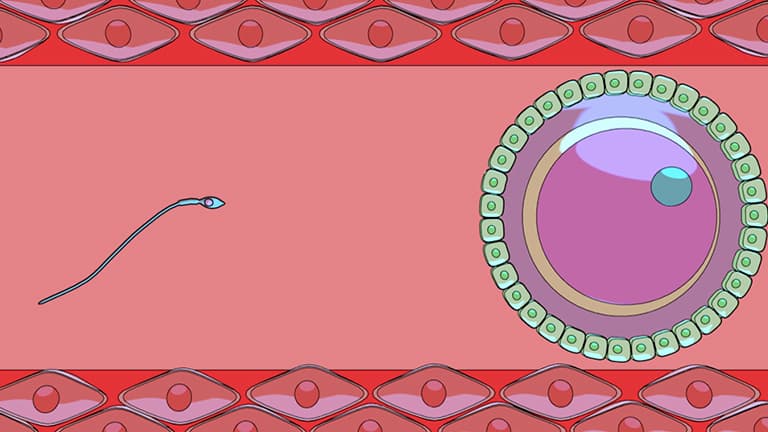
3. Fertilization
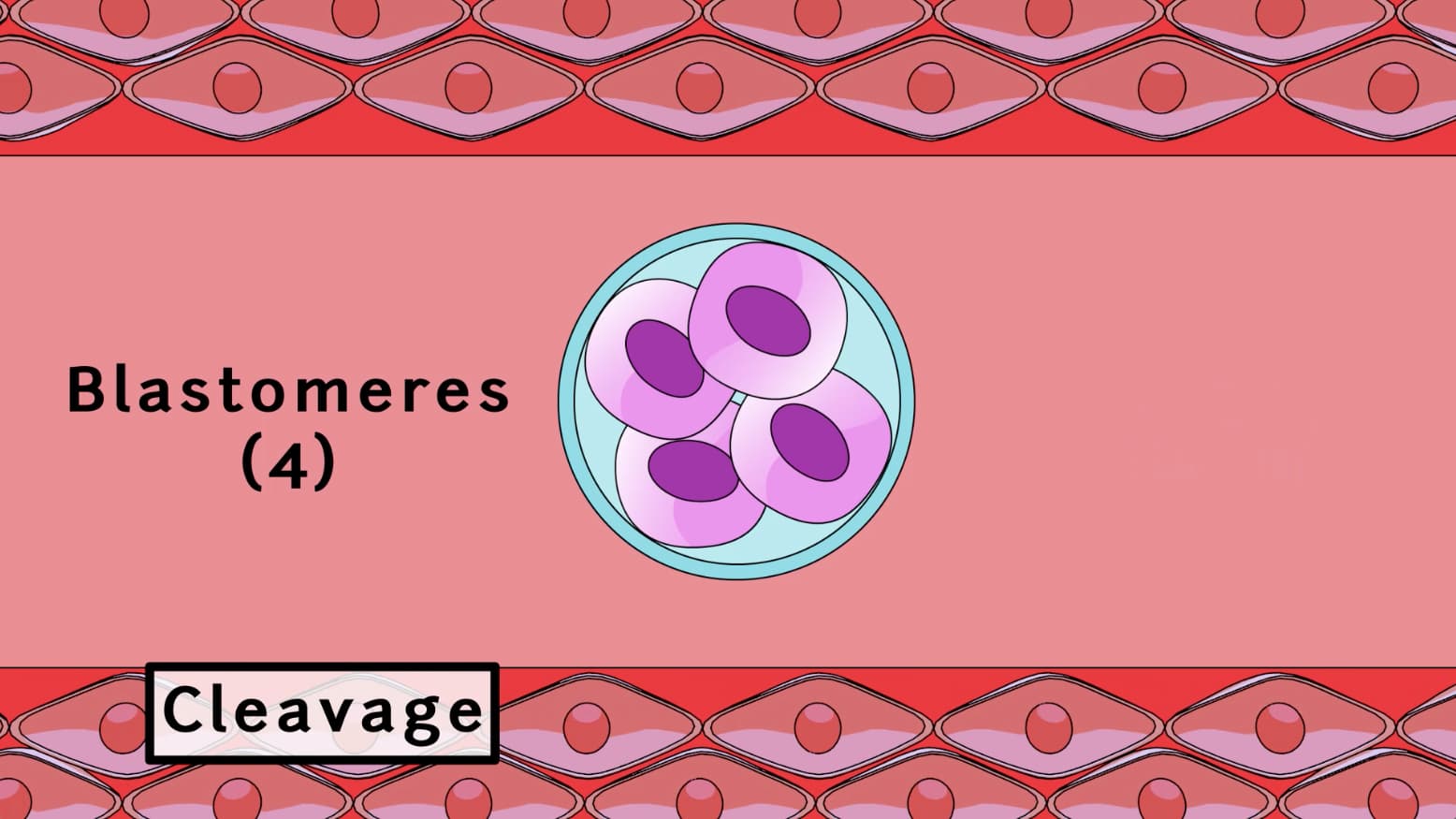
4. Cleavage and Blastulation

5. Gastrulation
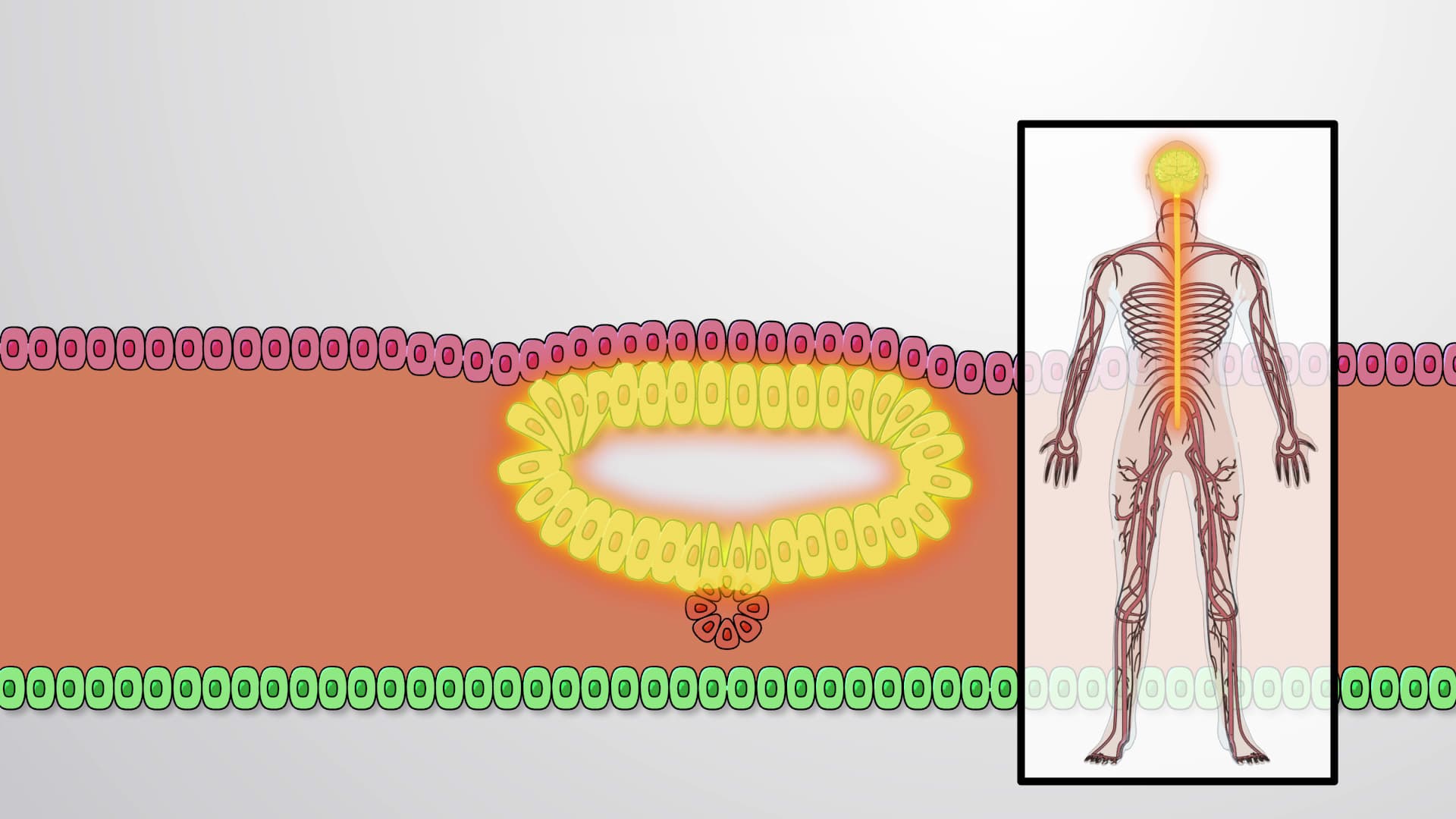
6. Neurulation
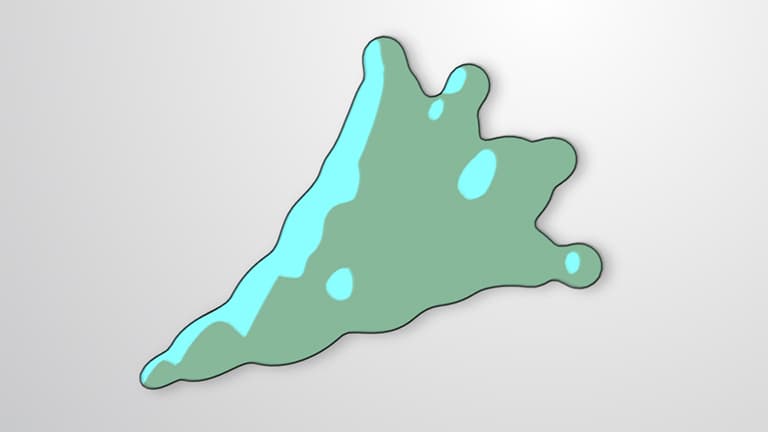
7. Cell Migration
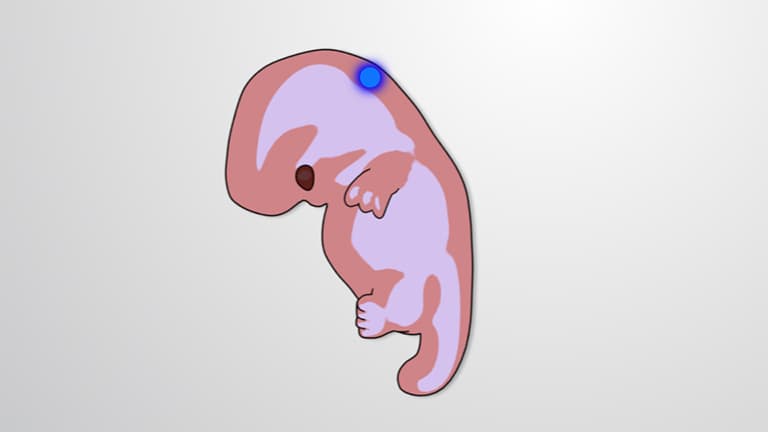
8. Determination
Reproduction and development encompasses the fundamental biological processes by which humans create new life, from gamete formation through embryonic development. This comprehensive course explores human reproduction biology from spermatogenesis and oogenesis through fertilization and the critical stages of embryonic development in humans, including gastrulation, neurulation, and cellular determination. Master these essential concepts with JoVE Coach's visual learning approach.
- Understand the complete process of spermatogenesis in human males and the role of seminiferous tubules
- Learn the stages of oogenesis and how female gametes develop from embryonic life through ovulation
- Identify the key steps of human fertilization and the mechanisms preventing polyspermy
- Explore cleavage and blastulation processes that transform zygotes into implantable blastocysts
- Analyze gastrulation and the formation of three primary germ layers in human embryos
- Apply knowledge of neurulation to understand nervous system development
- Examine cell migration patterns essential for development and wound healing
- Understand cellular specification and determination in embryonic tissue differentiation
1. Gametogenesis and Reproductive Cell Formation Human reproductive success begins with gametogenesis—the formation of specialized reproductive cells. Spermatogenesis occurs continuously in seminiferous tubules within the testes, where stem cells called spermatogonia undergo mitotic divisions followed by meiosis to produce four functional sperm from each primary spermatocyte. In contrast, oogenesis begins during female embryonic development but arrests during meiosis I until ovulation occurs during reproductive years. This fundamental difference explains why males can produce millions of sperm continuously while females release typically one mature egg per menstrual cycle, highlighting the biological investment differences between male and female reproductive strategies.
2. Fertilization and Early Embryonic Events Fertilization represents a precisely coordinated biological event where haploid gametes unite to restore diploid chromosome number. Following capacitation in the female reproductive tract, sperm undergo the acrosome reaction to penetrate the zona pellucida surrounding the egg. Once the first sperm successfully fuses with the egg membrane, cortical granule release hardens the zona pellucida, preventing polyspermy. The resulting zygote immediately begins cleavage—rapid mitotic divisions without cell growth—progressing through morula to blastocyst stages. This process exemplifies how cellular mechanisms ensure genetic diversity while maintaining chromosomal stability across generations.
3. Gastrulation and Germ Layer Formation Gastrulation transforms the simple blastocyst into a complex three-layered embryo through coordinated cell movements and signaling. Following implantation into the uterine wall, epiblast cells migrate through the primitive streak to form three distinct germ layers. The endoderm develops into respiratory and digestive system components, mesoderm forms skeletal, circulatory, and muscular systems, while ectoderm generates nervous system and skin structures. This fundamental reorganization establishes the basic body plan and demonstrates how cellular position and signaling gradients determine tissue fate, a principle crucial for understanding both normal development and developmental disorders.
4. Neurulation and Nervous System Formation Neurulation exemplifies how mechanical forces and molecular signals coordinate to form complex organ systems. The neural plate forms from dorsal ectoderm in response to signals from the underlying notochord, then undergoes characteristic folding movements. Cell shape changes—from columnar to wedge-shaped—create hinge points that drive neural fold elevation and eventual fusion to form the neural tube. This process illustrates fundamental developmental principles including morphogenetic movements, cell fate specification, and the integration of mechanical and biochemical signals. Understanding neurulation provides insight into neural tube defects like spina bifida, emphasizing the clinical relevance of developmental biology concepts.
5. Cell Migration and Determination Processes Cell migration and determination represent essential mechanisms controlling both embryonic development and adult tissue maintenance. During development, cells respond to positional information and molecular gradients to migrate to appropriate locations and assume specific fates. The two-step process of specification followed by determination ensures cellular commitment while maintaining developmental flexibility. Specification allows cells to adopt particular fates based on their embryonic position but remains reversible, while determination represents irreversible commitment to specific cell types. This progressive restriction of developmental potential explains how multipotent embryonic cells generate the diverse, specialized cell types comprising adult human tissues.
Frequently Asked Questions
During cleavage, cells undergo rapid mitotic divisions without growth phases, resulting in progressively smaller cells while maintaining the same total embryonic volume. Normal mitosis includes growth phases where cells increase in size before division, producing daughter cells similar in size to the parent cell.
Oogenesis begins during female embryonic development and can span decades, with primary oocytes arrested in meiosis I until ovulation. This extended timeline allows for DNA repair and quality control mechanisms. Spermatogenesis takes approximately 74 days from start to finish, reflecting the continuous production requirements for male fertility.
MCAT questions often focus on the acrosome reaction mechanism, cortical granule function in preventing polyspermy, and the restoration of diploid chromosome number. Expect questions comparing fertilization to normal cell fusion processes and analyzing experimental scenarios involving sperm capacitation or egg activation.
AP Biology emphasizes gastrulation and germ layer formation, basic principles of cell differentiation, and the role of morphogens in development. Focus on understanding how position determines cell fate and the molecular basis of developmental gene expression patterns.
Neural tube defects occur when neurulation fails to complete properly, often due to inadequate folate levels during early pregnancy. The neural folds fail to fuse completely, leaving portions of the developing nervous system exposed. This highlights why prenatal vitamins containing folic acid are crucial during early pregnancy.
Focus on understanding the underlying principles rather than memorizing every detail. Grasp how cell signaling coordinates developmental events, how position determines cell fate, and the relationship between structure and function throughout development. This conceptual understanding will help you tackle various exam questions.
Create visual timelines connecting gamete formation through embryonic development, use active recall to explain each process without looking at notes, and practice drawing simplified diagrams showing key structures and cell movements. Connect each process to its biological significance and potential clinical relevance.
These concepts underpin stem cell research, fertility treatments like IVF, regenerative medicine approaches, and understanding birth defects. Current research in developmental biology informs therapeutic strategies for treating infertility, preventing developmental disorders, and potentially regenerating damaged tissues using developmental principles.
This microcourse includes 8 concept videos that walk you through the building blocks of Biology. Each video is short, about 2 minutes, so you can cover a full topic during a coffee break or between classes. The full sequence starts with Spermatogenesis and ends with Determination.
The playlist moves from big-picture ideas to the precise vocabulary used in Biology. Early videos introduce Spermatogenesis, Oogenesis, and Fertilization. The middle of the series focuses on Gastrulation, Neurulation, and Cell Migration. The final stretch covers Determination.
The natural next step is Behavior. From there, you can move to Ecosystems, Population and Community Ecology, and Biodiversity and Conservation. Once you finish those, the full Biology curriculum of 36 microcourses on JoVE Coach opens up, taking you from foundational concepts to advanced systems.
Related Subjects

