Loading subject page…

- Biology
- Reproduction and Development
- Fertilization
Micro-course: Reproduction and Development
442,001 views
Learn key concepts and earn your certificate.



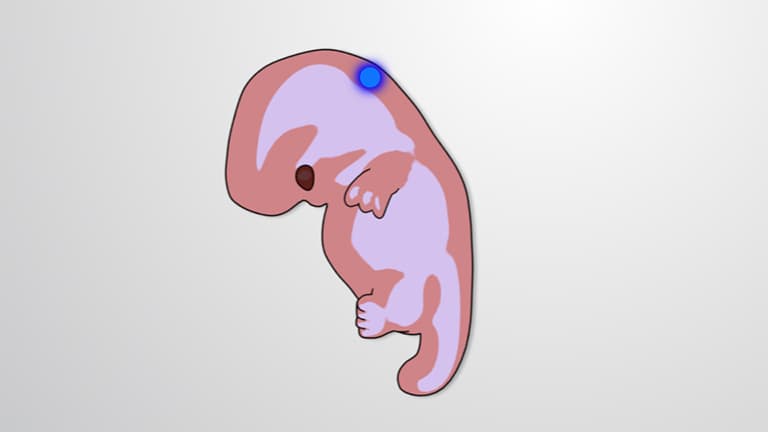
Fertilization
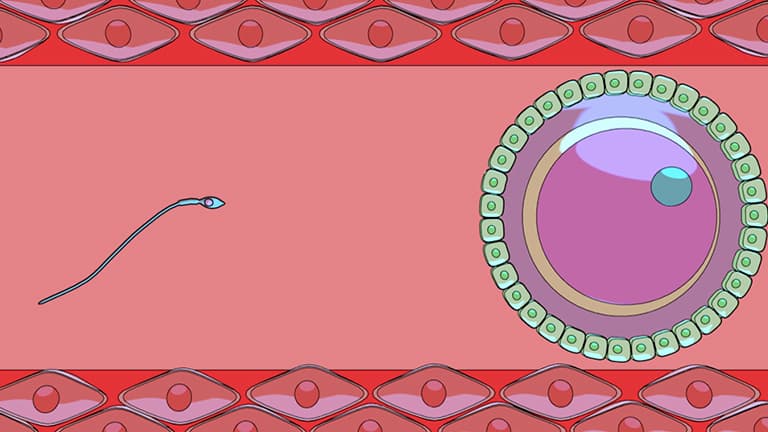

00:00
01:38
Video Summary: What Is Fertilization
Every month in the United States, approximately 400,000 women ovulate, yet only about 1 in 5 attempts at natural conception succeed. Fertilization represents one of biology's most precisely orchestrated processes, where a single sperm cell must navigate through millions of competitors to unite with an egg cell. This remarkable journey involves sophisticated cellular communication, chemical signaling through progesterone, and protective mechanisms like the zona pellucida that ensure only one sperm completes the fusion process. Understanding what is fertilization reveals the intricate steps from capacitation to the formation of a diploid zygote containing genetic material from both parents. Watch the full video on JoVE Coach to master this concept with expert-led visuals and step-by-step explanations.
- Understand what is fertilization and its role as the fundamental process that creates new diploid organisms from haploid gametes
- Identify the sequential stages of sperm capacitation, including protein transport and increased flagellar movement within the fallopian tubes
- Analyze how chemical signaling molecules like progesterone guide sperm cells toward the egg through chemotaxis
- Recognize the structural components surrounding the egg, including the zona pellucida and cumulus cells, and their protective functions
- Evaluate the acrosome reaction mechanism that enables sperm to penetrate the egg's protective barriers
- Apply knowledge of membrane fusion processes and how the zona pellucida hardens to prevent polyspermy
- Explore the transformation from separate haploid gametes to a unified diploid zygote containing parental genetic material
- Compare the roles of both male and female reproductive systems in facilitating successful fertilization
Understanding What is Fertilization: The Cellular Foundation
Fertilization represents the pivotal biological process where male and female gametes unite to form a genetically unique diploid organism. This process is essential for sexual reproduction in humans and serves as a cornerstone concept in AP Biology, college-level developmental biology courses, and pre-medical studies. Students preparing for the MCAT will encounter detailed questions about fertilization mechanisms, making this concept crucial for academic success.
Pre-Fertilization: Gamete Preparation and Transport
Before fertilization can occur, both egg and sperm must undergo specific preparatory processes. The ovulated egg, surrounded by its protective zona pellucida and supportive cumulus cells, travels from the ovary into the fallopian tube. Meanwhile, sperm cells deposited in the female reproductive tract must navigate through the cervix and uterus, aided by uterine contractions that propel them toward the fallopian tubes.
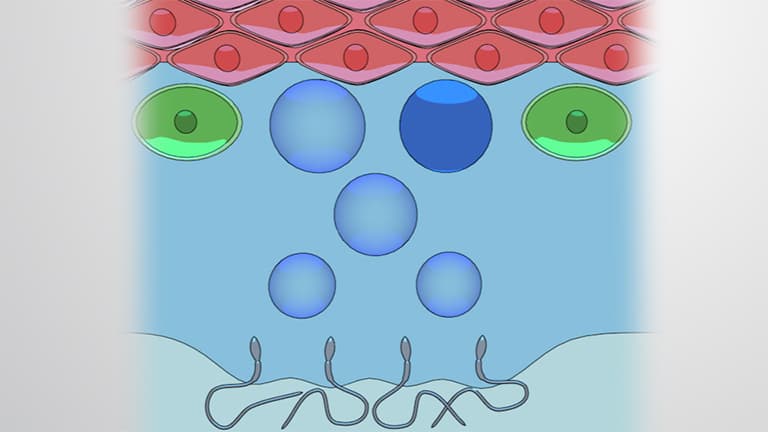
The capacitation process represents a critical maturation step occurring within the female reproductive tract. During capacitation, sperm cells undergo biochemical changes that transport egg-fusing proteins to the sperm head while simultaneously increasing flagellar activity. This enhanced motility enables sperm to actively swim toward the egg rather than simply being carried by fluid currents.
The Fertilization Process: Recognition and Penetration
Sperm cells locate the egg through sophisticated chemical communication systems. The cumulus-egg complex releases chemical attractants, including progesterone, which create a concentration gradient that sperm can detect and follow. This chemotactic response ensures that sperm cells can efficiently locate the egg within the fallopian tube environment.
Upon reaching the egg, sperm undergo the acrosome reaction, a specialized exocytosis event. The acrosome, a vesicle containing digestive enzymes, releases its contents to create a pathway through the zona pellucida. Only the first sperm to completely penetrate this protective barrier can fuse with the egg cell membrane, triggering immediate changes that prevent additional sperm from entering-a protective mechanism against polyspermy.
Post-Fertilization: Creating the Diploid Zygote
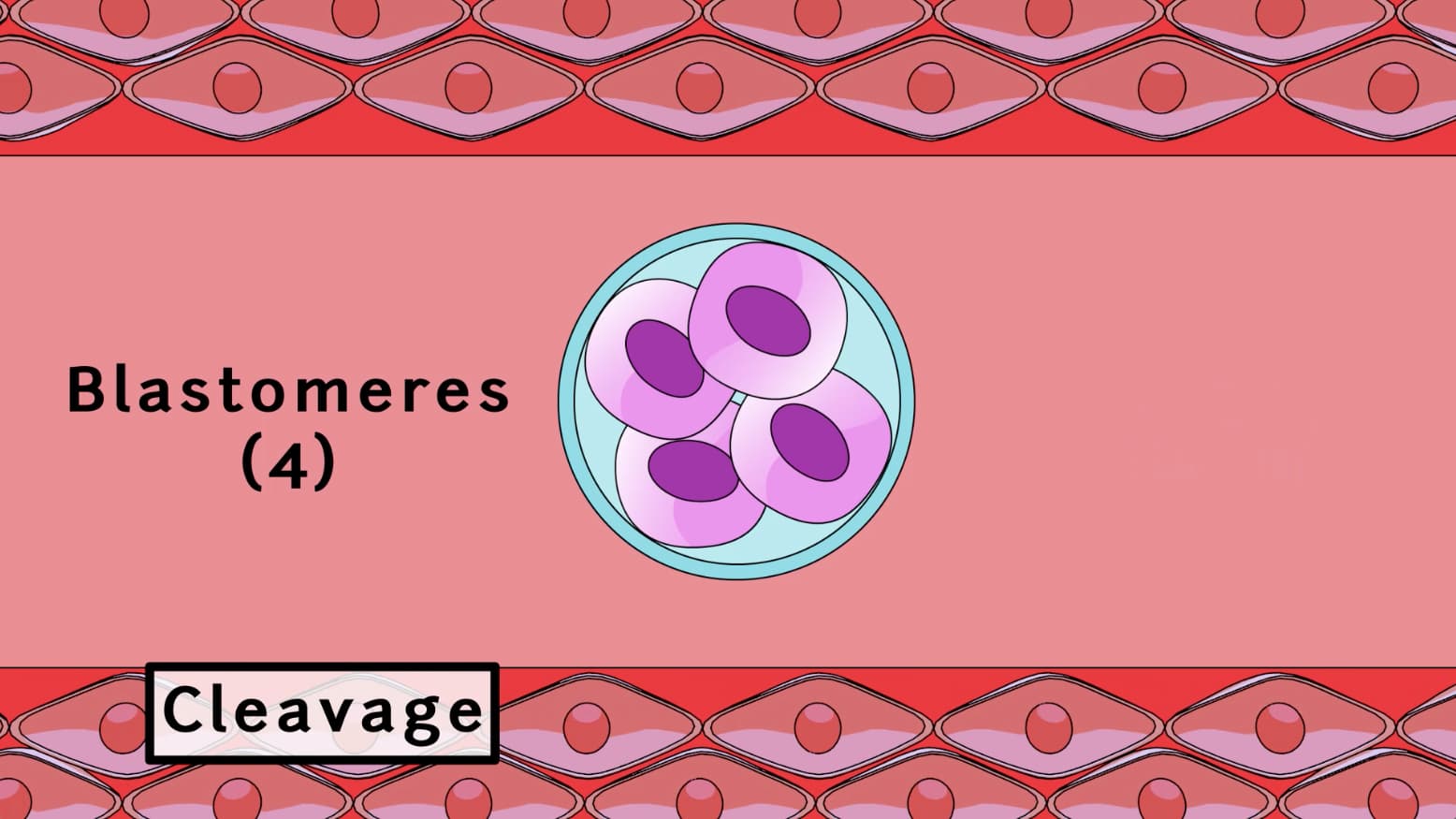
Successful membrane fusion initiates a cascade of cellular events. The zona pellucida undergoes cortical hardening, creating an impermeable barrier against other sperm. The sperm releases its genetic material into the egg cytoplasm, where maternal and paternal chromosomes will eventually combine during the first mitotic division. This newly formed diploid zygote contains the complete genetic blueprint necessary for developing into a unique individual, combining traits from both biological parents.
Frequently Asked Questions
Fertilization is the biological process where a sperm cell and egg cell combine to form a single diploid cell called a zygote. This process involves sperm penetrating the egg's protective layers and releasing genetic material that combines with the egg's DNA. The resulting zygote contains chromosomes from both parents and has the potential to develop into a new individual organism.
MCAT questions frequently test fertilization mechanisms, including capacitation, acrosome reaction, and prevention of polyspermy, often requiring detailed cellular process analysis. AP Biology exams typically include fertilization within broader reproduction topics, focusing on gamete formation, genetic diversity, and developmental biology connections. College midterms may require students to diagram fertilization stages or explain molecular mechanisms in essay format.
Successful fertilization requires ovulation, sperm capacitation in the female reproductive tract, chemotactic sperm guidance to the egg, acrosome reaction for zona pellucida penetration, and membrane fusion. The process concludes with zona pellucida hardening to prevent polyspermy and sperm nuclear release into the egg cytoplasm. Each step involves precise molecular mechanisms that can fail, explaining why natural conception rates are relatively low despite regular ovulation.
Fallopian tubes provide the optimal environment for fertilization because they contain the necessary chemical gradients and fluid conditions for sperm capacitation. The tubes' ciliated epithelium creates currents that aid sperm transport while maintaining the cumulus-egg complex structure essential for sperm recognition. Additionally, the fallopian tube environment supports the acrosome reaction and provides appropriate timing for the fertilized egg's journey to the uterus for implantation.
Basic high school chemistry concepts are sufficient for understanding fertilization processes, focusing primarily on protein interactions, membrane fusion, and enzyme activity. Students should be comfortable with concepts like chemical gradients, receptor-ligand binding, and exocytosis mechanisms. Most biology courses present fertilization at an appropriate level without requiring extensive biochemistry background, making this topic accessible to students in grades 9-12.
Create a step-by-step timeline starting from ovulation through zygote formation, including key molecular players like progesterone, zona pellucida, and acrosome enzymes. Practice drawing fertilization diagrams from memory and focus on understanding cause-and-effect relationships between each stage. Use active recall techniques to explain why each step is necessary and what happens when processes fail, as this approach prepares students for both multiple-choice and essay questions.
Fertilization knowledge builds directly upon gametogenesis, hormone regulation, and reproductive anatomy while serving as the foundation for embryonic development and genetic inheritance patterns. This concept connects to broader themes in cell biology, including membrane dynamics, protein trafficking, and cell signaling pathways. Students can leverage fertilization understanding when studying infertility treatments, contraceptive mechanisms, and developmental disorders in advanced coursework.
In vitro fertilization (IVF) clinics across the United States apply fertilization principles to help couples overcome infertility, with procedures directly manipulating sperm capacitation and egg-sperm interactions. Reproductive endocrinologists use fertilization knowledge to diagnose fertility problems and develop treatment strategies, while genetic counselors explain fertilization processes when discussing inherited disorders. Understanding fertilization also supports careers in embryology, reproductive research, and women's health services throughout the US healthcare system.
Related Micro-courses