Loading subject page…


8 Concepts
21 Concepts
9 Concepts
16 Concepts
16 Concepts
14 Concepts
15 Concepts
14 Concepts
7 Concepts
9 Concepts
5 Concepts
19 Concepts
13 Concepts
12 Concepts
15 Concepts
7 Concepts
8 Concepts
11 Concepts
12 Concepts
11 Concepts
6 Concepts
8 Concepts
8 Concepts
9 Concepts
8 Concepts
10 Concepts
12 Concepts
12 Concepts
11 Concepts
5 Concepts
4 Concepts
5 Concepts
7 Concepts
21 Concepts
7 Concepts
8 Concepts
 21 Concepts
 2M Views
 Popular topics






Understanding chemistry of life fundamentals is essential for mastering how biological systems function at the molecular level. This comprehensive course covers atomic structure, chemical bonding, molecular interactions, and biochemical reactions that drive cellular processes. Through JoVE Coach's systematic approach, you'll explore how water's unique properties, pH regulation, and redox reactions support life in organisms from bacteria to humans.
1. Atomic Structure and Periodic Trends in Biology: Atoms consist of protons, neutrons, and electrons, with the number of protons defining each element's identity through its atomic number. Biologically important elements like carbon, hydrogen, oxygen, nitrogen, phosphorus, and sulfur possess unique properties that make life possible. Carbon's ability to form four covalent bonds creates stable molecular frameworks, while nitrogen's electronegativity enables protein structure formation. Understanding electron configuration and valence shells explains why certain elements predominate in biological systems and how they interact to form the complex molecules essential for cellular function in organisms from bacteria to humans.
2. Chemical Bonding and Molecular Interactions: Chemical bonds form when atoms share or transfer electrons to achieve stable electron configurations. Covalent bonds involve electron sharing between nonmetals, creating molecules like water (H₂O) and glucose (C₆H₁₂O₆). Ionic bonds result from electron transfer between metals and nonmetals, forming compounds like sodium chloride in blood plasma. Hydrogen bonds, though individually weak, collectively provide stability to DNA's double helix structure and protein folding. Van der Waals forces contribute to membrane stability and enzyme-substrate interactions. These bonding types work together to maintain cellular structure and enable biochemical reactions in living systems.
3. Water's Biological Properties and Functions: Water's polar nature and hydrogen bonding capabilities make it uniquely suited for biological systems. Its high specific heat capacity helps organisms maintain stable body temperatures, while its cohesive properties enable water transport in plant xylem vessels. Adhesion allows water to climb against gravity in capillary action, supporting transpiration in trees like California redwoods. Surface tension permits insects to walk on water surfaces. Water's role as a universal solvent facilitates nutrient transport in blood plasma and cellular metabolism. These properties collectively support life processes from cellular hydration to thermoregulation in mammals.
4. pH Regulation and Acid-Base Balance: pH measures hydrogen ion concentration on a logarithmic scale from 0-14, with 7 being neutral. Human blood maintains a narrow pH range of 7.35-7.45 through buffer systems including bicarbonate, phosphate, and protein buffers. Stomach acid (pH ~1.5) aids digestion, while pancreatic juice (pH ~8.5) neutralizes acidic chyme. Enzyme activity depends critically on optimal pH ranges, pepsin functions in acidic conditions while trypsin requires alkaline environments. pH imbalances can cause acidosis or alkalosis, potentially life-threatening conditions. Understanding pH is essential for medical applications including drug administration and metabolic disorder treatment.
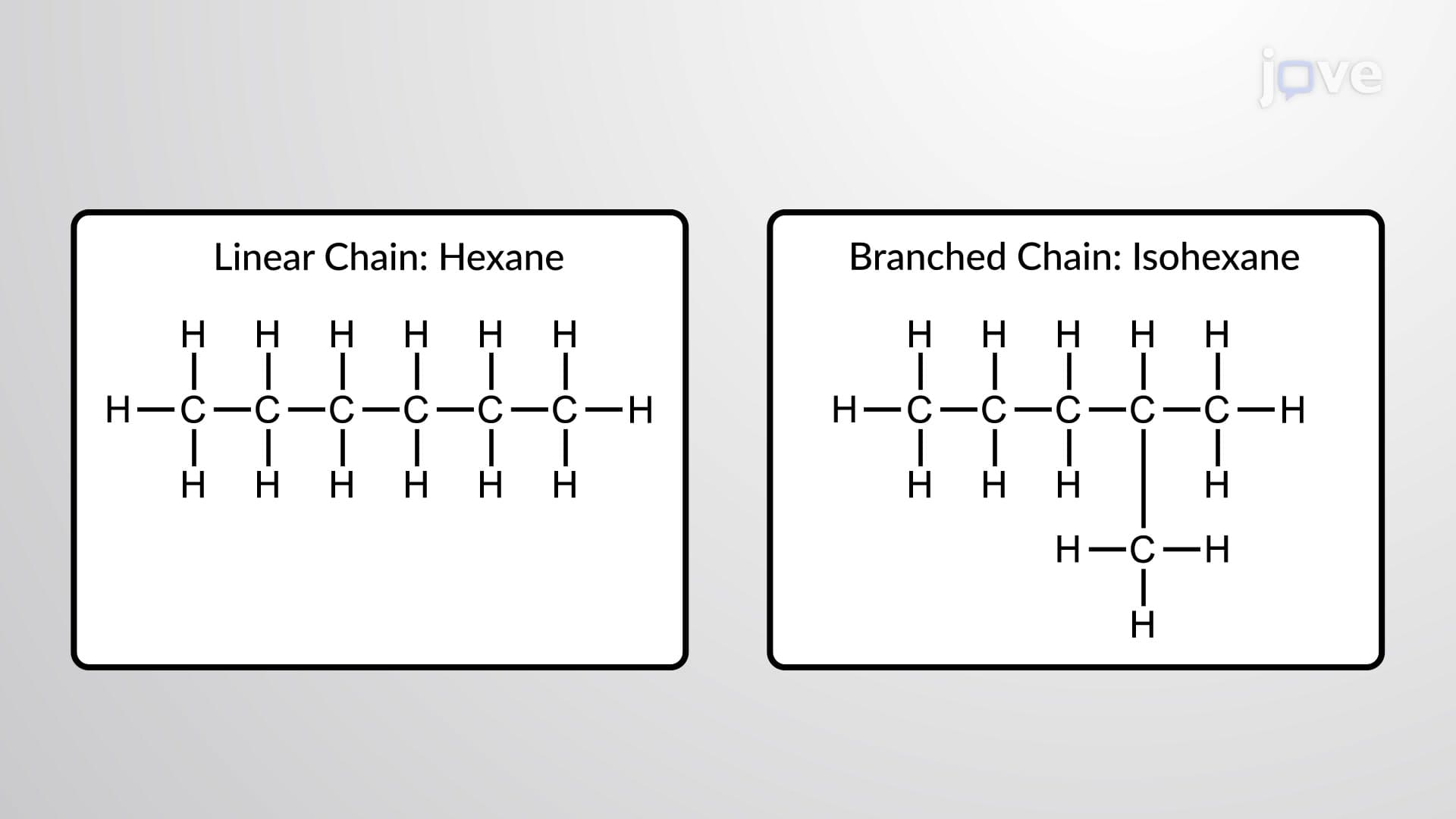
5. Organic Molecules and Carbon Chemistry: Carbon's tetravalent nature enables formation of diverse organic molecules through single, double, and triple bonds with hydrogen, oxygen, nitrogen, and other carbons. Hydrocarbons form molecular skeletons that can be linear, branched, or cyclic, creating structural isomers with identical molecular formulas but different arrangements. Methane (CH₄) represents the simplest hydrocarbon, while complex molecules like cholesterol contain multiple ring structures. Functional groups attached to carbon skeletons determine molecular properties and biological functions. This structural diversity enables the formation of carbohydrates, lipids, proteins, and nucleic acids that comprise living organisms.
6. Chemical Reactions and Energy Changes: Chemical reactions involve breaking existing bonds and forming new ones, following conservation of mass principles described by balanced equations. Stoichiometry determines quantitative relationships between reactants and products, crucial for understanding metabolic pathway efficiency. Reaction rates depend on temperature, concentration, and catalysts like enzymes that lower activation energy. Reversible reactions reach equilibrium when forward and reverse reaction rates balance. Many biological processes involve coupled reactions where energy-releasing (exergonic) reactions drive energy-requiring (endergonic) processes. Understanding reaction kinetics and thermodynamics is fundamental to comprehending cellular metabolism, photosynthesis, and cellular respiration.
7. Redox Reactions and Electron Transport: Oxidation-reduction reactions involve electron transfer between molecules, forming the basis of cellular energy metabolism. In cellular respiration, glucose is oxidized while oxygen is reduced, releasing energy captured in ATP molecules. Electron carriers like NAD⁺/NADH and FAD/FADH₂ shuttle electrons through metabolic pathways, with NADH providing reducing power for anabolic reactions. Photosynthesis reverses this process, using light energy to reduce carbon dioxide while oxidizing water. The electron transport chain in mitochondria creates proton gradients that drive ATP synthesis. Understanding redox chemistry is essential for comprehending how organisms extract, store, and utilize energy from nutrients and sunlight.