- Biology
- Natural Selection
Micro-courses:36

Natural Selection
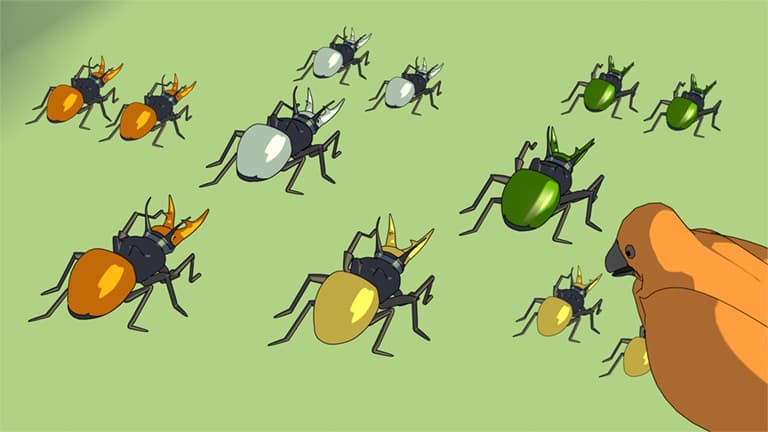
1. What is Natural Selection?
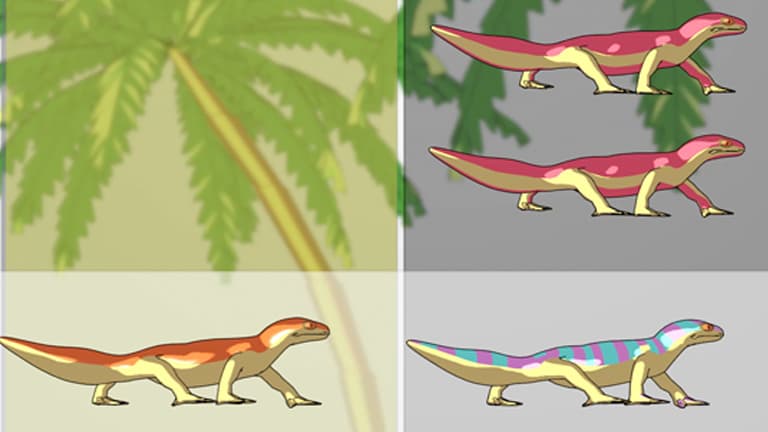
2. Types of Selection
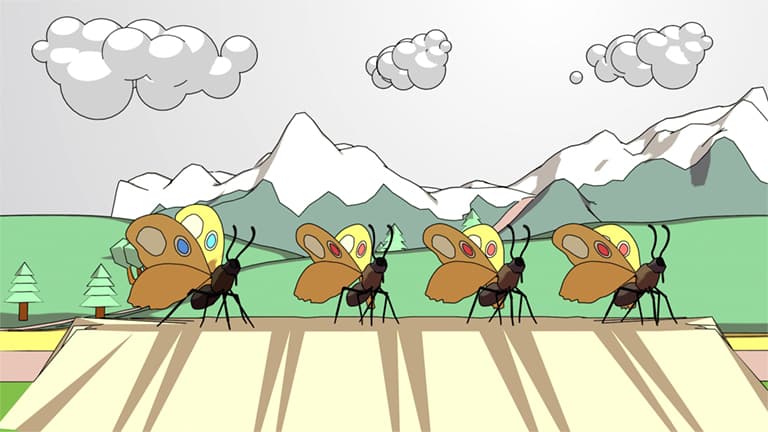
3. Frequency-dependent Selection
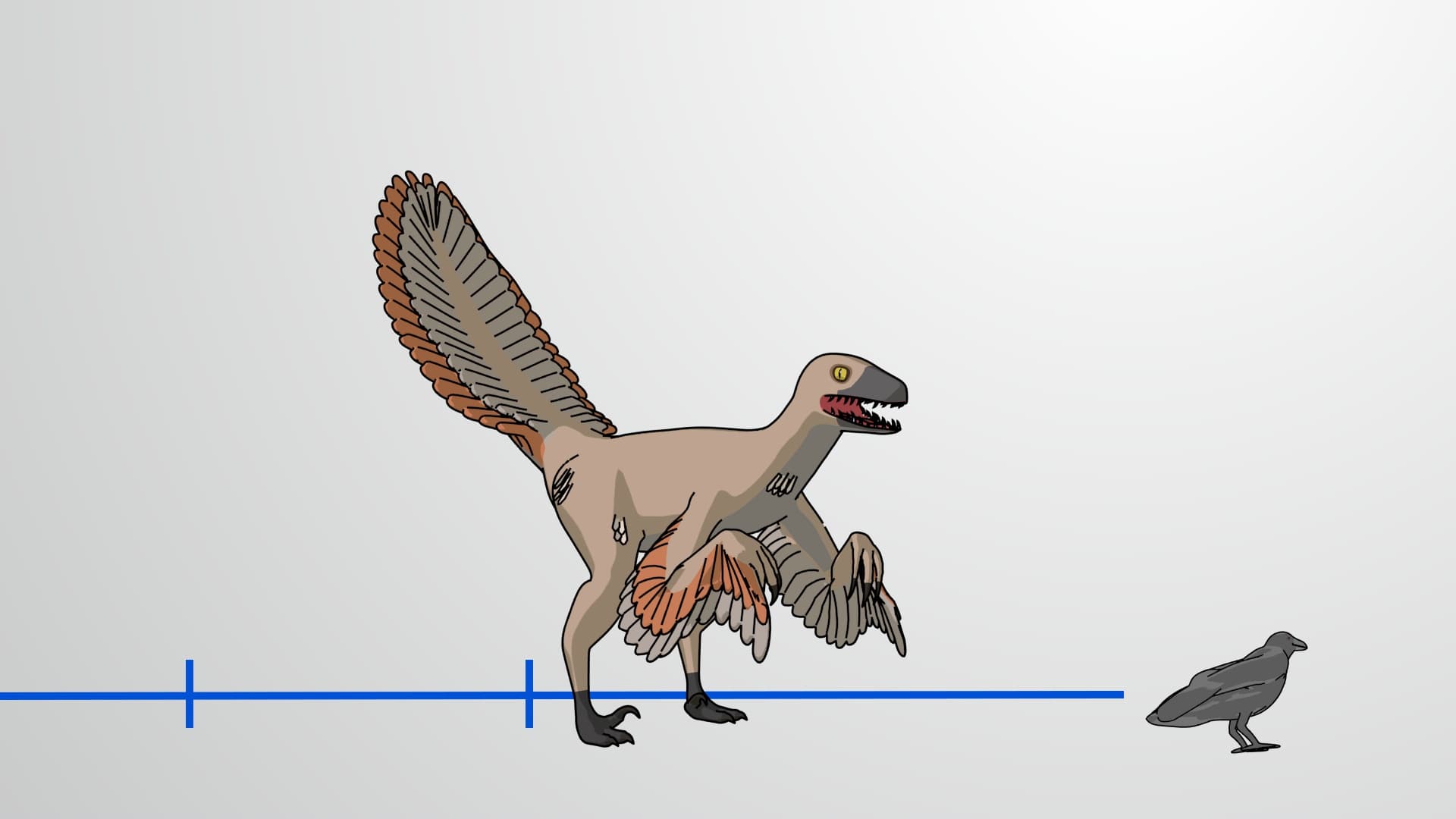
4. Limits to Natural Selection
Natural selection is the fundamental mechanism of evolution by natural selection that shapes how organisms adapt to their environments over generations. This comprehensive course explores how natural selection drives evolutionary change through directional, stabilizing, and disruptive selection patterns, while examining frequency-dependent selection and the constraints that limit adaptive evolution. Students will master these core concepts using JoVE Coach's interactive approach, preparing them for advanced biology coursework and standardized exams with real-world applications from American ecosystems.
- Understand the three essential conditions required for evolution by natural selection to occur
- Identify how directional selection favors extreme phenotypes in changing environments
- Analyze stabilizing selection's role in maintaining intermediate traits within populations
- Explore disruptive selection patterns that promote phenotypic diversity
- Learn how frequency-dependent selection influences trait frequencies based on rarity or commonness
- Apply natural selection principles to predict evolutionary outcomes in various scenarios
- Examine the biological constraints that limit natural selection's effectiveness
- Understand how survival of the fittest operates through differential reproductive success
1. Fundamental Requirements for Natural Selection - Natural selection requires three critical conditions: phenotypic variation among individuals, heritability of traits, and differential survival or reproductive success. Using examples from North American wildlife, such as coat color variations in deer mice populations across different habitats, students learn how genetic mutations create the raw material for selection. The process becomes evident when examining how darker mice survive better in lava rock environments while lighter mice thrive in sandy desert regions, demonstrating how environmental selective pressure shapes population genetics over time.
2. Directional Selection Mechanisms - Directional selection occurs when environmental pressures consistently favor one extreme phenotype over others, causing population trait distributions to shift over generations. Classic examples include the evolution of antibiotic resistance in bacteria affecting American hospitals, where exposure to medications creates strong selective pressure favoring resistant strains. Students explore how industrial melanism in peppered moths during America's industrial revolution demonstrated directional selection, as darker moths gained survival advantages on pollution-darkened trees, fundamentally changing population frequencies within decades.
3. Stabilizing Selection and Trait Optimization - Stabilizing selection maintains intermediate phenotypes while eliminating extreme variations, often seen in traits where optimal function requires balance. Human birth weight exemplifies this concept, as babies with average weights (6-8 pounds) historically showed higher survival rates than extremely large or small infants. Students examine how this selection type reduces genetic variance while preserving fitness traits, using examples from American wildlife such as clutch size optimization in songbirds, where too few or too many eggs both reduce overall reproductive success.
4. Disruptive Selection and Phenotypic Divergence - Disruptive selection favors extreme phenotypes while selecting against intermediate forms, potentially leading to speciation events. Students analyze examples like beak size variation in Darwin's finches, where both small-seed specialists and large-seed crackers outcompete intermediate forms during resource scarcity. American examples include body size dimorphism in salmon populations, where both very large males (dominant breeders) and small males (sneaker breeders) achieve reproductive success through different strategies, while intermediate-sized males face reduced fitness.
5. Frequency-Dependent Selection Dynamics - Frequency-dependent selection occurs when a trait's fitness depends on its prevalence within the population, creating complex evolutionary dynamics. Positive frequency-dependent selection increases fitness as traits become common, exemplified by warning coloration in toxic species where predator learning enhances protection for abundant morphs. Negative frequency-dependent selection, conversely, reduces fitness as traits become frequent, demonstrated by Batesian mimicry systems where harmless species copy dangerous models but lose protection when mimics become too common relative to their toxic counterparts.
6. Constraints and Limitations of Natural Selection - Natural selection faces significant biological constraints that prevent perfect adaptation, including limited genetic variation, developmental constraints, and evolutionary trade-offs. Students examine how bird wing evolution was constrained by tetrapod ancestry, requiring modification of existing limbs rather than developing additional appendages. American examples include how large body size in grizzly bears provides advantages for resource competition and cold tolerance but limits climbing ability and energy efficiency, demonstrating how adaptation involves compromises rather than optimization of individual traits.
Frequently Asked Questions
Natural selection is non-random and depends on fitness differences between individuals, while genetic drift involves random changes in allele frequencies. Natural selection consistently favors traits that improve survival and reproduction, whereas genetic drift can eliminate beneficial alleles or fix harmful ones purely by chance, especially in small populations.
Yes, the AP Biology exam frequently includes questions about directional, stabilizing, and disruptive selection. You'll need to interpret graphs showing changing trait distributions, analyze data from selection experiments, and predict evolutionary outcomes based on environmental pressures and population genetics principles.
Focus on the shape of trait distribution changes over time. Directional selection shifts the curve toward one extreme, stabilizing selection narrows the curve around the mean, and disruptive selection creates a bimodal distribution. Practice with population genetics problems and Hardy-Weinberg equilibrium calculations to master these concepts.
Natural selection works with existing genetic variation and is constrained by evolutionary history, developmental limitations, and trade-offs between different traits. Additionally, environments change faster than organisms can evolve, and selection acts on whole organisms rather than individual features, requiring compromises between competing demands.
Antibiotic resistance in bacteria demonstrates rapid natural selection in modern healthcare settings. Hospitals across the United States document how bacterial populations evolve resistance to medications within years or even months, as selective pressure from antibiotic use favors resistant strains while eliminating susceptible ones.
Students often struggle with the time scales involved and the misconception that organisms consciously adapt to environments. Natural selection requires multiple generations to show effects, and individuals don't evolve—populations do. The process is also probabilistic rather than deterministic, making predictions complex.
Create concept maps linking selection types to specific examples, practice interpreting population genetics data and graphs, and work through Hardy-Weinberg problems. Focus on understanding the underlying mechanisms rather than memorizing definitions, and use active recall techniques with real-world scenarios to solidify your comprehension.
Frequency-dependent selection helps maintain genetic diversity within populations by preventing any single allele from reaching fixation. This mechanism is crucial for conservation biology because it preserves the genetic variation needed for populations to adapt to environmental changes, supporting long-term species survival in changing ecosystems.
This microcourse includes 4 concept videos that walk you through the building blocks of Biology. Each video is short, about 2 minutes, so you can cover a full topic during a coffee break or between classes. The full sequence starts with What is Natural Selection? and ends with Limits to Natural Selection.
The playlist moves from big-picture ideas to the precise vocabulary used in Biology. Early videos introduce What is Natural Selection?, Types of Selection, and Frequency-dependent Selection. The final stretch covers Limits to Natural Selection.
The natural next step is Population Genetics. From there, you can move to Evolutionary History, Plant Structure, Growth, and Nutrition, and Plant Reproduction. Once you finish those, the full Biology curriculum of 36 microcourses on JoVE Coach opens up, taking you from foundational concepts to advanced systems.
Related Subjects

