- Biology
- Nervous System
Micro-courses:36

Nervous System
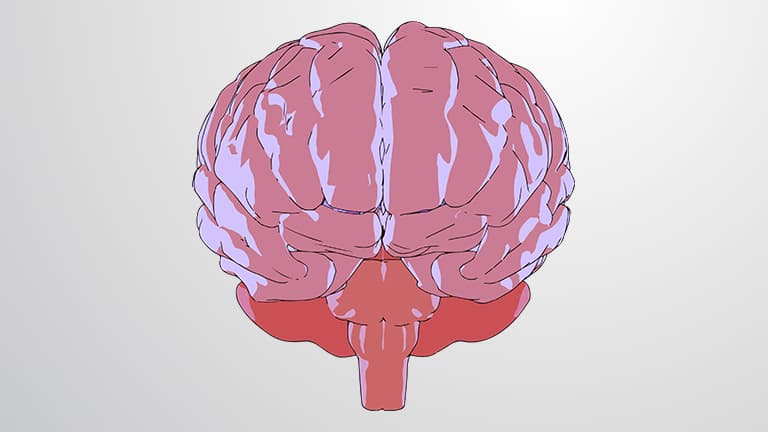
1. What is a Nervous System?
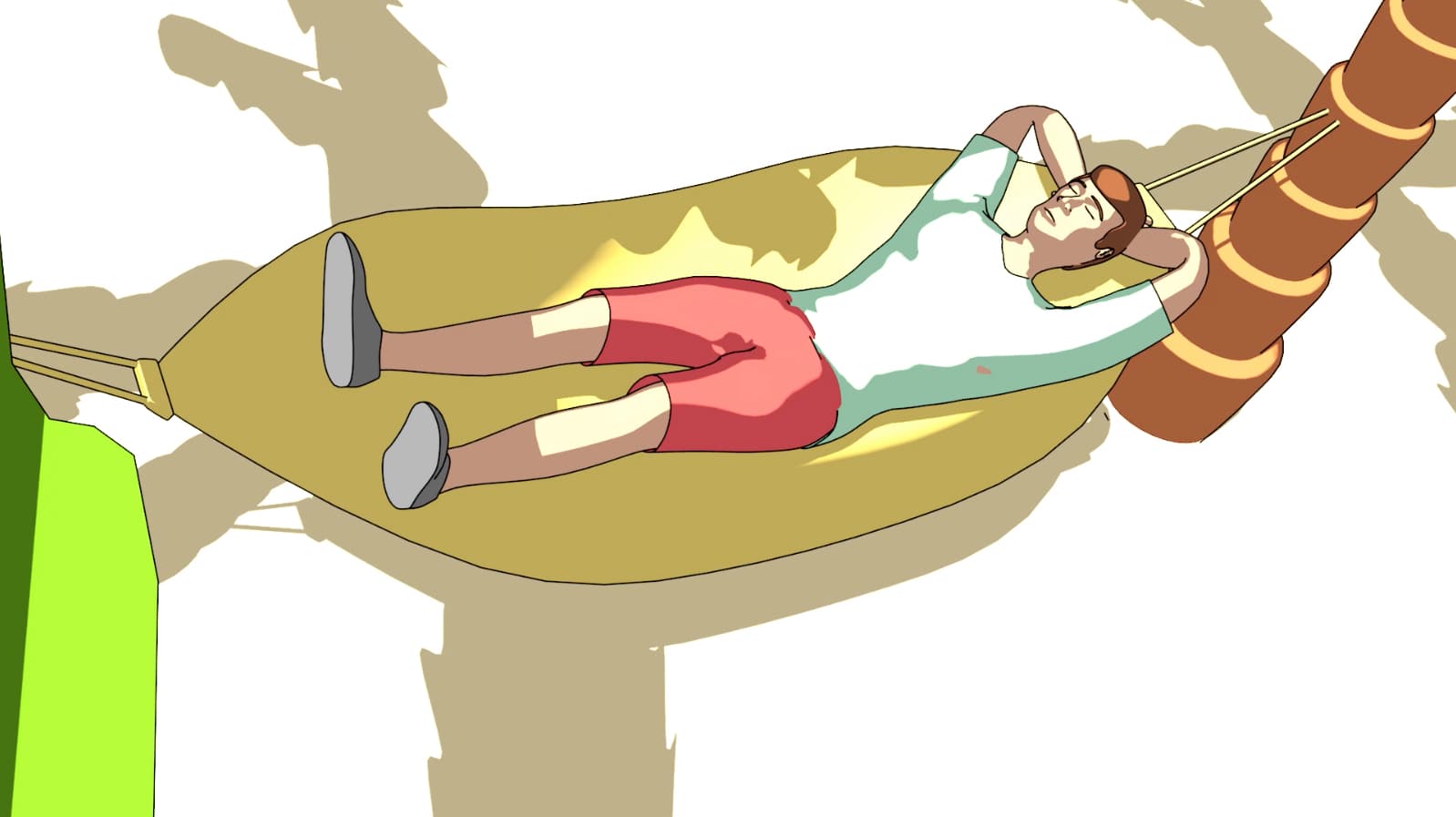
2. The Parasympathetic Nervous System
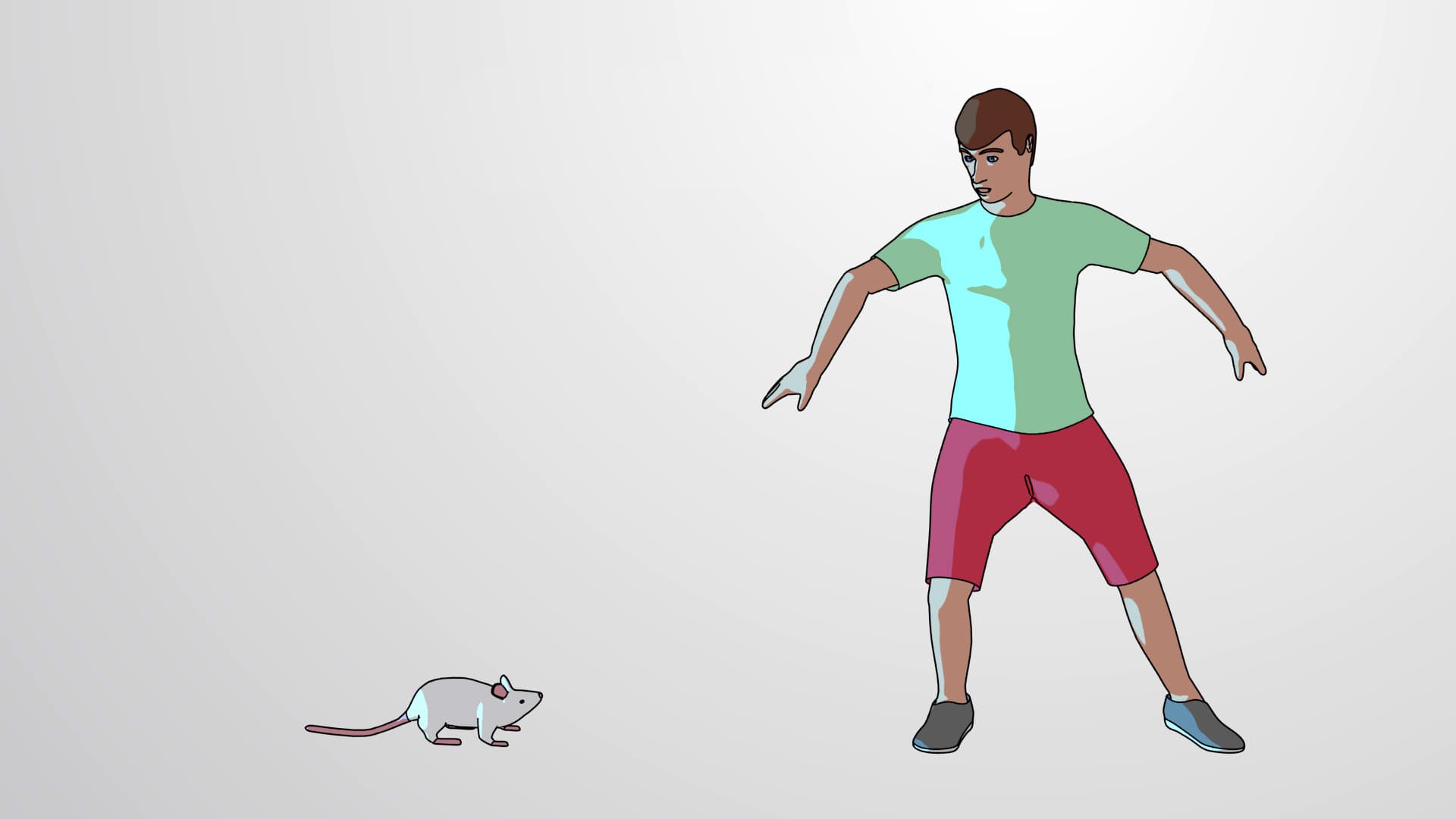
3. The Sympathetic Nervous System
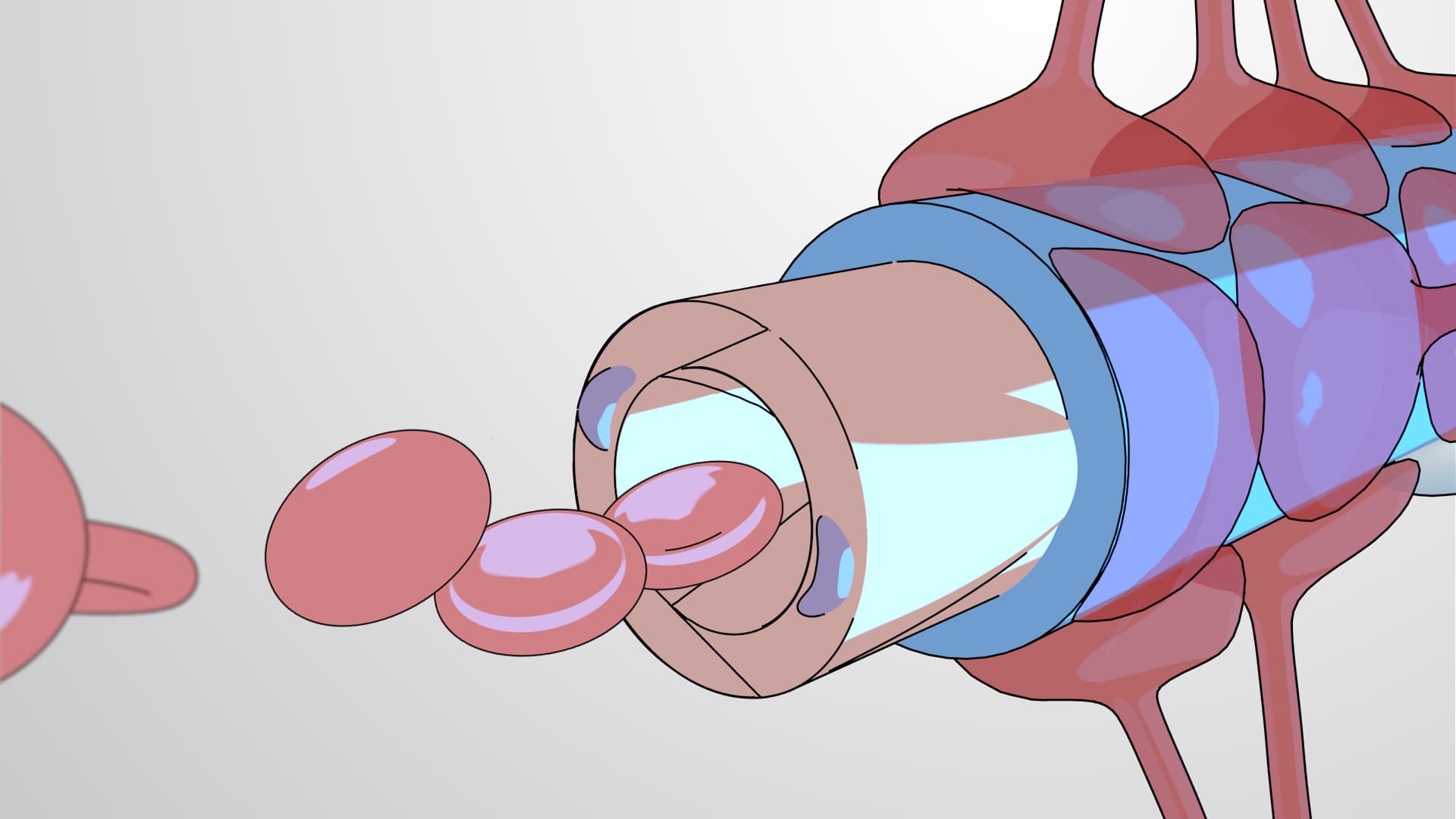
4. The Blood-brain Barrier
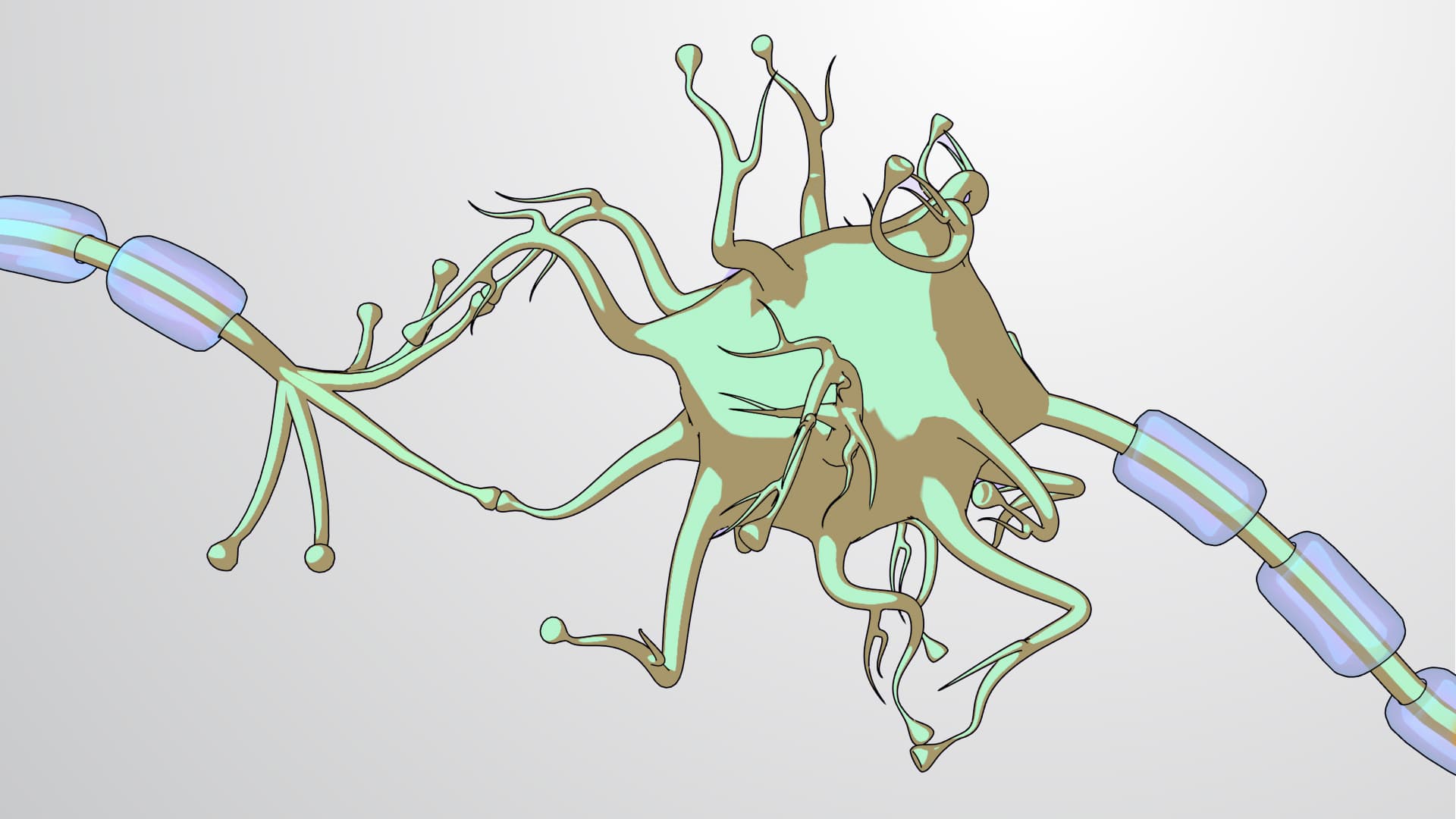
5. Neuron Structure
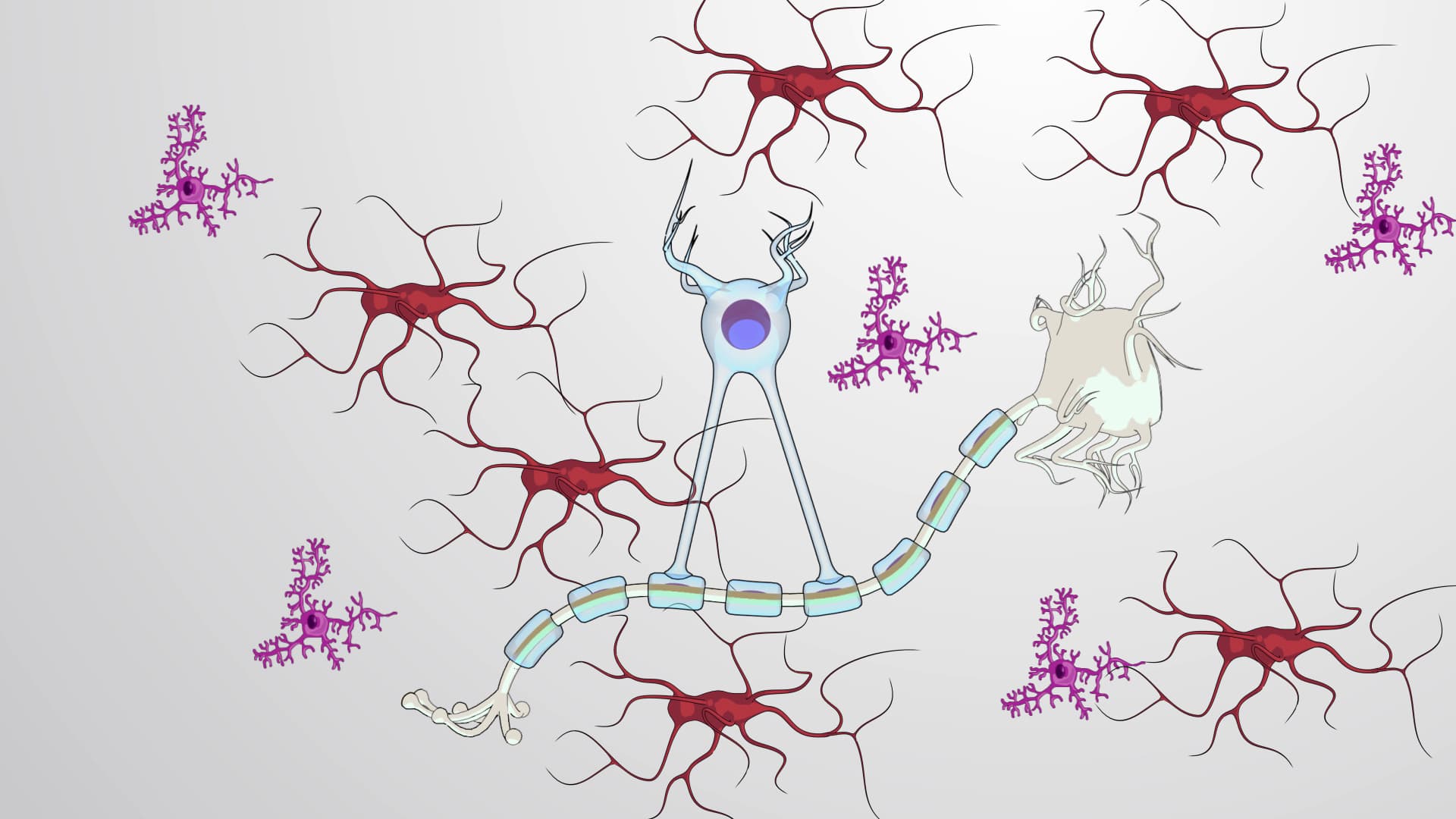
6. Glial Cells
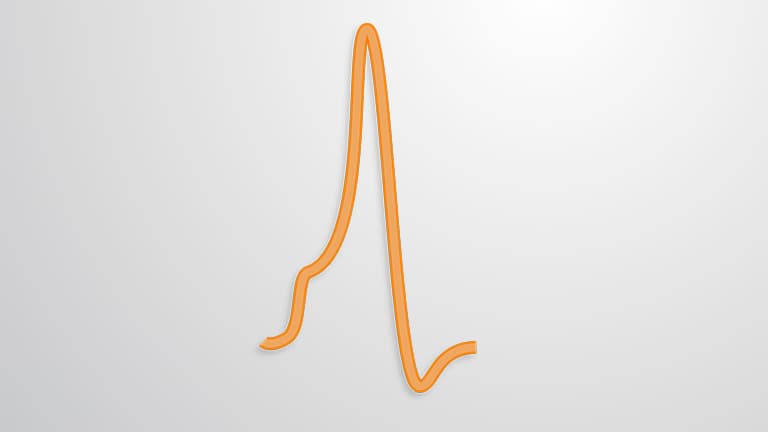
7. Action Potentials
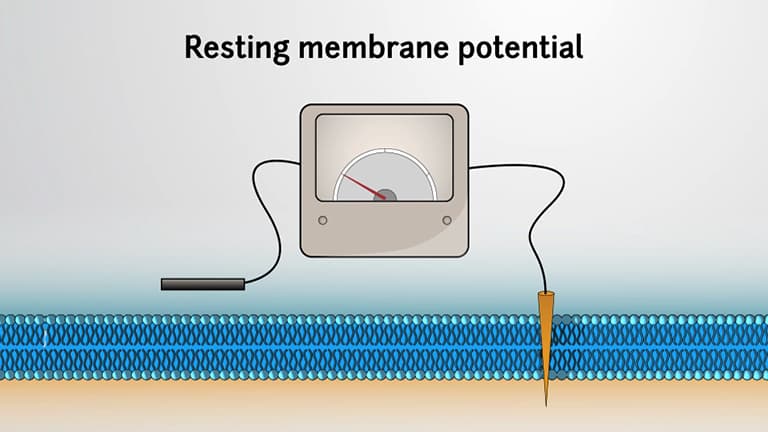
8. The Resting Membrane Potential
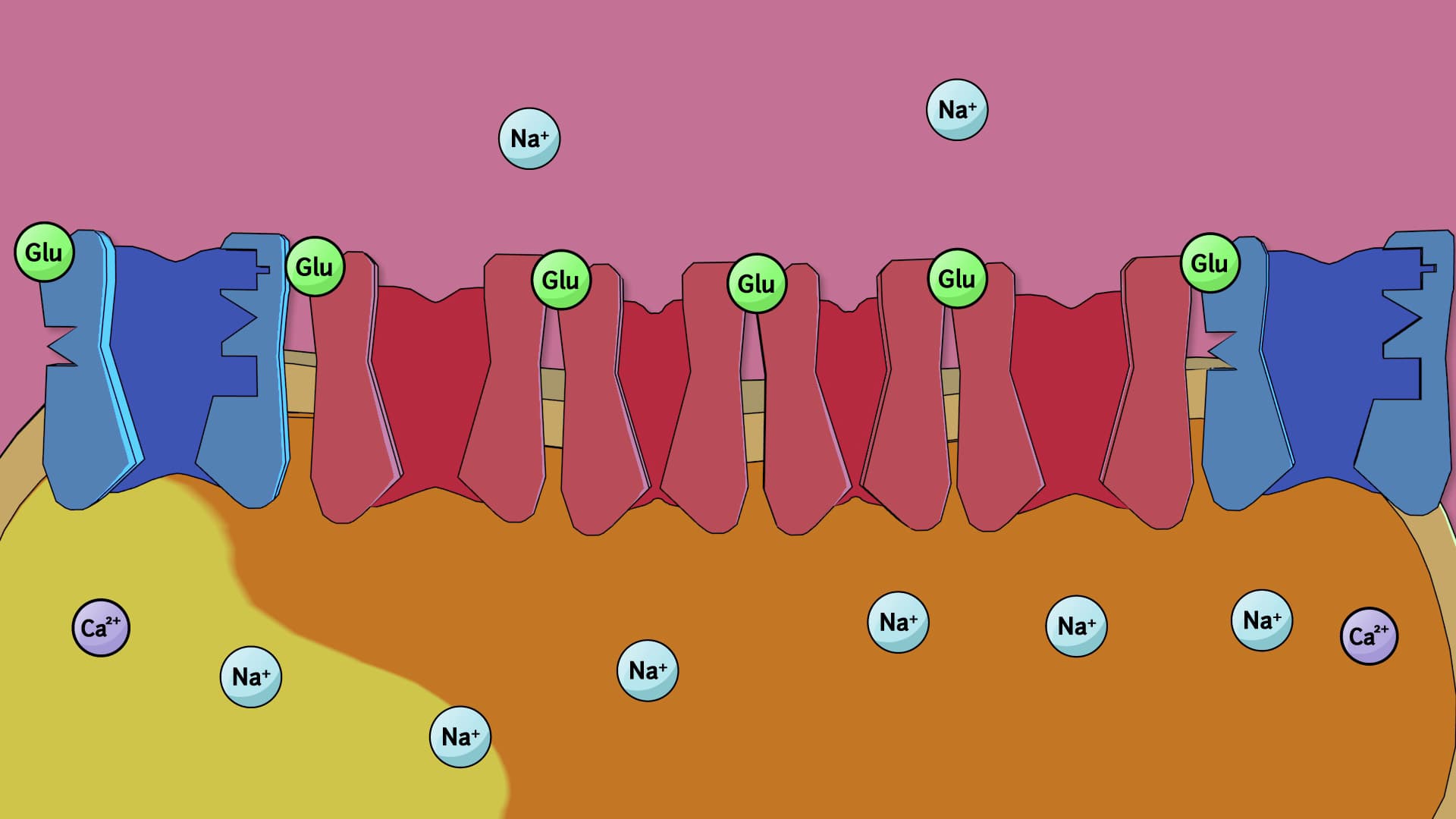
9. Long-term Potentiation
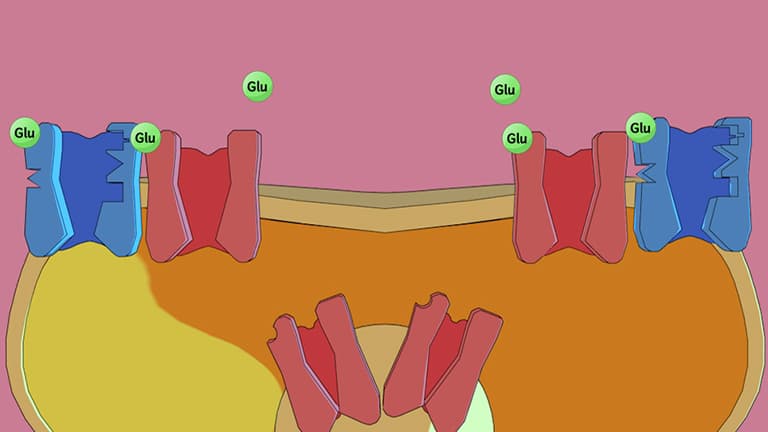
10. Long-term Depression
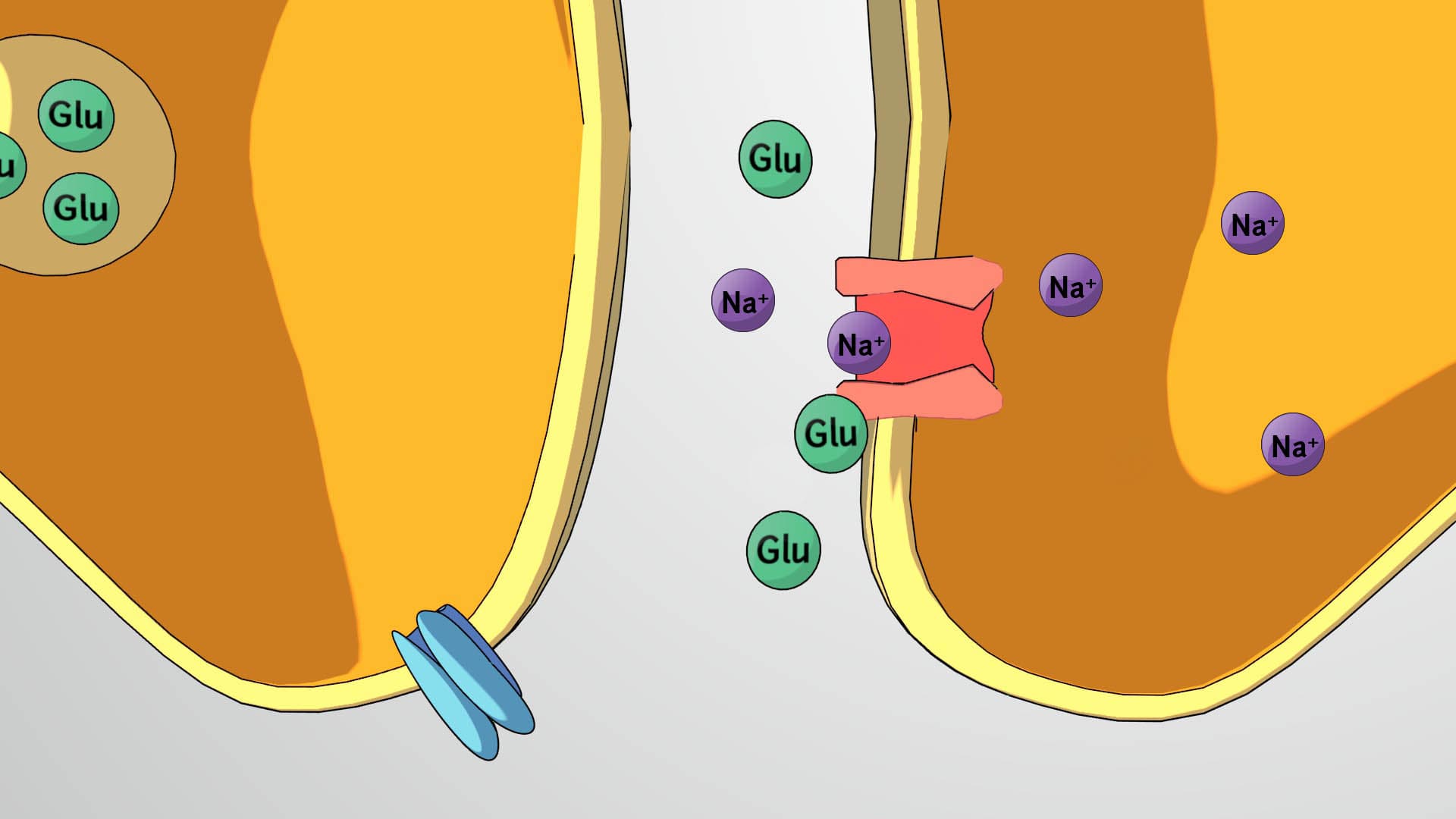
11. The Synapse
The nervous system serves as your body's electrical communication network, controlling everything from breathing to complex thinking. This comprehensive course examines how the central nervous system (brain and spinal cord) and peripheral nervous system work together to detect environmental changes and coordinate responses. Through detailed exploration of neuron structure, signal transmission, and neural pathways, you'll understand the fundamental mechanisms that enable neural communication in the human body with JoVE Coach.
- Understand the organization and functions of the central and peripheral nervous systems
- Analyze neuron structure and the roles of different cellular components in signal transmission
- Learn how action potentials generate and propagate electrical signals along axons
- Explore the mechanisms behind synaptic transmission and neurotransmitter function
- Identify the differences between sympathetic and parasympathetic nervous system responses
- Understand how glial cells support neural function and maintain brain health
- Apply knowledge of long-term potentiation and depression to learning and memory processes
- Examine the blood-brain barrier's role in protecting neural tissue from harmful substances
1. Central and Peripheral Nervous System Organization The nervous system divides into two main components: the central nervous system (CNS) containing the brain and spinal cord, and the peripheral nervous system (PNS) comprising nerves connecting the CNS to body tissues. The brain processes sensory information and coordinates responses through specialized regions, while the spinal cord facilitates communication between brain and body, controlling reflexes independently. The PNS transmits motor commands to skeletal muscles and sensory information from receptors back to the CNS for processing and integration.
2. Neuron Structure and Function Neurons contain distinct structural components optimized for electrical signal transmission. The cell body (soma) houses the nucleus and organelles, while branched dendrites receive incoming signals from other neurons. The axon hillock generates action potentials that travel down the axon to terminal endings. Myelin sheaths, produced by glial cells, insulate axons and speed signal transmission. Nodes of Ranvier allow action potential regeneration along myelinated axons, ensuring reliable long-distance communication throughout the nervous system.
3. Action Potential Generation and Propagation Action potentials represent the primary mechanism for electrical signaling in neurons. At rest, neurons maintain approximately -70 millivolts across their membranes through sodium-potassium pump activity. When stimulated beyond threshold, voltage-gated sodium channels open, causing rapid depolarization to +40 millivolts. Subsequent potassium channel opening repolarizes the membrane, creating a brief refractory period. This process regenerates at each node of Ranvier in myelinated axons, enabling fast, reliable signal transmission over long distances throughout the nervous system.
4. Synaptic Transmission and Neurotransmitter Function Chemical synapses convert electrical signals into chemical messages through neurotransmitter release. When action potentials reach axon terminals, calcium channels open, triggering vesicle fusion and neurotransmitter release into synaptic clefts. Neurotransmitters bind to postsynaptic receptors, causing excitatory or inhibitory effects on target neurons. Examples include glutamate (excitatory) and GABA (inhibitory). Reuptake proteins recycle neurotransmitters, terminating synaptic transmission. This process allows precise communication between billions of neurons in complex neural networks.
5. Autonomic Nervous System Regulation The autonomic nervous system controls involuntary functions through sympathetic and parasympathetic divisions. The sympathetic system activates during stress, increasing heart rate, dilating pupils, and releasing epinephrine from adrenal glands to prepare for "fight or flight" responses. The parasympathetic system promotes "rest and digest" activities, slowing heart rate, stimulating digestion, and conserving energy during calm periods. These complementary systems maintain homeostasis by adjusting organ function according to environmental demands and physiological needs.
6. Glial Cell Support Functions Glial cells provide essential support for neuronal function beyond simple structural support. Astrocytes maintain the blood-brain barrier, regulate neurotransmitter levels, and provide metabolic support to neurons. Oligodendrocytes (CNS) and Schwann cells (PNS) form myelin sheaths that insulate axons and accelerate signal transmission. Microglia act as immune cells, removing pathogens and cellular debris through phagocytosis. These diverse glial populations outnumber neurons and play crucial roles in neural development, maintenance, and repair throughout the nervous system.
7. Synaptic Plasticity and Learning Mechanisms Long-term potentiation (LTP) and long-term depression (LTD) represent key mechanisms underlying learning and memory formation. LTP strengthens synaptic connections through repeated stimulation, increasing AMPA receptor numbers and enhancing postsynaptic responses. This process, dependent on NMDA receptor activation and calcium influx, can last weeks or longer with continued use. Conversely, LTD weakens infrequently used synapses by removing AMPA receptors, allowing neural resources to focus on more important connections. These complementary processes explain how practice strengthens neural pathways while unused connections fade.
Frequently Asked Questions
The central nervous system (CNS) includes the brain and spinal cord, which process information and make decisions. The peripheral nervous system (PNS) consists of nerves that carry signals between the CNS and the rest of your body, like sensory information from your skin or motor commands to your muscles.
Think of action potentials like dominoes falling in sequence. When a neuron reaches threshold, sodium channels open like gates, letting positive charges rush in. This triggers the next section to open its gates, creating a wave of electrical activity that travels down the axon at speeds up to 120 meters per second.
Focus on action potential mechanisms, synaptic transmission, and autonomic nervous system divisions. The MCAT frequently tests understanding of neurotransmitter function, membrane potential changes, and the difference between sympathetic and parasympathetic responses. Practice applying these concepts to experimental scenarios.
Concentrate on neuron structure, signal transmission pathways, and reflex arcs. AP Biology emphasizes understanding how structure relates to function, so focus on why neurons have specific shapes and how myelin affects signal speed. Also study examples of positive and negative feedback in nervous system regulation.
When you study, your nervous system demonstrates long-term potentiation - repeatedly accessing information strengthens those neural pathways. Your sympathetic nervous system might activate during test anxiety, increasing heart rate and alertness. The parasympathetic system helps you relax and consolidate memories during sleep.
Students often struggle with action potential graphs and the molecular mechanisms behind LTP/LTD. The key is understanding that these processes follow logical patterns - sodium rushes in during depolarization because there's more outside the cell, and repeated stimulation strengthens synapses because it increases receptor numbers.
Instead of pure memorization, learn the major categories: glutamate (excitatory), GABA (inhibitory), acetylcholine (muscle contraction and parasympathetic), and dopamine/serotonin (mood regulation). Focus on understanding their general effects rather than memorizing every specific function.
Understanding neural communication helps you grasp how medications affect brain function, why certain injuries cause specific symptoms, and how diseases like Alzheimer's or Parkinson's develop. This knowledge forms the foundation for understanding neurological assessments, psychiatric medications, and rehabilitation strategies in clinical practice.
Think of the nervous system like a city's communication network: the brain is city hall making decisions, the spinal cord is the main highway, nerves are local roads, and synapses are traffic lights controlling signal flow. Neurotransmitters are like messages passed between departments, and glial cells are the maintenance crew keeping everything running smoothly.
This microcourse includes 11 concept videos that walk you through the building blocks of Biology. Each video is short, about 1 minute, so you can cover a full topic during a coffee break or between classes. The full sequence starts with What is a Nervous System? and ends with The Synapse.
The playlist moves from big-picture ideas to the precise vocabulary used in Biology. Early videos introduce What is a Nervous System?, The Parasympathetic Nervous System, and The Sympathetic Nervous System. The middle of the series focuses on Neuron Structure, Glial Cells, and Action Potentials. The final stretch covers The Resting Membrane Potential, Long-term Potentiation, Long-term Depression, and The Synapse.
The natural next step is Sensory Systems. From there, you can move to Musculoskeletal System, Endocrine System, and Circulatory and Pulmonary Systems. Once you finish those, the full Biology curriculum of 36 microcourses on JoVE Coach opens up, taking you from foundational concepts to advanced systems.
Related Subjects

