Loading subject page…

- Biology
- Nervous System
- Glial Cells
Micro-course: Nervous System
1,181,000 views
Learn key concepts and earn your certificate.

Glial Cells

00:00
01:04
Video Summary: What are Glial Cells
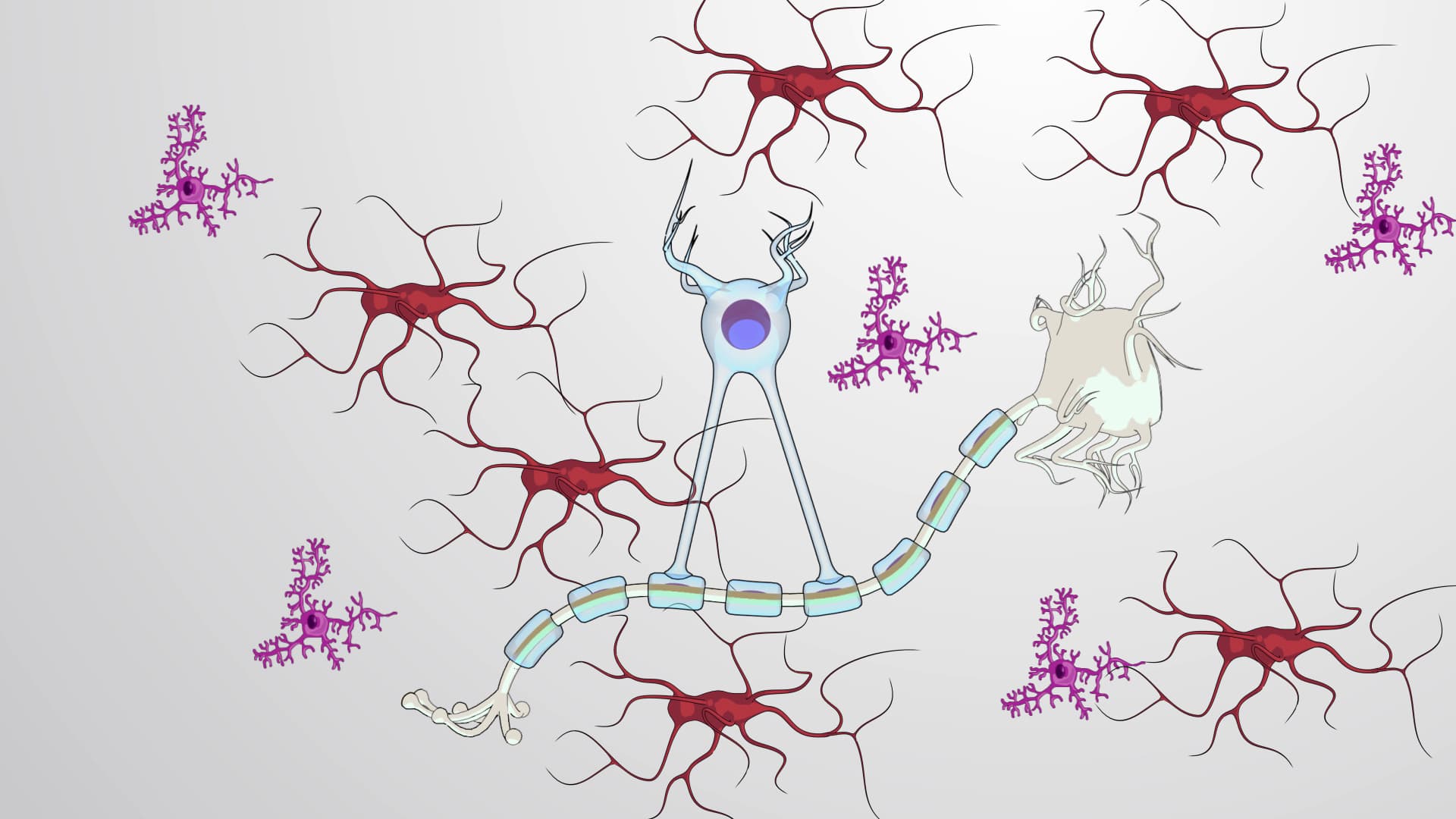
Ever wondered what keeps your brain functioning when neurons aren't firing? Glial cells are the unsung heroes of your nervous system, outnumbering neurons 10-to-1 and performing critical support functions that keep your brain healthy. From the astrocytes maintaining the blood-brain barrier that protects patients during neurosurgery at Johns Hopkins Hospital to the oligodendrocytes that speed up nerve signals, these "supporting" cells are anything but secondary players. Watch the full video on JoVE Coach to master this concept with expert-led visuals and step-by-step explanations.
- Understand what are glial cells and their fundamental role as supporting cells in both the central and peripheral nervous systems
- Identify the five major types of glial cells: astrocytes, oligodendrocytes, microglia, satellite cells, and Schwann cells
- Compare the structural differences between CNS glia (astrocytes, oligodendrocytes, microglia) and PNS glia (satellite cells, Schwann cells)
- Analyze the specialized functions of each glial cell type, from blood-brain barrier maintenance to myelin sheath formation
- Recognize the phagocytic role of microglia in immune defense and debris removal within nervous tissue
- Evaluate the clinical significance of glial cell dysfunction in neurological diseases and disorders
- Apply knowledge of glial cell biology to understand how nervous system injuries heal and adapt
- Explore the evolving research showing glial cells' active roles beyond simple structural support
What are Glial Cells: The Nervous System's Support Network
Glial cells represent approximately 90% of all cells in your nervous system, yet they've historically been overshadowed by neurons. The term "glia" comes from the Greek word for "glue," reflecting early scientists' belief that these cells simply held neurons together. Modern neuroscience reveals a far more sophisticated picture: glial cells are active participants in brain function, neural development, and disease processes.
Central Nervous System Glia: Specialized Support Teams
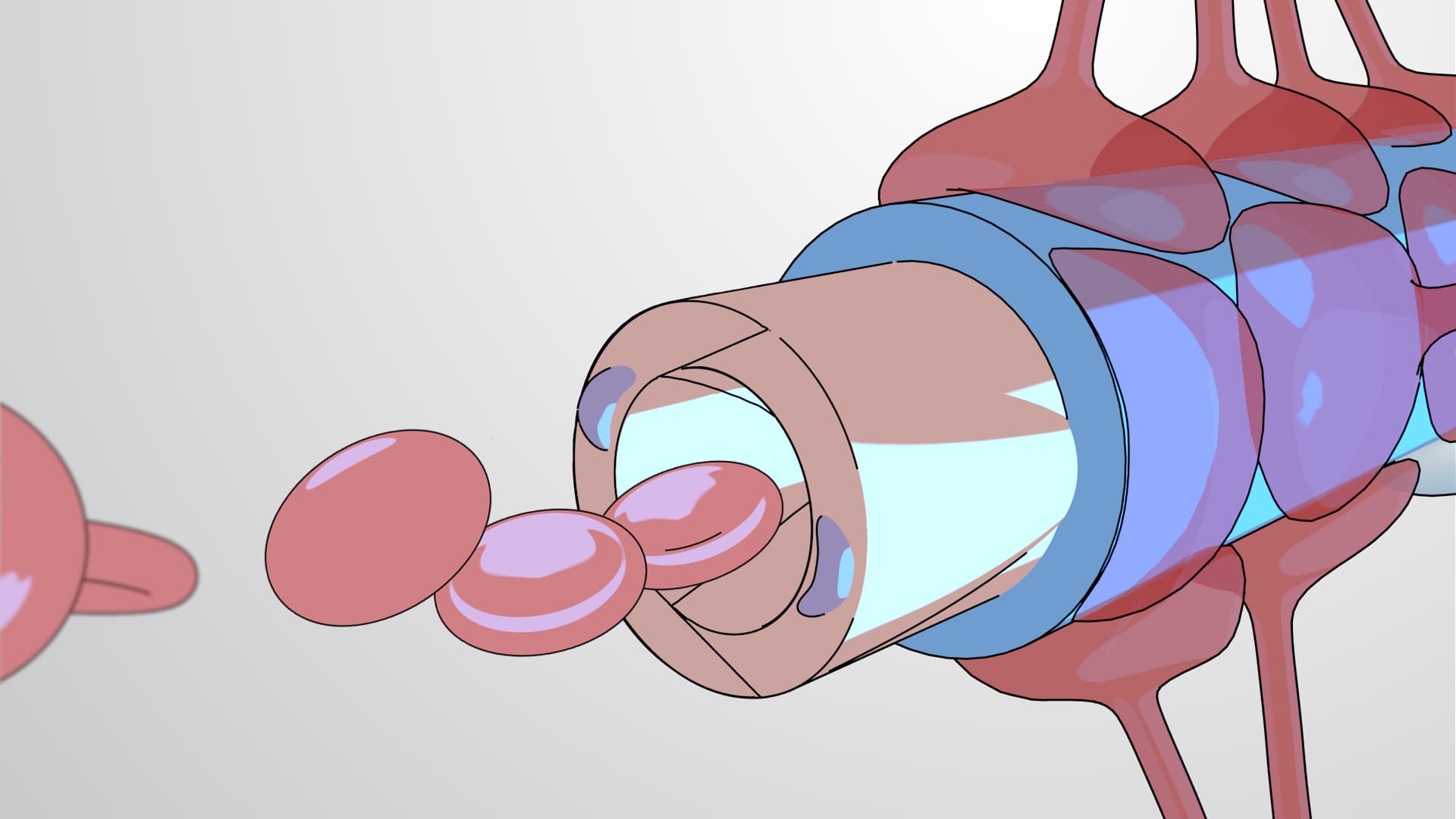
The central nervous system (CNS) houses three primary glial cell types, each with distinct morphology and function. Astrocytes are the largest and most abundant, featuring characteristic star-shaped processes that extend throughout brain tissue. These cells maintain the blood-brain barrier-a critical protective mechanism that prevents harmful substances from entering brain tissue. During stroke treatment at major US medical centers like Mayo Clinic, understanding astrocyte function helps clinicians predict recovery patterns.
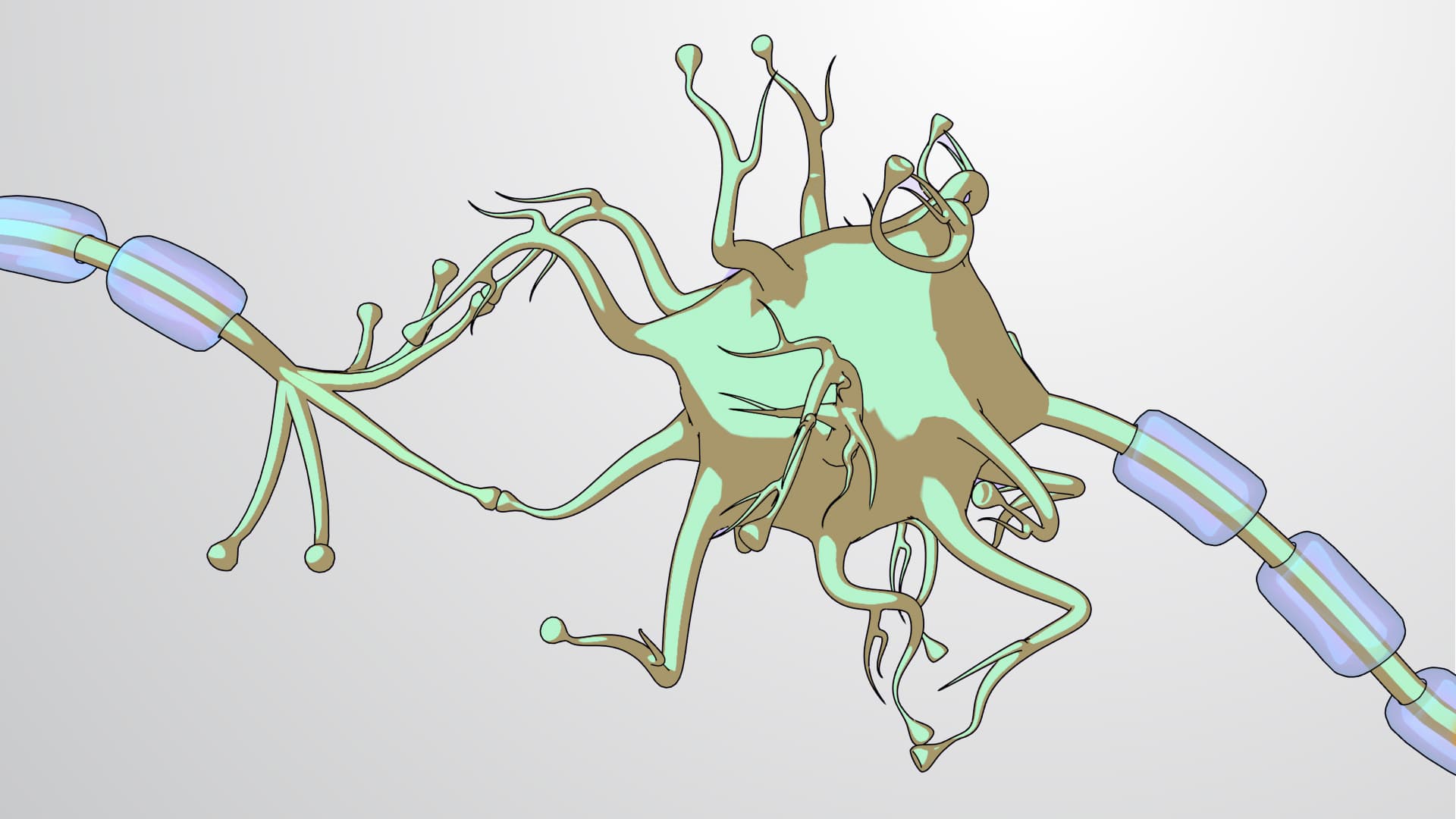
Oligodendrocytes appear smaller with fewer cellular extensions but perform the vital task of myelination in the CNS. Each oligodendrocyte can myelinate multiple axon segments simultaneously, creating the white matter visible in brain imaging. This myelin dramatically increases nerve conduction velocity-a concept frequently tested on the MCAT and AP Biology exams.
Microglia serve as the brain's immune cells, constantly surveying neural tissue for damage, pathogens, or cellular debris. These highly mobile cells can rapidly activate during injury or infection, demonstrating the dynamic nature of glial cells biology explained through their quick response capabilities.
Peripheral Nervous System Glia: Extending Support Beyond the Brain
The peripheral nervous system (PNS) contains two specialized glial types that mirror CNS functions. Satellite cells surround neuron cell bodies in peripheral ganglia, providing metabolic support similar to astrocytes. Schwann cells create myelin sheaths around peripheral axons, but unlike oligodendrocytes, each Schwann cell myelinates only one axon segment. This difference becomes clinically significant in conditions like multiple sclerosis (affecting CNS myelin) versus peripheral neuropathies (affecting PNS myelin).
Understanding these distinctions helps students excel on standardized tests and provides foundation knowledge for advanced coursework in neuroscience, medicine, and allied health programs across US universities.
Frequently Asked Questions
Glial cells are non-neuronal support cells that make up about 90% of the nervous system, providing structural support, metabolic assistance, and protection to neurons. They include astrocytes, oligodendrocytes, microglia in the CNS, plus satellite cells and Schwann cells in the PNS. These cells actively participate in brain function, immune responses, and neural repair processes.
AP Biology frequently tests glial cell types and their specific functions, especially myelin formation by oligodendrocytes and Schwann cells. Students should know the difference between CNS and PNS glia, understand how astrocytes maintain the blood-brain barrier, and recognize microglia's immune function. Practice identifying these cells in diagrams and explaining their roles in nervous system signaling.
The MCAT tests glial cell biology within nervous system physiology, often focusing on myelin's role in action potential propagation and saltatory conduction. Questions may involve oligodendrocyte vs. Schwann cell differences, astrocyte functions, or glial involvement in neurological diseases. Understanding glial cells helps with passage-based questions about multiple sclerosis, stroke, or brain injury scenarios.
Stanford, Harvard Medical School, Johns Hopkins, and UCSF lead glial cell research, particularly in neurodegeneration and brain tumor studies. Many students entering neuroscience PhD programs or MD/PhD tracks focus on glial biology because of its therapeutic potential. Understanding glial cells opens doors to research opportunities in Alzheimer's disease, glioblastoma treatment, and spinal cord injury recovery.
Glial cell dysfunction underlies many neurological diseases treated in US hospitals: oligodendrocyte damage causes multiple sclerosis symptoms, astrocyte scarring impedes spinal cord injury recovery, and activated microglia contribute to Alzheimer's disease progression. Brain tumors called gliomas arise from glial cells, making this knowledge essential for understanding cancer treatment approaches used at major cancer centers nationwide.
Glial cell concepts are very manageable with proper foundation in basic cell biology and nervous system anatomy. Start by understanding neuron structure, then learn how each glial cell type supports neuronal function. Visual aids showing cell shapes and tissue organization make the material much more accessible, and the clinical connections help maintain student interest.
Use the mnemonic "A-O-M-S-S" (Astrocytes, Oligodendrocytes, Microglia, Satellite cells, Schwann cells) and associate each with its key function: Astrocytes maintain barriers, Oligodendrocytes make CNS myelin, Microglia fight infections, Satellite cells support PNS neuron bodies, Schwann cells make PNS myelin. Create comparison charts showing CNS vs. PNS differences for visual learning.
Build on glial cell knowledge by exploring action potential propagation, especially how myelin affects conduction velocity and saltatory conduction. Study neurological diseases like multiple sclerosis, Alzheimer's disease, and brain tumors to understand clinical applications. Advanced topics include glial-neuron communication, stem cell therapy using glial precursors, and glial roles in synaptic plasticity and learning.
Related Micro-courses