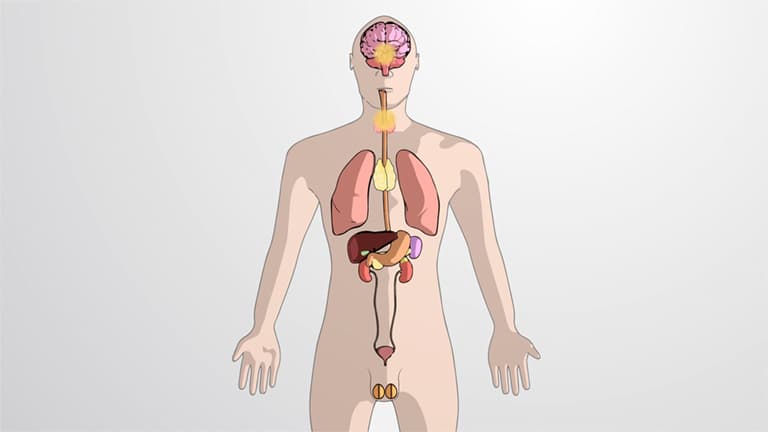
Loading video…


 11 Concepts
 1.2M views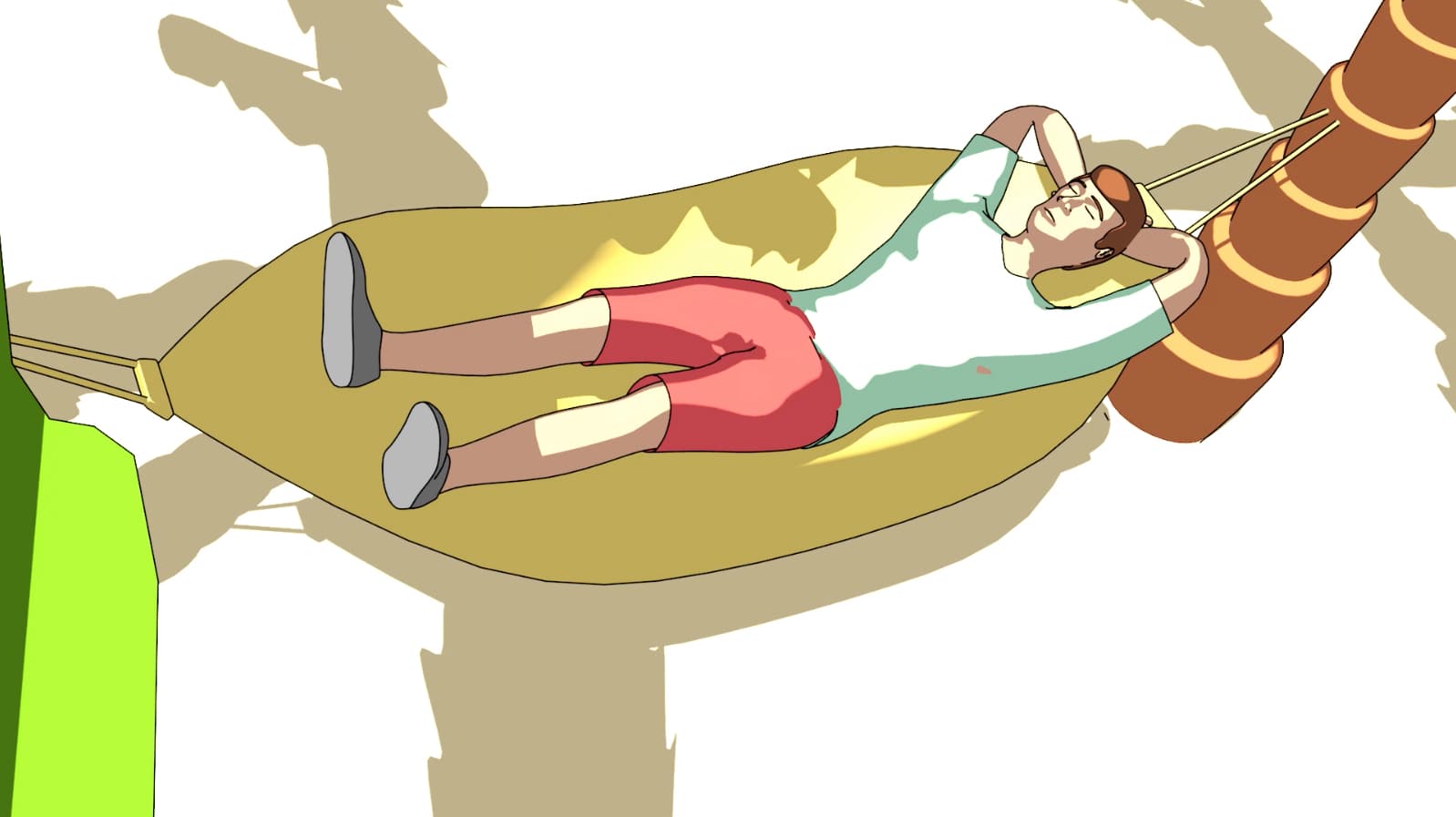

Video Summary: What Is the Parasympathetic Nervous System
Ever wonder why your heart slows down after a stressful exam or why you feel drowsy after a big meal? The parasympathetic nervous system orchestrates these "rest and digest" responses that help your body recover from daily stressors. When you're studying late at Stanford University's library and finally relax, this system kicks in to lower your heart rate and stimulate digestion. What is the parasympathetic nervous system, and how does it work alongside your body's other control mechanisms? Watch the full video on JoVE Coach to master this concept with expert-led visuals and step-by-step explanations.
The parasympathetic nervous system serves as your body's built-in recovery mechanism, counterbalancing the high-energy demands of daily life. Unlike the sympathetic system that prepares you for action, this division of the autonomic nervous system specializes in conservation and restoration. When you're sitting in your college dorm room studying biology, your parasympathetic system works quietly to maintain optimal conditions for learning and growth.
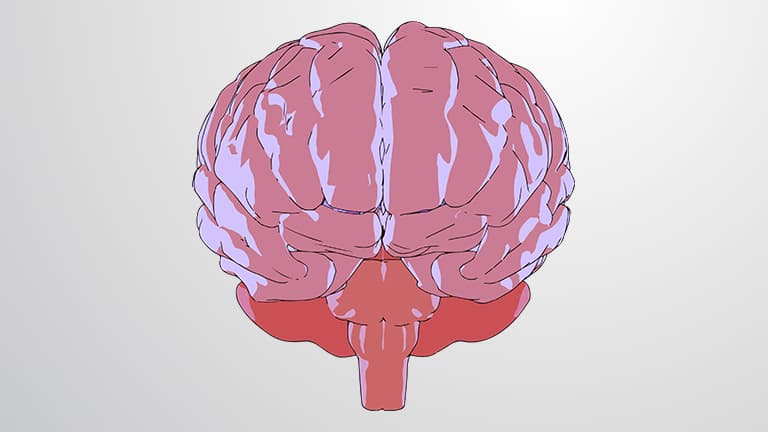
The parasympathetic system's unique architecture sets it apart from other nervous system divisions. Preganglionic neurons originate in specific brainstem nuclei-including the Edinger-Westphal nucleus controlling pupil constriction and the dorsal motor nucleus of the vagus nerve. Additional preganglionic neurons emerge from sacral spinal cord segments S2-S4, forming the pelvic splanchnic nerves that control bladder and bowel function.
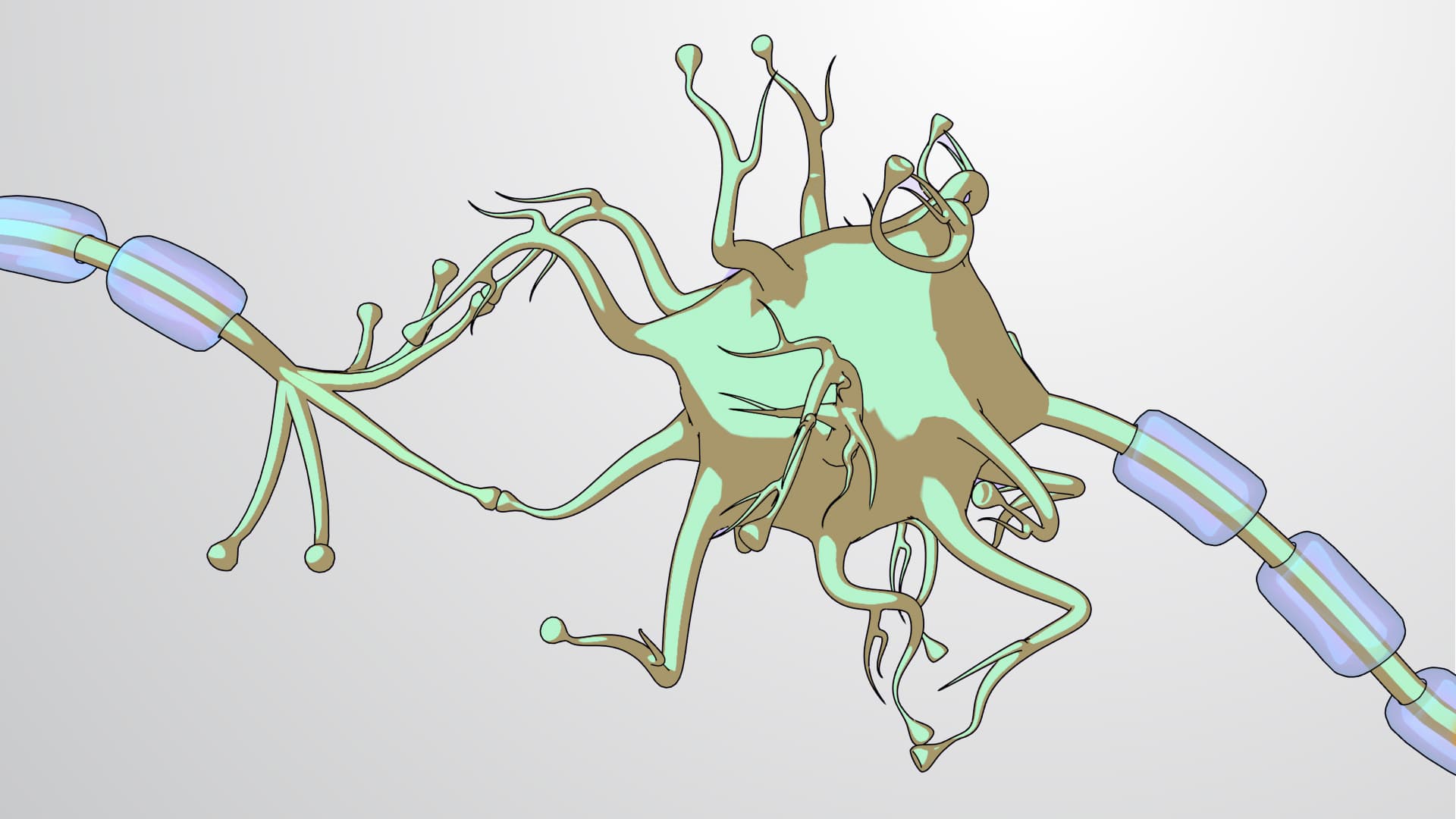
What makes this system particularly efficient is its ganglia placement. Unlike sympathetic ganglia clustered near the spinal cord, parasympathetic ganglia sit directly within or adjacent to target organs. This proximity allows for precise, organ-specific control with minimal signal degradation-crucial for functions like adjusting heart rate during your AP Biology exam stress.
Acetylcholine serves as the primary neurotransmitter at both preganglionic synapses and most postganglionic terminals. This consistent chemical messenger binds to nicotinic receptors at ganglia and muscarinic receptors at target tissues. The result? Coordinated responses that promote energy conservation and tissue repair.
Consider what happens during lunch at your high school cafeteria: parasympathetic stimulation increases salivary gland secretions for better digestion, stimulates gastric acid production, and enhances intestinal motility. Simultaneously, your heart rate decreases and blood flow shifts toward digestive organs-optimizing nutrient absorption when your body can afford to slow down.
Understanding parasympathetic function proves essential for MCAT preparation and nursing school prerequisites like the HESI A2 exam. Medical conditions affecting this system, such as diabetic neuropathy impacting bladder control or medications like atropine blocking acetylcholine receptors, frequently appear in clinical scenarios. Students at institutions like Johns Hopkins University study how parasympathetic dysfunction contributes to conditions ranging from dry mouth to gastrointestinal disorders, making this knowledge practically invaluable for healthcare careers.
Related Micro-courses