Loading video…


 11 Concepts
 1.2M views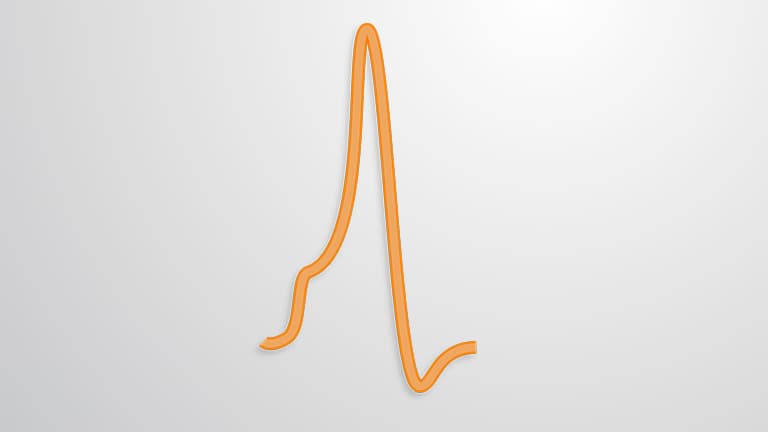

Video Summary: What Is Action Potentials
Ever wonder how your brain signals your hand to pull away from a hot stove in milliseconds? Action potentials are the electrical "lightning bolts" that make this possible, transmitting nerve signals at speeds up to 120 meters per second. These rapid changes in electrical charge across neuron membranes-from -70mV to +40mV and back-are how your nervous system communicates everything from reflexes to complex thoughts. Consider that every time you text a friend, millions of action potentials fire across your brain and down your spinal cord to coordinate precise finger movements. Watch the full video on JoVE Coach to master this concept with expert-led visuals and step-by-step explanations.
Action potentials represent one of biology's most elegant electrical phenomena-rapid, self-propagating changes in voltage across neuron membranes that enable everything from basic reflexes to complex cognitive functions. Unlike simple electrical circuits, neurons generate these signals through sophisticated biological machinery involving ion channels, concentration gradients, and membrane properties that have been fine-tuned through millions of years of evolution.
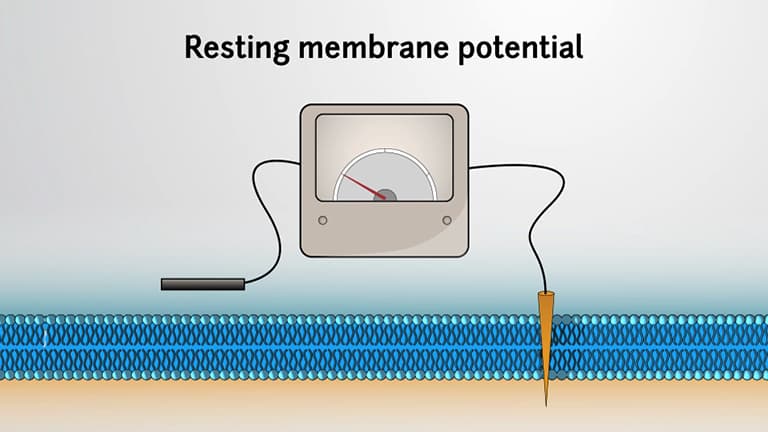
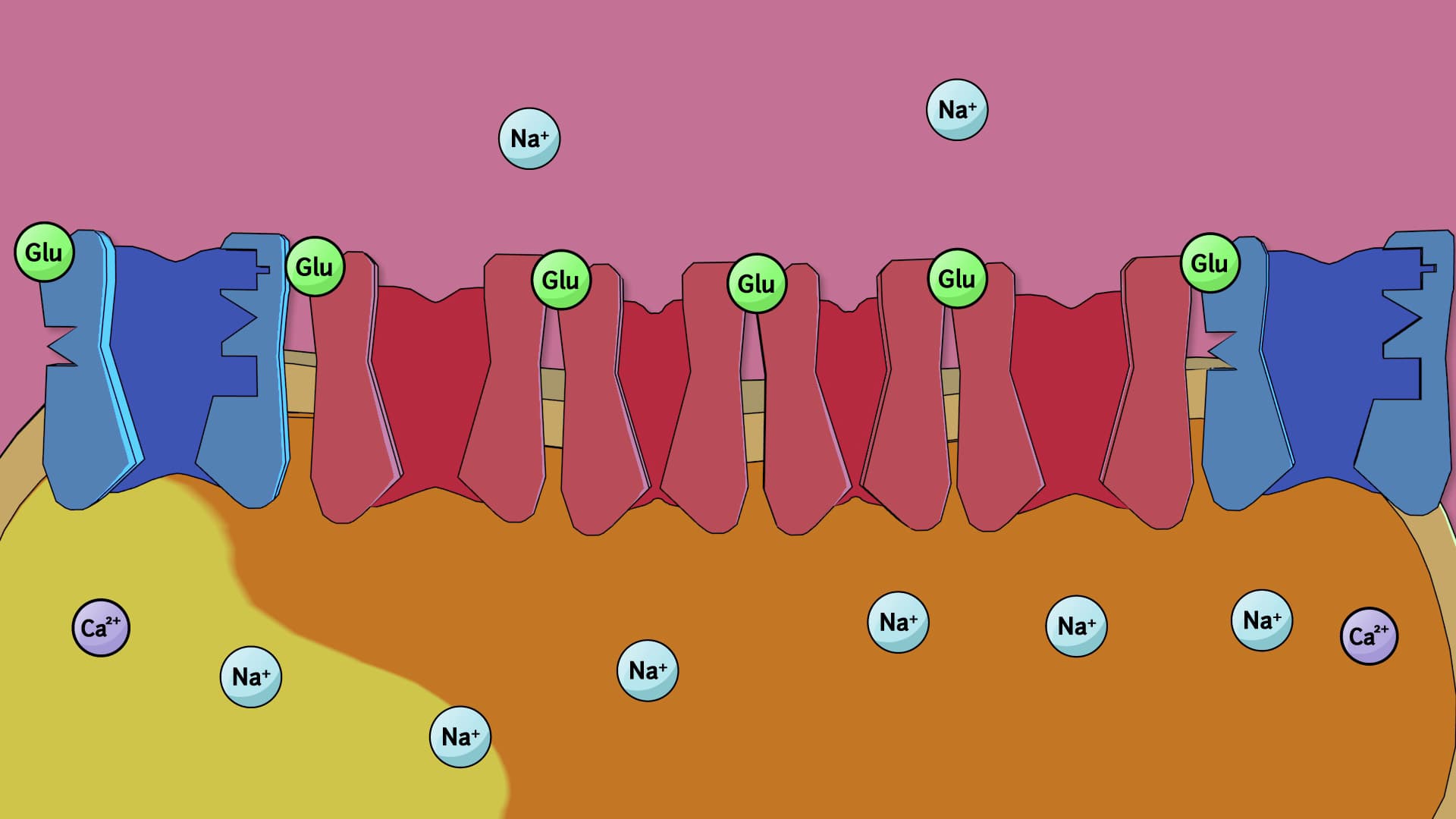
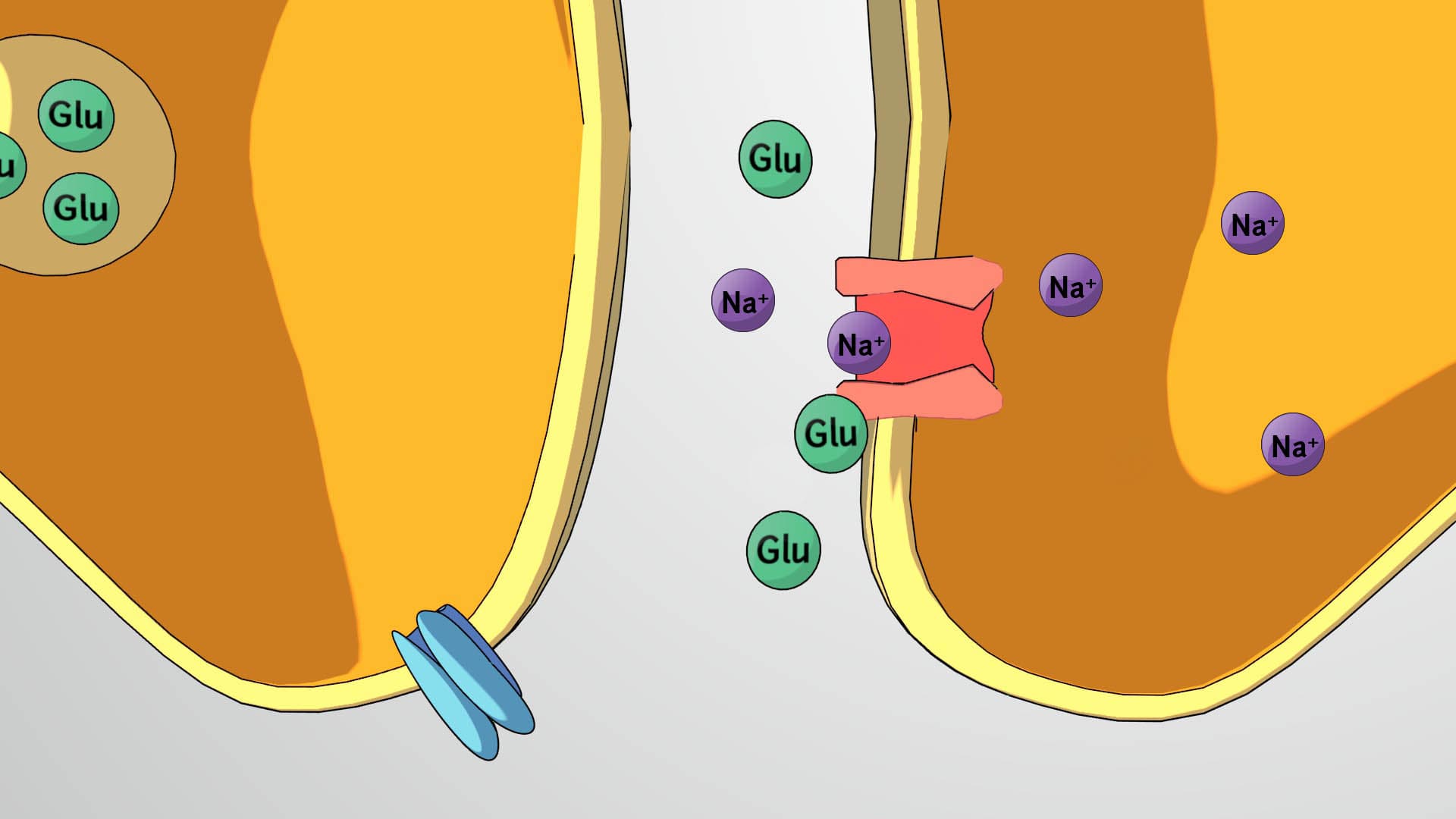
Neurons maintain a resting potential of approximately -70 millivolts, established primarily by the sodium-potassium pump that continuously exports three sodium ions while importing two potassium ions. This creates an electrochemical environment where sodium concentrations remain roughly 10 times higher outside the cell, while potassium concentrations are about 30 times higher inside. When neurotransmitters or other stimuli cause the membrane potential to reach threshold (typically around -55mV), voltage-gated sodium channels snap open like molecular floodgates.
The resulting sodium influx drives membrane potential rapidly toward +40mV-a swing of over 100 millivolts occurring in just 1-2 milliseconds. This dramatic depolarization phase is followed by sodium channel inactivation and potassium channel opening, which repolarizes the membrane. The process briefly overshoots resting potential during the hyperpolarization phase, creating a refractory period that prevents immediate re-firing and ensures unidirectional signal propagation.
Understanding action potentials proves crucial for students pursuing healthcare careers, as these mechanisms underlie numerous medical conditions and treatments. Local anesthetics like lidocaine work by blocking sodium channels, preventing action potential generation in pain neurons. Epilepsy involves abnormal action potential firing patterns, while multiple sclerosis damages myelin sheaths that normally speed action potential conduction through saltatory jumping between nodes of Ranvier.
For AP Biology and college neuroscience courses, action potentials serve as excellent examples of structure-function relationships, feedback mechanisms, and bioelectricity. MCAT questions frequently test understanding of ion gradients, channel kinetics, and conduction velocity relationships. Students should focus on connecting molecular mechanisms (channel behavior) to physiological outcomes (signal speed and reliability) to succeed on standardized exams.
Related Micro-courses