Loading video…


 11 Concepts
 1.2M views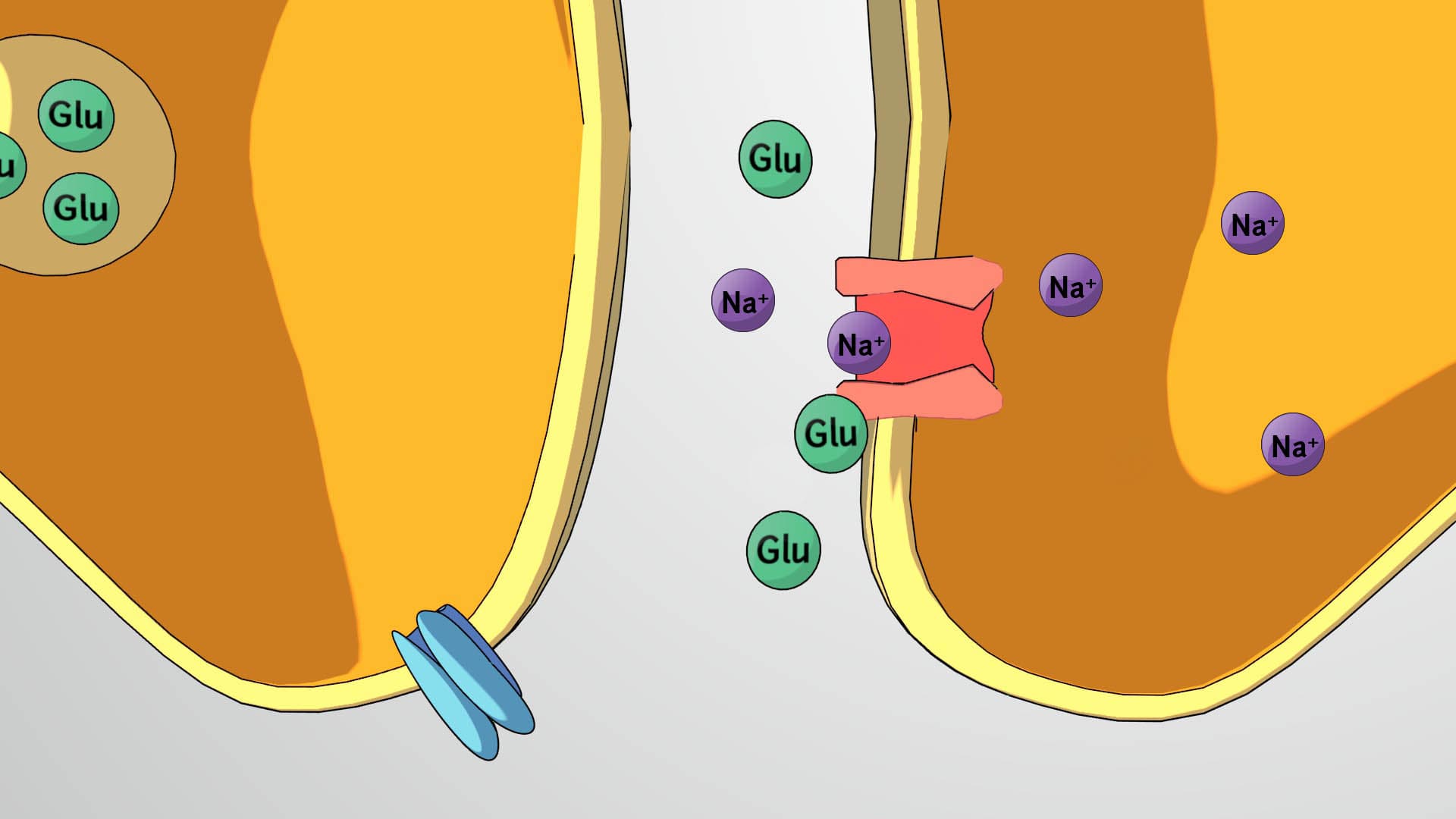

Video Summary: What Is the Synapse
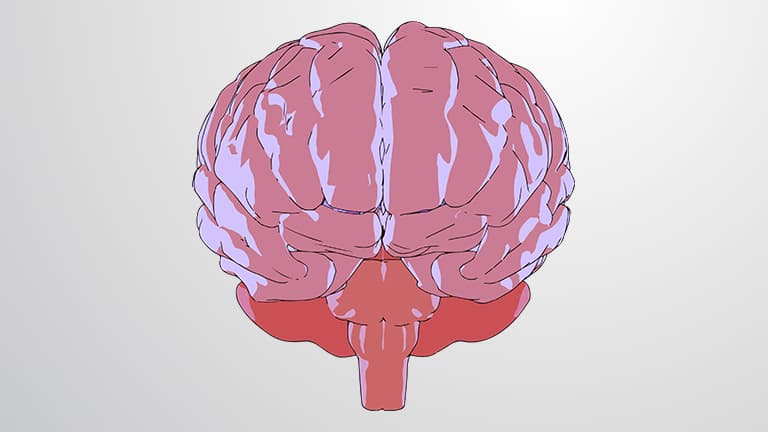
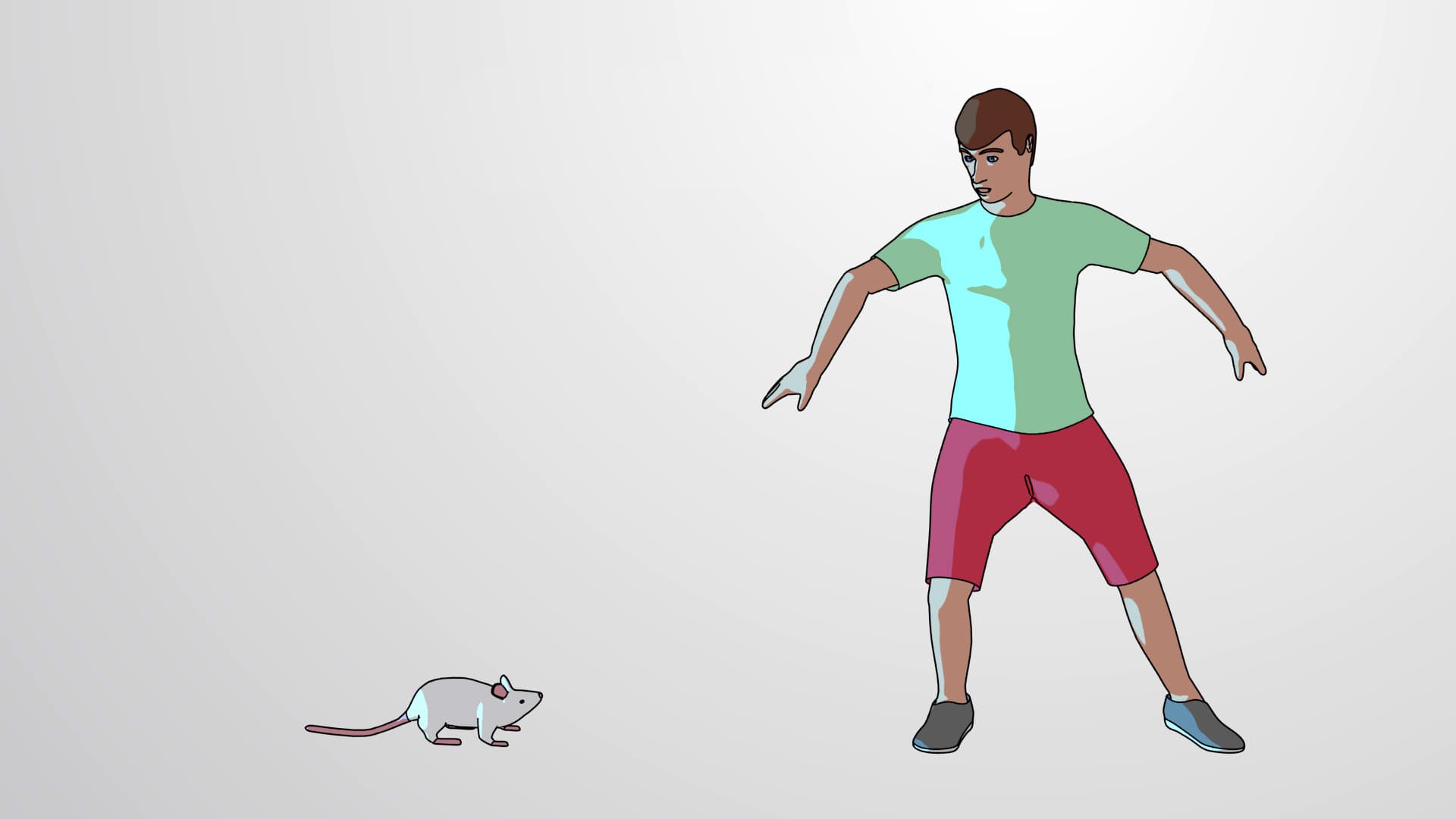
Every second, your brain processes millions of messages-like when you instantly pull your hand away from a hot stove. The synapse is the critical junction where neurons communicate, converting electrical signals into chemical messages through neurotransmitters. For instance, when a student takes the SAT, synapses in their brain rapidly transmit information between memory centers and problem-solving regions. Understanding what is the synapse reveals how our nervous system coordinates everything from reflexes to complex thinking. Watch the full video on JoVE Coach to master this concept with expert-led visuals and step-by-step explanations.
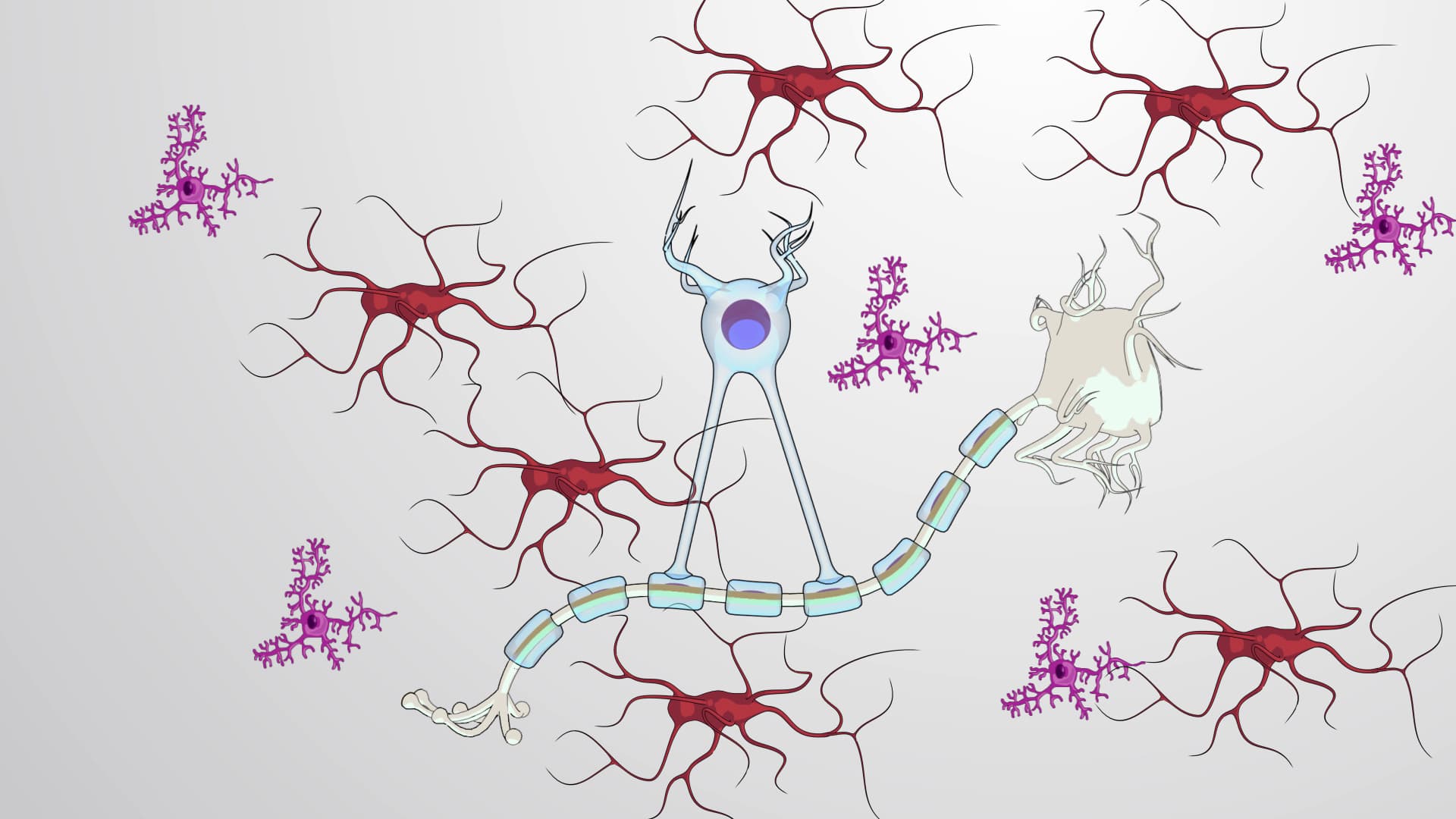
The synapse represents one of biology's most elegant solutions to a fundamental problem: how can cells communicate across physical gaps? In the human nervous system, approximately 100 billion neurons form an estimated 100 trillion synaptic connections, creating the biological foundation for everything from breathing to solving calculus problems on the AP Biology exam.
While electrical synapses provide lightning-fast communication through gap junctions-essential for synchronized heartbeats and rapid reflexes-chemical synapses dominate our nervous system. Chemical synapses offer incredible versatility, allowing for signal amplification, inhibition, and complex processing. The synaptic cleft, though only 20-50 nanometers wide, serves as a crucial checkpoint where neural signals can be modified, filtered, or blocked entirely.
This distinction becomes particularly important for pre-med students preparing for the MCAT, where understanding synaptic mechanisms helps explain how anesthetics work during surgery at hospitals like Johns Hopkins or how antidepressants affect mood regulation.
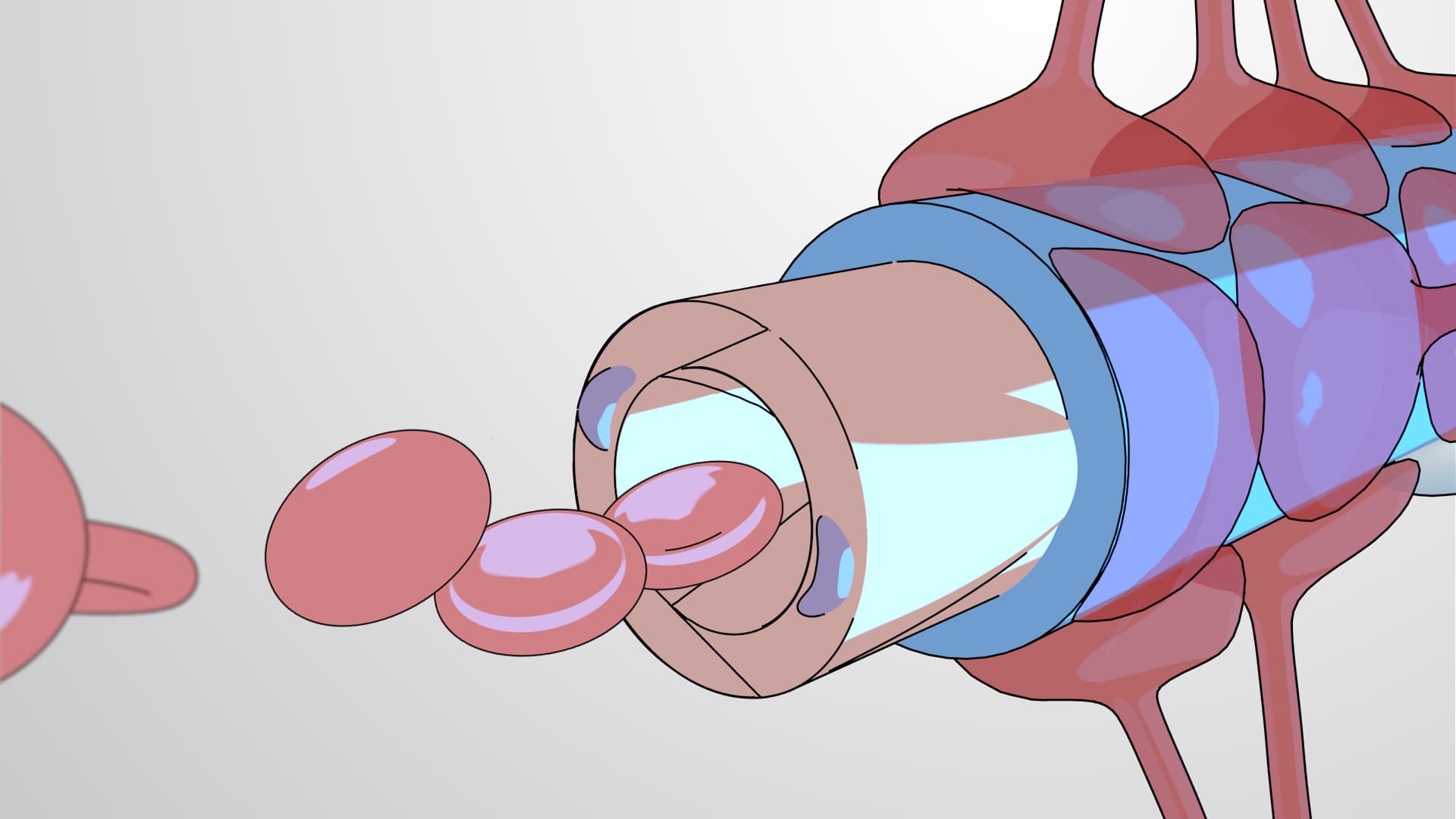
The conversion from electrical to chemical signaling involves precise molecular machinery. When calcium channels open at the presynaptic terminal, they trigger vesicle fusion through proteins called SNAREs. This process occurs within milliseconds, yet its precision determines whether you successfully catch a baseball or remember a historical date for your AP US History exam.
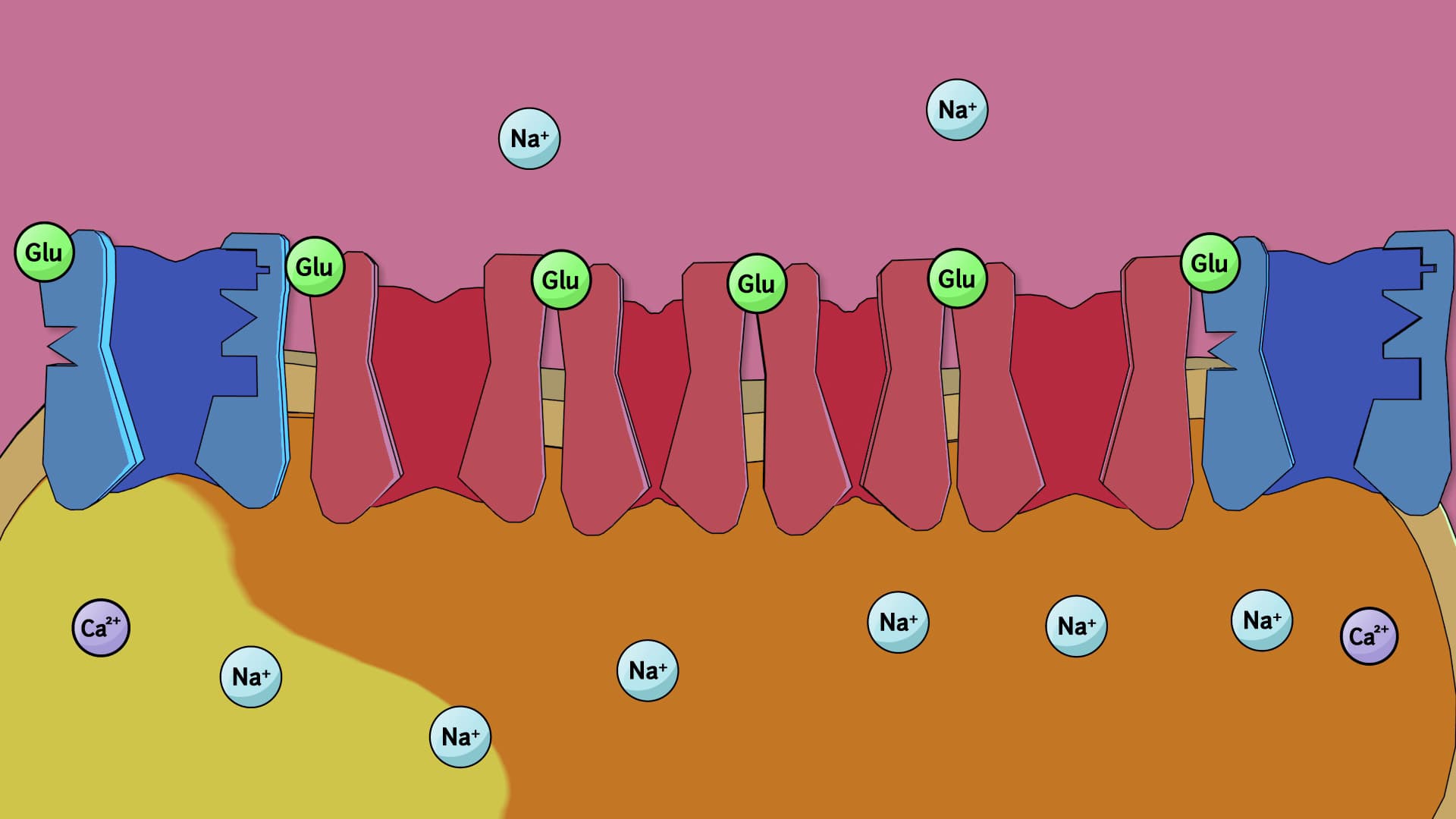
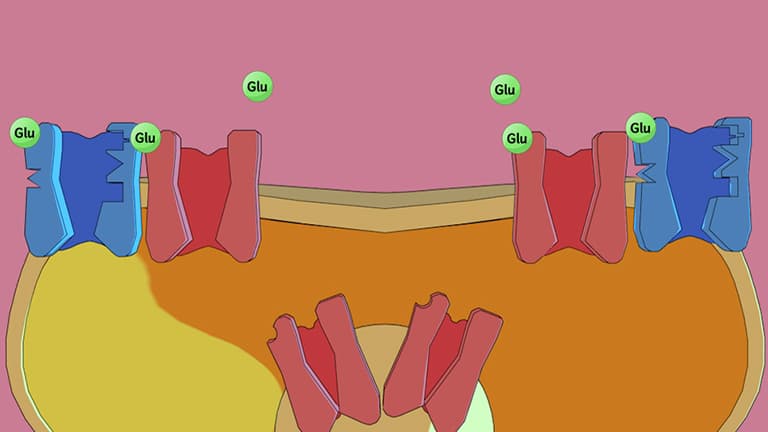
Different neurotransmitters produce distinct effects: glutamate excites neurons (crucial for learning), while GABA inhibits them (essential for preventing seizures). Dopamine drives motivation and reward-explaining why students feel satisfaction after solving challenging problems. Understanding these mechanisms helps explain conditions like Parkinson's disease, where dopamine-producing neurons degenerate, affecting patients at medical centers across the United States.
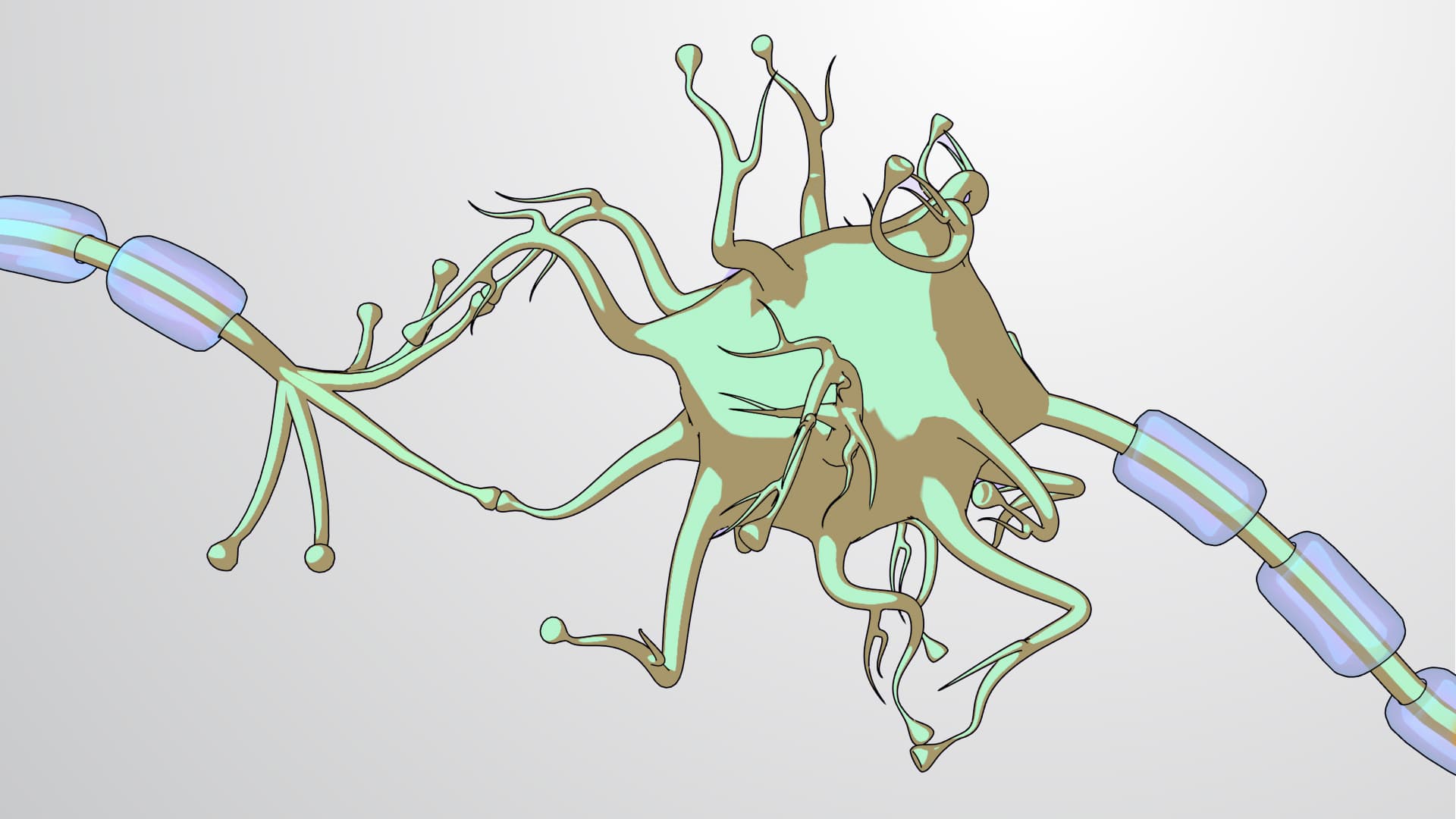
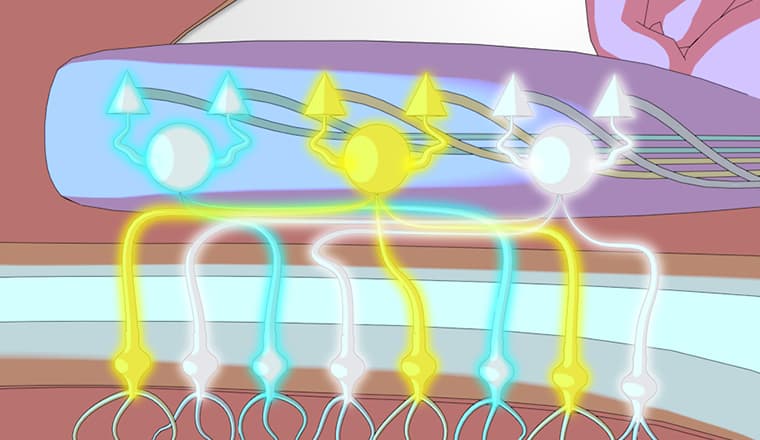
Perhaps most remarkably, each neuron acts as a biological computer, integrating thousands of synaptic inputs to make split-second decisions about whether to fire. This integration occurs in the soma, where excitatory and inhibitory signals compete. The neuron fires only when excitatory inputs sufficiently outweigh inhibitory ones-a concept that explains how we maintain focused attention during standardized tests while filtering out distracting noises.
Related Micro-courses