Loading video…


 11 Concepts
 1.2M views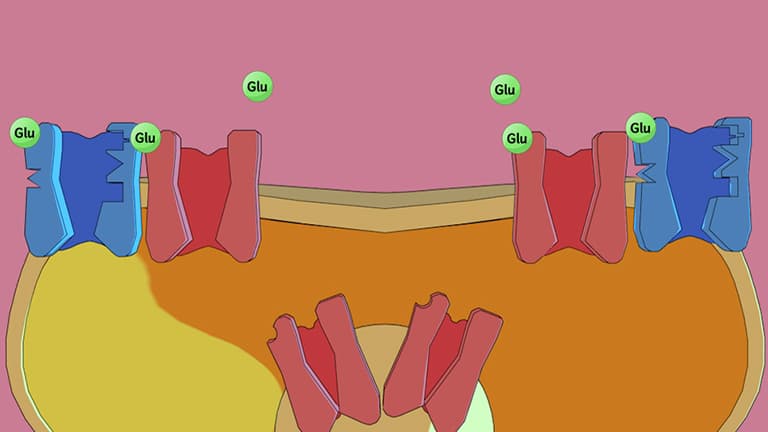

Video Summary: What Is Long Term Depression
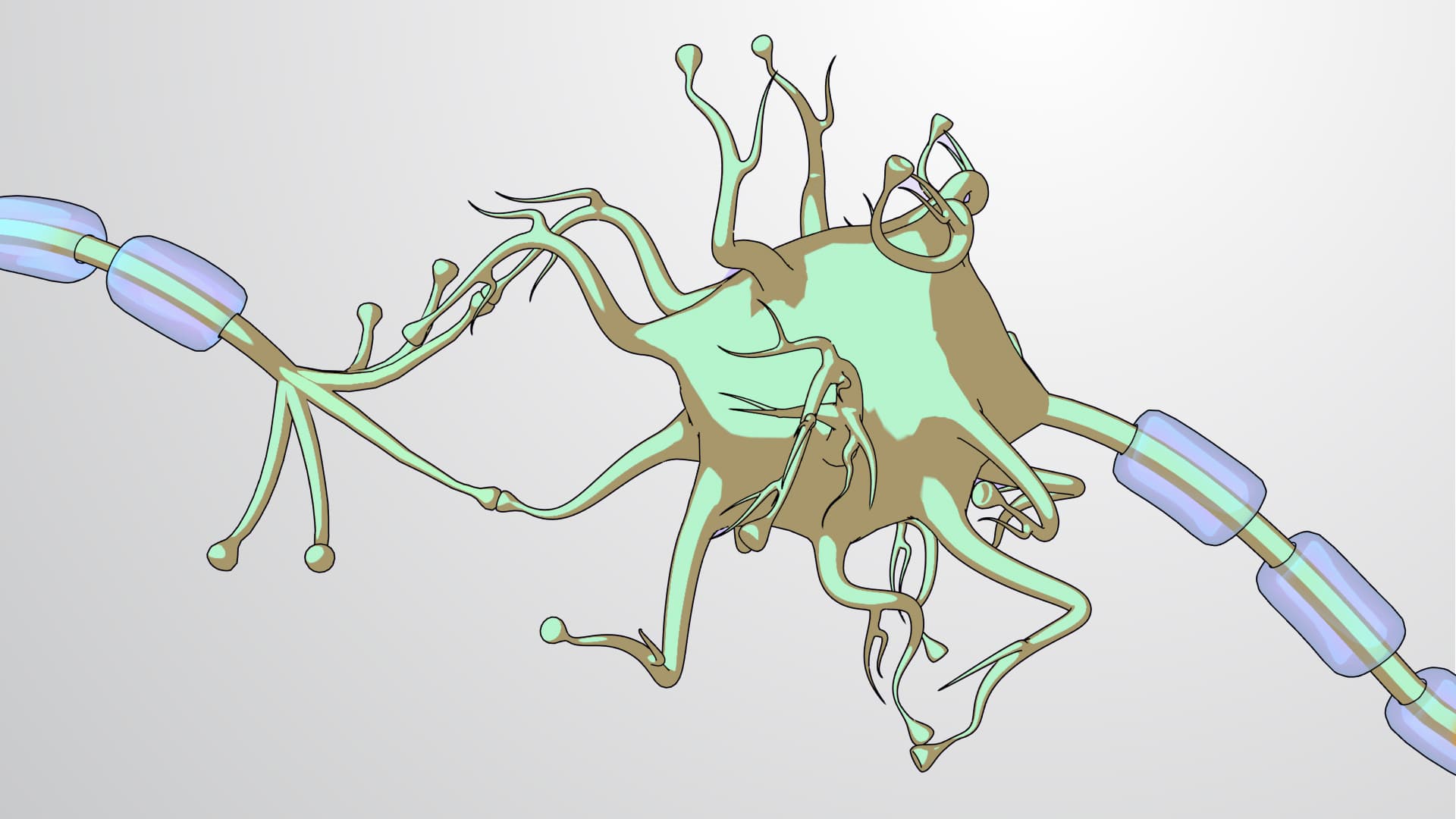
Ever wonder why you can't remember your childhood phone number but instantly recall your current one? Long term depression (LTD) is the brain's housekeeping mechanism that weakens rarely used neural connections, making room for more important memories. For instance, medical students at Johns Hopkins University rely on LTD to forget outdated drug names while strengthening pathways for current medications. This synaptic weakening process involves calcium-dependent removal of glutamate receptors, essentially "pruning" unused neural pathways. Watch the full video on JoVE Coach to master this concept with expert-led visuals and step-by-step explanations.
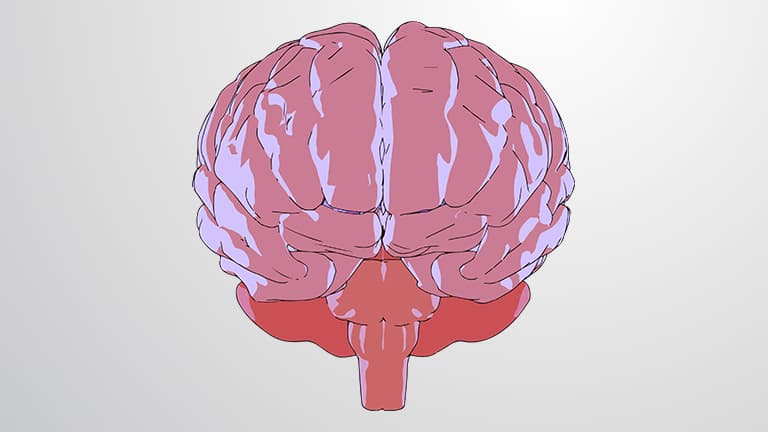
Long term depression represents one of the brain's most elegant solutions to information overload. Unlike its counterpart long term potentiation (LTP), which strengthens frequently used synapses, LTD systematically weakens underutilized neural connections. This process ensures that your brain doesn't become cluttered with irrelevant information-imagine trying to navigate if you remembered every single route you'd ever taken rather than just the most efficient ones.
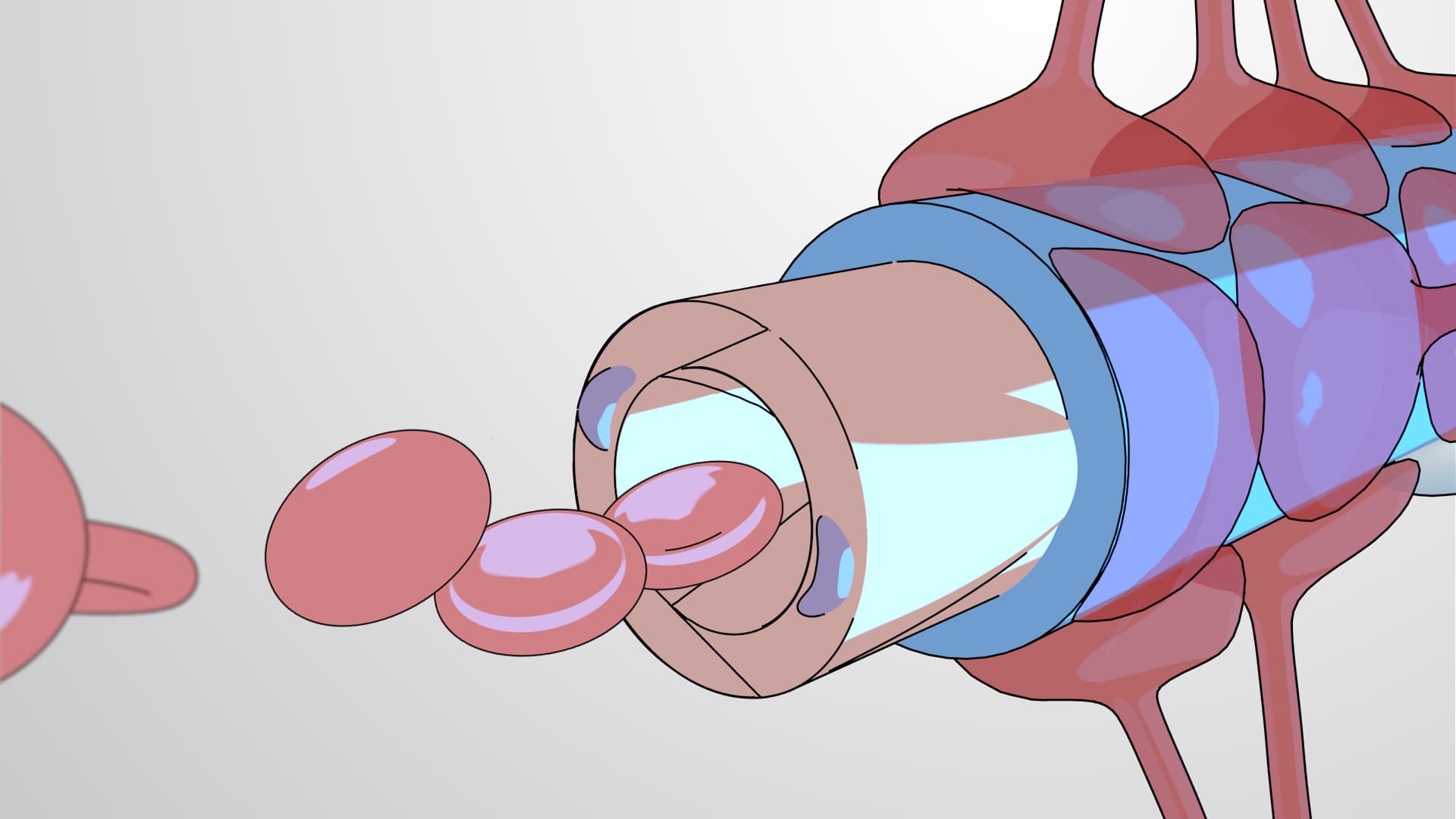
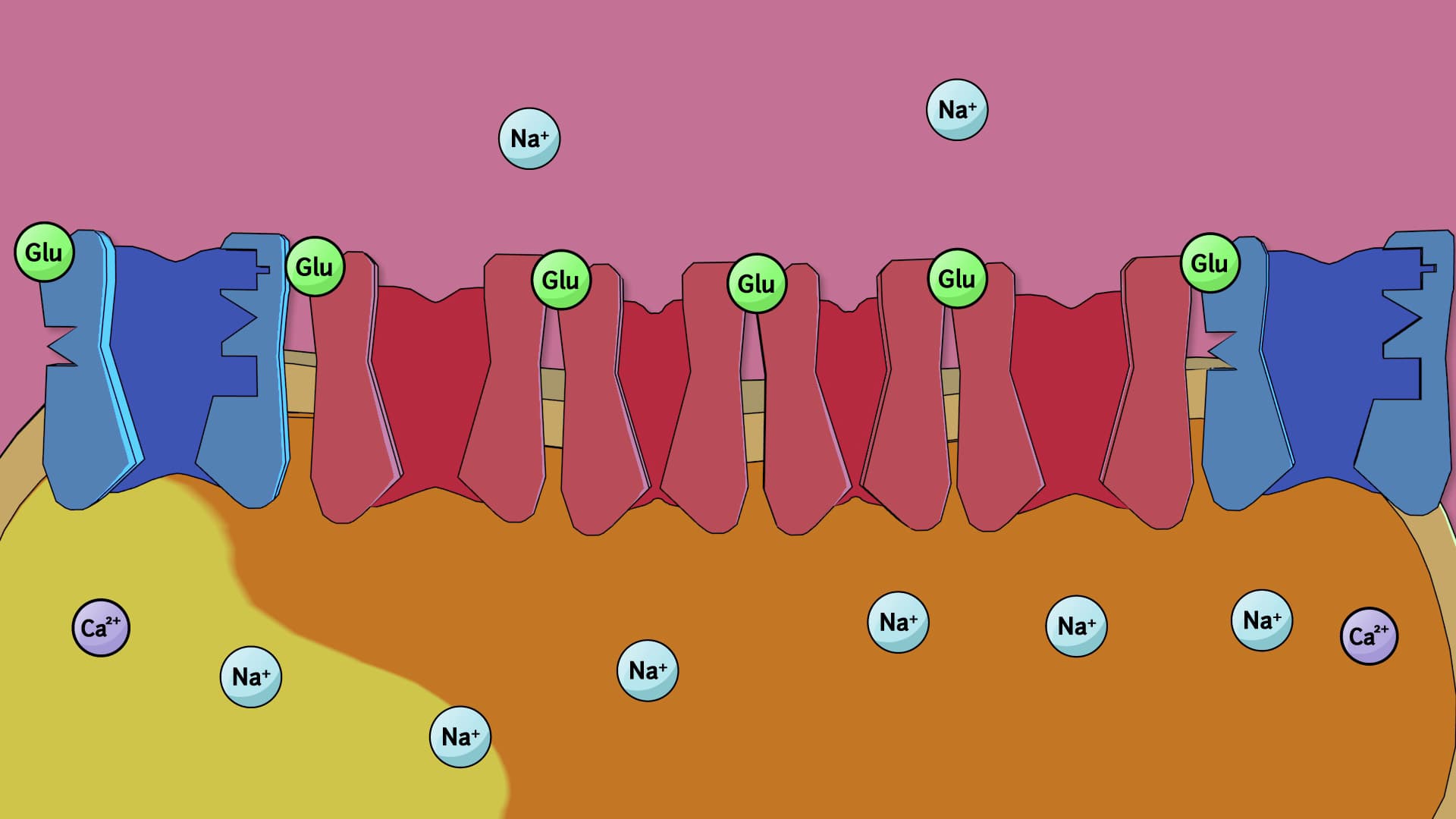
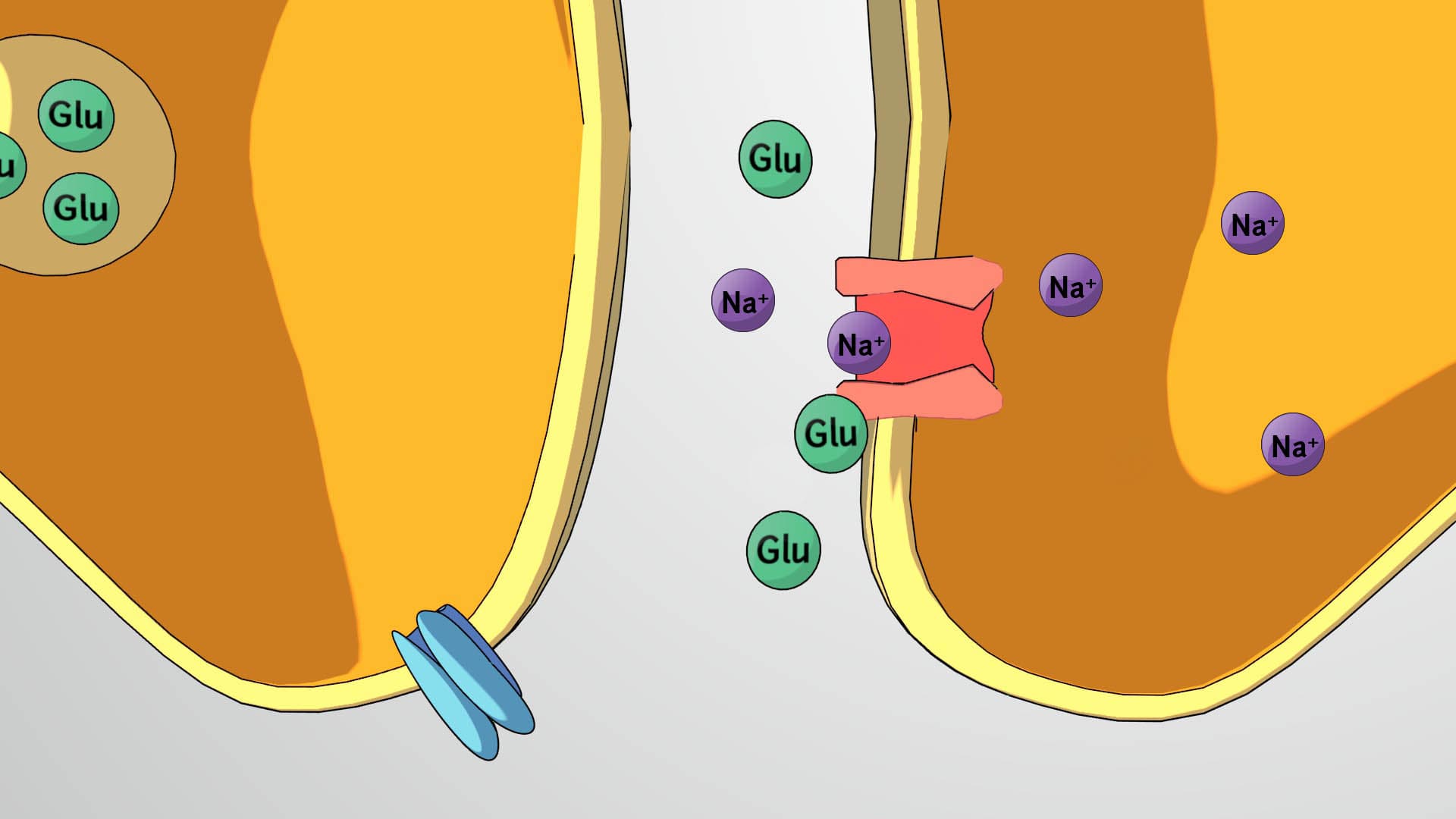
The molecular machinery driving LTD centers on calcium signaling. When presynaptic neurons fire infrequently, only small amounts of calcium enter the postsynaptic cell. This low calcium concentration triggers a specific enzymatic cascade involving protein phosphatases rather than kinases. These phosphatases ultimately promote the endocytosis of AMPA glutamate receptors, physically removing them from the synaptic membrane.
Medical students preparing for the USMLE Step 1 frequently encounter LTD in neuroplasticity questions. The concept appears prominently in AP Biology curricula when discussing neural development and learning. Understanding LTD helps explain why distributed practice outperforms cramming-repeated, spaced exposure prevents synaptic weakening while allowing consolidation of important information.
Consider piano students at Juilliard School: those who practice scales daily maintain strong motor pathways, while students who skip practice experience LTD-mediated weakening of those connections. Similarly, medical residents at Mayo Clinic who don't regularly review basic anatomy find those pathways weakened, making room for more clinically relevant information.
LTD plays a crucial role during adolescent brain development, when approximately 40% of synapses are eliminated. This "neural sculpting" explains why teenagers often seem to "forget" childhood skills while developing adult cognitive abilities. The process continues throughout life, allowing adults to adapt to new environments and abandon outdated behavioral patterns.
Related Micro-courses