Loading subject page…

- Biology
- Nervous System
- The Sympathetic Nervous System
Micro-course: Nervous System
1,181,000 views
Learn key concepts and earn your certificate.
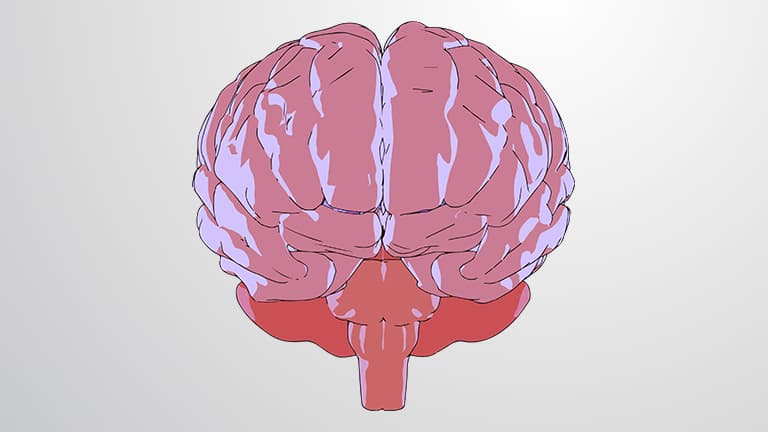

The Sympathetic Nervous System

00:00
01:25
Video Summary: What Is the Sympathetic Nervous System
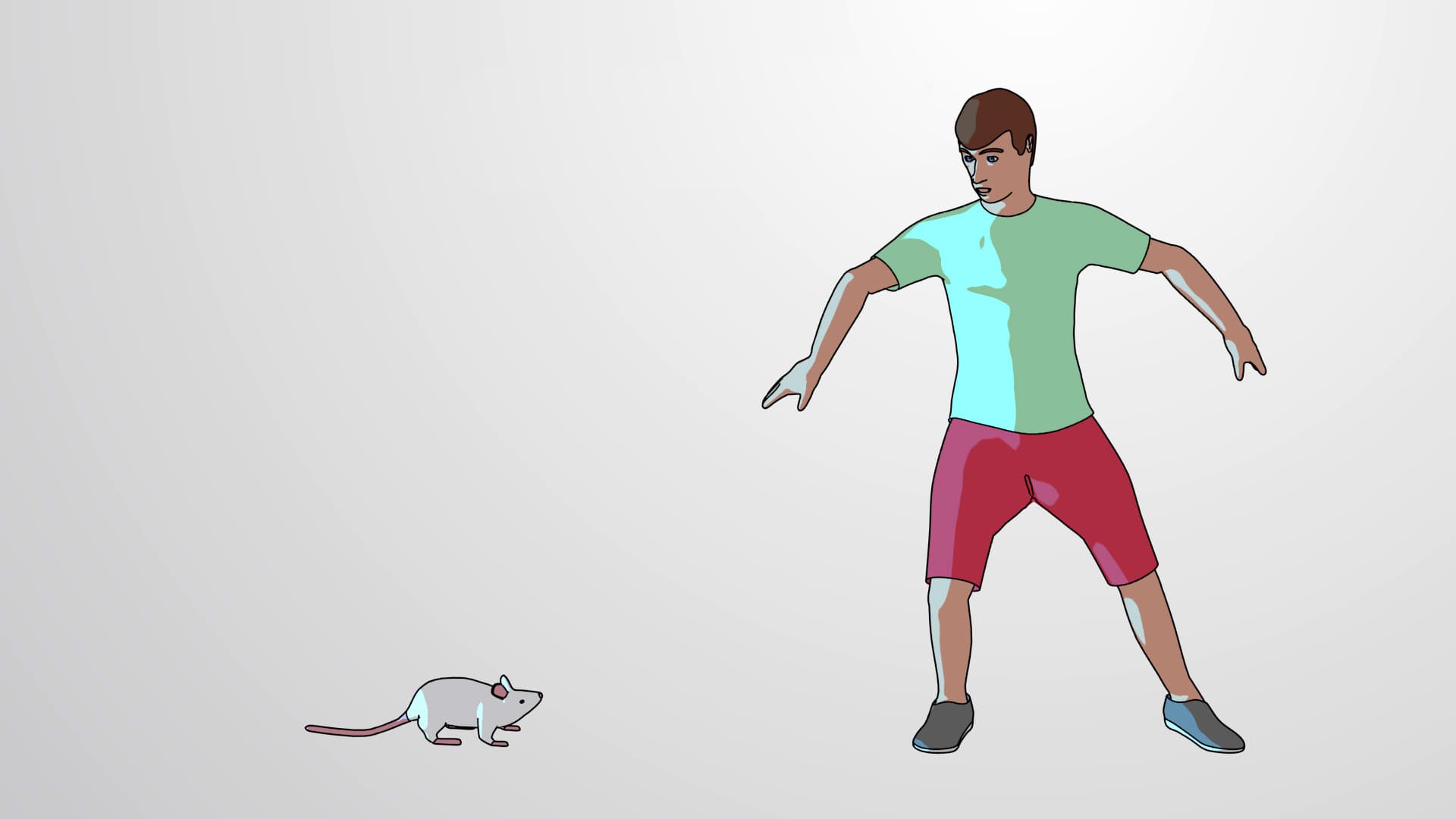
Ever wonder why your heart pounds before a big test or your palms sweat during a job interview? The sympathetic nervous system triggers these responses as part of your body's automatic preparation for challenges. This critical component of the autonomic nervous system activates the famous "fight or flight" response, helping students like those taking the SAT perform under pressure by increasing heart rate and redirecting blood flow to muscles. Watch the full video on JoVE Coach to master this concept with expert-led visuals and step-by-step explanations.
- Understand what is the sympathetic nervous system and its role as a major division of the autonomic nervous system
- Identify the anatomical pathway from preganglionic neurons in the thoracic and lumbar spinal cord to target tissues
- Analyze how sympathetic activation produces specific physiological responses like increased heart rate and blood vessel constriction
- Compare the three distinct pathways: ganglia chain, organ-specific ganglia, and direct adrenal gland stimulation
- Evaluate the body's priority system during stress, including inhibition of non-essential functions like digestion
- Apply knowledge of neurotransmitter release and hormone production, particularly epinephrine from the adrenal glands
- Recognize the coordinated nature of sympathetic responses throughout multiple organ systems
- Explore the relationship between preganglionic and postganglionic neurons in signal transmission
What is The Sympathetic Nervous System: Core Function and Significance
The sympathetic nervous system serves as your body's internal emergency response coordinator, automatically preparing you for action during stressful situations. Unlike voluntary actions you consciously control, this system operates behind the scenes, managing critical functions through the autonomic nervous system. When a college student faces a challenging organic chemistry exam or a high school athlete prepares for the state championship, the sympathetic nervous system immediately springs into action.
This system represents one half of the autonomic nervous system's regulatory power, working opposite to the parasympathetic system's "rest and digest" functions. Understanding this concept is crucial for AP Biology students and appears frequently on the MCAT, particularly in passages about stress physiology and cardiovascular responses.
Anatomical Organization and Neural Pathways
The sympathetic nervous system's effectiveness stems from its strategic anatomical organization. Preganglionic neurons originate specifically in the thoracic and lumbar regions of the spinal cord-regions T1 through L2-earning it the nickname "thoracolumbar division." This precise location allows rapid communication with organs throughout the body.
The system employs three distinct pathways to reach target organs. The sympathetic chain ganglia, running parallel to the spinal column, acts like a relay station for signals destined for organs in the head, neck, and body wall. Pre-med students studying for the MCAT should note that this chain allows one preganglionic neuron to influence multiple postganglionic neurons, amplifying the response.
Physiological Responses and Target Organ Effects
When activated, the sympathetic nervous system produces coordinated responses that optimize physical performance. Heart rate increases to pump more oxygenated blood, while blood vessels in skeletal muscles dilate to enhance oxygen delivery. Simultaneously, blood flow to digestive organs decreases-explaining why eating before a big presentation often causes discomfort.
The pupil dilation you experience in dimly lit lecture halls and the bronchial dilation that improves oxygen intake during exercise both result from sympathetic activation. These responses prove essential for student-athletes balancing academic pressures with competitive sports, demonstrating the system's role in both mental and physical challenges.
Clinical Applications and Real-World Relevance
Healthcare professionals regularly observe sympathetic nervous system activation in clinical settings. Emergency room physicians at hospitals like Johns Hopkins or Mayo Clinic witness these responses in trauma patients, where sympathetic activation helps maintain blood pressure and consciousness. Nursing students preparing for the NCLEX-RN must understand how medications like beta-blockers specifically target sympathetic pathways to treat hypertension and anxiety disorders.
Understanding sympathetic function also explains common experiences like test anxiety, where students experience rapid heartbeat and sweating before important exams like the SAT or college entrance interviews.
Frequently Asked Questions
The sympathetic nervous system is a division of the autonomic nervous system that prepares your body for action during stress, threat, or excitement by activating the "fight or flight" response. Unlike the somatic nervous system which controls voluntary movements, or the parasympathetic system which promotes "rest and digest" functions, the sympathetic system specifically mobilizes energy and resources for immediate physical or mental challenges. It operates automatically without conscious control, making it essential for survival responses.
MCAT passages frequently test sympathetic nervous system function through scenarios involving stress responses, cardiovascular physiology, and drug mechanisms. Expect questions about neurotransmitter pathways, particularly norepinephrine and epinephrine release, and how sympathetic activation affects different organ systems. AP Biology students should focus on the anatomical organization, including the location of preganglionic neurons in thoracic and lumbar spinal cord segments, and the three-pathway system for reaching target organs.
Nursing entrance exams emphasize practical applications of sympathetic function, particularly cardiovascular and respiratory responses to stress. Key topics include understanding how sympathetic activation increases heart rate and blood pressure, bronchial dilation effects, and the role of epinephrine from adrenal glands. Questions often connect these concepts to common medications nurses administer, such as beta-blockers for hypertension or bronchodilators for respiratory conditions.
During high-pressure situations like medical school interviews or NCAA championships, your sympathetic nervous system automatically increases heart rate, dilates pupils for better vision, and redirects blood flow to skeletal muscles. This explains why students experience sweaty palms before presenting research at science fairs or why athletes feel energized before competitions. The system also inhibits digestive processes, which is why eating immediately before important events often causes discomfort.
Most high school students can grasp sympathetic nervous system basics with standard biology background covering cell structure and basic anatomy. College-level understanding benefits from introductory physiology and chemistry knowledge, particularly regarding neurotransmitters and hormone function. The concept builds logically from simpler nervous system principles, making it accessible to students in AP Biology, introductory college biology, or pre-health programs without requiring advanced neuroscience coursework.
Create visual diagrams connecting spinal cord locations (T1-L2) to the three pathway types: sympathetic chain ganglia, collateral ganglia near target organs, and direct adrenal medulla innervation. Practice tracing signal flow from preganglionic neurons through ganglia to specific organ responses. Use clinical scenarios to connect anatomy with function-for example, linking sympathetic activation during emergency situations to specific physiological changes you can observe and measure.
Mastering sympathetic nervous system concepts provides foundation knowledge essential for pharmacology, where you'll study medications that enhance or block sympathetic responses. It's crucial for understanding cardiovascular physiology in medical school, particularly how the body responds to shock, exercise, and stress. This knowledge directly applies to clinical decision-making in emergency medicine, cardiology, and anesthesiology, where healthcare providers must understand how interventions affect sympathetic function.
Build on this foundation by exploring parasympathetic nervous system functions to understand autonomic balance and homeostasis. Advanced students should investigate specific neurotransmitters like acetylcholine and norepinephrine, including their synthesis, release, and receptor interactions. Clinical applications include studying autonomic disorders, pharmacological interventions, and the role of sympathetic dysfunction in conditions like orthostatic hypotension and diabetic neuropathy.
Related Micro-courses