Loading subject page…

- Biology
- Nervous System
- What is a Nervous System?
Micro-course: Nervous System
1,181,000 views
Learn key concepts and earn your certificate.

What is a Nervous System?

00:00
01:25
Video Summary: A Nervous System Definition
Did you know your nervous system processes information faster than a Formula 1 race car reaches top speed? The nervous system serves as your body's electrical control center, detecting environmental changes and coordinating appropriate responses from breathing to complex problem-solving. Consider how a basketball player at Duke University instantly processes visual cues, calculates trajectory, and coordinates muscle movements for a perfect three-pointer shot. A nervous system definition encompasses this remarkable network of communication pathways that make such split-second decisions possible. Watch the full video on JoVE Coach to master this concept with expert-led visuals and step-by-step explanations.
- Understand a nervous system definition as the body's primary communication and control network that detects stimuli and coordinates responses
- Identify the two main divisions: central nervous system (CNS) containing the brain and spinal cord, and peripheral nervous system (PNS) including all connecting nerves
- Analyze the specialized functions of brain regions, from visual processing in the occipital lobe to motor coordination in the cerebellum
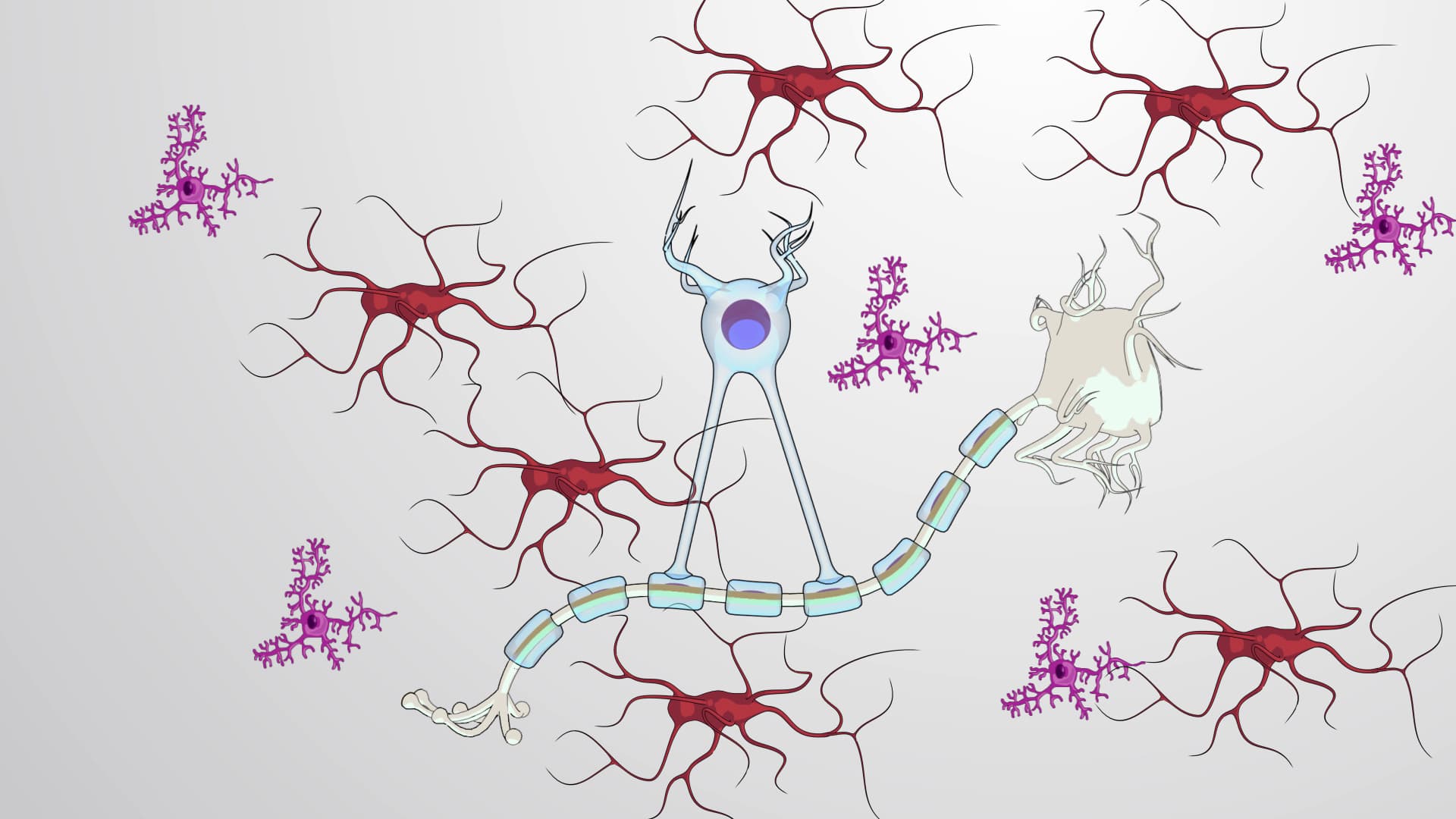
- Compare the roles of neurons (signal generation and transmission) versus glial cells (support and maintenance functions)
- Evaluate how the spinal cord facilitates communication between brain and body while controlling reflexive responses
- Apply knowledge of nerve pathways to explain how sensory information travels from receptors to the CNS for processing
- Recognize the distinction between voluntary motor control and autonomic regulation of internal organs
- Explore the integration capabilities that allow different brain regions to work together for complex behaviors
Understanding a Nervous System Definition
A nervous system definition describes the body's most sophisticated communication network—a complex arrangement of specialized cells that detect environmental changes, process information, and coordinate appropriate responses. This biological system operates with precision that surpasses any human-engineered technology, processing thousands of signals simultaneously while maintaining homeostasis and enabling conscious thought.
Central Nervous System: Command and Control
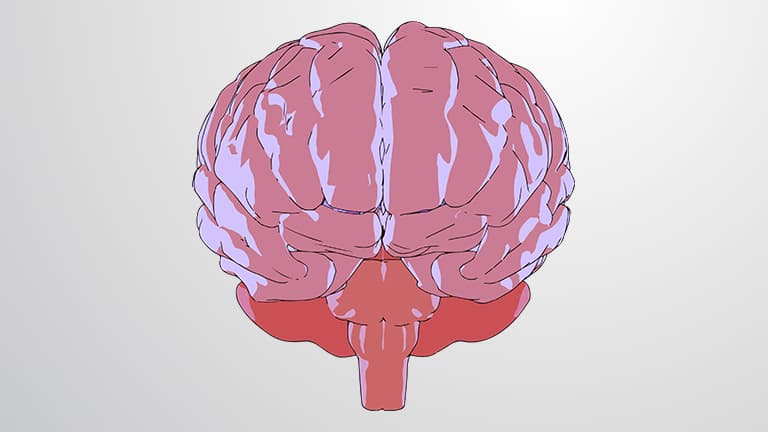
The central nervous system (CNS) represents the body's primary processing center, housed within protective bone structures. The brain, weighing approximately three pounds, contains over 86 billion neurons organized into specialized regions. The frontal cortex handles executive functions like planning and decision-making—skills essential for SAT reasoning sections. The temporal lobe processes auditory information and forms memories, while the occipital lobe interprets visual data from your textbooks during study sessions.
The spinal cord extends from the brainstem through the vertebral column, serving dual functions. It acts as a communication highway between brain and body, but also processes simple reflexes independently. When a medical student accidentally touches a hot surface during anatomy lab, spinal cord circuits initiate withdrawal before the brain consciously registers pain—a protective mechanism that operates in milliseconds.
Peripheral Nervous System: Information Highway
The peripheral nervous system (PNS) encompasses all neural tissue outside the brain and spinal cord, functioning like an extensive fiber-optic network. Motor nerves carry commands from the CNS to skeletal muscles, enabling voluntary movements from writing AP Biology exam answers to performing precise surgical procedures. Autonomic nerves regulate involuntary functions—heart rate increases during MCAT preparation stress, while digestive processes slow to redirect energy toward studying.
Sensory nerves continuously gather environmental data through specialized receptors. Touch receptors in fingertips allow medical students to detect subtle pulse variations, while proprioceptors provide spatial awareness necessary for laboratory manipulations. This sensory information travels through peripheral nerves to the CNS for integration and response coordination.
Clinical Applications and Exam Relevance
Understanding nervous system organization proves crucial for healthcare careers and standardized exams. The MCAT extensively tests neuroanatomy knowledge, while nursing entrance exams like HESI A2 emphasize physiological functions. Medical students must master these concepts for USMLE Step 1, particularly neurological pathways and dysfunction patterns.
In clinical practice, nervous system knowledge enables healthcare providers to localize injury sites through systematic examination. A patient presenting with left-side weakness might have right-brain damage, demonstrating the system's contralateral organization—a principle frequently tested on medical licensing examinations.
Frequently Asked Questions
A nervous system definition describes the body's electrical communication network that detects environmental changes, processes information, and coordinates responses ranging from basic reflexes to complex reasoning. This system integrates sensory input with motor output while maintaining vital functions like breathing and circulation. It represents the biological foundation for all behavior, thought, and physiological regulation in living organisms.
MCAT questions frequently test nervous system organization, neuron physiology, and clinical correlations, comprising roughly 15% of biological sciences content. AP Biology emphasizes signal transduction, nervous system evolution, and homeostatic regulation through neural pathways. Both exams require understanding of action potentials, synaptic transmission, and integration between nervous and endocrine systems for comprehensive preparation.
Focus on neuroanatomy fundamentals including brain regions, spinal cord organization, and cranial nerves for laboratory identification components. Understand neuron structure and function, particularly action potential mechanisms and synaptic transmission for physiological applications. Master reflex arcs and autonomic nervous system divisions, as these concepts frequently appear on practical examinations and connect to clinical scenarios.
HESI A2 and TEAS exams emphasize nervous system physiology, particularly autonomic functions and their clinical implications for patient care. NCLEX preparation requires understanding neurological assessment techniques and pathological conditions affecting nervous system function. These exams focus on practical applications rather than detailed anatomical memorization, testing critical thinking about nervous system disorders.
Emergency room physicians use nervous system knowledge to assess stroke patients through rapid neurological examinations, identifying which brain regions are affected based on symptom patterns. ICU nurses monitor neurological vital signs and recognize changes indicating increased intracranial pressure or medication effects. Physical therapists design rehabilitation programs based on understanding how nervous system plasticity enables recovery after injury.
Basic chemistry knowledge helps but isn't essential for fundamental nervous system understanding at the high school or introductory college level. Focus on electrical concepts like charge and current flow, plus simple molecular interactions at synapses. Most nervous system principles can be grasped through biological reasoning and anatomical relationships without advanced chemical calculations or complex molecular structures.
Create anatomical diagrams linking structure names with their specific functions, using different colors for sensory versus motor pathways. Practice with online anatomy atlases and develop mnemonics for complex sequences like cranial nerve functions. Form study groups to quiz each other on clinical scenarios, connecting theoretical knowledge to practical applications you might encounter on exams.
Investigate neuroplasticity and learning mechanisms to understand how the brain adapts throughout life, particularly relevant for rehabilitation medicine and educational psychology. Explore computational neuroscience to see how nervous system principles apply to artificial intelligence development. Consider neuropharmacology to understand how medications affect nervous system function, essential for healthcare careers and pharmaceutical research.
Related Micro-courses