Loading subject page…

- Biology
- Nervous System
- The Resting Membrane Potential
Micro-course: Nervous System
1,181,000 views
Learn key concepts and earn your certificate.


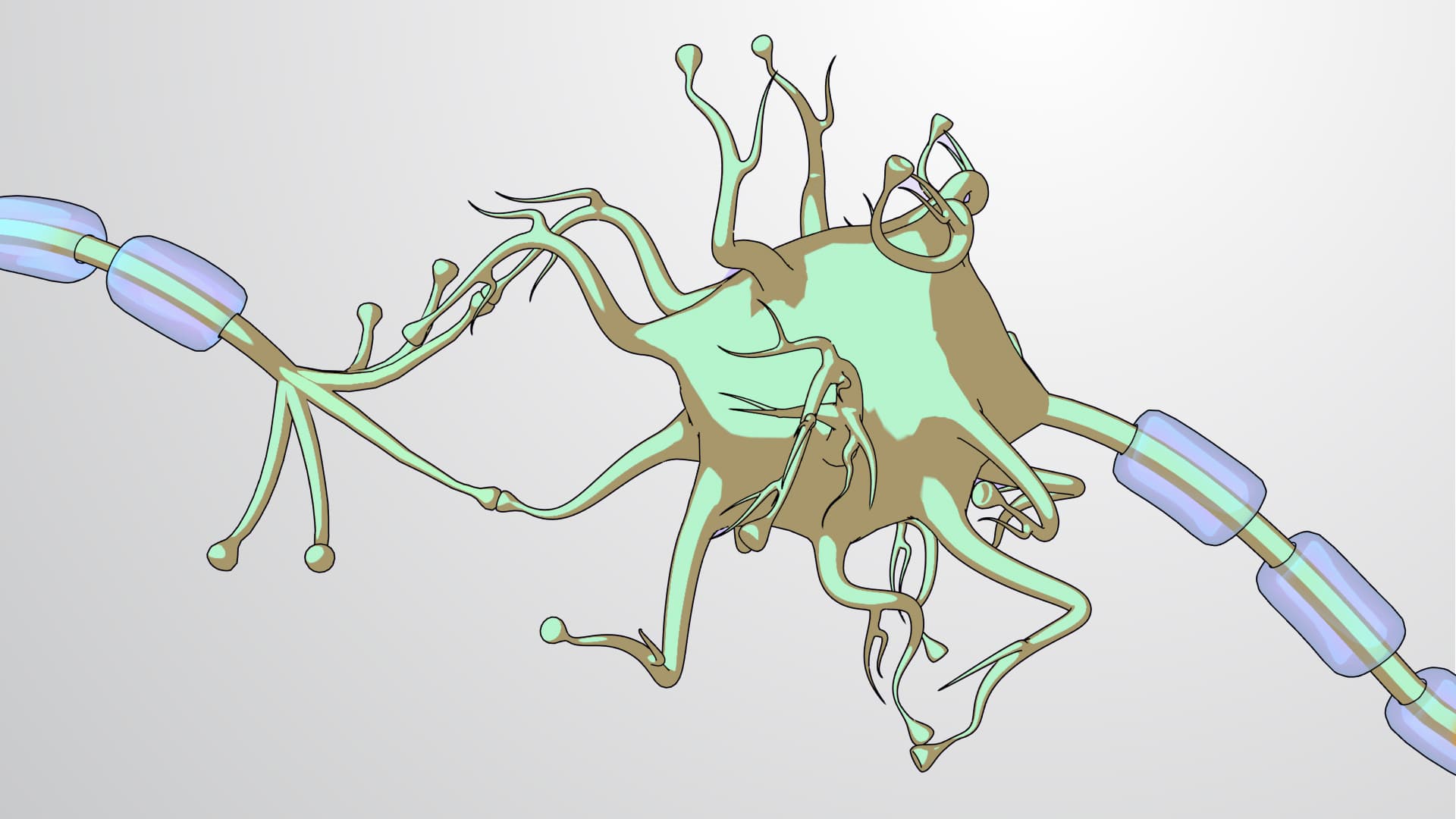
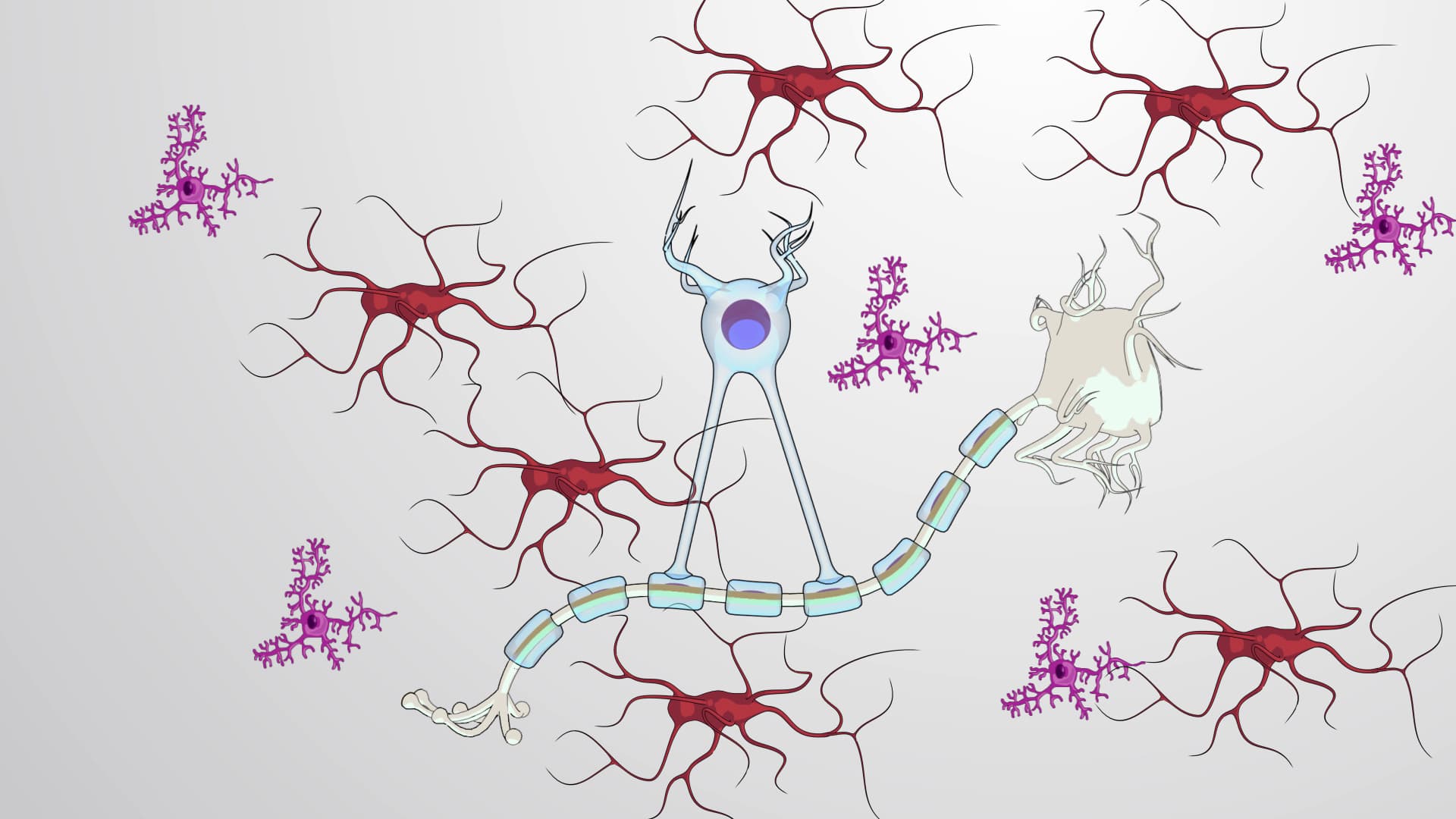

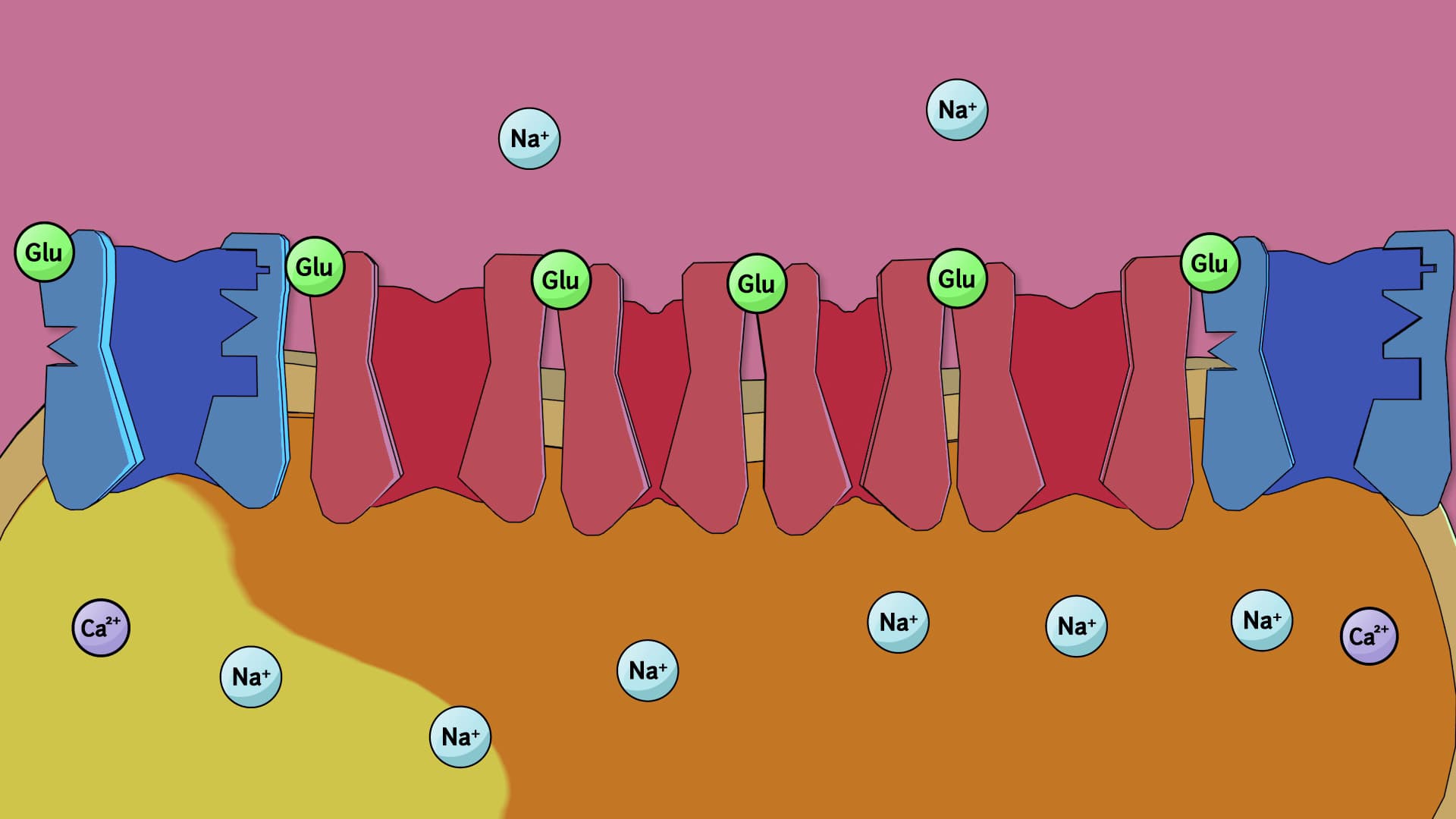
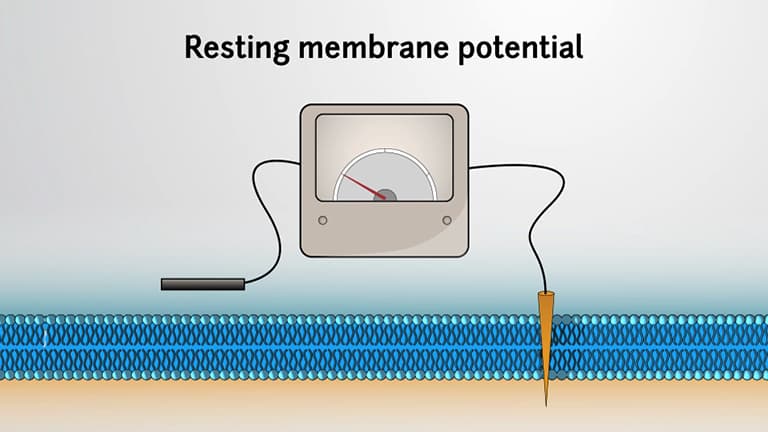
The Resting Membrane Potential

00:00
01:21
Video Summary: What Is the Resting Membrane Potential
Ever wonder how your brain cells maintain their electrical "battery charge" even when you're sleeping? The resting membrane potential is the electrical voltage difference across a neuron's membrane when it's not actively firing, typically around -70 millivolts. This phenomenon is crucial for understanding how neurons in conditions like epilepsy can become hyperexcitable when this balance is disrupted. The electrical gradient results from selective membrane permeability and the sodium-potassium pump's continuous action. Watch the full video on JoVE Coach to master this concept with expert-led visuals and step-by-step explanations.
- Understand what is the resting membrane potential and why neurons maintain a -70mV charge difference across their membranes
- Identify the key components that establish membrane potential: sodium-potassium pumps, ion channels, and concentration gradients
- Analyze how selective membrane permeability allows only specific ions to cross the neuronal membrane
- Compare the roles of potassium and sodium ions in maintaining the electrical gradient across cell membranes
- Evaluate the energy requirements of the sodium-potassium pump in establishing ion concentration gradients
- Apply knowledge of membrane potential to understand how neurons prepare for action potential generation
- Recognize how disruptions in resting membrane potential can lead to neurological disorders
- Explore the relationship between ion movement and the negative charge inside resting neurons
Understanding What is The Resting Membrane Potential
The resting membrane potential represents one of the most fundamental concepts in neuroscience and cellular biology. When neurons aren't actively transmitting signals, they maintain a steady electrical charge difference of approximately -70 millivolts between their interior and exterior environments. This negative charge inside the cell creates the electrical foundation necessary for all neuronal communication, from simple reflexes to complex cognitive processes.
The Molecular Machinery Behind Membrane Potential
The establishment of resting membrane potential depends on sophisticated cellular machinery working continuously. The sodium-potassium pump, a transmembrane protein, actively transports three sodium ions out of the cell while bringing two potassium ions inside, using ATP energy. This unequal exchange creates both concentration gradients and contributes to the negative charge inside the cell. Simultaneously, potassium leak channels remain open at rest, allowing potassium ions to flow down their concentration gradient and exit the cell, further contributing to the negative interior charge.
Clinical Significance and Real-World Applications
Understanding resting membrane potential proves essential for medical professionals treating neurological conditions. For example, antiepileptic drugs like phenytoin work by stabilizing neuronal membranes and preventing abnormal depolarization that leads to seizures. In cardiac medicine, medications such as lidocaine affect membrane potential in heart muscle cells to treat arrhythmias. Students preparing for the MCAT will encounter questions about how changes in extracellular potassium concentration affect membrane potential, particularly relevant in understanding hyperkalemia's effects on cardiac function.
Academic and Exam Preparation Context
This concept frequently appears on AP Biology exams, where students must explain the relationship between ion gradients and electrical potential. College-level physiology courses expand this foundation to include Goldman equation calculations and the contributions of different ions to membrane potential. Pre-med students should understand how membrane potential changes relate to action potential thresholds, as this knowledge directly applies to pharmacology and pathophysiology courses in medical school.
Frequently Asked Questions
The resting membrane potential is the stable electrical charge difference of about -70mV across a neuron's membrane when not actively signaling. It's crucial because it establishes the electrical foundation needed for neurons to generate and transmit action potentials. This charge difference enables rapid neuronal communication throughout your nervous system.
MCAT questions often focus on factors affecting membrane potential, such as ion concentration changes or pump inhibition. You'll need to predict how alterations in sodium, potassium, or chloride concentrations impact the membrane voltage. Practice problems typically involve calculating potential changes using the Nernst equation and understanding clinical scenarios.
AP Biology frequently tests your understanding of ion movement across selective membranes and energy requirements for active transport. Expect free-response questions asking you to explain how the sodium-potassium pump creates concentration gradients. You should also know how membrane potential relates to homeostasis and cellular energy expenditure.
Nursing students encounter membrane potential when learning about cardiac rhythms, neurological assessments, and medication effects. Understanding how drugs like digoxin affect the sodium-potassium pump helps you recognize signs of toxicity. This knowledge also applies to interpreting EKG changes related to electrolyte imbalances in patient care.
Hyperkalemia (elevated blood potassium) in kidney disease patients demonstrates membrane potential clinically. High extracellular potassium reduces the concentration gradient, making the membrane potential less negative and potentially causing dangerous cardiac arrhythmias. This is why dialysis patients require frequent potassium monitoring.
While the concept involves multiple components, it's very manageable when approached systematically. Start by understanding that cells are like batteries with positive and negative sides. Focus on the sodium-potassium pump as the main "battery charger" and potassium leak channels as controlled "drains." Visual diagrams make the ion movements much clearer.
Create concept maps linking ion pumps, concentration gradients, and electrical charges. Practice drawing the neuron with ion distributions and charge signs. Use active recall by explaining the process aloud without notes. Focus on cause-and-effect relationships: pump activity → concentration gradients → ion movement → electrical potential.
Next, explore action potentials and how membrane depolarization triggers nerve impulses. Study graded potentials, synaptic transmission, and neurotransmitter effects on postsynaptic membranes. Understanding resting potential provides the foundation for learning about muscle contraction, cardiac electrophysiology, and neuroplasticity mechanisms.
Related Micro-courses