- Biology
- Cellular Respiration
Micro-courses:36

Cellular Respiration
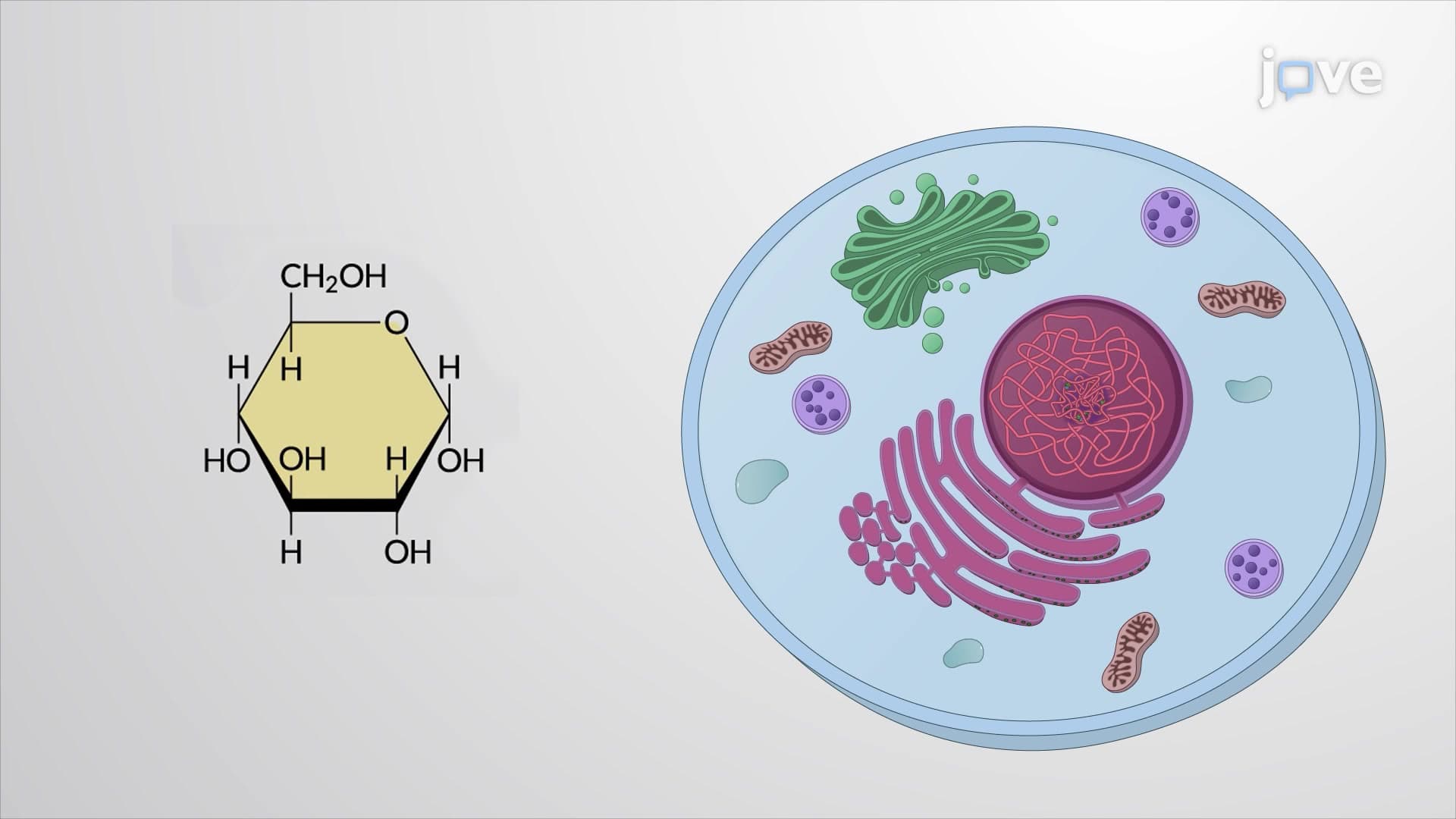
1. What is Glycolysis?
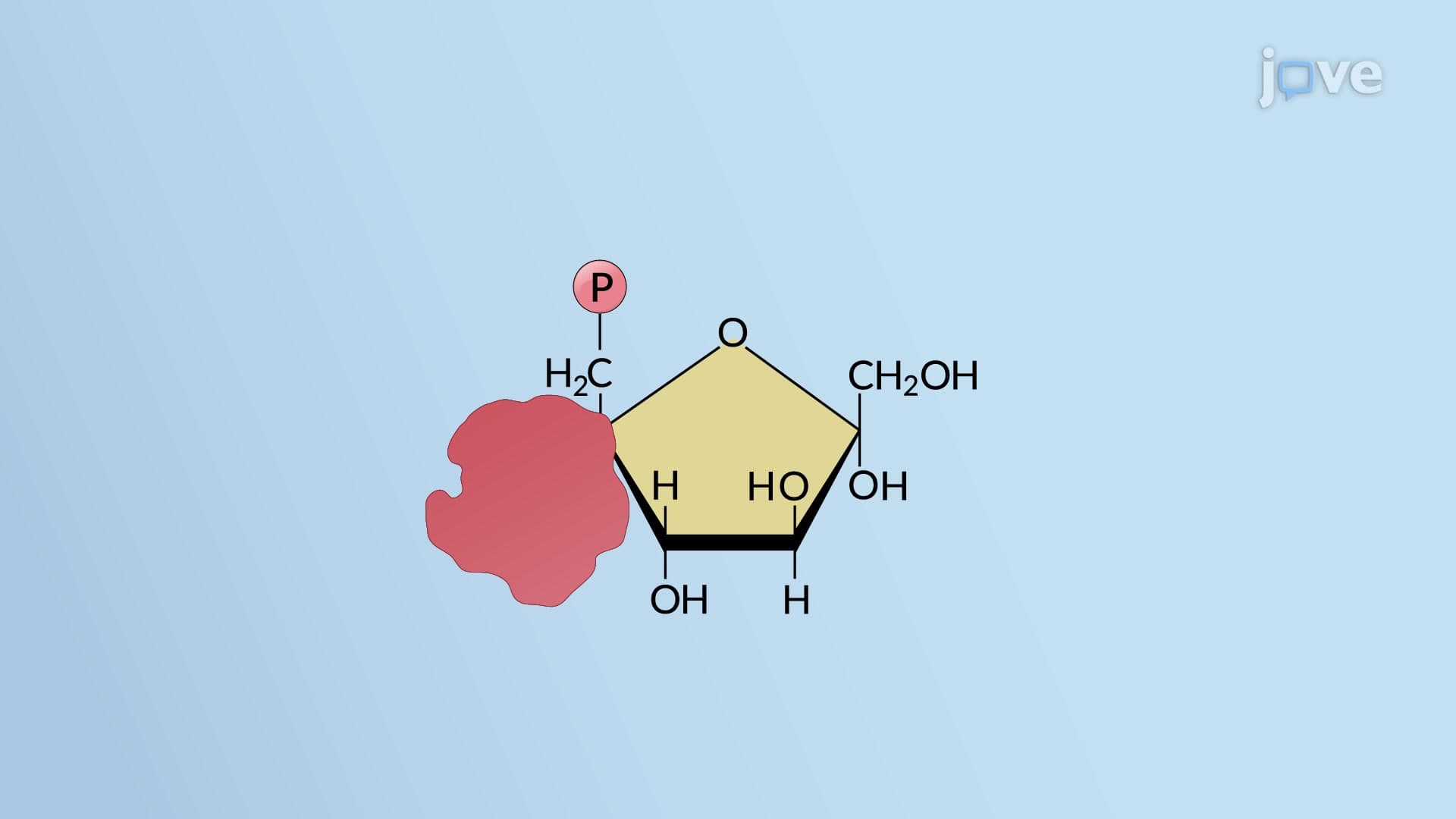
2. Energy-requiring Steps of Glycolysis
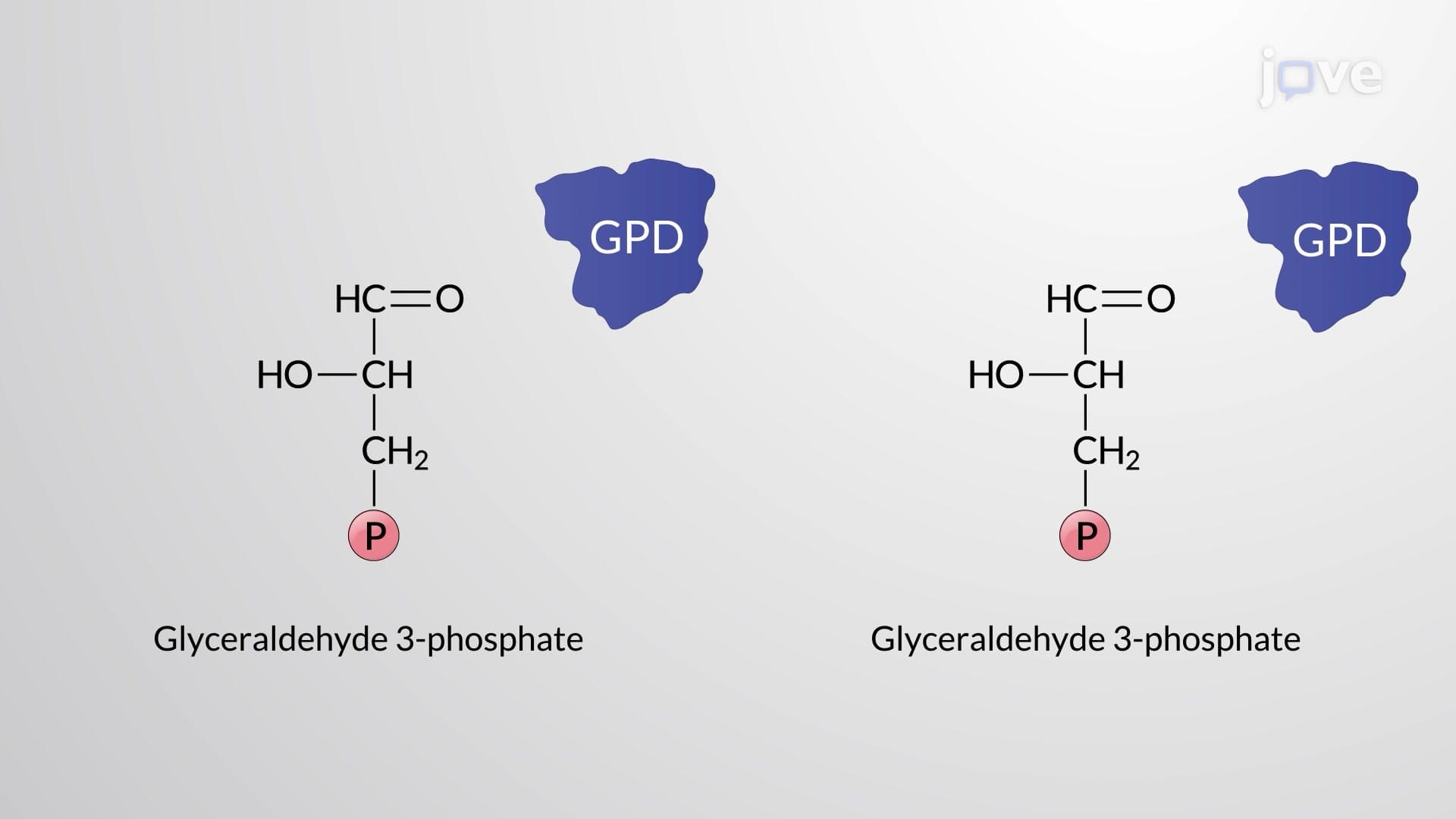
3. Energy-releasing Steps of Glycolysis
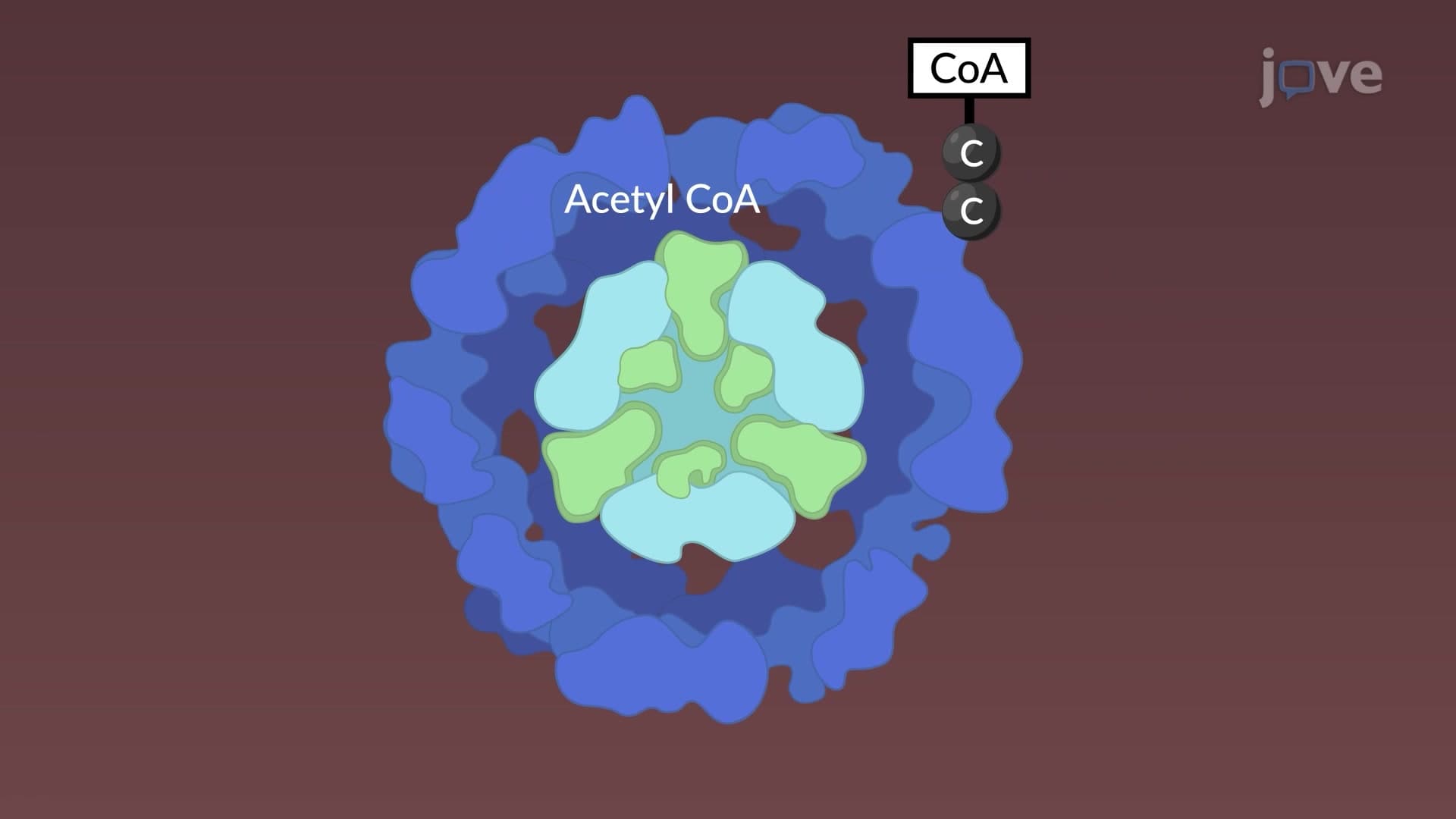
4. Pyruvate Oxidation
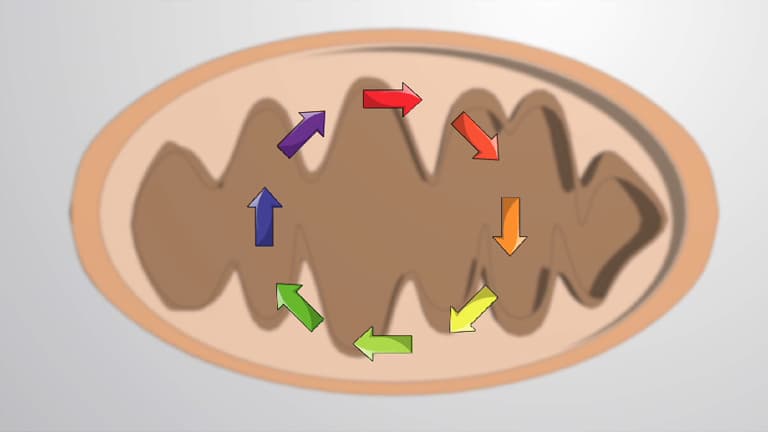
5. The Citric Acid Cycle
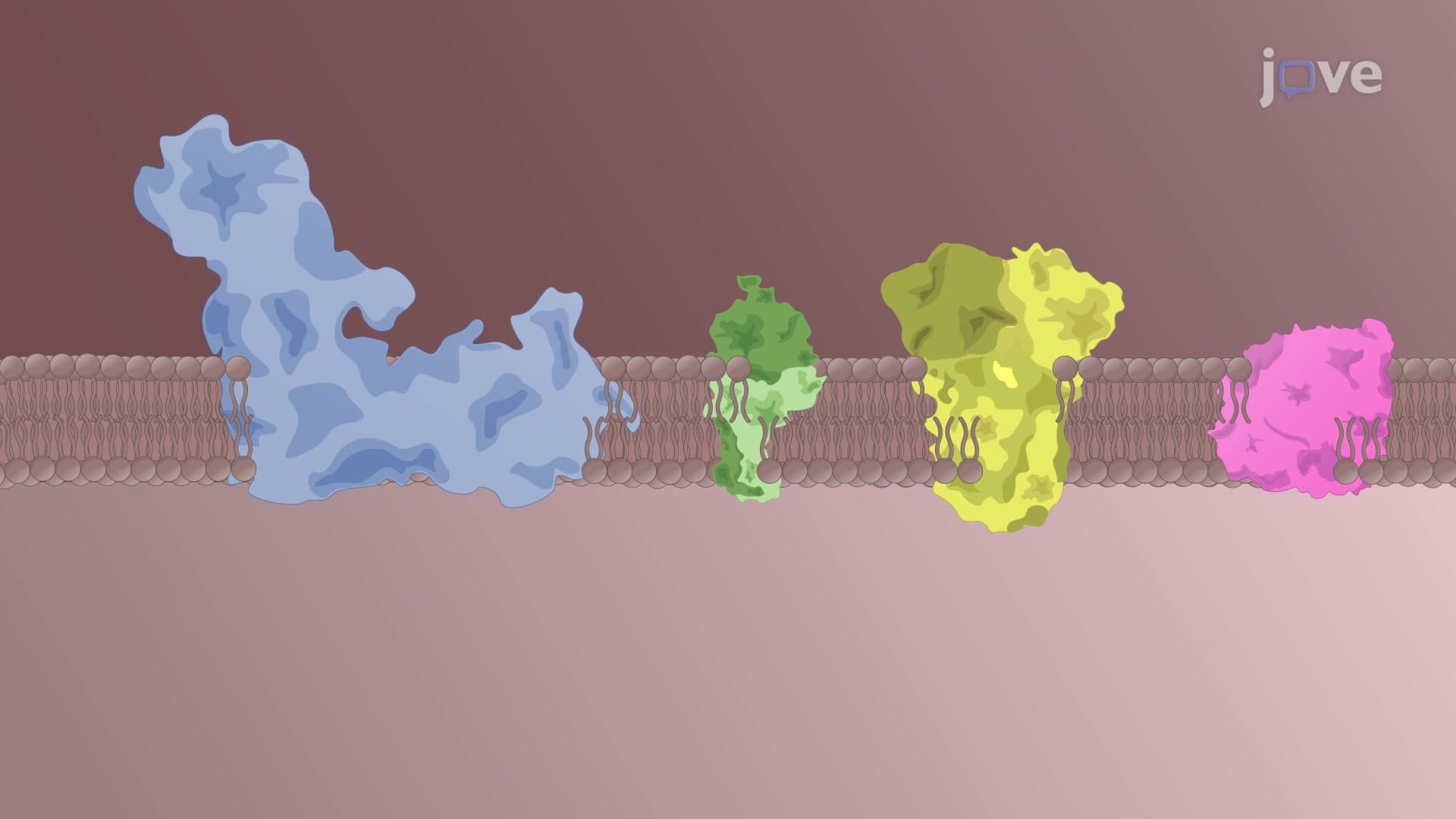
6. Electron Transport Chains
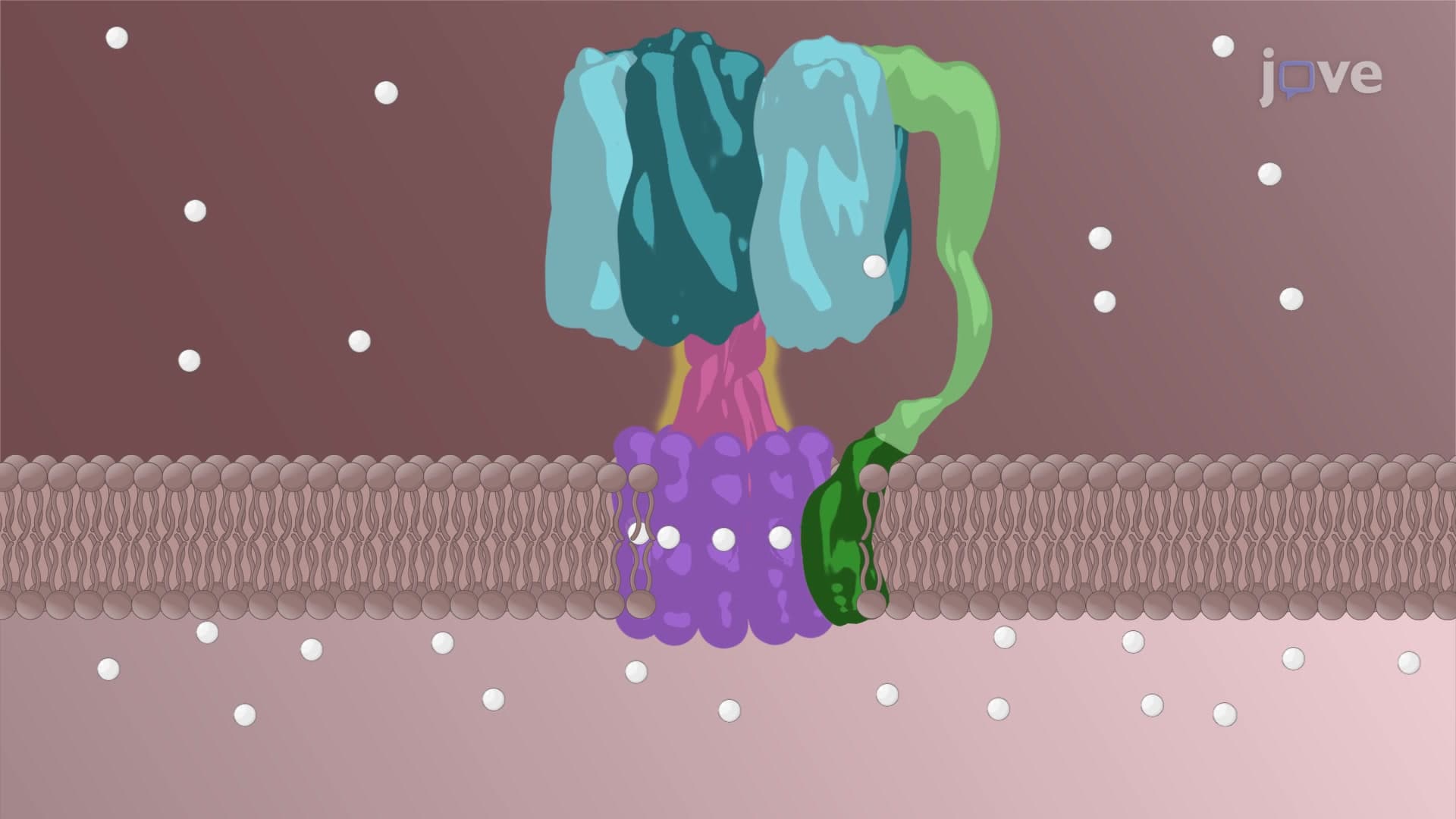
7. Chemiosmosis
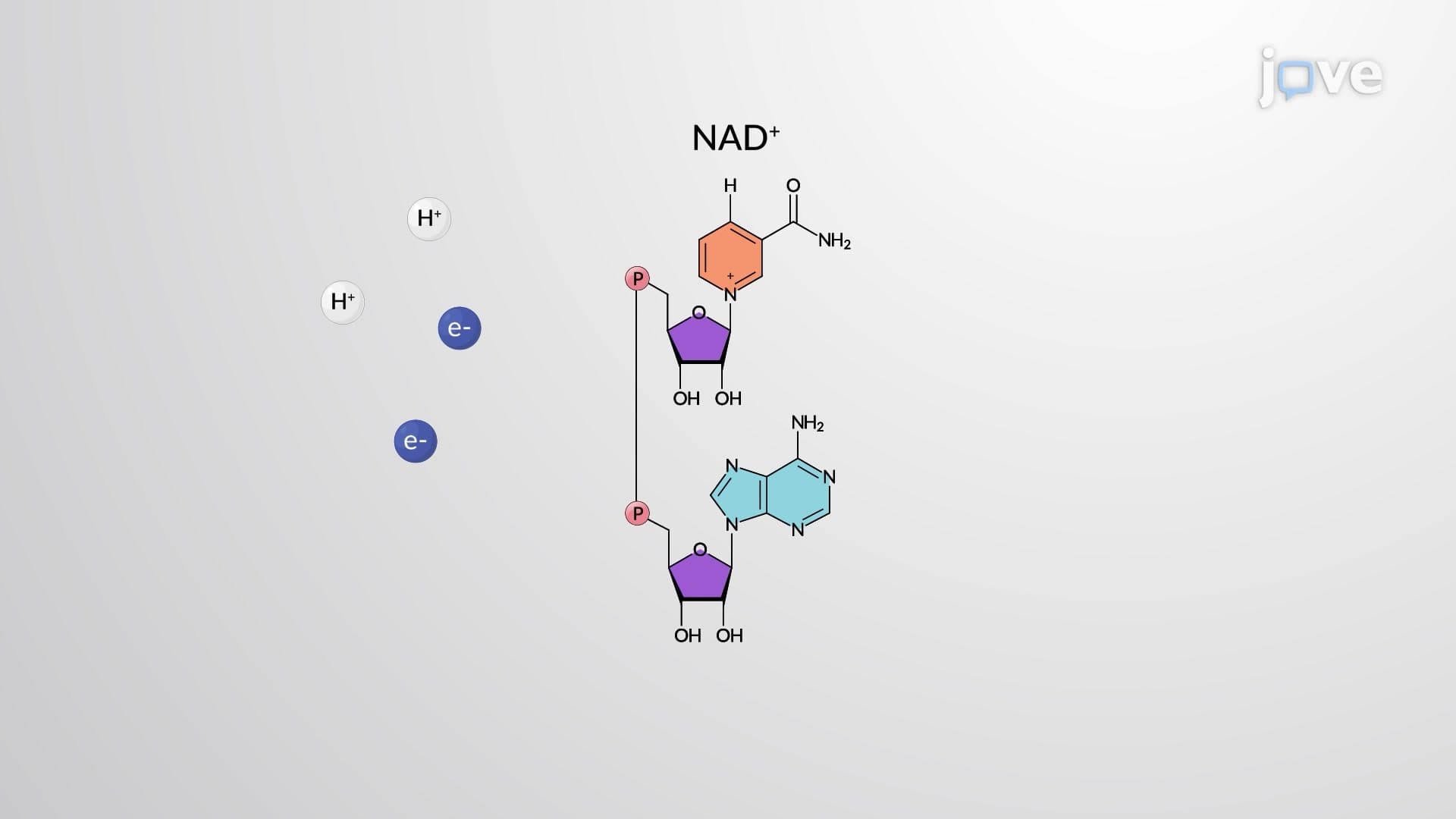
8. Electron Carriers
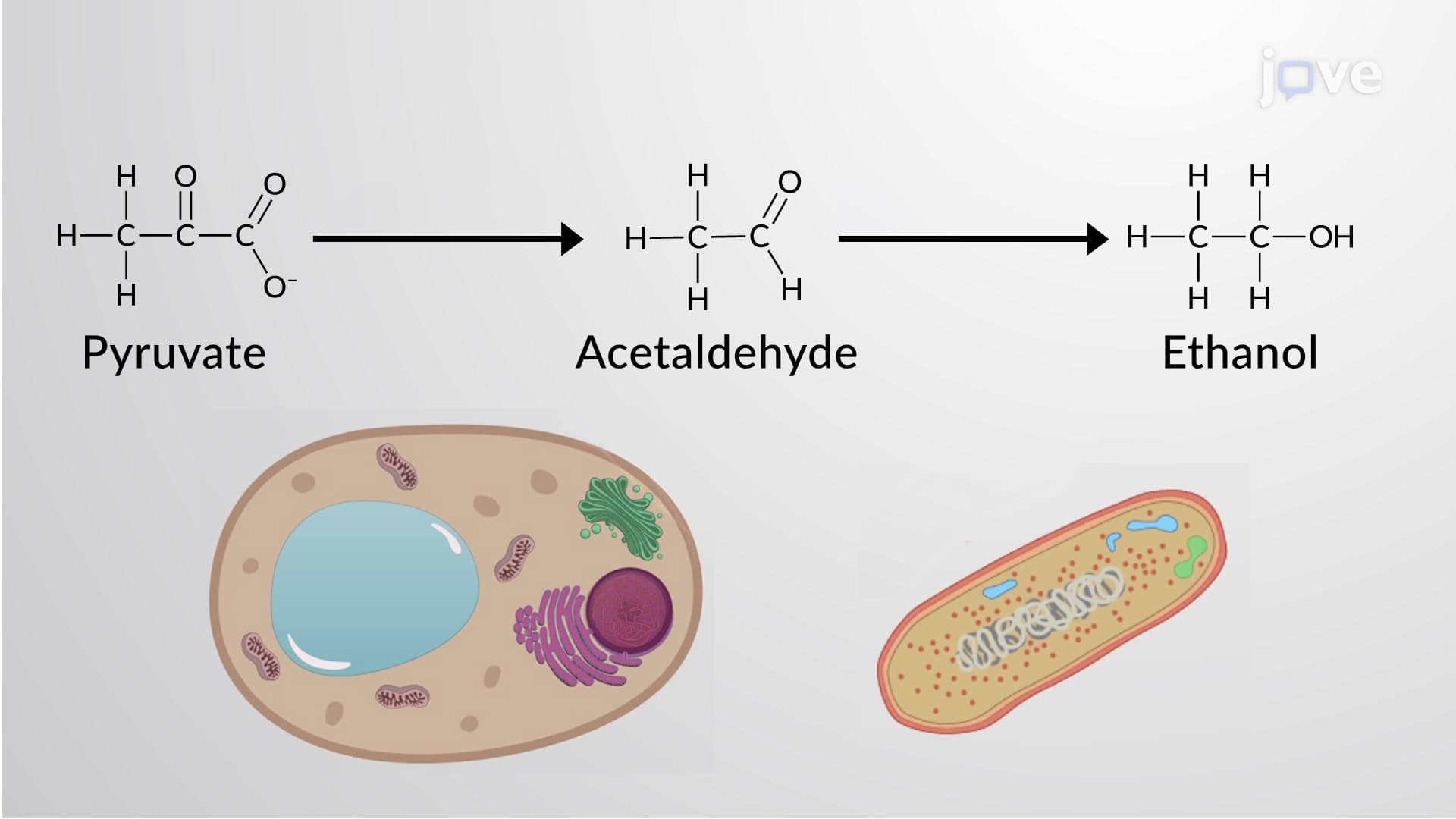
9. Fermentation
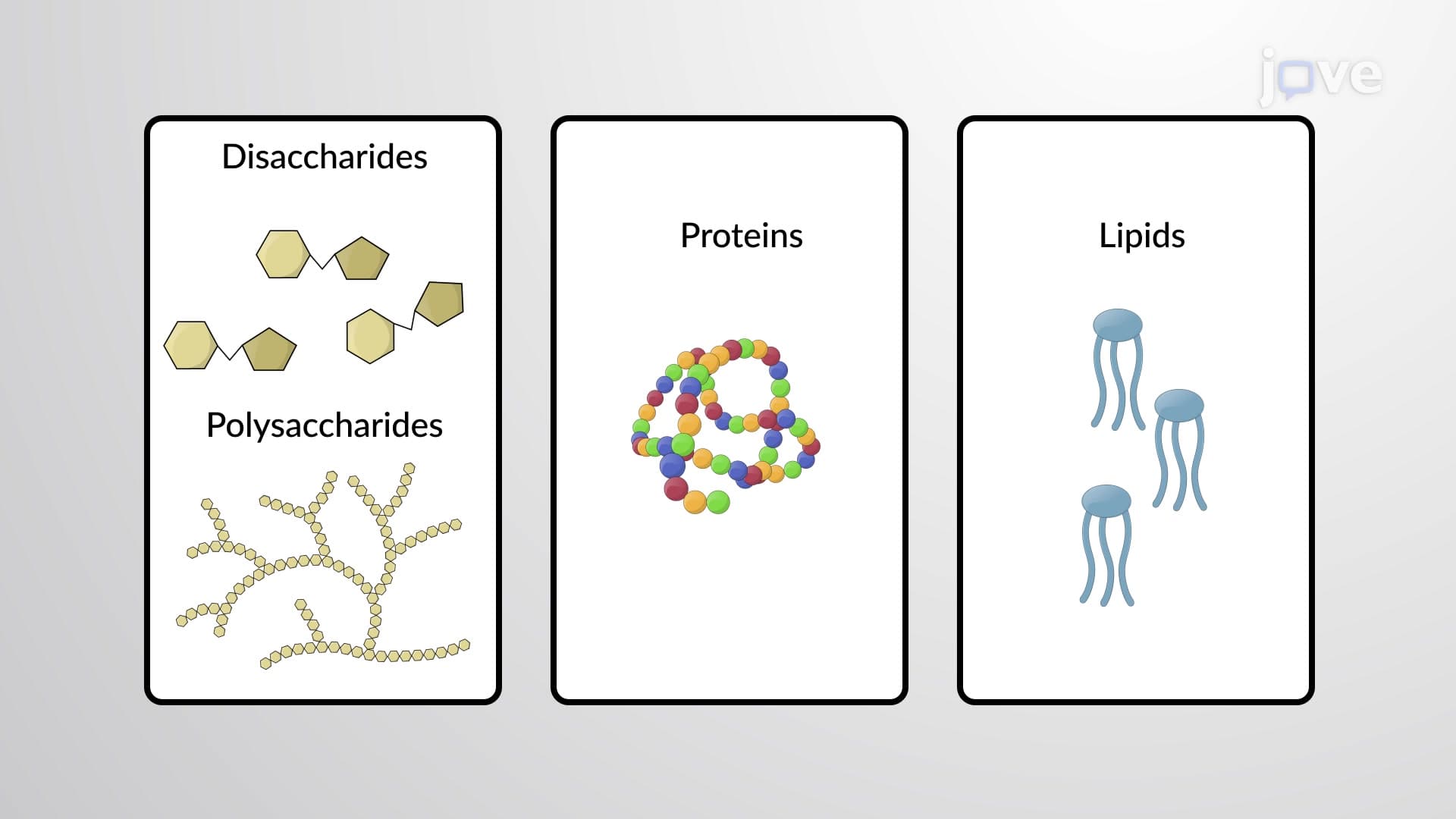
10. Dietary Connections
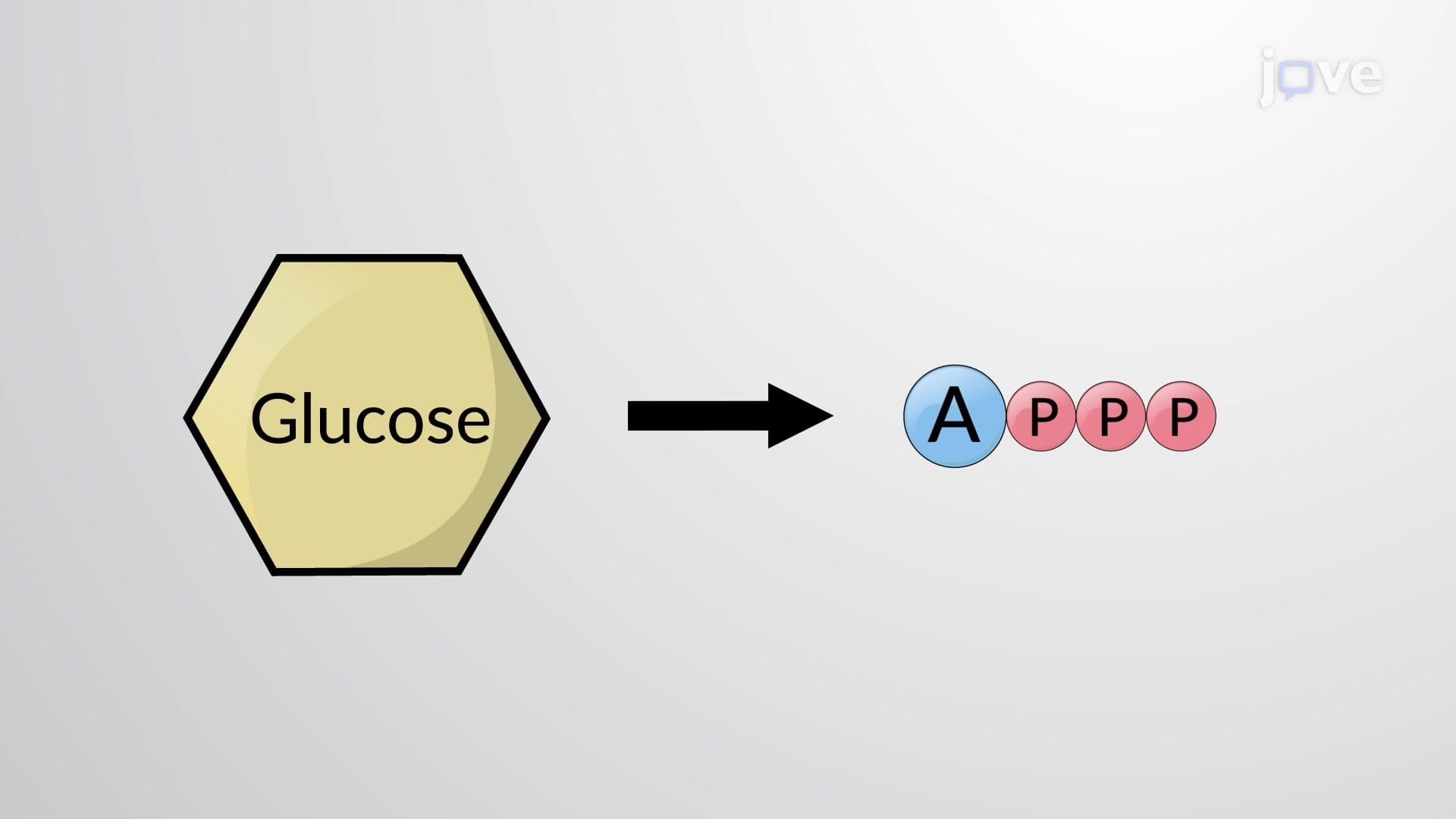
11. Introduction to Cellular Respiration
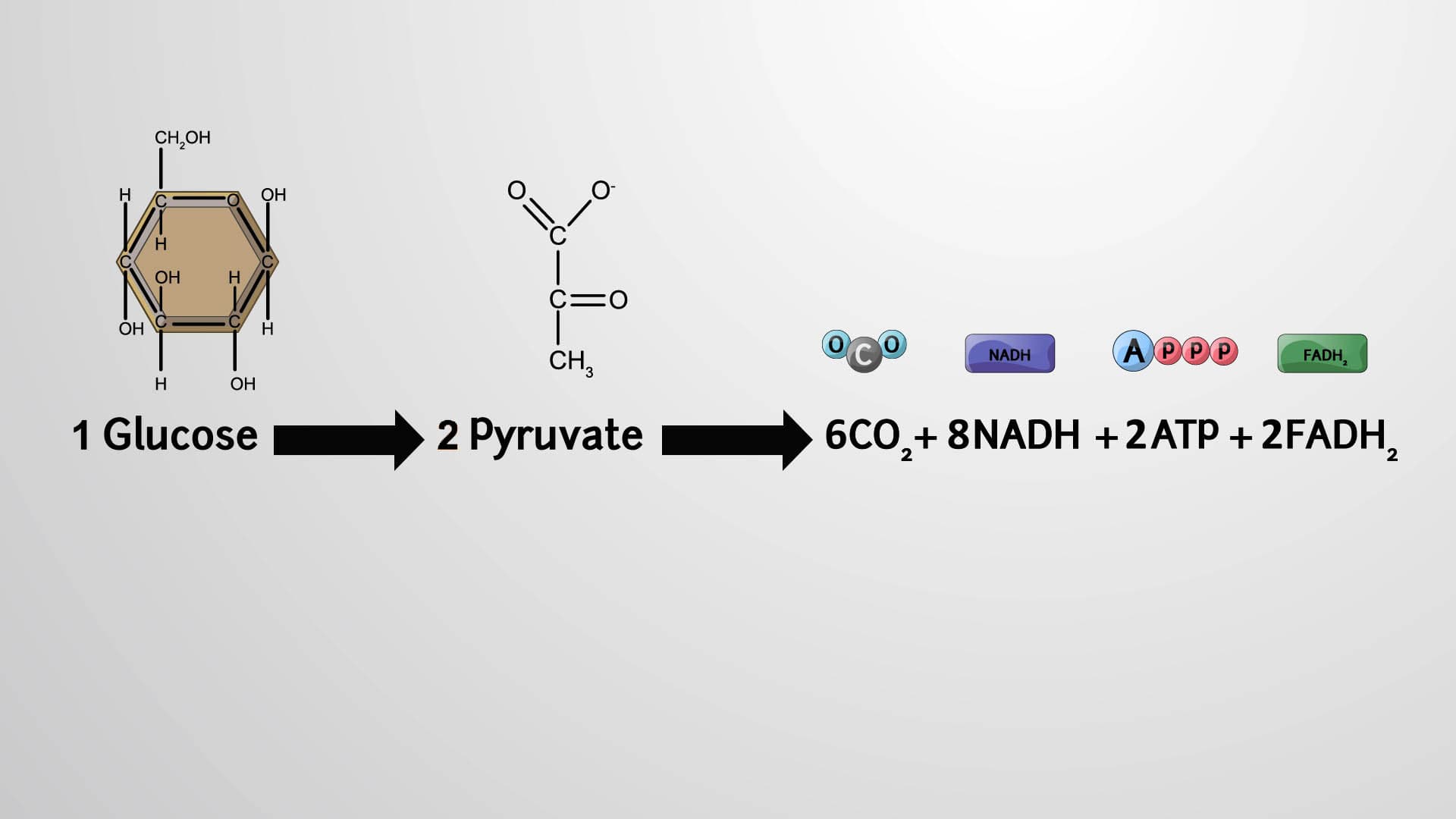
12. Products of the Citric Acid Cycle
13. Outcomes of Glycolysis
14. ATP Yield
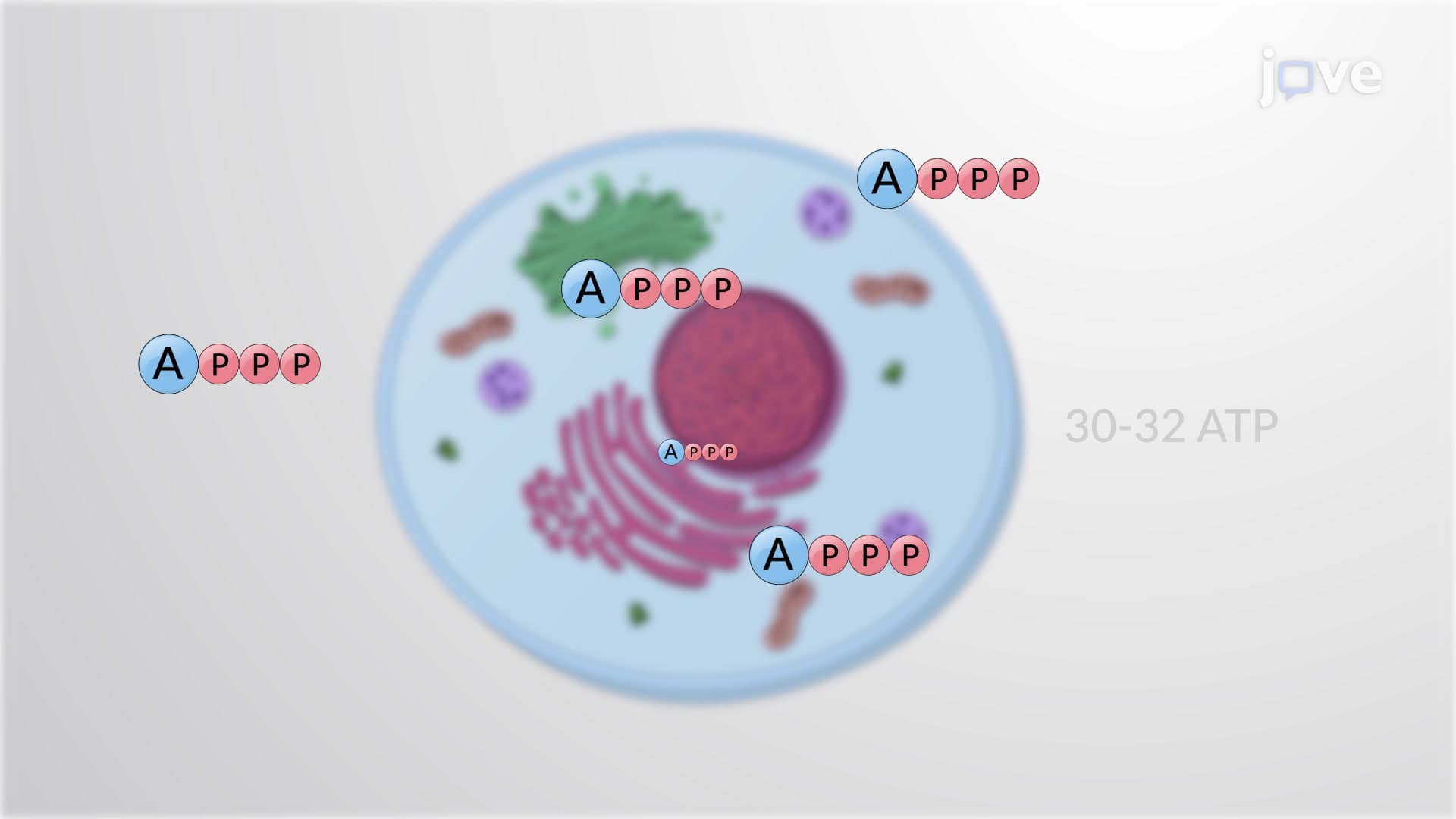
Cellular respiration is the fundamental metabolic process by which cells convert glucose and other organic molecules into ATP, the universal energy currency. This multi-step process involves glycolysis, pyruvate oxidation, the citric acid cycle, and oxidative phosphorylation, ultimately producing up to 32 ATP molecules per glucose molecule. Understanding cellular respiration is essential for students studying biochemistry and cell biology in American high schools and colleges, as it forms the foundation for comprehending how organisms generate energy for vital cellular processes. JoVE Coach provides comprehensive explanations of each stage to help students master this critical biological concept.
- Understand the overall equation and purpose of cellular respiration in energy metabolism
- Analyze the two phases of glycolysis and their distinct energy requirements and outputs
- Explore pyruvate oxidation and its role in transitioning from cytoplasmic to mitochondrial processes
- Learn the eight enzymatic steps of the citric acid cycle and their biochemical significance
- Identify the components and function of the electron transport chain in ATP synthesis
- Understand chemiosmosis and how proton gradients drive ATP production
- Examine the roles of electron carriers NAD+ and FADH2 in energy transfer
- Apply knowledge of fermentation pathways under anaerobic conditions
- Analyze how different macromolecules enter cellular respiration pathways
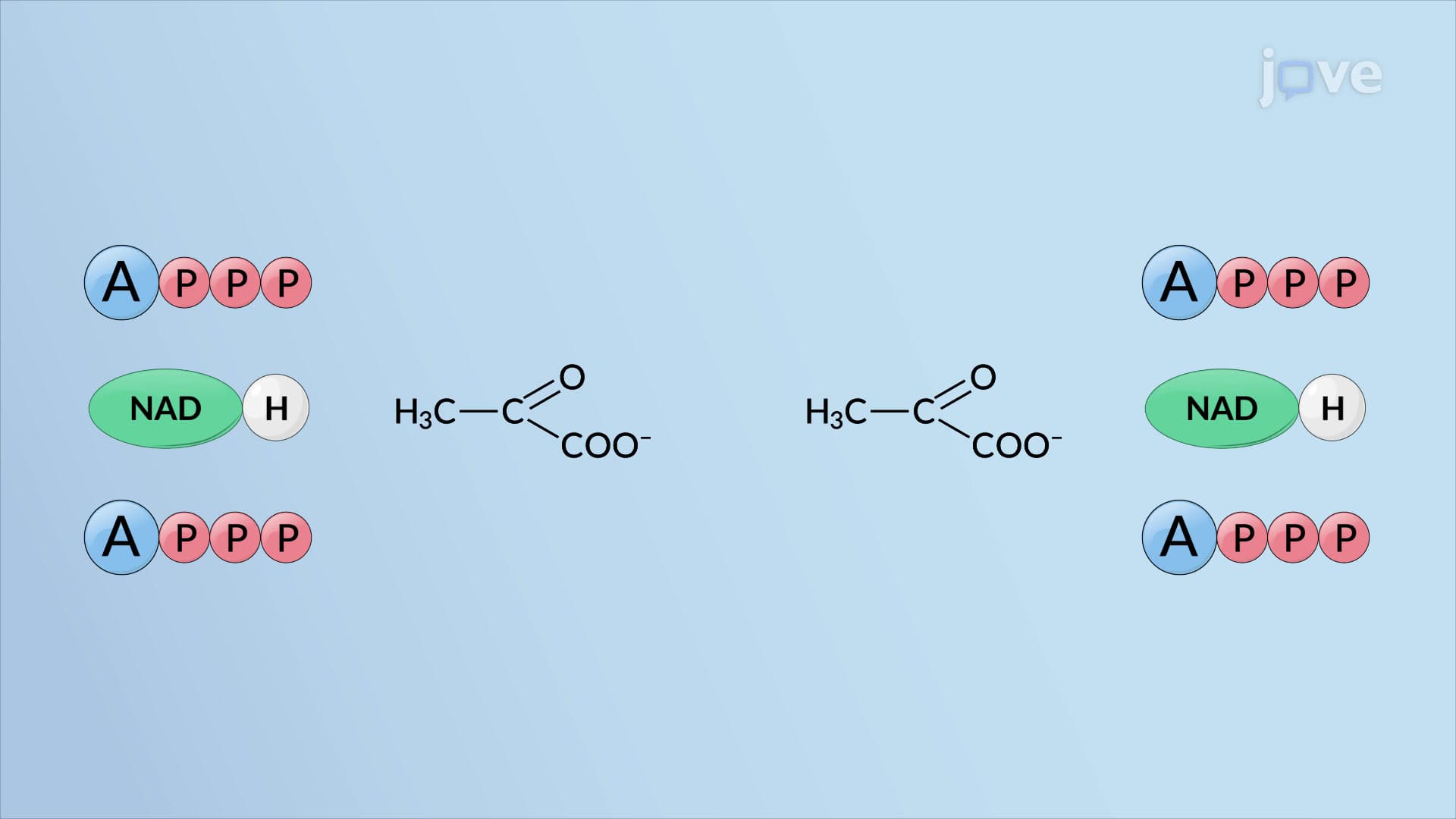
1. Glycolysis Pathway and Energy Investment: The first stage of cellular respiration occurs in the cytoplasm, where glucose undergoes a series of ten enzymatic reactions. The process divides into an energy-requiring phase that consumes two ATP molecules to phosphorylate glucose, and an energy-releasing phase that produces four ATP and two NADH molecules. Key regulatory enzymes like hexokinase and phosphofructokinase control the rate of glucose breakdown. This pathway is evolutionarily ancient and functions in both aerobic and anaerobic conditions, making it essential for immediate energy needs in American athletes during high-intensity exercise.
2. Pyruvate Oxidation and Mitochondrial Entry: Following glycolysis, pyruvate molecules must enter mitochondria for further oxidation. The pyruvate dehydrogenase complex catalyzes the conversion of pyruvate to acetyl-CoA, releasing CO2 and reducing NAD+ to NADH. This irreversible step commits the cell to complete glucose oxidation rather than fermentation. Understanding this transition is crucial for medical students studying metabolic disorders affecting mitochondrial function, such as pyruvate dehydrogenase deficiency seen in some American patients with neurological symptoms.
3. Citric Acid Cycle Reactions: Also known as the Krebs cycle, this eight-step cyclical pathway occurs in the mitochondrial matrix. Acetyl-CoA combines with oxaloacetate to form citrate, which undergoes successive oxidations and decarboxylations. Each turn produces three NADH, one FADH2, one GTP (equivalent to ATP), and two CO2 molecules. The cycle's intermediates also serve as precursors for biosynthetic pathways, highlighting its central role in cellular metabolism. Students studying for the MCAT must understand how cycle intermediates connect to amino acid synthesis and other anabolic processes.
4. Electron Transport Chain and Oxidative Phosphorylation: The inner mitochondrial membrane contains four protein complexes that transfer electrons from NADH and FADH2 to oxygen. This electron flow releases energy used to pump protons across the membrane, creating an electrochemical gradient. Complex I receives electrons from NADH, while Complex II accepts electrons from FADH2, explaining why NADH yields more ATP than FADH2. This concept is fundamental for understanding how mitochondrial diseases affect American patients, particularly those with Complex I deficiencies causing muscle weakness and neurological problems.
5. Chemiosmosis and ATP Synthesis: ATP synthase harnesses the proton gradient established by the electron transport chain to synthesize ATP from ADP and inorganic phosphate. The rotating mechanism of ATP synthase resembles a molecular motor, with proton flow driving conformational changes that facilitate ATP formation. This process, termed chemiosmosis, produces approximately 26-28 ATP molecules per glucose molecule. Understanding this mechanism helps students comprehend how uncoupling proteins can dissipate the proton gradient as heat, which is important for thermoregulation in newborn American infants through brown adipose tissue.
6. Fermentation Pathways Under Anaerobic Conditions: When oxygen is limited, cells switch to fermentation to regenerate NAD+ for continued glycolysis. Lactic acid fermentation occurs in human muscle cells during intense exercise, producing lactate that causes muscle fatigue familiar to American athletes. Ethanol fermentation in yeast is exploited in food production and brewing industries throughout the United States. Both pathways yield only two ATP molecules per glucose, far less than aerobic respiration, demonstrating oxygen's critical role in efficient energy production and explaining why oxygen debt must be repaid after anaerobic exercise.
Frequently Asked Questions
Cellular respiration is the biochemical process occurring inside cells that breaks down glucose to produce ATP energy. Breathing (or pulmonary respiration) is the physical process of inhaling oxygen and exhaling carbon dioxide through your lungs. While breathing supplies the oxygen needed for cellular respiration and removes its waste product CO2, cellular respiration actually occurs at the cellular level in mitochondria throughout your body.
NADH and FADH2 serve different roles in the electron transport chain. NADH enters at Complex I and can pump protons at three different sites, yielding about 2.5 ATP molecules. FADH2 enters at Complex II, bypassing the first proton-pumping site, so it only yields about 1.5 ATP molecules. Having both carriers allows cells to extract maximum energy from different metabolic reactions while providing flexibility in electron transport chain operation.
The MCAT heavily tests cellular respiration concepts across multiple sections. You'll encounter questions about metabolic regulation, enzyme kinetics using glycolytic enzymes, and experimental data interpretation involving oxygen consumption or ATP production. Understanding the quantitative aspects, like ATP yields and stoichiometry, is crucial for biochemistry passages. The process also connects to other MCAT topics like muscle physiology, cancer metabolism, and pharmacology of metabolic inhibitors.
AP Biology exams often include free-response questions requiring you to analyze experimental data about respiration rates, explain metabolic adaptations, or compare aerobic versus anaerobic ATP production. You might need to interpret graphs showing oxygen consumption, calculate ATP yields from different substrates, or explain how environmental factors affect cellular respiration. Strong understanding of each stage's location, inputs, and outputs is essential for earning full credit.
During light exercise, your muscles primarily use aerobic respiration to produce ATP efficiently. As exercise intensity increases, oxygen delivery may become limiting, forcing muscles to rely more on anaerobic glycolysis and fermentation. This produces lactic acid, causing the "burn" sensation during intense workouts. Marathon runners train their cardiovascular systems to deliver oxygen efficiently, while sprinters develop powerful anaerobic energy systems for short bursts of activity.
Cellular respiration challenges students because it involves multiple interconnected biochemical pathways with complex enzyme names, chemical structures, and quantitative relationships. The process spans different cellular compartments, requires understanding of both chemistry and biology principles, and involves abstract concepts like electrochemical gradients. Success requires memorizing specific details while understanding the overall energy flow and regulatory mechanisms.
Start by understanding the big picture: glucose enters, ATP and waste products exit. Then learn each stage's location, key enzymes, inputs, and outputs. Create flowcharts connecting glycolysis → pyruvate oxidation → citric acid cycle → electron transport chain. Practice calculating ATP yields and drawing the pathways from memory. Use active recall by explaining each step aloud, and connect the biochemistry to real-world examples like exercise physiology or metabolic diseases.
Proteins, lipids, and other carbohydrates can all enter cellular respiration pathways at different points. Amino acids from protein breakdown can enter glycolysis or the citric acid cycle after deamination. Fatty acids undergo beta-oxidation to produce acetyl-CoA that enters the citric acid cycle directly. Glycerol from fat breakdown converts to glyceraldehyde-3-phosphate in glycolysis. This metabolic flexibility allows cells to generate ATP from various food sources, explaining how your body maintains energy production during different dietary conditions.
This microcourse includes 14 concept videos that walk you through the building blocks of Biology. Each video is short, about 1 minute, so you can cover a full topic during a coffee break or between classes. The full sequence starts with What is Glycolysis? and ends with ATP Yield.
The playlist moves from big-picture ideas to the precise vocabulary used in Biology. Early videos introduce What is Glycolysis?, Energy-requiring Steps of Glycolysis, and Energy-releasing Steps of Glycolysis. The middle of the series focuses on The Citric Acid Cycle, Electron Transport Chains, and Chemiosmosis. The final stretch covers Electron Carriers, Fermentation, Dietary Connections, Introduction to Cellular Respiration, Products of the Citric Acid Cycle, Outcomes of Glycolysis, and ATP Yield.
The natural next step is Photosynthesis. From there, you can move to Cell Cycle and Division, Meiosis, and Classical and Modern Genetics. Once you finish those, the full Biology curriculum of 36 microcourses on JoVE Coach opens up, taking you from foundational concepts to advanced systems.
Related Subjects

