Loading subject page…


1,769,128 views

Video Summary: The Citric Acid Cycle Steps Regulation and Energy Yield
Ever wonder how a single glucose molecule can fuel hours of intense physical activity? The citric acid cycle: steps reveal the cellular powerhouse that transforms food into usable energy in every mitochondria. Consider marathon runners at the Boston Marathon-their muscle cells rely on The Citric Acid Cycle: Steps, Regulation, and Energy Yield to sustain 26.2 miles of continuous motion. Watch the full video on JoVE Coach to master this concept with expert-led visuals and step-by-step explanations.
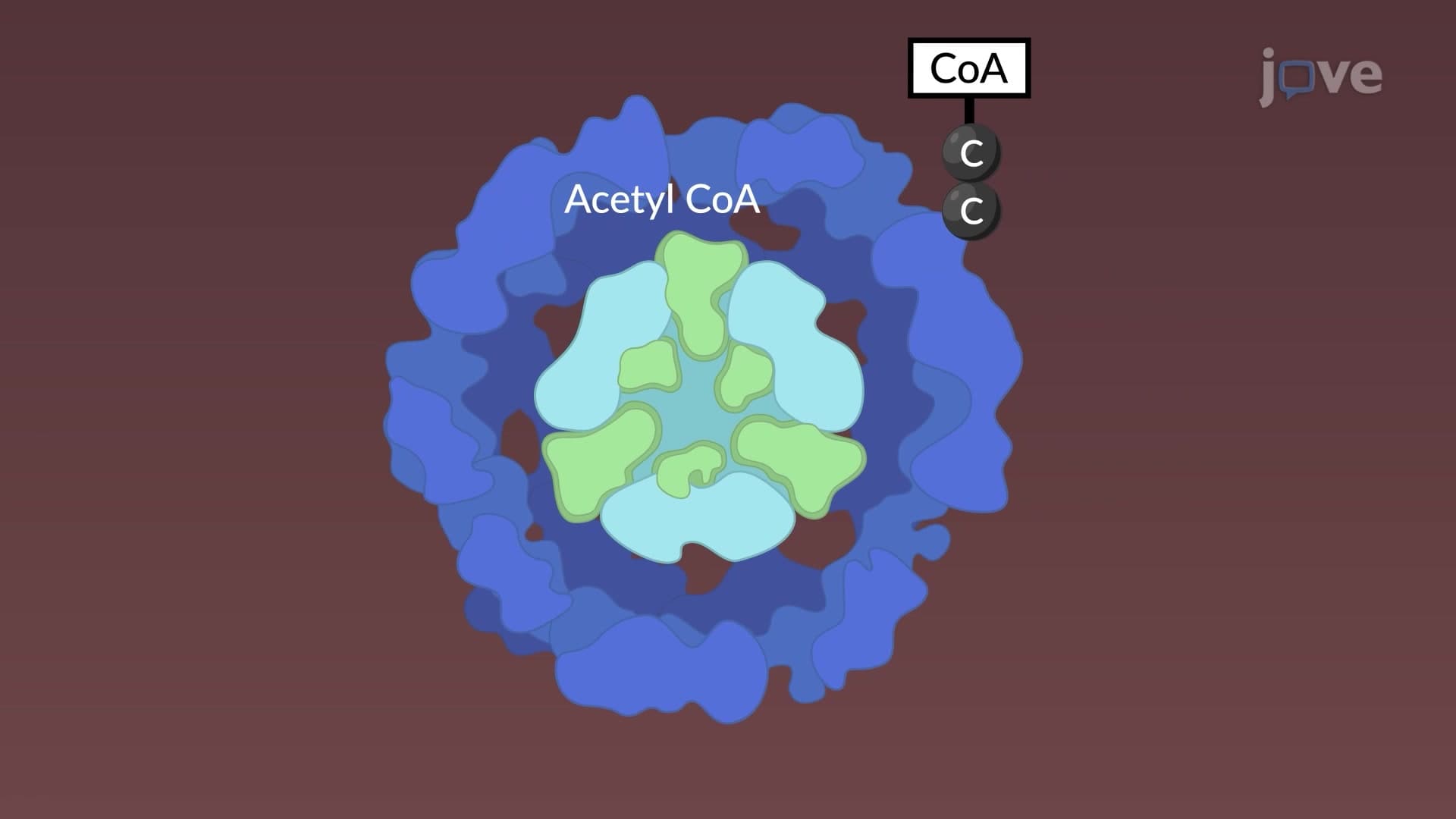
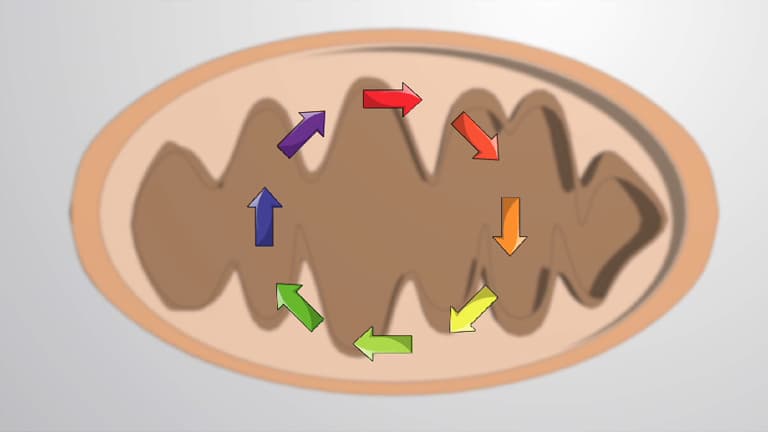
The citric acid cycle operates as cellular metabolism's central command center, processing acetyl-CoA derived from glucose, fatty acids, and amino acids. Located in the mitochondrial matrix, this eight-step pathway generates the majority of ATP precursors that power cellular functions. Students preparing for AP Biology or college biochemistry courses must master this cycle's intricate details, as it frequently appears on exams and connects multiple metabolic pathways.
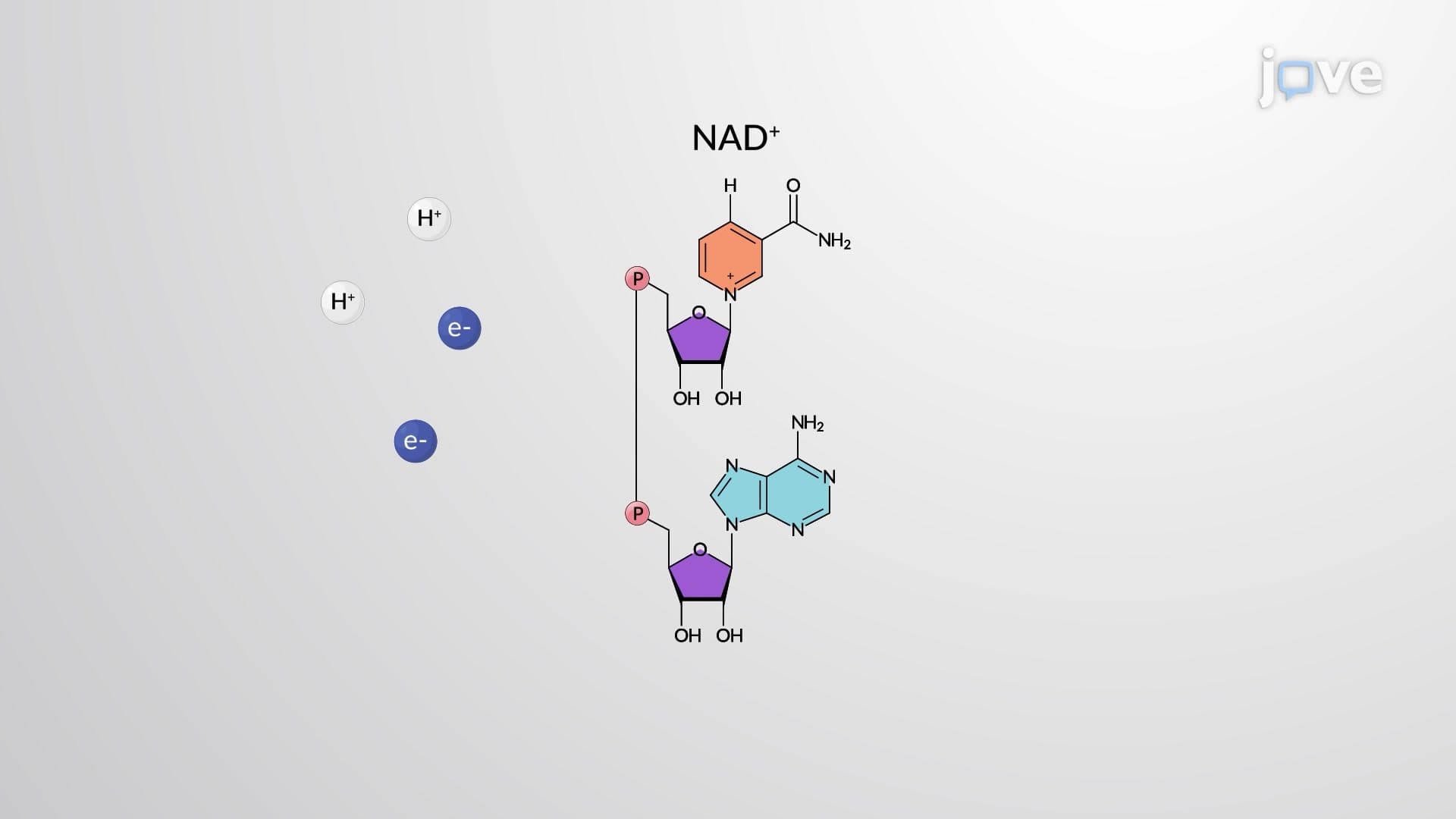
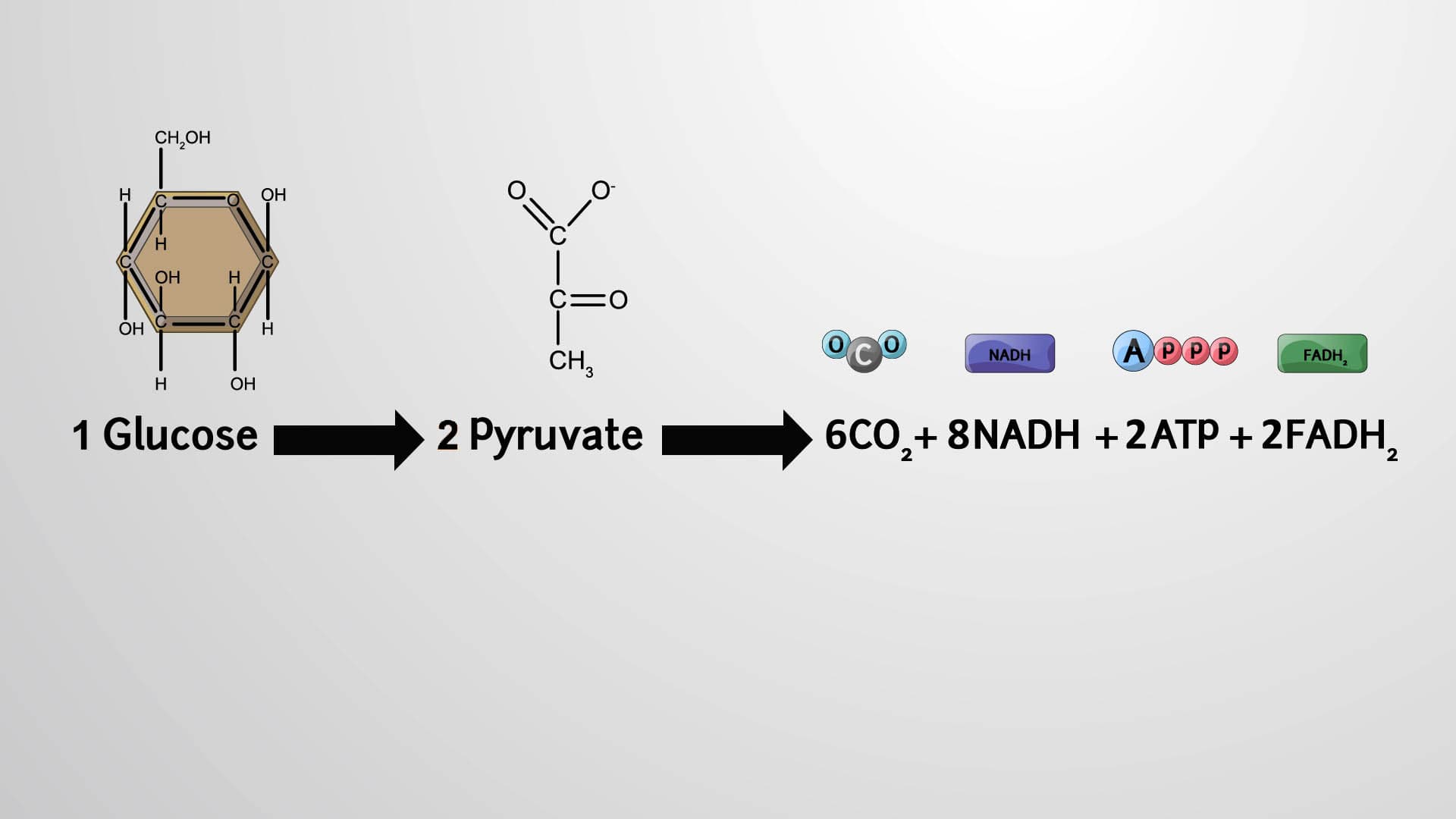
The cycle begins when acetyl-CoA condenses with oxaloacetate to form citrate, catalyzed by citrate synthase. This irreversible reaction drives the cycle forward and represents a major regulatory point. Through subsequent steps involving aconitase, isocitrate dehydrogenase, and α-ketoglutarate dehydrogenase, two carbon dioxide molecules are released while reducing NAD⁺ to NADH. The middle steps, catalyzed by succinyl-CoA synthetase and succinate dehydrogenase, generate GTP (equivalent to ATP) and reduce FAD to FADH₂. Finally, fumarase and malate dehydrogenase regenerate oxaloacetate, completing the cycle.
Regulation occurs at three key enzymatic steps: citrate synthase, isocitrate dehydrogenase, and α-ketoglutarate dehydrogenase. When cellular energy is abundant (high ATP/ADP ratios), these enzymes are inhibited, slowing the cycle. Conversely, high ADP and calcium levels activate the cycle, increasing energy production. This sophisticated regulation ensures cells produce ATP only when needed, preventing wasteful energy expenditure.
Understanding cycle regulation proves essential for MCAT preparation and medical school coursework. Physicians studying metabolic disorders often encounter patients with mitochondrial diseases affecting cycle enzymes. For example, deficiencies in α-ketoglutarate dehydrogenase can cause neurological symptoms, as brain tissue heavily depends on glucose metabolism. Students should recognize how cycle intermediates serve as biosynthetic precursors-α-ketoglutarate for amino acid synthesis, succinyl-CoA for heme production, and oxaloacetate for gluconeogenesis.
Related Micro-courses