Loading subject page…

- Biology
- Cellular Respiration
- Electron Carriers
Micro-course: Cellular Respiration
1,769,101 views
Learn key concepts and earn your certificate.

Electron Carriers

00:00
01:24
Video Summary: What are Electron Carriers
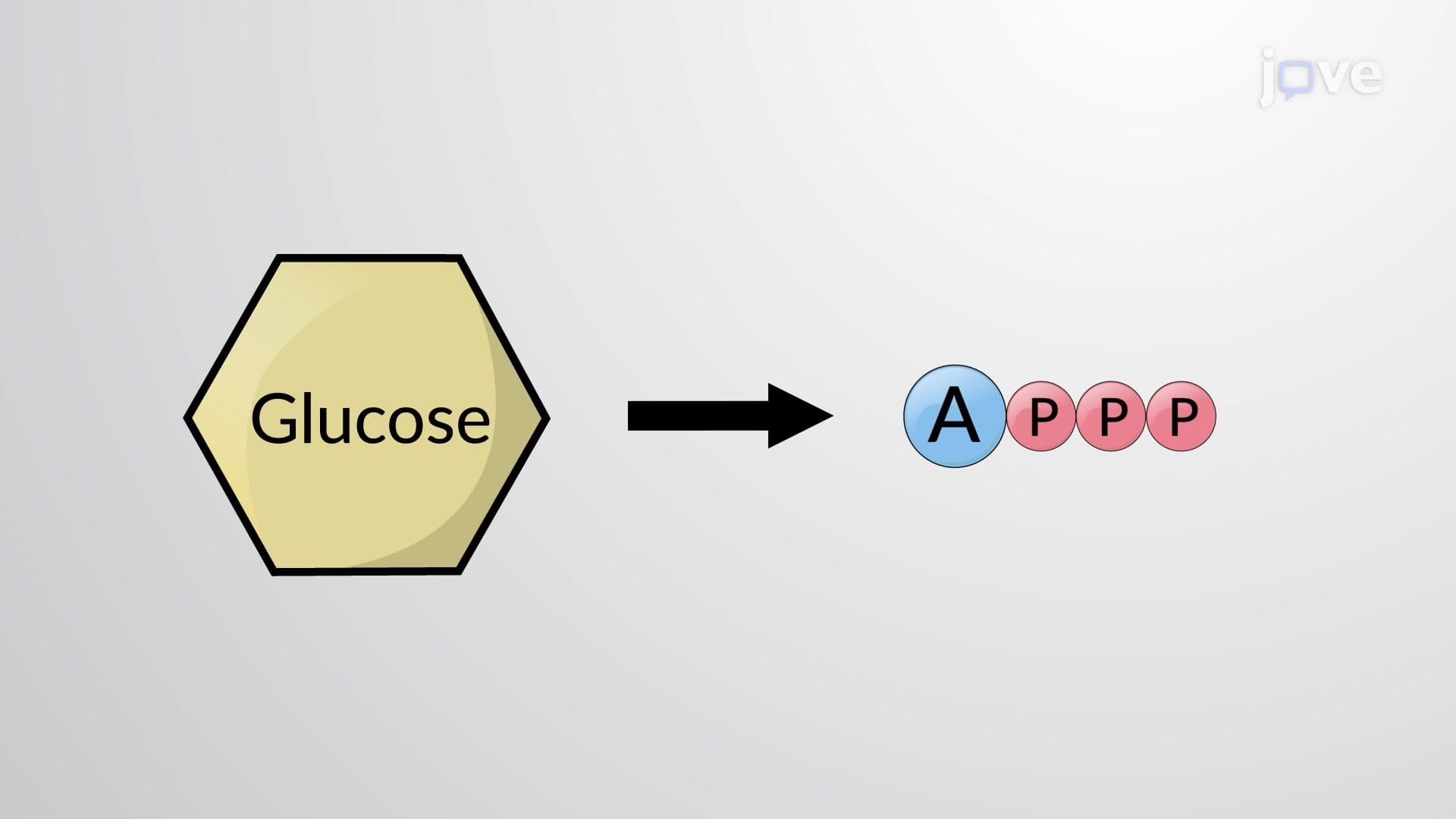
Ever wonder how your muscle cells generate energy during a sprint at your high school track meet? Electron carriers are the molecular shuttles that make cellular energy production possible, transferring high-energy electrons through redox reactions to power ATP synthesis. These specialized compounds, like NAD+ found in every human cell, act as biological "batteries" that capture and transport electrons during metabolism. For example, when you metabolize glucose from your lunch, NAD+ captures electrons and becomes NADH, delivering them to your mitochondria for energy production. Watch the full video on JoVE Coach to master this concept with expert-led visuals and step-by-step explanations.
- Understand what are electron carriers and their fundamental role in cellular metabolism and energy production
- Identify the molecular structure and components of major electron carriers like NAD+ and NADH
- Analyze the redox reactions that allow electron carriers to shuttle electrons between oxidized and reduced states
- Compare different types of electron carriers and their specific functions in metabolic pathways
- Evaluate how electron carriers facilitate energy transfer from nutrients to ATP synthesis
- Apply knowledge of electron carrier mechanisms to predict outcomes in cellular respiration scenarios
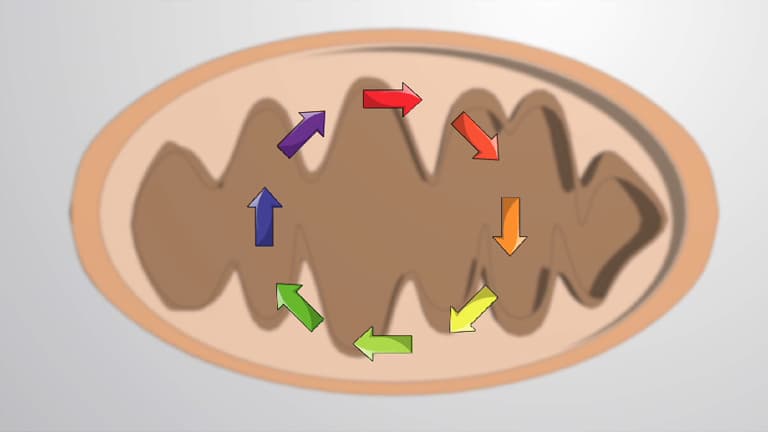
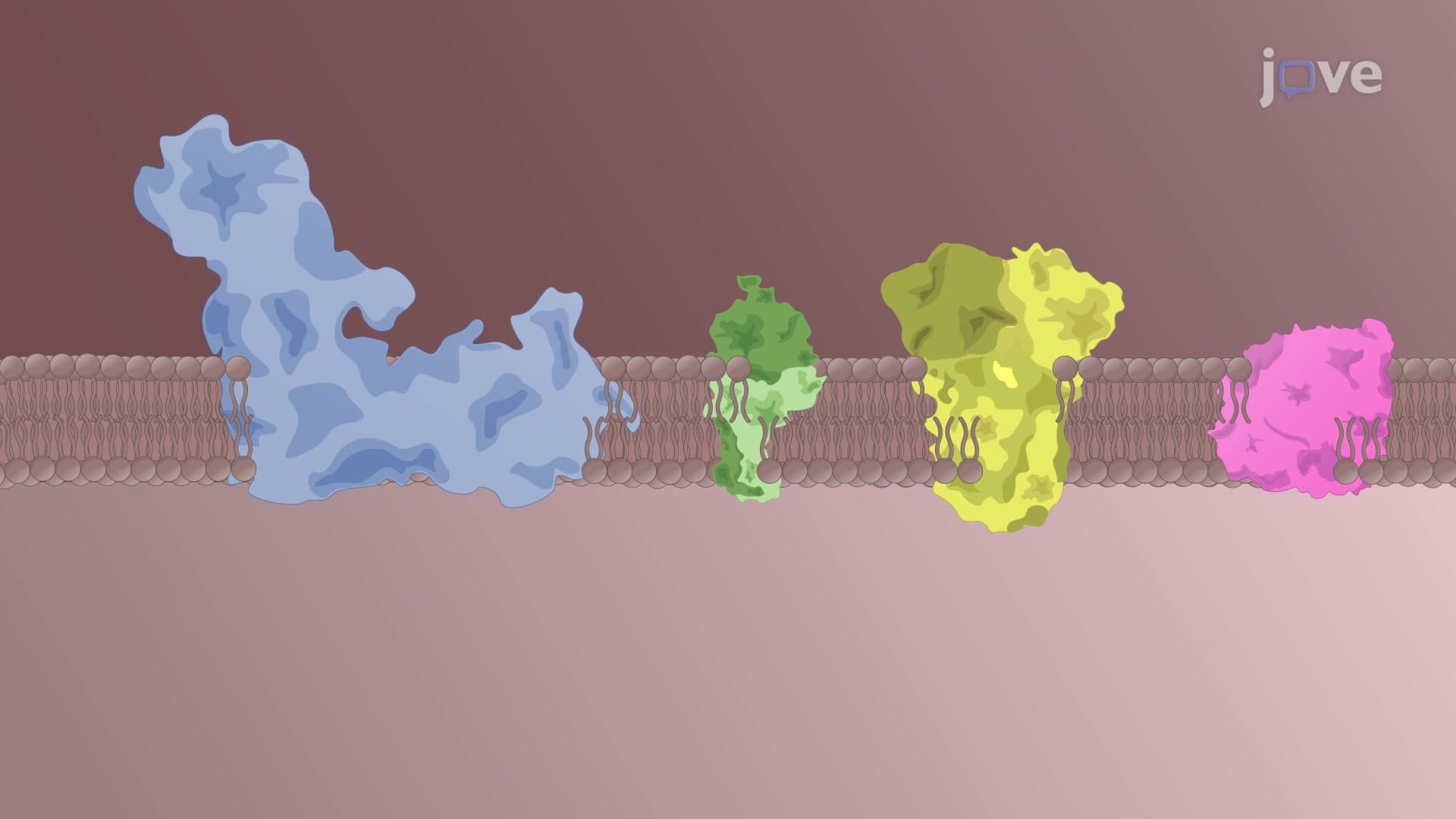
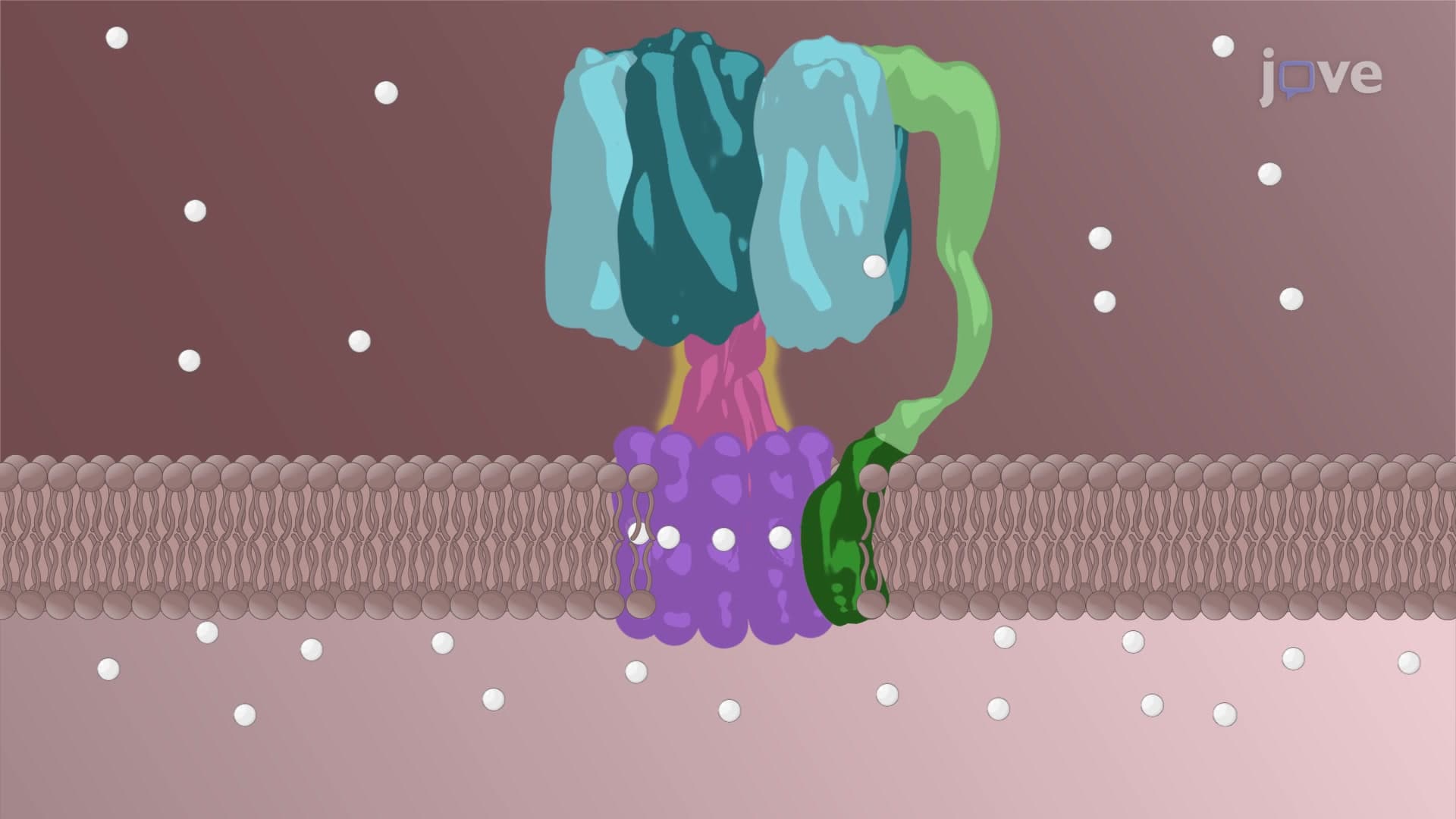
- Recognize the connection between electron carriers and the electron transport chain in mitochondria
- Explore how electron carrier dysfunction relates to metabolic disorders and cellular energy deficits
Understanding What are Electron Carriers: The Foundation of Cellular Energy
Electron carriers represent one of biochemistry's most elegant solutions to energy management in living cells. These specialized molecules function as mobile electron shuttles, facilitating the controlled transfer of high-energy electrons through carefully orchestrated redox reactions. Unlike simple chemical reactions, electron carriers operate through sophisticated mechanisms that capture, transport, and release electrons precisely when and where cells need them most.
The fundamental principle underlying electron carrier function involves alternating between oxidized and reduced states. When a carrier accepts electrons, it becomes reduced; when it donates electrons, it becomes oxidized. This reversible process enables the same molecule to repeatedly participate in energy-transfer reactions throughout a cell's lifetime.
NAD+ and NADH: The Primary Energy Shuttles
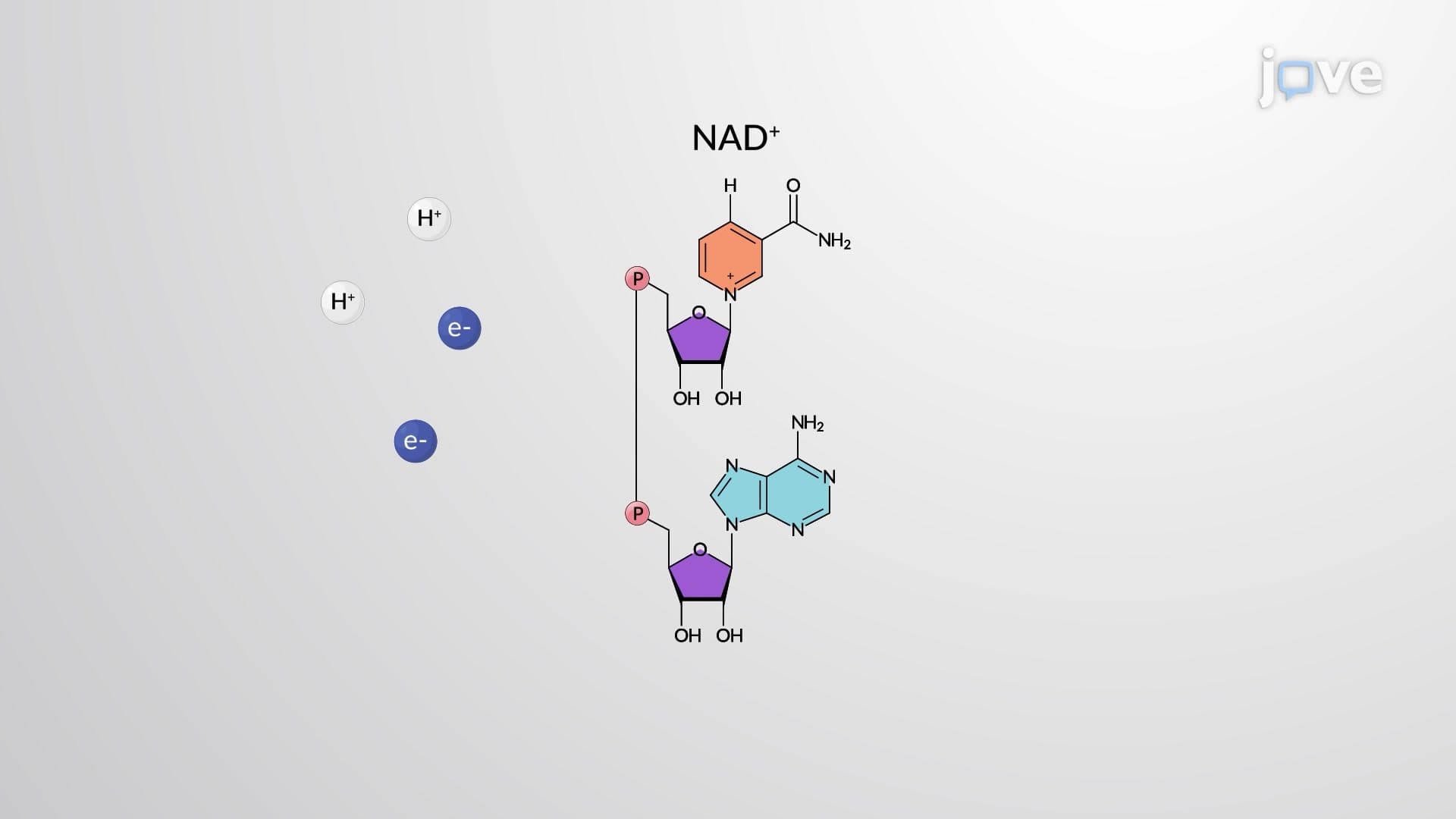
Nicotinamide adenine dinucleotide (NAD+) exemplifies the sophisticated design of electron carriers. This coenzyme consists of two nucleotides joined by phosphate groups-one containing adenine and another containing nicotinamide. The nicotinamide portion serves as the active site for electron acceptance, featuring a positively charged nitrogen atom that readily accepts electrons.
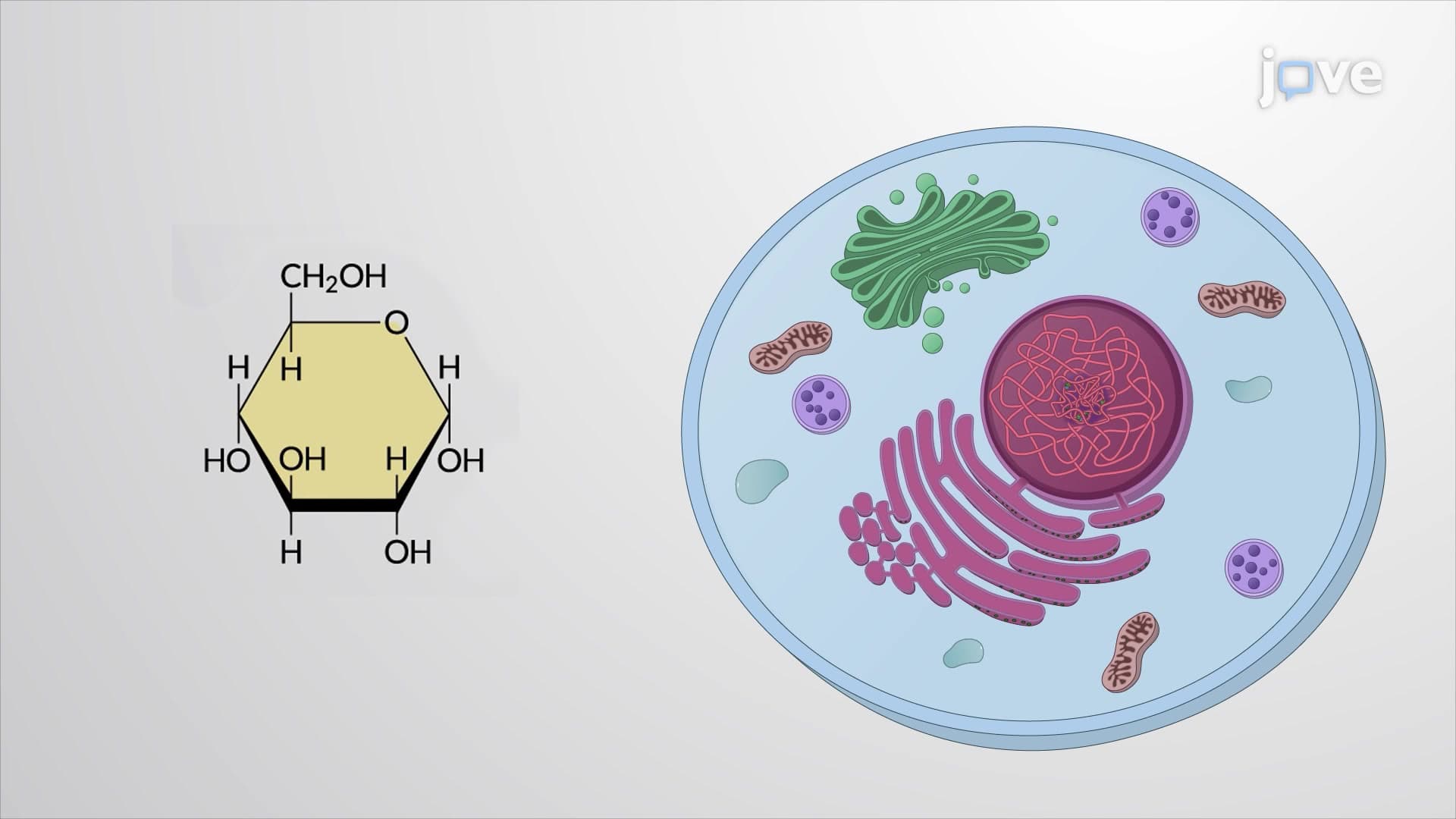
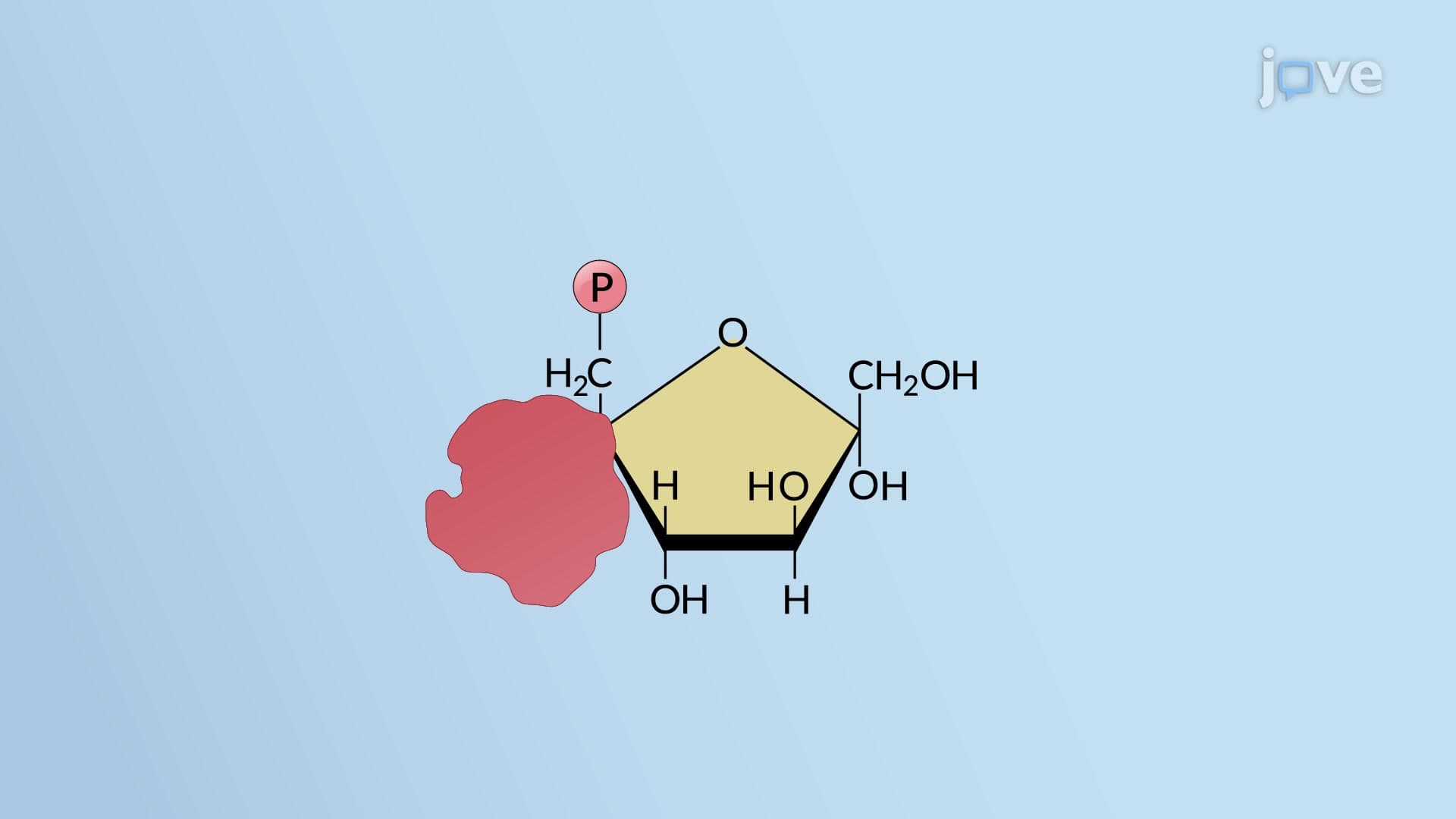
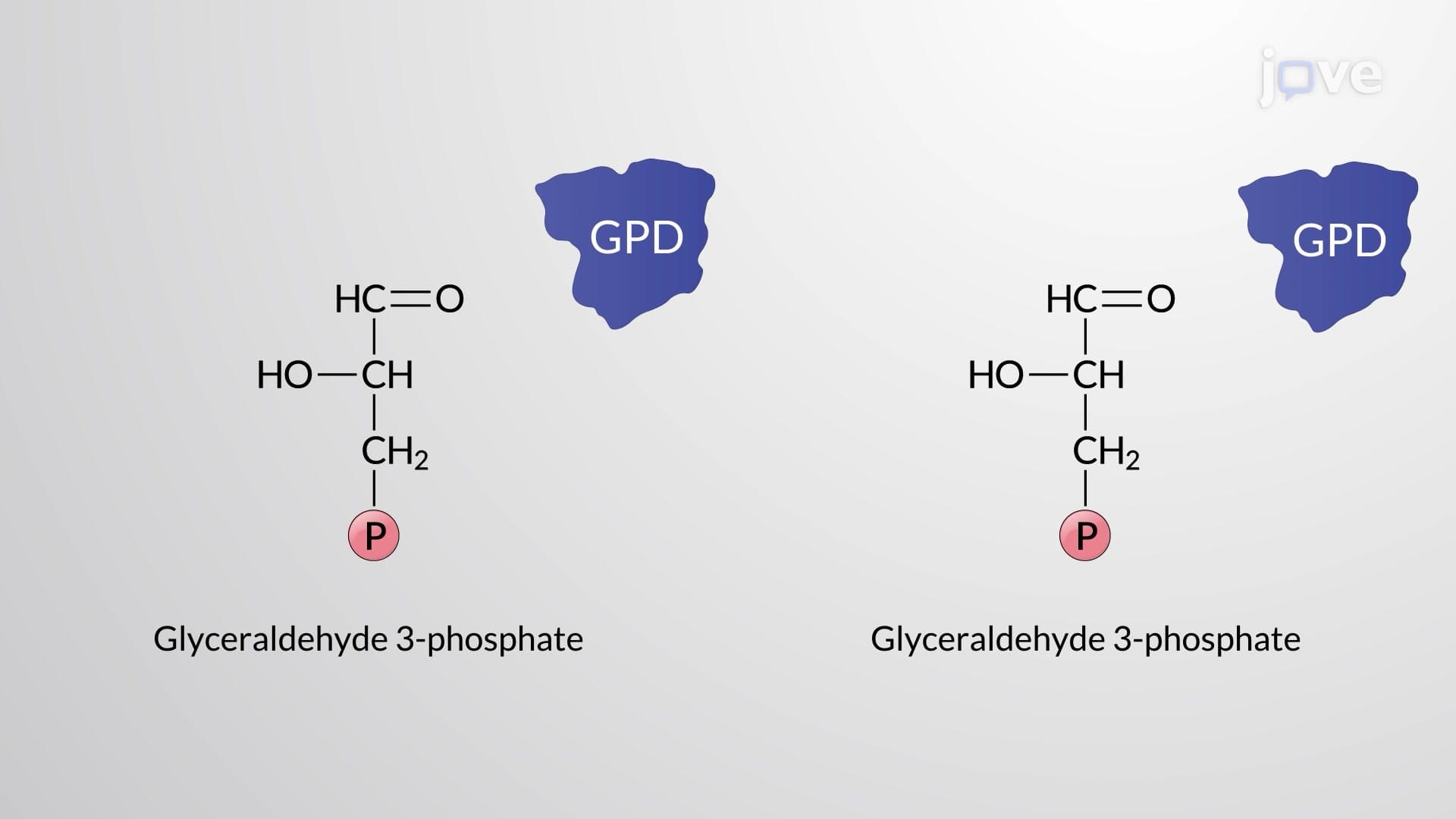
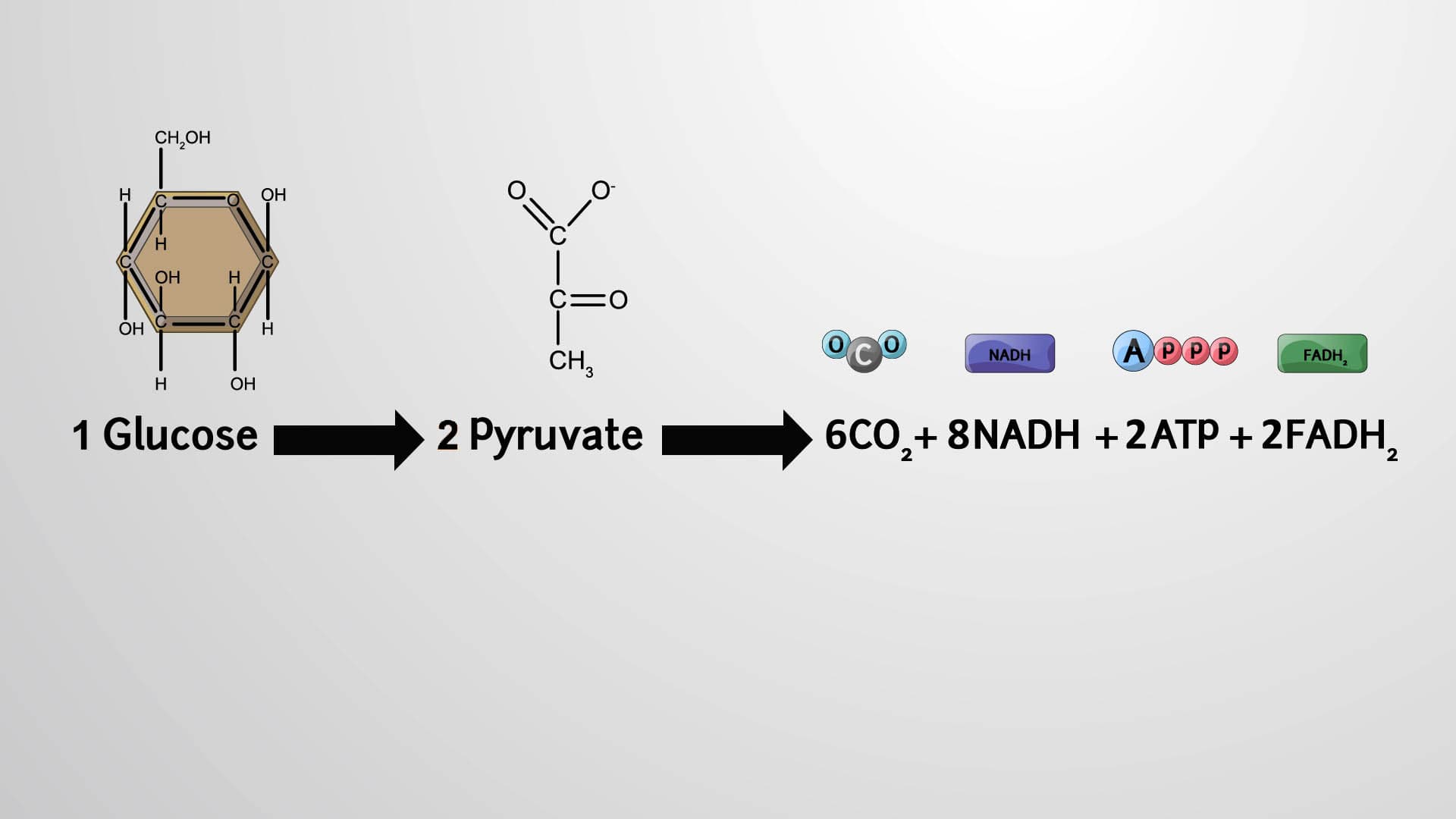
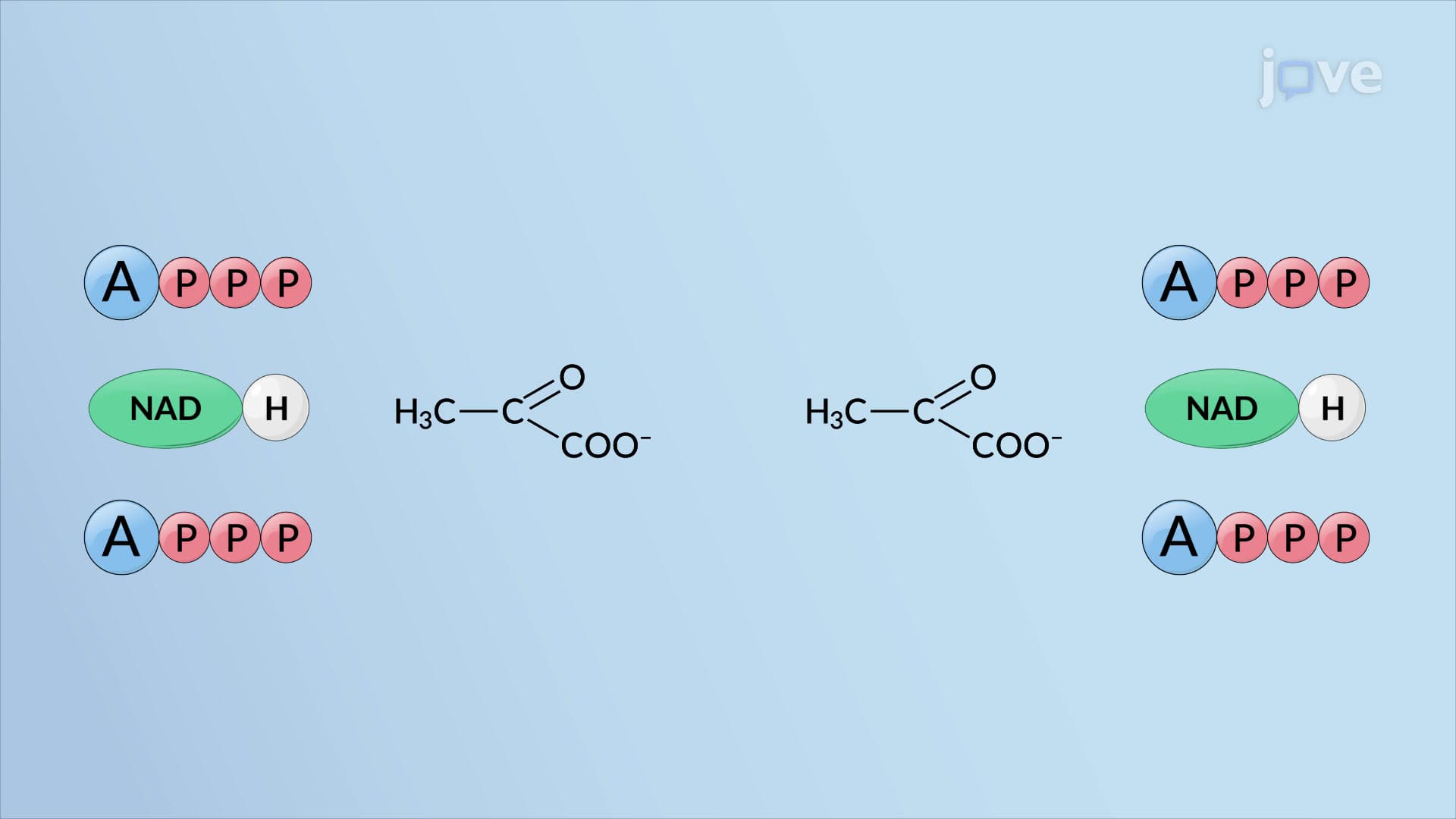
During metabolic processes like glycolysis-a pathway every AP Biology student encounters-NAD+ partners with enzymes such as dehydrogenases. When these enzymes break down glucose molecules, NAD+ captures two electrons and one hydrogen ion, transforming into NADH. This reduced form then carries the high-energy electrons to the mitochondria, where they enter the electron transport chain.
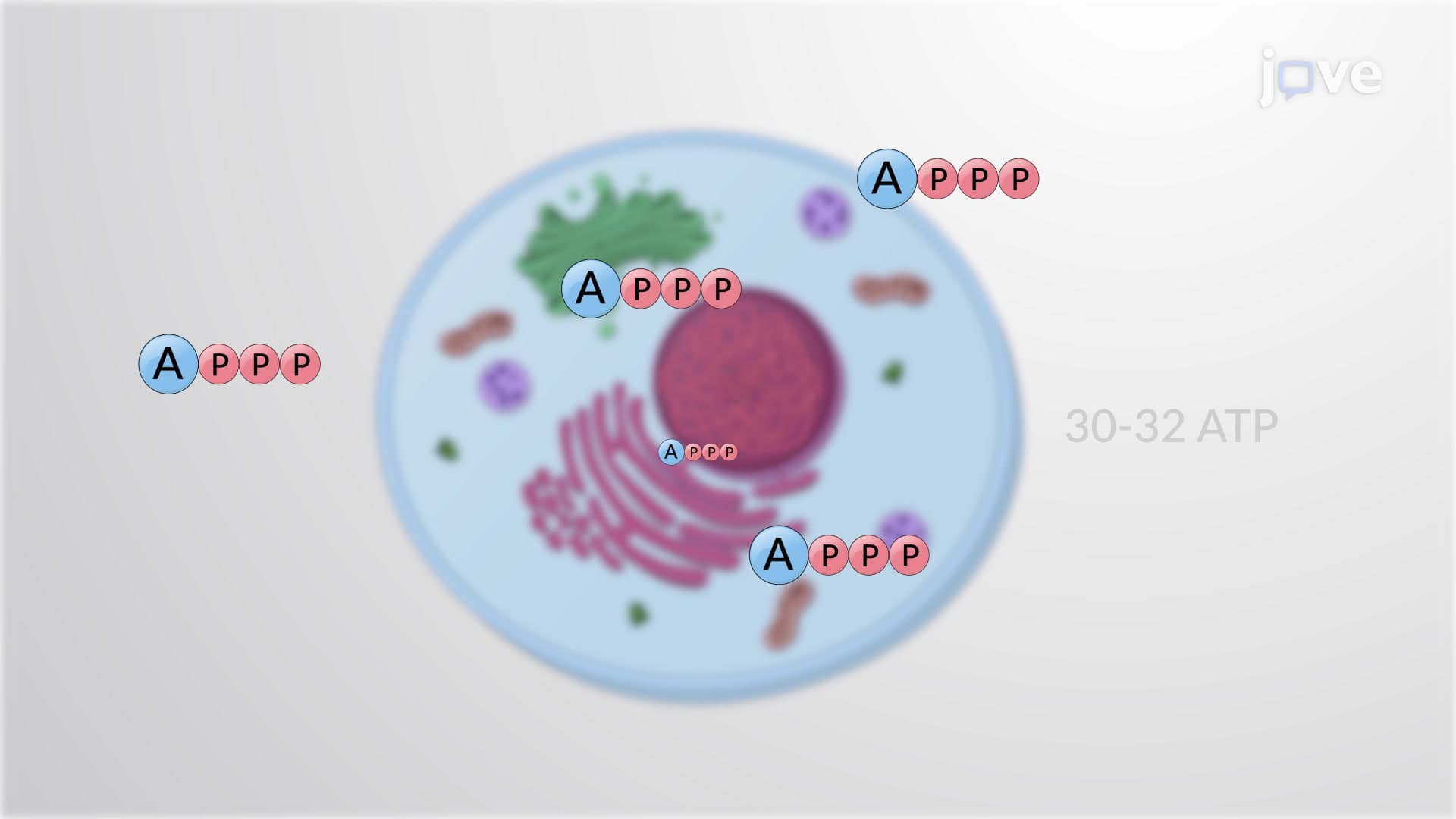
The efficiency of this system becomes apparent when considering cellular energy demands. A single glucose molecule can reduce multiple NAD+ molecules during complete oxidation, with each NADH potentially generating 2.5 ATP molecules through oxidative phosphorylation-a concept frequently tested on the MCAT and college biochemistry exams.
Clinical Significance and Real-World Applications
Understanding electron carriers proves essential for medical professionals and researchers. For instance, physicians at major US medical centers like Johns Hopkins and Mayo Clinic recognize that certain genetic disorders affect electron carrier function, leading to mitochondrial diseases. Patients with Complex I deficiency, affecting NADH oxidation, experience severe fatigue and neurological symptoms because their cells cannot efficiently generate ATP.
In pharmaceutical research, companies like Pfizer and Merck develop drugs targeting electron carrier systems. Some chemotherapy agents work by disrupting electron transport in rapidly dividing cancer cells, while other medications enhance electron carrier efficiency in treating metabolic disorders.
Beyond NAD+: The Electron Carrier Family
While NAD+/NADH represents the most abundant electron carrier, cells employ additional carriers for specialized functions. Flavin adenine dinucleotide (FAD/FADH2) participates in different metabolic pathways, generating fewer ATP molecules per electron pair but enabling unique enzymatic reactions. Coenzyme Q (ubiquinone/ubiquinol) operates specifically within the electron transport chain, transferring electrons between protein complexes embedded in mitochondrial membranes.
Frequently Asked Questions
An electron carrier is a molecule that picks up, transports, and delivers high-energy electrons in cells through redox reactions. These molecular shuttles enable cells to capture energy from nutrients and convert it into usable ATP for cellular processes like muscle contraction and brain function.
Electron carriers are essential molecules that transfer electrons from glucose breakdown to the electron transport chain, enabling ATP production. Without carriers like NAD+ and FAD, cells couldn't efficiently extract energy from food molecules, making cellular respiration impossible.
AP Biology frequently tests electron carrier knowledge through cellular respiration questions, asking students to trace electron flow from glycolysis through the electron transport chain. Students should memorize that NADH produces ~2.5 ATP while FADH2 produces ~1.5 ATP, and understand how carriers link different metabolic pathways.
The MCAT extensively covers electron carriers in biochemistry sections, particularly focusing on NAD+/NADH and FAD/FADH2 roles in metabolism. Students encounter questions about redox reactions, electron transport chain mechanisms, and how carrier dysfunction affects cellular energy production in disease states.
Basic high school chemistry provides sufficient background for understanding electron carriers at the introductory level. Knowledge of oxidation-reduction reactions and atomic structure helps, but most biology courses explain electron carriers using accessible terminology and clear diagrams.
Create visual flowcharts showing electron movement from glucose through carriers to ATP production. Practice drawing the electron transport chain and labeling where each carrier operates, then use acronyms like "NAD+ Gets Electrons, Makes ATP" to remember key functions.
Mitochondrial diseases affecting electron carriers cause symptoms like muscle weakness and neurological problems, seen in conditions treated at US hospitals like Cleveland Clinic. Some diabetes medications work by influencing electron carrier efficiency, while certain toxins disrupt carrier function, causing cellular energy failure.
Advanced topics include studying specific electron transport complexes, photosynthetic electron carriers in plants, and how electron carrier research contributes to developing treatments for metabolic disorders. Consider exploring biochemistry courses that cover enzyme kinetics and metabolic regulation mechanisms.
Related Micro-courses