Loading subject page…
- Biology
- Plant Structure, Growth, and Nutrition
Biology
All Micro-courses:36

1.
Scientific Inquiry
8 Concepts
2.
Chemistry of Life
21 Concepts
3.
Macromolecules
9 Concepts
4.
Cell Structure and Function
16 Concepts
5.
Membranes and Cellular Transport
16 Concepts
6.
Cell Signaling
14 Concepts
7.
Metabolism
15 Concepts
8.
Cellular Respiration
14 Concepts
9.
Photosynthesis
7 Concepts
10.
Cell Cycle and Division
9 Concepts
11.
Meiosis
5 Concepts
12.
Classical and Modern Genetics
19 Concepts
13.
DNA Structure and Function
13 Concepts
14.
Gene Expression
12 Concepts
15.
Biotechnology
15 Concepts
16.
Viruses
7 Concepts
17.
Nutrition and Digestion
8 Concepts
18.
Nervous System
11 Concepts
19.
Sensory Systems
12 Concepts
20.
Musculoskeletal System
11 Concepts
21.
Endocrine System
6 Concepts
22.
Circulatory and Pulmonary Systems
8 Concepts
23.
Osmoregulation and Excretion
8 Concepts
24.
Immune System
9 Concepts
25.
Reproduction and Development
8 Concepts
26.
Behavior
10 Concepts
27.
Ecosystems
12 Concepts
28.
Population and Community Ecology
12 Concepts
29.
Biodiversity and Conservation
11 Concepts
30.
Speciation and Diversity
5 Concepts
31.
Natural Selection
4 Concepts
32.
Population Genetics
5 Concepts
33.
Evolutionary History
7 Concepts
34.
Plant Structure, Growth, and Nutrition
21 Concepts
35.
Plant Reproduction
7 Concepts
36.
Plant Responses to the Environment
8 Concepts
Plant Structure, Growth, and Nutrition
 21 Concepts
 852.1K Views
 Popular topics
Concepts: 21
02:22
47.2K views
02:26
69.7K views

03:24
65.3K views
03:40
66.7K views
02:27
62.2K views
02:01
63.6K views

02:36
48K views

03:02
58.9K views

02:19
29.2K views
02:16
8.8K views
02:34
34.3K views
02:12
16.9K views

02:03
25.3K views
02:04
29.7K views

01:57
27.1K views

02:02
38.8K views
02:23
23.6K views
02:35
23.2K views
02:11
45.4K views

02:40
15.8K views
01:46
52.4K views
Plant structure, growth, and nutrition form the foundation of botanical science, encompassing how plants develop from seeds, acquire essential resources, and transport materials throughout their bodies. From the towering redwoods of California to the desert cacti of Arizona, understanding these fundamental processes helps explain plant diversity and adaptation across American ecosystems. JoVE Coach breaks down complex botanical concepts into manageable learning segments.
- Understand the major plant groups: nonvascular plants, seedless vascular plants, and seed plants
- Identify the structure and function of roots, stems, and leaves in plant anatomy
- Learn how meristematic tissues drive primary and secondary growth patterns
- Explore water and nutrient transport through xylem and phloem systems
- Analyze how plants regulate water loss through stomatal control mechanisms
- Apply knowledge of plant-soil interactions and nutrient acquisition strategies
- Understand the alternation of generations in plant life cycles
- Examine plant adaptations to different environmental conditions across the United States
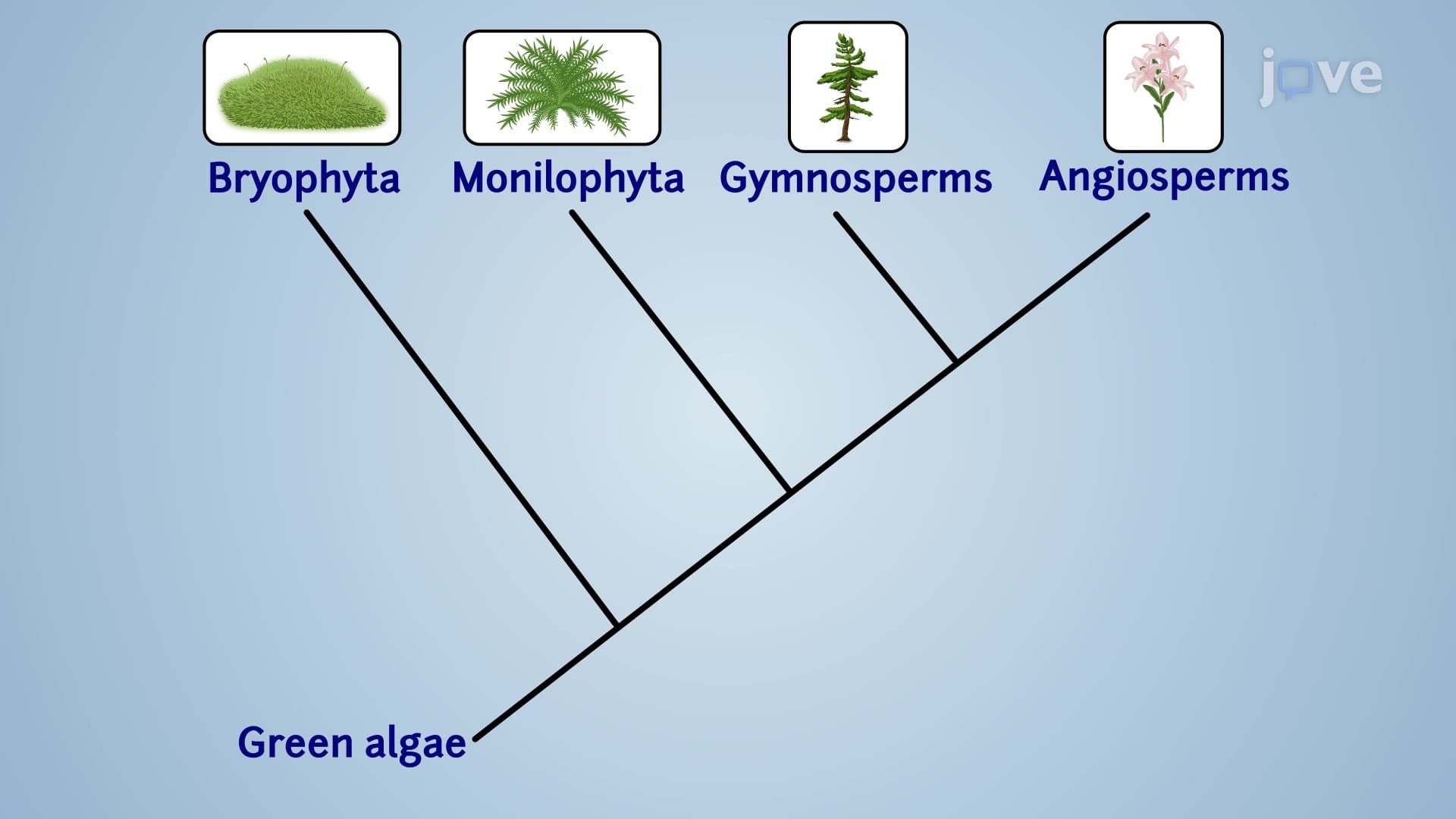
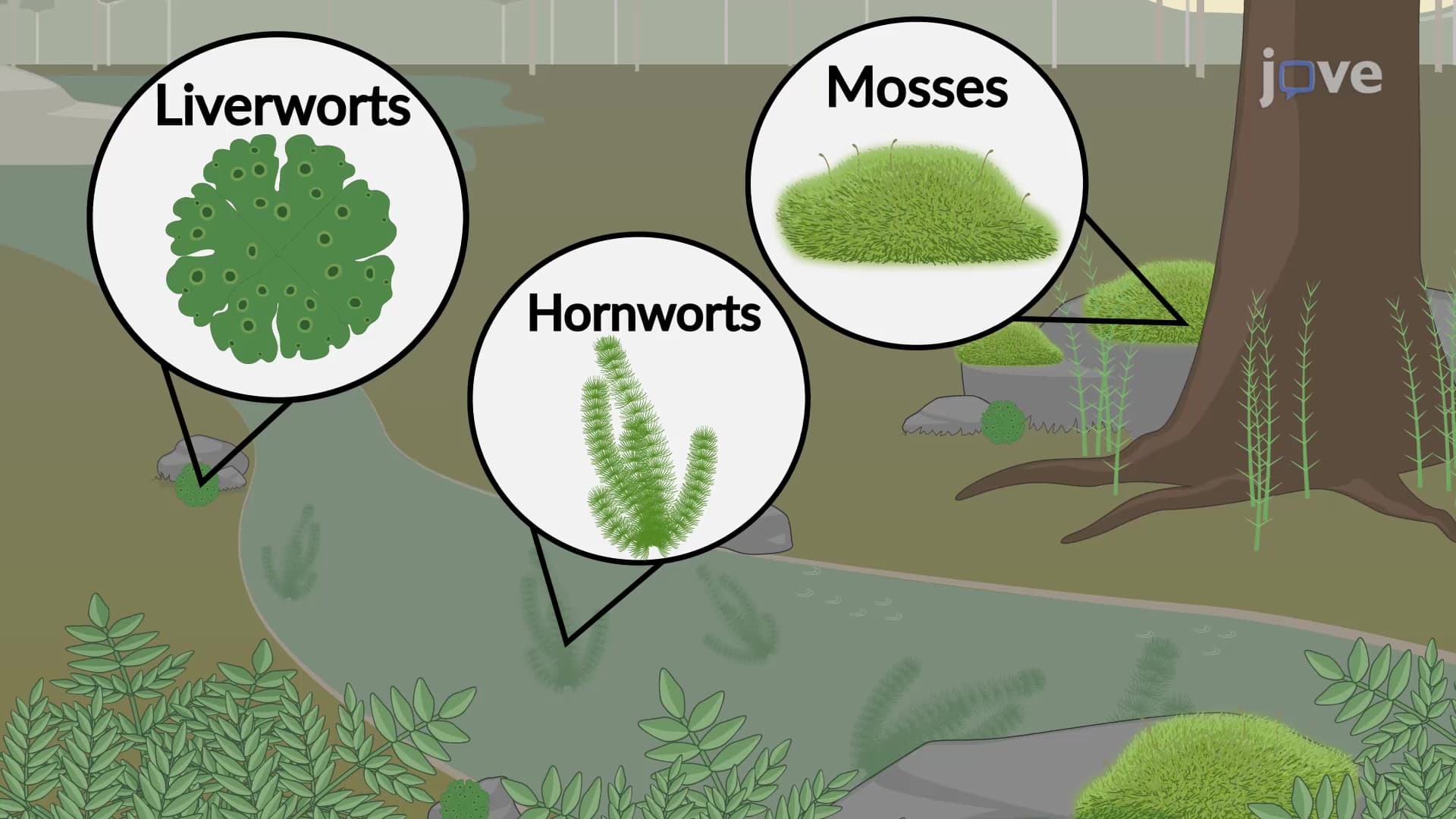
1. Plant Classification and Evolution: Plants evolved from aquatic ancestors to colonize land, developing into three major groups: nonvascular plants (mosses, liverworts, hornworts), seedless vascular plants (ferns, horsetails), and seed plants (gymnosperms and angiosperms). Each group represents evolutionary solutions to terrestrial challenges. Nonvascular plants like the mosses found in Pacific Northwest forests rely on diffusion for transport. Seedless vascular plants, including the Boston ferns common in American homes, developed specialized transport systems. Seed plants, from California redwoods to Texas bluebonnets, dominate modern landscapes with advanced reproductive strategies and efficient resource distribution systems.
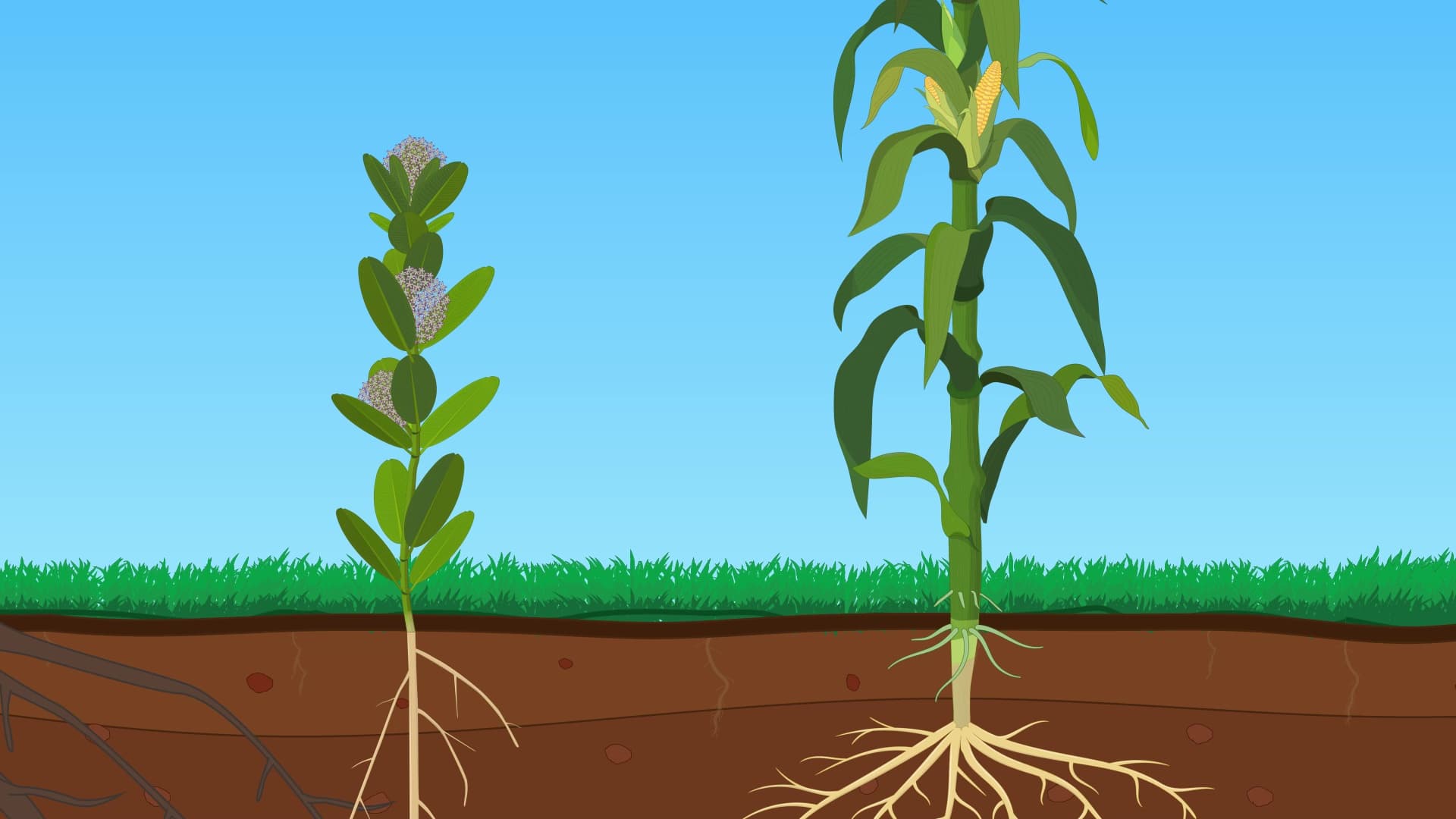
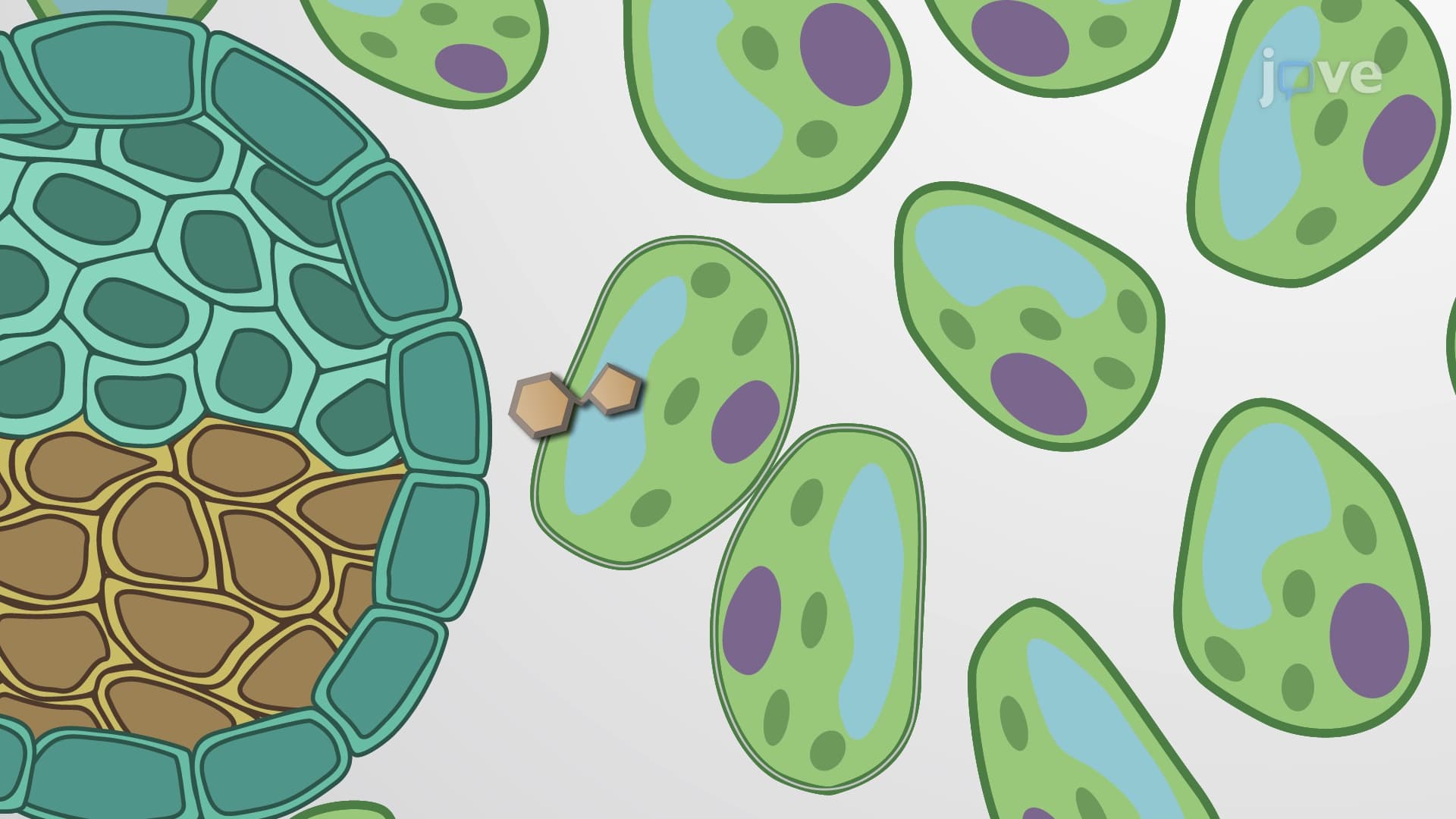
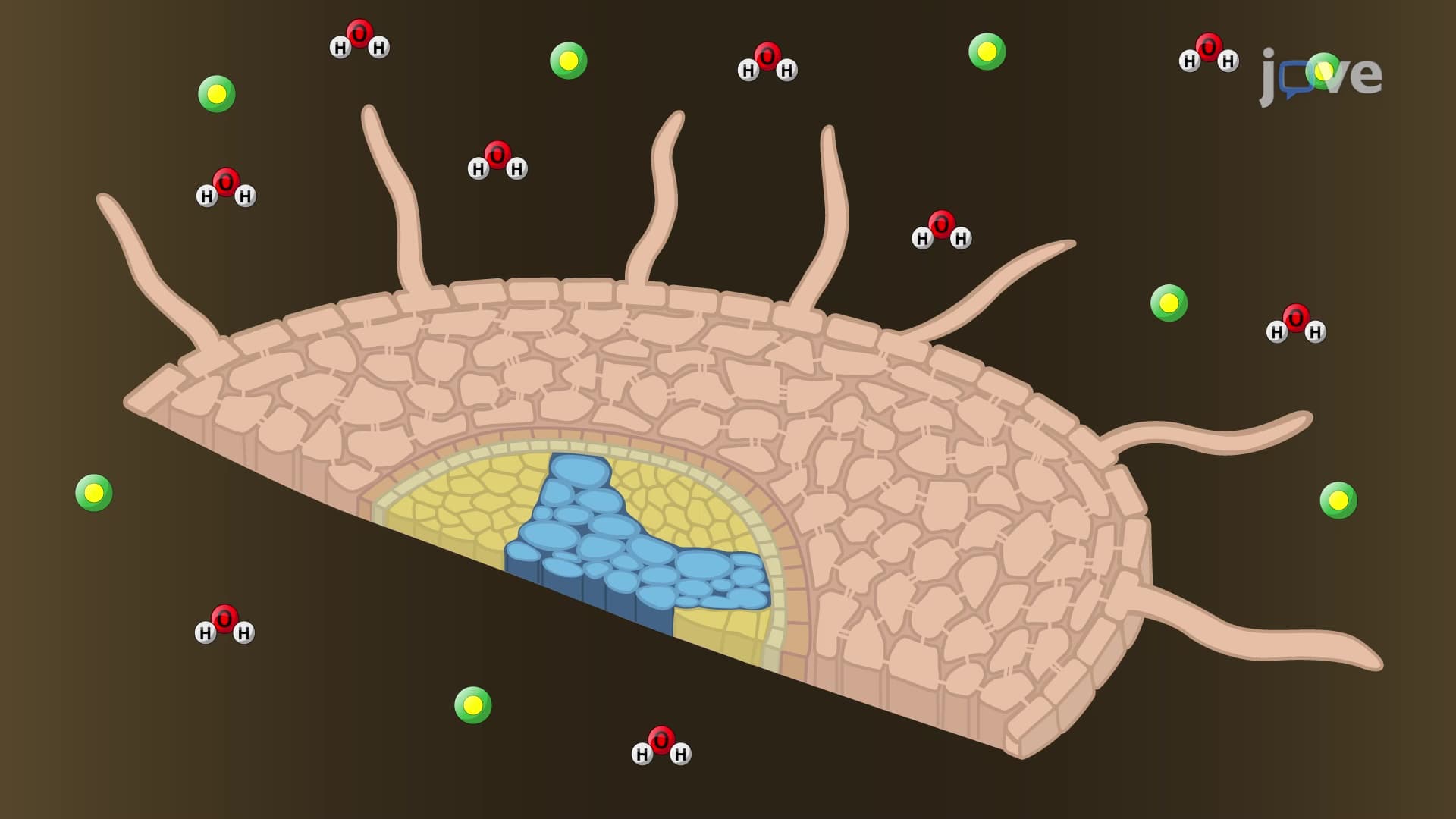
2. Root Systems and Soil Interactions: Plant roots serve dual functions of anchoring and resource acquisition through two main architectural patterns. Taproot systems, like those in dandelions across American lawns, feature a dominant central root penetrating deep soil layers with smaller lateral branches. Fibrous root systems, characteristic of grasses in Great Plains prairies, create shallow networks maximizing surface area contact. Root hairs increase absorption efficiency through cation exchange processes, where hydrogen ions displace soil nutrients like potassium and nitrogen. The endodermis with Casparian strips acts as a selective barrier, ensuring only beneficial substances enter the plant's vascular system while excluding potentially harmful compounds.
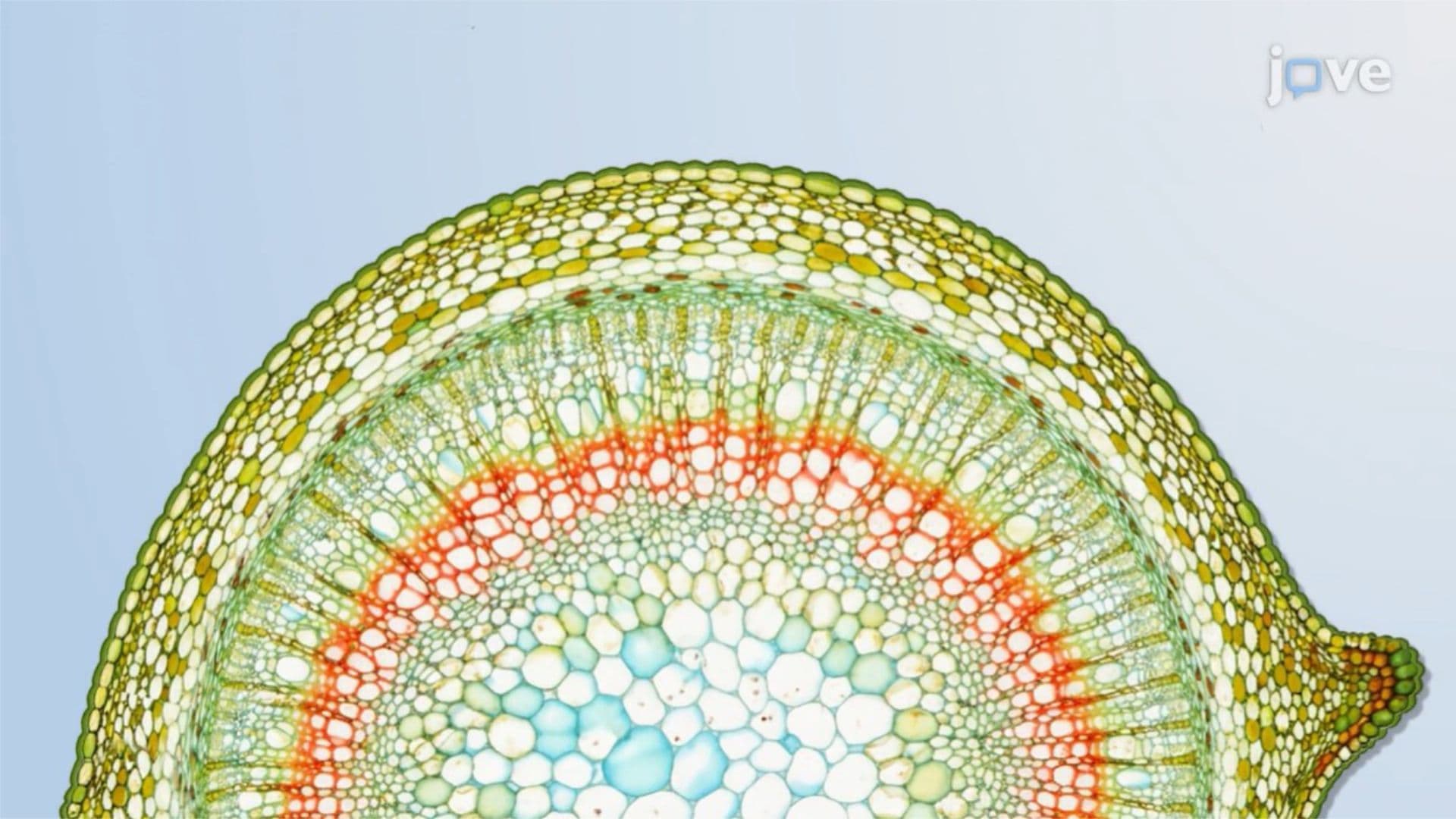
3. Stem Structure and Support Functions: Plant stems provide structural support while facilitating transport and positioning leaves for optimal light capture. Stems consist of nodes where leaves attach and internodes representing the spaces between attachment points. Vascular bundles within stems contain xylem for water transport and phloem for sugar distribution. In monocots like corn grown throughout the Midwest, vascular bundles scatter throughout the stem. Eudicots such as oak trees in Eastern forests arrange vascular tissue in organized rings. Secondary growth in woody plants creates annual rings visible in lumber from American forests, with spring wood showing larger cells than denser summer wood formations.
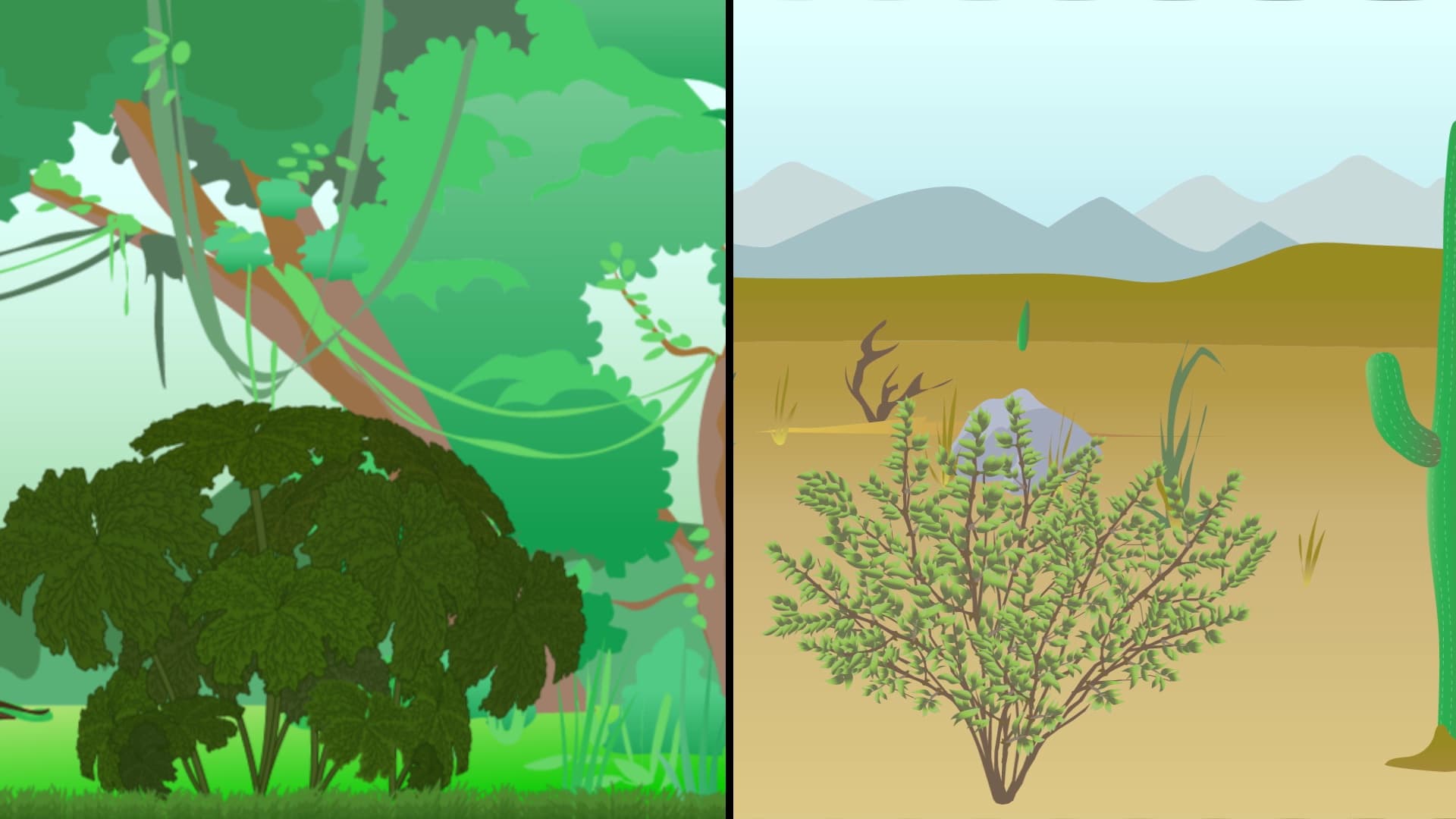
4. Leaf Architecture and Photosynthetic Efficiency: Leaf design reflects evolutionary compromises between light capture and water conservation across diverse American environments. Large leaves like those on ornamental plants in humid Southern states maximize photosynthesis but increase water loss. Small leaves, typical of desert plants in Southwestern states, reduce evaporation while maintaining essential gas exchange. Phyllotaxy arrangements (alternate, opposite, or whorled) optimize light interception while preventing self-shading. The leaf area index quantifies this efficiency, with values around 7 indicating optimal light capture without excessive shading of lower leaves, commonly observed in deciduous forests during peak growing seasons.
5. Meristematic Growth and Development: Plant growth occurs through specialized meristematic tissues containing undifferentiated cells capable of continuous division. Apical meristems at root and shoot tips drive primary growth, lengthening plant structures through organized zones of cell division, elongation, and differentiation. Primary meristems (protoderm, ground meristem, procambium) differentiate into mature tissues: dermal, ground, and vascular systems respectively. Secondary growth in woody plants involves lateral meristems creating increased girth through vascular cambium producing wood and cork cambium forming protective bark layers. This growth pattern enables American trees to reach impressive heights while maintaining structural integrity.
6. Water Transport and Transpiration: Water movement through plants operates via the transpiration-cohesion-tension mechanism, creating a continuous column from roots to leaves. Xylem vessels and tracheids form the transport highway, with water molecules held together by cohesive forces and pulled upward by transpiration from leaf surfaces. Stomata regulate this process through guard cell responses to environmental conditions, opening to facilitate gas exchange while closing to prevent excessive water loss. This system enables plants to transport water hundreds of feet vertically, as seen in California's giant sequoias, while maintaining proper hydration throughout all plant tissues despite gravitational challenges.
7. Phloem and Sugar Transport: The phloem system transports photosynthetically produced sugars from source tissues (typically leaves) to sink tissues (roots, fruits, growing points) through a pressure-flow mechanism. Companion cells support sieve tube elements in loading and unloading processes, creating pressure differentials that drive bulk flow. This system operates bidirectionally based on seasonal demands, moving sugars to developing fruits during summer months and to storage roots during autumn preparation for winter dormancy. Sugar maples in Vermont demonstrate this system's efficiency, accumulating enough stored energy to produce commercially valuable maple syrup each spring when transport reverses direction.
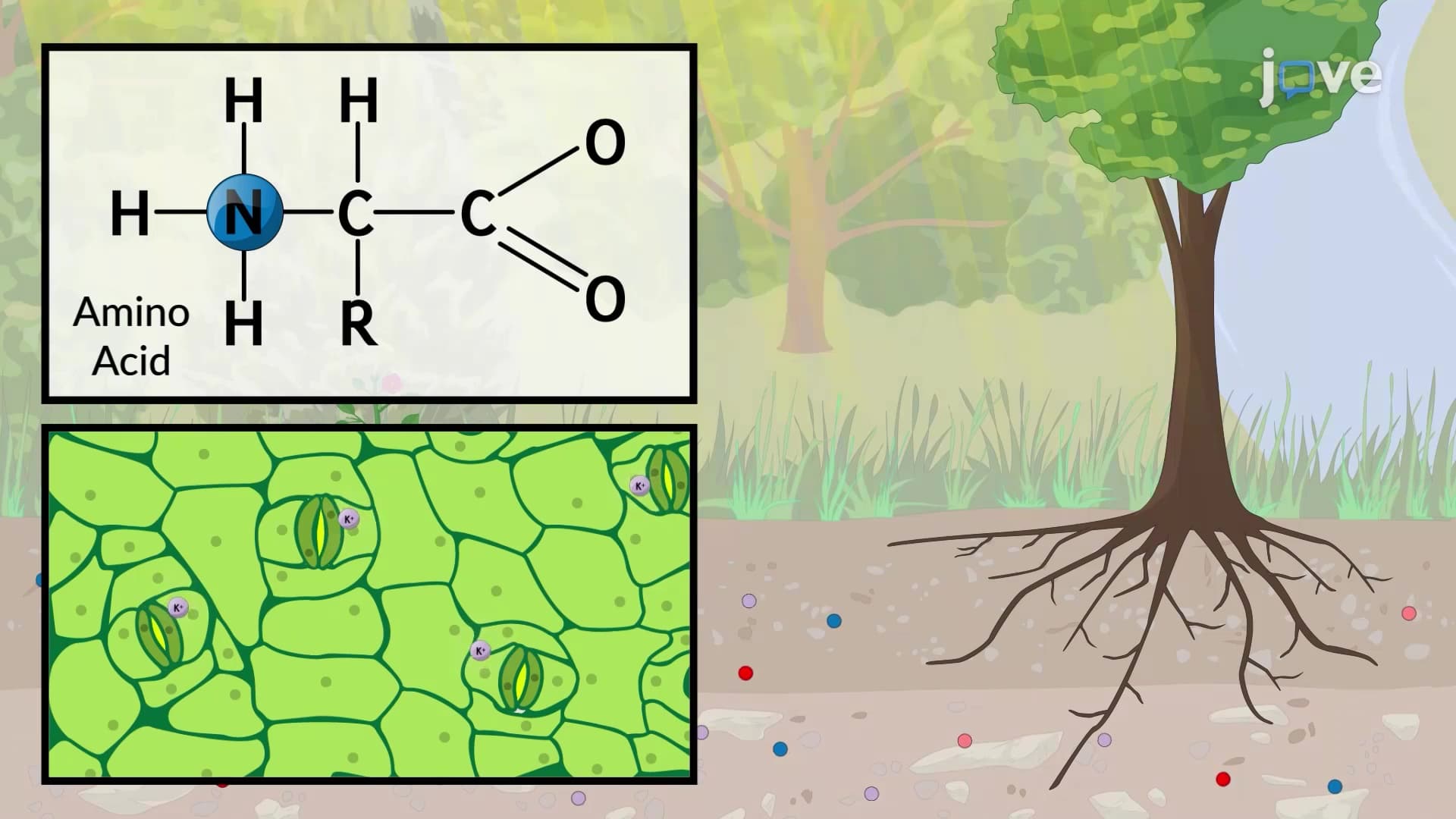
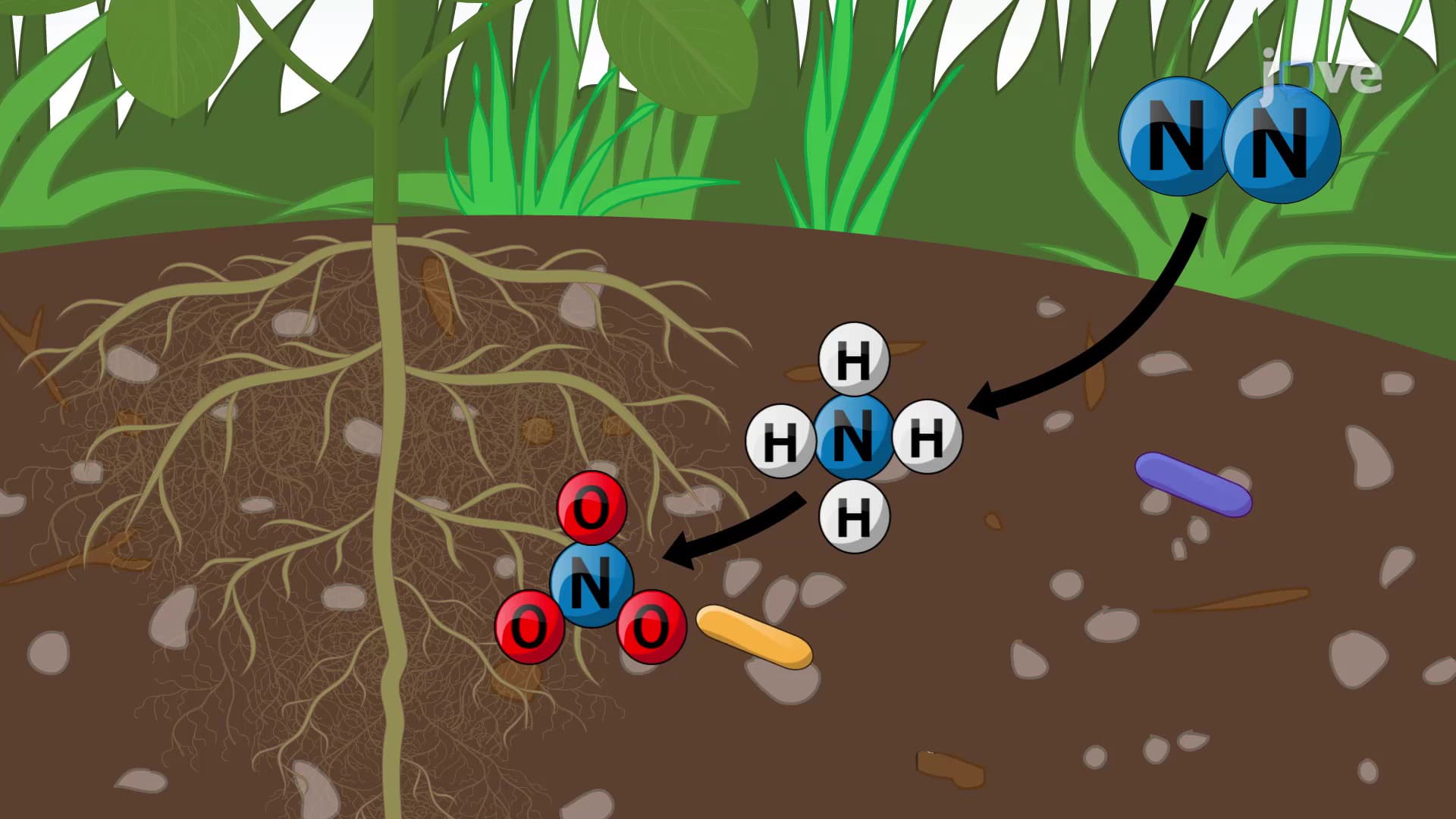
8. Plant Nutrition and Soil Ecosystems: Plants require essential macronutrients (nitrogen, phosphorus, potassium) and micronutrients (iron, manganese, zinc) obtained primarily through root absorption from soil solutions. Soil ecosystems involve complex interactions between plant roots, beneficial bacteria, and mycorrhizal fungi that enhance nutrient availability and uptake efficiency. Nitrogen-fixing bacteria in legume root nodules convert atmospheric nitrogen into usable forms, explaining why farmers across American agricultural regions rotate crops with soybeans or clover. Some plants have evolved specialized nutritional strategies, including carnivorous plants like Venus flytraps in North Carolina bogs and epiphytes like Spanish moss throughout the Southeast, demonstrating remarkable adaptations to nutrient-poor environments.