Loading subject page…

- Biology
- Cellular Respiration
- What is Glycolysis?
Micro-course: Cellular Respiration
1,769,101 views
Learn key concepts and earn your certificate.

What is Glycolysis?

00:00
00:56
Video Summary: Glycolysis Definition
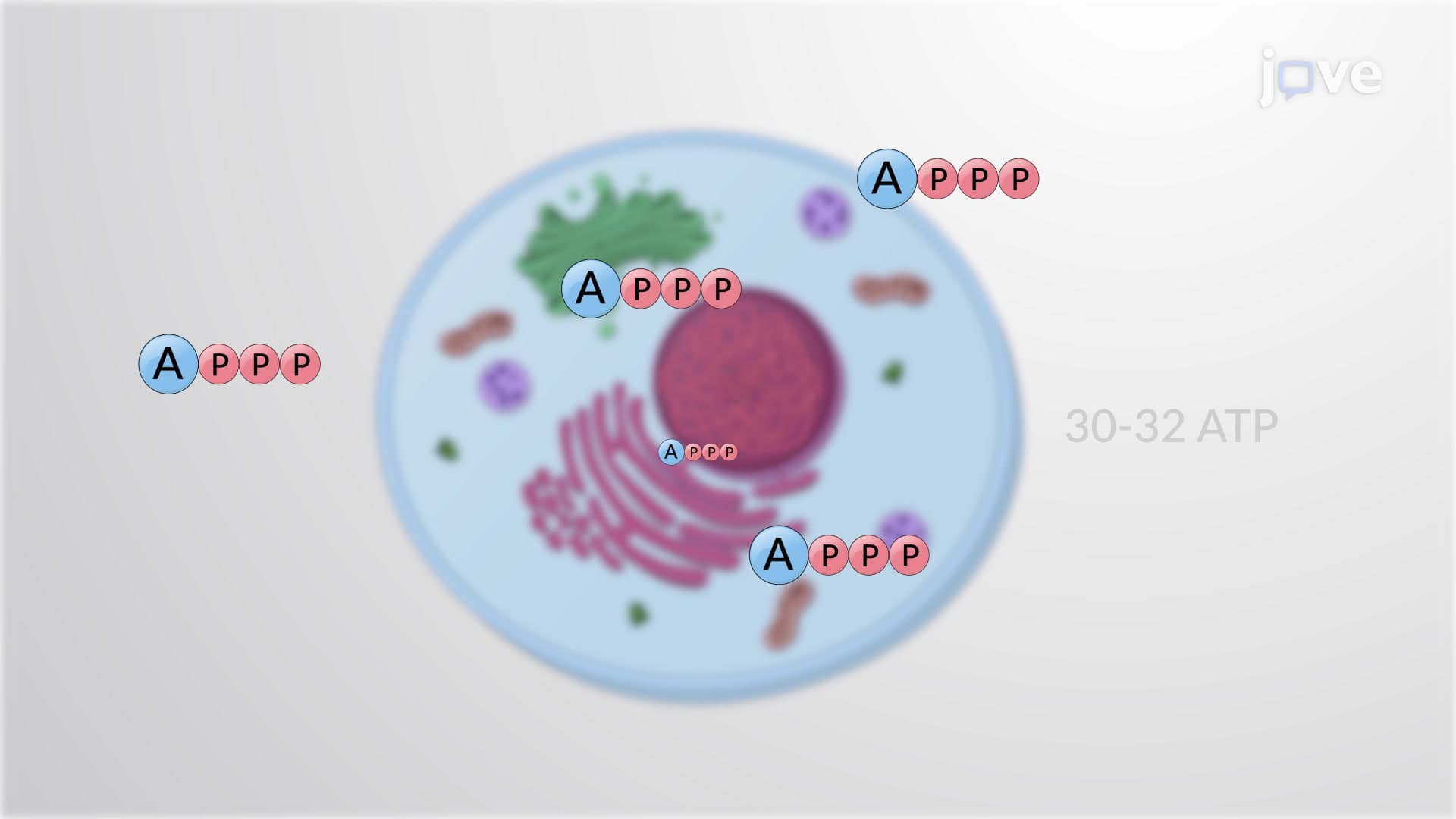
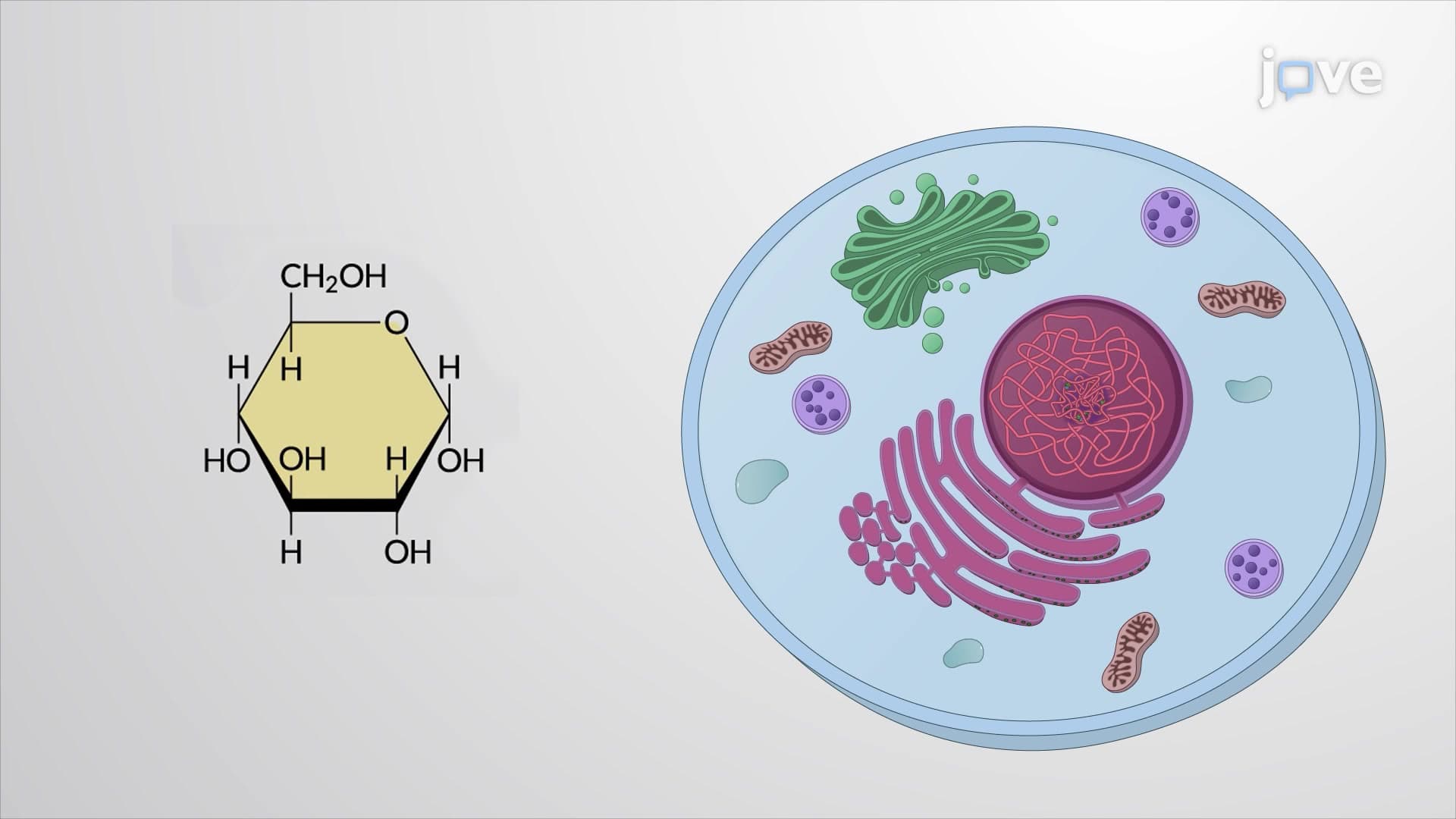
Ever wonder how your muscles get instant energy during a sprint? Glycolysis powers the explosive performance you see in NFL players during crucial plays, breaking down glucose to fuel rapid cellular energy production. This essential metabolic pathway transforms sugar molecules into usable ATP through two distinct phases in your cell's cytoplasm. Watch the full video on JoVE Coach to master this concept with expert-led visuals and step-by-step explanations.
- Understand the glycolysis definition as a fundamental metabolic pathway that converts glucose into pyruvate while generating ATP
- Identify the two main phases of glycolysis: the energy-investment phase and the energy-payoff phase
- Analyze how glucose transforms into two three-carbon molecules through enzymatic reactions in the cytoplasm
- Compare the energy input versus energy output to determine the net ATP gain from glycolysis
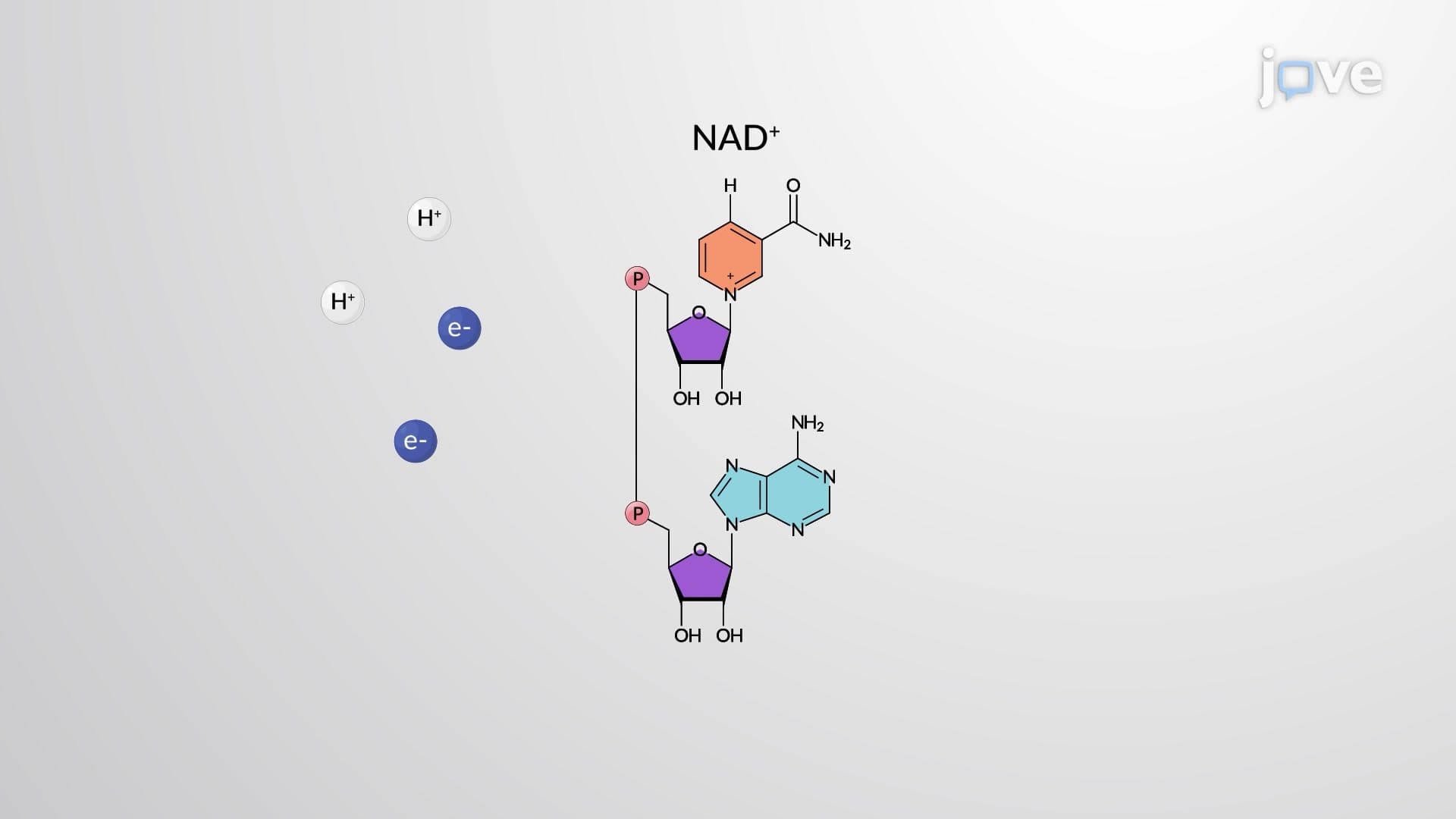
- Evaluate the role of key enzymes and cofactors like NADH in the glycolytic pathway
- Apply knowledge of glycolysis to understand cellular respiration's first stage
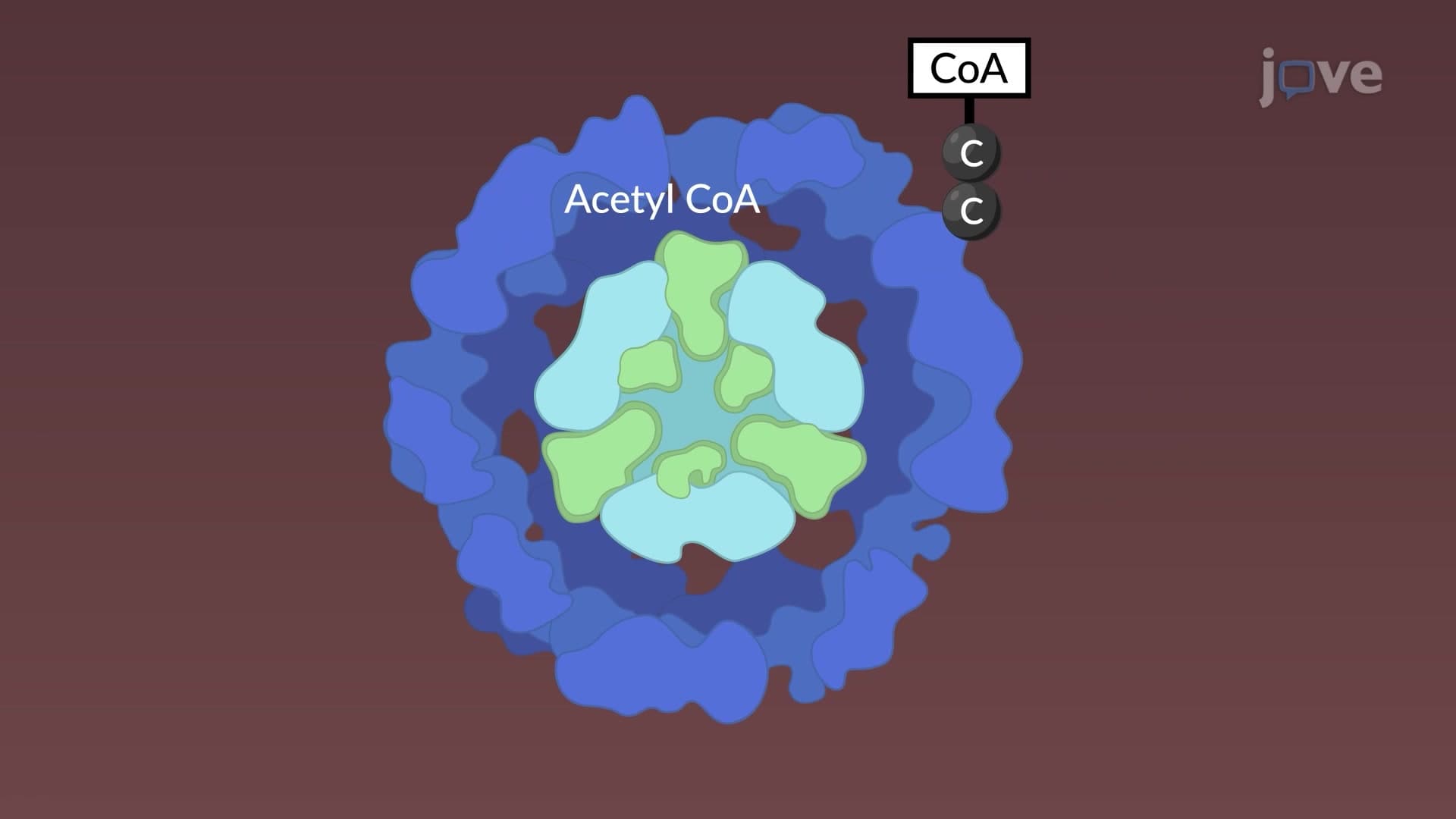
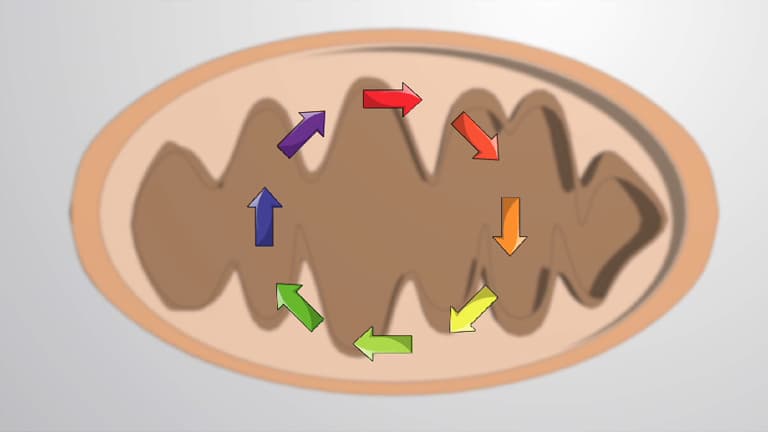
- Recognize how pyruvate molecules connect glycolysis to the citric acid cycle in mitochondria
- Explore the relationship between glycolysis and anaerobic versus aerobic cellular respiration
Understanding Glycolysis: The Cell's Energy Highway
Glycolysis serves as the universal starting point for cellular energy production across all living organisms. This ancient metabolic pathway occurs in the cytoplasm of every cell, from the neurons firing in your brain to the muscle fibers contracting in your heart. Unlike other energy-producing processes, glycolysis doesn't require oxygen, making it essential for survival during intense exercise or emergency situations.
The Two-Phase Energy Transformation Process
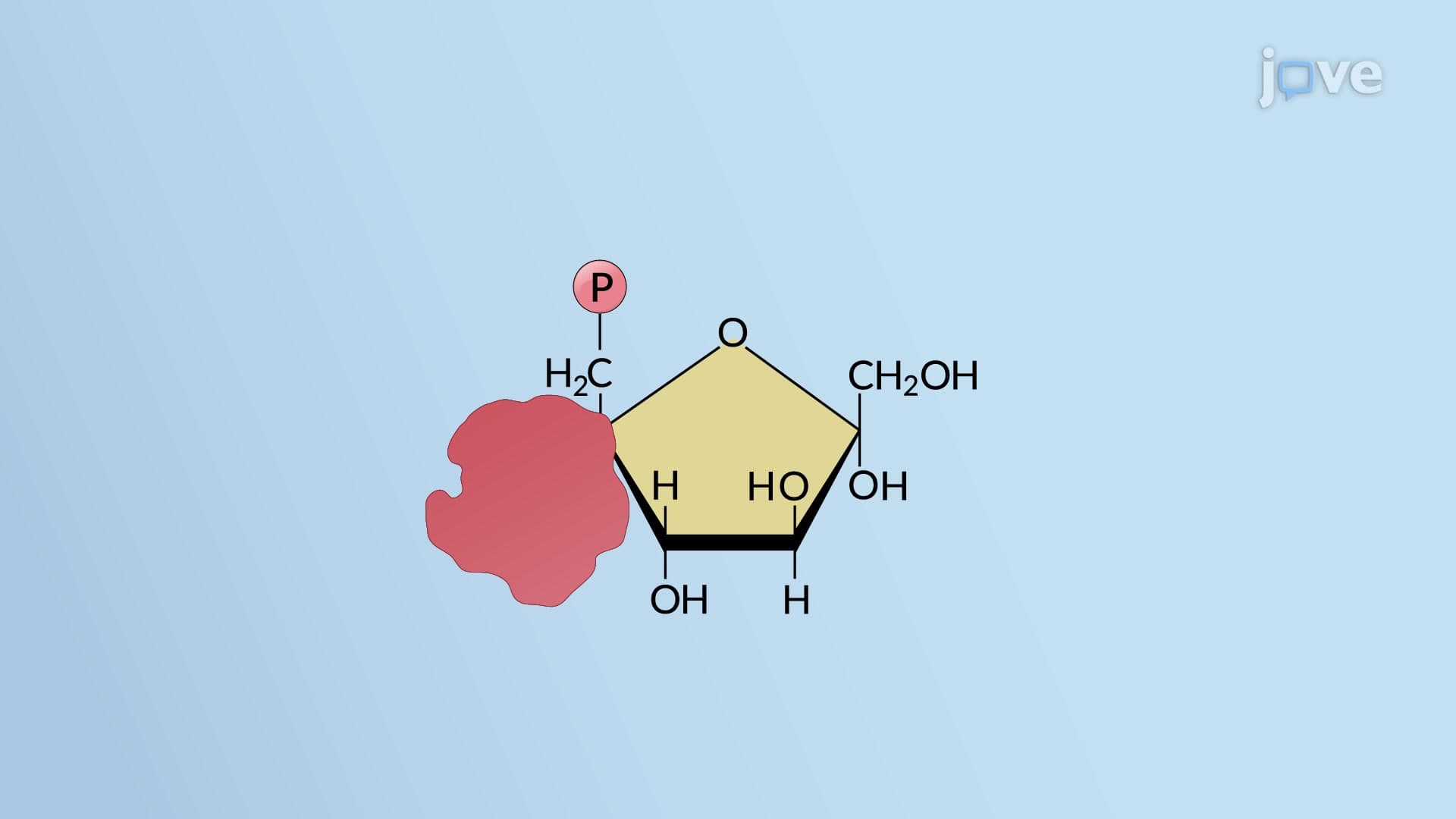
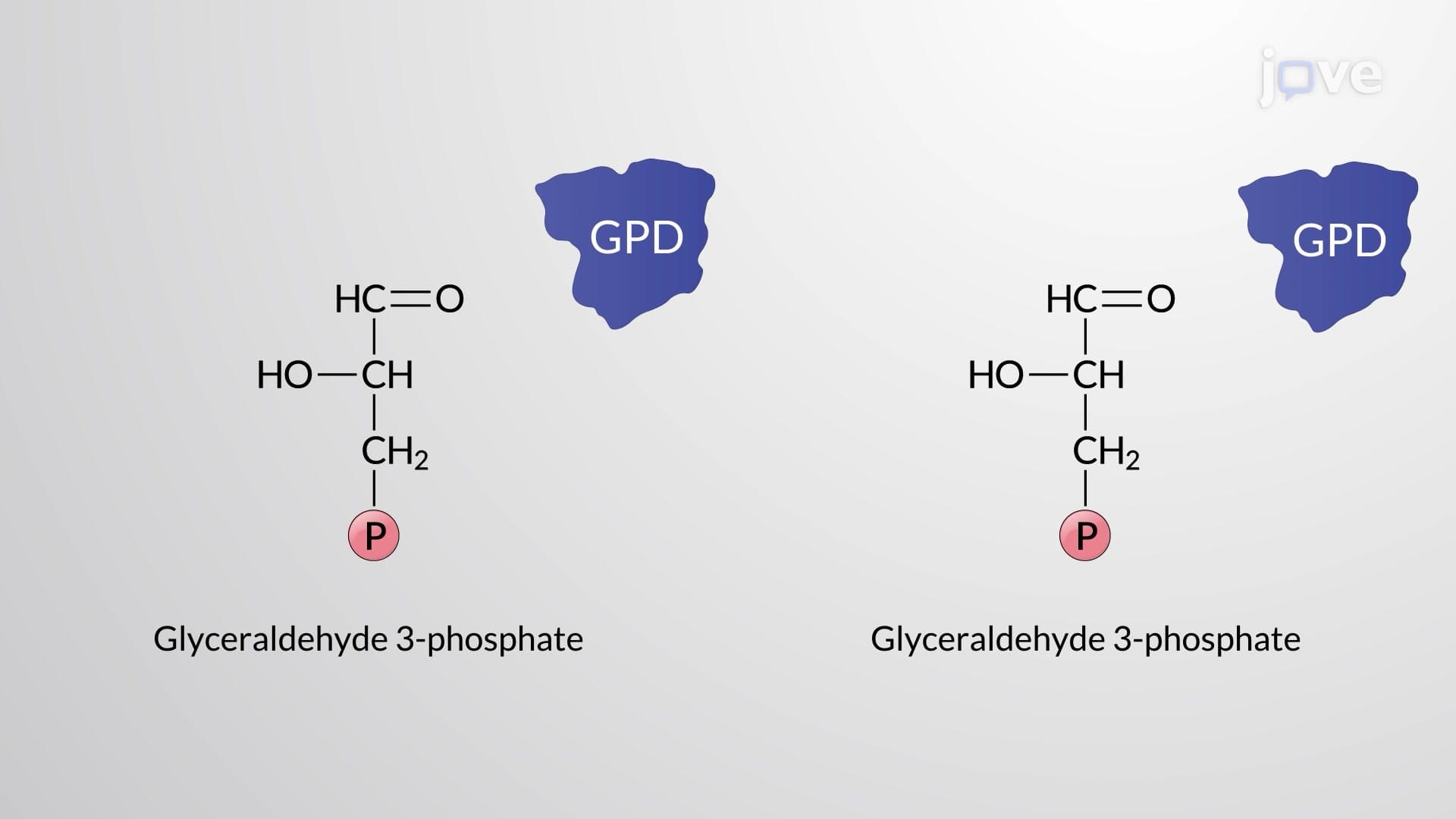
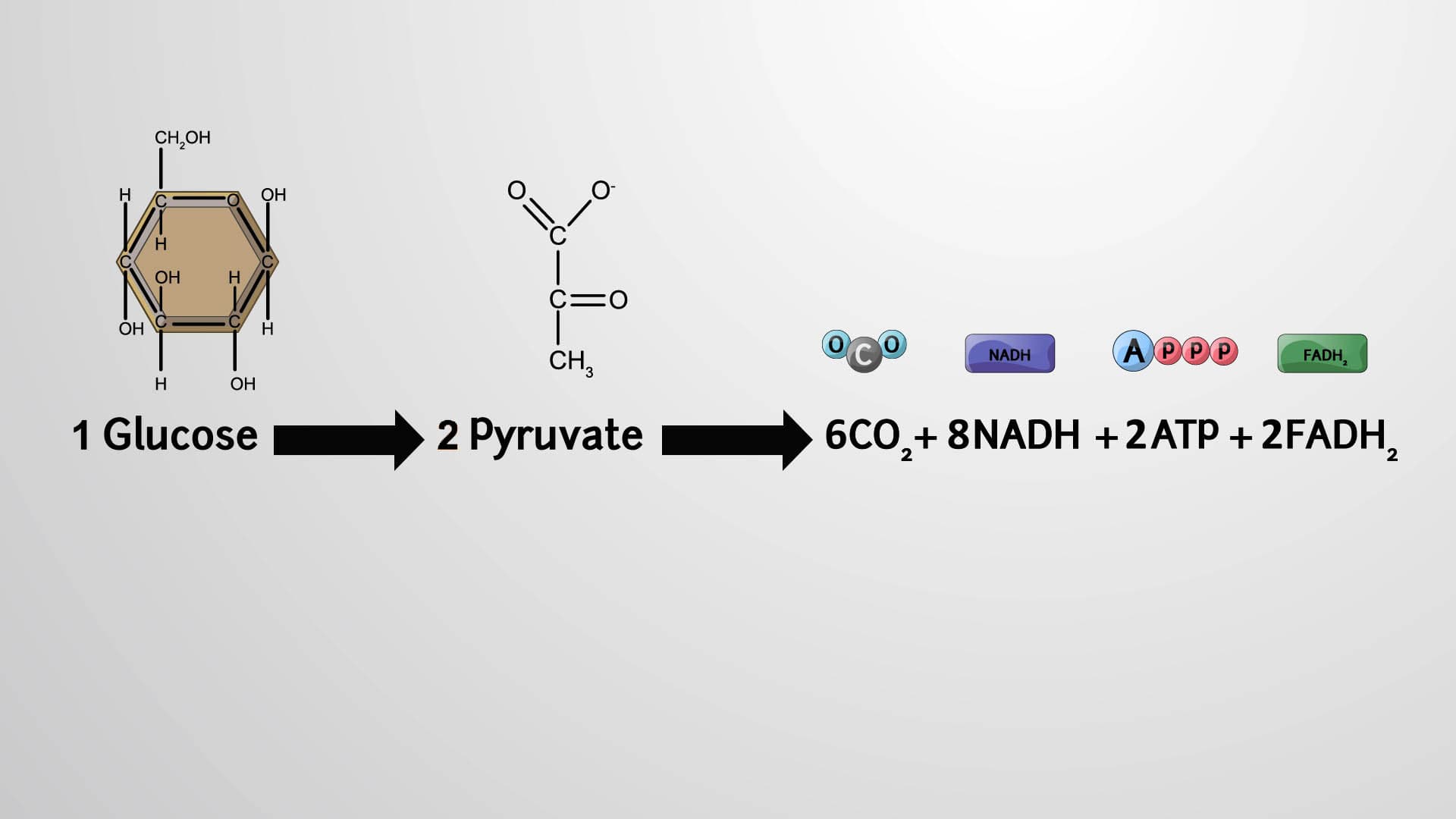
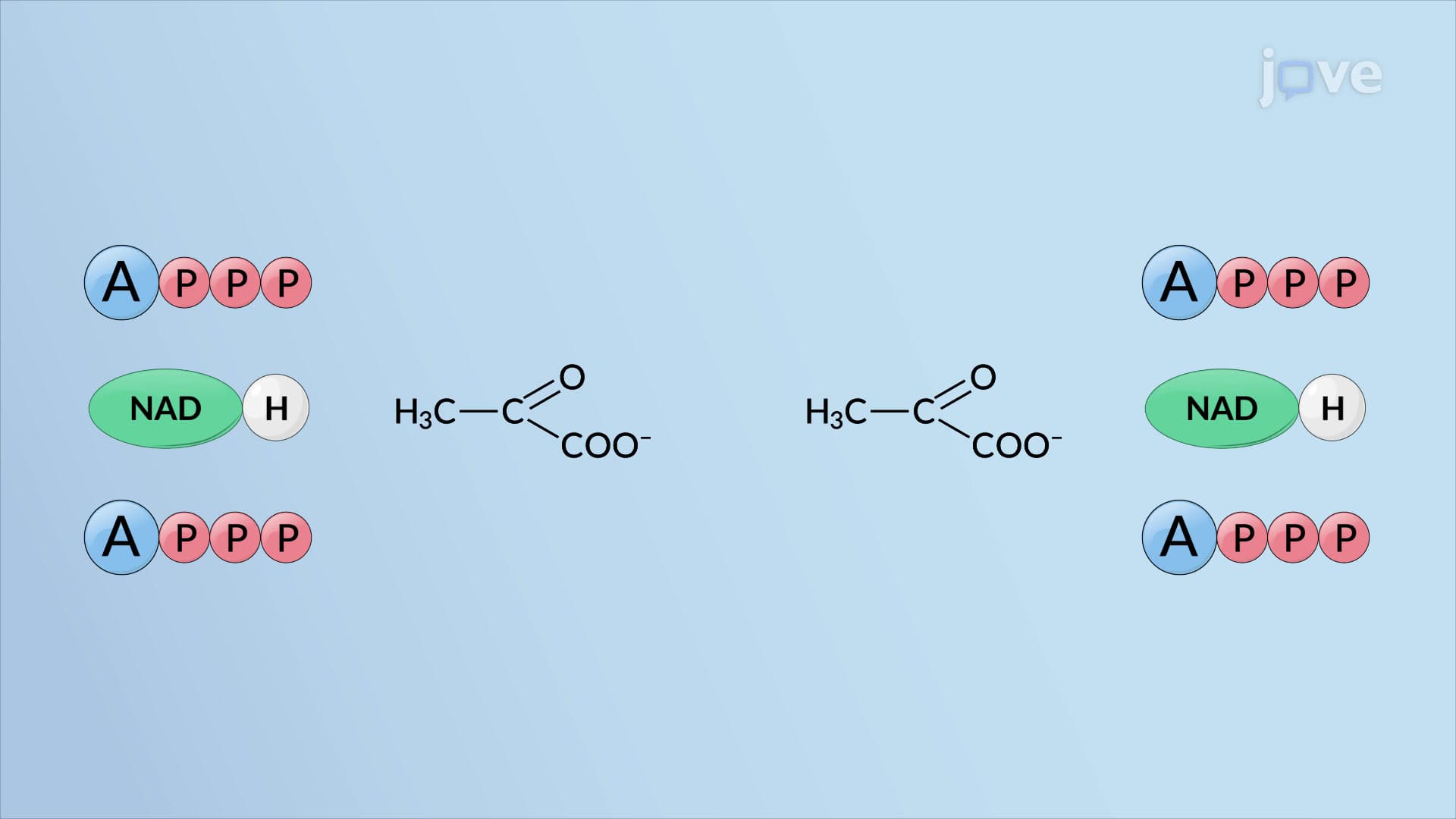
The glycolytic pathway consists of ten enzymatic steps organized into two distinct phases. During the preparatory phase (steps 1-5), cells invest two ATP molecules to phosphorylate and rearrange glucose into two glyceraldehyde 3-phosphate molecules. This upfront energy investment is similar to priming a pump-necessary for the greater energy yield that follows.
The payoff phase (steps 6-10) harvests energy by converting each glyceraldehyde 3-phosphate into pyruvate. This phase generates four ATP molecules and two NADH molecules per glucose molecule. The net result provides cells with two ATP molecules and two NADH molecules, along with two pyruvate molecules ready for further energy extraction.
Clinical and Academic Relevance
Understanding glycolysis proves crucial for success on standardized exams including the MCAT, AP Biology, and college biochemistry courses. Medical students studying for the USMLE frequently encounter questions about glycolytic regulation and its role in diseases like diabetes. The pathway becomes particularly important when analyzing how cancer cells rely heavily on glycolysis for rapid energy production-a phenomenon known as the Warburg effect.
Real-World Applications in Human Performance
Athletes and fitness enthusiasts witness glycolysis in action during high-intensity activities. When Olympic sprinters explode from starting blocks, their muscle cells rapidly break down stored glucose through glycolysis to meet immediate energy demands. This explains why intense exercise can continue even when oxygen delivery becomes limited, though the accumulation of lactate (from pyruvate) eventually leads to muscle fatigue.
Frequently Asked Questions
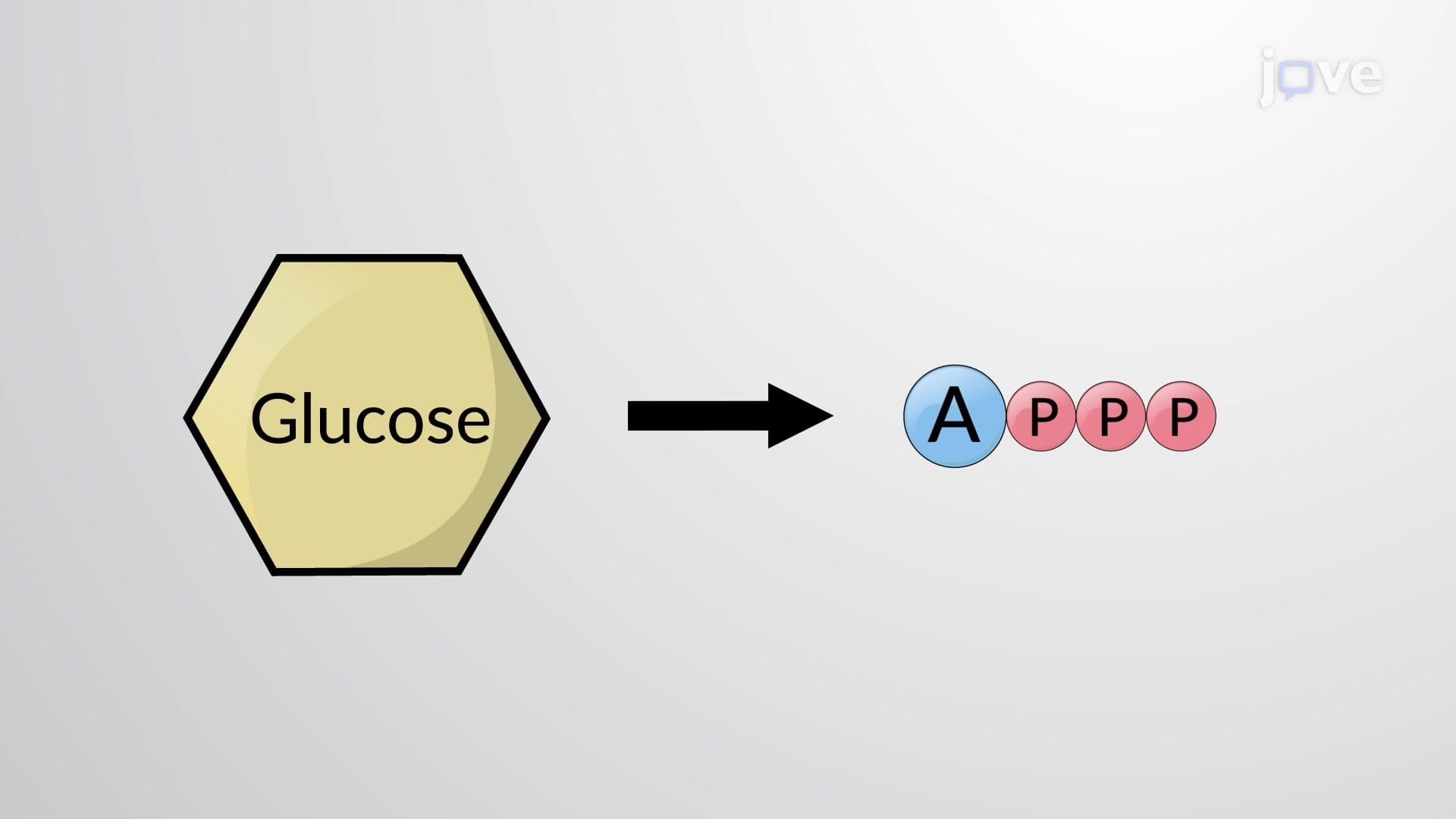
Glycolysis is the metabolic process that breaks down glucose (sugar) into two pyruvate molecules while producing energy in the form of ATP. This process occurs in the cell's cytoplasm and serves as the first step in cellular respiration, providing immediate energy for cellular functions.
MCAT questions often test glycolytic regulation, enzyme inhibition, and energy calculations, while AP Biology focuses on the pathway's steps and net ATP production. Both exams frequently ask students to analyze how glycolysis connects to other metabolic pathways like fermentation and the citric acid cycle.
Disrupted glycolysis can lead to serious health issues, as seen in hereditary fructose intolerance where enzyme deficiencies cause toxic buildup of metabolites. Cancer treatments sometimes target glycolytic enzymes since rapidly dividing tumor cells depend heavily on this pathway for energy.
Basic high school chemistry provides sufficient background for understanding glycolysis concepts. Familiarity with simple organic molecules, phosphate groups, and enzyme function helps, but the pathway can be learned through memorization and pattern recognition without deep chemical mechanisms.
Focus on the big picture first: glucose in, two pyruvate out, net gain of 2 ATP and 2 NADH. Use mnemonics for enzyme names and practice drawing the pathway repeatedly. Many students find success grouping the ten steps into the two main phases rather than memorizing individual reactions.
In diabetes, cells struggle to uptake glucose efficiently, affecting glycolytic energy production and leading to elevated blood sugar levels. Understanding glycolysis helps explain why diabetic patients may experience fatigue and why glucose monitoring becomes crucial for managing the condition effectively.
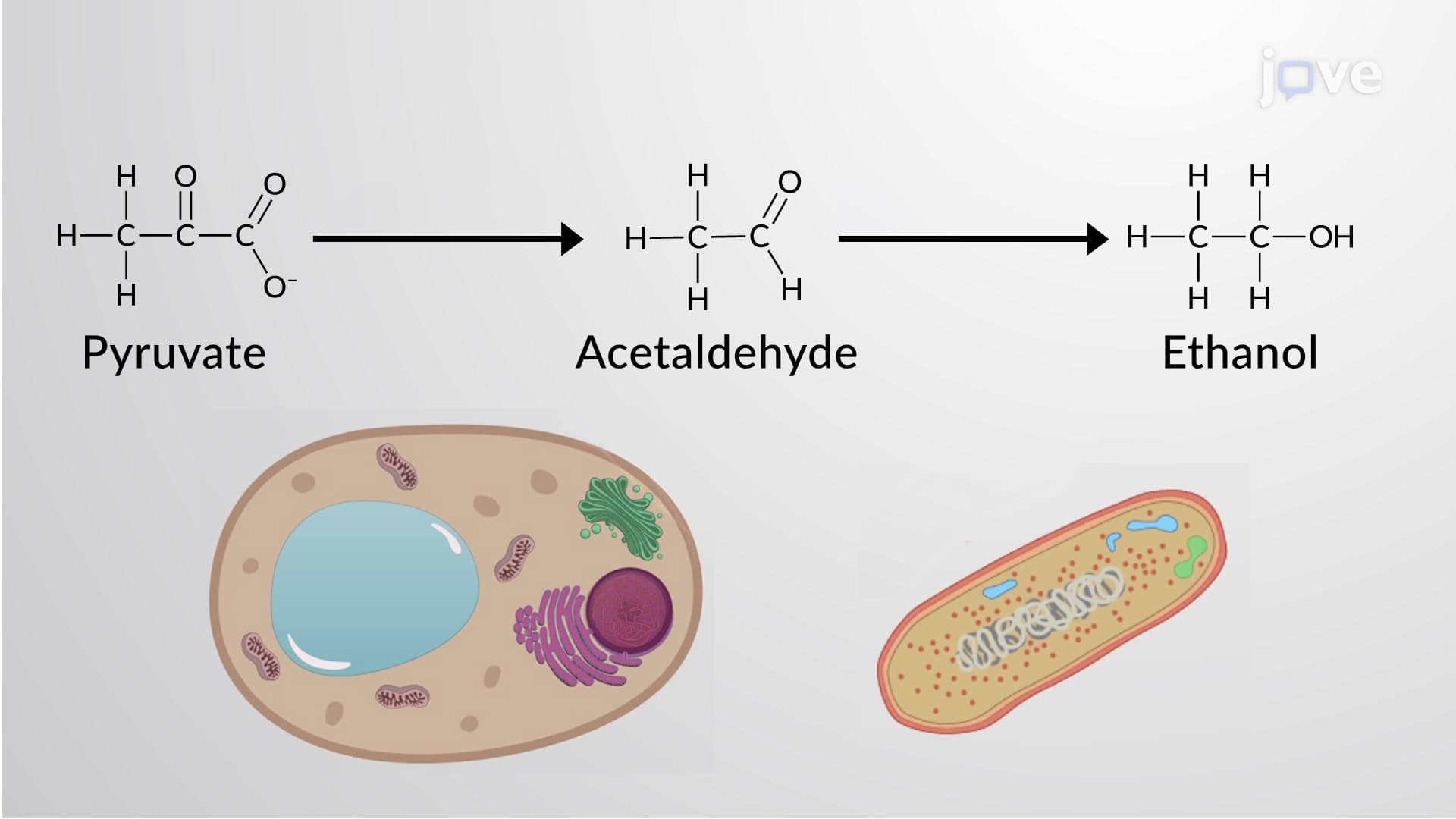
The citric acid cycle (Krebs cycle) and electron transport chain naturally follow glycolysis in the complete cellular respiration sequence. Additionally, studying fermentation pathways helps explain what happens to pyruvate when oxygen isn't available for further processing.
Related Micro-courses