Loading subject page…

- Biology
- Cellular Respiration
- Electron Transport Chains
Micro-course: Cellular Respiration
1,769,101 views
Learn key concepts and earn your certificate.

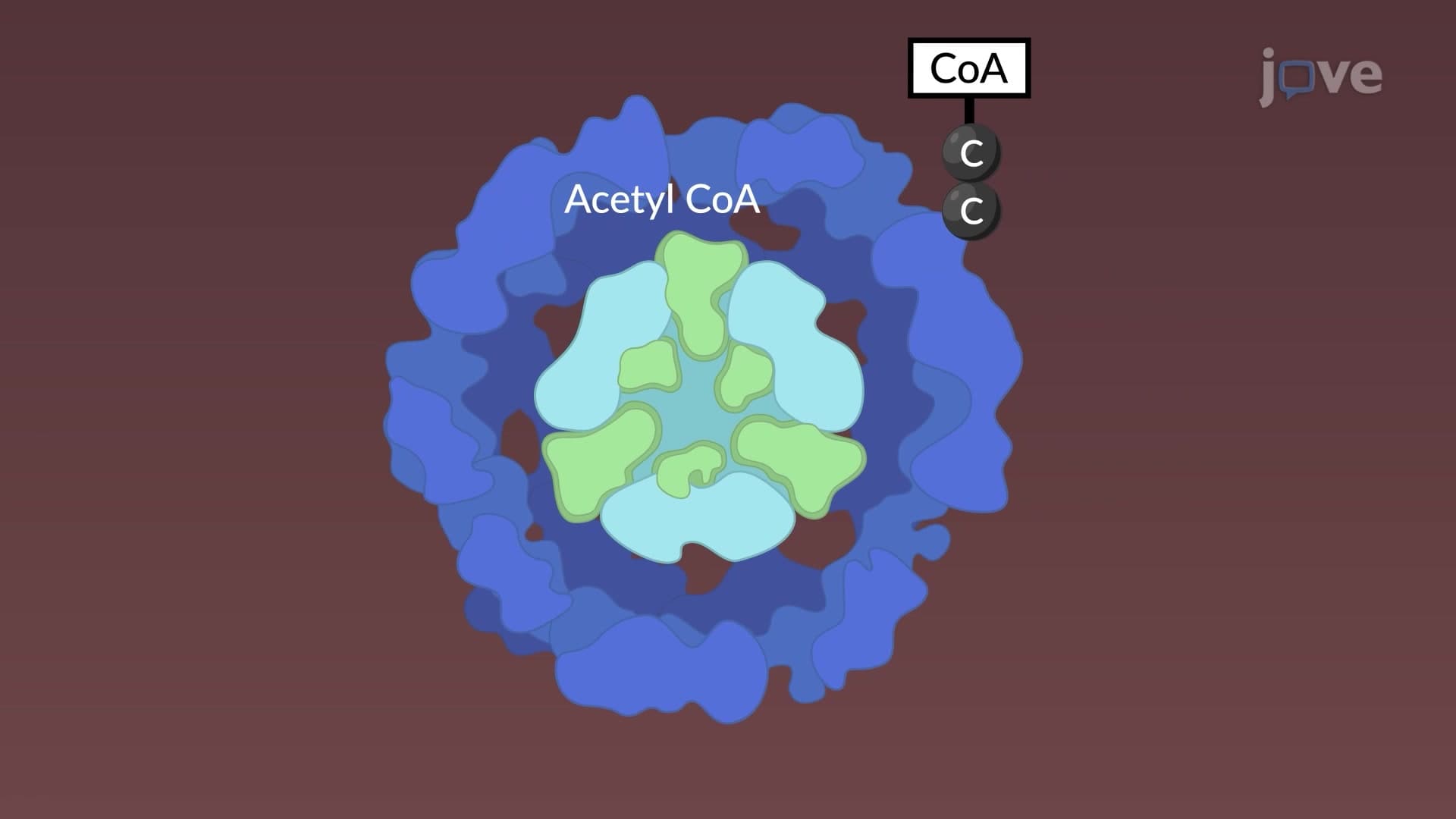
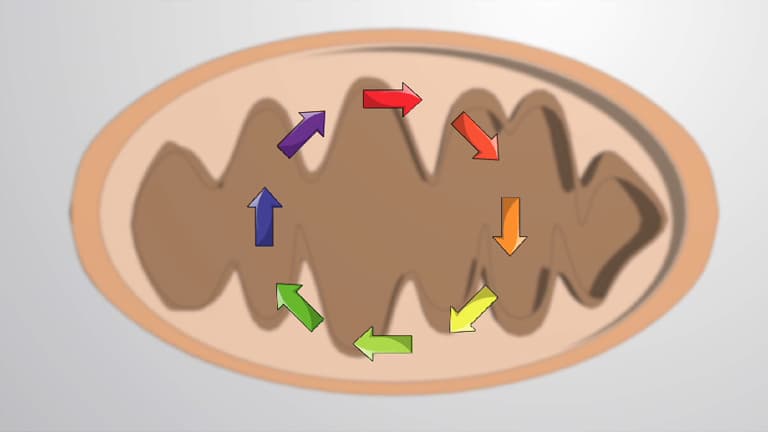
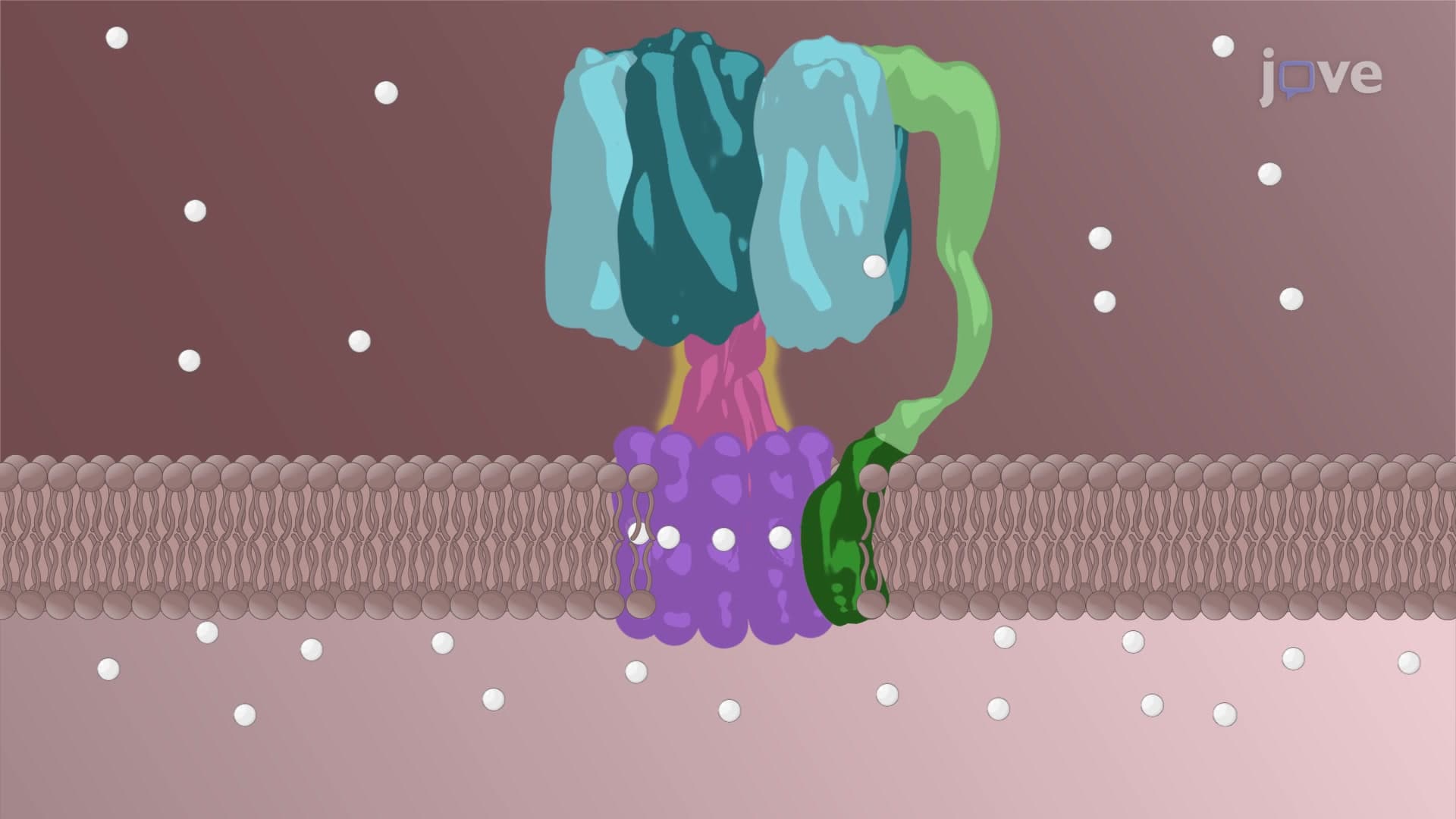
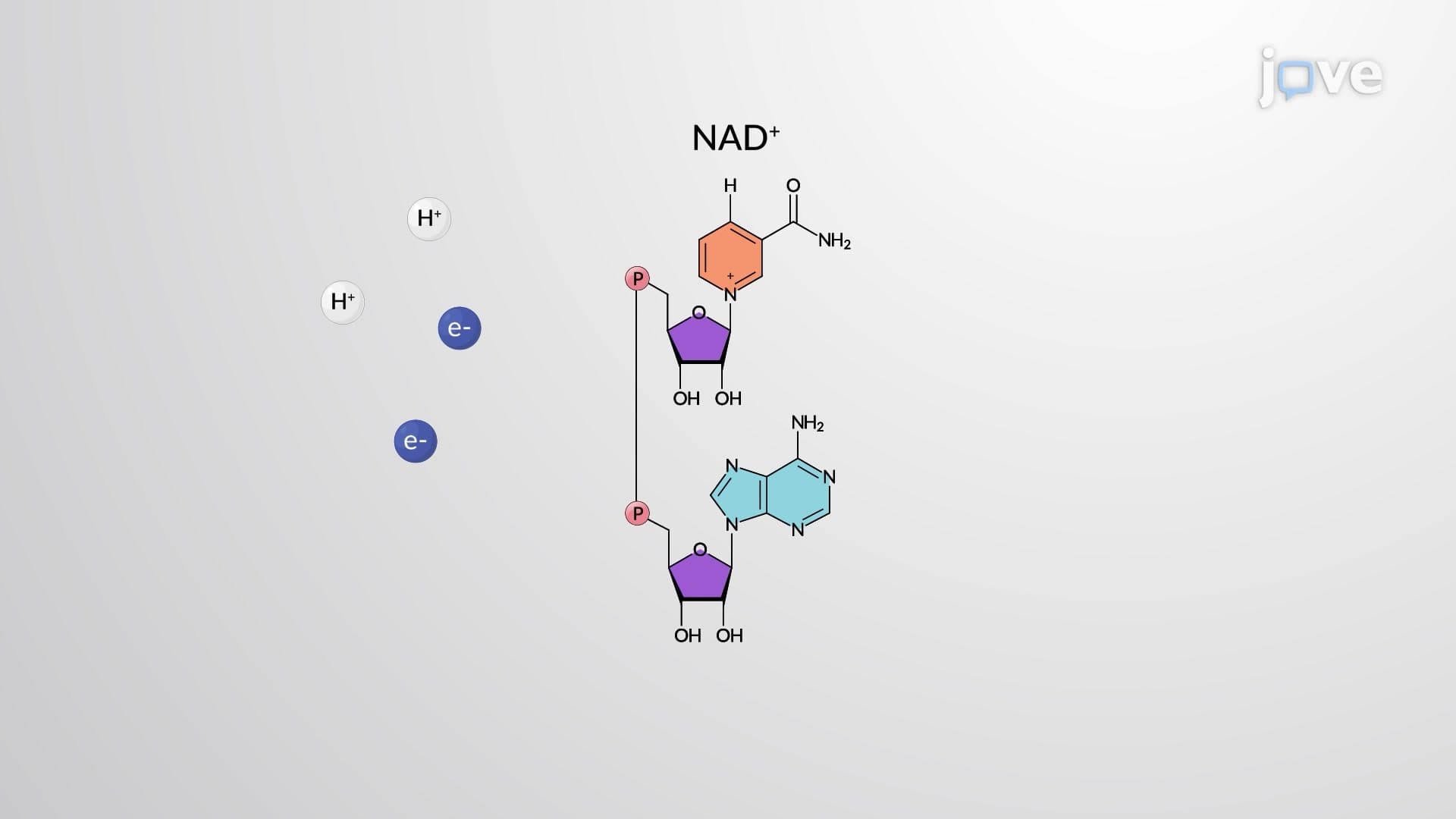
Electron Transport Chains

00:00
01:28
Video Summary: What Is Electron Transport Chains
Ever wonder how your morning coffee gets converted into energy for your brain cells? Electron transport chains are the cellular powerhouses that transform food molecules into usable energy through a precisely orchestrated molecular assembly line. Inside every mitochondrion in your body-from muscle cells powering a marathon runner to neurons firing during an exam-these protein complexes work tirelessly to generate ATP. Watch the full video on JoVE Coach to master this concept with expert-led visuals and step-by-step explanations.
- Understand what electron transport chains are and how they function as the final stage of cellular respiration
- Identify the four major protein complexes (I-IV) and mobile electron carriers that comprise the electron transport system
- Analyze how NADH and FADH2 donate electrons at different entry points in the transport chain
- Compare the roles of coenzyme Q and cytochrome c as mobile electron shuttles between complexes
- Evaluate how the proton gradient created by electron transport drives ATP synthesis
- Apply knowledge of chemiosmosis to explain how electron flow generates cellular energy
- Recognize the importance of oxygen as the terminal electron acceptor in aerobic respiration
- Explore how electron transport chain dysfunction relates to metabolic diseases and aging
Understanding Electron Transport Chains: The Cellular Energy Factory
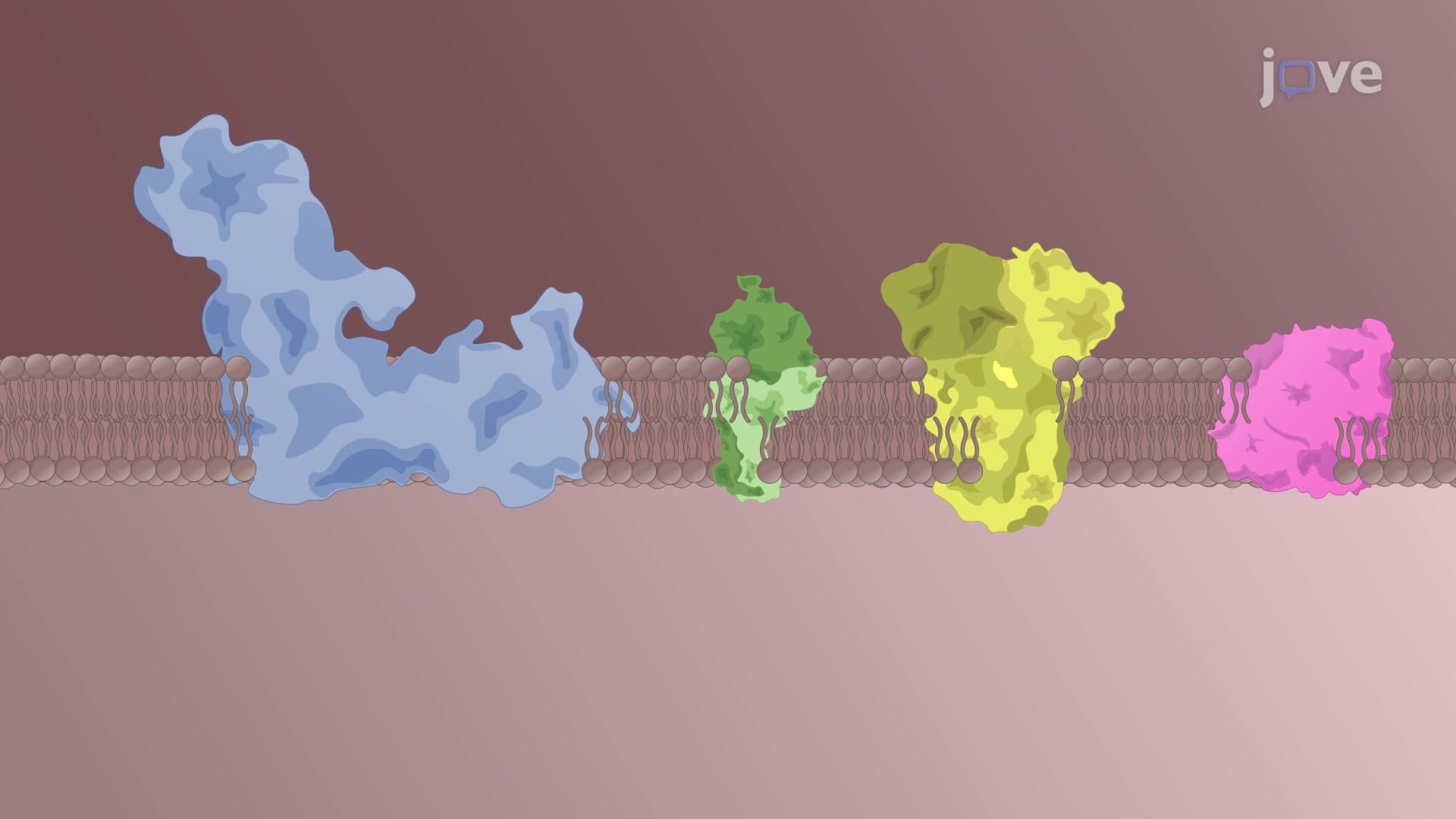
Electron transport chains represent one of biology's most elegant energy conversion systems, transforming the chemical energy stored in food molecules into ATP-the universal cellular currency. Located in the inner mitochondrial membrane, these molecular machines consist of four major protein complexes working in concert to extract maximum energy from electrons derived from glucose breakdown.
The Four-Complex Assembly Line
The electron transport system operates like a sophisticated manufacturing pipeline. Complex I (NADH dehydrogenase) receives high-energy electrons from NADH, while Complex II (succinate dehydrogenase) accepts electrons from FADH2. These electrons then travel through Complex III (cytochrome bc1) and finally reach Complex IV (cytochrome c oxidase), where they combine with oxygen to form water.
This process isn't random-it follows thermodynamic principles that ensure energy release occurs in manageable steps. Each electron transfer releases energy that powers proton pumps, creating the electrochemical gradient essential for ATP production. Students preparing for AP Biology or college biochemistry courses should understand this as a prime example of coupled reactions in biological systems.
Mobile Electron Carriers: The Cellular Messengers
Coenzyme Q (ubiquinone) and cytochrome c serve as mobile electron shuttles, physically moving between complexes to transfer electrons. Think of them as molecular delivery trucks navigating the membrane landscape. Coenzyme Q, being lipid-soluble, moves freely within the membrane bilayer, while cytochrome c operates in the intermembrane space.
Real-World Applications and Clinical Relevance
Understanding electron transport chains proves crucial for medical students tackling MCAT biochemistry sections or nursing students preparing for NCLEX pharmacology questions. Many medications affect mitochondrial function-for example, the diabetes drug metformin partially inhibits Complex I, while certain antibiotics can disrupt electron transport.
Athletic performance also depends heavily on efficient electron transport. Endurance training increases mitochondrial density and electron transport chain efficiency, explaining why trained athletes can sustain high energy output longer than sedentary individuals.
Frequently Asked Questions
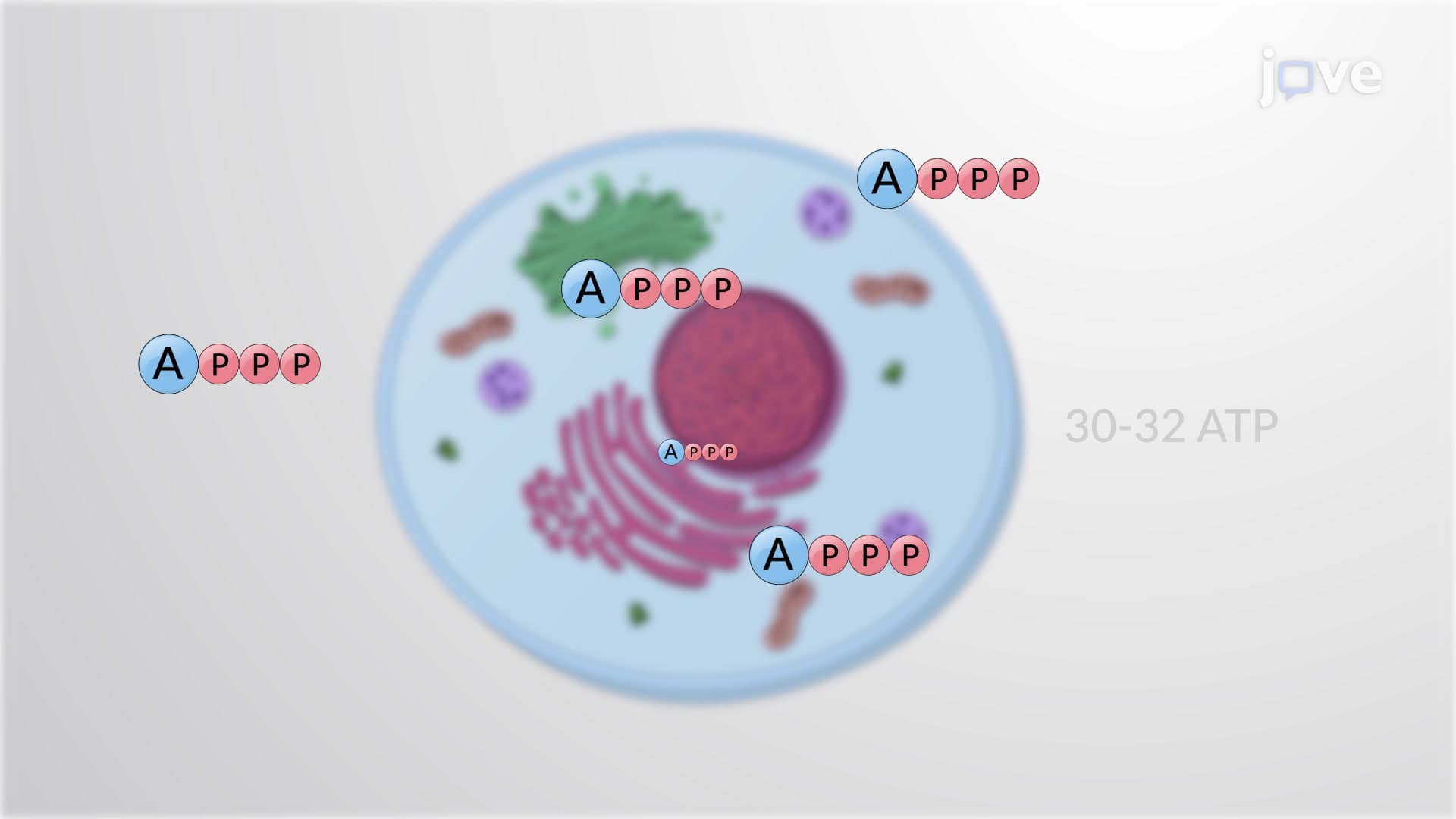
Electron transport chains are protein complexes in mitochondria that convert food energy into ATP by passing electrons through a series of carriers. Think of them as cellular power plants that transform glucose from your meals into usable energy for everything from muscle contraction to brain function.
MCAT questions often test electron transport chain energetics, inhibitor effects, and ATP yield calculations. You'll encounter scenarios involving rotenone (Complex I inhibitor) or cyanide (Complex IV inhibitor) and their effects on cellular respiration. Practice calculating ATP production from NADH versus FADH2 oxidation.
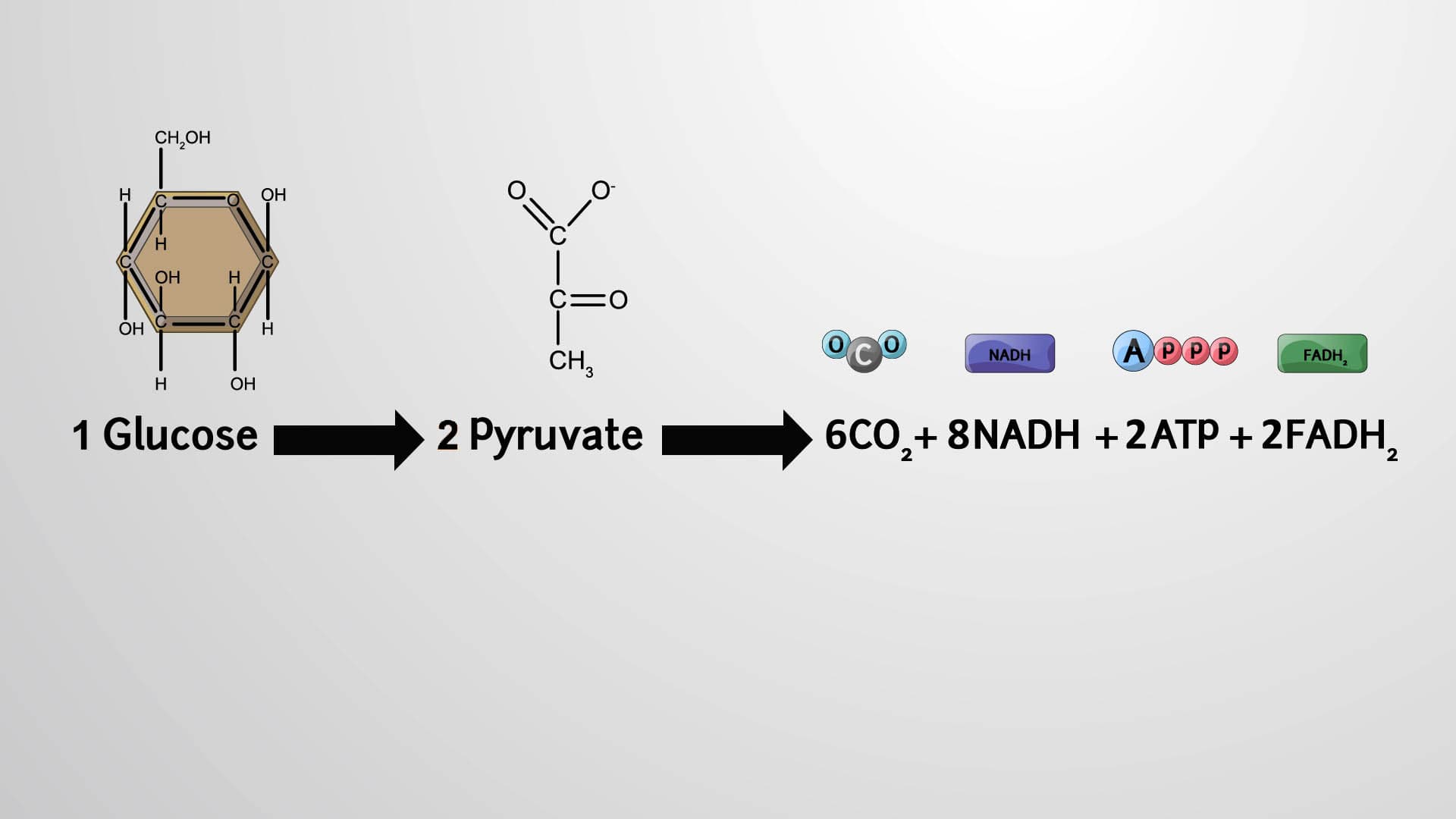
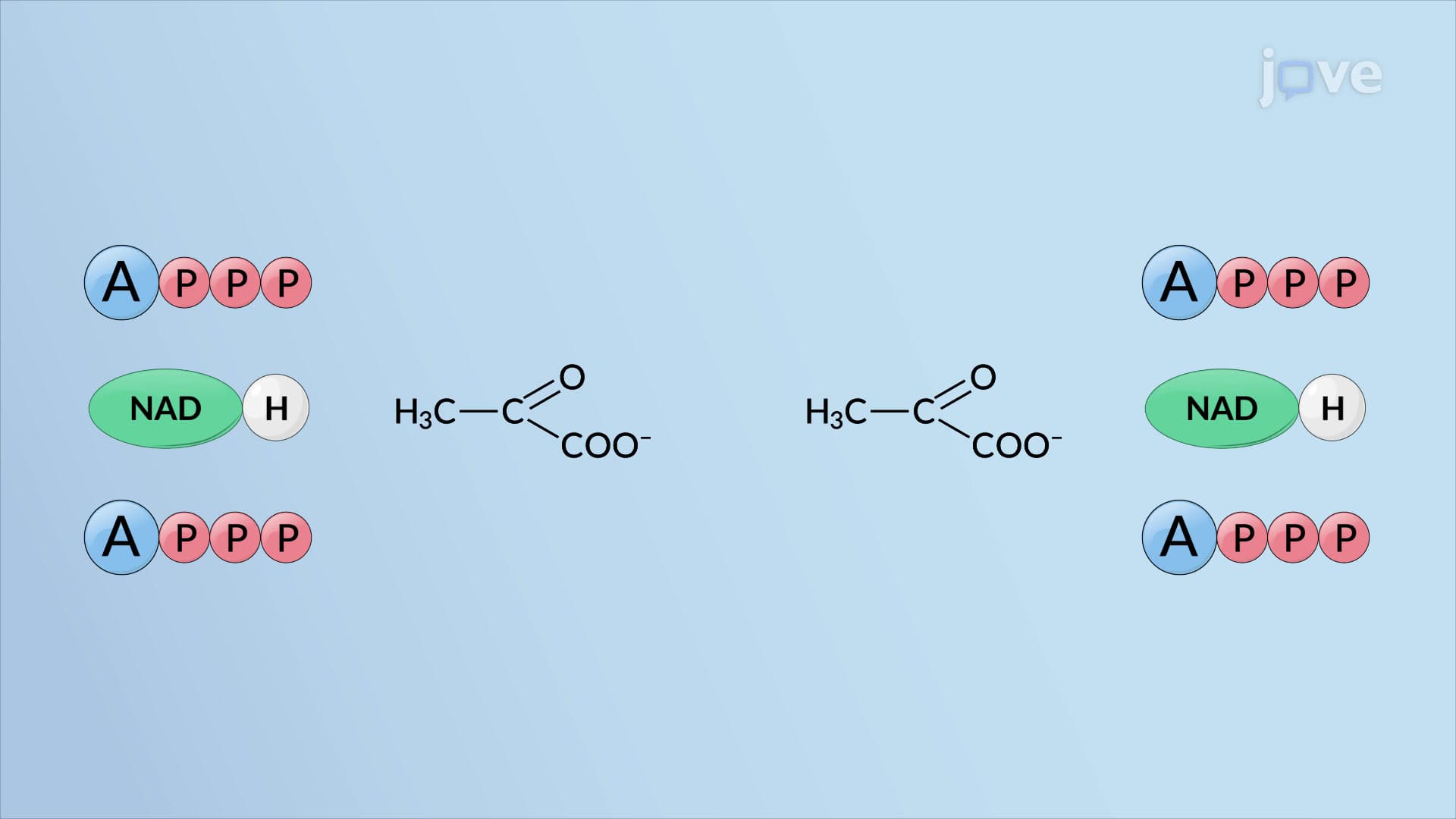
NADH enters at Complex I and generates approximately 2.5 ATP molecules, while FADH2 enters at Complex II and produces about 1.5 ATP molecules. This difference explains why glucose metabolism through glycolysis and the citric acid cycle produces varying ATP yields depending on the electron carrier generated.
Oxygen serves as the terminal electron acceptor, allowing the electron transport chain to continue functioning. Without oxygen, electrons back up through the system, halting ATP production and forcing cells to rely on less efficient anaerobic metabolism-explaining why we can't survive without breathing.
Mitochondrial dysfunction affects electron transport efficiency, contributing to insulin resistance and type 2 diabetes. Many diabetic complications stem from impaired cellular energy production, making electron transport chains a key research target for therapeutic interventions in metabolic disorders.
While electron transport chains involve complex biochemistry, breaking them down into the four-complex assembly line concept makes them manageable. Focus on the overall energy flow pattern rather than memorizing every molecular detail-understanding the "big picture" energy transformation is most important for introductory courses.
Create flowcharts showing electron flow from NADH/FADH2 through each complex to oxygen, including proton pumping and ATP synthesis. Practice drawing the process from memory and work through ATP yield calculations. Connect the concept to real examples like exercise physiology and drug mechanisms.
Explore photosynthetic electron transport in chloroplasts, which operates similarly but uses light energy instead of food molecules. Also investigate mitochondrial diseases, aging theories related to electron transport dysfunction, and how different organisms have evolved variations of these energy-conversion systems.
Related Micro-courses