Loading subject page…

- Biology
- Cellular Respiration
- ATP Yield
Micro-course: Cellular Respiration
1,769,101 views
Learn key concepts and earn your certificate.

ATP Yield

00:00
01:31
Video Summary: What Is Atp Yield
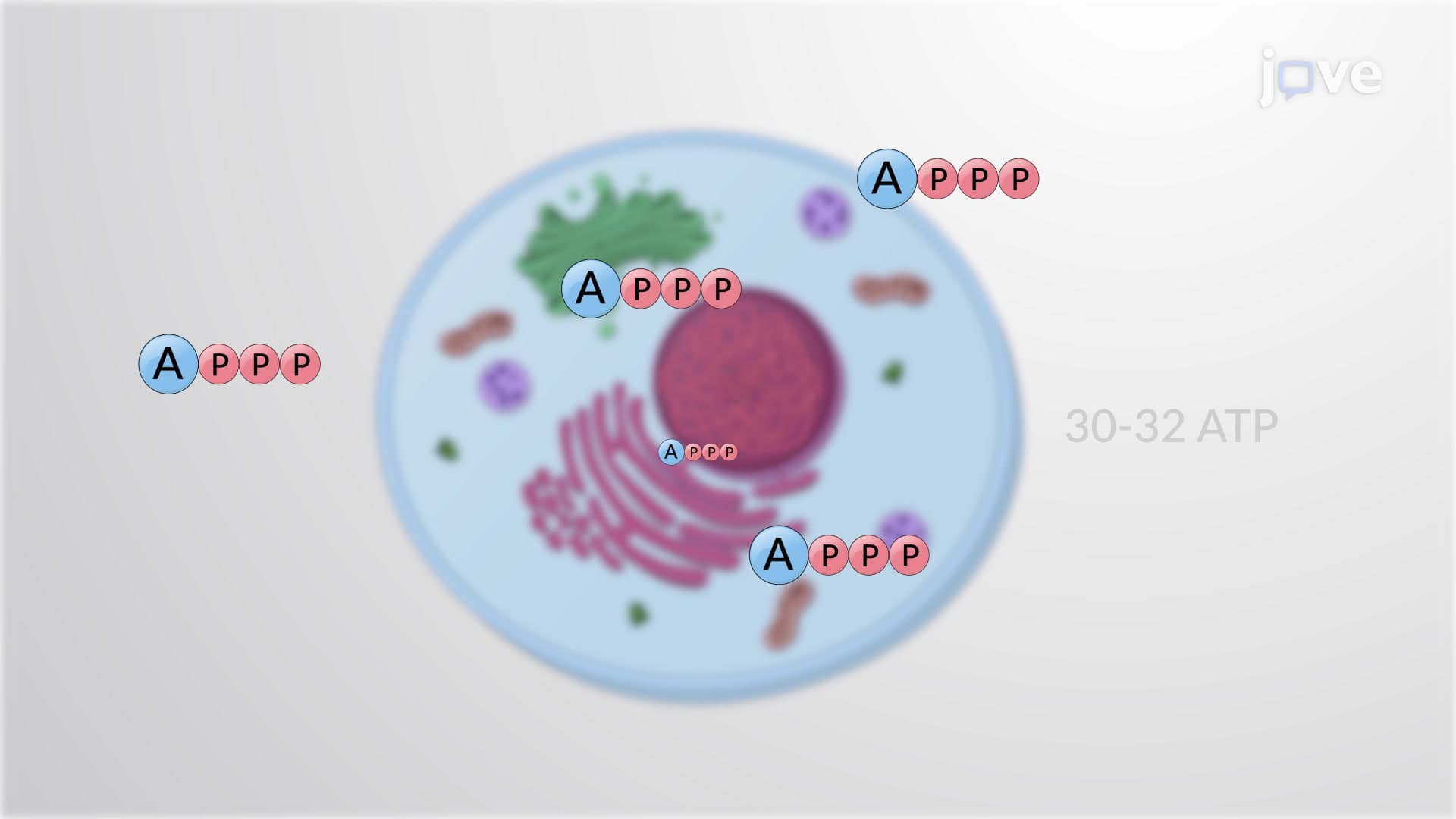
Ever wonder how your muscles generate the energy for a marathon or even just walking to class? ATP yield represents the total energy currency produced when your body breaks down glucose through cellular respiration. This fundamental process in ATP yield biology generates 30-32 ATP molecules from a single glucose molecule, powering everything from muscle contractions during high school sports to brain activity during SAT prep. Understanding what is ATP yield reveals how efficiently our cells convert food into usable energy through glycolysis, the citric acid cycle, and electron transport. Watch the full video on JoVE Coach to master this concept with expert-led visuals and step-by-step explanations.
- Understand what is ATP yield and how cellular respiration produces 30-32 ATP molecules from one glucose molecule
- Identify the three main stages of glucose metabolism: glycolysis, citric acid cycle, and electron transport chain
- Analyze why ATP production varies between 30-32 molecules rather than a fixed number
- Compare the ATP contributions from different metabolic pathways and electron carriers
- Evaluate the role of NADH and FADH2 in maximizing energy extraction from glucose
- Apply knowledge of mitochondrial transport limitations affecting overall ATP yield
- Recognize how cellular energy demands influence ATP production efficiency
- Explore the connection between theoretical and actual ATP yields in living cells
Understanding ATP Yield in Cellular Respiration
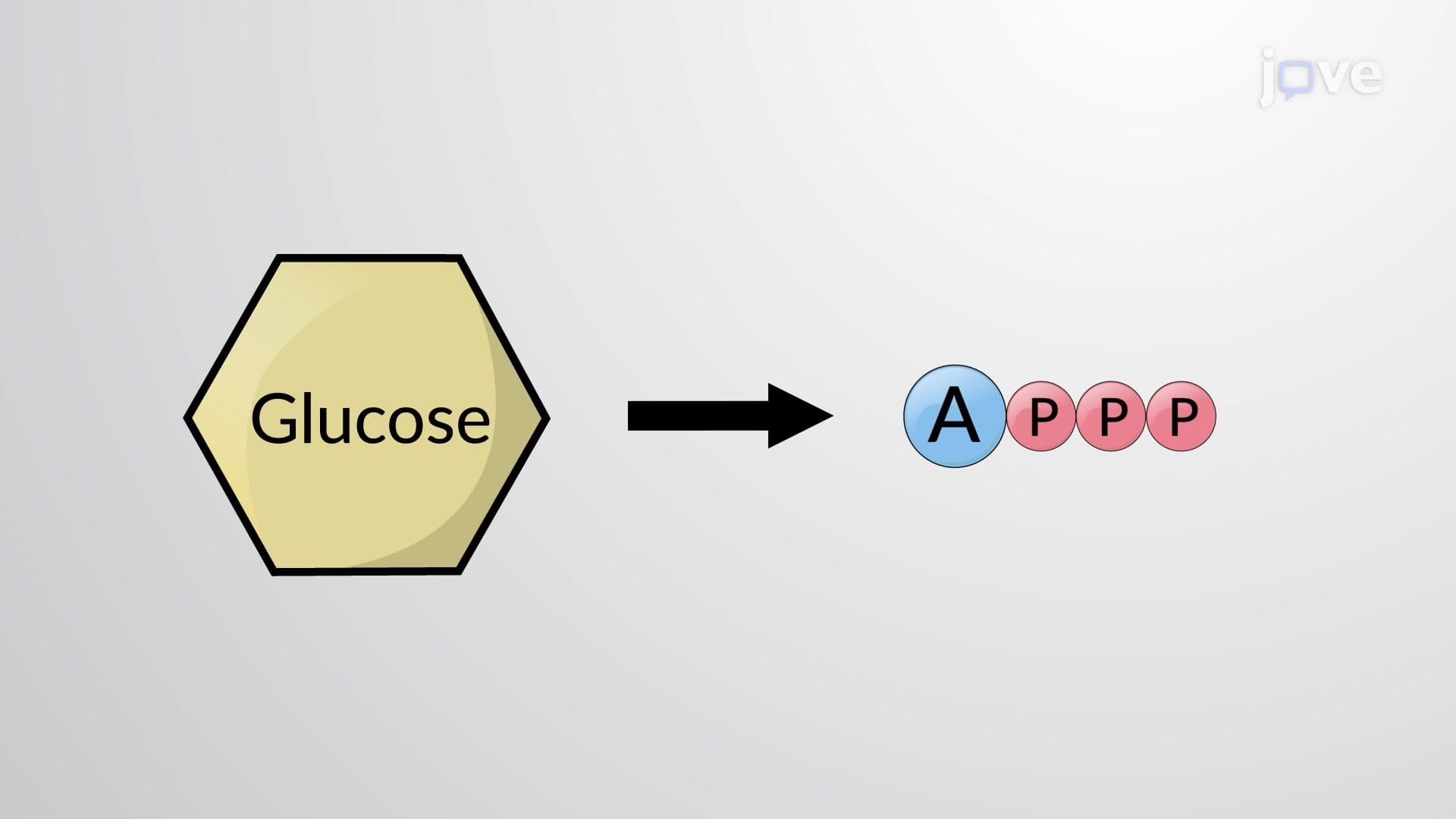
ATP yield represents the total amount of adenosine triphosphate molecules generated when cells completely oxidize glucose through cellular respiration. This process serves as the foundation for all cellular activities, from maintaining basic metabolism to powering intense physical activities like those performed by NCAA Division I athletes during competition.
The Three-Stage ATP Production Process
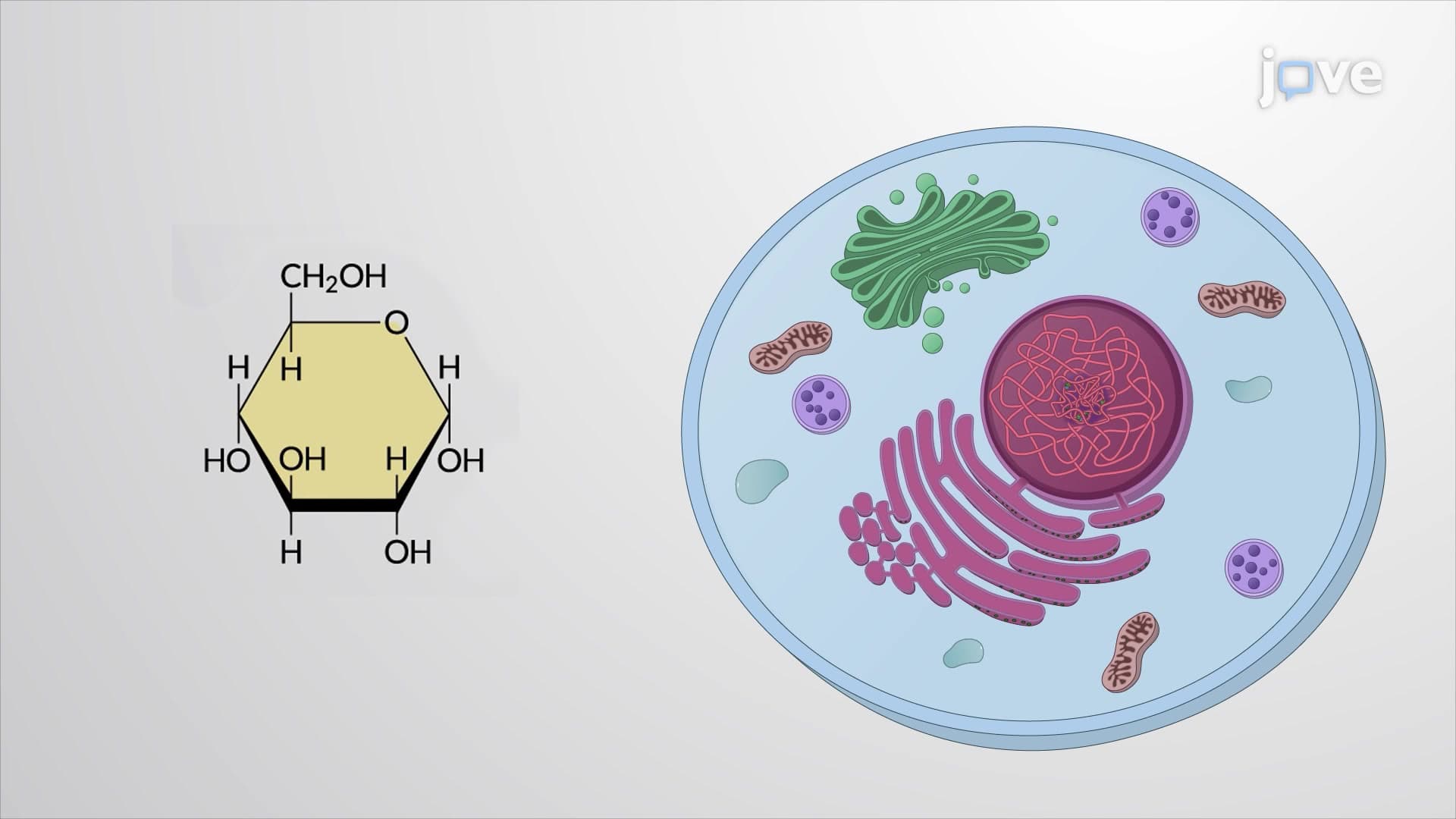
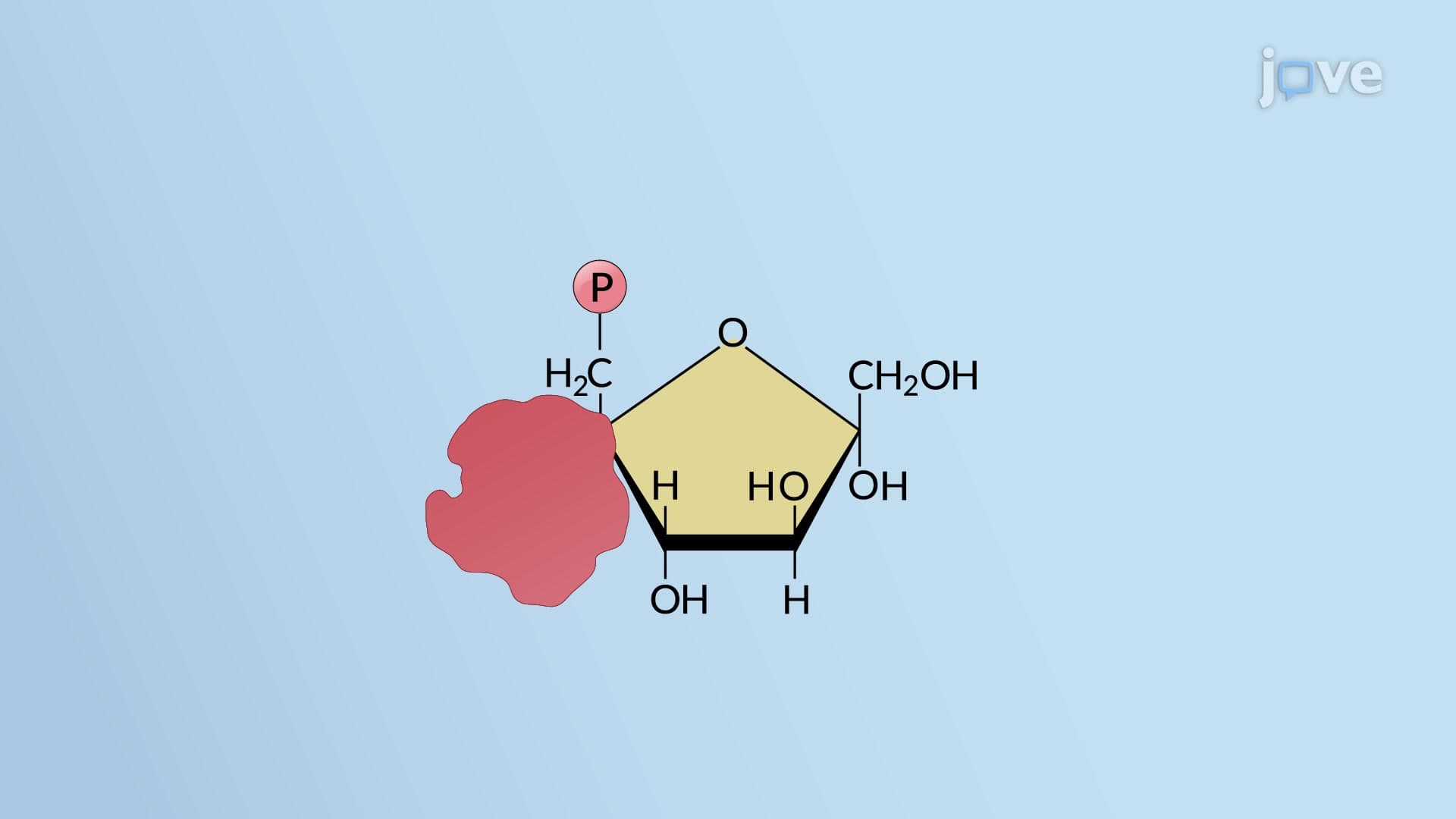
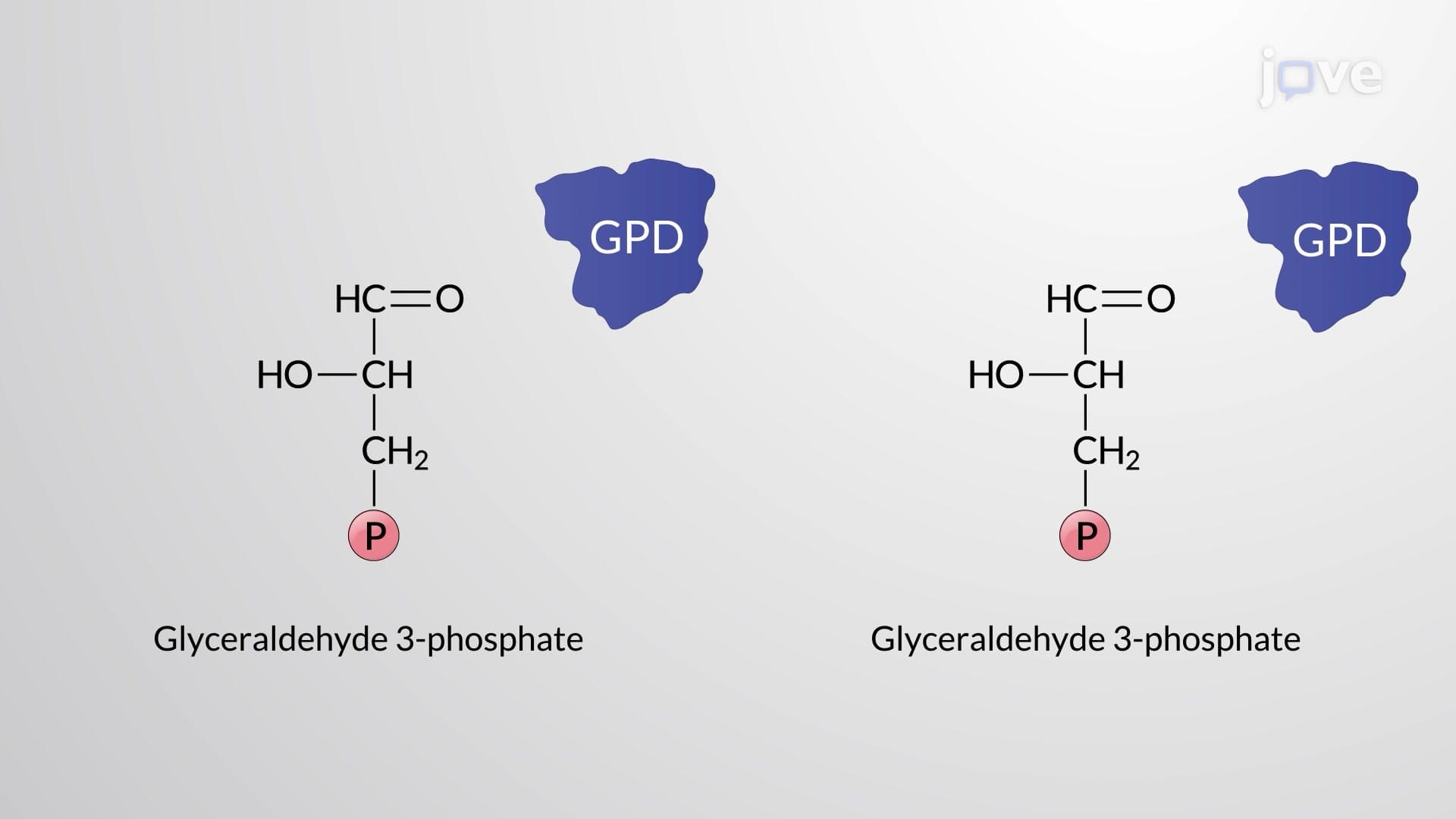
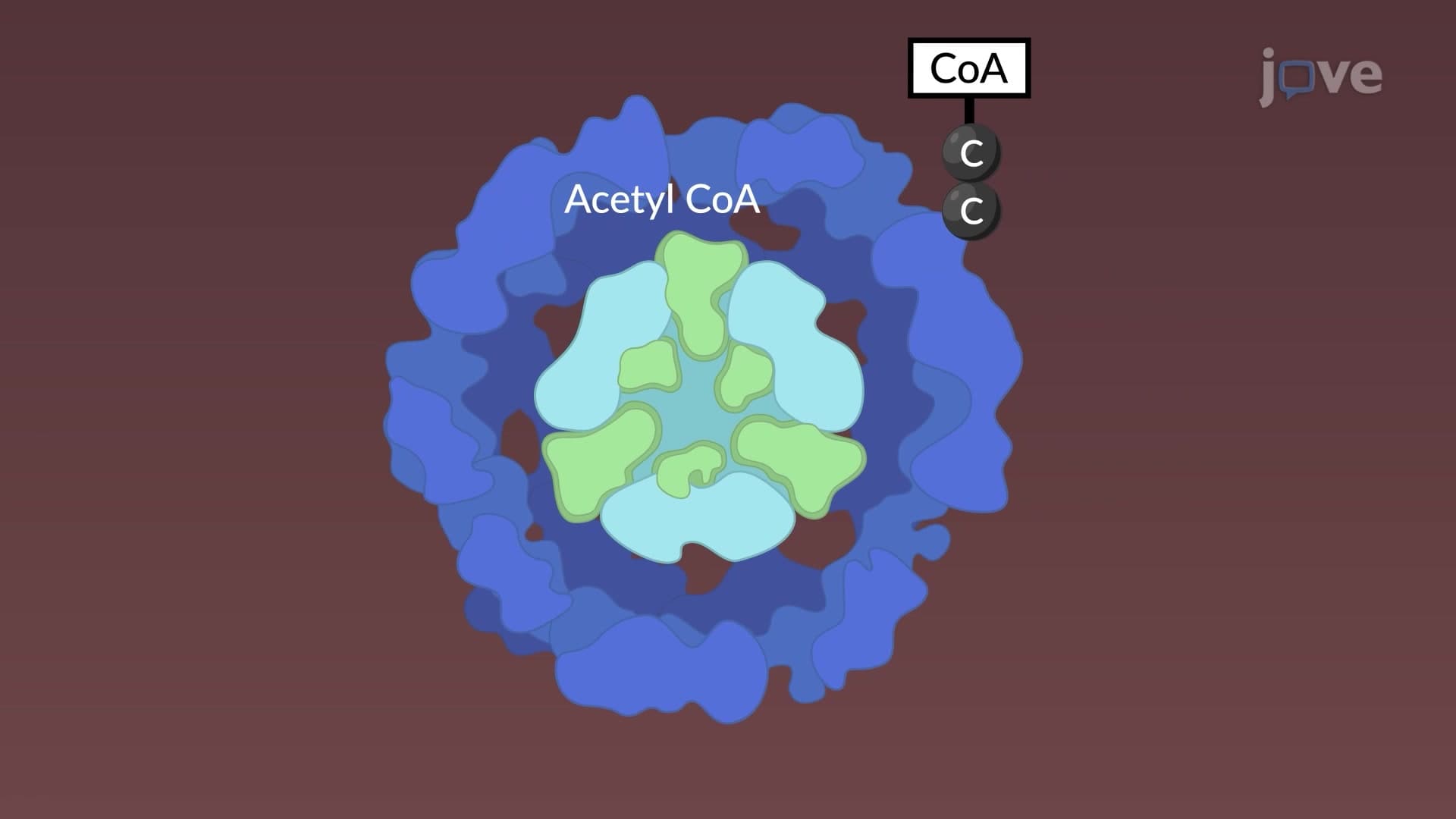
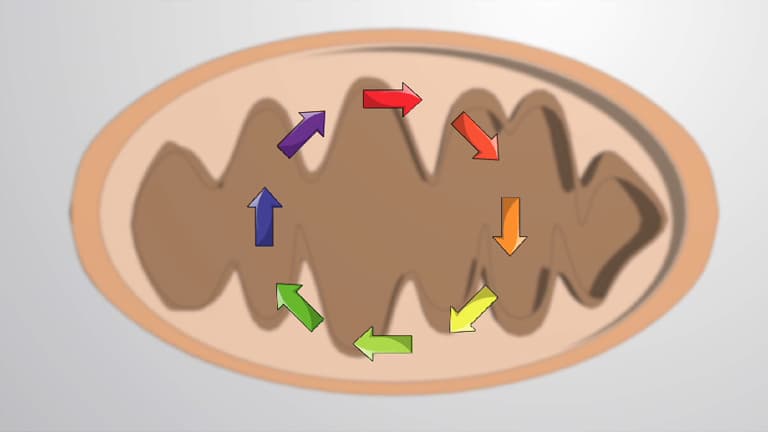
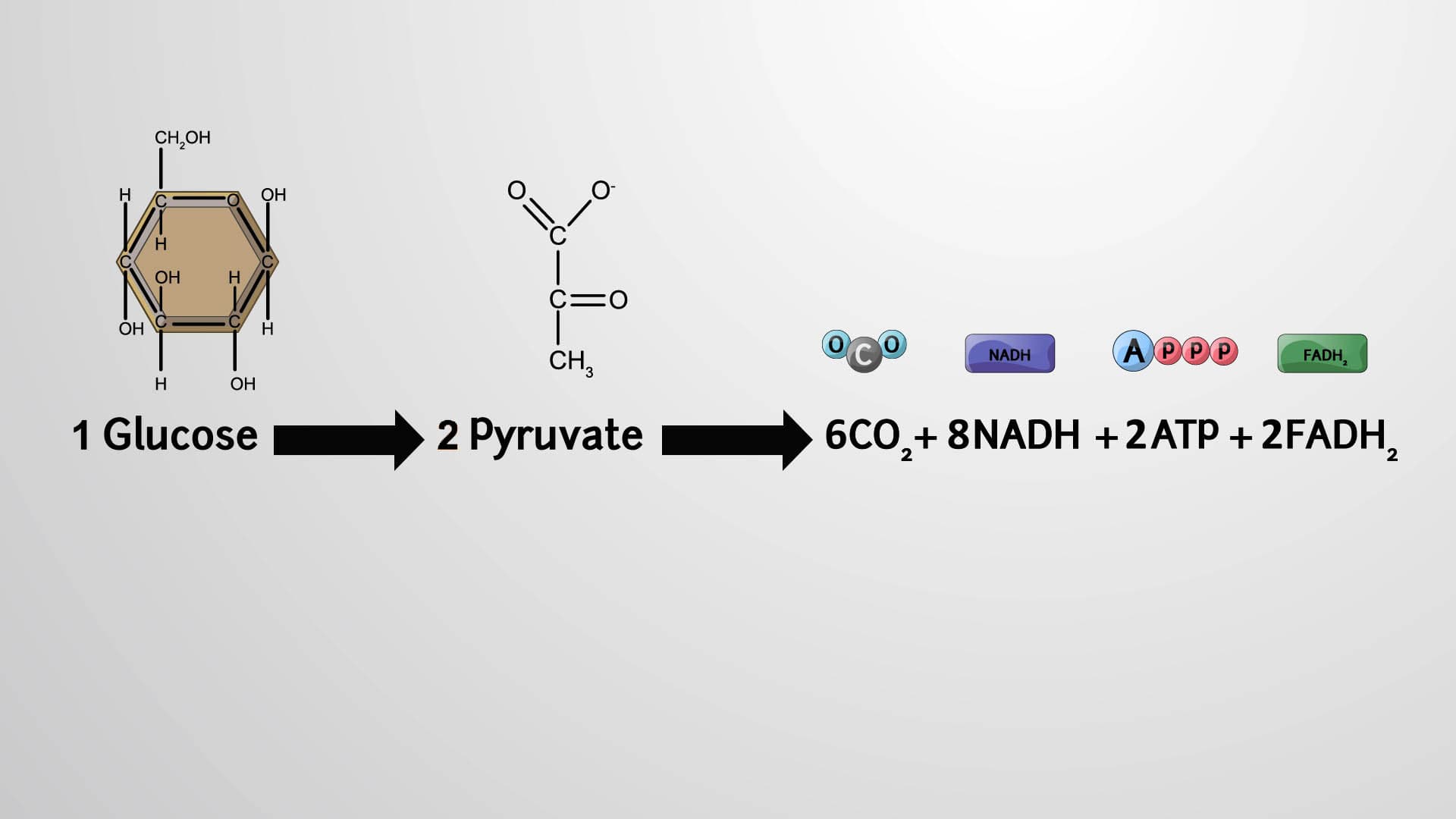
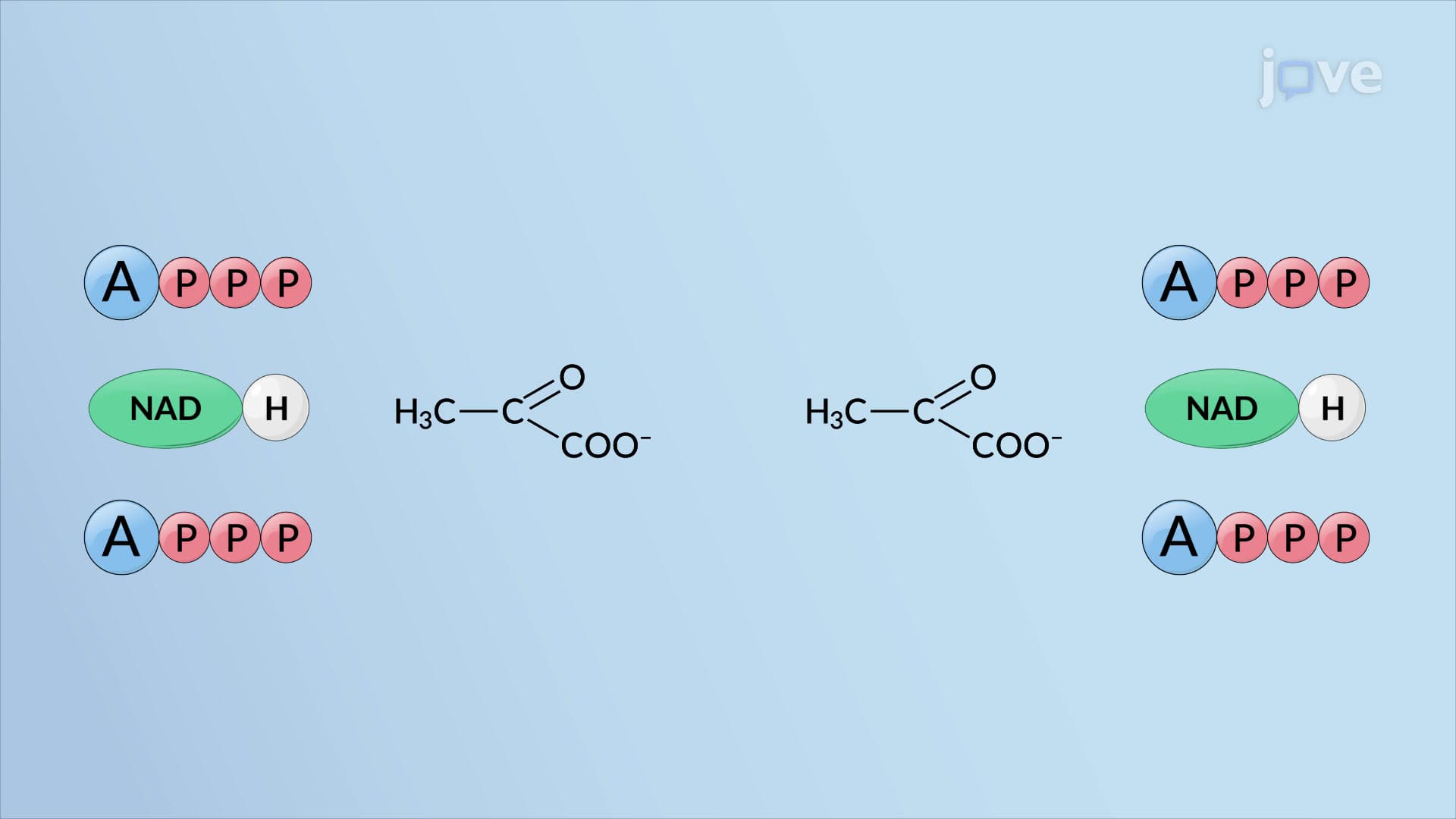
Cellular respiration occurs in three interconnected stages, each contributing differently to total ATP yield. Glycolysis, occurring in the cytoplasm, produces 2 ATP molecules directly plus 2 NADH molecules. The pyruvate oxidation step generates an additional 2 NADH molecules. Finally, the citric acid cycle (Krebs cycle) yields 2 ATP, 6 NADH, and 2 FADH2 molecules. This systematic breakdown ensures maximum energy extraction from glucose molecules.
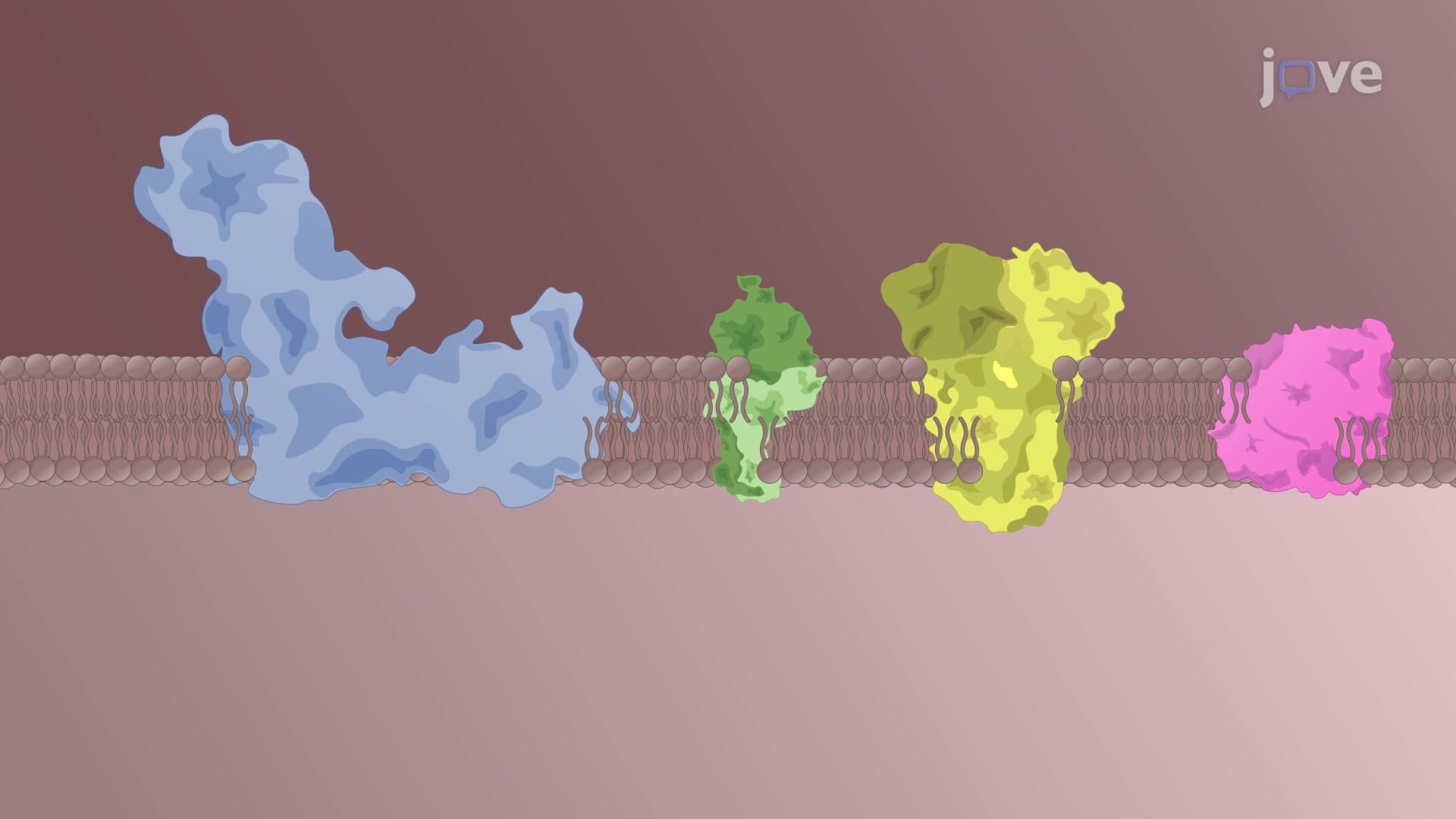
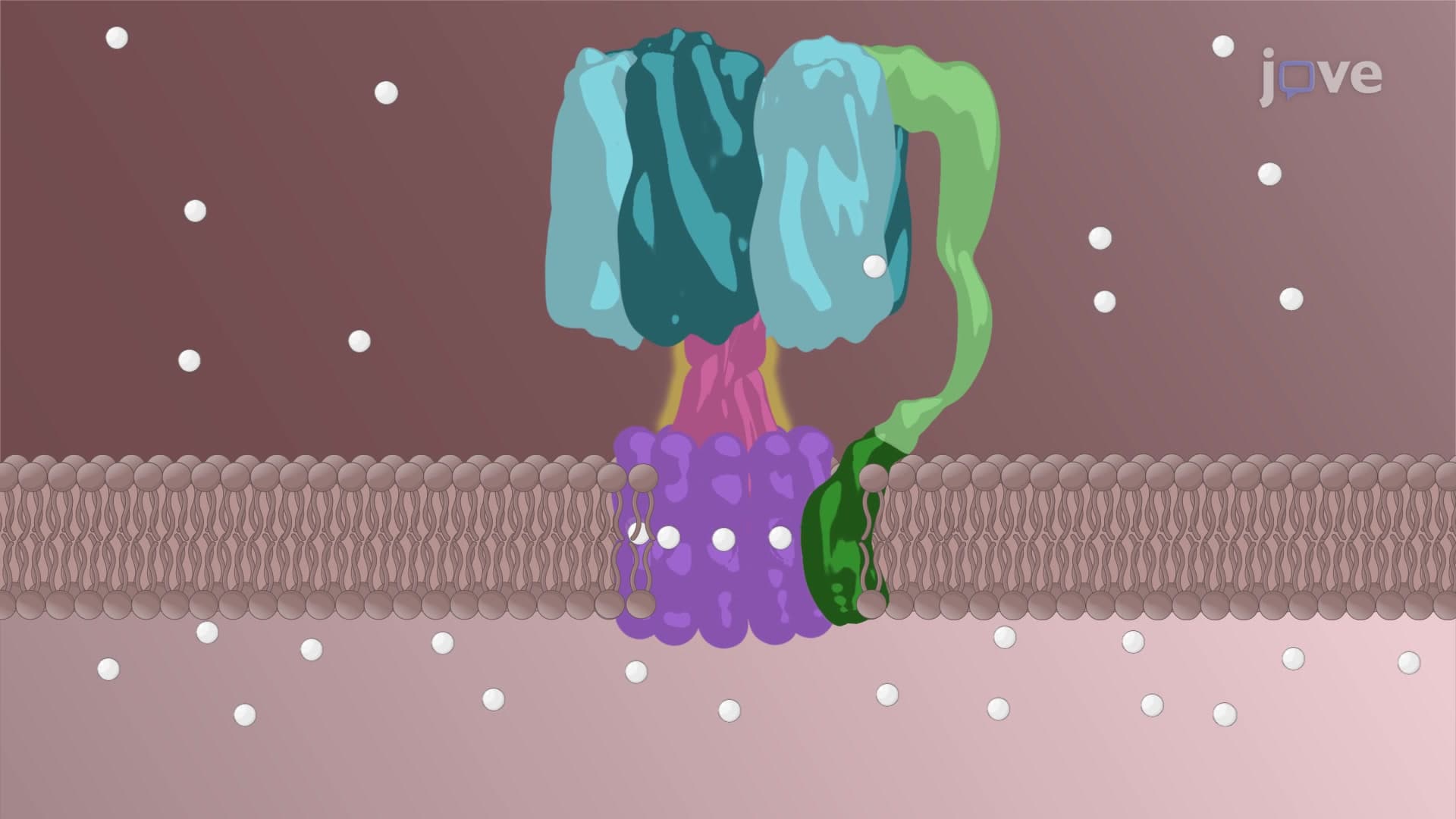
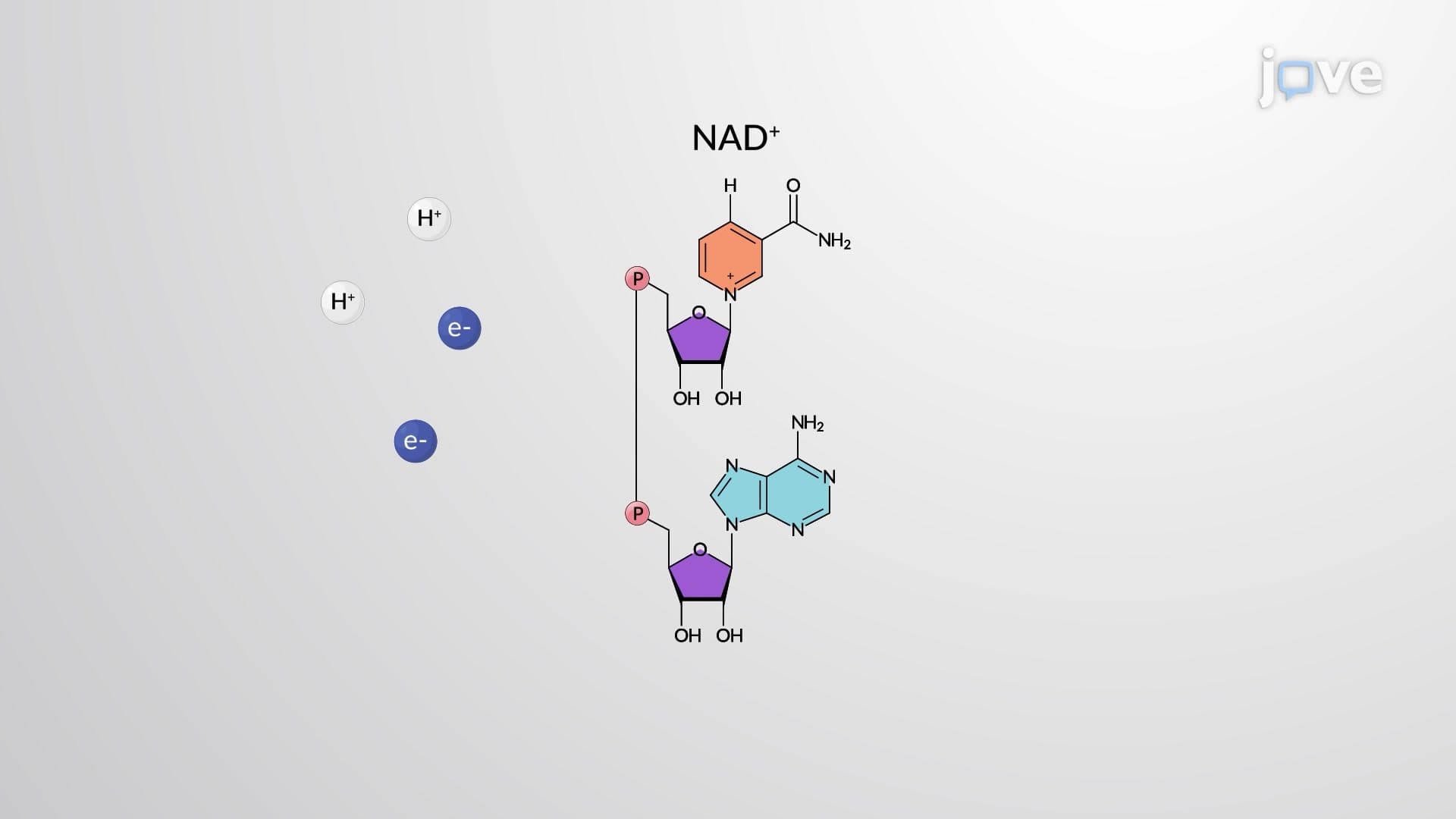
The electron transport chain represents the most productive stage, where NADH and FADH2 molecules undergo oxidation to produce the majority of ATP. Each NADH theoretically yields 2.5 ATP molecules, while each FADH2 produces 1.5 ATP molecules. This difference occurs because FADH2 enters the electron transport chain at a later point than NADH, resulting in fewer protons pumped across the mitochondrial membrane.
Why ATP Yield Varies: The 30-32 Range Explained
The variation in ATP yield stems from three key factors that affect real-world cellular conditions. First, the theoretical yields of 2.5 and 1.5 ATP per electron carrier reflect the indirect nature of ATP synthesis through chemiosmosis rather than direct phosphorylation. Second, NADH produced during glycolysis cannot directly cross the mitochondrial membrane, requiring shuttle systems that may produce either NADH or FADH2 inside the mitochondria, depending on cell type. Third, cellular respiration energy also powers essential transport processes, including moving pyruvate into mitochondria.
These concepts frequently appear on AP Biology exams and college biochemistry courses, where students must demonstrate understanding of energy metabolism efficiency. Medical school preparation, particularly for MCAT biochemistry sections, requires thorough comprehension of ATP yield calculations and the factors affecting cellular energy production.
Clinical and Practical Applications
Healthcare professionals regularly encounter ATP yield concepts when studying metabolic disorders, exercise physiology, and nutritional biochemistry. Understanding these principles helps explain why certain genetic conditions affecting mitochondrial function can severely impact patient energy levels and overall health outcomes in American clinical settings.
Frequently Asked Questions
ATP yield refers to the total number of ATP energy molecules (30-32) produced when a cell completely breaks down one glucose molecule through cellular respiration. This process converts the chemical energy stored in glucose into ATP, which serves as the universal energy currency for all cellular activities. Think of it as your cellular bank account where glucose deposits get converted into spendable energy units.
AP Biology frequently tests ATP yield through multiple-choice questions about energy calculations, free-response questions requiring students to trace electron flow through metabolic pathways, and data analysis problems comparing energy efficiency across different organisms. Students must demonstrate understanding of why yields vary and calculate theoretical ATP production from given starting materials. Practice problems often involve comparing ATP yields from glucose versus other molecules like fatty acids.
The MCAT Biological and Biochemical Foundations section extensively covers ATP yield calculations, metabolic pathway integration, and cellular respiration efficiency. Test-takers encounter questions about electron transport chain mechanics, mitochondrial transport systems, and how metabolic disorders affect energy production. Understanding ATP yield helps answer questions about muscle fatigue, metabolic diseases, and pharmaceutical interventions affecting cellular energy metabolism.
College biochemistry courses use ATP yield as a foundation for understanding metabolic regulation, disease mechanisms, and pharmaceutical action. Students learn to calculate energy budgets for different metabolic states, analyze how genetic mutations affect ATP production, and understand why certain tissues are more vulnerable to energy deficits. This knowledge directly applies to advanced coursework in medicine, pharmacy, and biotechnology fields.
Healthcare professionals use ATP yield knowledge to understand conditions like mitochondrial diseases, diabetes complications, and exercise intolerance in American patients. For example, understanding why cardiac muscle requires high ATP yields helps explain why heart failure patients experience fatigue and why certain medications target cellular energy production. This knowledge guides treatment decisions and patient education about energy metabolism disorders.
ATP yield concepts are definitely accessible to high school students with basic chemistry knowledge about atoms, molecules, and chemical reactions. Most students successfully master these concepts in AP Biology, honors biology, or introductory college courses. The key is understanding the big picture first, then gradually adding details about specific molecular mechanisms and calculations.
Focus on understanding the logic behind ATP production rather than pure memorization. Remember that glycolysis and citric acid cycle produce small amounts of ATP directly, while electron transport produces the majority through NADH and FADH2 oxidation. Create flowcharts showing each stage's contributions, practice calculating total yields from different starting points, and connect the numbers to real biological significance like muscle energy demands.
After understanding basic ATP yield, explore metabolic regulation mechanisms, alternative metabolic pathways like fatty acid oxidation, metabolic integration between different tissues, and how hormones like insulin affect cellular energy production. Advanced students can investigate topics like metabolic flexibility, mitochondrial biogenesis, and how exercise training affects cellular energy efficiency in preparation for upper-level biochemistry or medical school coursework.
Related Micro-courses