Loading subject page…


1,769,128 views

Video Summary: Energy Releasing Steps of Glycolysis Explained
When you sprint to catch a bus, your muscle cells instantly generate ATP through the energy releasing steps of glycolysis, a process so efficient it produces four ATP molecules from just two sugar fragments in seconds. These biochemical reactions power everything from a basketball player's final shot at Duke University to emergency room responses at Johns Hopkins Hospital. The Energy Releasing Steps of Glycolysis Explained reveal how cells transform simple sugars into usable energy currency. Watch the full video on JoVE Coach to master this concept with expert-led visuals and step-by-step explanations.
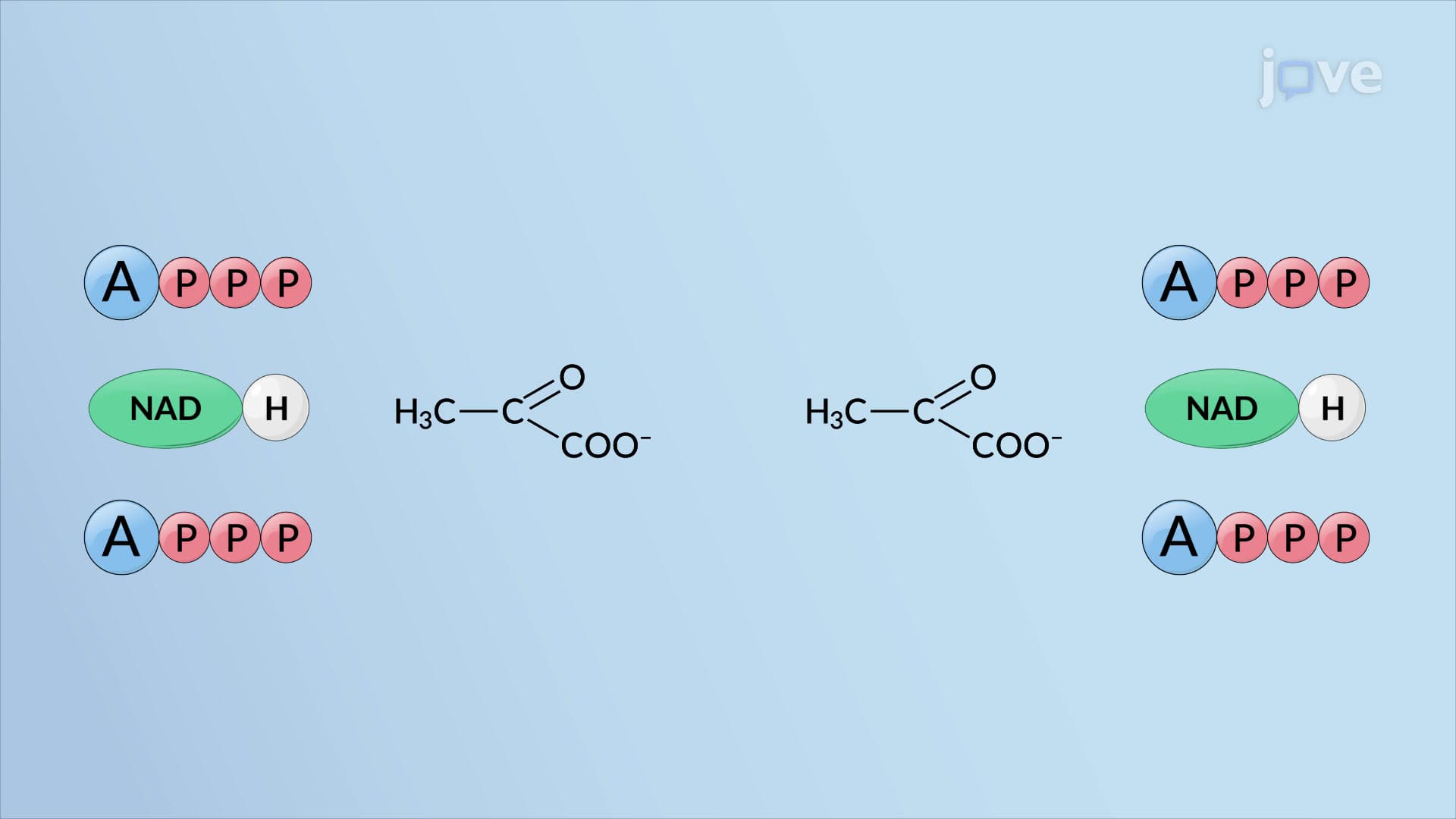
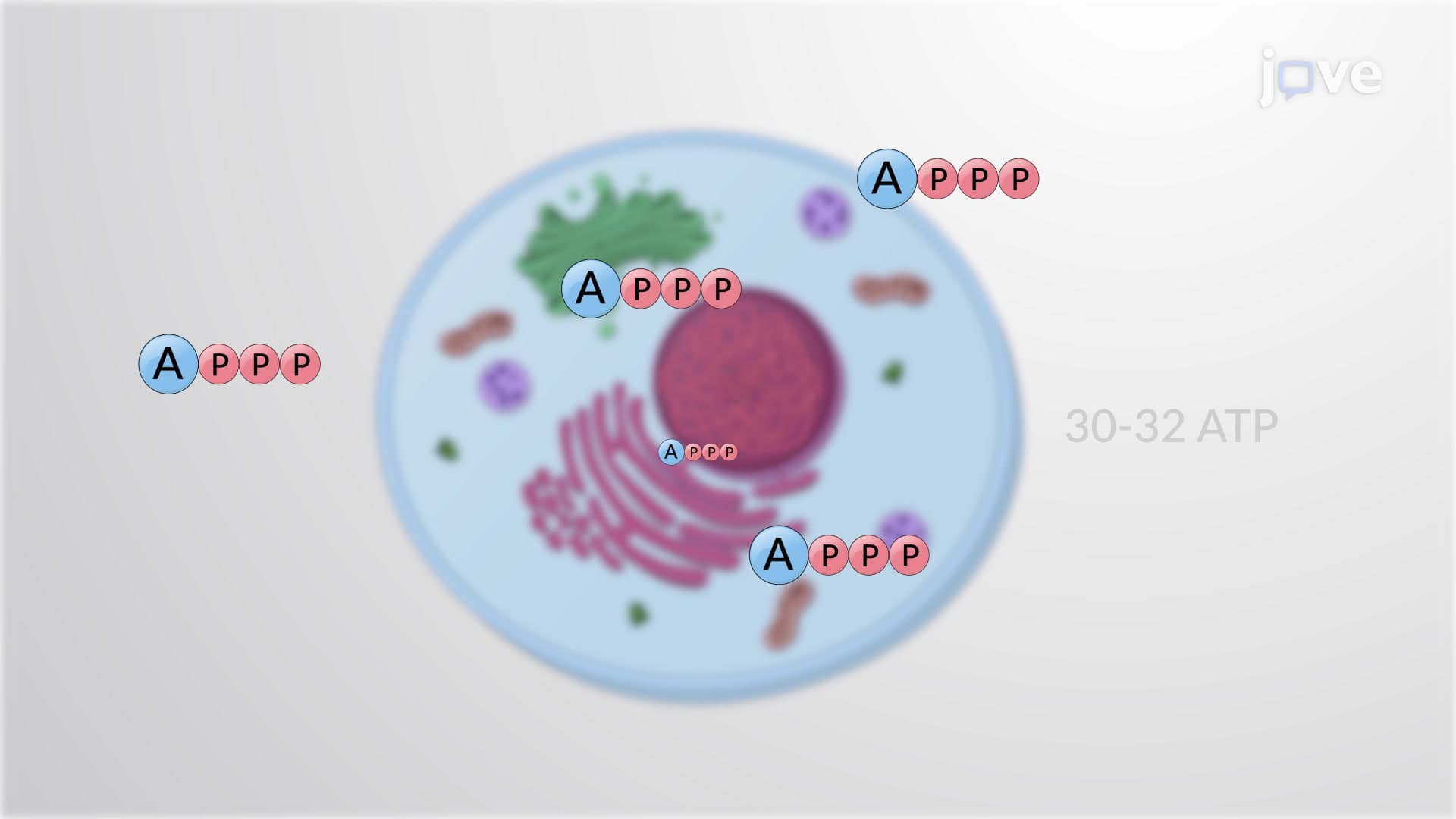
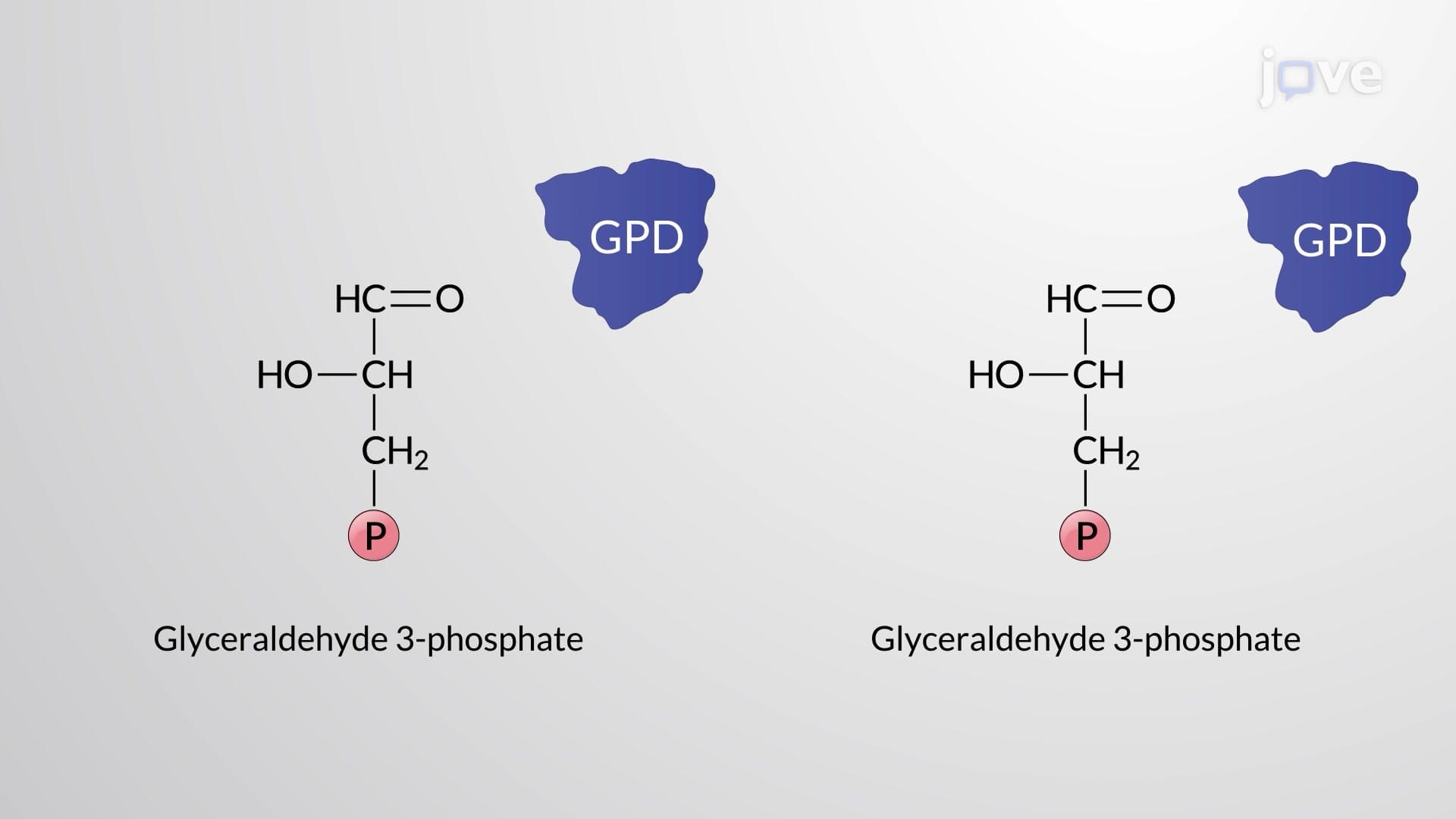
The energy releasing phase of glycolysis represents one of biochemistry's most elegant energy conversion processes. Unlike the initial investment phase that consumes ATP, these final five reactions generate a net profit of cellular energy. This phase begins when glyceraldehyde 3-phosphate undergoes oxidation, triggering a cascade of phosphoryl group transfers that ultimately produces four ATP molecules, two NADH molecules, and two pyruvate molecules per glucose.
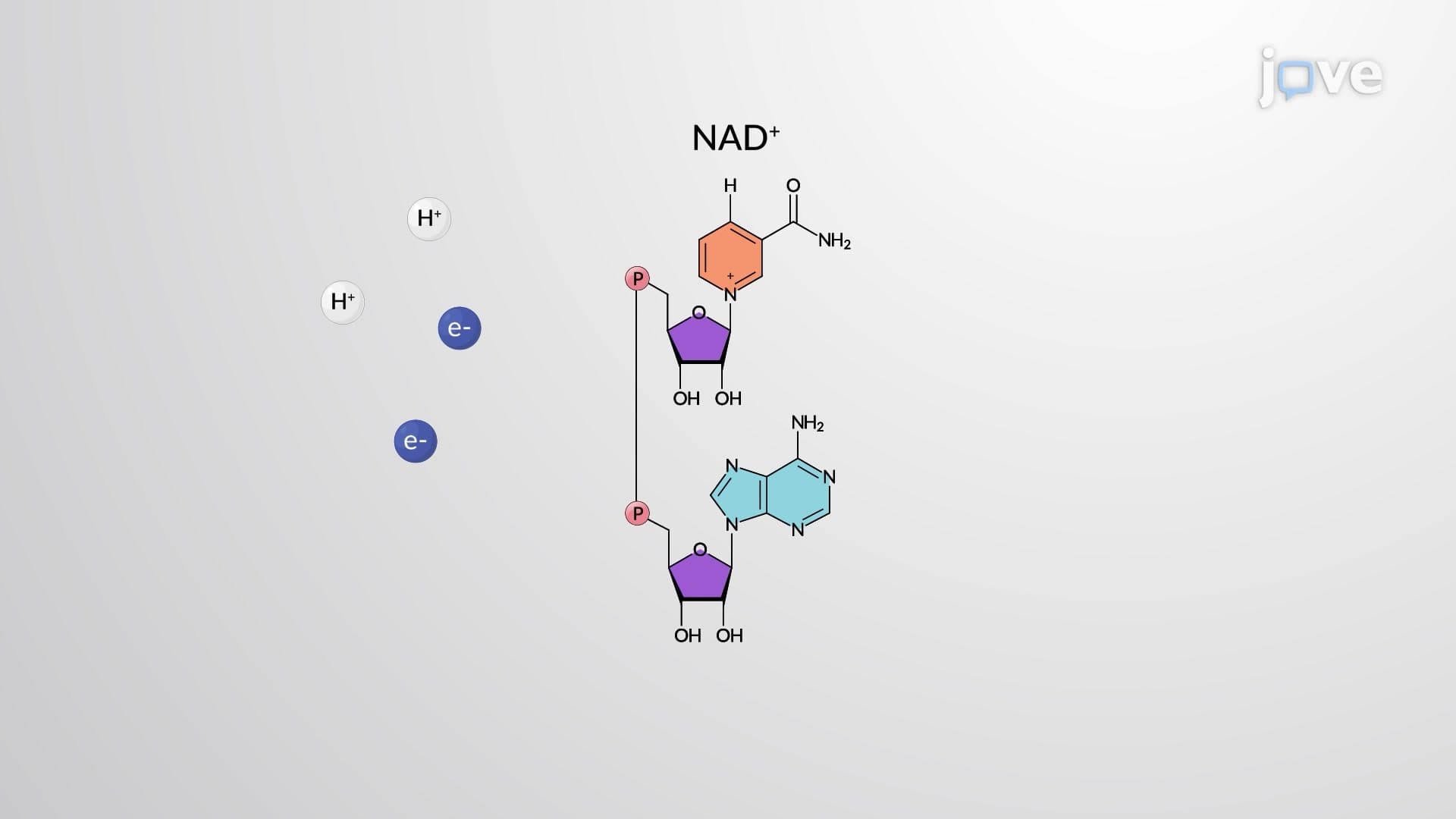
The transformation starts with glyceraldehyde phosphate dehydrogenase, an enzyme that simultaneously oxidizes and phosphorylates its substrate. This unique coupling reaction captures oxidation energy by forming 1,3-bisphosphoglycerate, a high-energy intermediate containing an acyl phosphate bond. The enzyme NAD+ serves as the electron acceptor, forming NADH that carries reducing power for subsequent metabolic processes.
Phosphoglycerate kinase then catalyzes the first ATP-generating step through substrate-level phosphorylation. This direct phosphoryl transfer from 1,3-bisphosphoglycerate to ADP bypasses the need for oxygen, making it crucial during intense exercise when oxygen delivery to muscles becomes limiting. Stanford University researchers have shown this mechanism remains active even during sprint conditions when cellular oxygen drops significantly.
The subsequent isomerization by phosphoglycerate mutase and dehydration by enolase work together to create phosphoenolpyruvate (PEP), the highest-energy phosphate compound in glycolysis. This metabolic priming maximizes energy extraction in the final step. Pyruvate kinase completes the sequence by transferring PEP's phosphate to ADP, generating the second pair of ATP molecules while forming pyruvate.
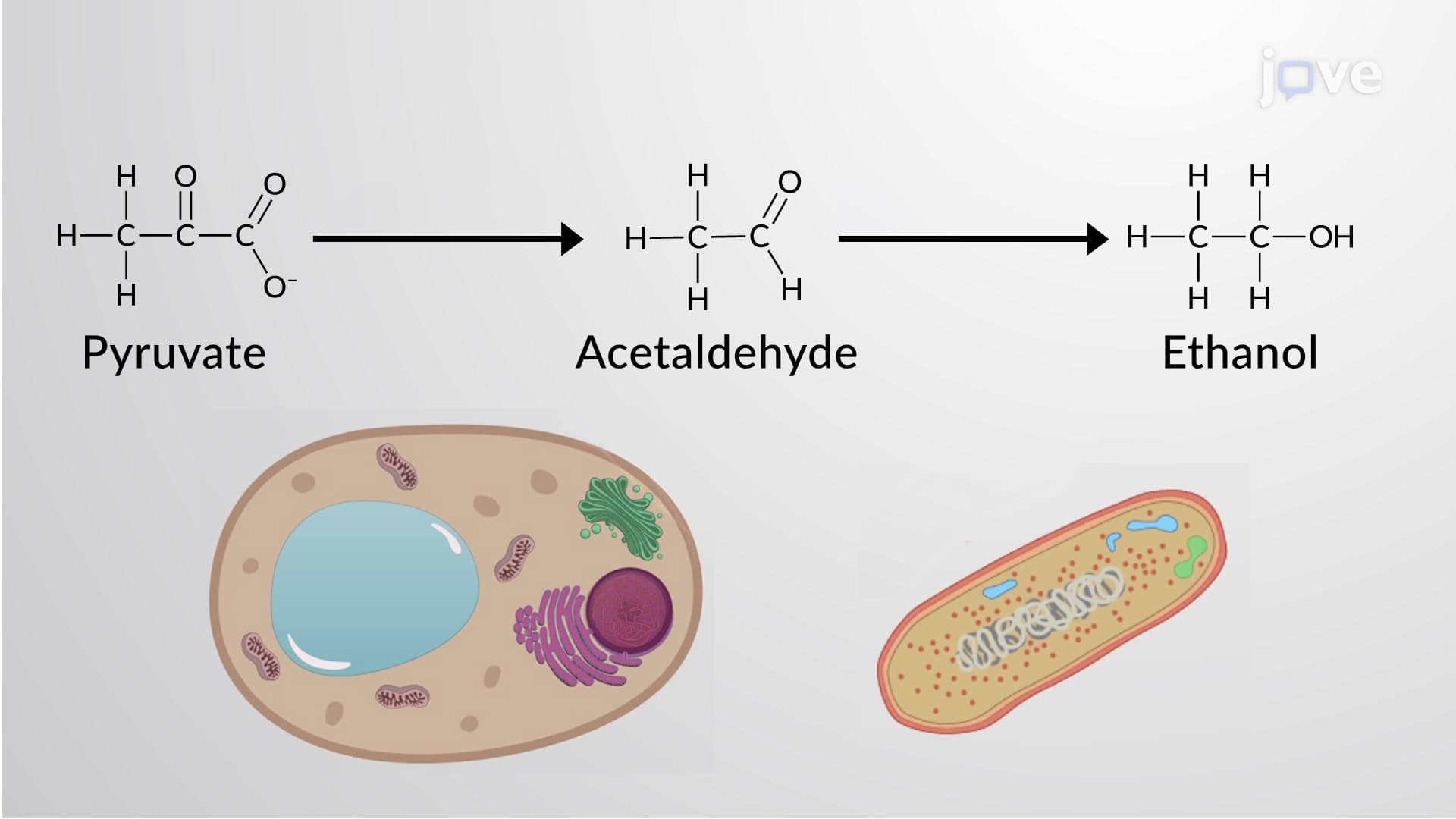
Understanding these energy releasing steps proves essential for MCAT preparation, particularly in metabolism and bioenergetics sections. AP Biology students encounter these reactions when studying cellular respiration, while pre-med students at universities like UCLA and University of Michigan use this knowledge to understand metabolic diseases. Clinically, measuring lactate dehydrogenase, an enzyme that converts pyruvate to lactate, helps diagnose tissue damage in emergency departments across major medical centers like Mayo Clinic and Cleveland Clinic.
Related Micro-courses