Loading subject page…


1,769,128 views

Video Summary: What Is Outcomes of Glycolysis
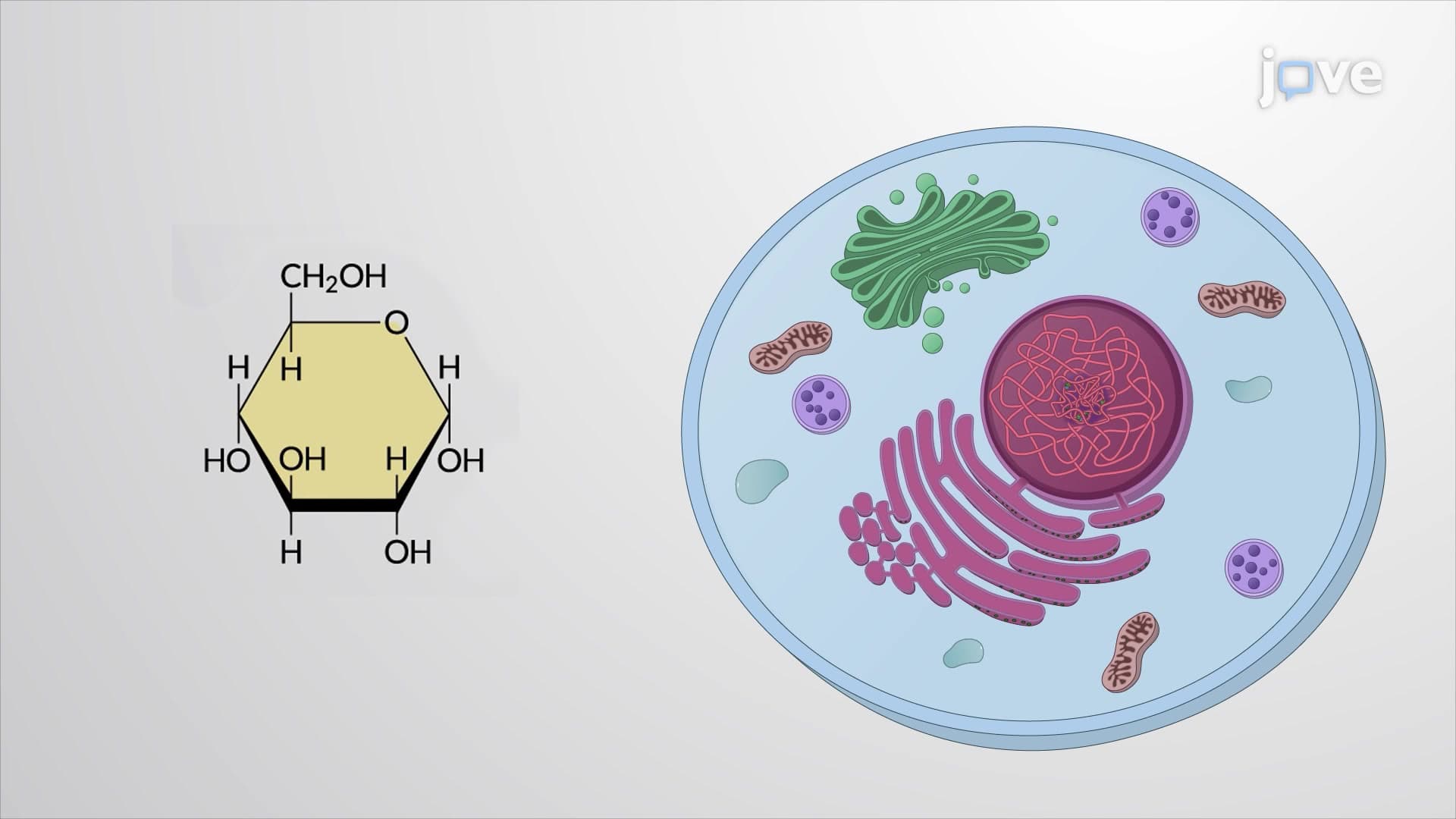
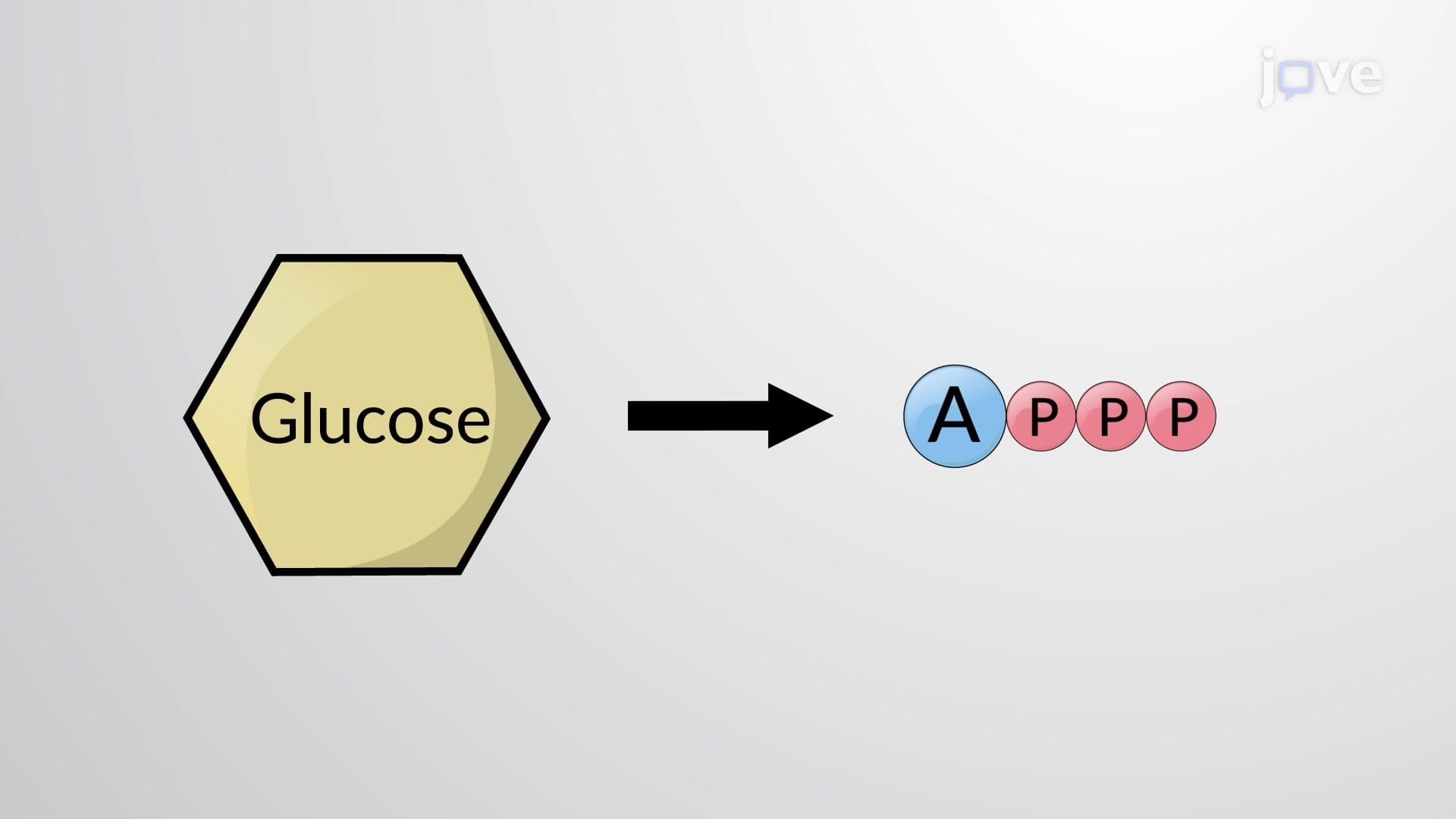
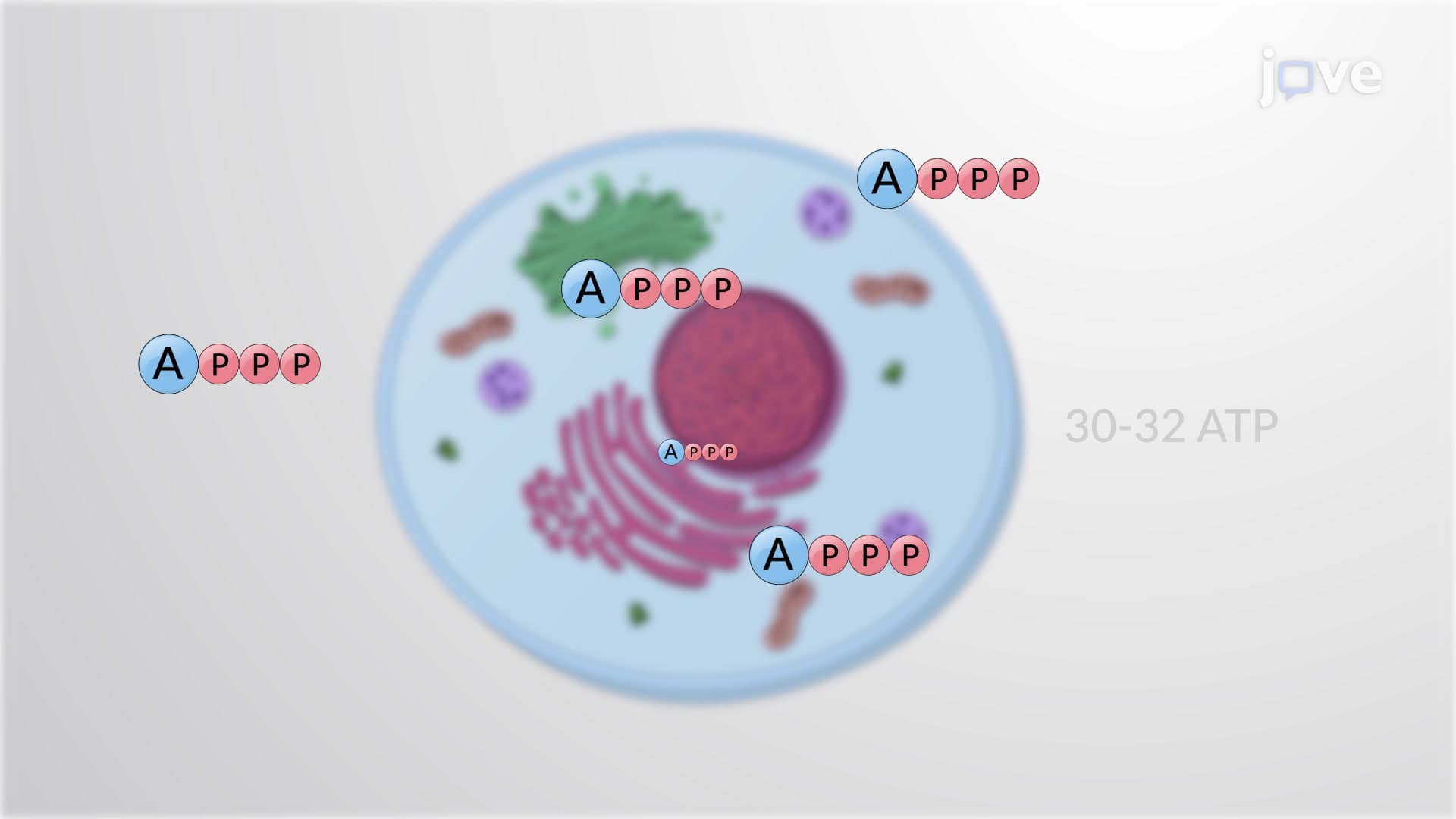
Every time you sprint up the stairs or your brain solves a complex calculus problem, your cells are rapidly breaking down glucose through glycolysis to fuel these energy-demanding activities. The outcomes of glycolysis include the production of ATP, NADH, and pyruvate molecules that power cellular processes throughout your body. For instance, during a high school basketball game, a player's muscle cells rely heavily on glycolysis outcomes to generate quick energy bursts. What is outcomes of glycolysis reveals how cells efficiently extract energy from glucose while setting the stage for even greater energy production in cellular respiration. Watch the full video on JoVE Coach to master this concept with expert-led visuals and step-by-step explanations.
The outcomes of glycolysis represent one of biology's most fundamental energy-conversion processes, occurring in virtually every living cell from bacteria to human neurons. This ancient metabolic pathway breaks down one glucose molecule through a carefully orchestrated series of ten enzymatic reactions, ultimately producing specific molecular products that fuel cellular activities.
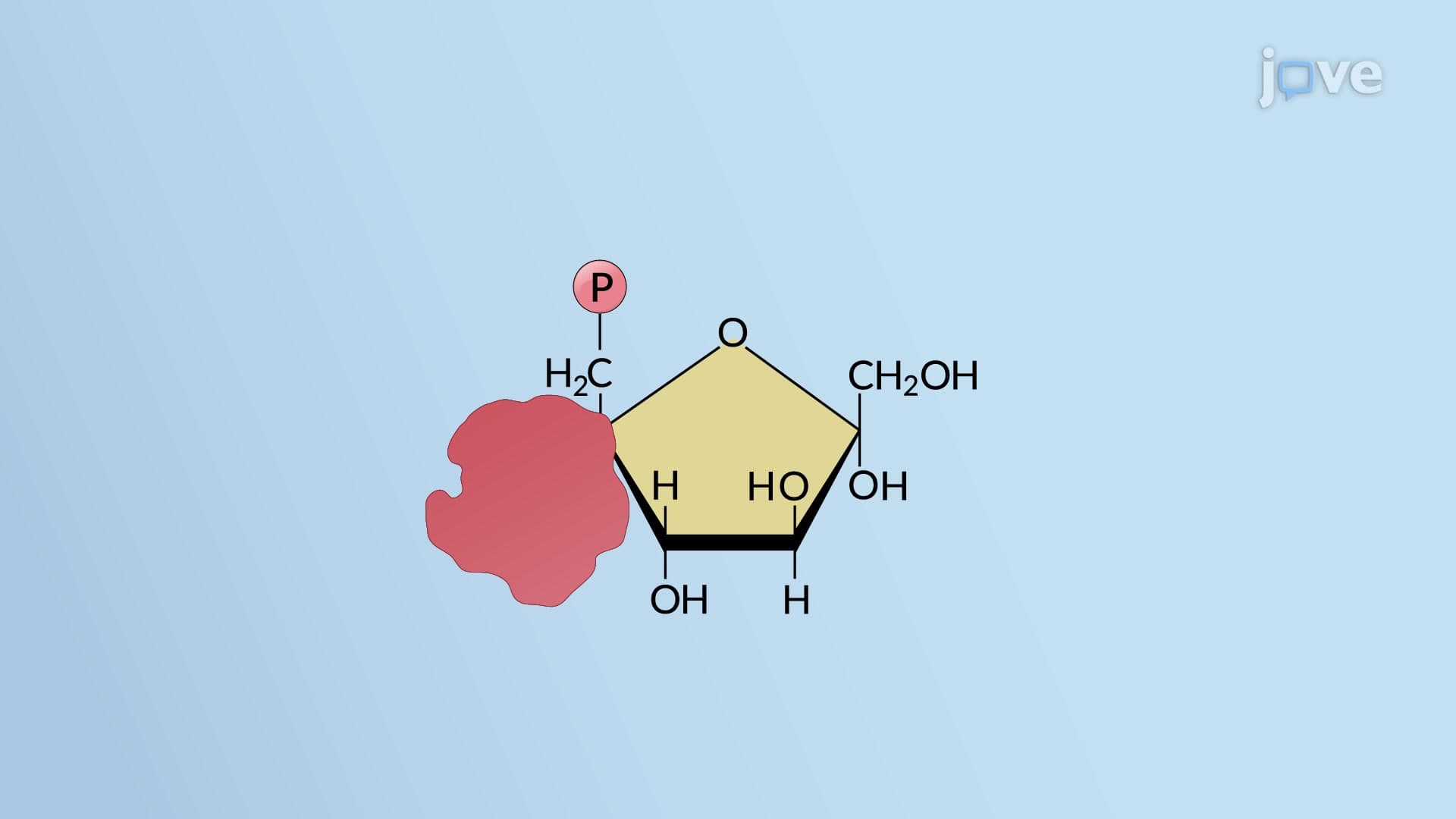
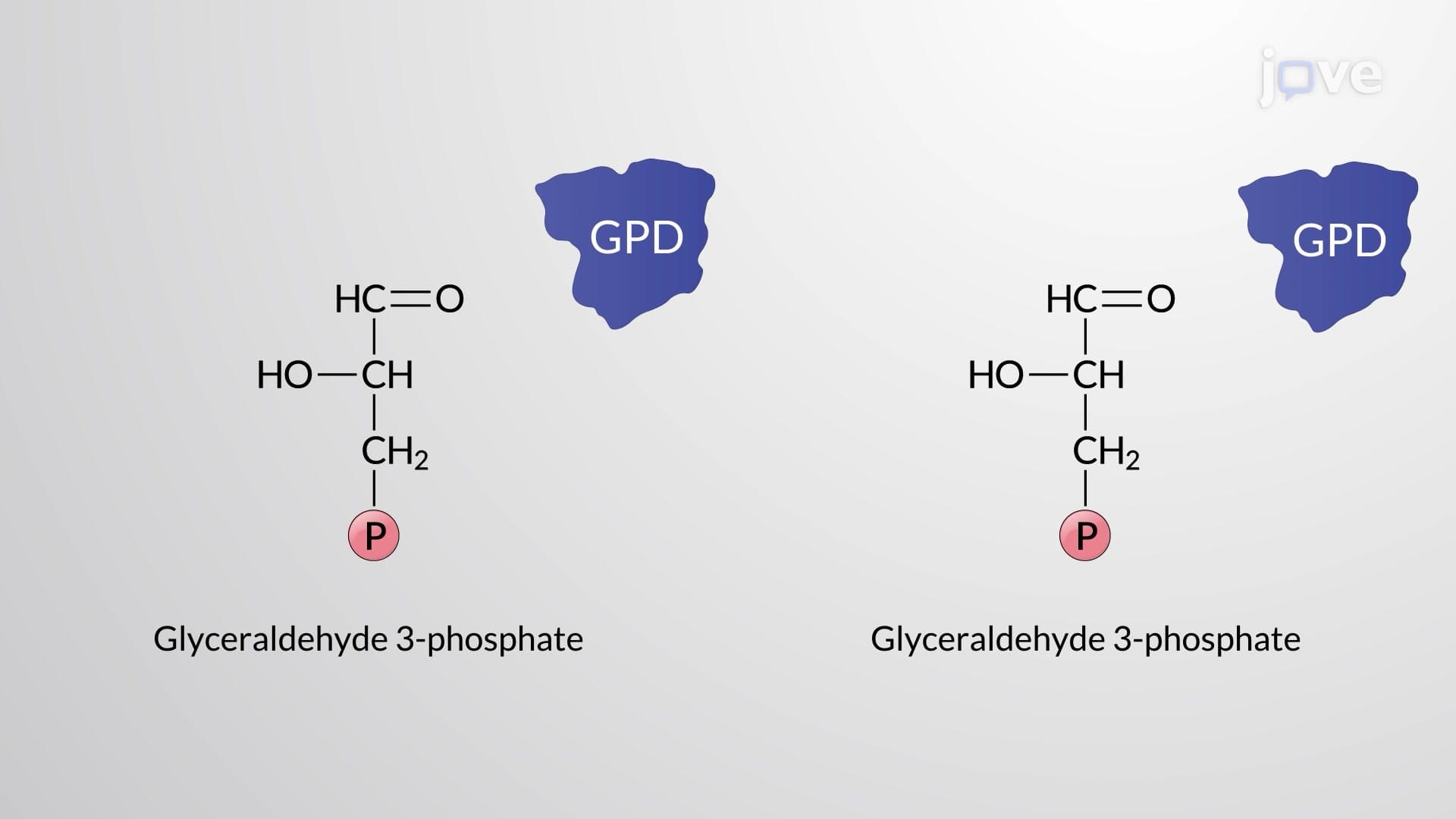
The first phase of glycolysis requires an upfront investment of two ATP molecules to prepare glucose for efficient breakdown. This energy investment serves a crucial purpose: it destabilizes the glucose molecule and creates two identical three-carbon compounds (glyceraldehyde-3-phosphate). Think of this phase like priming a pump-you must invest energy initially to achieve greater returns later. This concept frequently appears on AP Biology exams, where students must explain why cells "spend" ATP before "earning" it back.
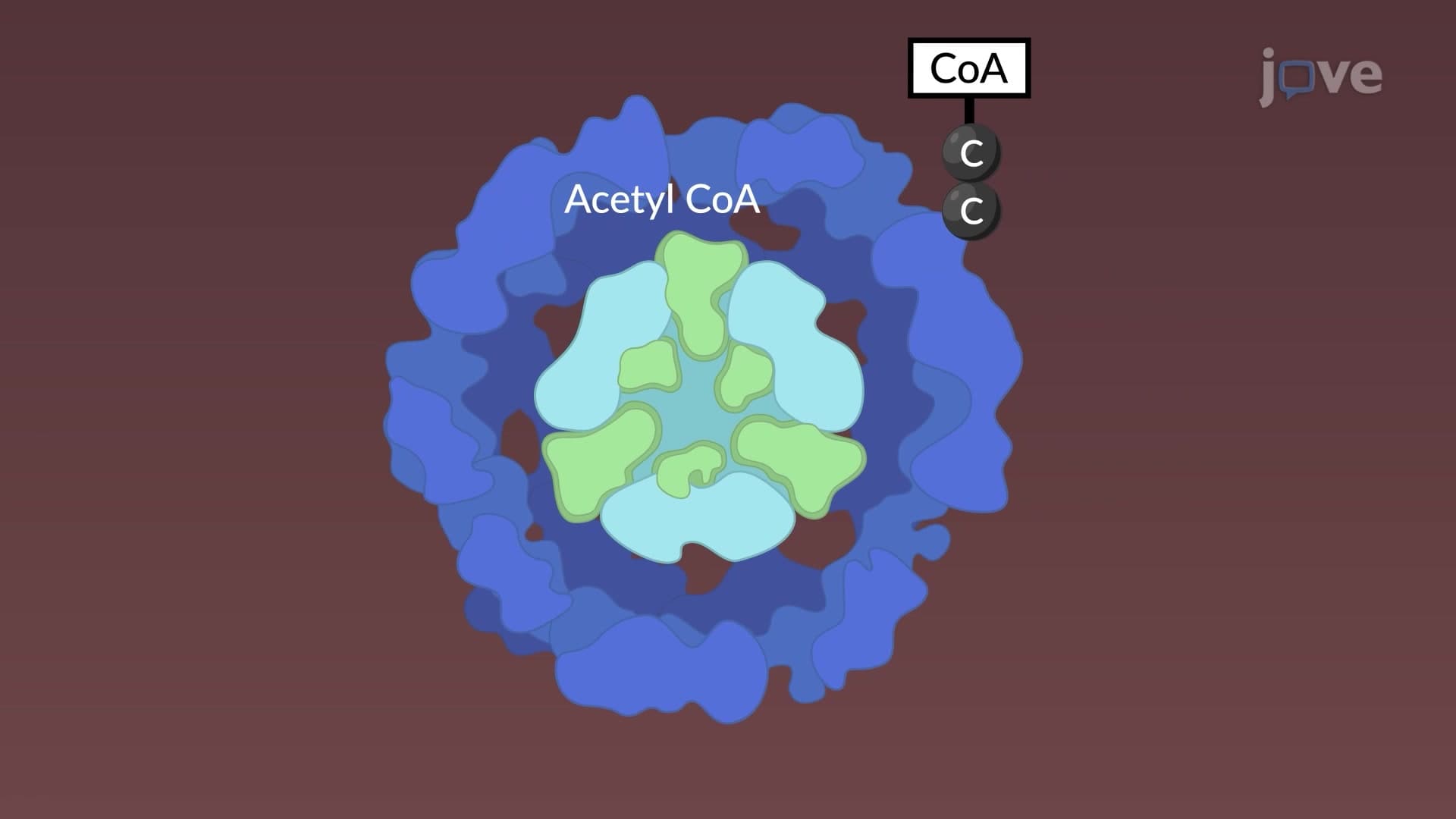
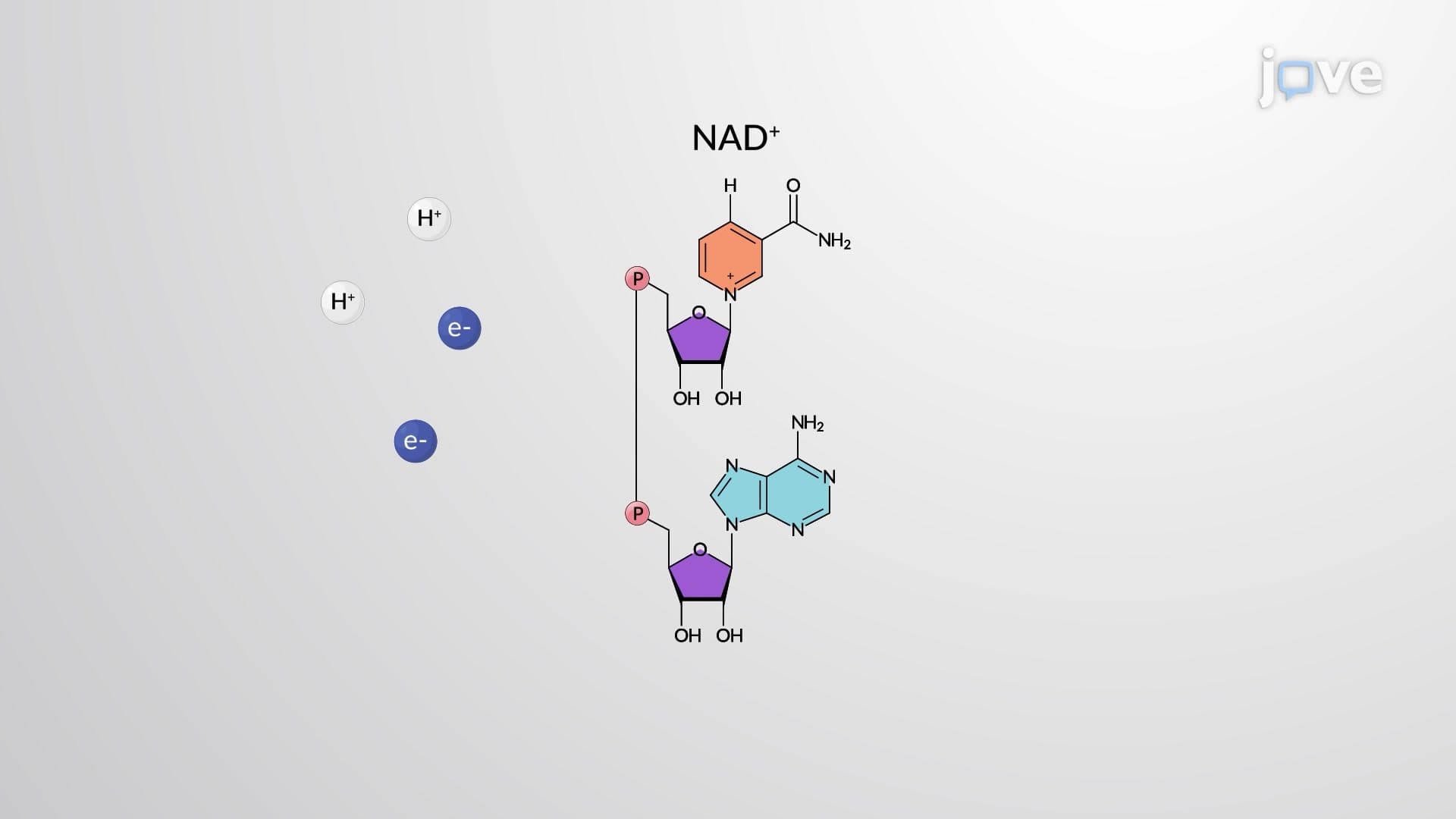
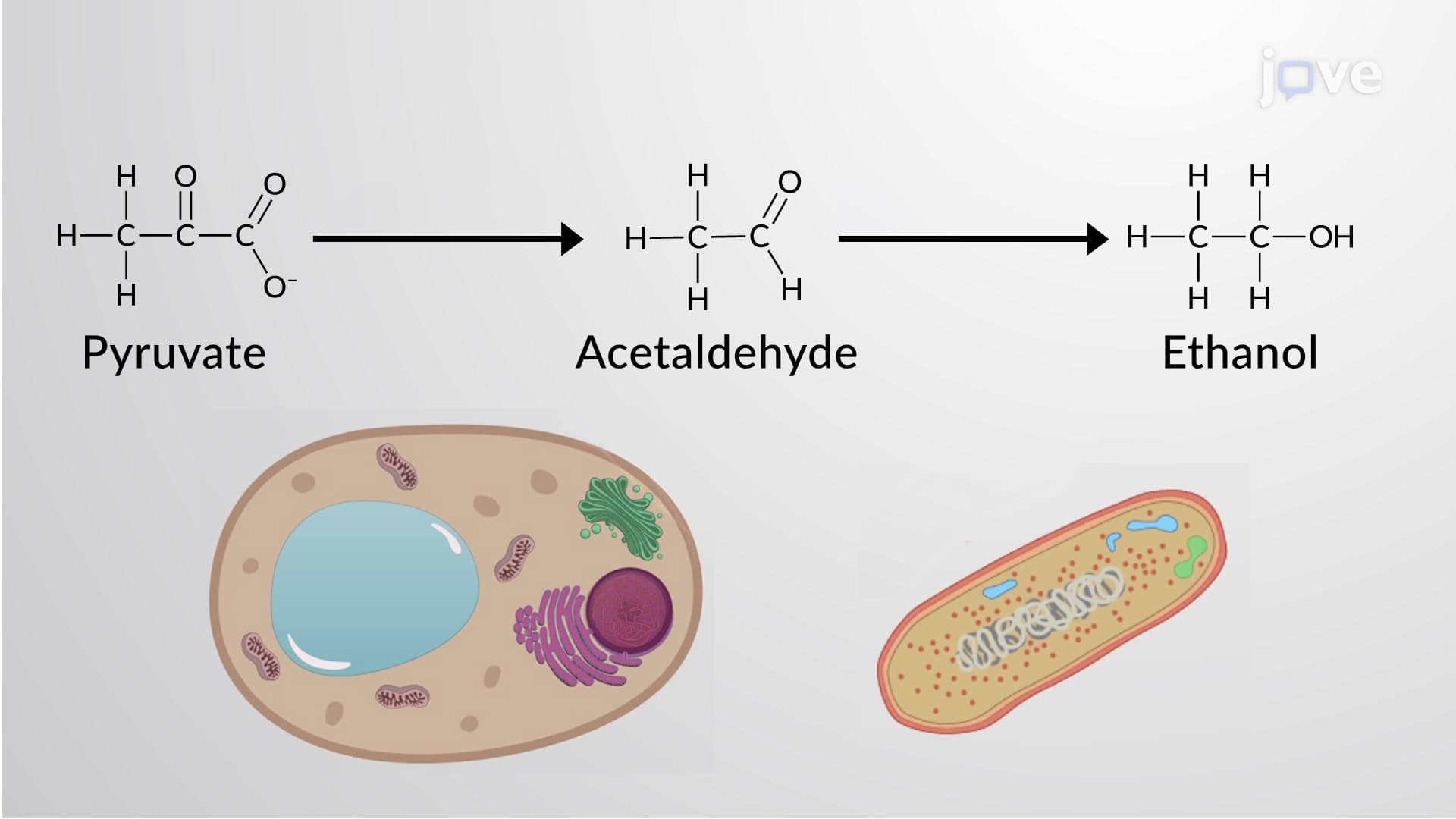
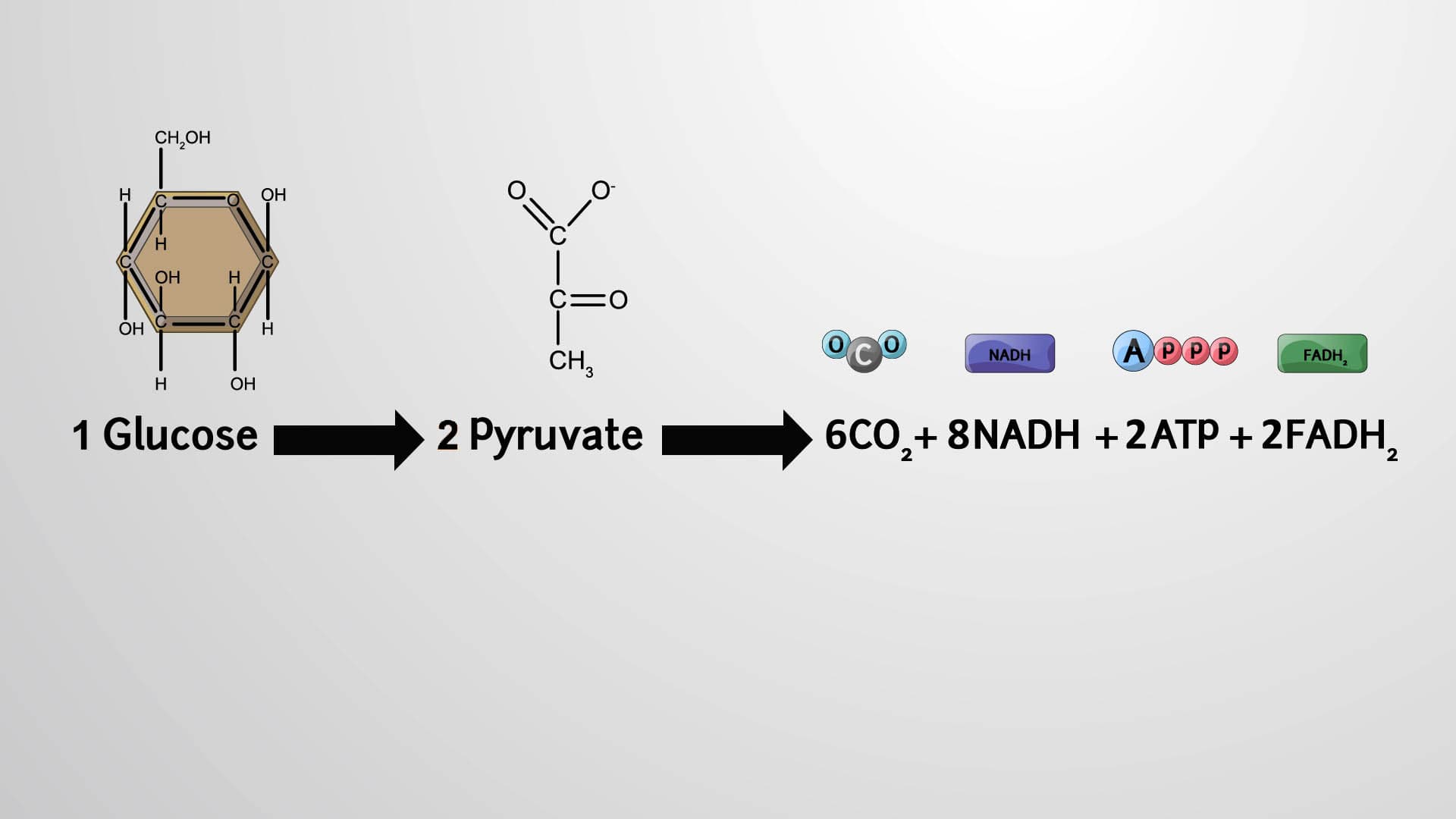
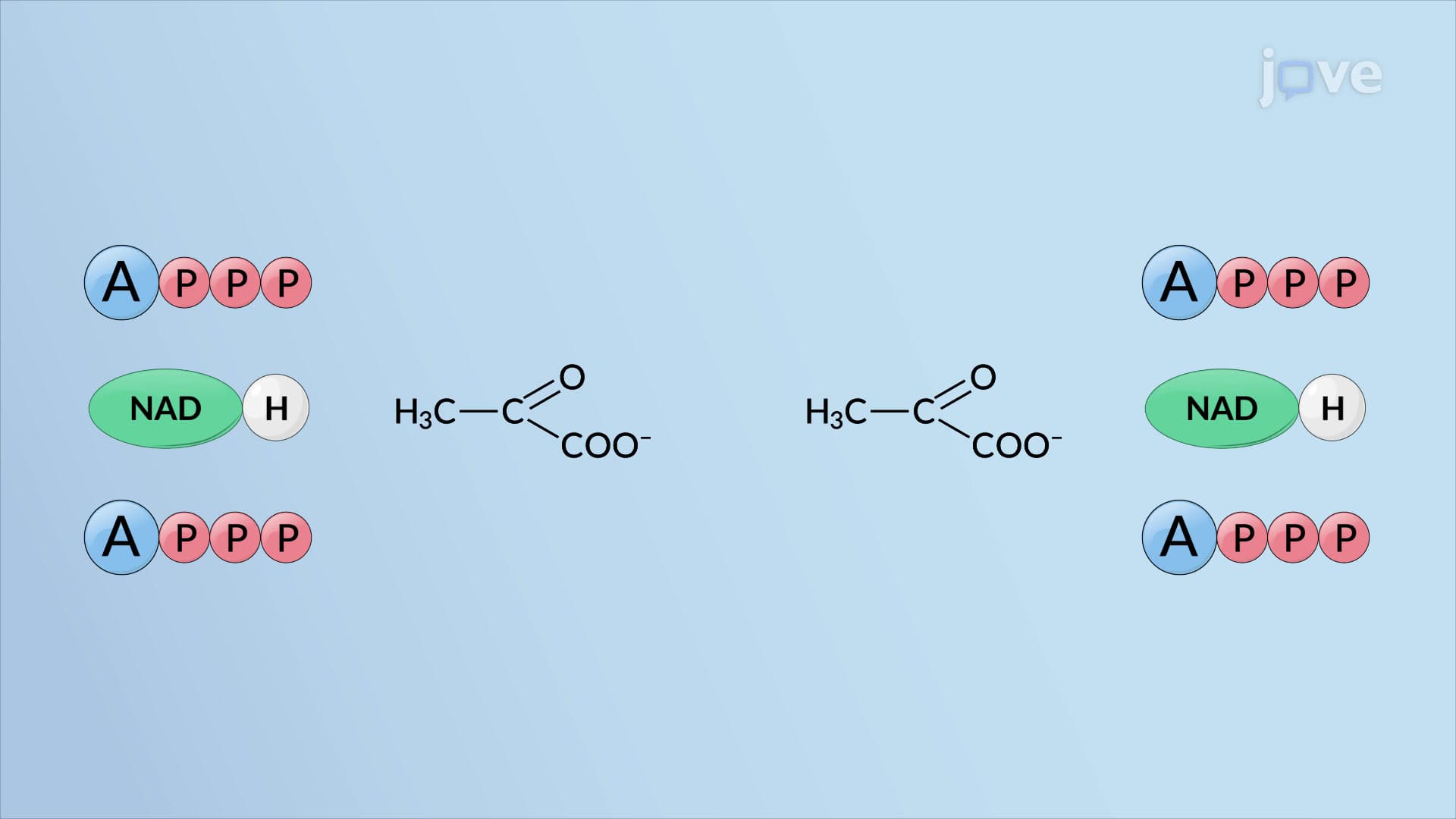
The second phase delivers the primary outcomes of glycolysis through substrate-level phosphorylation. Each three-carbon molecule generates two ATP molecules, resulting in four total ATP produced. Additionally, this phase generates two NADH molecules-crucial electron carriers that will prove invaluable in cellular respiration. The final products, two pyruvate molecules, serve as versatile building blocks for various metabolic pathways.
Understanding glycolysis outcomes proves essential for healthcare professionals and researchers across the United States. Emergency room physicians at hospitals like Mayo Clinic and Johns Hopkins recognize that during cardiac arrest, when oxygen delivery stops, cells rely entirely on glycolysis for ATP production. Similarly, exercise physiologists working with Olympic Training Centers understand that during high-intensity activities lasting 1-3 minutes, glycolysis provides the primary energy source for athletes. MCAT students must thoroughly grasp these outcomes, as metabolism questions consistently appear on this critical pre-medical exam, often requiring detailed analysis of energy yields and molecular products.
Related Micro-courses