Loading subject page…


1,769,118 views
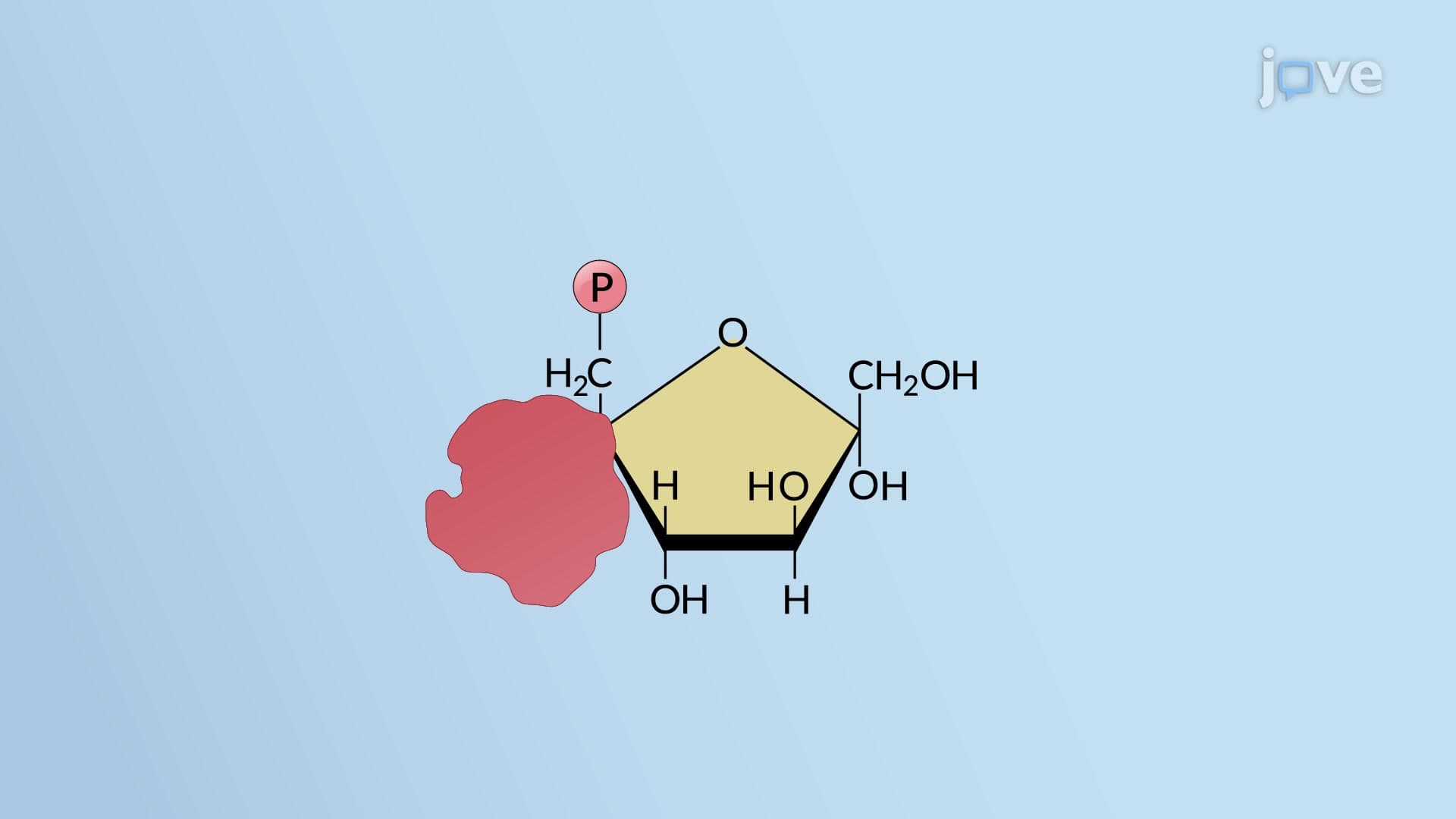

Video Summary: Energy Requiring Steps of Glycolysis Explained
Every second, your muscle cells burn through millions of glucose molecules to power your next heartbeat, yet this process begins by actually *spending* energy before making any. The energy requiring steps of glycolysis seem counterintuitive-like investing money to make money-but this initial ATP expenditure is precisely what traps glucose inside cells and prepares it for energy extraction. Consider how a marathon runner's muscles must first "prime the pump" by using stored ATP to begin glucose breakdown, even when energy reserves are already low. Watch the full video on JoVE Coach to master this concept with expert-led visuals and step-by-step explanations.
The energy requiring steps of glycolysis represent a fascinating metabolic paradox: cells must spend energy to make energy. This preparatory phase, also called the investment phase, transforms glucose from a simple sugar into activated metabolic intermediates ready for energy extraction. Think of it like a cellular business investment-short-term costs for long-term profits.
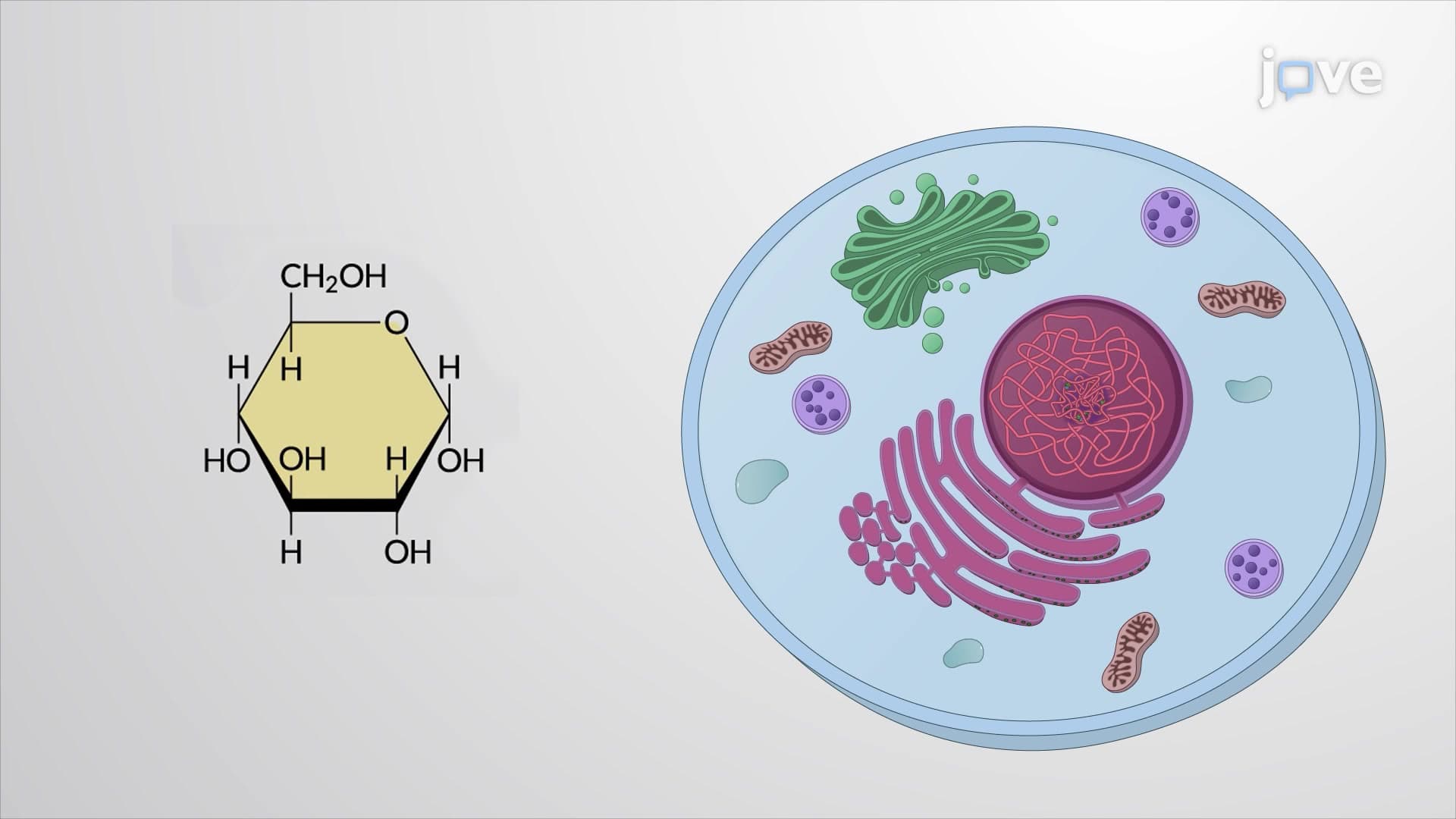
The journey begins when hexokinase catalyzes glucose phosphorylation using ATP, creating glucose 6-phosphate. This reaction serves dual purposes: it activates glucose for metabolism while simultaneously trapping it inside the cell. The added phosphate group carries a negative charge, making the molecule too polar to cross the cell membrane. Medical students studying for the MCAT often compare this to "molecular handcuffs"-once glucose enters a muscle cell during exercise, it cannot escape without being metabolized.
Phosphoglucose isomerase converts glucose 6-phosphate into fructose 6-phosphate, rearranging the sugar's structure without energy input. This isomerization reaction prepares the molecule for the next phosphorylation step by repositioning functional groups. AP Biology students should note that this reaction is reversible and reaches equilibrium, unlike the highly regulated steps that bookend it.
Phosphofructokinase (PFK) represents glycolysis's primary control point, phosphorylating fructose 6-phosphate to form fructose 1,6-bisphosphate. This enzyme acts like a cellular thermostat, responding to energy status indicators. When ATP levels are high (indicating sufficient energy), PFK activity decreases. Conversely, when AMP levels rise (signaling energy depletion), PFK accelerates glycolysis. College biochemistry courses emphasize PFK as the "committed step"-once this reaction occurs, the glucose molecule must complete glycolysis.
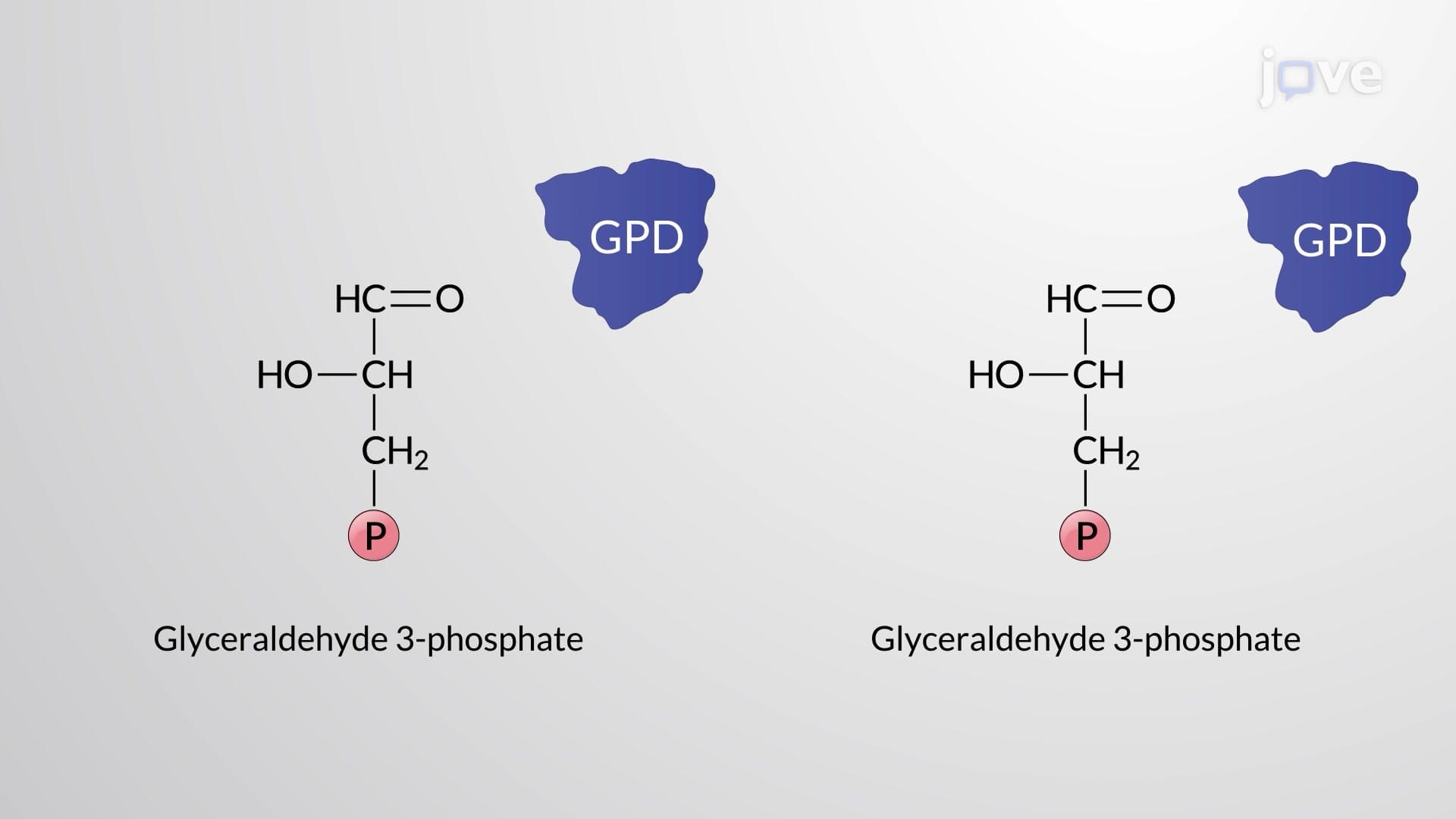
Aldolase cleaves the 6-carbon fructose 1,6-bisphosphate into two 3-carbon molecules: glyceraldehyde 3-phosphate (G3P) and dihydroxyacetone phosphate (DHAP). Triose phosphate isomerase quickly converts DHAP into G3P, ensuring both molecules enter the energy-producing phase. This cleavage step is crucial-it doubles the number of molecules proceeding through subsequent reactions, ultimately doubling ATP yield per glucose molecule.
Related Micro-courses