Loading subject page…

- Biology
- Cellular Respiration
- Introduction to Cellular Respiration
Micro-course: Cellular Respiration
1,769,101 views
Learn key concepts and earn your certificate.

Introduction to Cellular Respiration

00:00
01:22
Video Summary: What Is Cellular Respiration
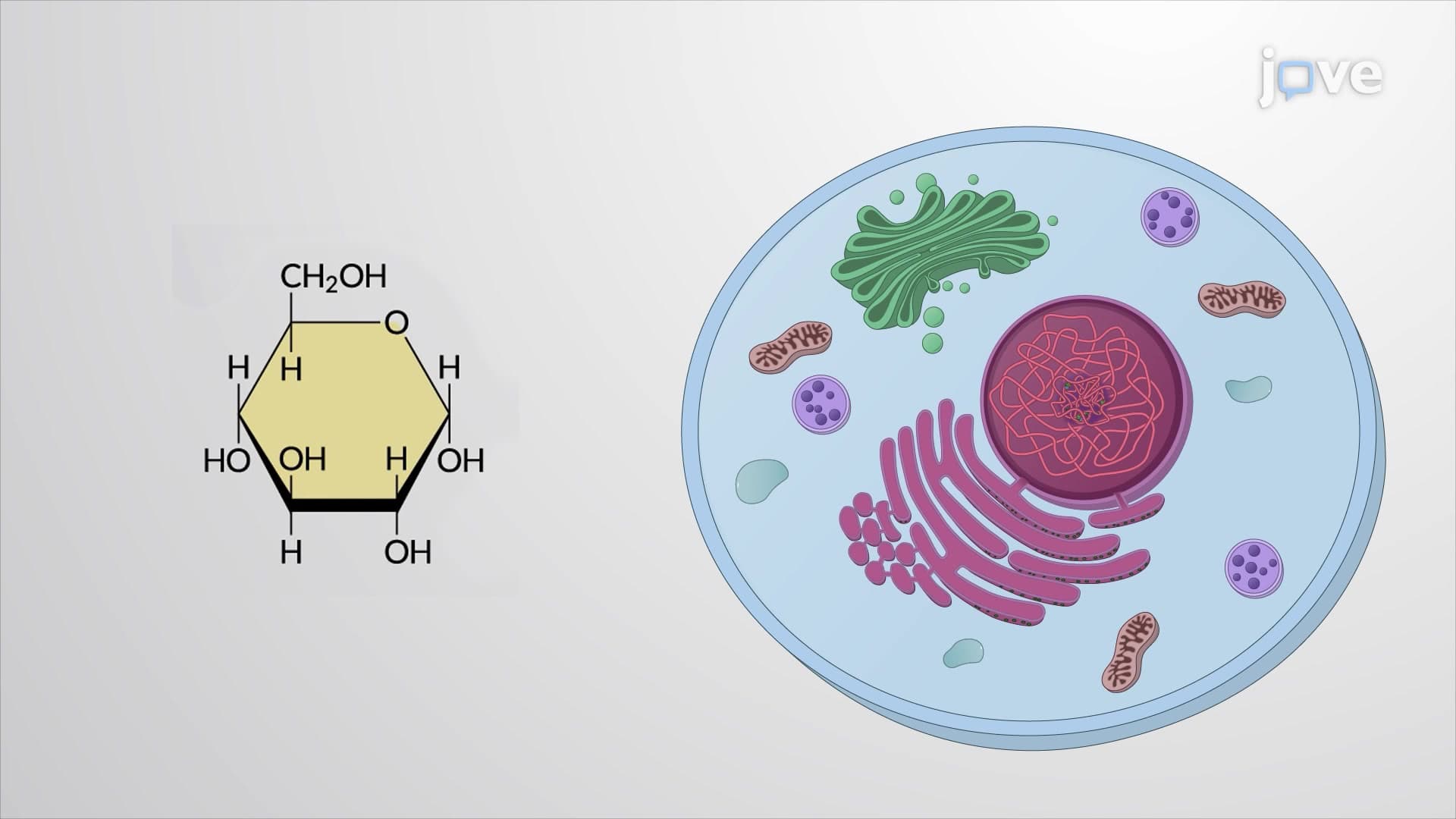
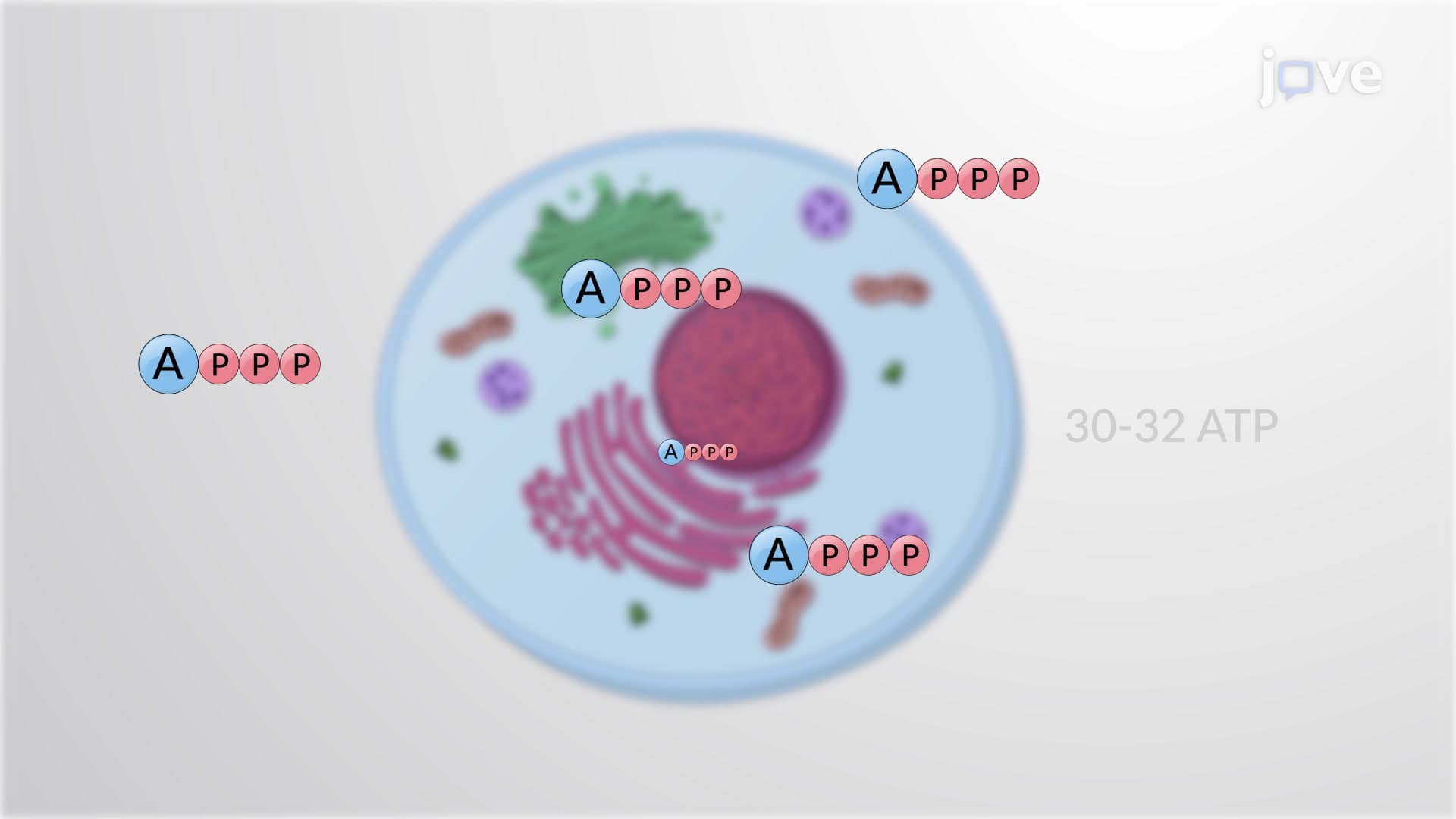
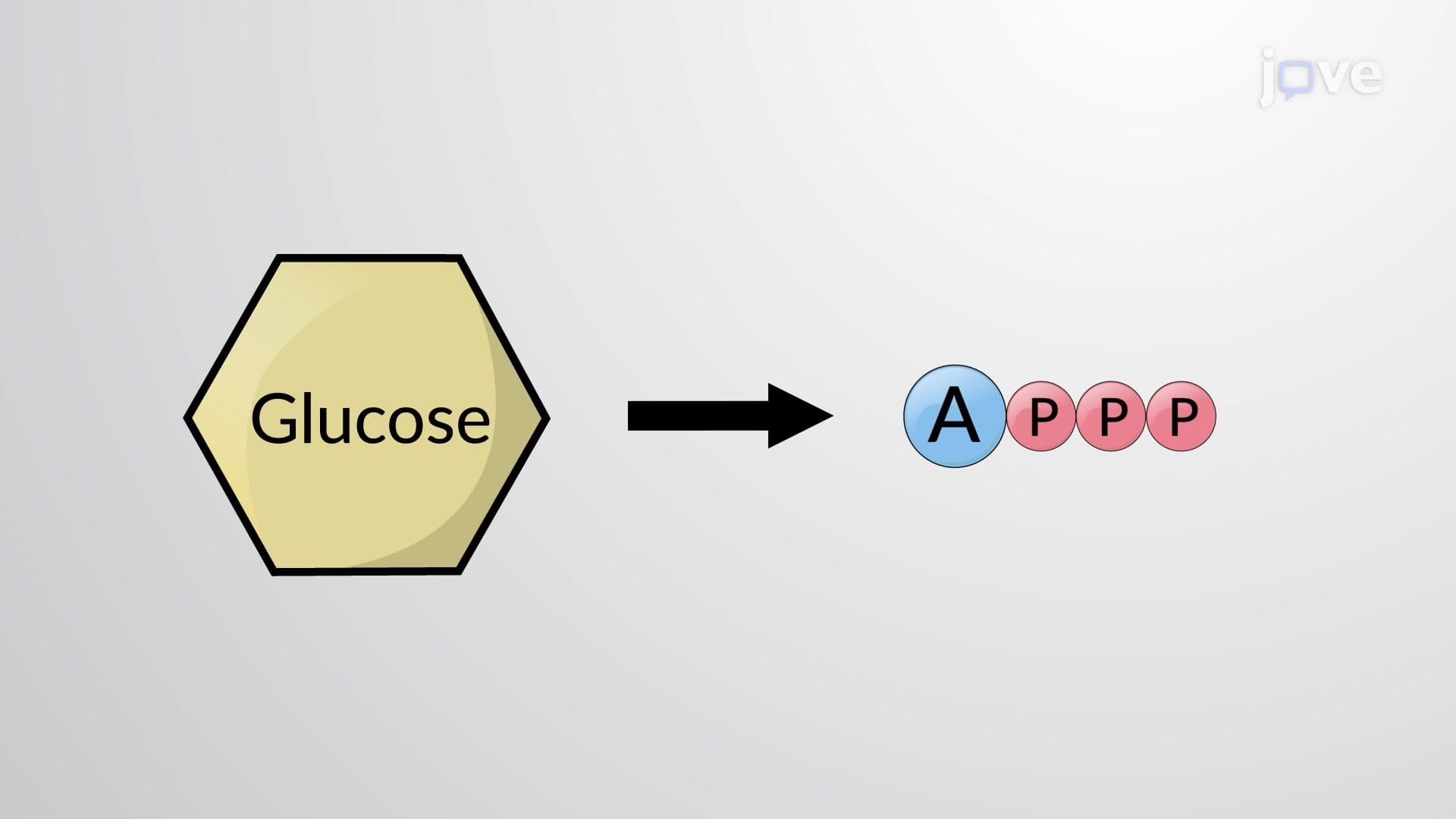
Ever wonder how your muscles get the energy to contract during a high-intensity CrossFit workout? Cellular respiration is the fundamental biological process that breaks down glucose and other organic molecules to produce ATP, the energy currency that powers everything from muscle contractions to brain function. In fact, your heart muscle cells perform cellular respiration continuously, consuming about 6% of your body's total energy just to keep beating. This catabolic process occurs in specific cellular locations and involves multiple interconnected steps. Watch the full video on JoVE Coach to master this concept with expert-led visuals and step-by-step explanations.
- Understand what is cellular respiration and its role as a catabolic energy-producing process in living organisms
- Identify the four main stages of cellular respiration and their specific cellular locations
- Analyze the chemical equation for glucose breakdown and compare it to photosynthesis
- Recognize the different organic substrates that can fuel cellular respiration beyond glucose
- Evaluate the importance of oxygen in aerobic respiration and ATP production
- Apply knowledge of cellular respiration to explain how cells power vital processes like muscle contraction
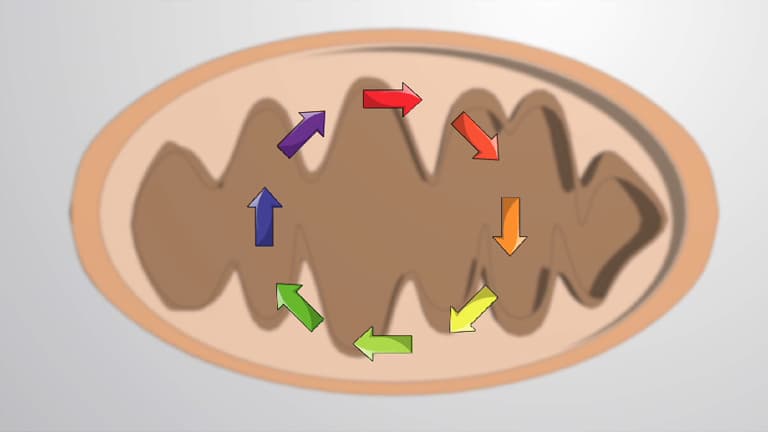
- Explore the connection between mitochondrial structure and respiratory function
- Compare the energy yields from different stages of the cellular respiration process
Understanding What is Cellular Respiration: The Cell's Power Plant
Cellular respiration represents one of biology's most fundamental processes-the systematic breakdown of organic molecules to harvest usable energy. Unlike a car engine that burns gasoline in one explosive reaction, cells extract energy through a carefully controlled, multi-step process that maximizes ATP production while minimizing harmful byproducts.
The Four-Stage Energy Extraction Process
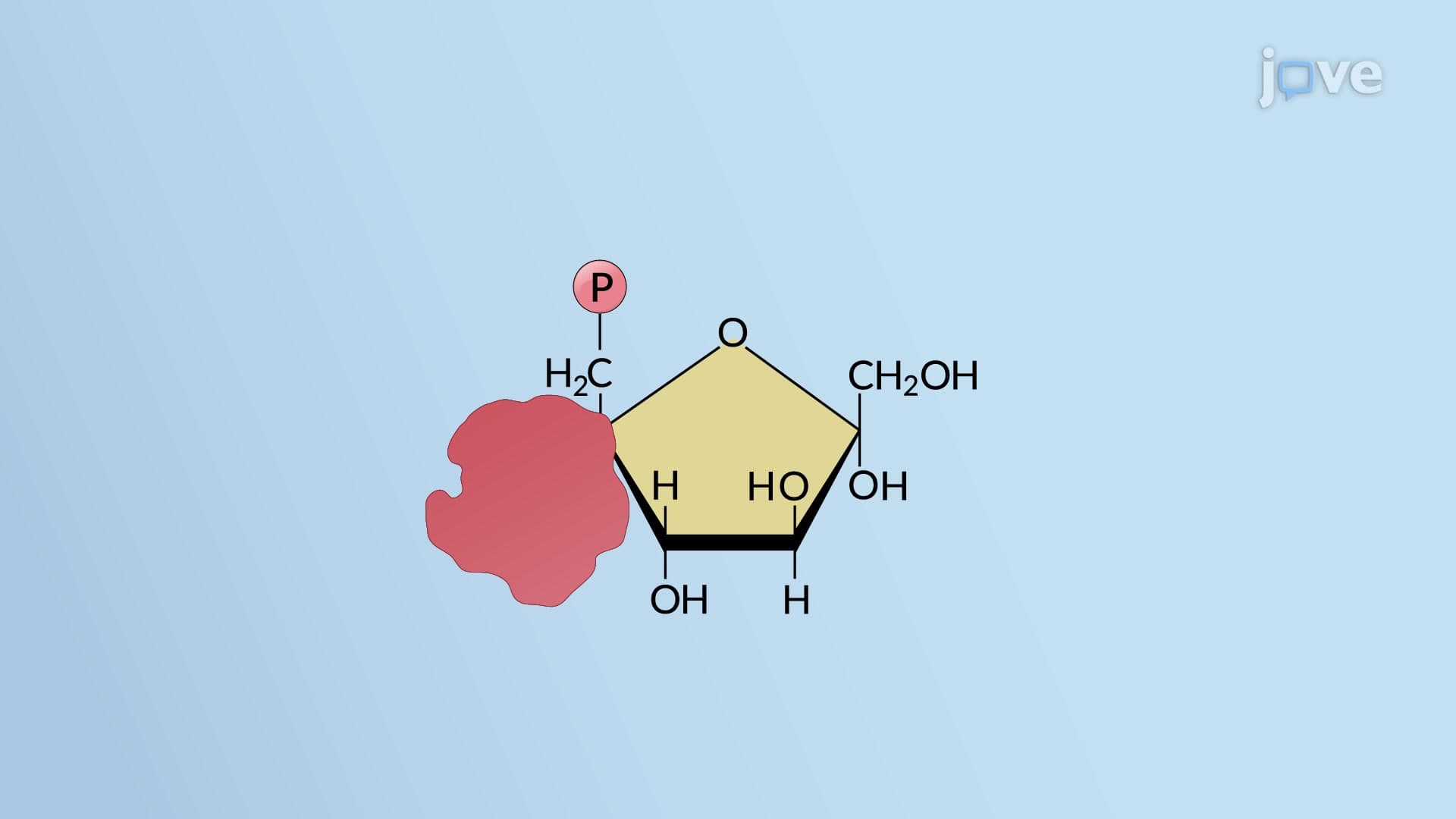
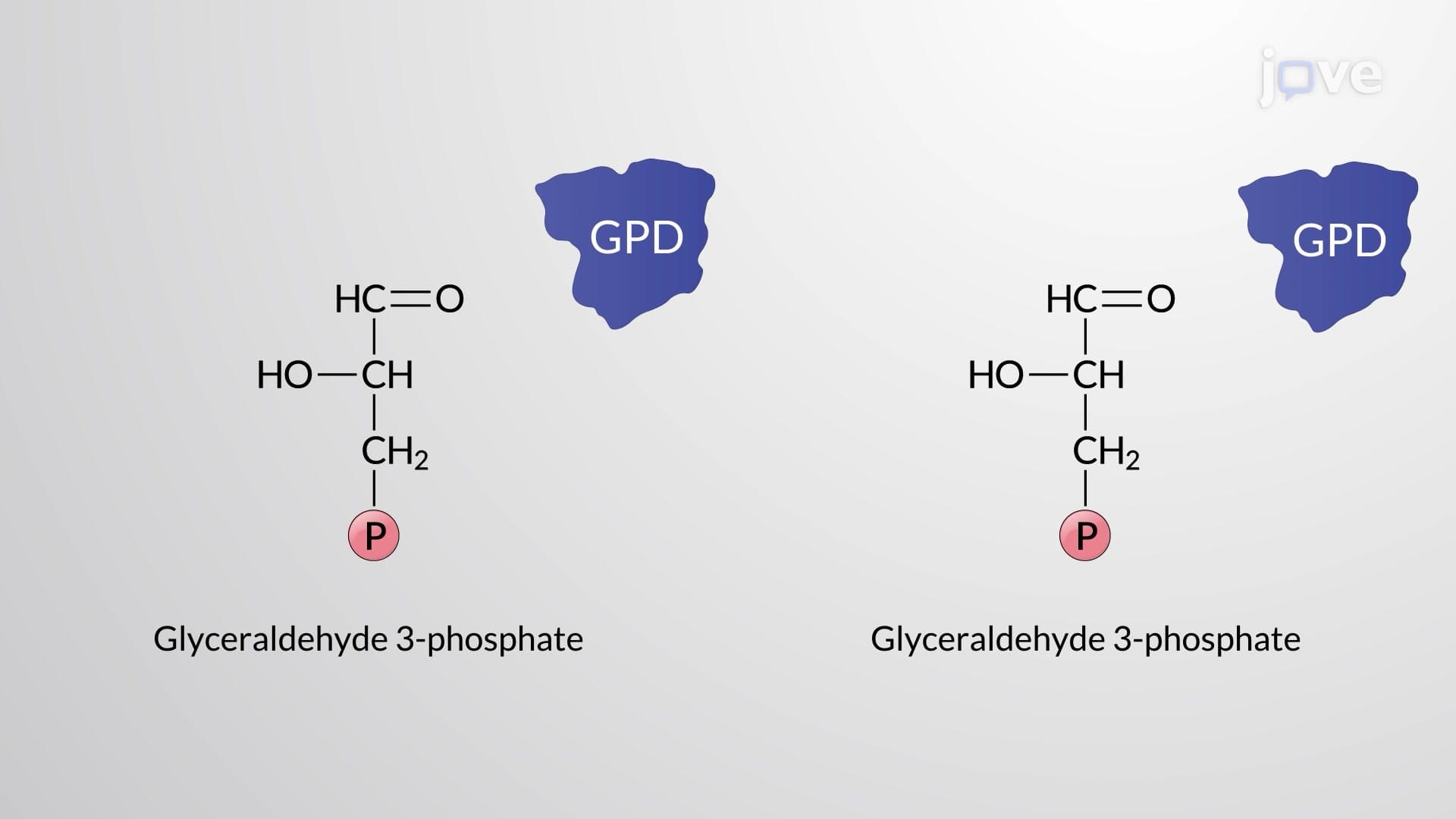
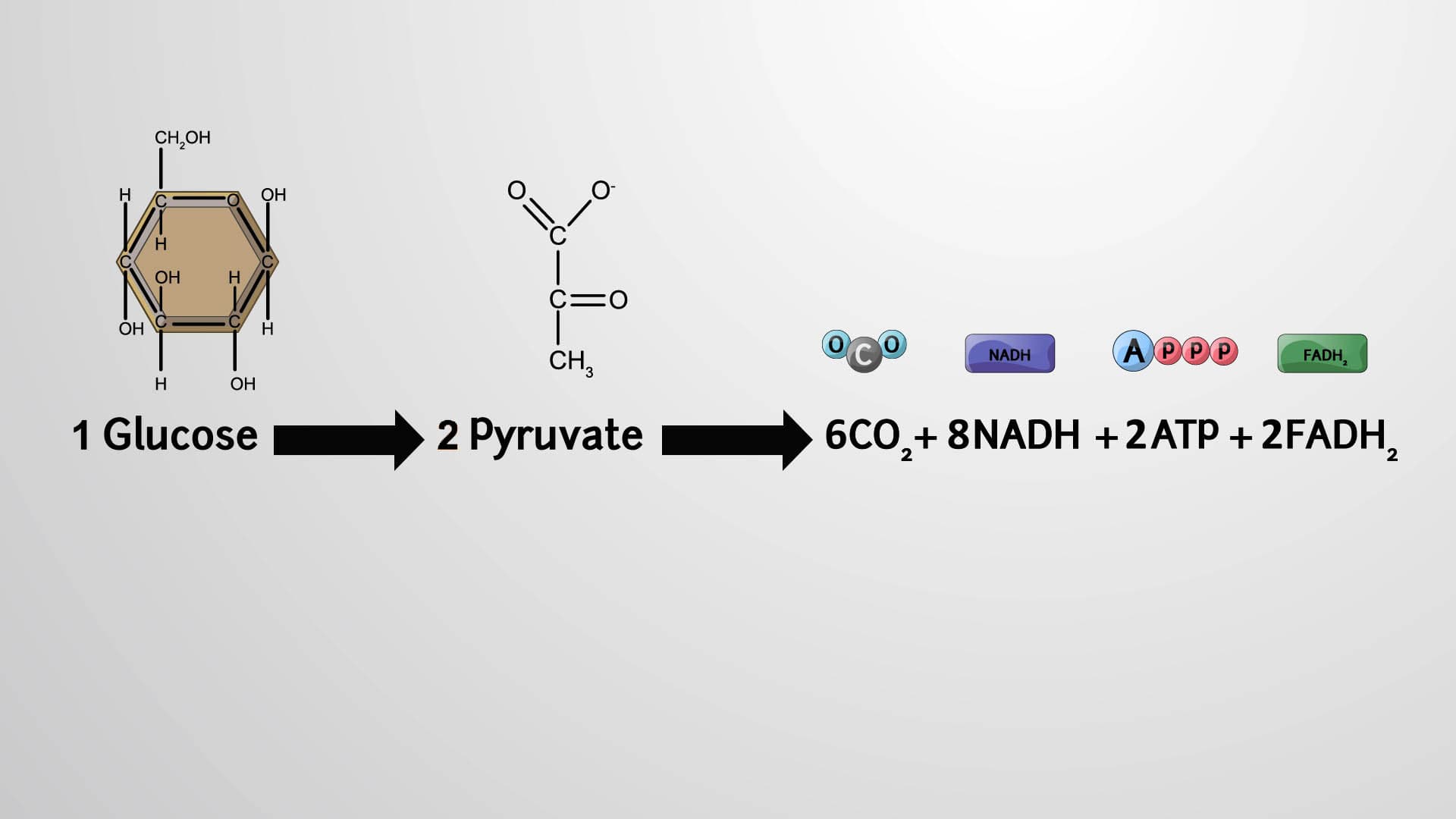
The cellular respiration biology explained through four distinct stages reveals nature's elegant efficiency. Glycolysis begins in the cytoplasm, where glucose splits into two pyruvate molecules, generating a modest ATP yield. This ancient pathway functions without oxygen, making it crucial during intense exercise when oxygen delivery lags behind muscle demands-think of a sprinter's final 50-meter dash.
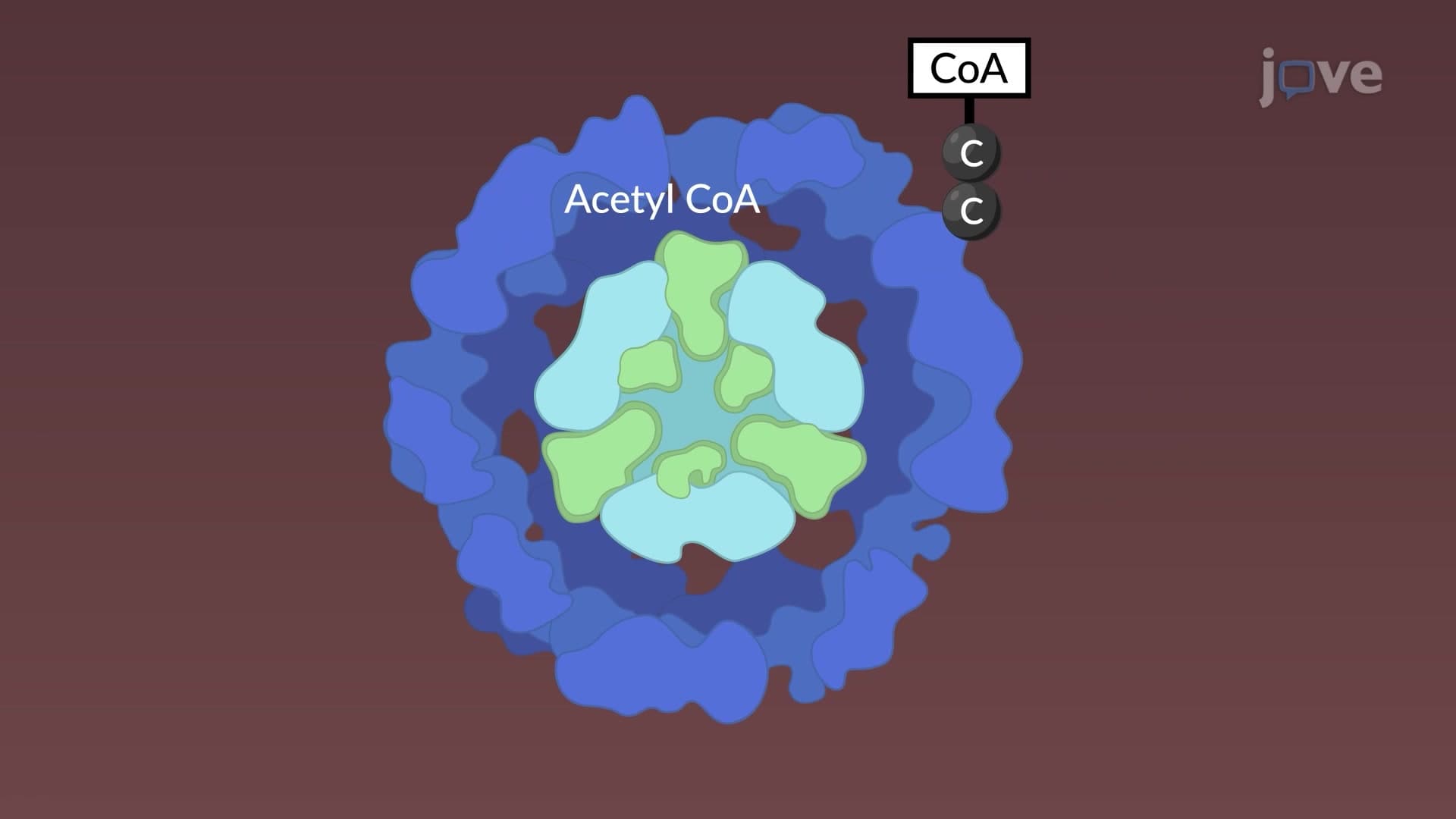
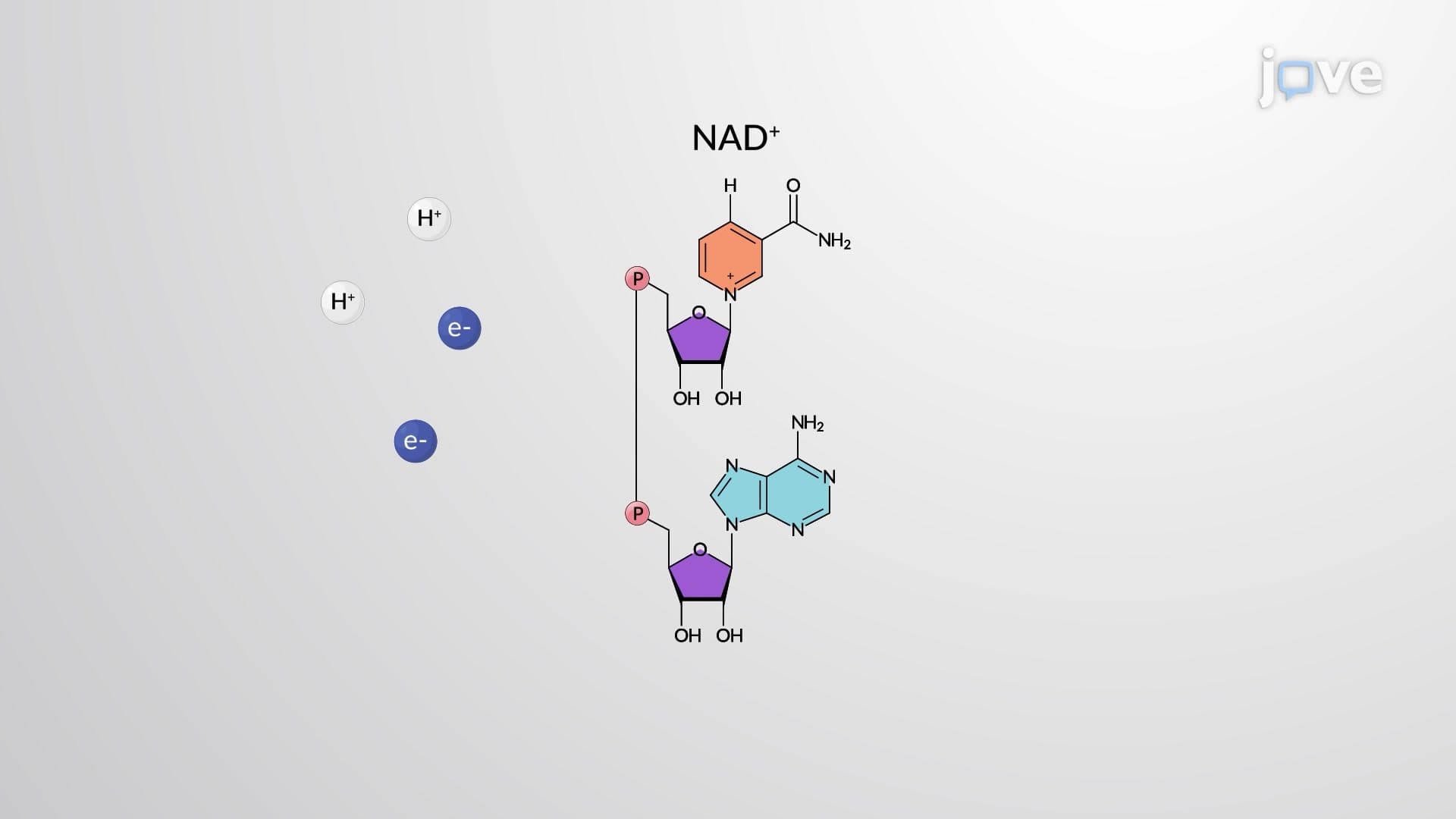
Pyruvate oxidation and the citric acid cycle (Krebs cycle) occur within the mitochondrial matrix, the powerhouse's inner compartment. Here, pyruvate transforms into acetyl-CoA, entering the citric acid cycle where carbon atoms are systematically removed as CO2. This process resembles a biological assembly line in reverse, methodically dismantling molecular structures while capturing energy-rich electrons.
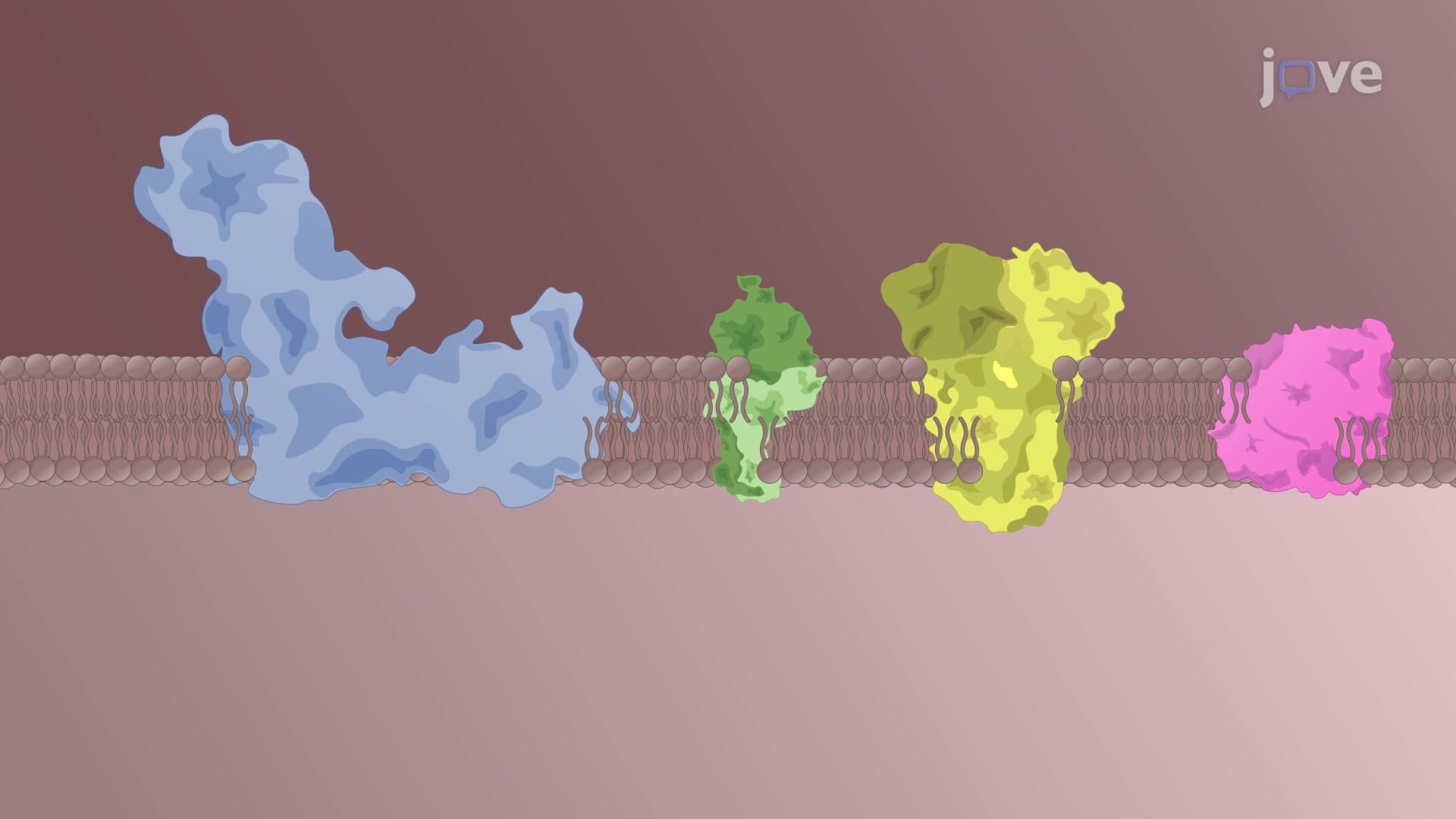
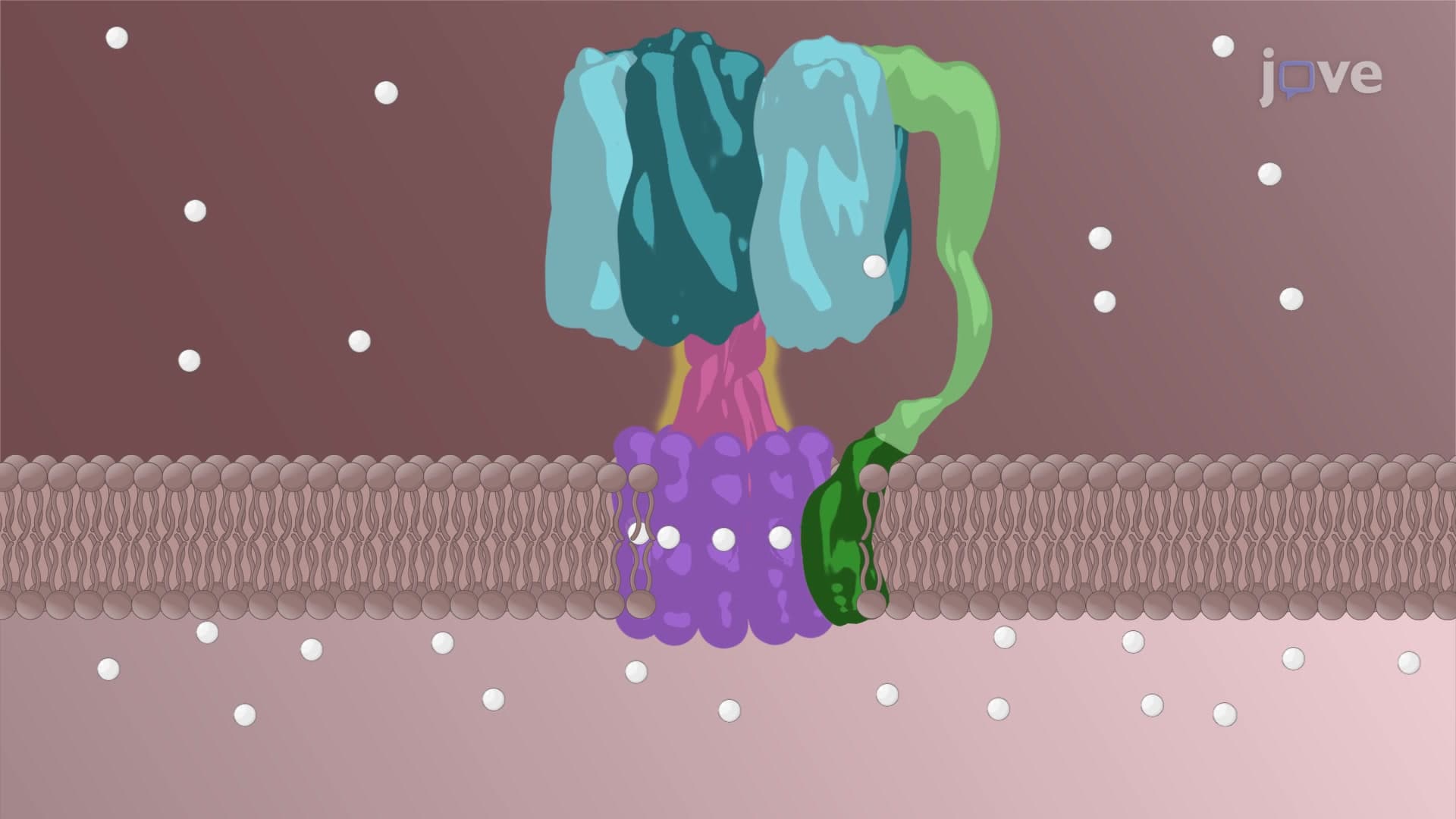
The final stage, oxidative phosphorylation, happens along the inner mitochondrial membrane through the electron transport chain. This process generates the majority of ATP through chemiosmosis, where proton gradients drive ATP synthesis-similar to how water flowing through a dam generates electricity.
Real-World Applications and Academic Relevance
Understanding cellular respiration proves essential for AP Biology students, pre-med MCAT preparation, and college-level biochemistry courses. The process explains why athletes consume carbohydrates before competition, why carbon monoxide poisoning disrupts cellular energy production, and why mitochondrial diseases cause severe fatigue and muscle weakness.
Clinical applications abound in US healthcare settings. Emergency room physicians recognize that cyanide poisoning blocks the electron transport chain, while cardiologists understand that heart attack damage results partly from disrupted cellular respiration in cardiac muscle cells. Diabetic patients experience complications when their cells cannot efficiently utilize glucose for cellular respiration, highlighting this process's medical significance.
Metabolic Flexibility and Substrate Utilization
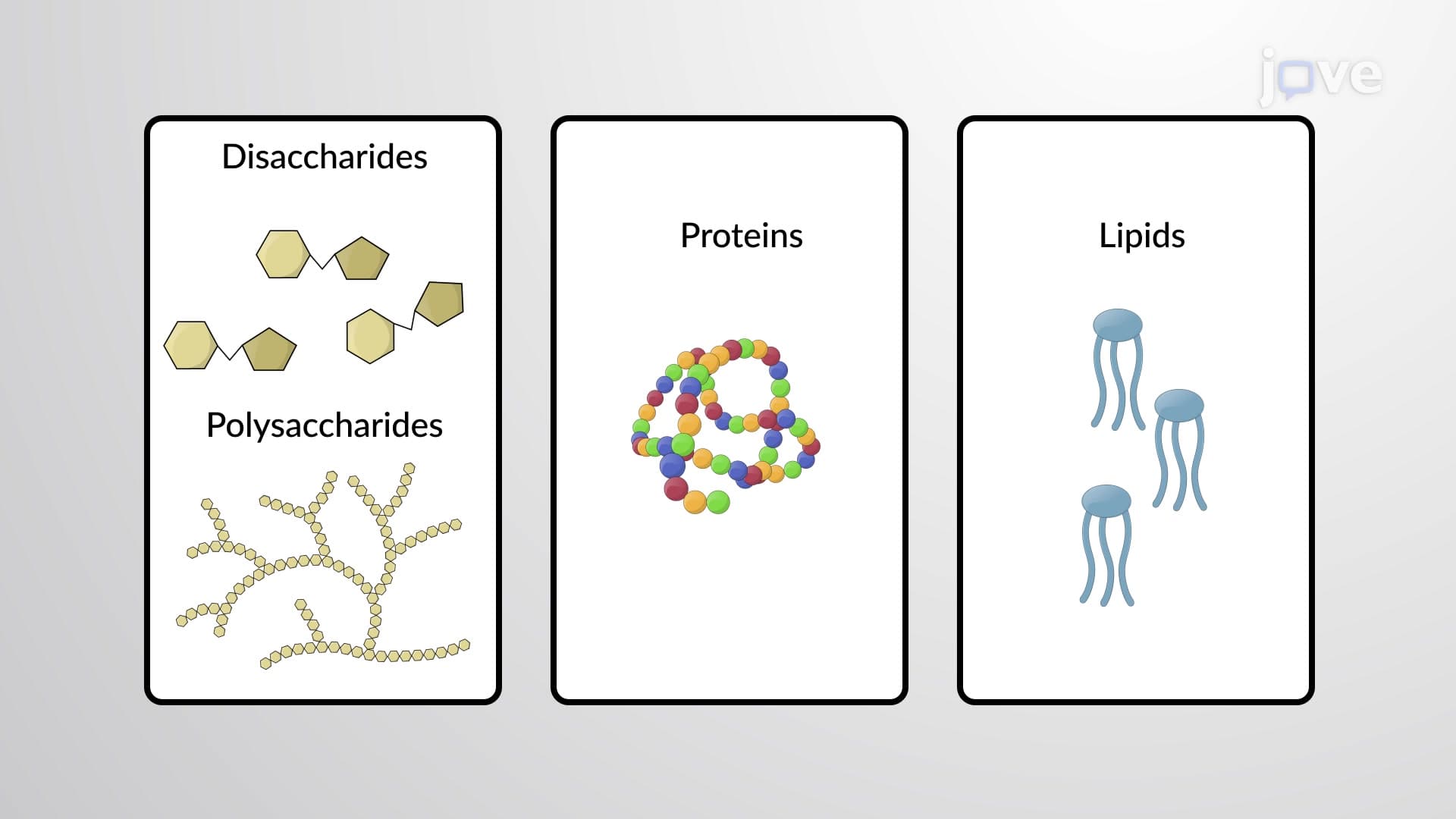
While glucose serves as the primary substrate, cellular respiration demonstrates remarkable flexibility. During extended fasting or low-carbohydrate diets, cells shift to metabolizing fatty acids and amino acids. This metabolic adaptability explains how endurance athletes can maintain performance during ultra-marathons exceeding 26 miles, gradually transitioning from carbohydrate to fat oxidation as their primary energy source.
Frequently Asked Questions
Cellular respiration is the process where cells break down glucose and oxygen to produce ATP (energy), carbon dioxide, and water. Think of it as your cells' way of "eating" food molecules to create usable energy for all life processes. This happens continuously in every living cell, from muscle contractions to brain thinking.
Cellular respiration is essentially the reverse of photosynthesis. While photosynthesis uses sunlight to convert CO2 and water into glucose and oxygen, cellular respiration breaks down glucose and oxygen to release energy, producing CO2 and water as waste products. These two processes form a complementary cycle in nature.
AP Biology commonly tests cellular respiration through multiple-choice questions about ATP yield, free-response questions comparing aerobic and anaerobic processes, and data analysis problems involving oxygen consumption rates. Students should master the four stages, their locations, and energy calculations for optimal performance.
The MCAT emphasizes cellular respiration in Biological and Biochemical Foundations sections, focusing on enzyme regulation, metabolic pathways, and clinical applications. Expect questions linking cellular respiration to disease states, drug mechanisms, and physiological adaptations under different conditions.
The equation C6H12O6 + 6O2 → 6CO2 + 6H2O + ATP serves as the foundation for understanding energy balance, stoichiometry, and metabolic calculations. Most professors expect students to apply this equation to solve problems involving oxygen consumption, carbon dioxide production, and energy yield calculations.
During intense exercise at US fitness centers, your muscle cells rapidly perform cellular respiration to meet increased energy demands. Initially, cells use stored glucose, but during prolonged activities like marathon running, they shift to breaking down fats and even proteins when carbohydrate stores deplete.
Not at all! While cellular respiration involves biochemical pathways, high school students successfully master this concept by focusing on the big picture first-inputs, outputs, and locations-before diving into molecular details. Most introductory courses emphasize understanding over memorizing every intermediate compound.
Create a flowchart showing the four stages (glycolysis, pyruvate oxidation, citric acid cycle, electron transport chain) with their locations and products. Practice drawing the overall equation from memory, and work through ATP calculation problems. Focus on connecting each stage to real-world examples like exercise physiology.
Build on cellular respiration by exploring photosynthesis (its complementary process), fermentation pathways, and metabolic regulation. These topics naturally connect and frequently appear together on standardized tests, creating a comprehensive understanding of cellular energy metabolism and biological systems integration.
Related Micro-courses