Loading subject page…

- Biology
- Cellular Respiration
- Chemiosmosis
Micro-course: Cellular Respiration
1,769,101 views
Learn key concepts and earn your certificate.

Chemiosmosis

00:00
01:32
Video Summary: What Is Chemiosmosis
Every time you take a breath, trillions of cellular "power plants" inside you are spinning molecular turbines to create energy-this is chemiosmosis in action. This fundamental biological process harnesses proton gradients across membranes to produce ATP, the universal energy currency of life. From the mitochondria powering a marathon runner's muscles to the chloroplasts in California redwoods converting sunlight to sugar, chemiosmosis drives life itself. Watch the full video on JoVE Coach to master this concept with expert-led visuals and step-by-step explanations.
- Understand what is chemiosmosis and how it couples ion movement to ATP synthesis in cellular energy production
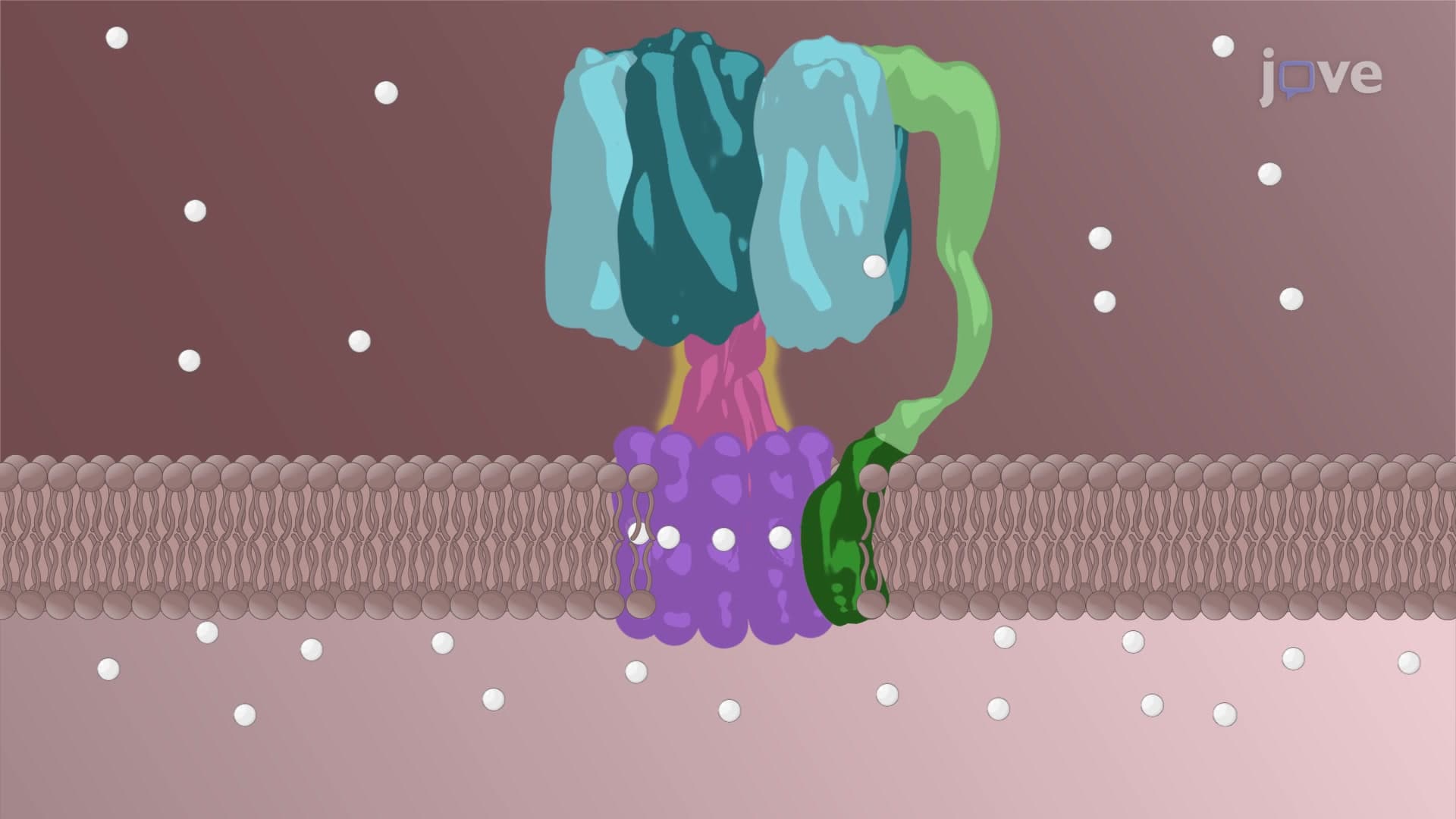
- Identify the key components of ATP synthase, including the stator, rotor, central stalk, and globular head subunits
- Analyze how the electron transport chain establishes the proton gradient that drives chemiosmotic ATP production
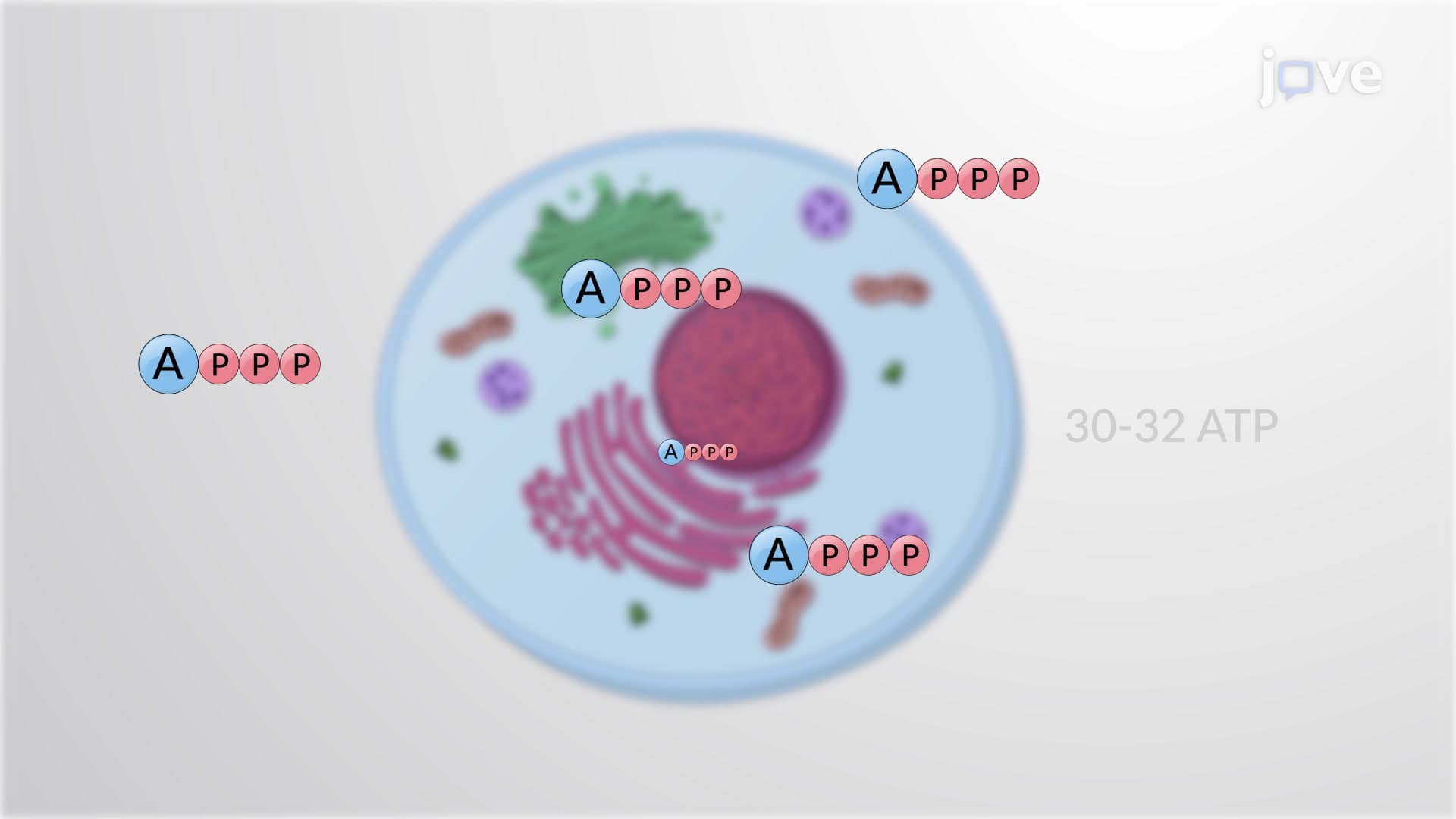
- Compare the energy yield of chemiosmosis versus other cellular respiration stages, recognizing its role in producing 32-34 ATP molecules
- Evaluate the relationship between electrochemical gradients and mechanical energy conversion in biological systems
- Apply knowledge of chemiosmotic principles to explain how mitochondrial dysfunction affects cellular energy metabolism
- Recognize the connection between oxidative phosphorylation and chemiosmosis in the context of cellular respiration
- Explore how chemiosmotic mechanisms appear across different biological systems, from bacteria to plant chloroplasts
Understanding What is Chemiosmosis: The Cellular Energy Engine
Chemiosmosis represents one of biology's most elegant energy conversion mechanisms, transforming the potential energy stored in ion gradients into the chemical energy of ATP bonds. This process occurs whenever cells need to generate large quantities of ATP efficiently, making it fundamental to virtually all life on Earth.
The Molecular Machinery Behind Chemiosmotic ATP Production
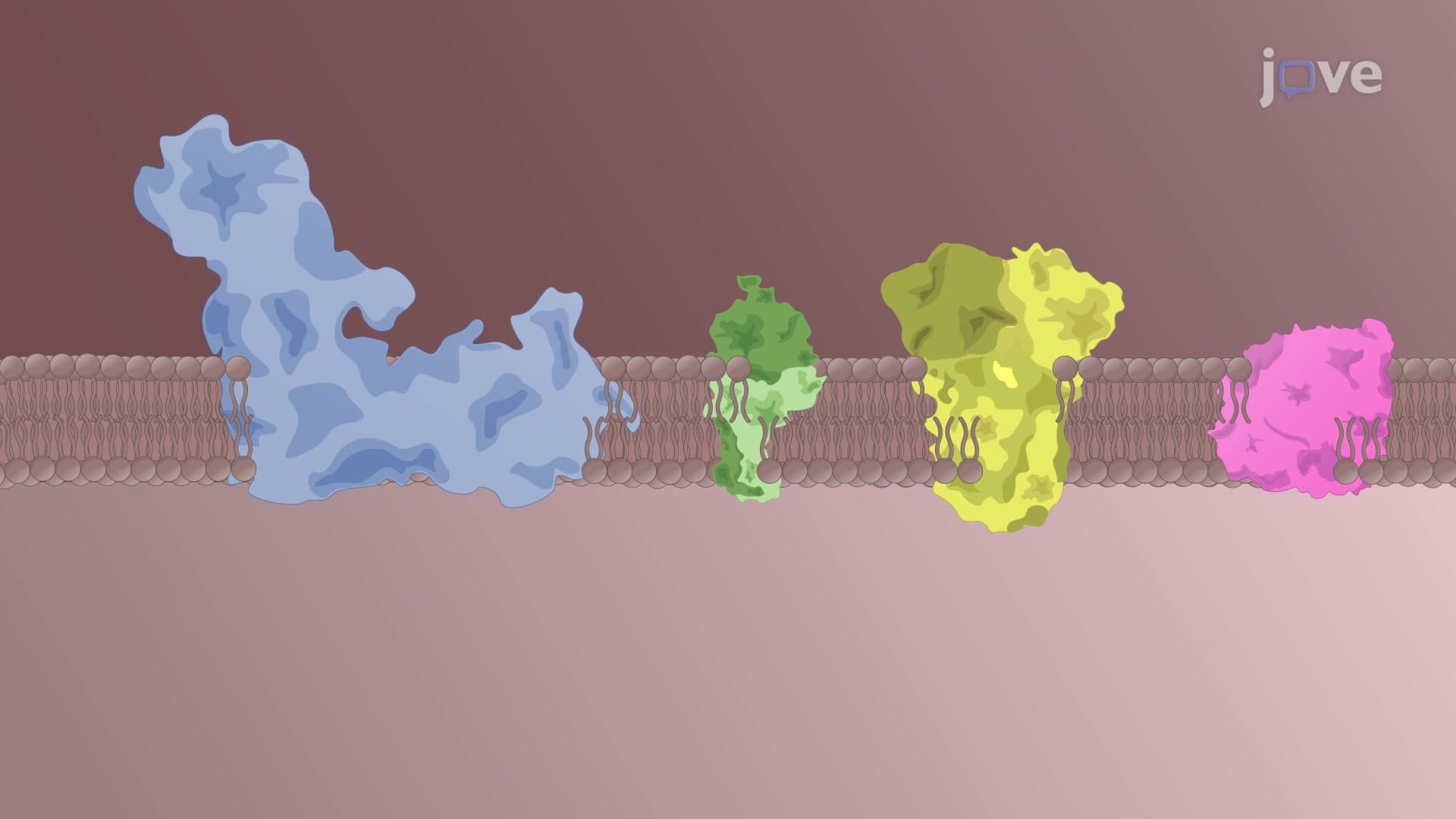
The heart of chemiosmosis lies in ATP synthase, often called the world's smallest rotary motor. This remarkable enzyme complex spans cellular membranes and converts the kinetic energy of flowing protons into rotational mechanical energy. The process begins when protons, concentrated on one side of a membrane by the electron transport chain, flow down their electrochemical gradient through ATP synthase channels.
As protons pass through the enzyme's stator channels, they cause the central rotor to spin at approximately 100 rotations per second. Each complete 360-degree rotation drives conformational changes in the globular head, which catalyzes the phosphorylation of ADP to ATP. This coupling of ion flow to ATP synthesis exemplifies how cells harness thermodynamic principles for biological work.
Chemiosmosis in Cellular Respiration and Energy Metabolism
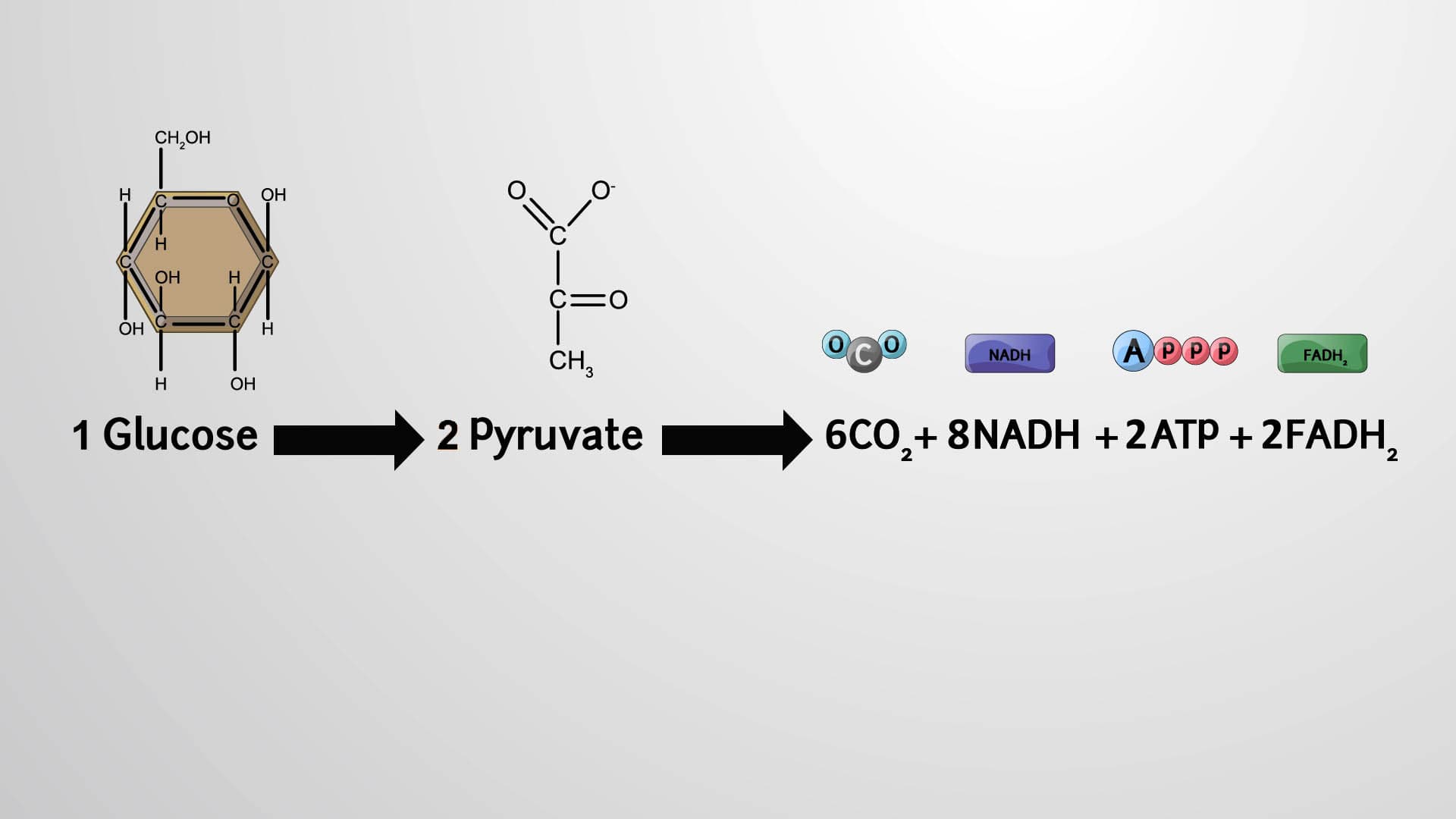
During oxidative phosphorylation in mitochondria, chemiosmosis accounts for the majority of ATP production from glucose metabolism. While glycolysis yields only 2 ATP molecules and the citric acid cycle produces 2 more, chemiosmosis generates 32-34 ATP molecules-representing about 90% of cellular respiration's energy output.
This process is particularly relevant for students preparing for advanced biology courses and standardized exams. The AP Biology exam frequently tests understanding of chemiosmotic mechanisms, while pre-med students encounter detailed chemiosmotic pathways on the MCAT. Medical students studying cellular metabolism for USMLE Step 1 must thoroughly understand how chemiosmotic dysfunction contributes to mitochondrial diseases and metabolic disorders.
Real-World Applications and Clinical Significance
Chemiosmotic principles extend far beyond textbook examples. Pharmaceutical researchers at companies like Pfizer and Johnson & Johnson study chemiosmotic mechanisms to develop treatments for mitochondrial disorders affecting thousands of Americans. Athletic performance centers use knowledge of chemiosmotic efficiency to optimize training regimens for Olympic athletes, while agricultural scientists apply similar principles to improve crop yields through enhanced photosynthetic chemiosmosis in plant chloroplasts.
Frequently Asked Questions
Chemiosmosis is the process where ion movement across membranes drives ATP synthesis, making it the primary mechanism for cellular energy production. It's essential because it produces 32-34 ATP molecules per glucose molecule during cellular respiration, representing the most efficient energy conversion process in living cells. This process powers everything from muscle contractions to brain function in humans.
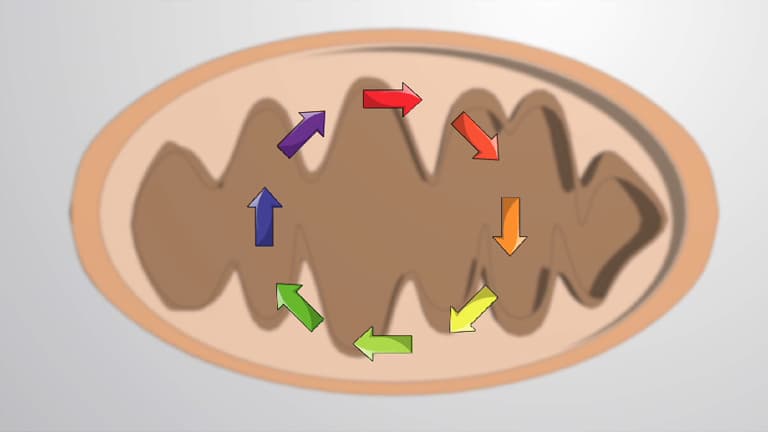
The electron transport chain creates the proton gradient that chemiosmosis uses to generate ATP. As electrons move through protein complexes in the inner mitochondrial membrane, protons are pumped from the matrix to the intermembrane space. This established gradient provides the driving force for protons to flow back through ATP synthase, powering ATP production.
Focus on cellular respiration stages (glycolysis, citric acid cycle, oxidative phosphorylation), photosynthesis light reactions, and membrane structure. The AP Biology exam often connects chemiosmosis to energy flow in ecosystems and metabolic efficiency. Practice drawing and labeling mitochondrial structures, and understand how chemiosmotic gradients relate to thermodynamics principles.
The MCAT Biological Sciences section frequently includes questions about ATP synthase structure, proton gradients, and energy calculations from oxidative phosphorylation. You'll need to analyze experimental data showing chemiosmotic disruption effects and understand how uncoupling agents affect ATP production. Practice relating chemiosmotic principles to broader biochemical pathways and cellular energetics.
Mitochondrial diseases affecting chemiosmotic function impact over 4,000 Americans annually, causing symptoms ranging from muscle weakness to neurological disorders. Hospitals like Johns Hopkins and Mayo Clinic use chemiosmotic knowledge to diagnose metabolic conditions and develop treatment protocols. Research into chemiosmotic enhancement also drives development of performance supplements and metabolic therapies.
Basic understanding of pH, concentration gradients, and chemical bonding is sufficient for most high school and introductory college courses. The concept builds naturally on fundamental chemistry principles you've already learned. Focus on visualizing the process rather than memorizing complex equations-understanding the flow of protons and energy conversion is more important than detailed thermodynamic calculations.
Create visual flowcharts connecting electron transport to proton pumping to ATP synthesis, and practice drawing ATP synthase structure from memory. Use acronyms like "ETC-PG-ATP" (Electron Transport Chain creates Proton Gradient for ATP production) to remember the sequence. Focus on understanding cause-and-effect relationships rather than rote memorization-this approach works better for application-based questions.
Photophosphorylation in plant biology, bacterial chemotaxis, and bioenergetics in microbiology all extend chemiosmotic concepts. Advanced cell biology courses explore chemiosmotic variations in different organisms, while biochemistry programs delve into thermodynamic calculations and kinetic analyses of ATP synthase. These topics appear in upper-level courses and graduate school biochemistry programs.
Related Micro-courses