Loading subject page…


1,769,117 views

Video Summary: What Is Products Citric Acid Cycle
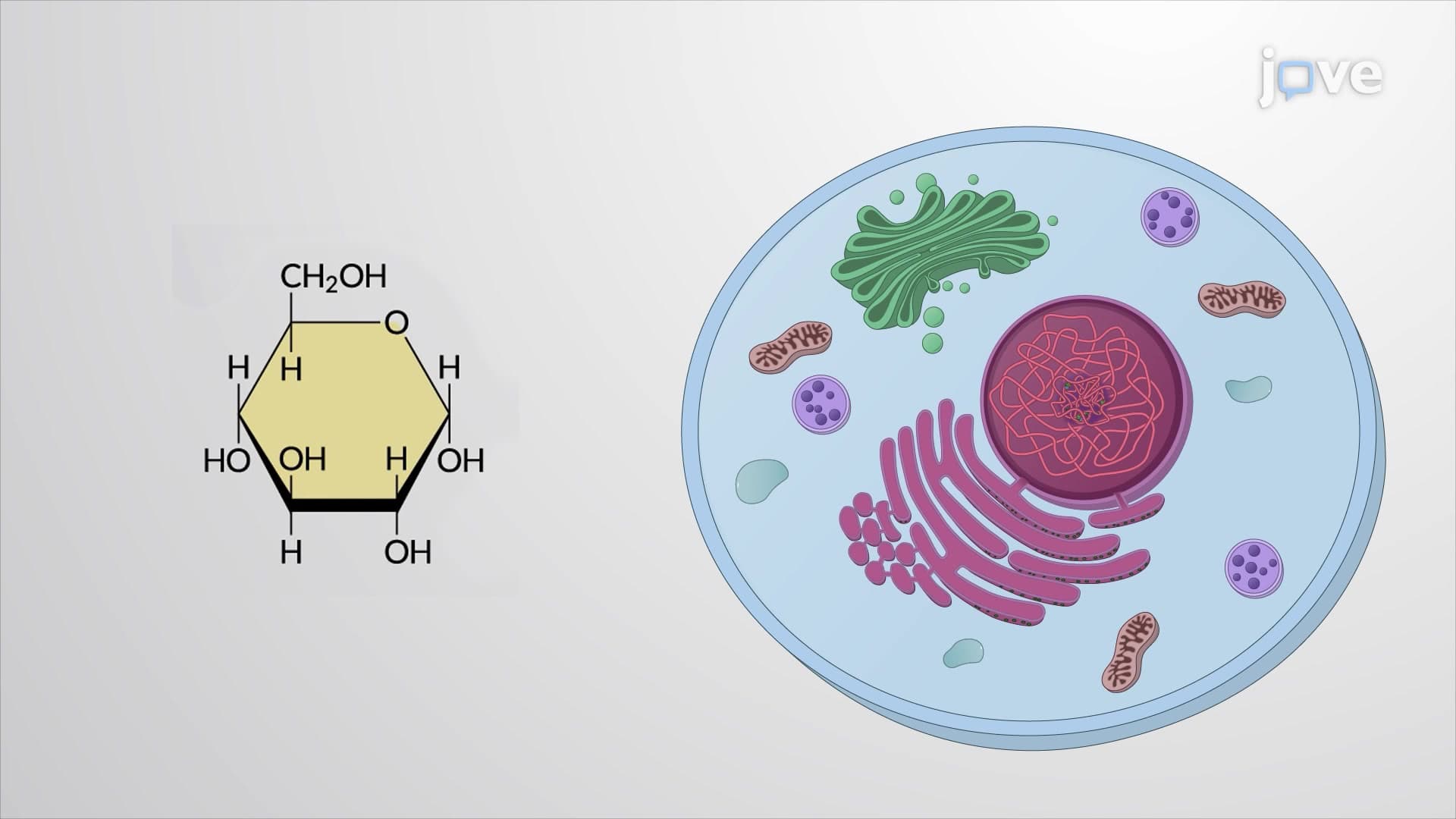
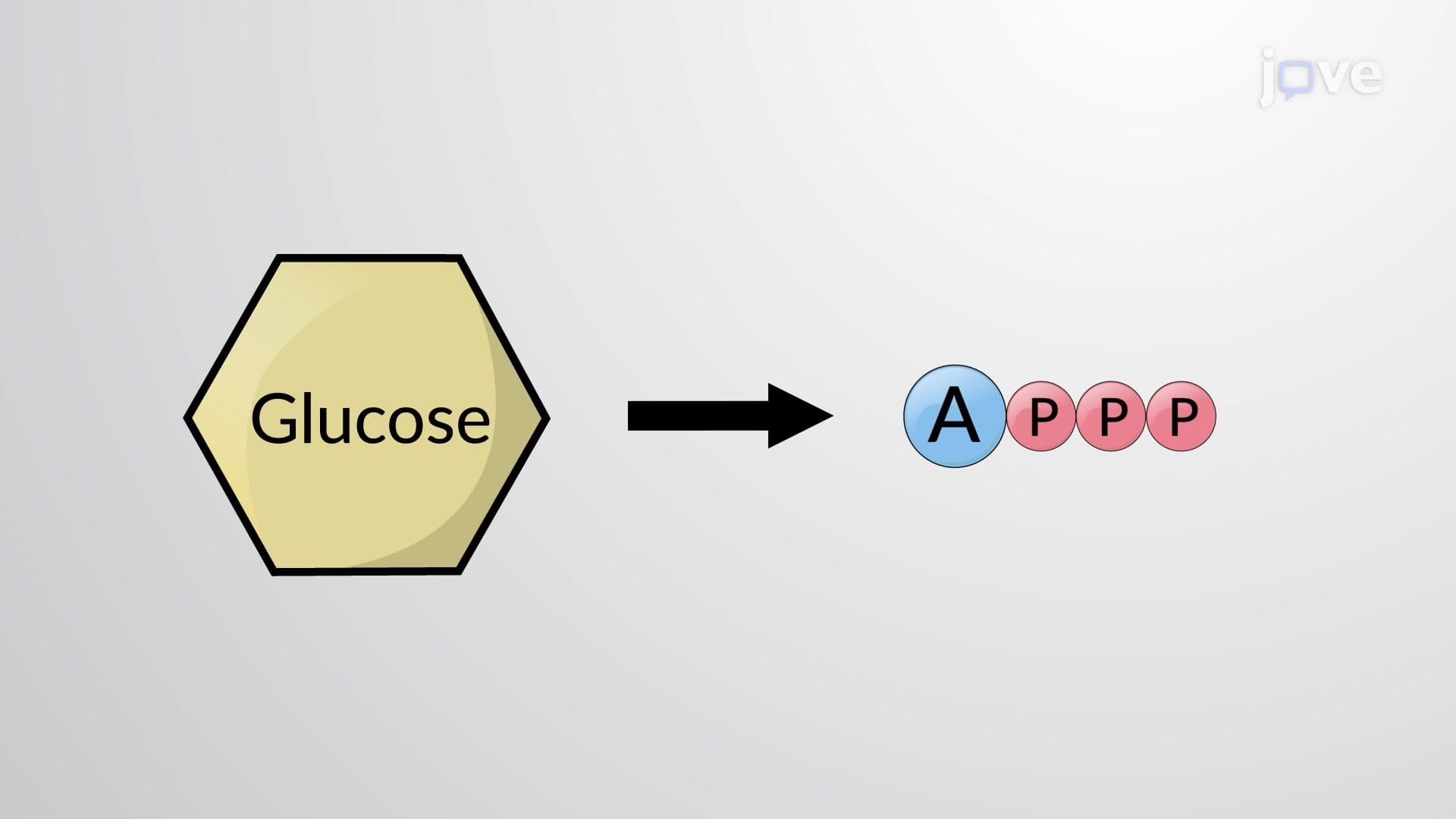
Did you know that a single glucose molecule from your morning bagel generates enough energy currency to power thousands of cellular processes? The products citric acid cycle transforms simple sugar molecules into the energy molecules that fuel everything from muscle contractions during a marathon to brain function during SAT prep. In cellular respiration laboratories at universities like Stanford and MIT, students observe how pyruvate from glycolysis produces specific molecular outputs through this metabolic pathway. Watch the full video on JoVE Coach to master this concept with expert-led visuals and step-by-step explanations.
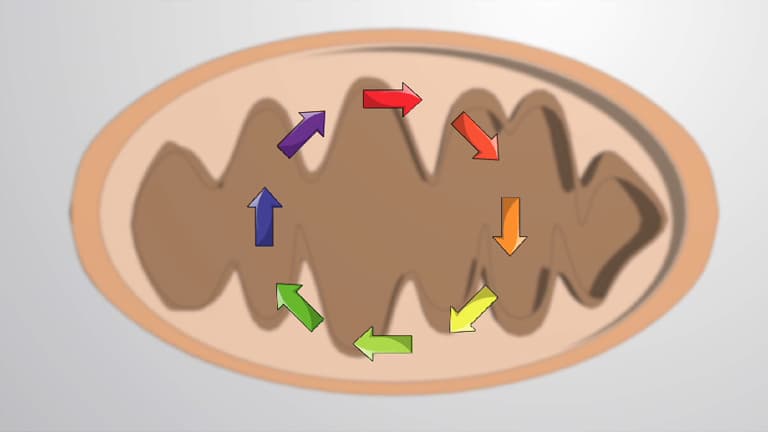
The products citric acid cycle represents the molecular harvest from one of biochemistry's most elegant metabolic pathways. When cells break down glucose for energy, the citric acid cycle (also called the Krebs cycle or TCA cycle) serves as the central hub where fuel molecules are systematically dismantled to capture their chemical energy in usable forms.
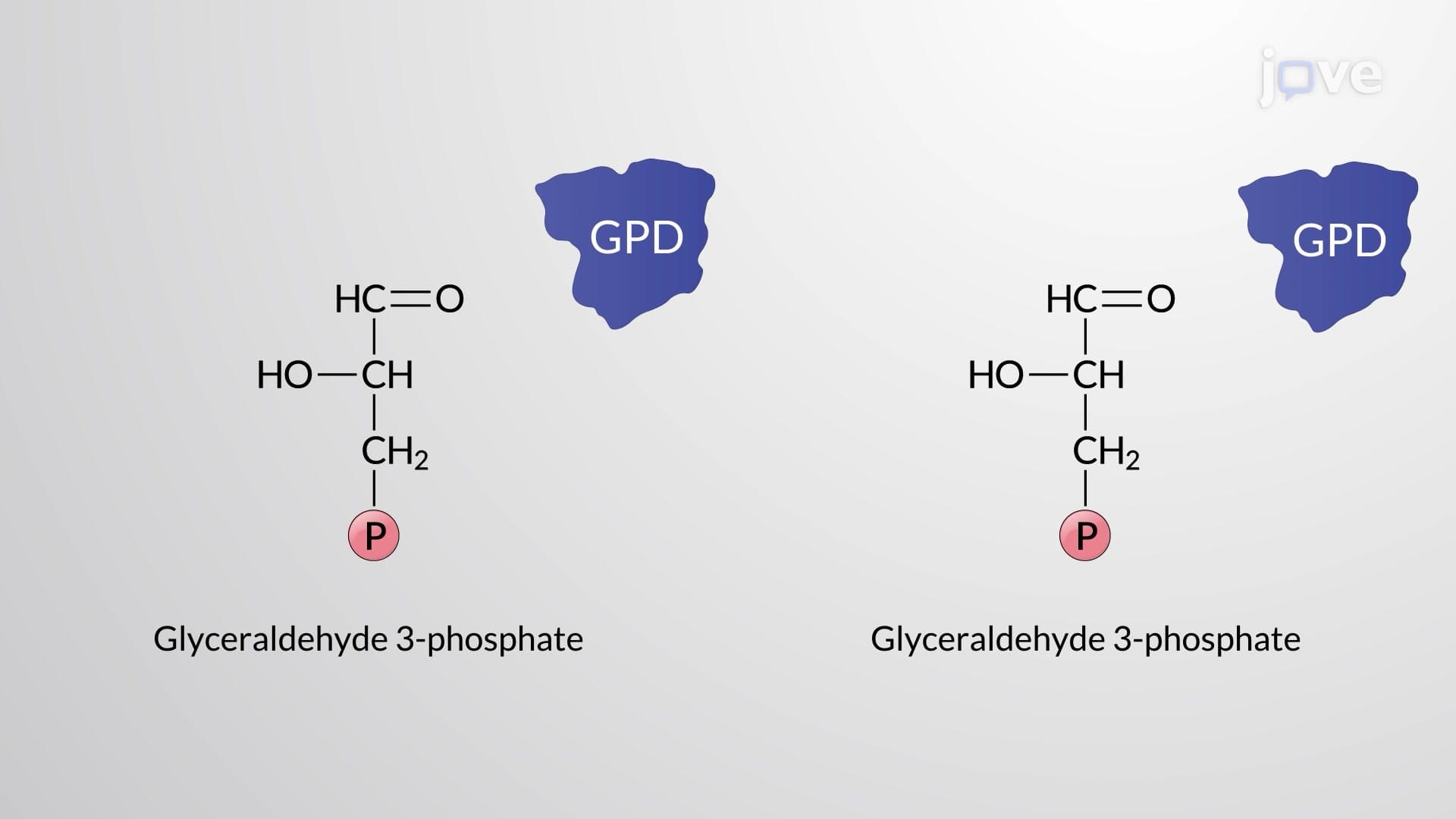
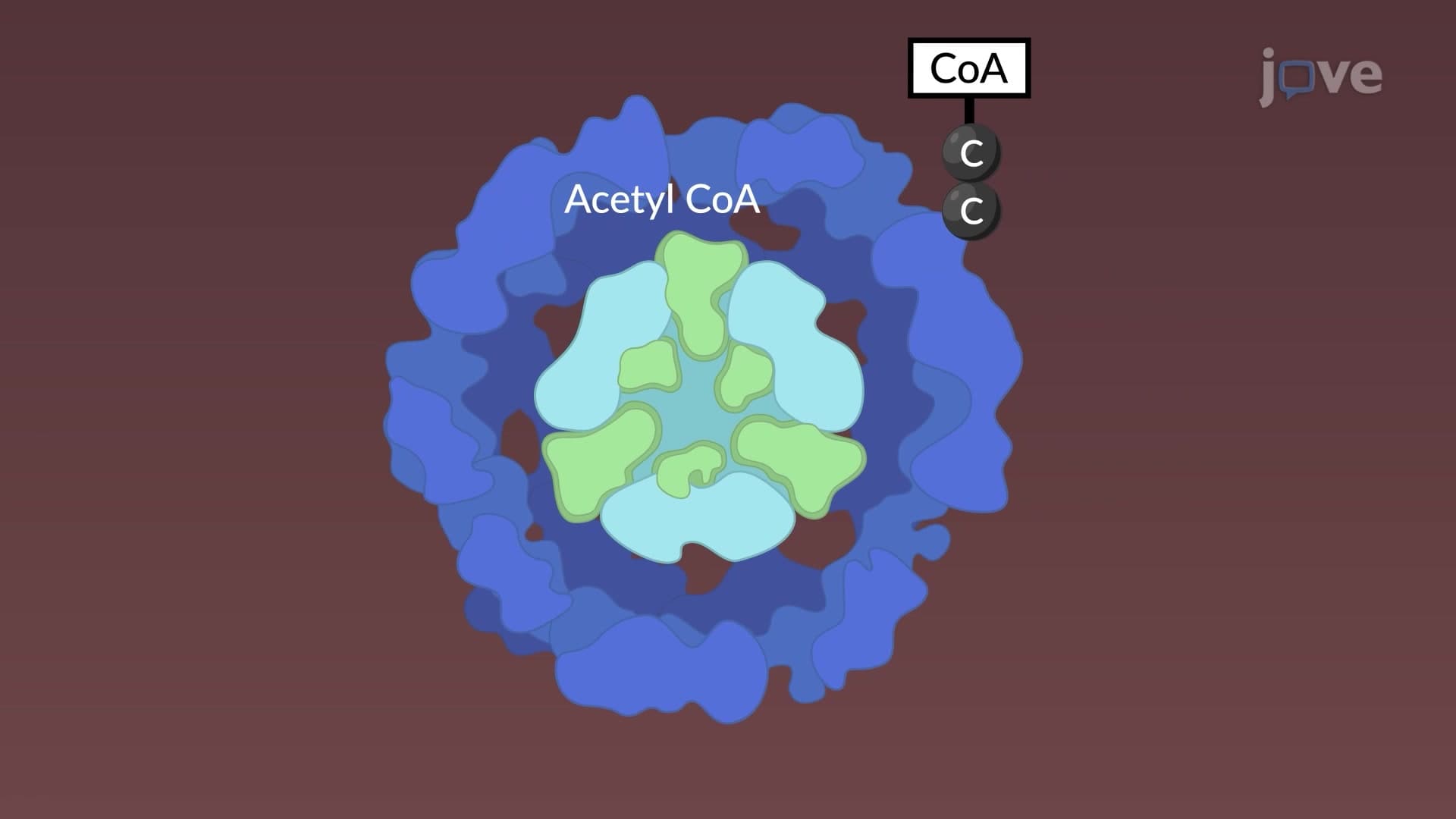
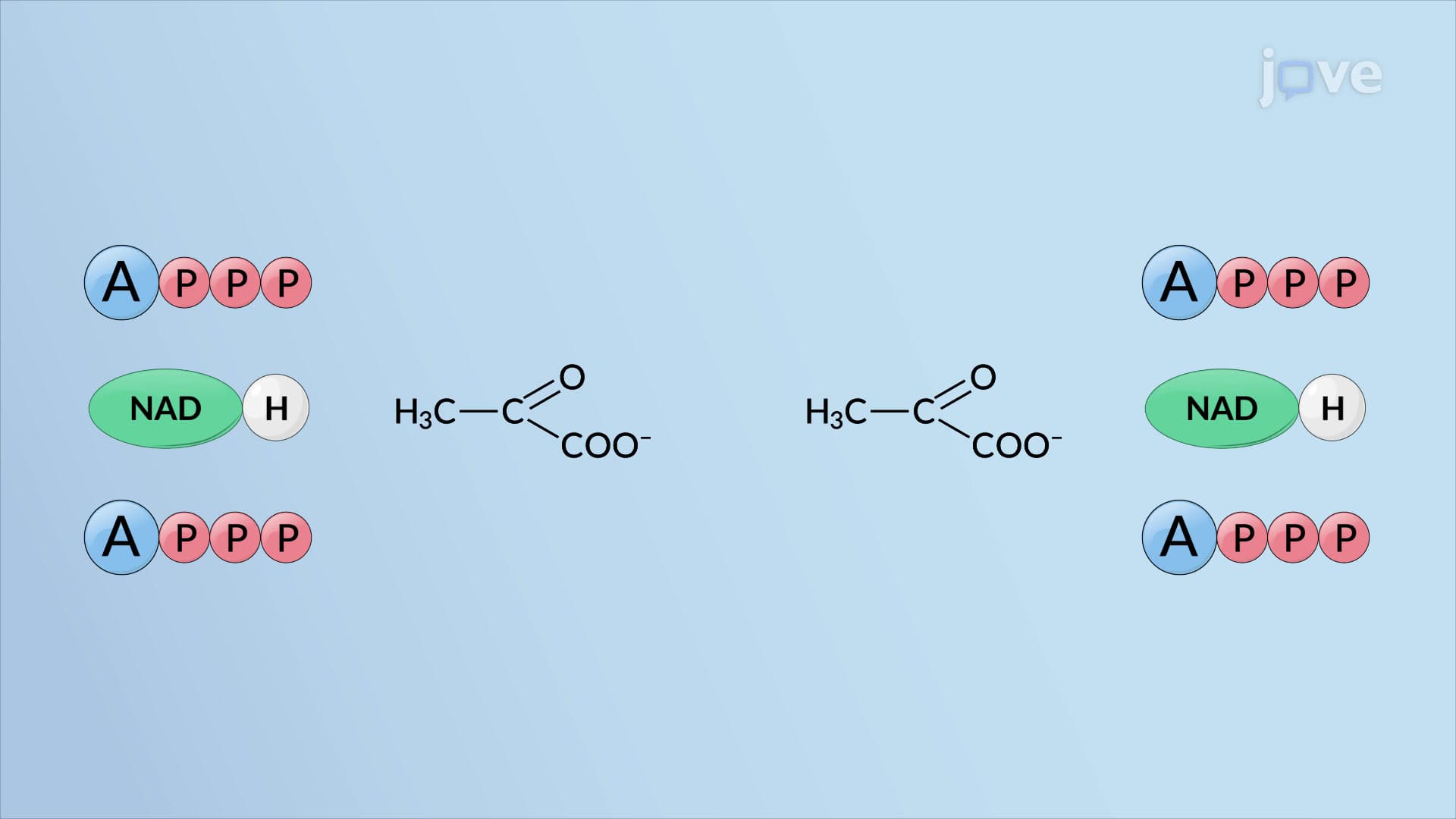
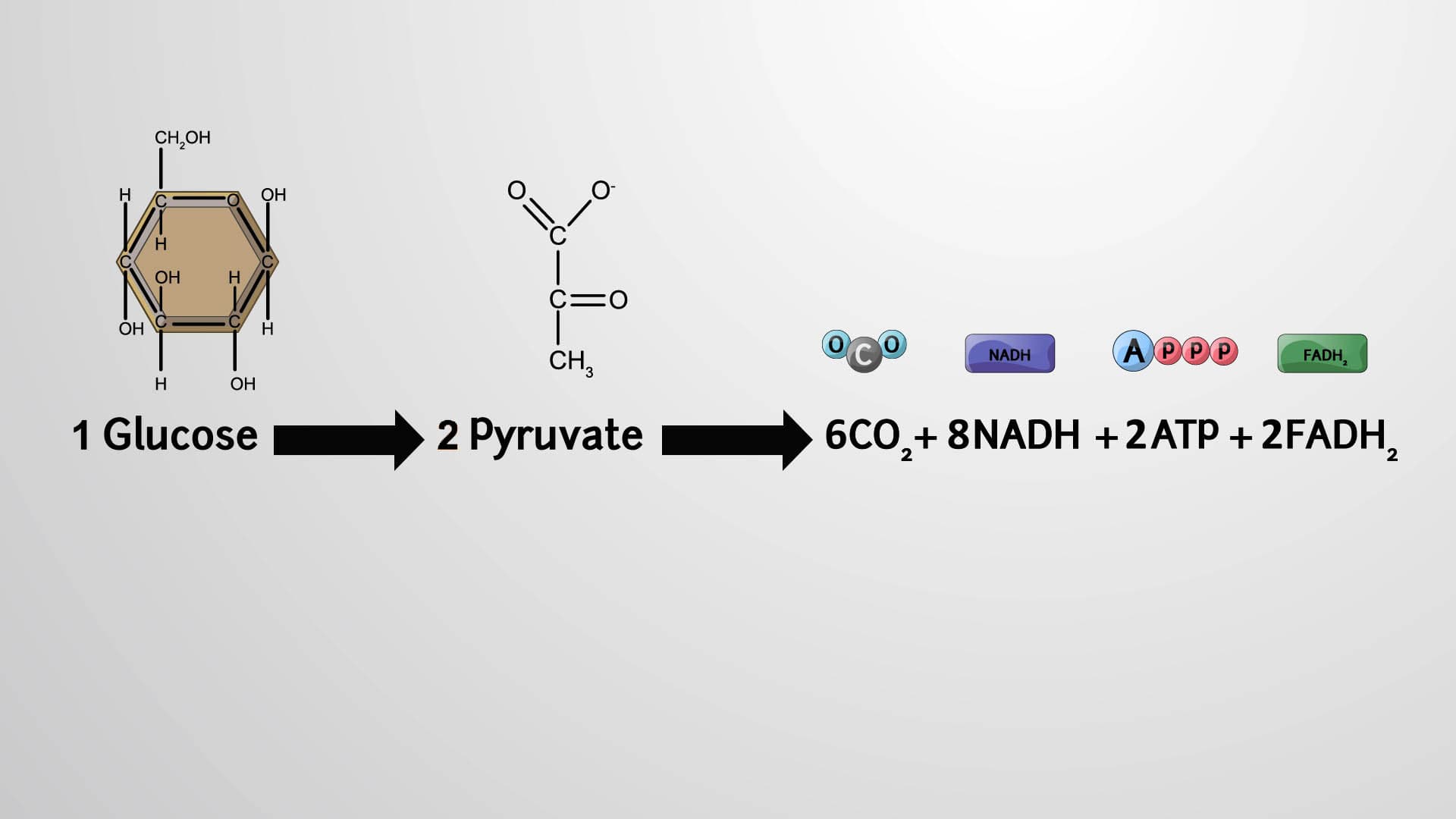
Before entering the citric acid cycle proper, pyruvate undergoes a critical transformation. In the mitochondrial matrix, pyruvate dehydrogenase complex catalyzes pyruvate oxidation, producing acetyl-CoA, CO2, and NADH. This preparatory step is essential because acetyl-CoA serves as the actual substrate for the citric acid cycle. Students preparing for AP Biology or college biochemistry courses should recognize this as a key regulatory point where cellular respiration can be controlled.
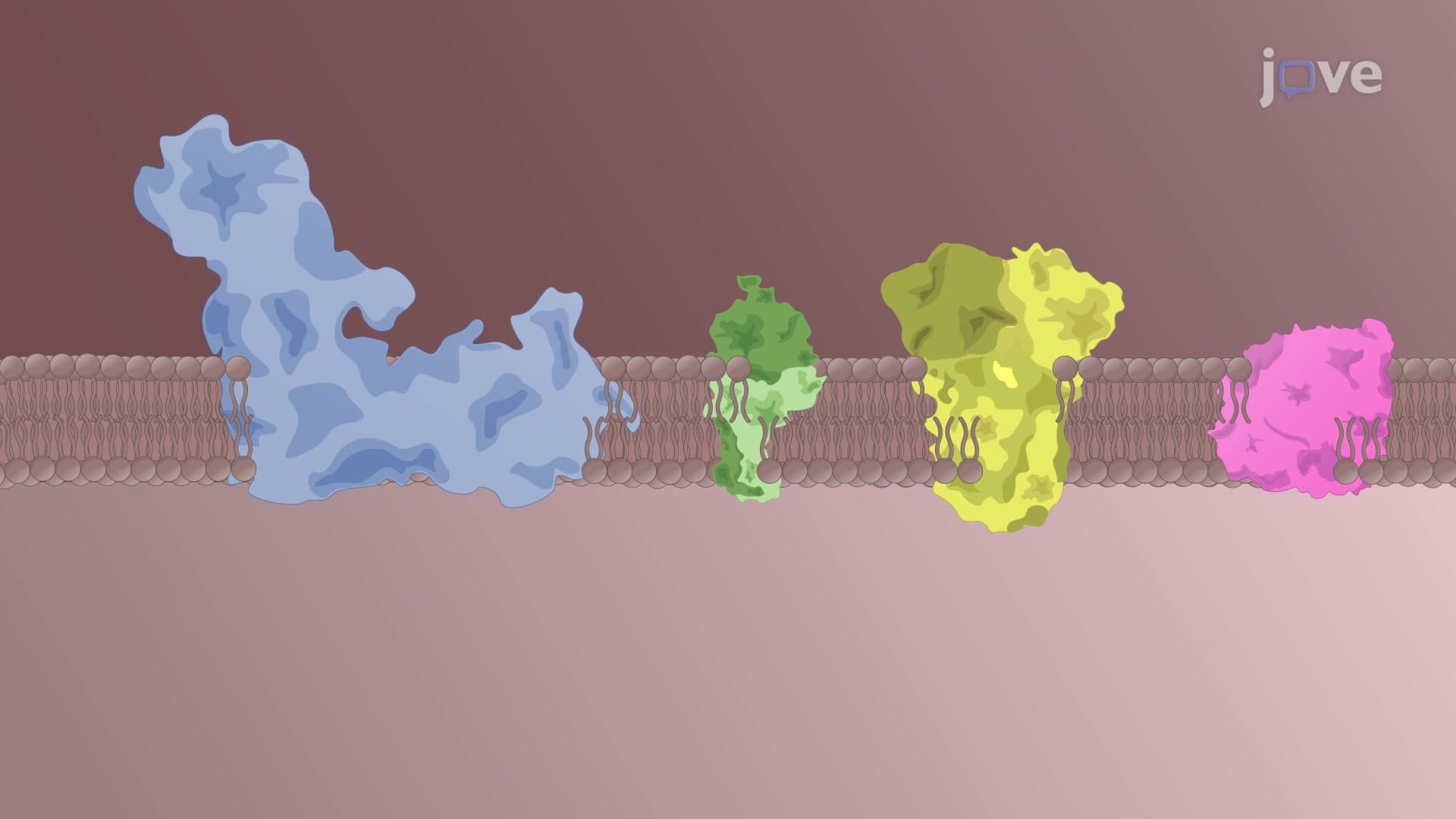
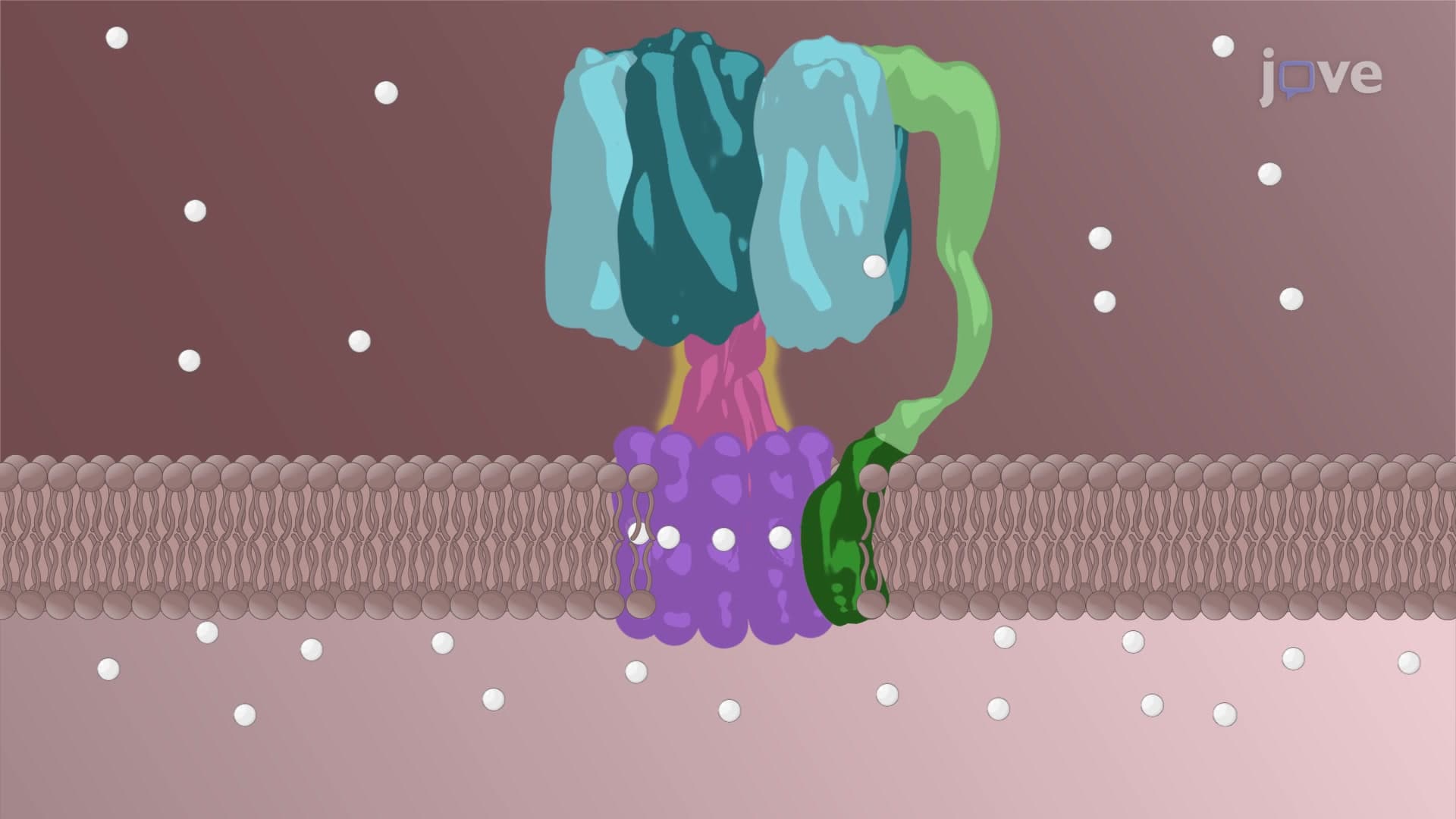
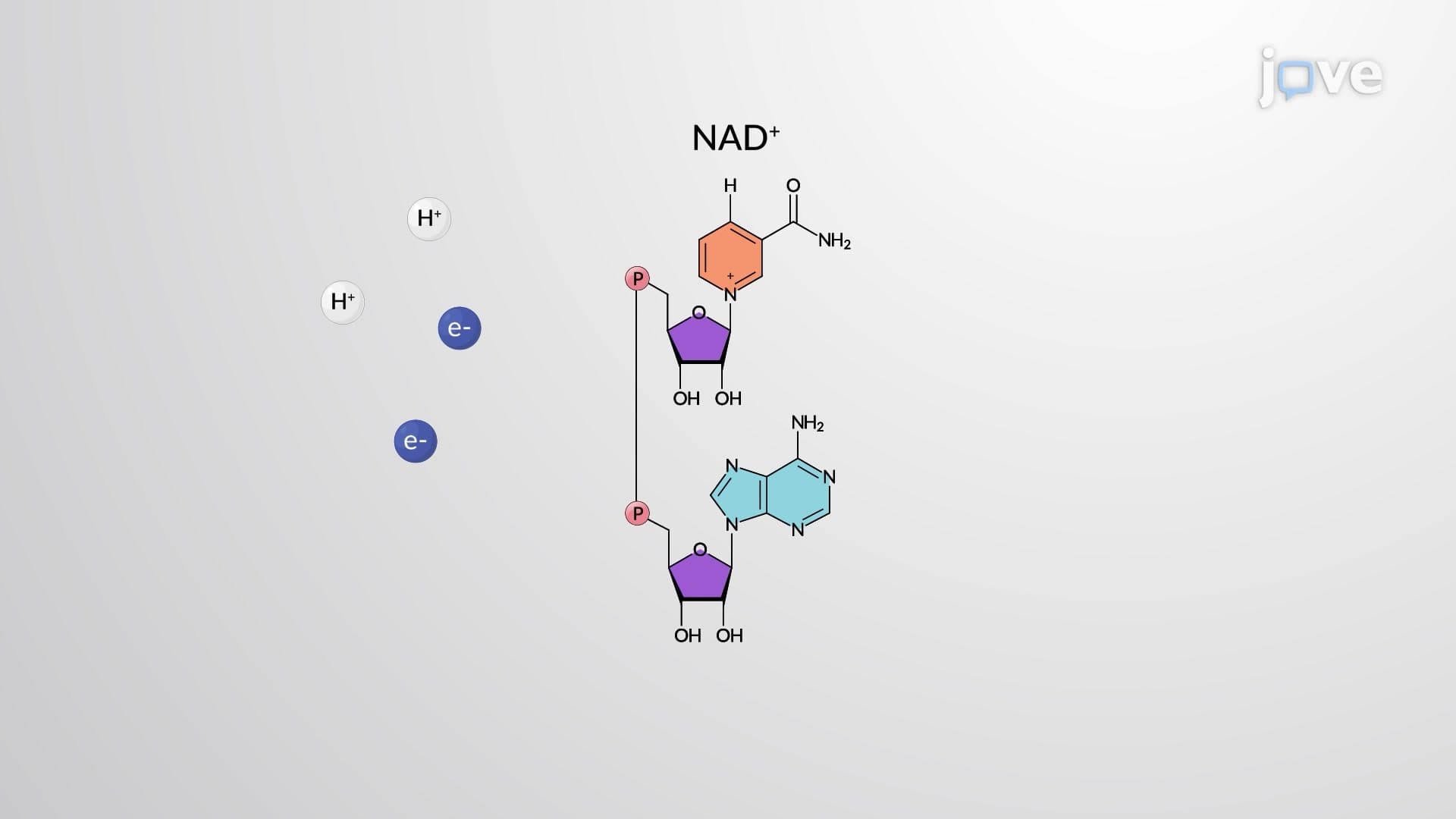
For each glucose molecule entering cellular respiration, the combined products from pyruvate oxidation and the citric acid cycle include six CO2 molecules, eight NADH molecules, two ATP molecules, and two FADH2 molecules. This accounting becomes crucial for MCAT preparation, where students must calculate total ATP yield through oxidative phosphorylation. The CO2 represents completely oxidized carbon atoms, while NADH and FADH2 serve as electron carriers that will power ATP synthesis in the electron transport chain.
Understanding citric acid cycle products has direct relevance in medical diagnostics and research. For instance, researchers at Johns Hopkins University study how cancer cells alter their citric acid cycle to support rapid growth, often producing different ratios of these products. In clinical settings, measuring blood lactate levels can indicate when cells switch from aerobic respiration (producing citric acid cycle products) to fermentation pathways, particularly important in emergency medicine and sports physiology.
Related Micro-courses