Loading subject page…

- Biology
- Nervous System
- Long-term Potentiation
Micro-course: Nervous System
1,181,000 views
Learn key concepts and earn your certificate.




Long-term Potentiation

00:00
01:35
Video Summary: What Is Long Term Potentiation
Ever wonder why cramming for exams often fails, but consistent practice leads to mastery? Long term potentiation explains this phenomenon at the cellular level. This fundamental neuroscience process strengthens synaptic connections between neurons through repeated stimulation, much like how students at Stanford University's medical school strengthen their understanding through repeated study sessions. What is Long Term Potentiation reveals the molecular mechanisms behind learning and memory formation. Watch the full video on JoVE Coach to master this concept with expert-led visuals and step-by-step explanations.
- Understand What is Long Term Potentiation and its role as the cellular basis of learning and memory
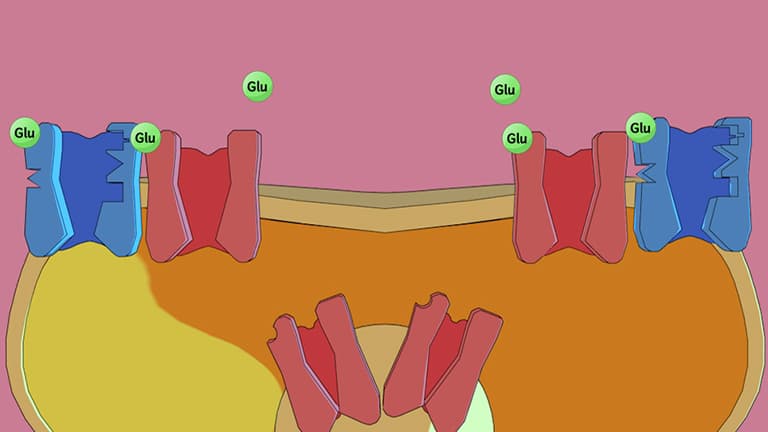
- Identify the key molecular players including NMDA and AMPA glutamate receptors in synaptic strengthening
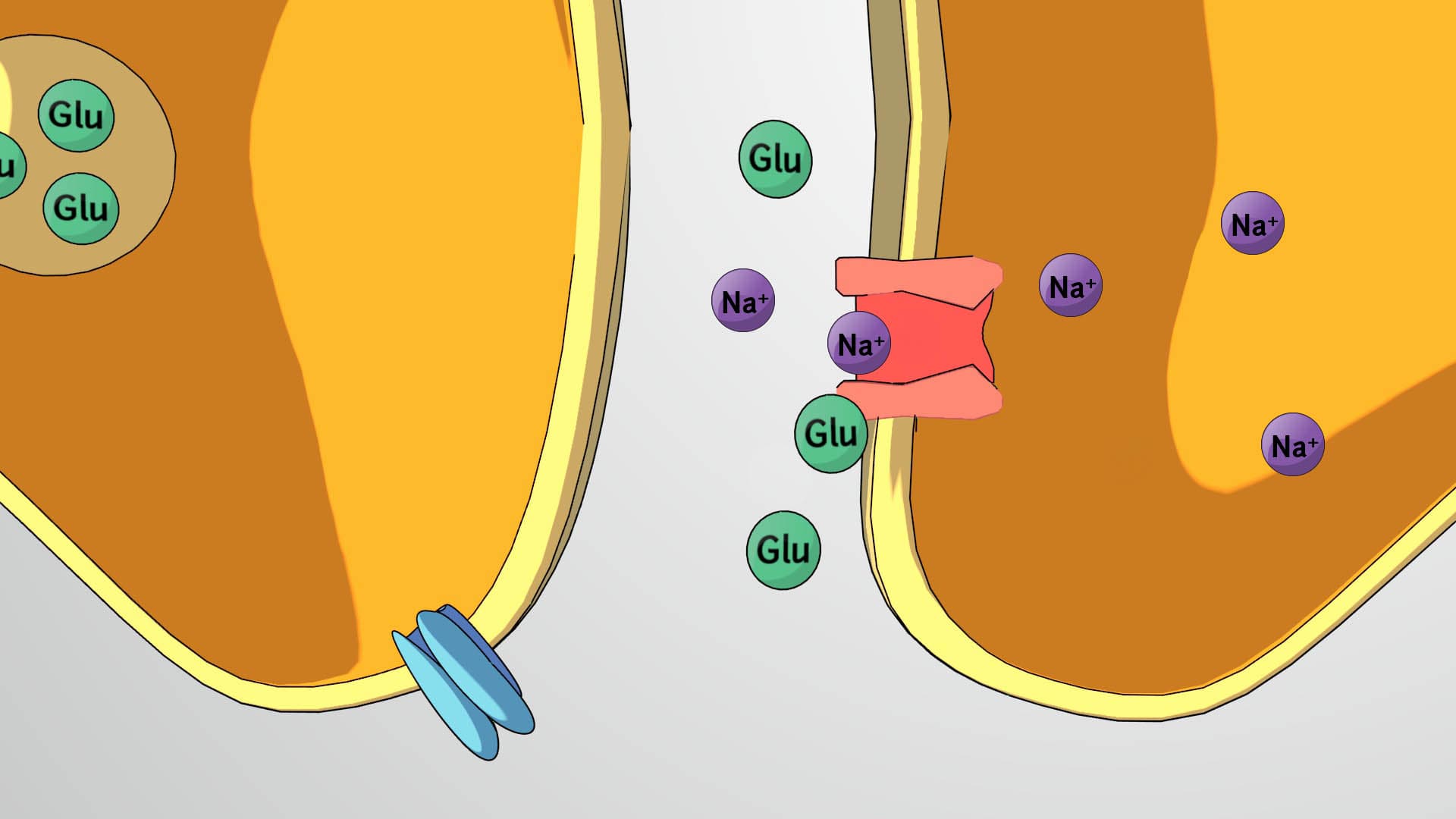
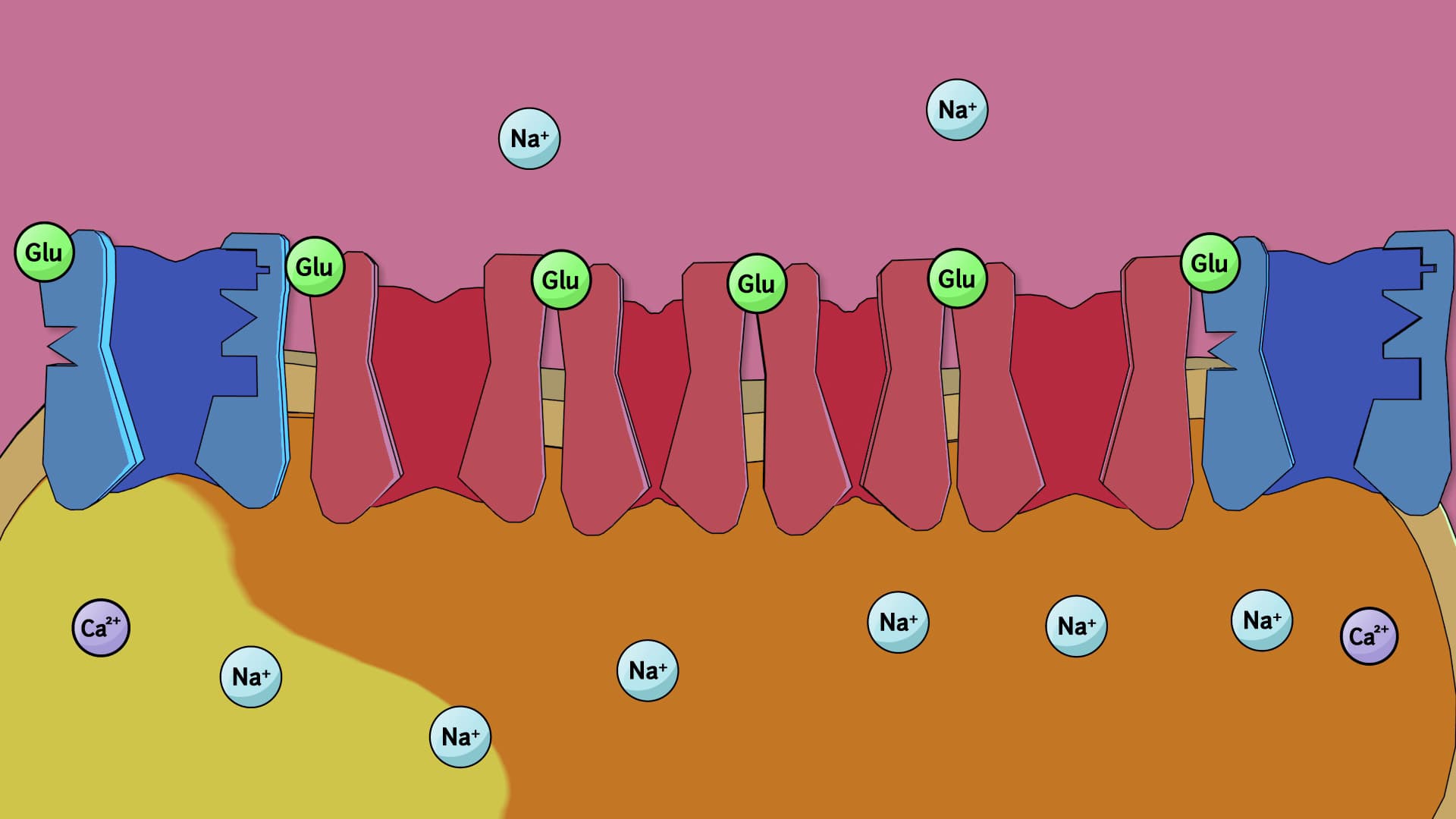
- Analyze how repeated presynaptic stimulation leads to postsynaptic membrane changes and increased calcium influx
- Recognize the magnesium block mechanism in NMDA receptors and how depolarization removes this inhibition
- Evaluate the timeline of LTP effects, from minutes to weeks, and their relationship to learning persistence
- Apply LTP principles to explain why distributed practice is more effective than massed practice for studying
- Compare the roles of NMDA receptors (coincidence detectors) versus AMPA receptors (signal amplifiers)
- Explore how LTP dysfunction relates to neurodegenerative diseases and learning disabilities
Understanding What is Long Term Potentiation at the Molecular Level
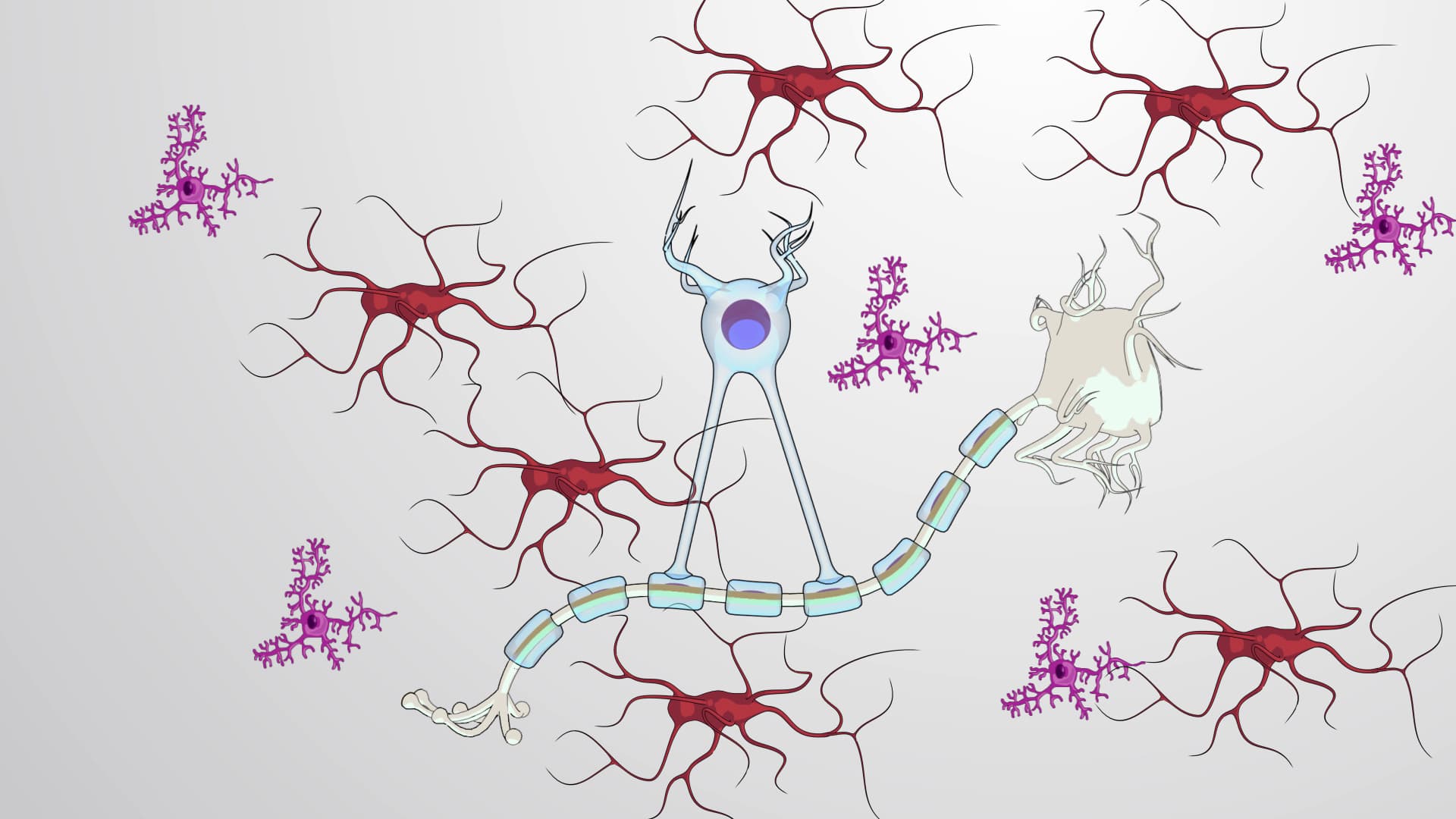
Long term potentiation (LTP) represents one of neuroscience's most important discoveries, providing the cellular foundation for how our brains learn and form memories. Unlike short-term changes in neural activity, LTP creates lasting modifications in synaptic strength that can persist for weeks or even months, making it the leading candidate mechanism for learning and memory storage.
The NMDA-AMPA Receptor Partnership
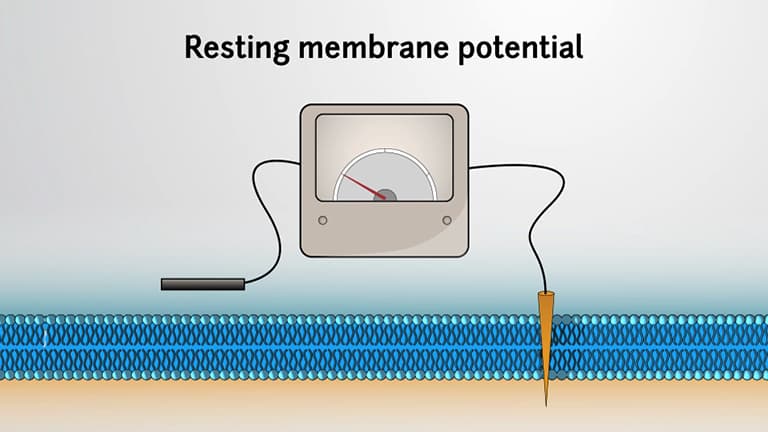
The molecular machinery underlying LTP centers on two types of glutamate receptors working in coordination. NMDA (N-methyl-D-aspartate) receptors act as "coincidence detectors," requiring both glutamate binding and sufficient postsynaptic depolarization to function. Under resting conditions, magnesium ions block the NMDA receptor channel, preventing calcium entry. However, when strong or repeated stimulation depolarizes the postsynaptic membrane, these magnesium ions are expelled, allowing calcium to flood into the cell.
This calcium influx triggers a complex signaling cascade that ultimately leads to the insertion of additional AMPA (α-amino-3-hydroxy-5-methyl-4-isoxazolepropionic acid) receptors into the postsynaptic membrane. With more AMPA receptors present, the same presynaptic input now generates a stronger postsynaptic response, the hallmark of LTP.
Clinical and Educational Applications
Understanding LTP has profound implications for education and medicine. At Harvard Medical School, researchers have shown how LTP principles explain why spaced repetition outperforms cramming, repeated, distributed stimulation strengthens synaptic connections more effectively than massed practice. This knowledge directly applies to optimizing study strategies for challenging exams like the MCAT or AP Biology.
Clinically, LTP dysfunction contributes to various neurological conditions. Alzheimer's disease research at Johns Hopkins University has demonstrated how amyloid plaques disrupt LTP, potentially explaining memory deficits. Understanding these mechanisms helps medical students preparing for the USMLE grasp why certain therapeutic approaches target glutamate signaling.
Exam Preparation and Study Strategies
For students tackling neuroscience concepts on standardized tests, LTP frequently appears in AP Psychology and college-level biology courses. The key to mastering this topic lies in understanding the sequence: repeated stimulation → magnesium displacement → calcium influx → AMPA insertion → strengthened response. This mechanistic understanding proves essential for success on both multiple-choice questions and free-response essays that require detailed explanations of learning processes.
Frequently Asked Questions
Long term potentiation is the process by which repeated neural stimulation strengthens synaptic connections between neurons, providing the cellular basis for learning and memory. Think of it like strengthening a muscle through repeated exercise, the more you stimulate a neural pathway, the stronger and more efficient it becomes. This mechanism explains why practice truly does make perfect at the cellular level.
The MCAT frequently tests LTP in the Psychological, Social, and Biological Foundations section, particularly regarding learning and memory mechanisms. Expect questions about NMDA/AMPA receptor roles, calcium signaling cascades, and how LTP relates to synaptic plasticity. Practice identifying the molecular sequence from magnesium block removal to AMPA receptor insertion.
LTP appears in AP Biology Unit 5 (Heredity) when discussing learning behaviors and Unit 8 (Ecology) regarding animal behavior patterns. Students should understand how LTP enables organisms to adapt behaviors based on experience. The College Board often includes LTP in questions about neural communication and behavioral adaptations in their free-response sections.
LTP involves multiple molecular steps occurring simultaneously, which can seem overwhelming initially. The key is breaking it down sequentially: start with the basic concept (repeated stimulation strengthens synapses), then add molecular details gradually. Most high school students can master this concept with proper scaffolding, no advanced chemistry background required.
Use active recall and spaced repetition, ironically, the same principles that LTP explains! Create flashcards for each molecular step, draw the process from memory, and practice explaining it aloud. Focus on the cause-and-effect relationships: why magnesium blocks NMDA receptors, what triggers its removal, and how calcium initiates the strengthening cascade.
Researchers at institutions like UCLA are investigating how LTP dysfunction contributes to learning disabilities and developing targeted interventions. Some therapeutic approaches aim to enhance NMDA receptor function or boost calcium signaling to improve synaptic plasticity. This research offers hope for students with learning differences by potentially addressing underlying neural mechanisms.
LTP occurs throughout the brain but is most extensively studied in the hippocampus, crucial for memory formation. The phenomenon also happens in the cortex, cerebellum, and other regions involved in learning. Different brain areas may use variations of the basic LTP mechanism, adapting to their specific functional requirements.
Once you understand LTP, explore long-term depression (LTD), which weakens synaptic connections, and metaplasticity, which modulates the threshold for inducing LTP. These related concepts provide a complete picture of synaptic plasticity and appear frequently on advanced neuroscience exams and graduate school entrance tests.
Related Micro-courses