Loading subject page…


545,809 views


Video Summary: What are Humoral Immune Responses
Did you know that a single plasma cell can produce 2,000 antibodies per second? Humoral immune responses represent your body's sophisticated defense system against pathogens circulating in your blood and lymph fluid. When someone receives a flu vaccine at their local CVS pharmacy, B cells immediately begin producing antibodies that will protect against influenza viruses. What are humoral immune responses, and how do they create this molecular army of protection? Watch the full video on JoVE Coach to master this concept with expert-led visuals and step-by-step explanations.
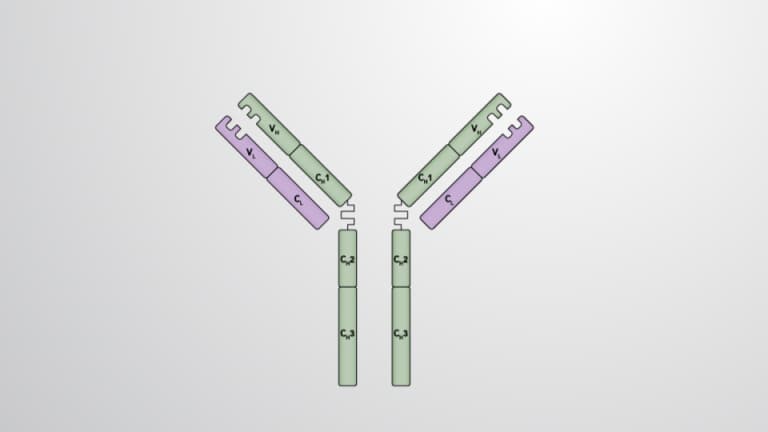
Humoral immune responses form one half of your adaptive immune system, specifically targeting threats that circulate freely in your body's extracellular fluids. Unlike cell-mediated immunity that hunts down infected cells, humoral immunity deploys molecular weapons-antibodies-into your bloodstream and lymphatic system to neutralize pathogens before they can establish infections.
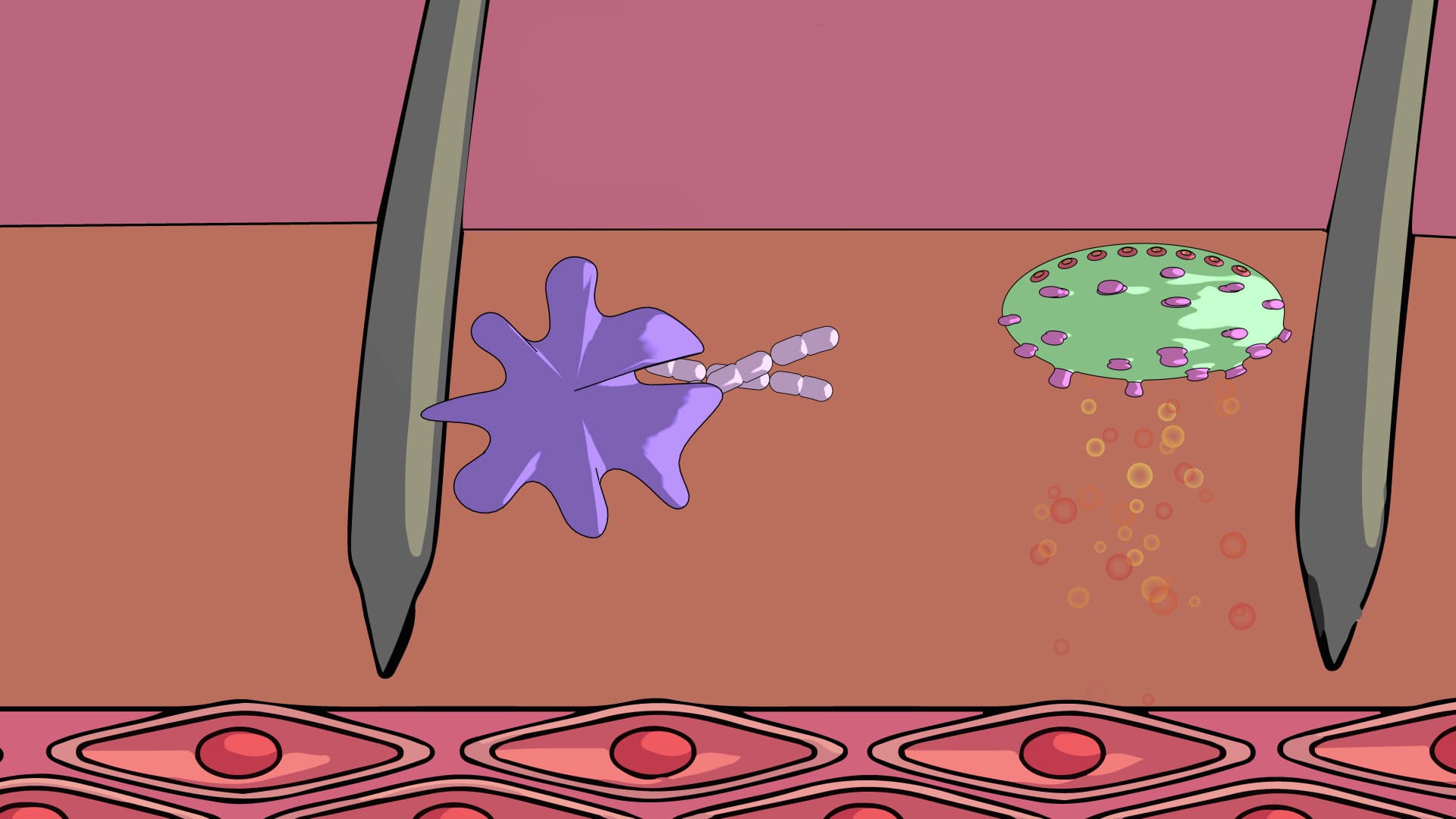
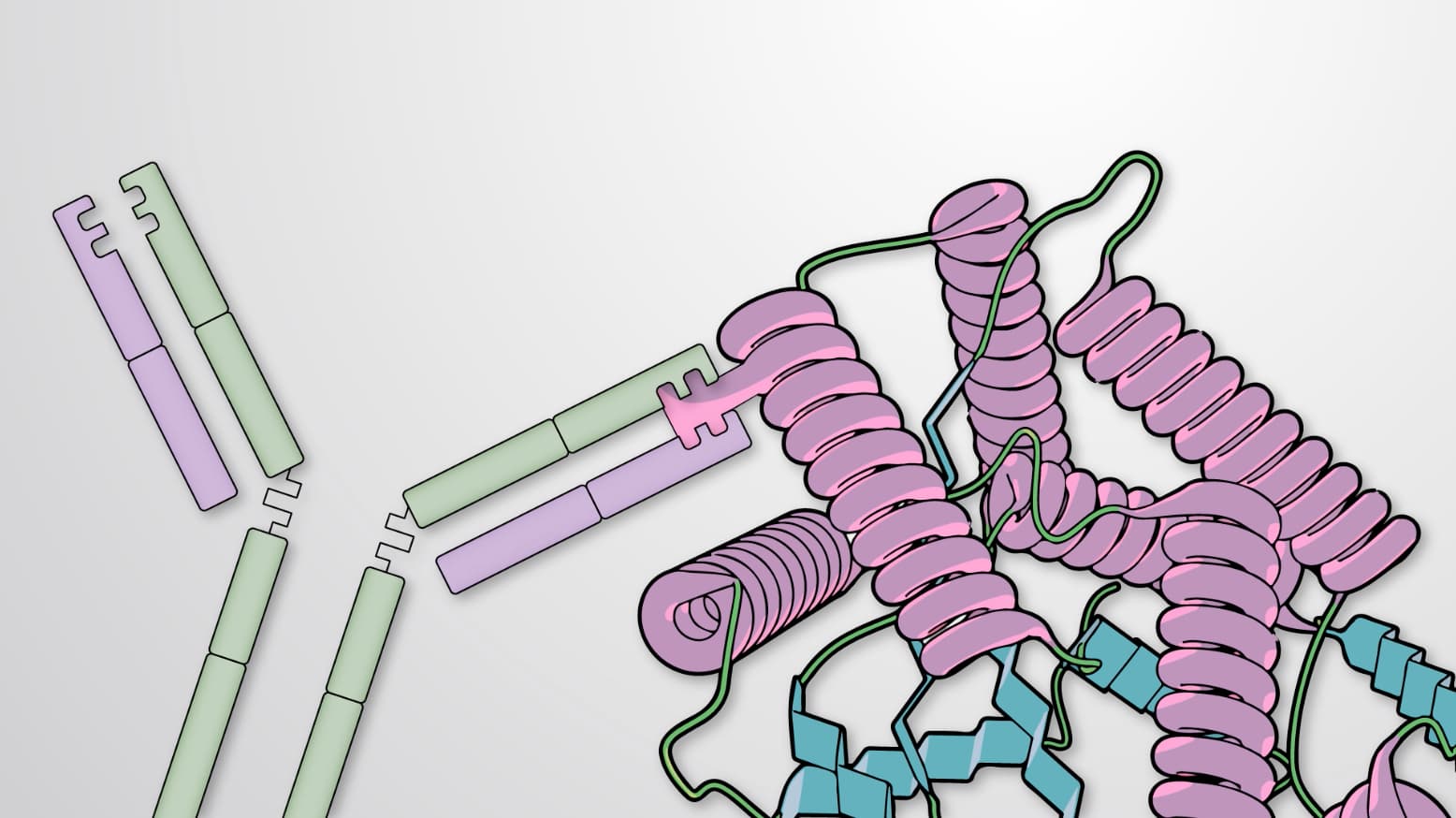
The process begins when specialized B cells encounter specific antigens on pathogen surfaces. Each B cell carries unique surface receptors designed to recognize particular molecular signatures. When a B cell finds its matching antigen-like a lock finding its key-it becomes activated and begins a remarkable transformation. This activation triggers rapid cell division, creating an army of identical B cells through clonal selection.
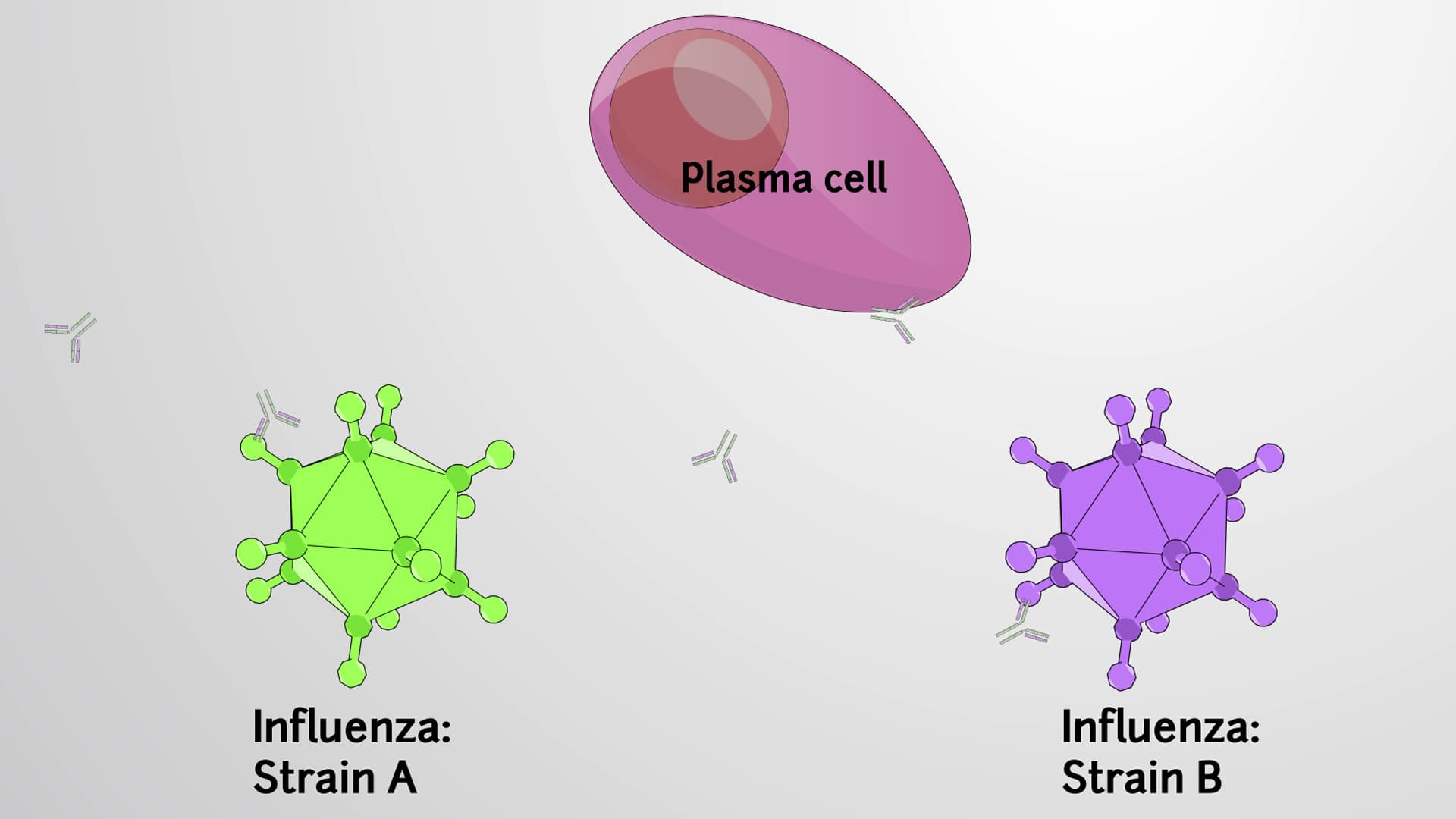
Most activated B cells differentiate into plasma cells, the antibody factories of your immune system. A single plasma cell can churn out approximately 2,000 antibodies every second, flooding your system with targeted molecular weapons. These antibodies represent the "humoral" aspect of immunity, derived from the Latin word "humor" meaning bodily fluid.
Antibodies neutralize threats through three primary mechanisms that students encounter on AP Biology exams and college immunology courses. First, neutralization occurs when antibodies bind directly to pathogen surface proteins, blocking their ability to attach to and infect healthy cells-similar to putting mittens on a burglar's hands. Second, opsonization involves antibodies acting as molecular "eat me" signals, tagging pathogens for destruction by macrophages and neutrophils. Finally, antibodies activate the complement system, a cascade of over 30 proteins that punch holes in pathogen membranes and enhance immune responses.
Not all activated B cells become plasma cells. Some differentiate into memory B cells, the guardians of long-term immunity. These cells patrol your system for decades, maintaining small but steady antibody production. When the CDC tracks immunity levels following measles outbreaks in US schools, they're measuring these memory-derived antibodies. Upon re-exposure to familiar pathogens, memory B cells rapidly reactivate, explaining why you typically get chickenpox only once and why booster shots enhance vaccine effectiveness.
Related Micro-courses