Loading subject page…

- Biology
- Immune System
- Vaccinations
Micro-course: Immune System
545,800 views
Learn key concepts and earn your certificate.


Vaccinations

00:00
01:51
Video Summary: What are Vaccinations
Every year, millions of Americans receive flu shots without developing the flu-but how does injecting a piece of the virus actually protect us? Vaccinations work by training your immune system to recognize and fight specific pathogens before you encounter the real threat. When the CDC recommends the annual influenza vaccine, it's preparing your body's defense system through a sophisticated process involving memory cells and antibodies that can last months to years. Watch the full video on JoVE Coach to master this concept with expert-led visuals and step-by-step explanations.
- Understand what vaccinations are and how they prepare the immune system to fight future infections
- Identify the role of antigen-presenting cells (APCs) like dendritic cells in processing vaccine antigens
- Analyze the activation pathway from T-helper cells to cytotoxic T lymphocytes and B-cells
- Compare the functions of plasma cells versus memory B-cells in vaccine-induced immunity
- Evaluate how memory cells provide long-lasting protection against specific pathogens
- Apply knowledge of antibody production to explain how vaccines prevent disease
- Recognize the difference between primary immune responses and memory-based responses
- Explore the timeline and duration of vaccine-induced immunity in the human body
Understanding What Vaccinations Are: The Foundation of Preventive Medicine
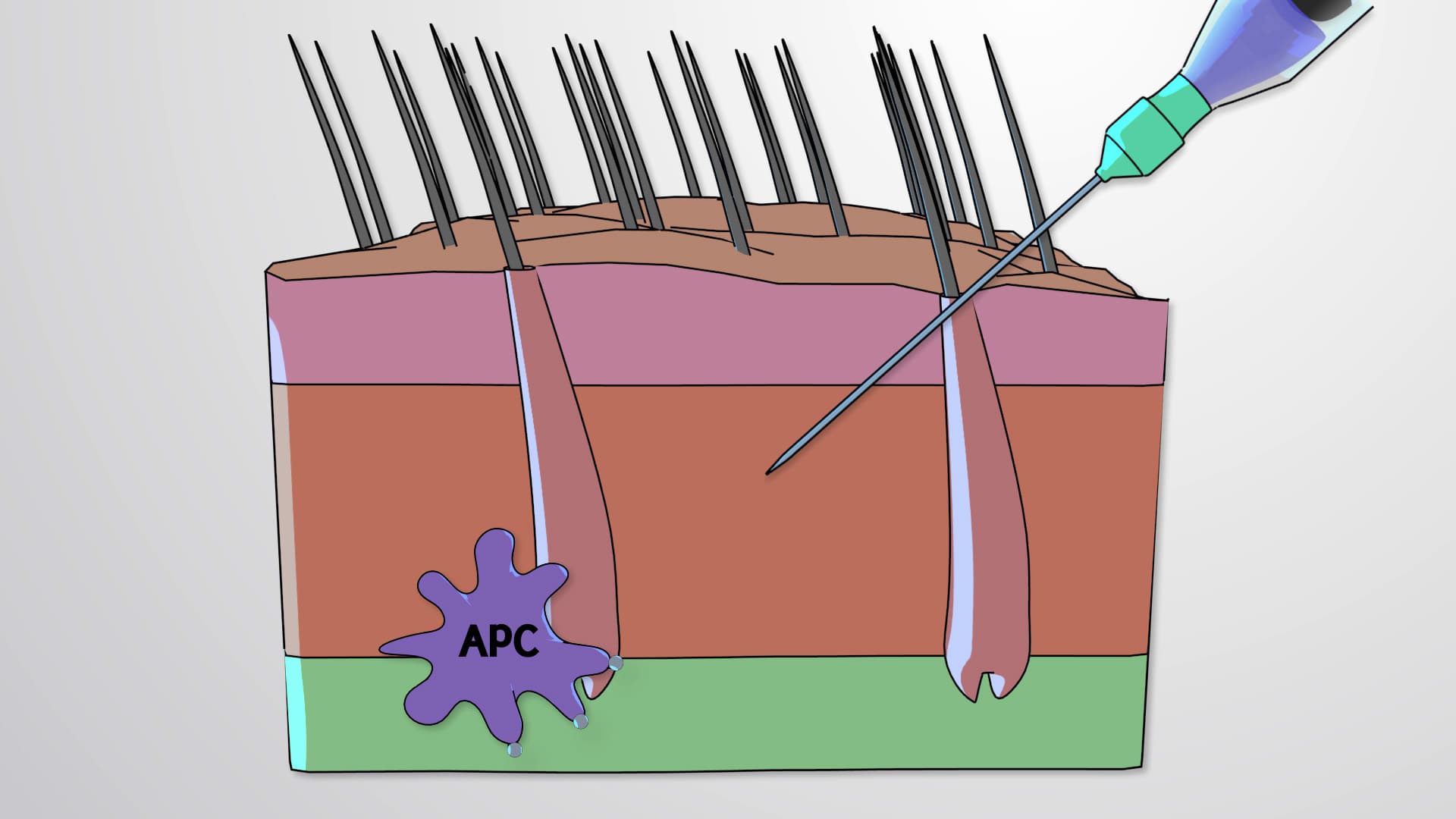
Vaccinations represent one of the most significant advances in modern medicine, providing a safe way to train our immune system without causing disease. At its core, a vaccination involves introducing antigenic material-typically weakened, killed, or fragmented pathogens-into the body to stimulate an immune response. This process creates immunological memory, allowing your body to mount a rapid defense when exposed to the actual pathogen later.
The Immune Response Cascade: From Recognition to Protection
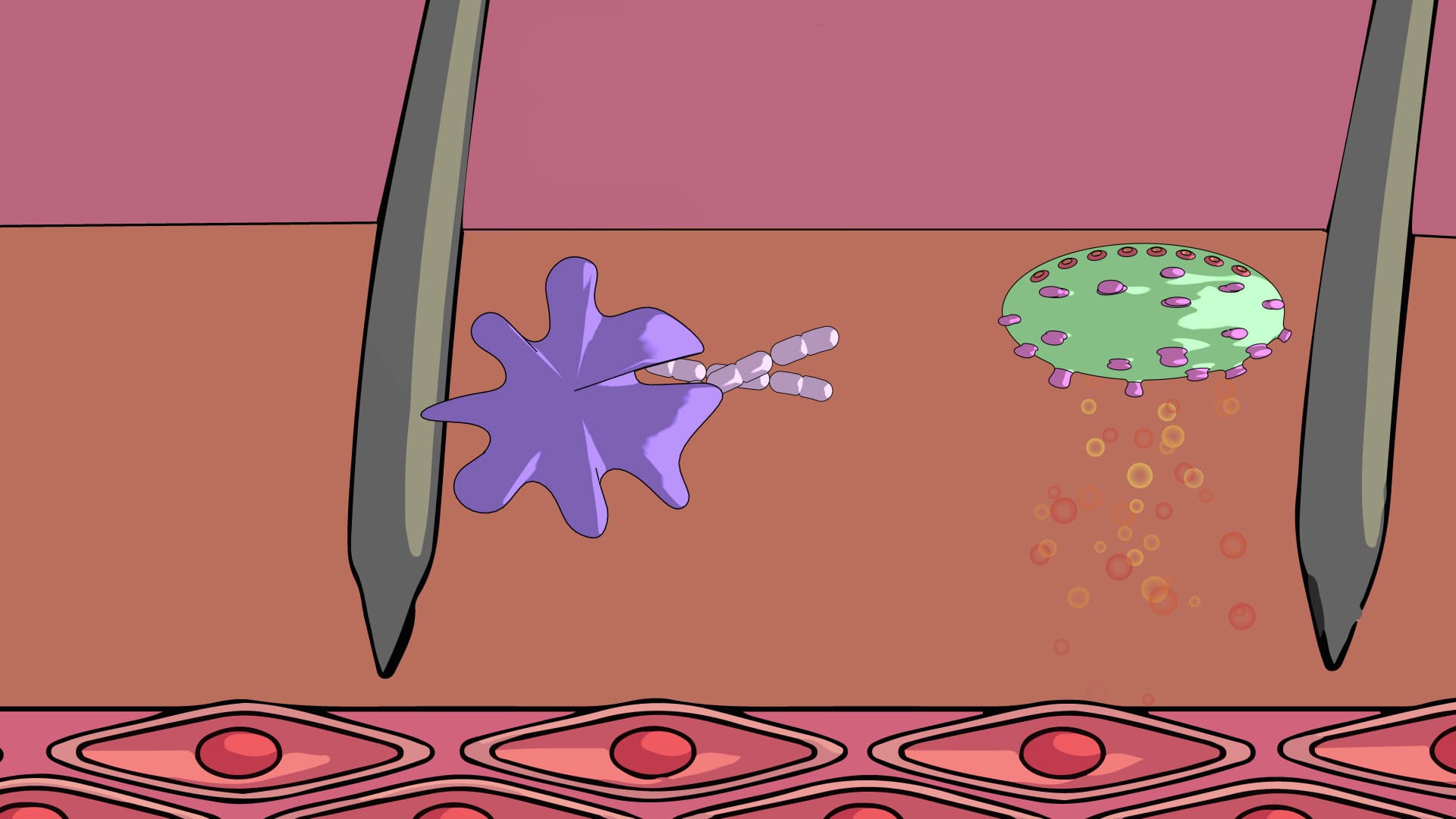
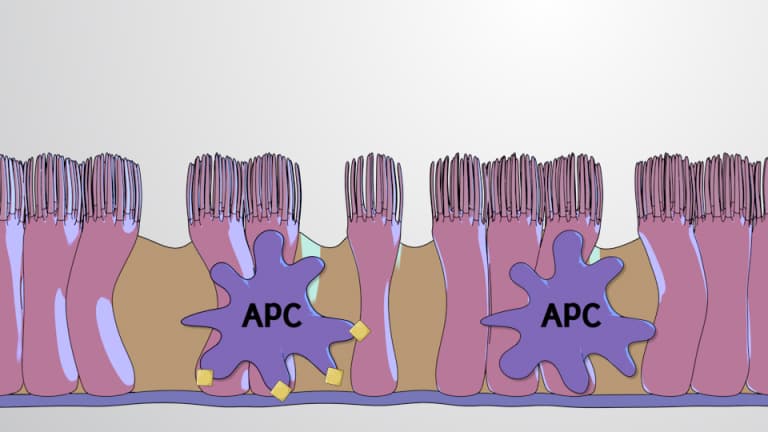
The vaccination process begins when antigen-presenting cells (APCs), particularly dendritic cells, encounter the vaccine antigens. These cellular sentries act like security guards, capturing, processing, and displaying pieces of the antigen on their surface using major histocompatibility complex (MHC) molecules. This presentation activates T-helper cells, which serve as immune system coordinators.
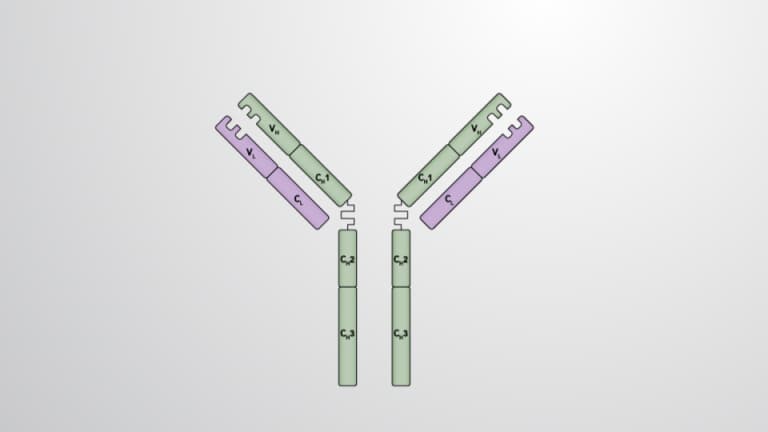
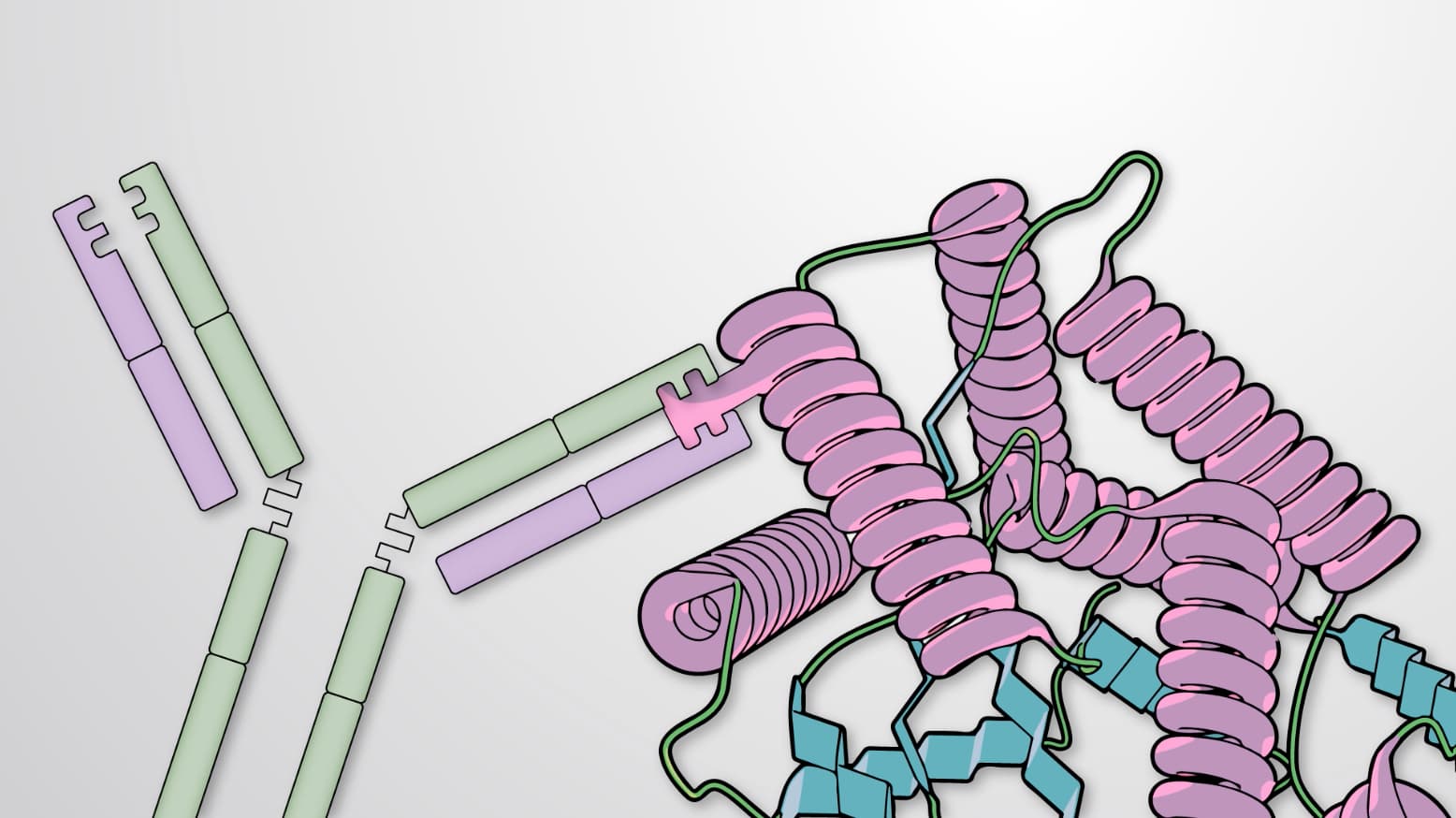
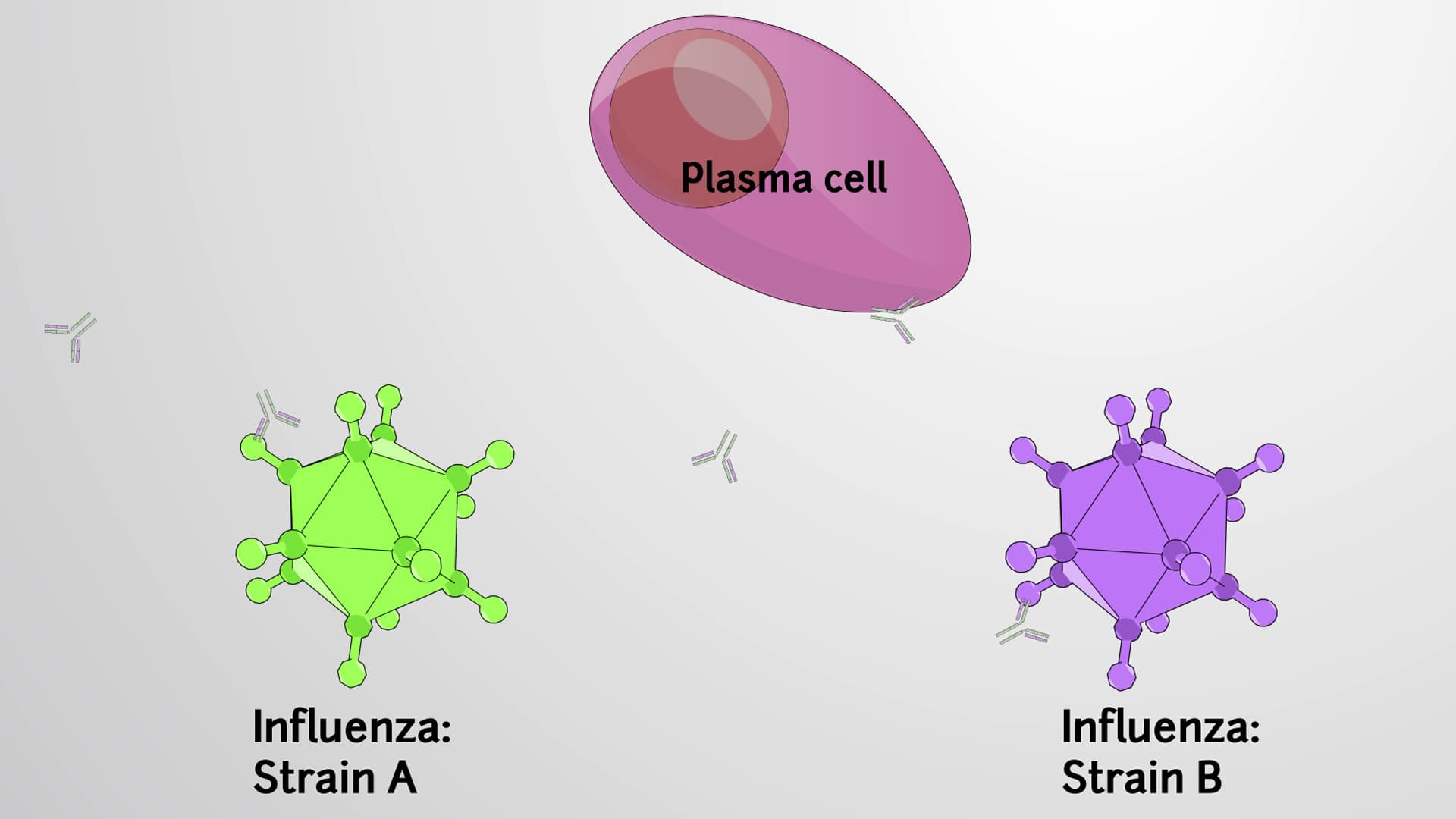
Once activated, T-helper cells trigger two critical immune pathways. First, they stimulate cytotoxic T lymphocytes (CTLs or killer T-cells), which specialize in identifying and destroying infected cells. Second, they activate B-cells, which differentiate into two distinct populations: plasma cells that immediately produce pathogen-specific antibodies, and memory B-cells that provide long-term immunity.
Memory Formation: The Key to Long-Term Protection
The most remarkable aspect of vaccinations lies in memory cell formation. After clearing the vaccine-induced immune response, specialized memory T-cells and B-cells remain circulating in your bloodstream and tissues. These cells can persist for decades, as demonstrated by smallpox vaccines that provided lifelong immunity. When re-exposure occurs, memory cells rapidly proliferate and mount a secondary immune response that's both faster and more robust than the initial response.
Clinical Applications and Exam Relevance
Understanding vaccinations is crucial for students preparing for the MCAT, AP Biology, or nursing entrance exams like the HESI A2. The CDC's recommended vaccination schedule, including vaccines for measles, mumps, rubella (MMR), and human papillomavirus (HPV), demonstrates practical applications. Students should understand concepts like herd immunity thresholds (typically 85-95% for most diseases) and why booster shots are necessary for certain vaccines like tetanus, which requires boosters every 10 years due to waning antibody levels.
Frequently Asked Questions
Vaccinations are medical interventions that introduce harmless pieces of pathogens into your body to train your immune system. They work like a fire drill for your immune system-teaching it to recognize and respond to threats without experiencing the actual danger. This preparation allows your body to fight off real infections quickly and effectively when exposed later.
MCAT and AP Biology exams commonly test adaptive immunity mechanisms, including antibody-antigen interactions, memory cell formation, and primary versus secondary immune responses. Students should focus on understanding the roles of B-cells, T-cells, and antigen-presenting cells. The College Board particularly emphasizes how vaccines demonstrate evolutionary principles and population-level immunity concepts.
Nursing exams focus on practical vaccination applications, including administration schedules, contraindications, and patient education. NCLEX questions often test knowledge of vaccine storage requirements, adverse reactions, and legal/ethical considerations. HESI A2 biology sections may include basic immunology concepts like antibody production and herd immunity calculations.
College courses use vaccinations as a comprehensive case study that integrates multiple biological systems. Understanding vaccine mechanisms demonstrates mastery of cellular biology, biochemistry, and population health principles. Professors often use vaccination examples to illustrate concepts like protein folding, cellular signaling, and epidemiological modeling that appear across multiple STEM disciplines.
The annual influenza vaccine provides an excellent example because students can observe the process firsthand. Each year, the CDC selects three to four virus strains based on global surveillance data, demonstrating how vaccines target specific antigens. The recent COVID-19 mRNA vaccines offer another contemporary example of how different vaccine technologies (mRNA vs. traditional protein-based) achieve the same immunological goals.
Basic high school biology and chemistry provide sufficient background for understanding vaccination principles. While advanced topics like adjuvant mechanisms or mRNA translation require deeper knowledge, core concepts focus on cell-to-cell interactions and protein recognition. Students should be comfortable with basic protein structure and cellular communication before diving into vaccination mechanisms.
Create flowcharts mapping the immune response from initial antigen presentation through memory cell formation. Practice drawing the process without references, then compare with accurate diagrams. Use active recall by explaining vaccination mechanisms to classmates, and connect concepts to current events like vaccine development timelines. Focus on understanding rather than memorizing-exam questions often require applying principles to novel scenarios.
Advanced students should investigate vaccine adjuvants, which enhance immune responses, and explore emerging technologies like nanoparticle vaccines and viral vector systems. Understanding population-level concepts like herd immunity thresholds and vaccine hesitancy impacts provides valuable public health perspectives. Students interested in research might explore vaccine development pipelines and regulatory approval processes through the FDA.
Related Micro-courses


