Loading subject page…

- Biology
- Cell Cycle and Division
- Negative Regulator Molecules
Micro-course: Cell Cycle and Division
1,031,803 views
Learn key concepts and earn your certificate.

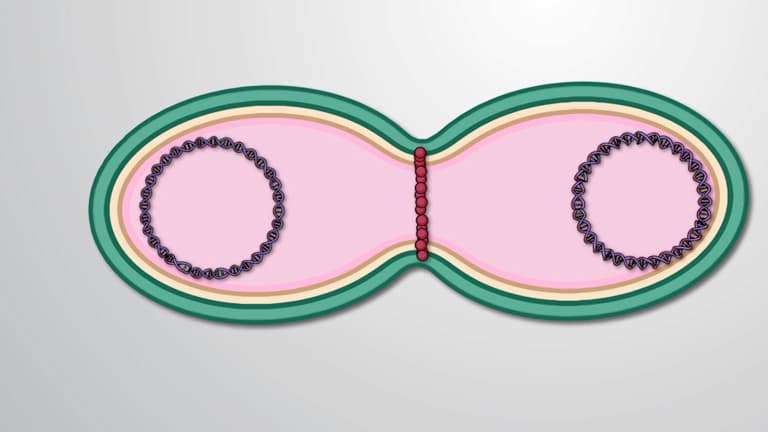
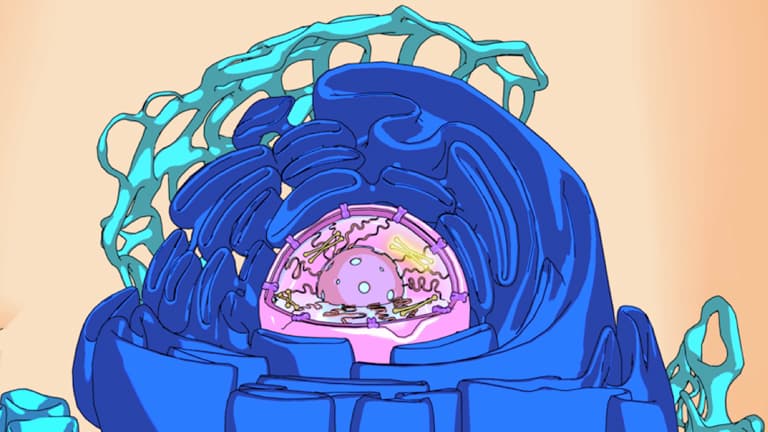
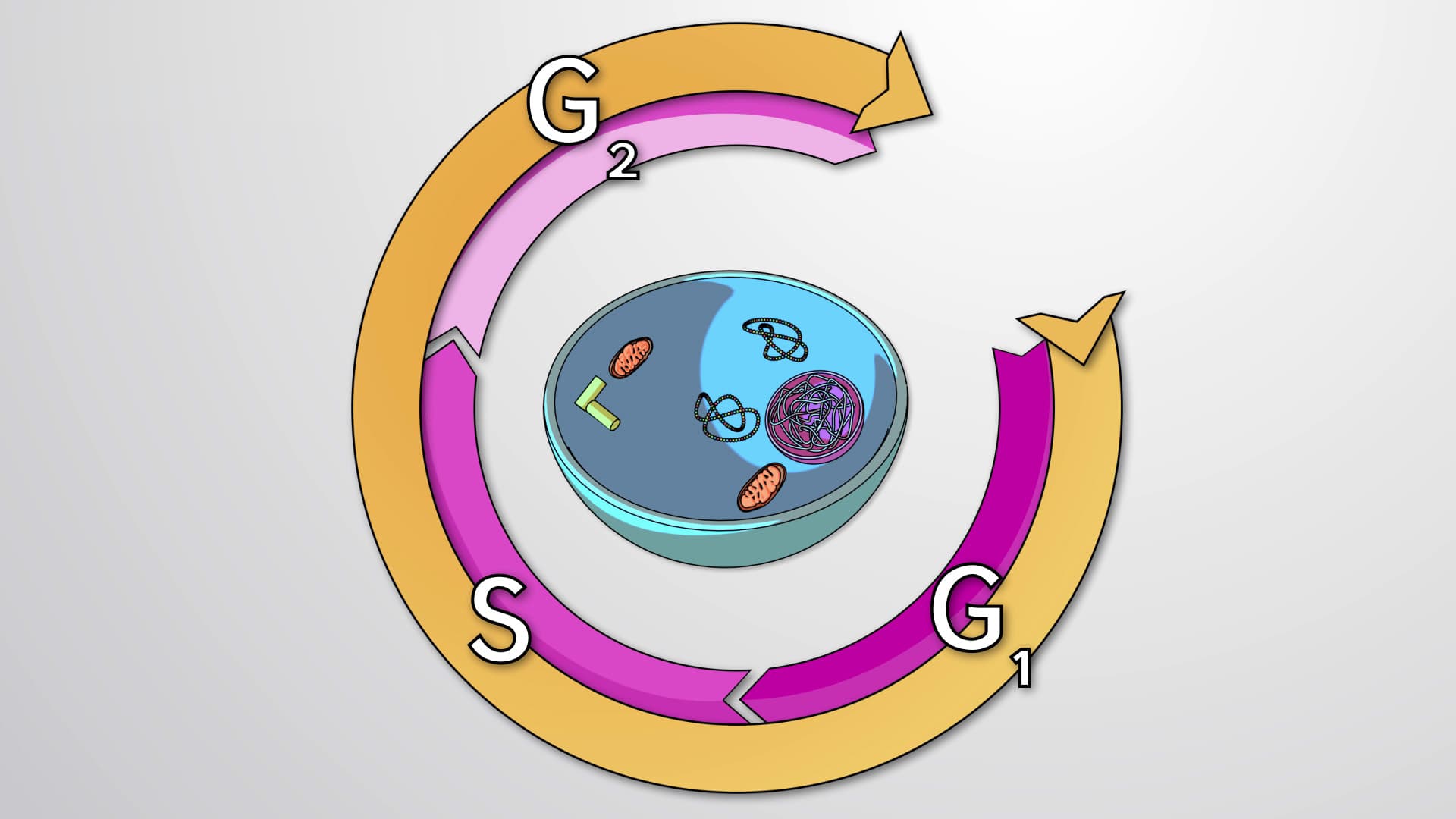
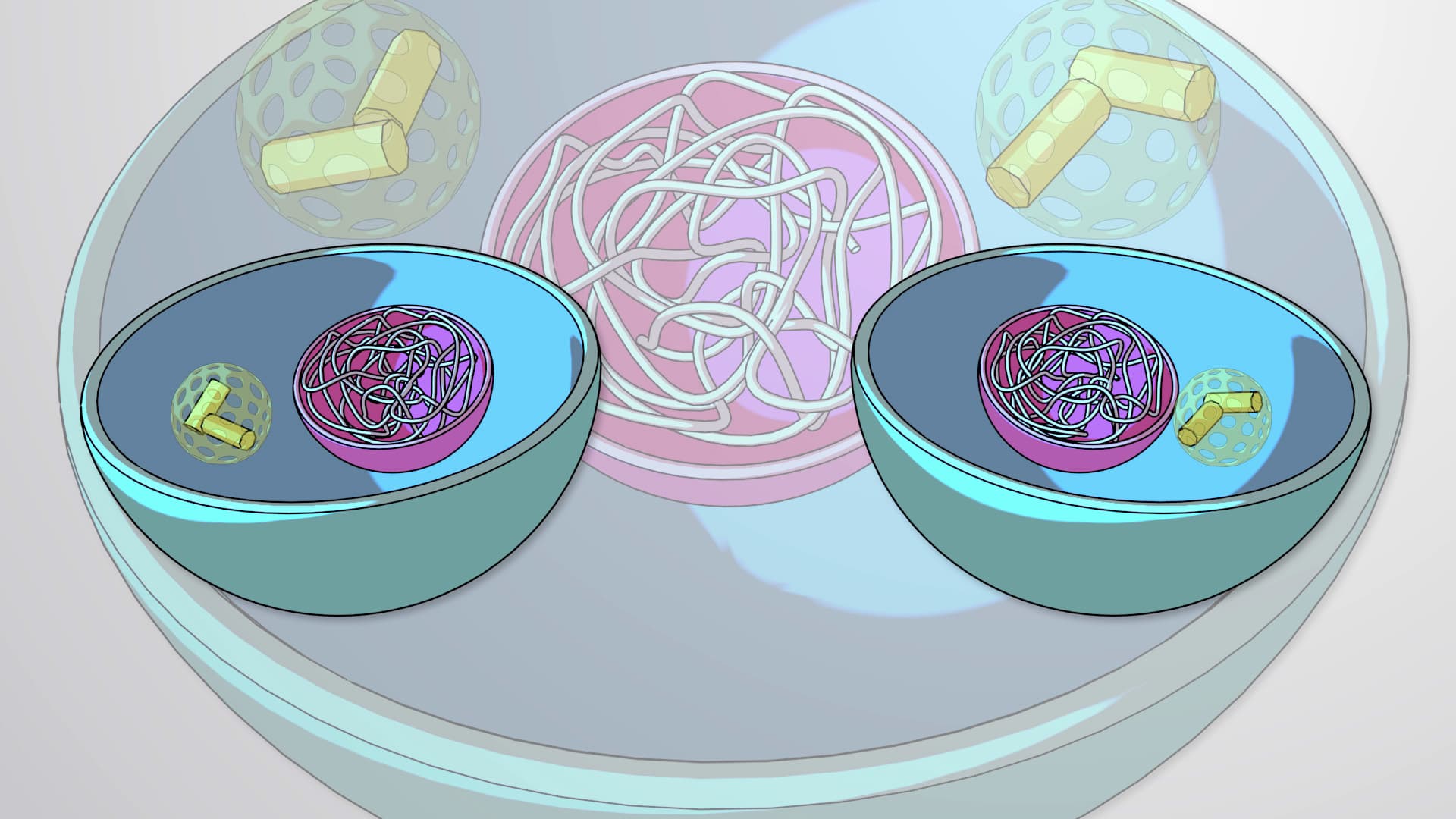
Negative Regulator Molecules

00:00
01:23
Video Summary: What are Negative Regulator Molecules
Ever wonder why cancer cells divide uncontrollably while healthy cells follow strict rules? Negative regulator molecules act as molecular brakes, preventing cells from replicating when conditions aren't right. These cellular guardians, including proteins like p53 and retinoblastoma (Rb), ensure DNA integrity and proper cell division timing. The p53 protein alone prevents an estimated 50% of human cancers by detecting DNA damage and either repairing it or triggering cell death. Watch the full video on JoVE Coach to master this concept with expert-led visuals and step-by-step explanations.
- Understand what are negative regulator molecules and their critical role in controlling cell cycle progression
- Identify key negative regulators including p53, p21, and retinoblastoma protein (Rb) and their specific functions
- Analyze how p53 responds to DNA damage by recruiting repair enzymes and producing CDK inhibitors
- Compare the mechanisms of cell cycle arrest versus apoptosis as cellular responses to DNA damage
- Evaluate the consequences when negative regulatory systems fail, leading to cancer development
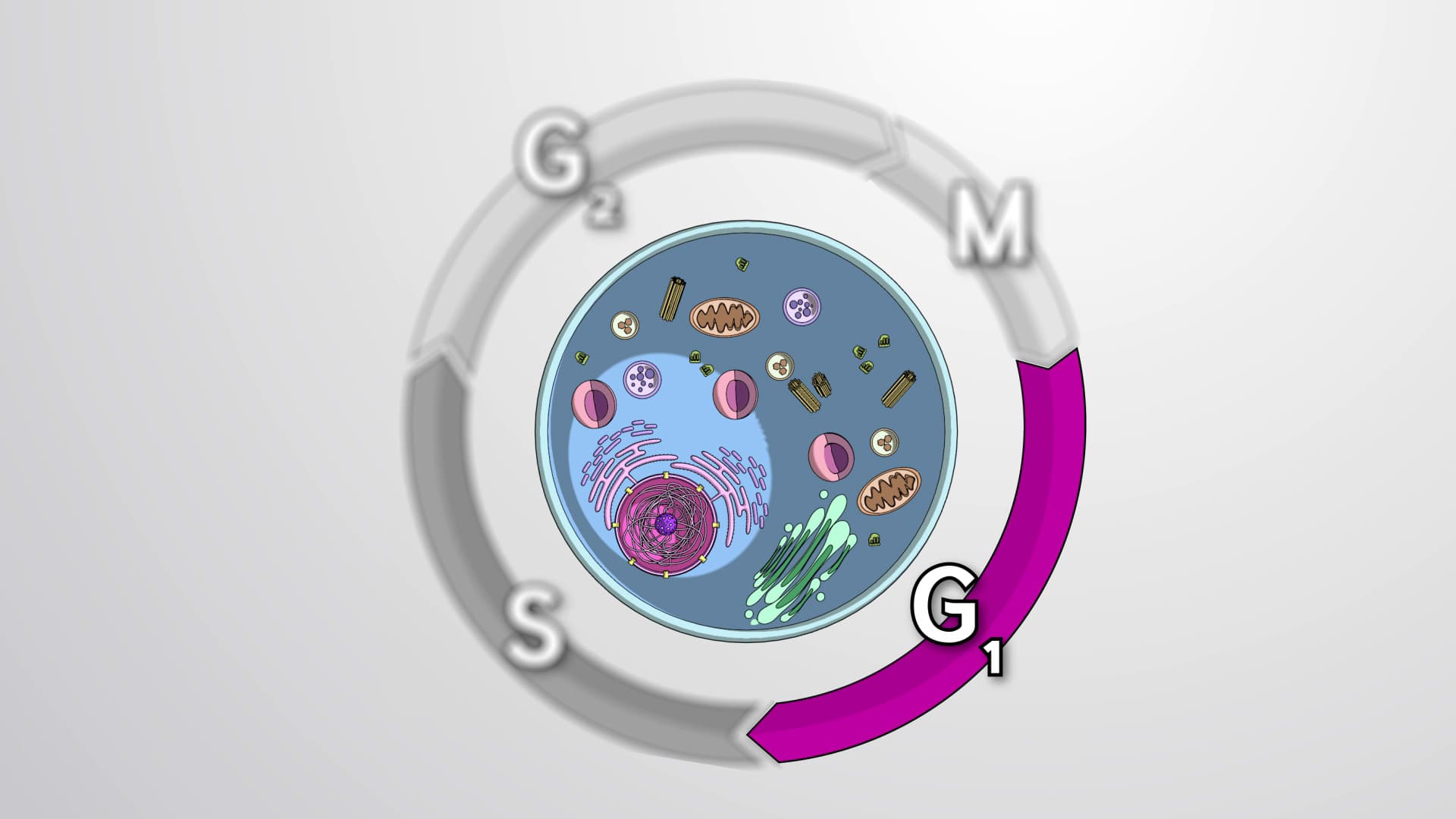
- Apply knowledge of Rb protein function in controlling the G1/S checkpoint transition
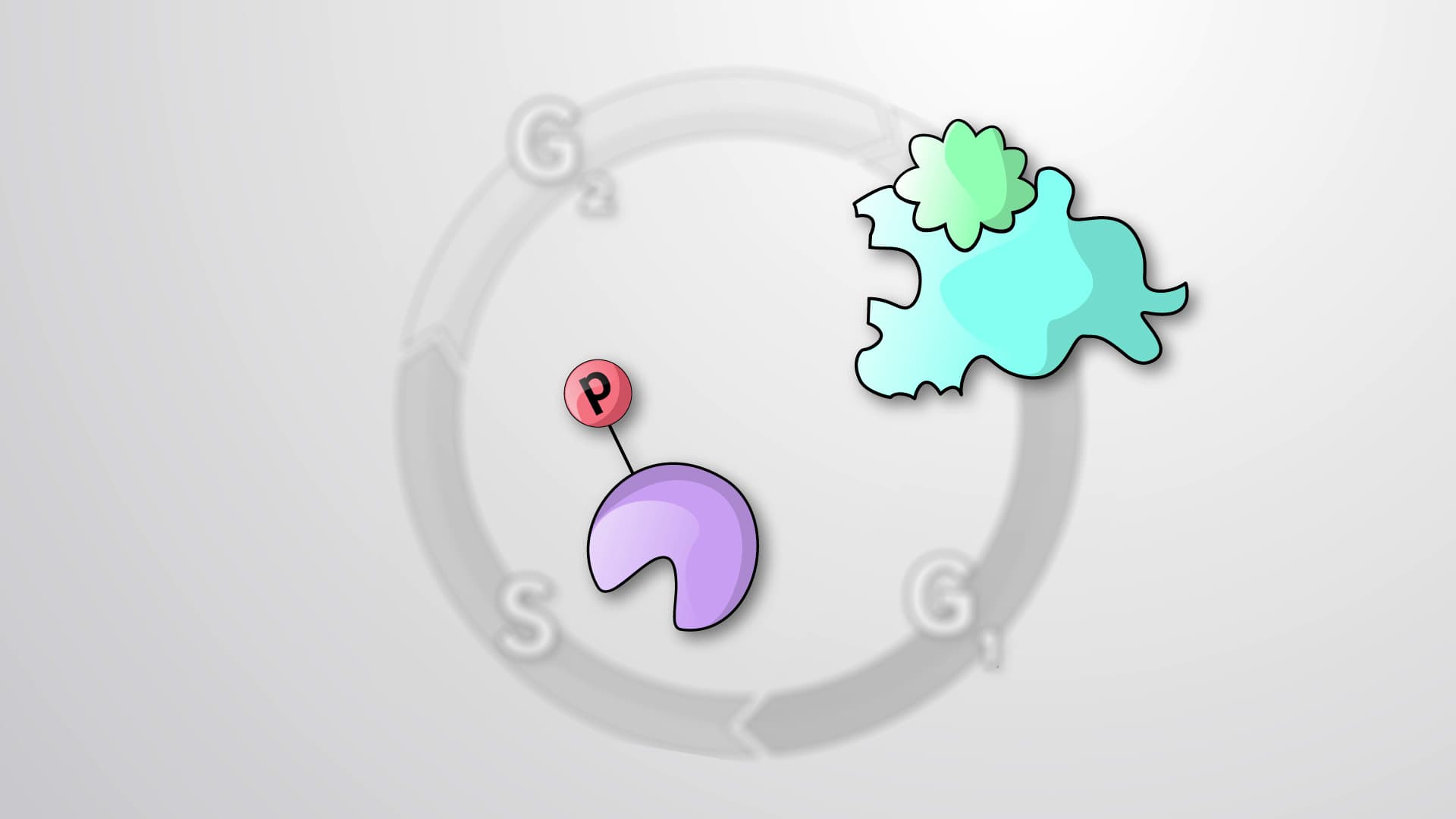
- Recognize how phosphorylation regulates Rb protein activity and E2F transcription factor release
- Explore the relationship between cell size, growth signals, and negative regulatory molecule activity
Understanding Negative Regulator Molecules
Negative regulator molecules serve as essential cellular quality control systems, acting like security checkpoints that prevent cell division when conditions are unsafe. These proteins evolved as protective mechanisms, ensuring that cells only replicate when they have sufficient resources, undamaged DNA, and appropriate growth signals. Understanding these molecules is crucial for AP Biology students and forms the foundation for advanced cancer biology courses in college.
The p53 Guardian System
The p53 protein, often called the "guardian of the genome," represents one of nature's most sophisticated negative regulatory systems. When DNA damage occurs-whether from UV radiation, chemical mutagens, or replication errors-p53 immediately springs into action. This protein recruits DNA repair enzymes while simultaneously producing p21, a powerful CDK inhibitor that halts cell cycle progression at the G1/S checkpoint.
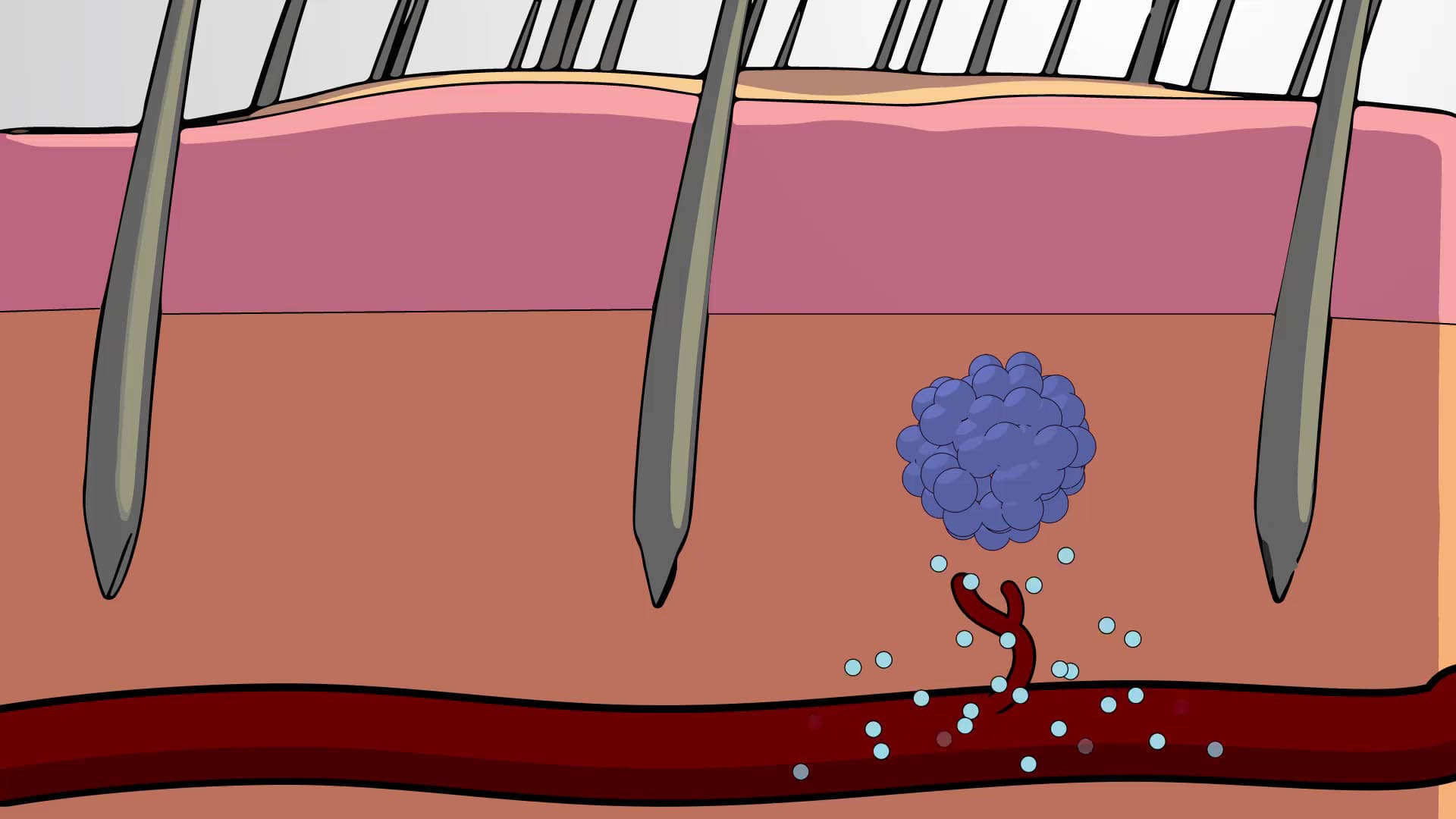
Students preparing for the MCAT should note that p53 mutations occur in over 50% of human cancers, making it the most frequently mutated gene in cancer. When p53 function is lost, cells lose their ability to detect DNA damage, leading to the accumulation of mutations and eventual malignant transformation. This concept frequently appears on standardized exams as a connecting point between molecular biology and human disease.
Retinoblastoma Protein: The Transcriptional Gatekeeper
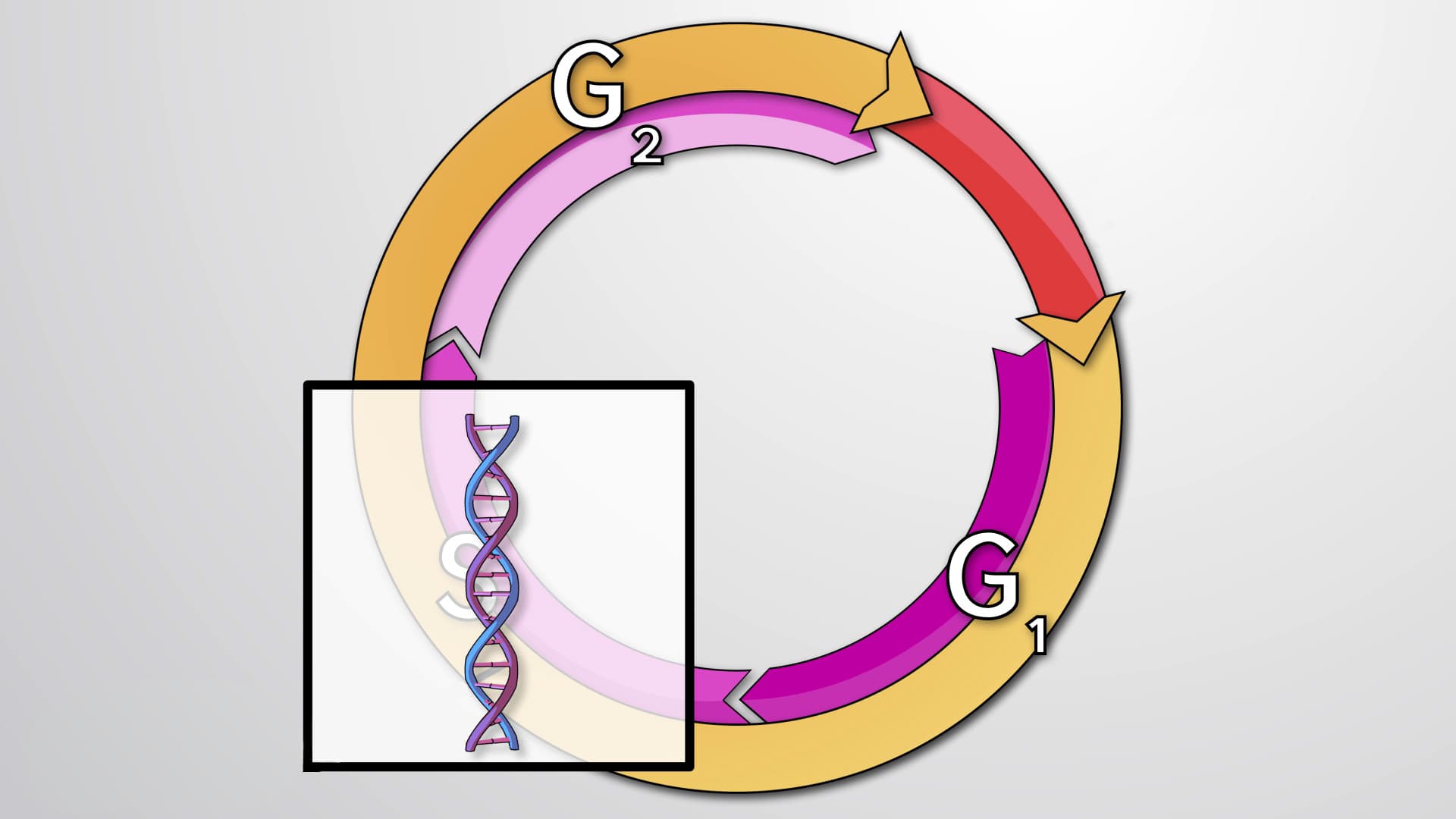
The retinoblastoma protein (Rb) operates through a different but equally important mechanism. Named after the childhood eye cancer where it was first discovered, Rb controls the G1/S transition by binding to E2F transcription factors. This binding prevents the transcription of genes essential for DNA synthesis, effectively blocking S-phase entry.
The regulation of Rb demonstrates the elegant relationship between cell growth and division. As cells accumulate sufficient mass and receive appropriate growth signals, cyclin-dependent kinases phosphorylate Rb protein, causing it to release E2F. This release allows the transcription of genes encoding DNA polymerases, helicases, and other enzymes required for DNA replication. College students studying cell biology should understand this as a prime example of post-translational protein modification controlling gene expression.
Clinical and Research Applications
These negative regulatory mechanisms have profound implications for cancer research and treatment. Many modern cancer therapies specifically target these pathways-for example, MDM2 inhibitors aim to restore p53 function in cancer cells, while CDK4/6 inhibitors used in breast cancer treatment work by enhancing Rb-mediated cell cycle arrest. Understanding these concepts prepares students for advanced coursework in oncology, molecular medicine, and biotechnology careers.
Frequently Asked Questions
Negative regulator molecules are proteins that act as cellular brakes, preventing cells from dividing when conditions aren't safe or appropriate. They include proteins like p53 and retinoblastoma (Rb) that monitor DNA integrity and cell readiness. These molecules are essential for preventing cancer by ensuring only healthy cells reproduce.
For AP Biology, define negative regulator molecules as proteins that inhibit cell cycle progression at specific checkpoints to maintain genomic stability. Focus on p53 (DNA damage response) and Rb (G1/S checkpoint control) as key examples. Understand their mechanisms: p53 produces CDK inhibitors while Rb sequesters transcription factors until cells are ready to divide.
MCAT questions often test p53's dual role in DNA repair and apoptosis, plus Rb's regulation by phosphorylation. Expect passage-based questions linking these proteins to cancer biology and cell cycle checkpoints. Practice identifying when cells would arrest versus undergo apoptosis based on damage severity.
Most US medical schools, including Johns Hopkins, Harvard Medical School, and UCSF, extensively cover these molecules in cancer biology and pathology courses. They're fundamental to understanding oncology, making them essential for students planning careers in cancer research or treatment.
In the US, p53 mutations are found in over 50% of cancers, including common types like lung, colon, and breast cancers. Rb mutations cause retinoblastoma, affecting about 300 US children annually. These examples help students understand why studying these molecules is crucial for medical practice.
Basic high school chemistry is sufficient to grasp these concepts initially. You'll need to understand protein structure, phosphorylation reactions, and DNA basics. Most concepts build naturally from introductory biology, making them accessible to students at the high school AP level and beyond.
Create flowcharts showing p53 and Rb pathways, including triggers, mechanisms, and outcomes. Practice drawing these from memory and connecting them to cancer examples. Use active recall by explaining how each protein prevents uncontrolled cell division without looking at notes.
Explore positive cell cycle regulators like cyclins and CDKs to understand the complete regulatory network. Then advance to cancer genetics, tumor suppressor genes, and oncogenes. This progression naturally leads to pharmacology and cancer treatment mechanisms for pre-med students.
Related Micro-courses