Loading subject page…

Micro-course: Cell Cycle and Division
1,031,803 views
Learn key concepts and earn your certificate.

Cancer

00:00
02:18
Video Summary: What Is Cancer
Did you know that cancer affects 1 in 3 Americans during their lifetime? Cancer is fundamentally about cells that have lost their ability to follow normal growth rules, dividing uncontrollably to form masses called tumors. The American Cancer Society reports that over 1.9 million new cases are diagnosed annually in the US, with breast, lung, and prostate cancers being most common. Understanding what is cancer reveals how genetic mutations transform normal cells into dangerous ones that can spread throughout the body. Watch the full video on JoVE Coach to master this concept with expert-led visuals and step-by-step explanations.
- Understand what is cancer by identifying the fundamental difference between normal and cancerous cell division
- Recognize the distinction between benign tumors and malignant cancers based on tissue invasion patterns
- Analyze how oncogenes and tumor suppressor genes regulate cell proliferation and what happens when they malfunction
- Compare the roles of positive regulators (oncogenes) versus negative regulators (tumor suppressor genes) in cancer development
- Evaluate the significance of p53 mutations, which occur in up to 50% of human tumors
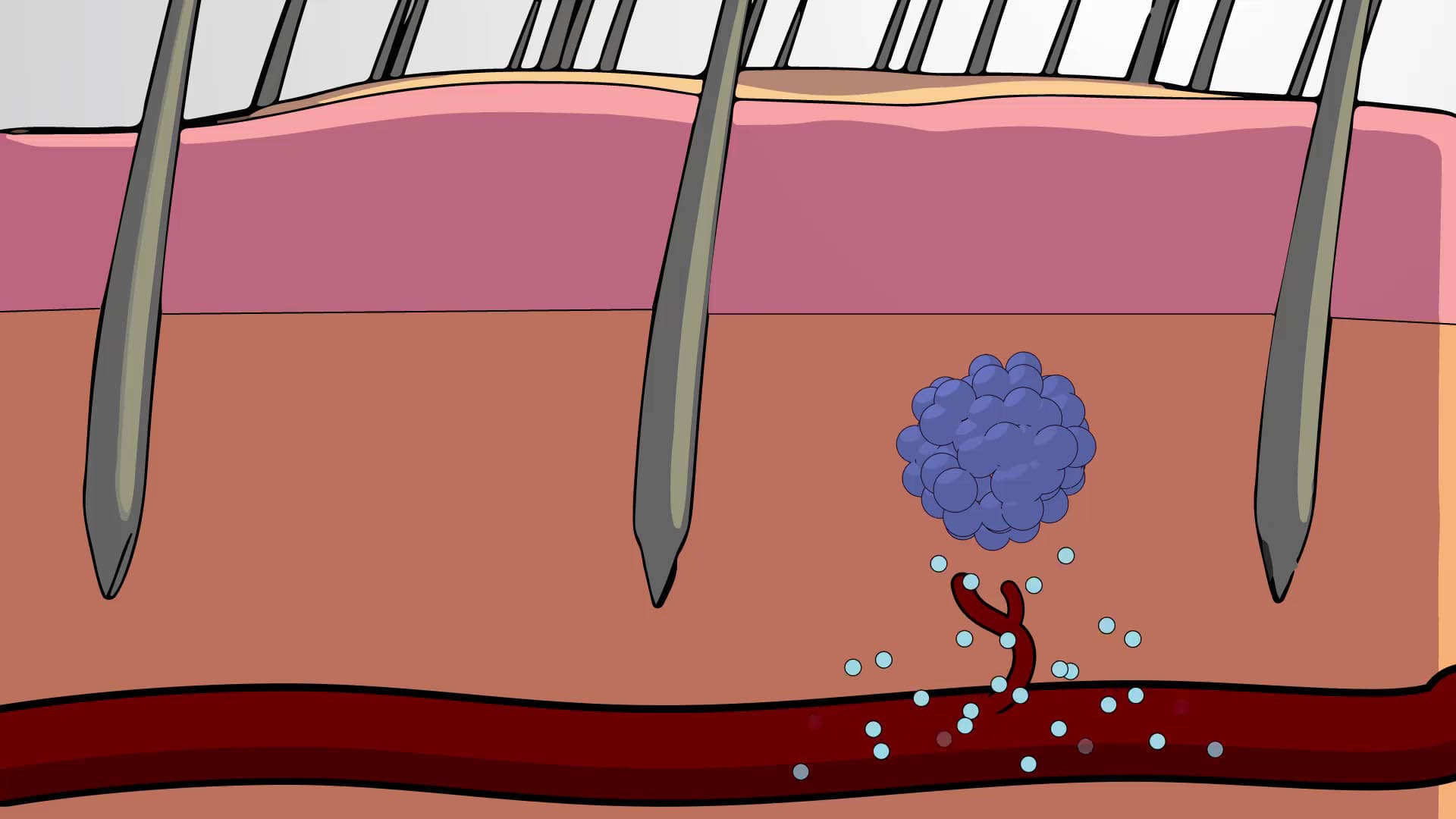
- Apply knowledge of angiogenesis to explain how tumors secure their blood supply for continued growth
- Identify metastasis as the primary cause of cancer-related deaths and understand its underlying mechanisms
- Explore why cancer treatment is challenging due to the unique genetic profile of each patient's tumor
What is Cancer: The Cellular Control System Gone Wrong
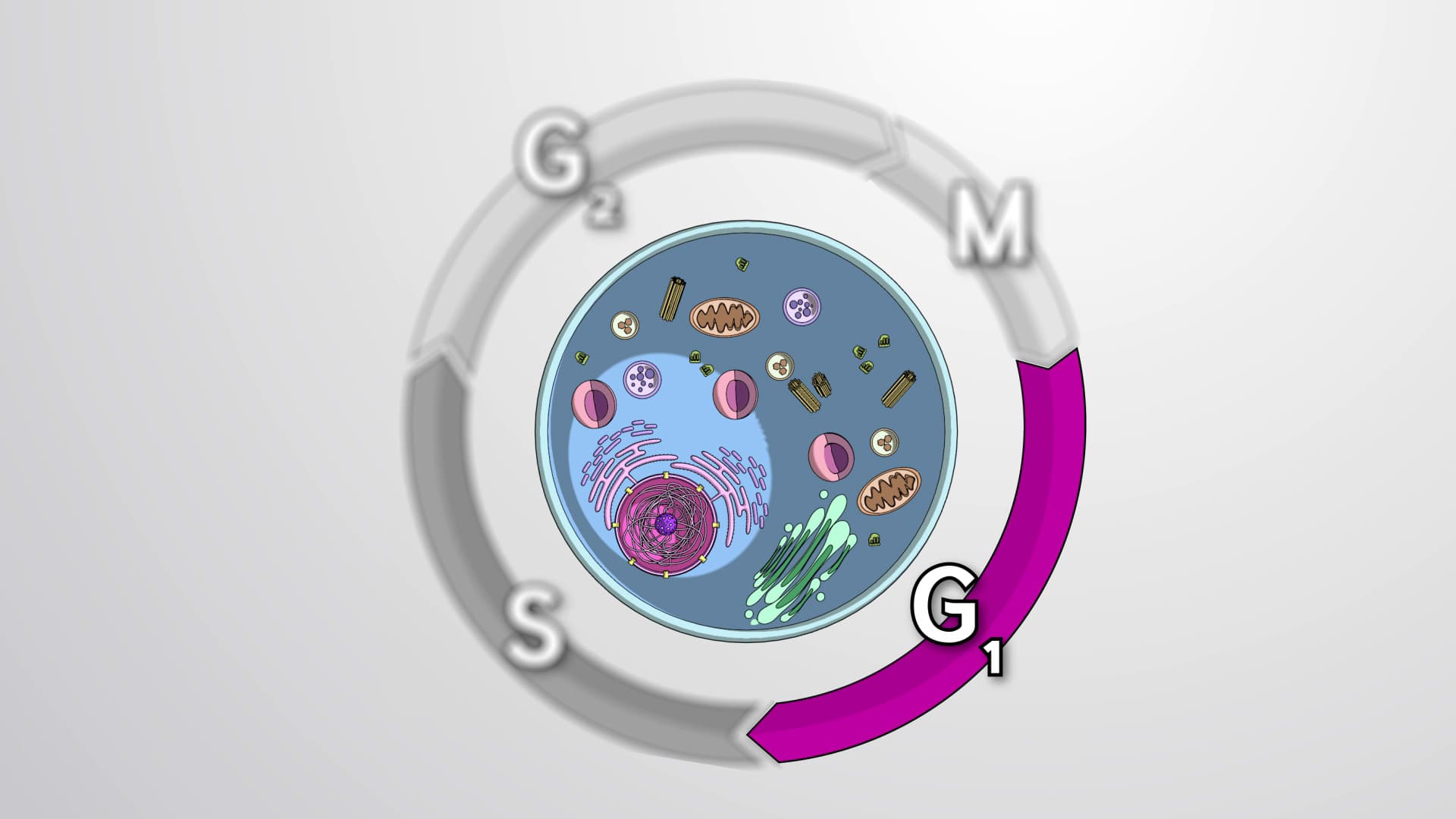
Cancer represents one of the most complex challenges in modern medicine, fundamentally arising when cells lose their ability to regulate growth and division. Normal cells follow strict rules about when to divide, when to stop growing, and when to die. These cellular "traffic lights" involve intricate networks of genes and proteins that maintain tissue balance. When this system breaks down through genetic mutations, cells begin dividing uncontrollably, leading to tumor formation.
From Normal Cells to Malignant Tumors
The progression from normal tissue to cancer involves multiple steps. Initially, abnormal cell division creates a benign tumor-a localized mass that doesn't invade surrounding tissues. However, as mutations accumulate, some tumors acquire the ability to invade nearby tissues and enter blood vessels, becoming malignant cancers. This transformation typically requires 3-7 key mutations, explaining why cancer incidence increases with age. For AP Biology students, understanding this multi-step process is crucial for exam success, as questions often focus on the molecular mechanisms driving each stage.
Oncogenes and Tumor Suppressors: The Genetic Players
Cancer genetics centers on two main categories of genes. Oncogenes act like a car's accelerator-when mutated, they drive excessive cell division. The RAS oncogene, mutated in about 30% of cancers, exemplifies this concept. Conversely, tumor suppressor genes function like brakes, normally preventing inappropriate cell division. The p53 gene, often called "guardian of the genome," is mutated in over half of all cancers. When functional, p53 detects DNA damage and either repairs it or triggers cell death. Students preparing for the MCAT should focus on these molecular pathways, as they frequently appear in passage-based questions.
Metastasis and Treatment Challenges
The most dangerous aspect of cancer is metastasis-the spread of cancer cells to distant body sites. This process involves multiple steps: cells must detach from the primary tumor, survive in the bloodstream, and establish new growth sites. The National Cancer Institute estimates that metastatic disease causes nearly 90% of cancer deaths. Each patient's cancer contains a unique combination of mutations, making personalized treatment essential. This complexity explains why cancer research focuses on targeted therapies that address specific genetic alterations rather than one-size-fits-all approaches.
Frequently Asked Questions
Cancer is a disease where cells grow and divide uncontrollably due to genetic mutations. Unlike normal cells that follow strict growth rules, cancer cells ignore signals to stop dividing, forming tumors that can invade healthy tissues and spread throughout the body.
AP Biology frequently tests cancer concepts through cell cycle regulation, gene expression, and molecular biology questions. Students should focus on p53 function, oncogenes versus tumor suppressors, and the multi-step nature of cancer development. Practice FRQs often connect cancer to cell signaling pathways and genetic regulation.
The MCAT emphasizes cancer's molecular basis, including DNA repair mechanisms, cell cycle checkpoints, and oncogene/tumor suppressor interactions. Students should understand how viruses cause cancer, apoptosis pathways, and treatment mechanisms. Cancer passages frequently integrate biology with biochemistry and organic chemistry concepts.
Every tumor contains a unique combination of genetic mutations, even within the same cancer type. For example, two breast cancer patients may have completely different oncogene mutations, requiring different targeted therapies. This is why precision medicine and genetic tumor profiling have become standard practice at major US cancer centers.
Not at all! Cancer concepts build on fundamental biology principles you already know-cell division, DNA, and proteins. Start with basic cell cycle regulation, then gradually add oncogenes and tumor suppressors. Many students find cancer biology fascinating because it connects classroom learning to real-world medical challenges.
Create concept maps linking normal cell regulation to cancer development. Practice drawing the cell cycle with checkpoint controls, then show what happens when these fail. Use specific examples like p53 and RAS mutations to make concepts concrete rather than abstract.
Explore specific cancer types and their treatments, immunotherapy mechanisms, and cancer prevention strategies. Advanced students can investigate cancer stem cells, tumor microenvironments, and emerging therapies like CAR-T cell treatment, which show promise in US clinical trials.
Cancer research drives major medical breakthroughs, from immunotherapy advances at institutions like MD Anderson and Memorial Sloan Kettering to precision medicine initiatives. Career paths include oncology, research, genetic counseling, and biotechnology-all growing fields with strong job prospects in the US healthcare system.
Related Micro-courses