Loading subject page…

- Biology
- Cell Cycle and Division
- Positive Regulator Molecules
Micro-course: Cell Cycle and Division
1,031,803 views
Learn key concepts and earn your certificate.

Positive Regulator Molecules


00:00
01:45
Video Summary: What are Positive Regulator Molecules
Every second, millions of cells in your body must decide whether to divide or remain dormant-a decision controlled by positive regulator molecules that act like molecular traffic lights. These specialized proteins, including cyclins and cyclin-dependent kinases (CDKs), ensure cells progress through division phases at precisely the right moments. Consider how cancer researchers at Johns Hopkins University study these molecules to understand when cell division goes wrong, leading to uncontrolled tumor growth. Watch the full video on JoVE Coach to master this concept with expert-led visuals and step-by-step explanations.
- Understand what are positive regulator molecules and their essential role in controlling cell cycle progression through coordinated protein interactions
- Identify the two main classes of positive regulatory proteins: cyclins and cyclin-dependent kinases (CDKs) and their specific functions
- Analyze how cyclin-CDK complexes form and activate to phosphorylate target proteins that drive cells from one phase to the next
- Compare the four types of cyclins (D, E, A, B) and their timing patterns throughout G1, S, G2, and M phases
- Evaluate the mechanism by which cyclin degradation inactivates CDKs and signals the completion of cell cycle phases
- Apply knowledge of positive regulator molecules to predict cell cycle outcomes when these systems malfunction
- Recognize real-world connections between positive regulator dysfunction and diseases like cancer
- Explore how understanding positive regulatory mechanisms supports therapeutic drug development and medical research
Understanding What Are Positive Regulator Molecules
Positive regulator molecules represent a sophisticated cellular control system that ensures orderly cell division. Unlike negative regulators that halt cell cycle progression, positive regulators actively promote advancement through each phase. Think of them as accelerator pedals that must be precisely timed-too early or too late can lead to cellular chaos.
The two primary classes work in tandem: cyclins act as regulatory subunits while cyclin-dependent kinases (CDKs) serve as the enzymatic workhorses. This partnership exemplifies biological efficiency, where neither component functions alone but together create a powerful regulatory mechanism.
Cyclin-CDK Complex Formation and Function
CDKs exist in cells like dormant engines-present but inactive until the right cyclin "key" activates them. When a specific cyclin binds to its corresponding CDK, the resulting complex gains the ability to phosphorylate target proteins. This phosphorylation acts like flipping molecular switches, altering protein function and triggering progression to the next cell cycle phase.
Students preparing for AP Biology or college cell biology courses should understand that phosphorylation represents a fundamental regulatory mechanism extending far beyond cell cycle control. The same principle governs insulin signaling, neurotransmitter function, and countless other biological processes.
The Four Cyclins: Timing Is Everything
Each cyclin operates on a precise schedule, much like a relay race where batons pass between runners at specific intervals:
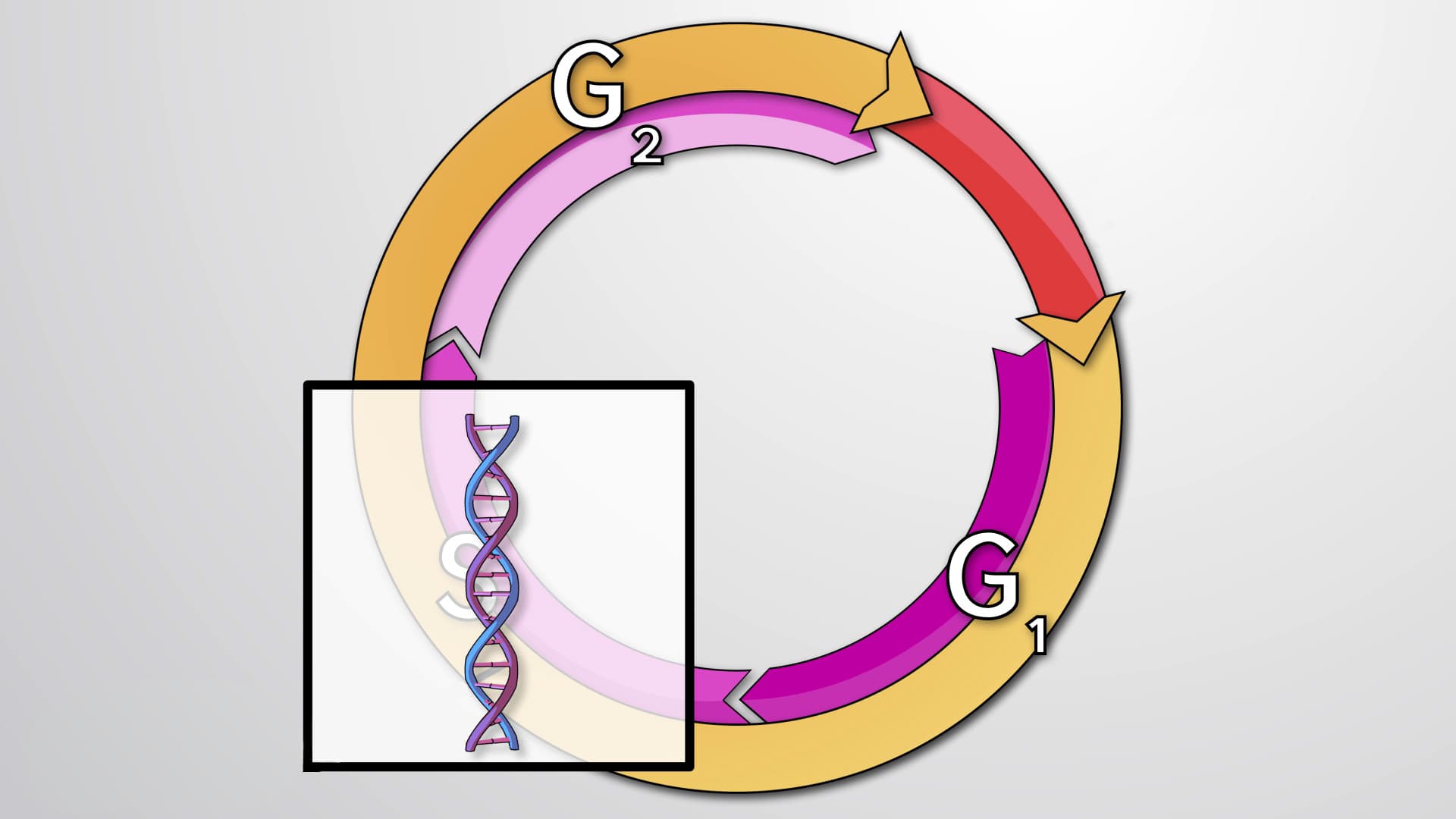
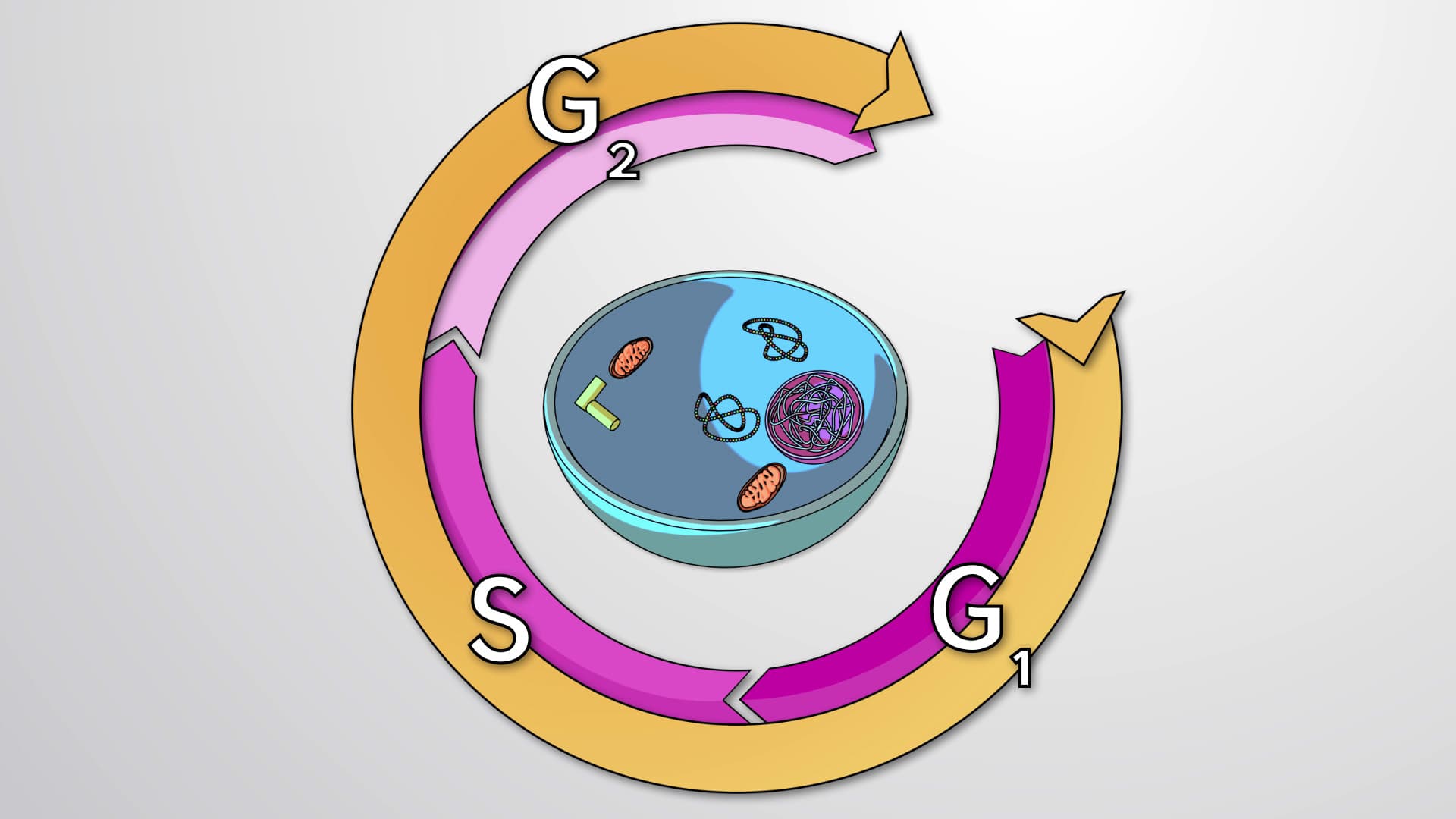
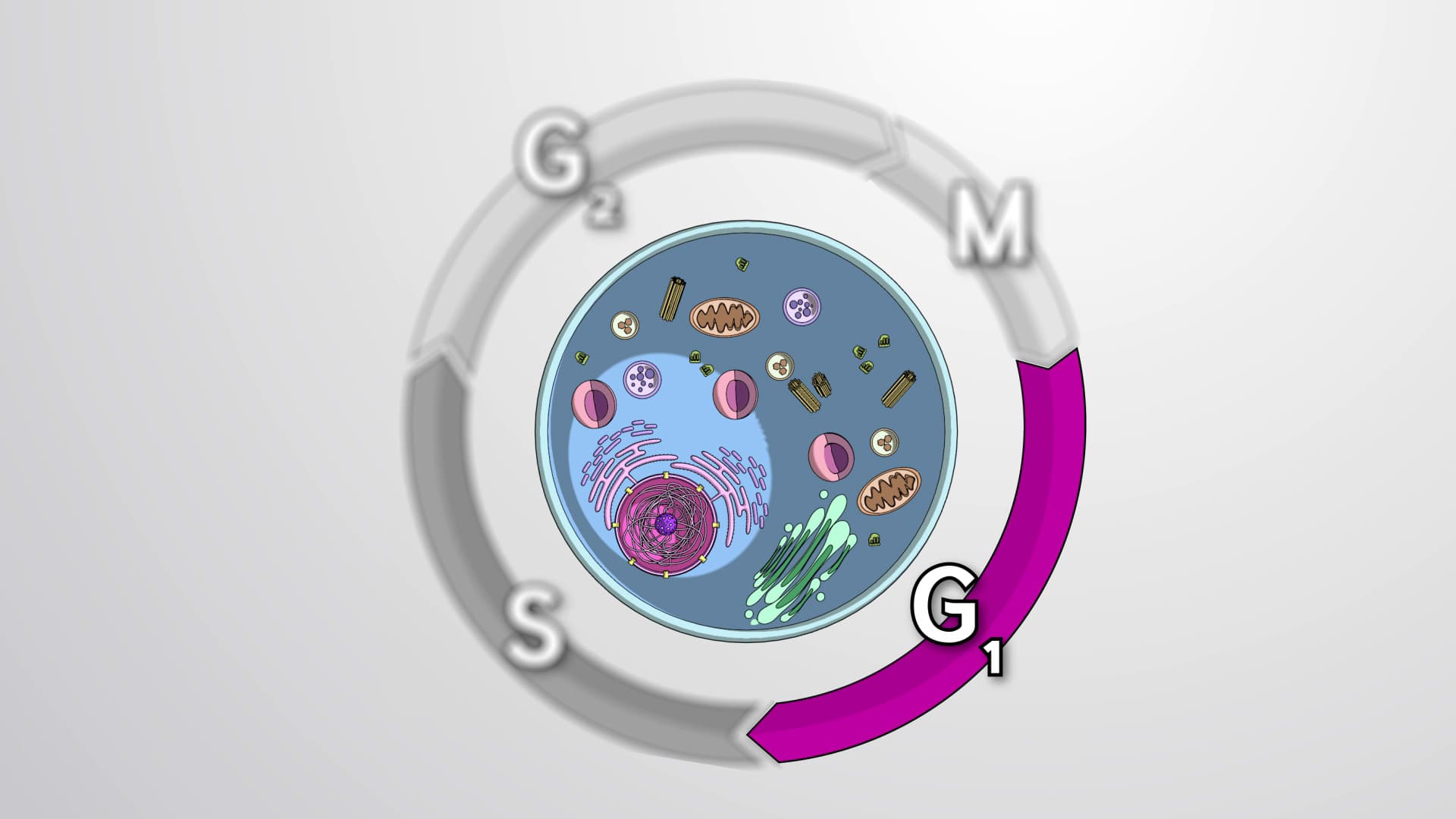
Cyclin D initiates the process during G1 phase, partnering with CDKs to push cells past the restriction point-a critical checkpoint where cells commit to division. Cyclin E peaks during the G1/S transition, promoting DNA replication initiation. Cyclin A maintains high levels throughout S phase and into G2, ensuring continued DNA synthesis and preparation for mitosis. Finally, Cyclin B reaches maximum concentration during M phase, driving the complex mechanical processes of chromosome separation and cell division.
Clinical and Research Applications
Understanding positive regulator molecules proves crucial for medical applications. Cancer researchers at institutions like Memorial Sloan Kettering focus extensively on CDK inhibitors as potential therapies. When positive regulatory systems malfunction-through mutations, overexpression, or faulty degradation-cells may divide uncontrollably, contributing to tumor formation.
For students considering medical careers, these concepts appear prominently on MCAT examinations and form foundational knowledge for understanding cancer biology, developmental disorders, and regenerative medicine approaches.
Frequently Asked Questions
Positive regulator molecules are proteins that actively promote cell division by pushing cells forward through each phase of the cell cycle. The main types include cyclins and cyclin-dependent kinases (CDKs) that work together like a molecular timing system. They ensure cells divide at the right time and in the proper sequence, preventing cellular chaos.
These concepts frequently appear in cell biology sections, often through questions about cyclin-CDK interactions, cell cycle checkpoints, and cancer mechanisms. Students might analyze graphs showing cyclin concentration changes or predict outcomes when regulatory systems fail. Understanding the timing and function of each cyclin type is essential for exam success.
Malfunctioning positive regulators contribute to various diseases, most notably cancer, where cells divide uncontrollably due to overactive or improperly regulated cyclin-CDK complexes. Researchers at major US cancer centers develop CDK inhibitor drugs to target these dysfunctional pathways. Some developmental disorders also result from timing defects in positive regulatory systems.
Basic high school chemistry sufficiently supports understanding these concepts, particularly protein structure and phosphorylation reactions. The focus lies more on biological timing and interactions rather than complex chemical mechanisms. Students with introductory biology background can successfully master positive regulator molecule concepts through focused study.
Create memorable associations: "D for Decide" (G1 commitment), "E for Enter" (S phase entry), "A for Active synthesis" (S/G2 phases), "B for Break apart" (mitosis). Drawing timeline diagrams showing cyclin concentration peaks helps visualize their sequential activation patterns. Practice relating each cyclin to its specific cell cycle function rather than rote memorization.
Cancer biology heavily focuses on cell cycle regulation, making positive regulator molecules central to understanding tumor formation and developing treatments. Pharmaceutical companies actively develop CDK inhibitors as cancer therapies. Research opportunities exist at institutions like NIH, major cancer centers, and biotech companies working on cell cycle-targeted drug discovery.
Explore negative regulator molecules (tumor suppressors like p53), cell cycle checkpoints, and apoptosis mechanisms to complete your cell cycle knowledge. Understanding DNA damage response pathways and how they integrate with positive regulatory systems provides deeper insight into cellular quality control and disease prevention mechanisms.
Related Micro-courses