Loading…
Loading video…

1,576,701 views
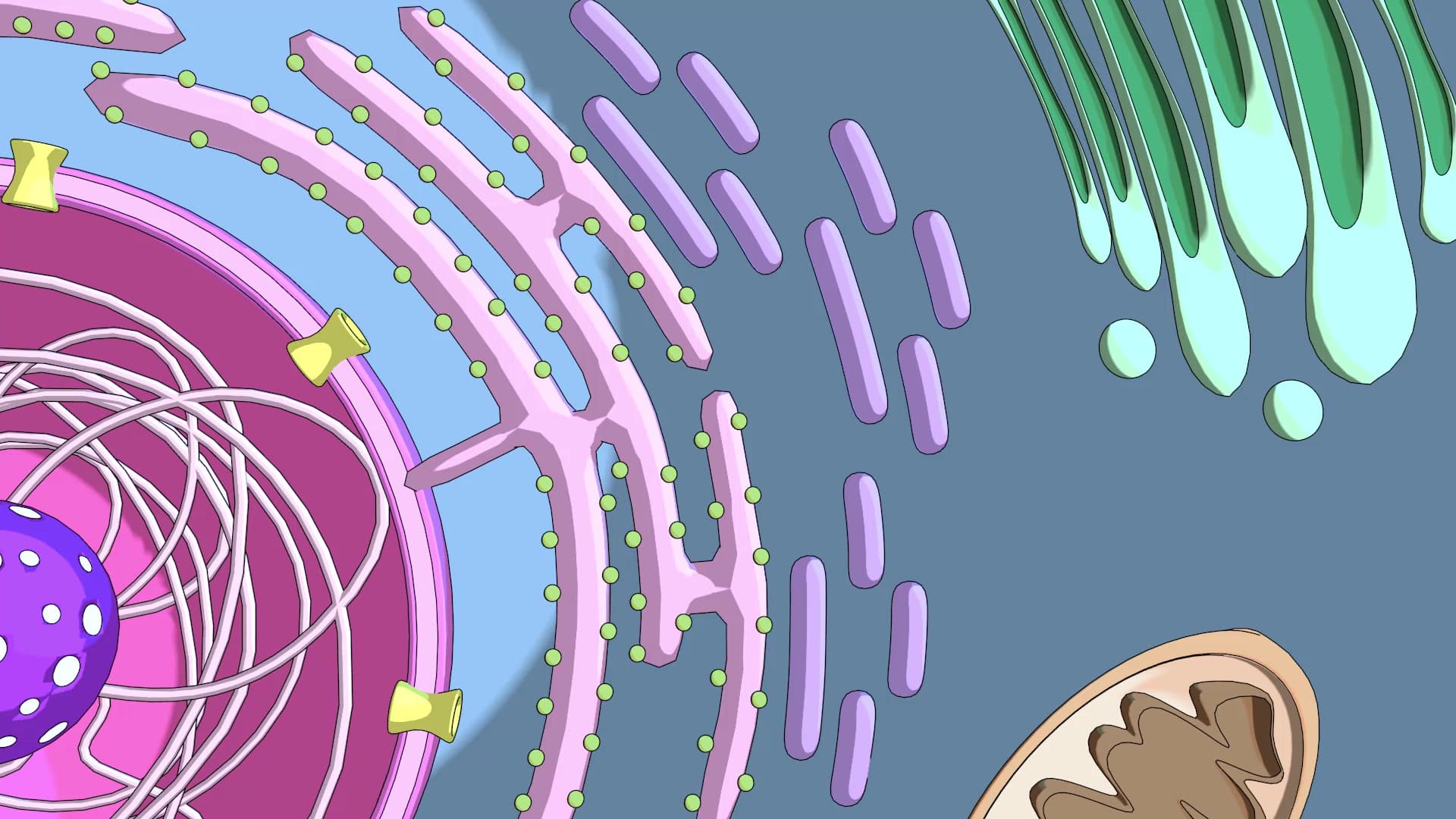
Did you know that your muscle cells contain specialized calcium storage compartments that enable every heartbeat and voluntary movement? The endoplasmic reticulum explained biology reveals how this intricate membrane network serves as your cell's protein factory and lipid manufacturer. In cardiac muscle cells at Johns Hopkins Hospital, researchers study how the sarcoplasmic reticulum (a specialized smooth ER) releases calcium ions to coordinate heart contractions. Understanding what is the endoplasmic reticulum unlocks the secrets of cellular manufacturing and quality control systems. Watch the full video on JoVE Coach to master this concept with expert-led visuals and step-by-step explanations.
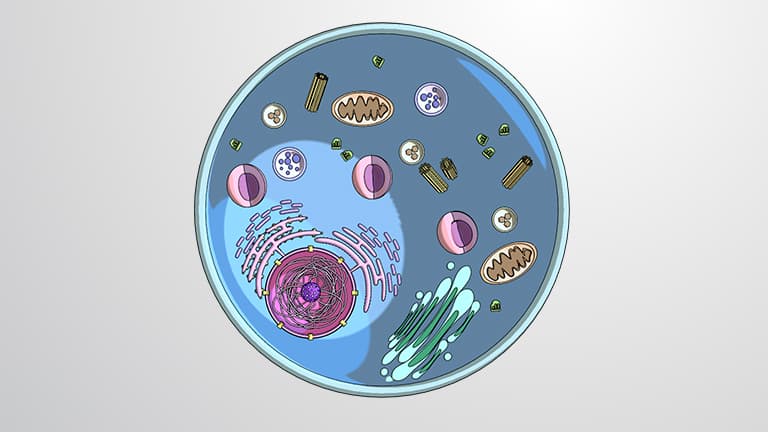
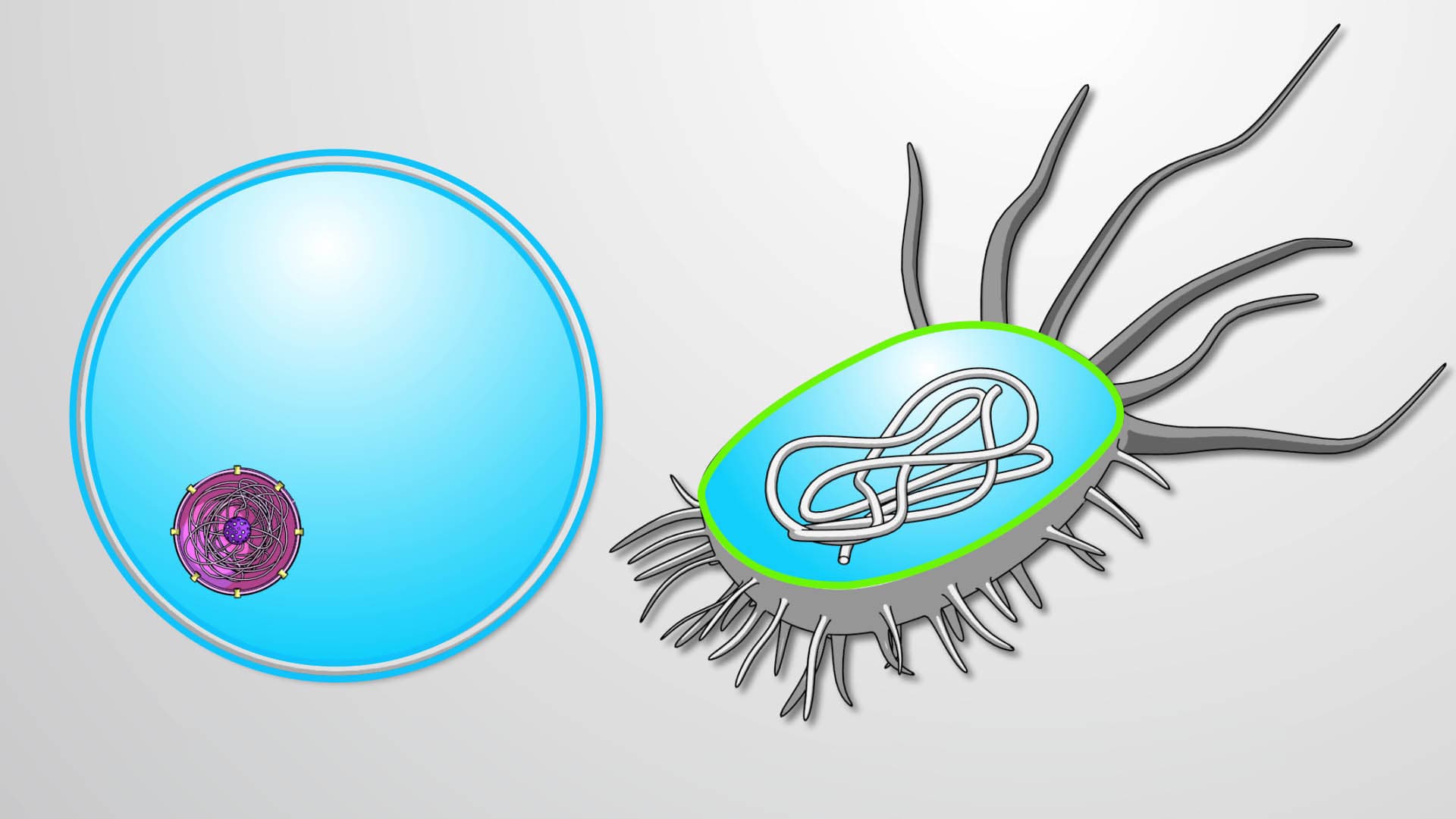
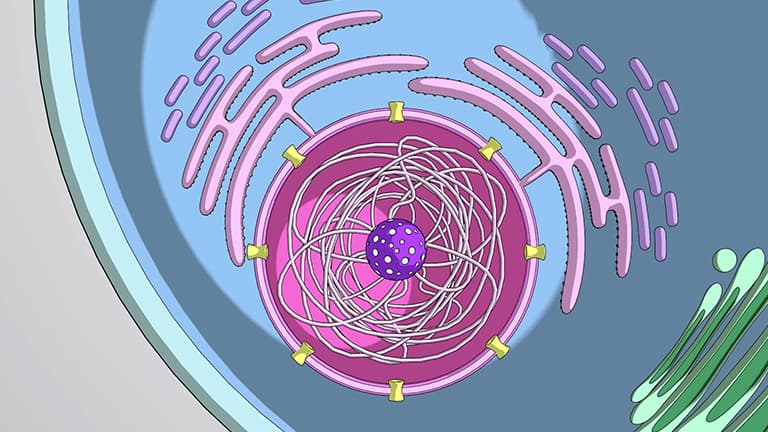
The endoplasmic reticulum represents one of the most extensive organelle systems in eukaryotic cells, forming an interconnected network of membrane-bound compartments called cisternae. This ER network cisternae extends throughout the cytoplasm, creating a continuous membrane system that connects directly to the outer nuclear membrane. Students preparing for the AP Biology exam should recognize that this physical continuity allows for seamless transport of materials between the nucleus and cytoplasm.
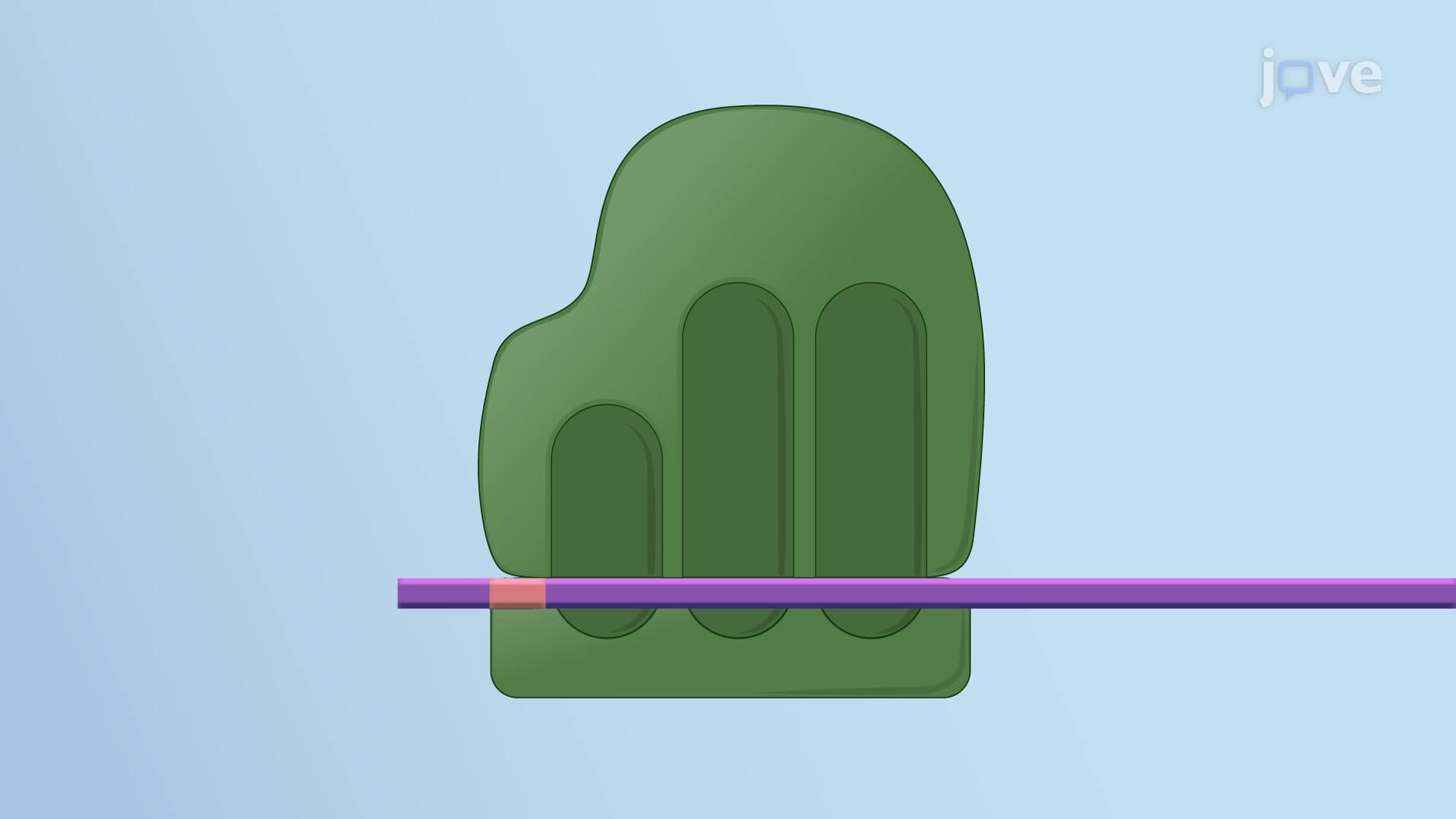
Protein synthesis rough ER occurs when ribosomes attach to the cytoplasmic surface of ER membranes, creating the characteristic "rough" appearance under electron microscopy. These membrane-bound ribosomes specifically translate proteins destined for secretion, membrane incorporation, or organelle targeting. At research institutions like Stanford University, scientists study how signal sequences on newly synthesized proteins direct them into the ER lumen for processing.
The rough ER's quality control system involves sophisticated chaperone proteins that ensure proper protein folding. Students taking college-level cell biology courses learn that misfolded proteins trigger the unfolded protein response (UPR), a cellular stress mechanism. Failed proteins undergo ER-associated degradation (ERAD), where they're transported back to the cytosol for breakdown by proteasomes.
Lipid smooth ER synthesis represents a crucial metabolic function, particularly in cells requiring extensive membrane production or steroid hormone synthesis. In liver hepatocytes studied at UCLA Medical Center, smooth ER produces cholesterol and metabolizes drugs through cytochrome P450 enzymes. This detoxification function becomes especially relevant for pre-med students understanding pharmacology concepts.
Calcium storage represents another vital smooth ER function. In skeletal muscle fibers, the specialized smooth ER called sarcoplasmic reticulum stores calcium ions at concentrations 10,000 times higher than the cytoplasm. During muscle contraction, calcium release from this compartment enables actin-myosin interaction, a process extensively covered in MCAT preparation.
Understanding endoplasmic reticulum organelle function proves essential for medical applications. Researchers at the Mayo Clinic study ER stress in diseases like diabetes, where pancreatic beta cells struggle to produce sufficient insulin. This connection between cellular organelle function and human health demonstrates why mastering ER concepts remains crucial for students pursuing healthcare careers through programs like nursing (NCLEX preparation) or medical school (MCAT success).
Frequently Asked Questions
The endoplasmic reticulum is a membrane-bound organelle system that manufactures proteins and lipids while serving as the cell's quality control center. It's crucial because it processes most secreted proteins, synthesizes cellular membranes, and stores calcium for signaling. Understanding ER function helps explain how cells maintain homeostasis and respond to environmental changes.
The primary structural difference is ribosome attachment—rough ER has ribosomes bound to its surface, while smooth ER lacks ribosomes entirely. This structural variation determines their functions: rough ER handles protein synthesis and modification, while smooth ER focuses on lipid production and calcium storage. The ribosome presence creates the "rough" microscopic appearance.
AP Biology frequently tests ER function through free-response questions about protein synthesis pathways and organelle interactions. Students should know the signal hypothesis, protein trafficking between ER and Golgi, and calcium's role in muscle contraction. Practice questions often require explaining how mutations affecting ER function impact cellular processes.
The MCAT emphasizes ER's role in the secretory pathway, protein folding mechanisms, and calcium signaling in muscle physiology. Focus on understanding co-translational translocation, ER stress responses, and how smooth ER specialization varies between cell types. These concepts frequently appear in biological sciences passages requiring data interpretation.
Midterms often include diagram labeling, comparison charts between rough and smooth ER, and experimental analysis questions. Students should master electron microscopy image interpretation, understand protein trafficking pathways, and explain how ER dysfunction leads to cellular diseases. Practice explaining the unfolded protein response and ERAD mechanisms.
Muscle cells require rapid, coordinated calcium release to trigger contraction, so their smooth ER evolved into the sarcoplasmic reticulum with enhanced calcium storage capacity. This specialization allows muscles to contract within milliseconds when stimulated. Understanding this adaptation helps explain how cellular structure relates to tissue function in human physiology.
Absolutely not—ER concepts build logically from basic cell membrane principles that high school students already understand. Start with the simple idea that cells need factories (rough ER for proteins, smooth ER for lipids) and quality control systems. The concepts become clearer when connected to familiar processes like muscle movement and drug metabolism.
Create concept maps linking ER structure to function, practice drawing the secretory pathway from ribosome to Golgi, and use mnemonics like "Rough ER makes Ribosomes for pRoteins." Review electron microscopy images to recognize ER in different cell types. Connect ER function to real examples like insulin production in pancreatic cells.
Build on ER knowledge by exploring Golgi apparatus function, vesicle trafficking mechanisms, and lysosome biogenesis to understand the complete endomembrane system. Study mitochondrial protein import to compare different organelle targeting mechanisms. These connections create a comprehensive understanding of cellular organization and protein fate.
Related Micro-courses
Related Subjects