Loading…
Loading video…

1,576,701 views
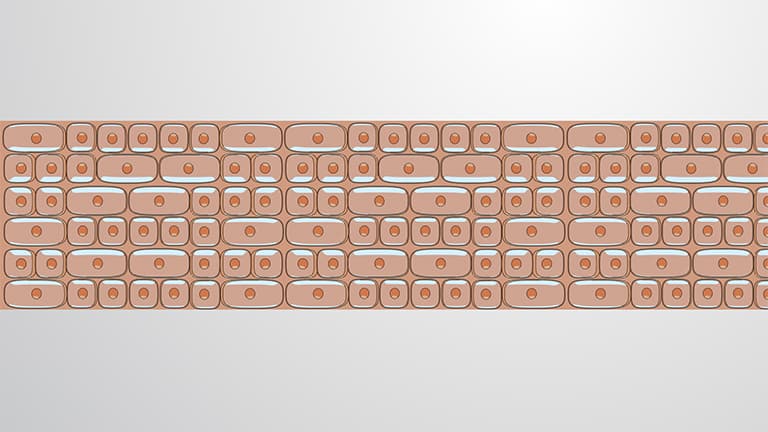
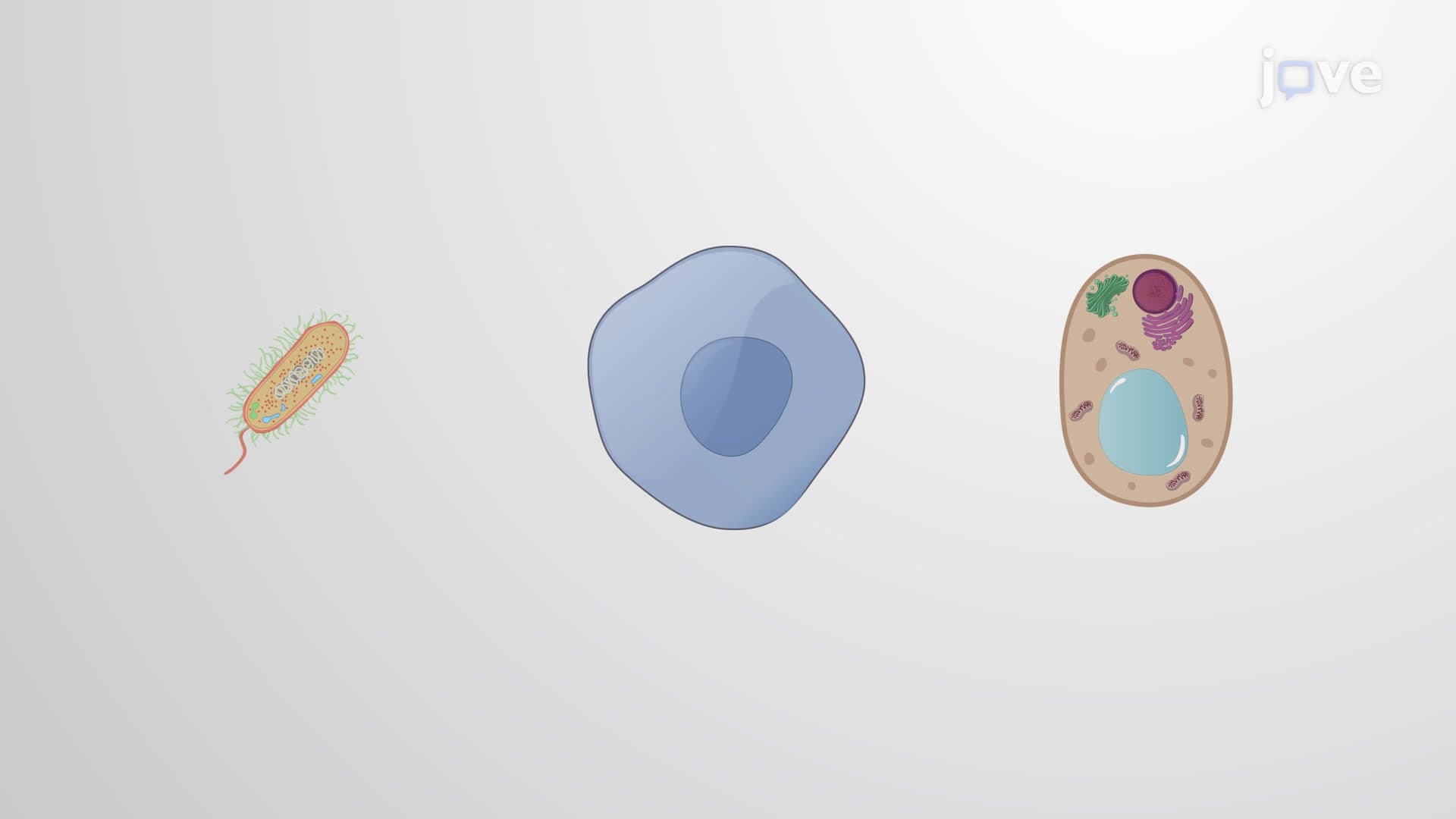
Did you know your body contains approximately 37 trillion cells, each one smaller than the period at the end of this sentence? Understanding cell structure types functions begins with recognizing that cells are life's fundamental building blocks, from single-celled bacteria to complex multicellular organisms like humans. Consider how a single skin cell from a patient at Johns Hopkins Hospital contains the same basic components as cells found in every living thing on Earth. What are cells structure types and functions becomes clearer when we explore the two main categories: simple prokaryotic cells and complex eukaryotic cells with specialized organelles. Watch the full video on JoVE Coach to master this concept with expert-led visuals and step-by-step explanations.
Cells represent the most fundamental unit of life, serving as the basic structural and functional components of all living organisms. When students at universities like Stanford or MIT begin studying biology, they quickly discover that mastering cellular concepts forms the cornerstone of understanding more complex biological processes. The cell structure types functions encompass everything from simple bacterial cells to the intricate cellular machinery found in human organs.
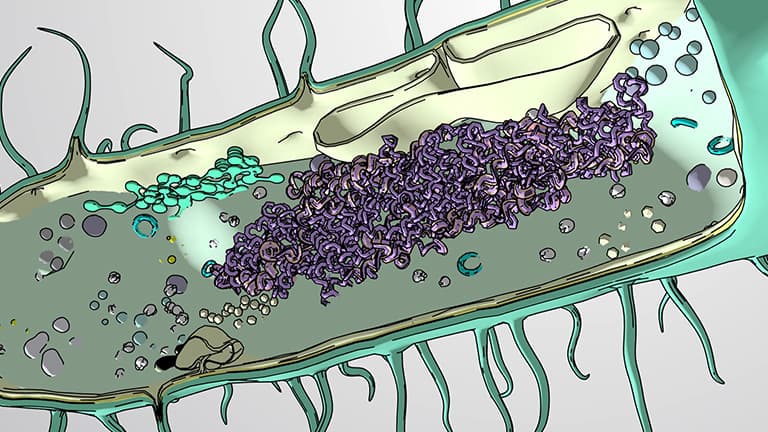
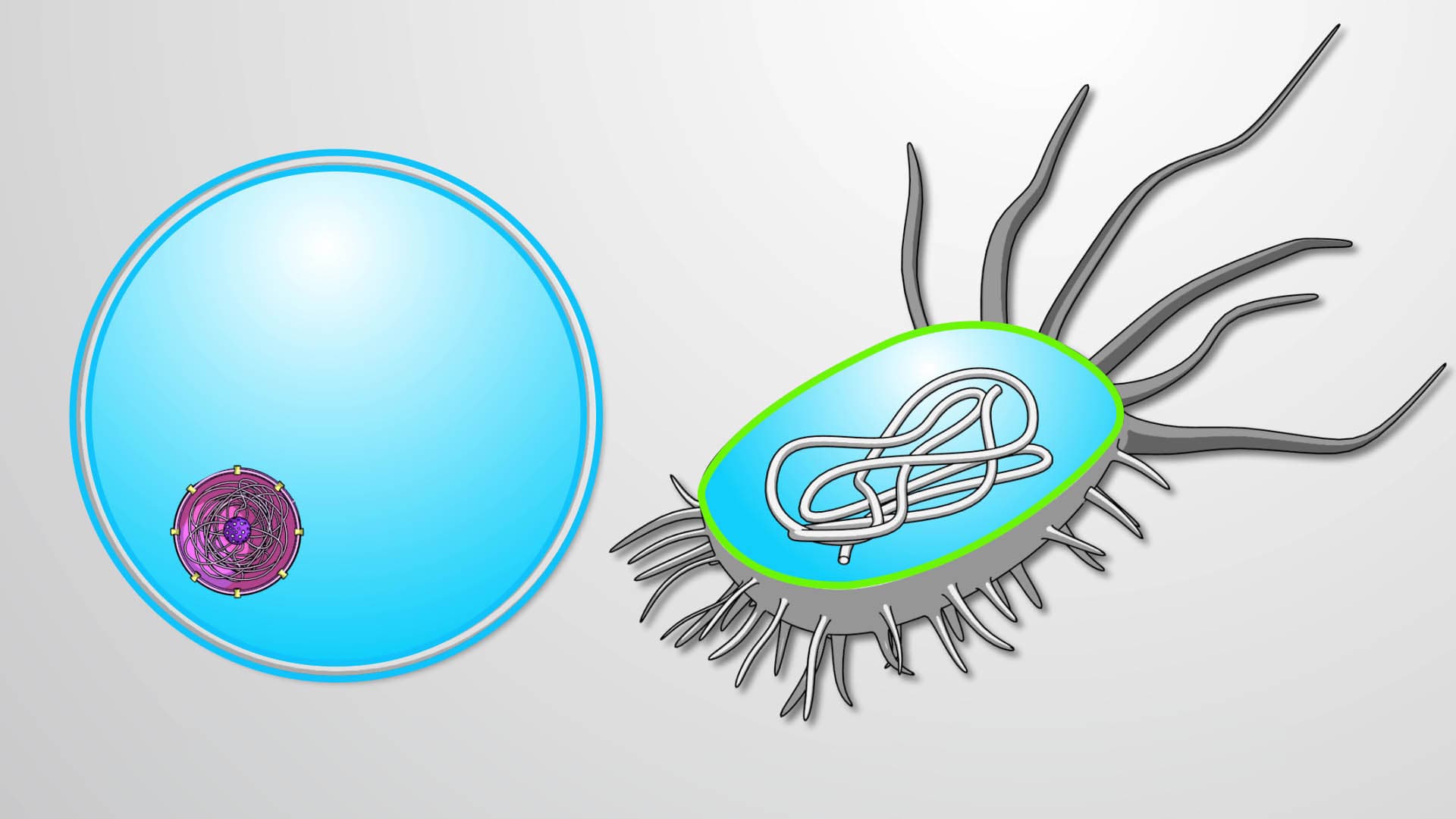
Prokaryotic eukaryotic cell differences begin with structural organization. Prokaryotic cells, found in bacteria and archaea, represent life's most ancient and streamlined design. These cells lack a membrane-bound nucleus, instead containing their genetic material in a nucleoid region where DNA floats freely within the cytoplasm. Students preparing for the AP Biology exam or MCAT often encounter questions about prokaryotic structure, particularly focusing on how these organisms accomplish essential functions without specialized compartments.
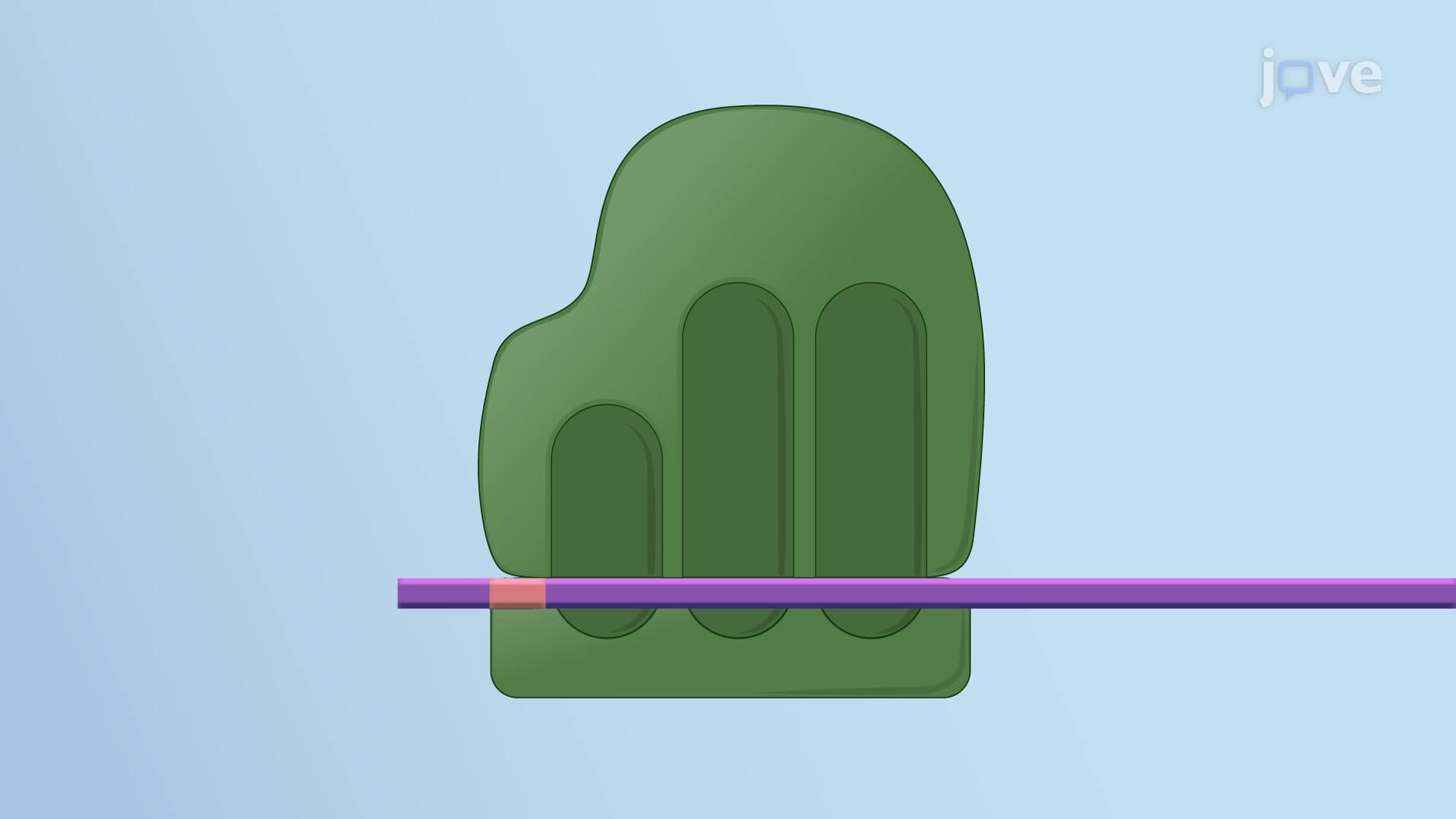
Consider *Escherichia coli*, commonly studied in microbiology labs at US universities. Despite lacking organelles, these bacteria efficiently reproduce, metabolize nutrients, and respond to environmental changes. Their ribosomes, though smaller than eukaryotic versions, still synthesize proteins effectively. This cell structure overview demonstrates how cellular simplicity doesn't necessarily limit functionality.
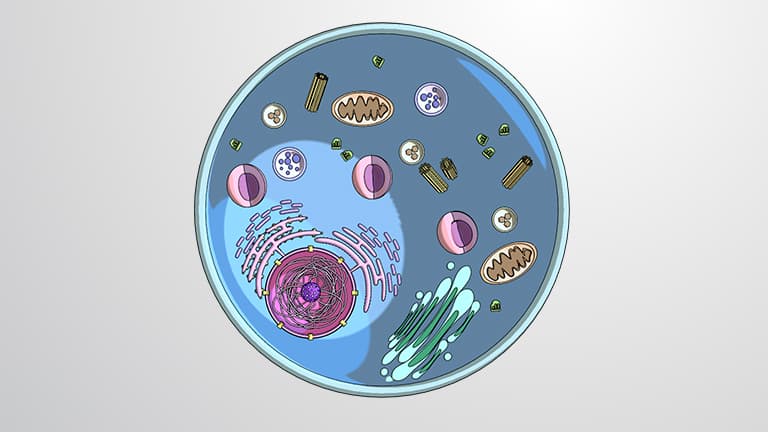
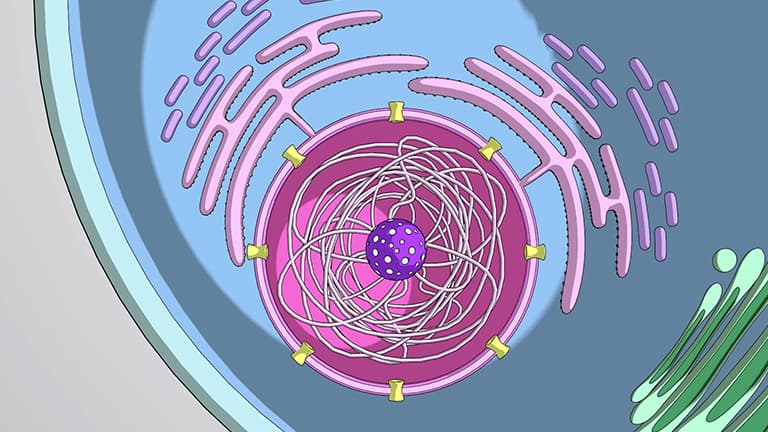
Eukaryotic cells showcase nature's solution to increasing biological complexity through compartmentalization. The cell organelle function becomes crucial when examining how these cells manage multiple processes simultaneously. The nucleus serves as the control center, housing DNA within a protective membrane that regulates genetic expression. Students studying for college biology midterms frequently encounter detailed questions about organelle interactions and their specific roles.
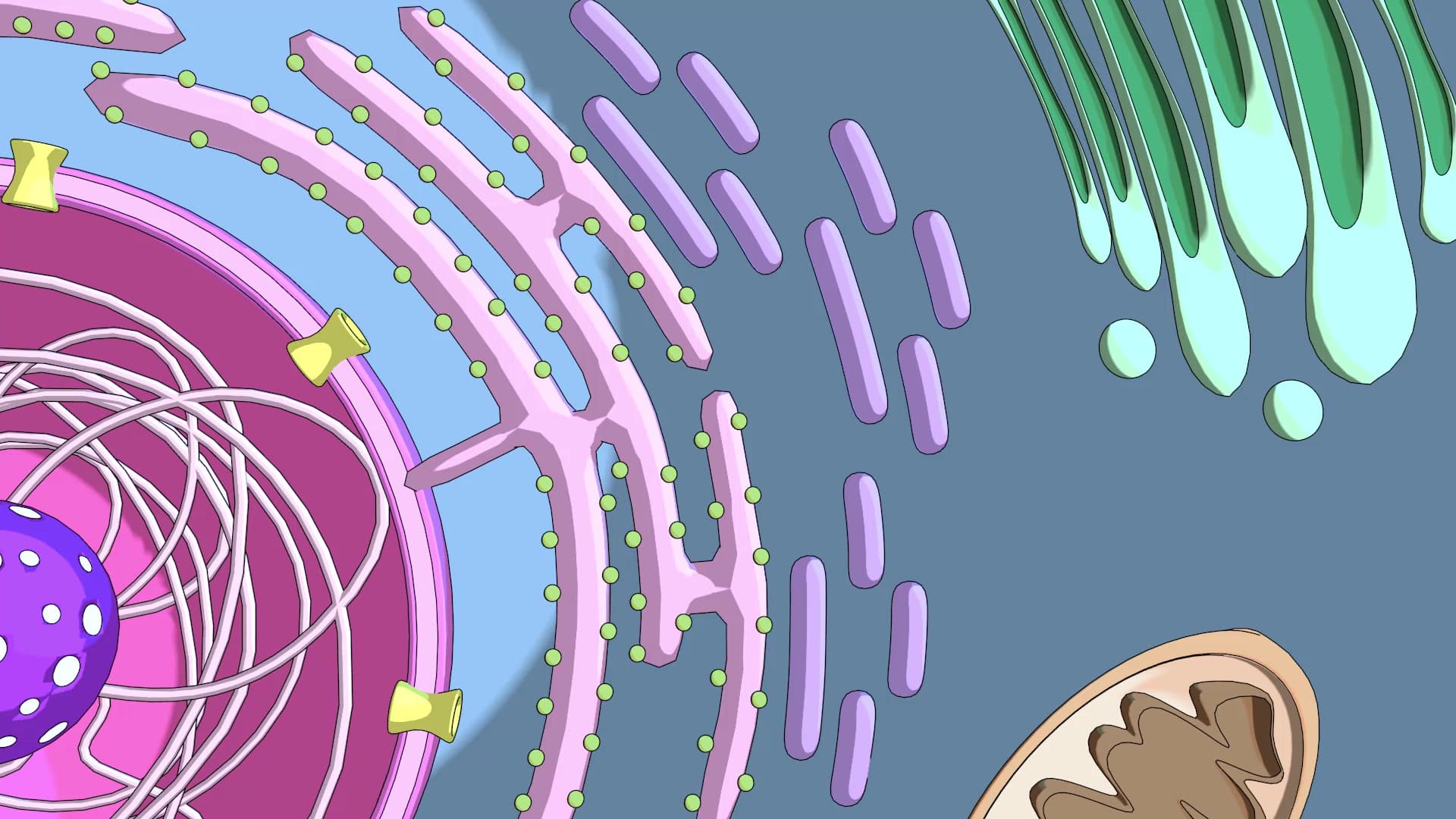
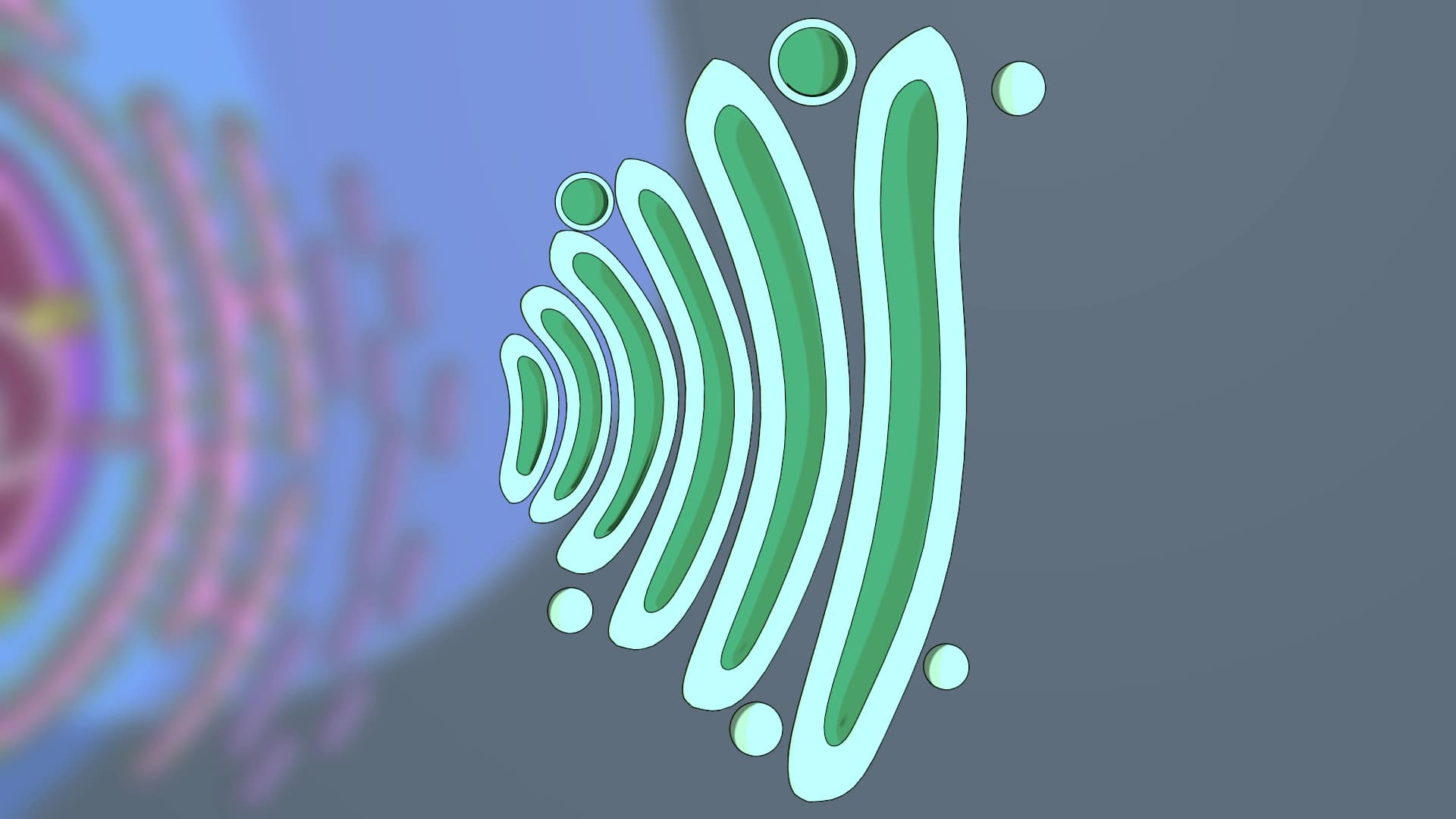
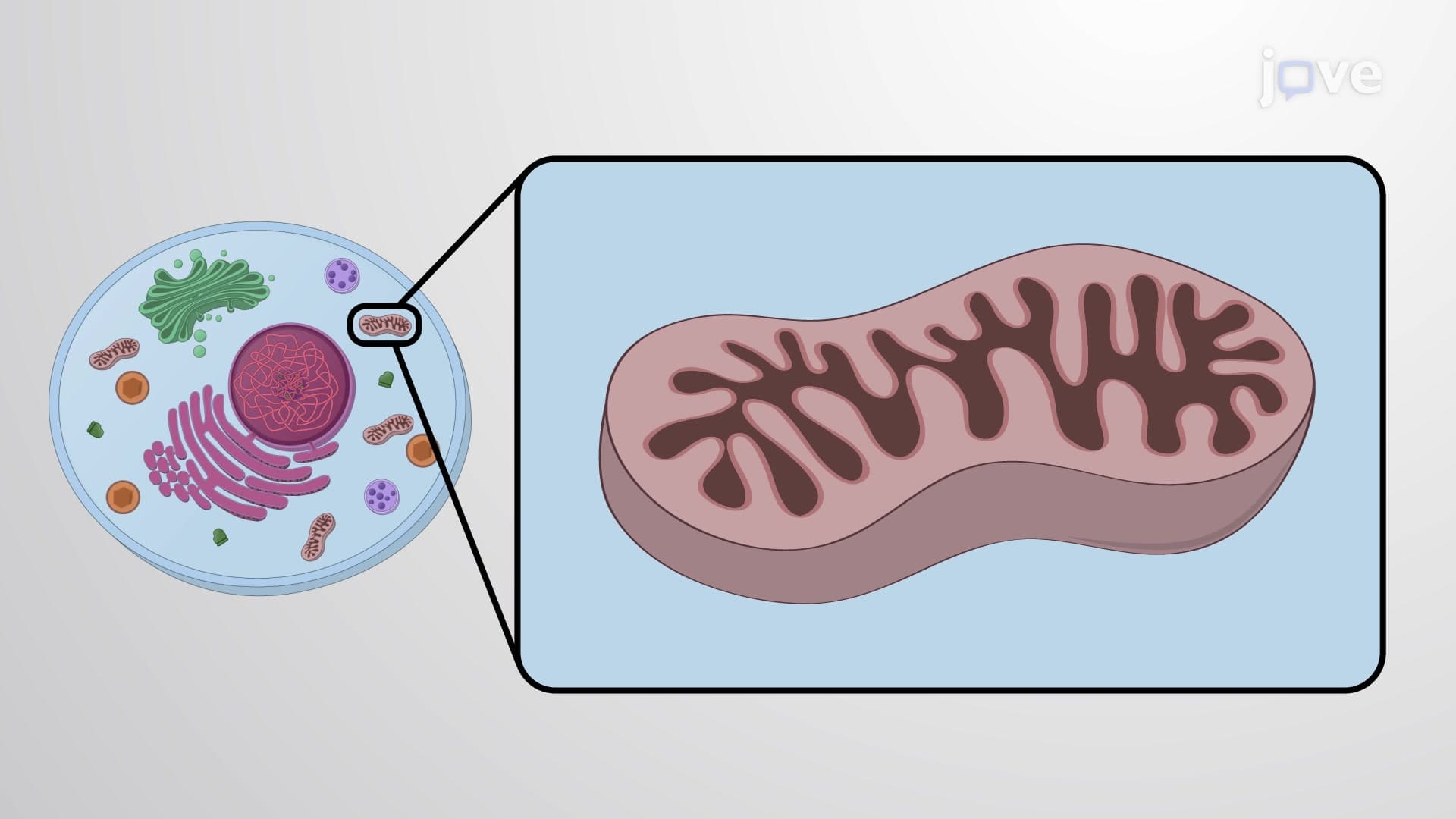
Mitochondria, often called cellular powerhouses, generate ATP through cellular respiration. These organelles contain their own DNA, supporting the endosymbiotic theory taught in advanced biology courses. The endoplasmic reticulum creates an extensive network for protein and lipid synthesis, while the Golgi apparatus modifies and packages cellular products for transport.
Cell types biology extends beyond the prokaryotic-eukaryotic distinction to include specialized cellular adaptations. Plant cells contain chloroplasts, enabling photosynthesis that converts sunlight into chemical energy. These organelles, absent in animal cells, highlight how biological cell function adapts to environmental demands and survival strategies.
Medical students studying at institutions like Harvard Medical School or Johns Hopkins learn how cellular specialization enables tissue formation and organ function. Muscle cells contain abundant mitochondria to meet high energy demands, while nerve cells feature extended projections for signal transmission across long distances. Understanding these specializations proves essential for MCAT success and medical career preparation.
Frequently Asked Questions
Cells are life's building blocks that come in two main types: simple prokaryotic cells (like bacteria) without a nucleus, and complex eukaryotic cells (like human cells) with a nucleus and specialized parts called organelles. Each cell type performs essential functions like growth, reproduction, and energy production, but eukaryotic cells can handle more complex tasks due to their organized internal structure.
AP Biology frequently tests prokaryotic versus eukaryotic differences, organelle functions, and cellular processes like photosynthesis and respiration. Students encounter multiple-choice questions about membrane-bound structures and free-response questions requiring detailed explanations of how cellular structure enables specific biological functions. Practice identifying organelles and explaining their roles in cellular metabolism.
Focus on mitochondria (ATP production), ribosomes (protein synthesis), endoplasmic reticulum (protein/lipid processing), Golgi apparatus (modification and packaging), and nucleus (genetic control). MCAT questions often connect organelle dysfunction to disease processes, so understand how structural damage affects cellular function and organism health.
Introductory Biology (Bio 101), Cell Biology, and Molecular Biology courses provide comprehensive coverage of cellular structure and function. Advanced courses like Biochemistry and Genetics build upon these foundational concepts, while medical school prerequisites emphasize clinical applications of cellular knowledge.
Understanding cellular structure helps explain disease mechanisms and treatment approaches. For example, cancer involves uncontrolled cell division, while diabetes affects cellular glucose uptake. Antibiotics target prokaryotic cell structures that differ from human eukaryotic cells, making them effective against bacteria without harming patient tissues.
Basic chemistry helps but isn't essential for introductory cell biology concepts. Understanding atoms, molecules, and chemical bonds enhances comprehension of cellular processes, but most high school biology courses introduce necessary chemistry concepts alongside cellular topics. Focus on biological applications rather than complex chemical equations.
Create visual organelle maps linking structure to function, use mnemonic devices for organelle roles, and practice drawing labeled cell diagrams from memory. Connect organelle functions to familiar analogies (nucleus as cell headquarters, mitochondria as power plants) and regularly quiz yourself using flashcards or practice exams.
Progress to cellular respiration, photosynthesis, cell division (mitosis/meiosis), protein synthesis, and cellular transport mechanisms. These topics build directly on structural knowledge and prepare you for advanced courses in genetics, molecular biology, and biochemistry while strengthening preparation for standardized exams.
Related Micro-courses
Related Subjects