Loading…
Loading video…

1,576,701 views
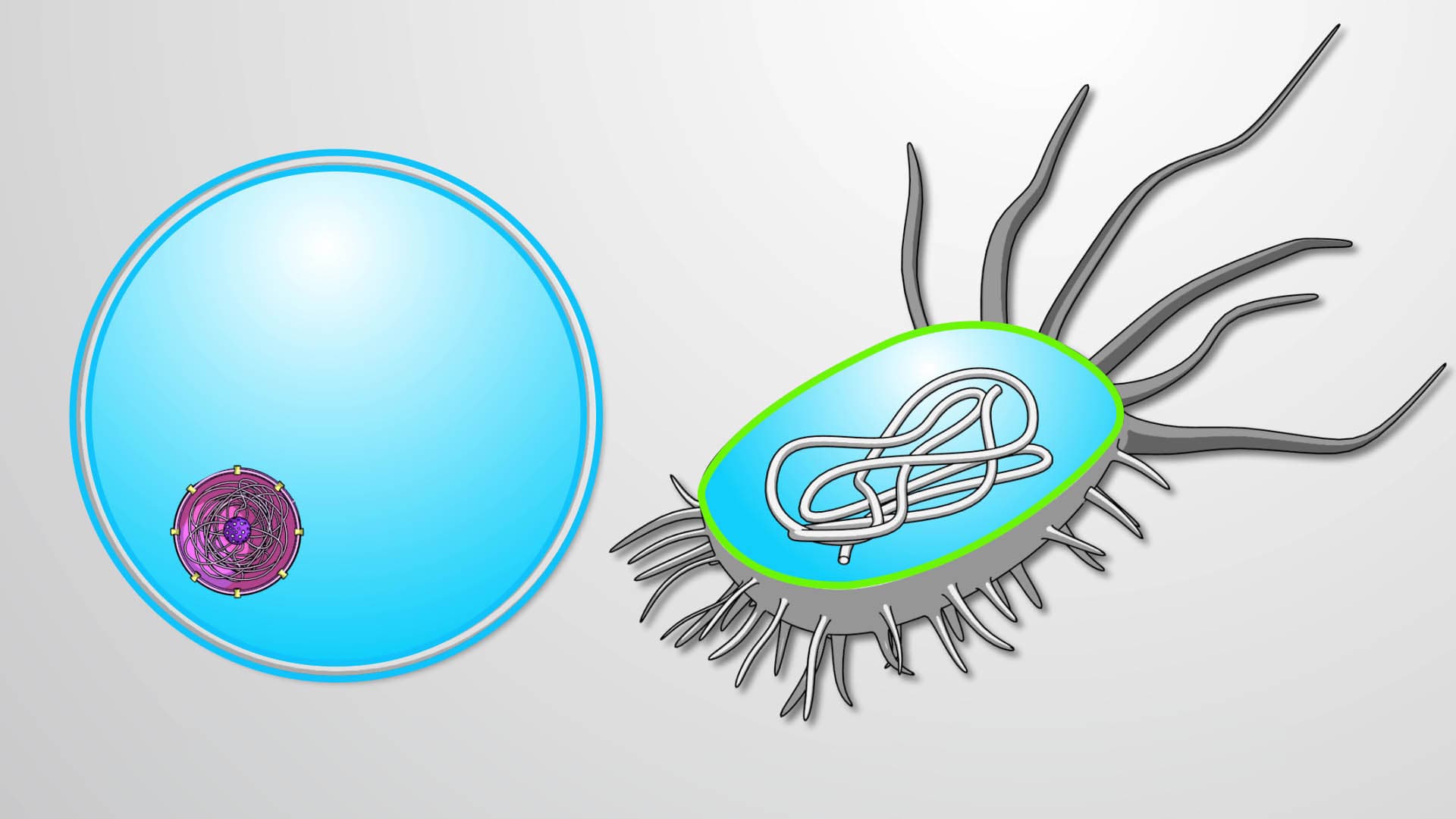
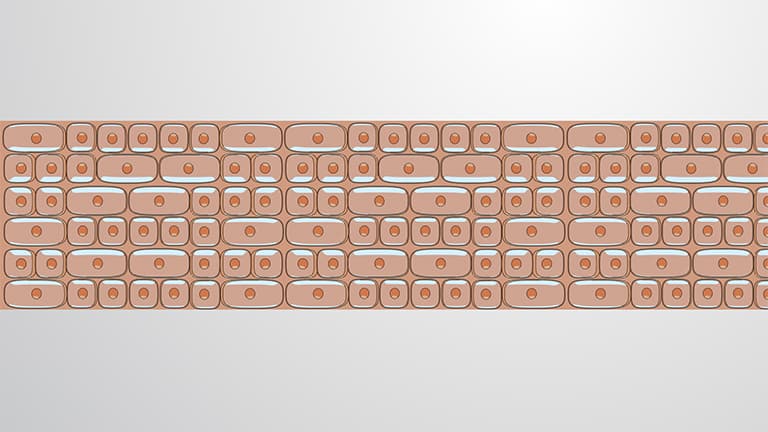
Ever wonder what fills the space inside your cells, making life possible at the microscopic level? Cytoplasm explained biology reveals this gel-like substance as the bustling hub where cellular activities unfold. Consider how muscle cells in Olympic sprinter Sha'Carri Richardson contract with lightning speed—this happens because cytoplasm facilitates rapid protein interactions and energy transfer. What is cytoplasm encompasses everything from the watery cytosol matrix to suspended organelles that power cellular functions. Watch the full video on JoVE Coach to master this concept with expert-led visuals and step-by-step explanations.
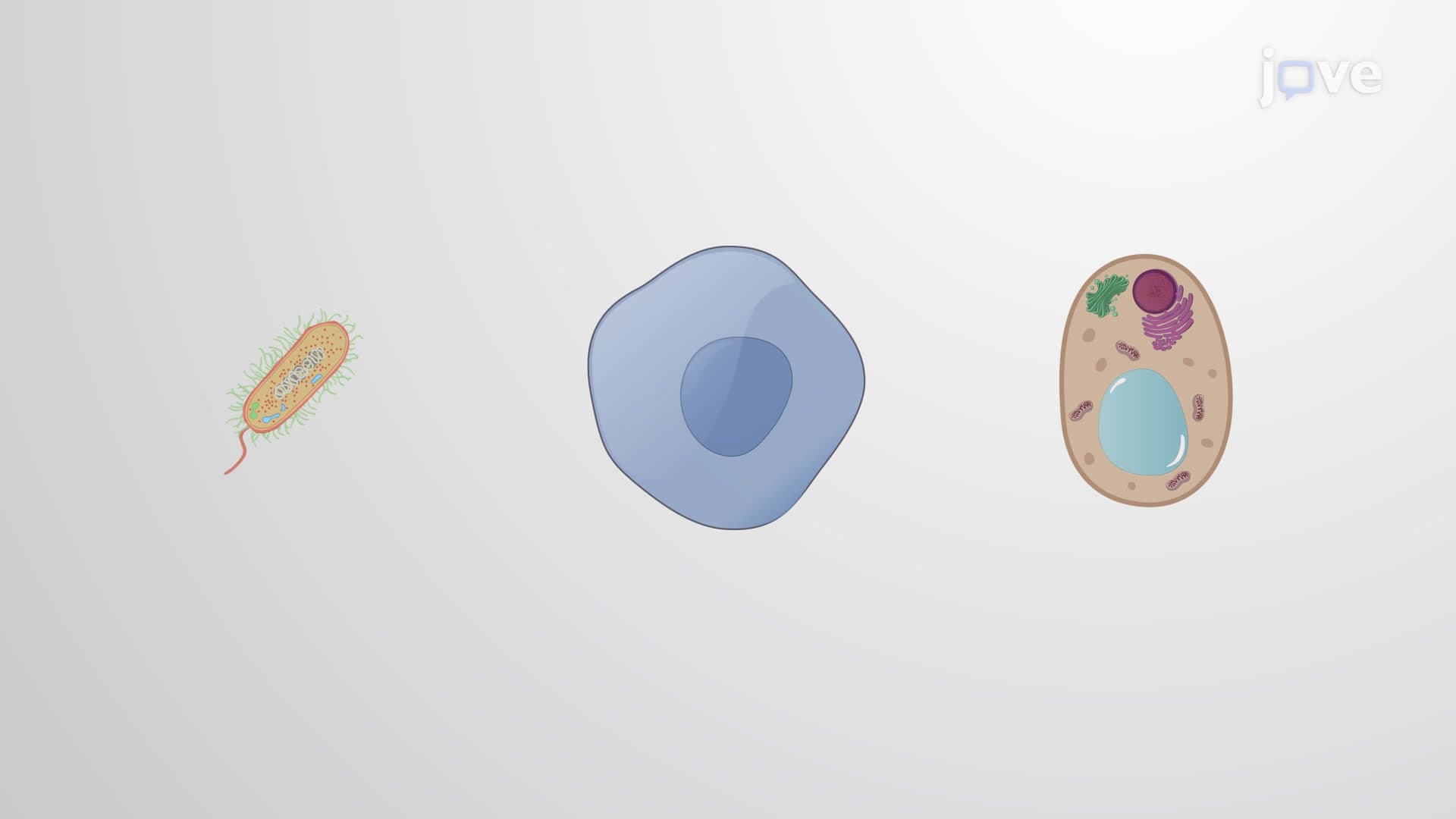
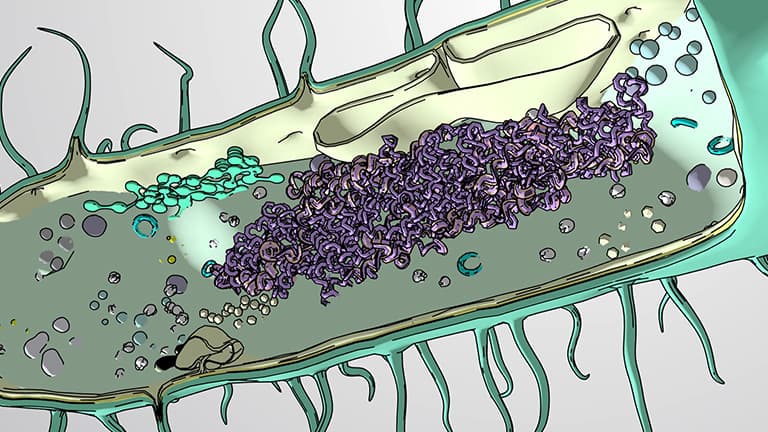
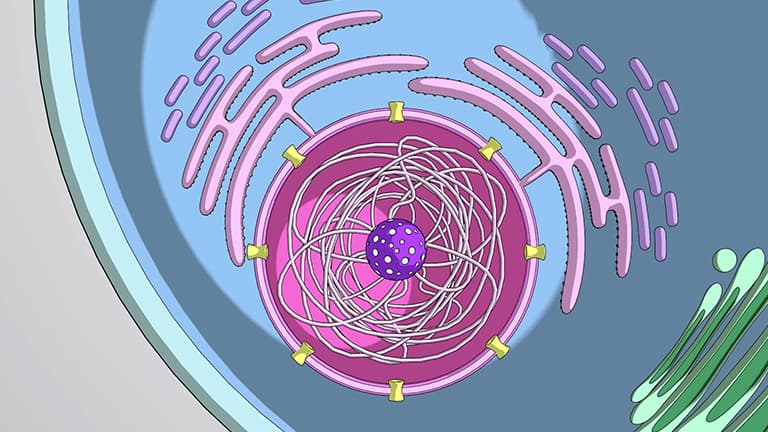
Cytoplasm definition and function encompasses far more than just cellular "filling material." This complex, organized system serves as the cell's operational headquarters, where thousands of biochemical reactions occur simultaneously. In prokaryotic cells like *E. coli* bacteria, cytoplasm includes everything within the plasma membrane, while eukaryotic cells confine cytoplasm to the space between the plasma membrane and nuclear envelope.
The cytosol organelles cytoplasm relationship begins with understanding cytosol as the liquid medium comprising 70-80% of cytoplasmic volume. This isn't simple water—cytosol contains dissolved ions, amino acids, sugars, and regulatory molecules that create an optimal environment for enzymatic reactions. For AP Biology students, remember that cytosol's high water content enables hydrophilic molecules to move freely while forcing hydrophobic regions of proteins to fold inward, crucial for proper protein structure.
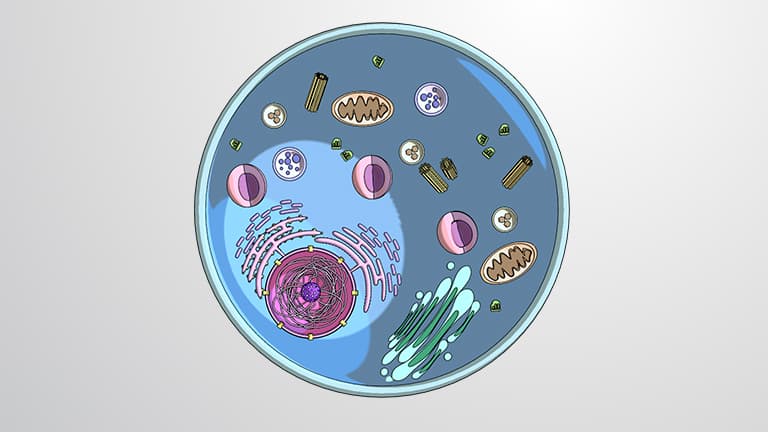
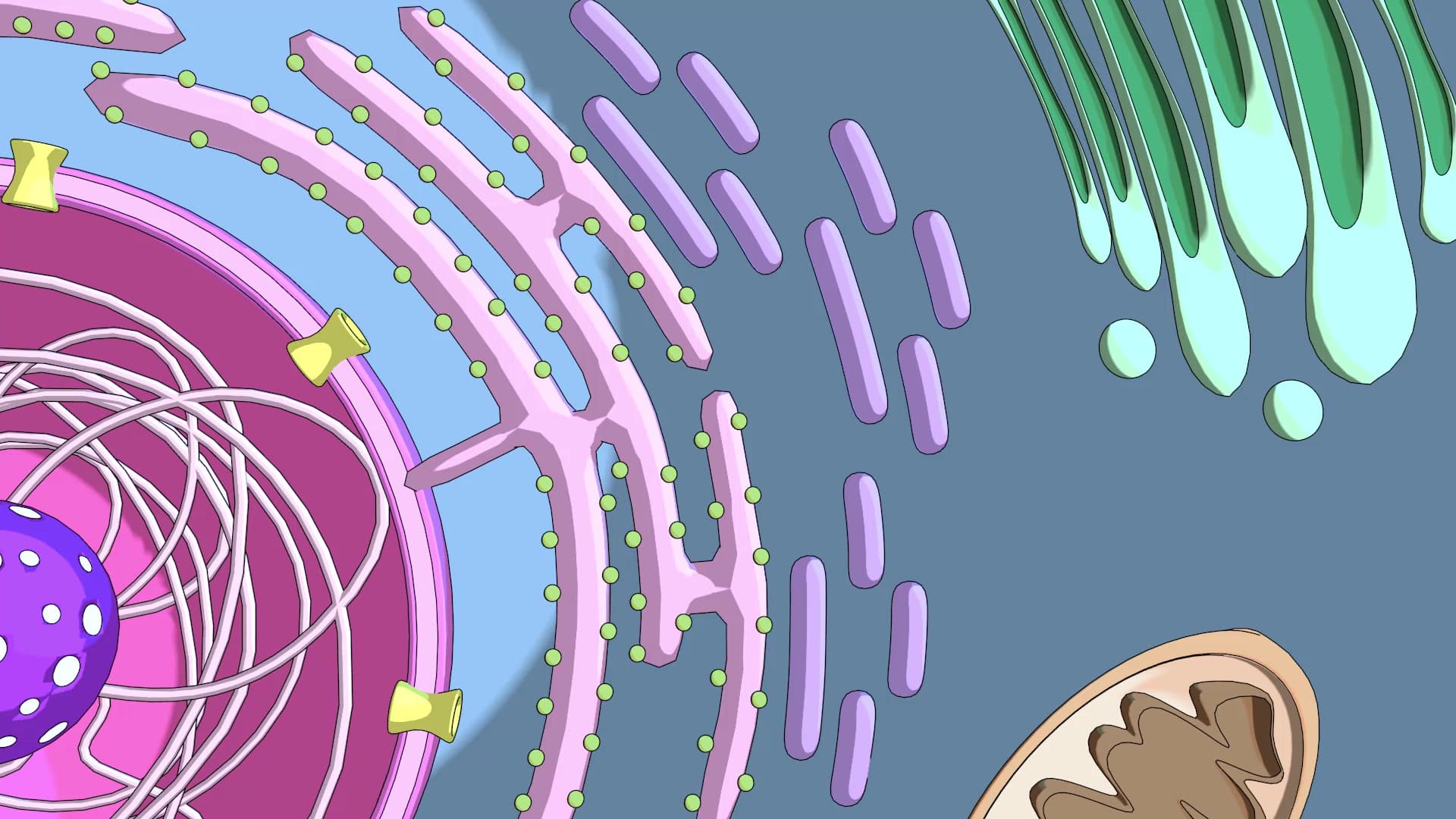
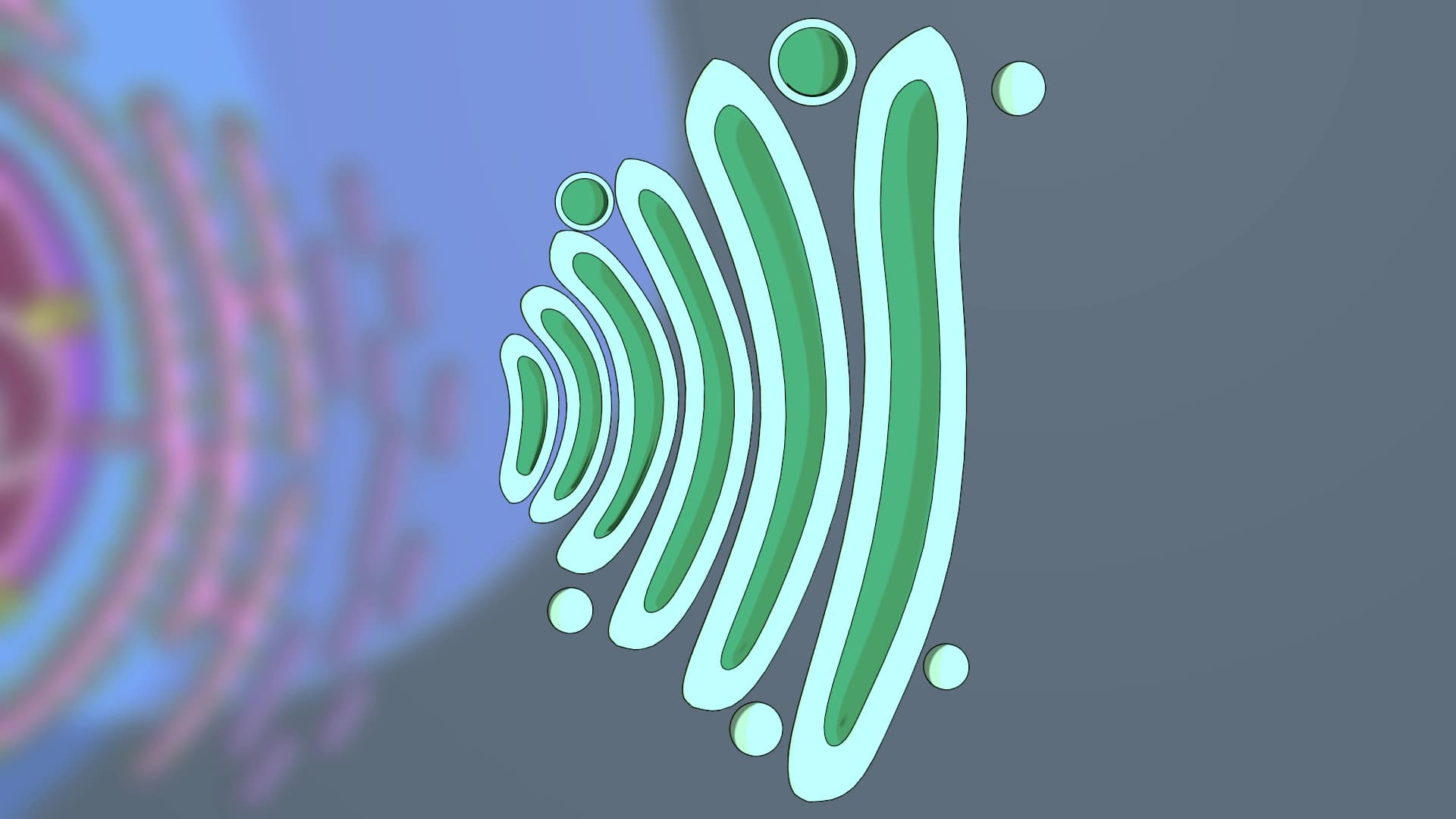
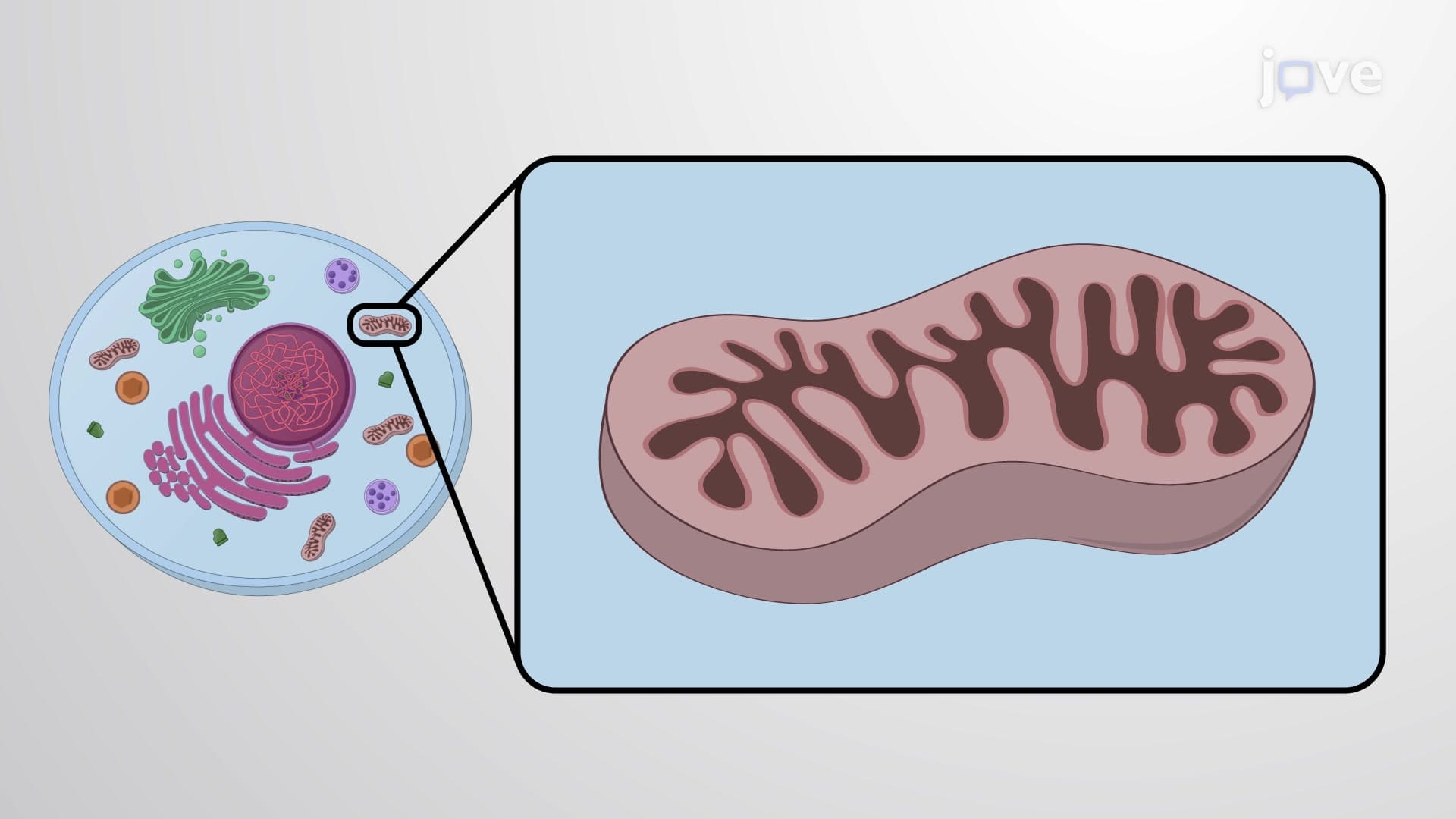
Cytoplasmic contents in eukaryotic cells include membrane-bound organelles suspended like specialized factories within the cytosol. Mitochondria generate ATP, endoplasmic reticulum synthesizes proteins and lipids, and Golgi apparatus processes and packages molecules. This compartmentalization allows simultaneous, potentially conflicting processes—like protein synthesis and degradation—to occur efficiently without interference.
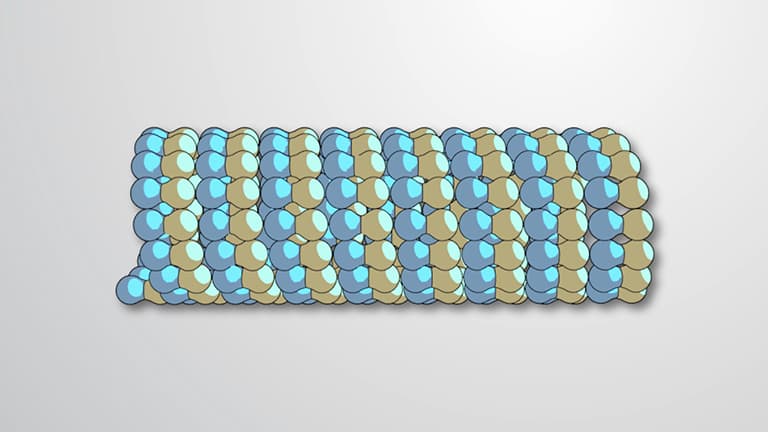
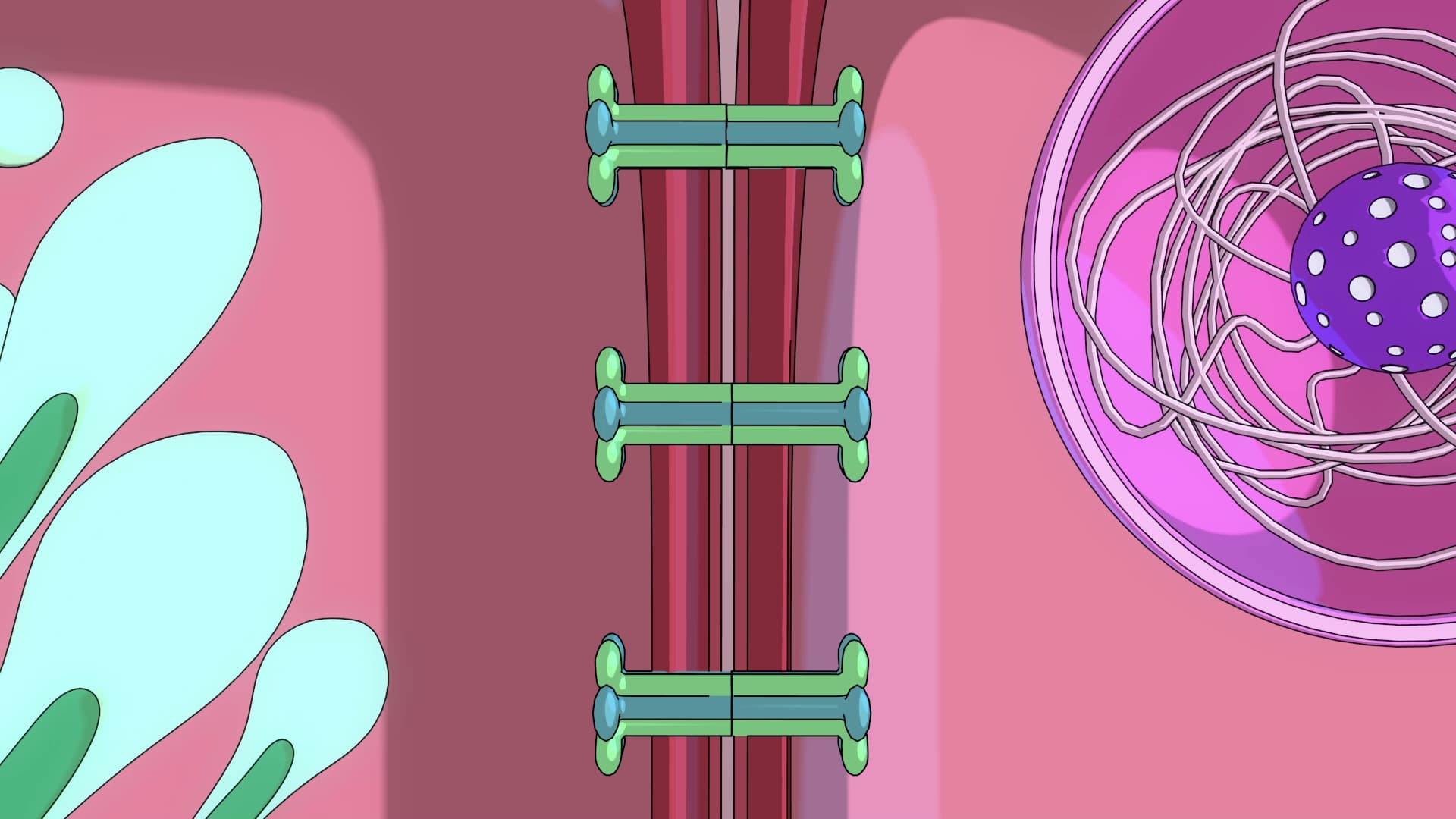
Cytoplasm cell function depends heavily on the cytoskeleton, a dynamic network of protein filaments providing structural support and enabling intracellular transport. Microtubules serve as "highways" for organelle movement, while actin filaments facilitate cell shape changes. This system proves essential in medical applications—cancer research at MD Anderson Cancer Center studies how disrupting cytoskeletal function can prevent metastasis.
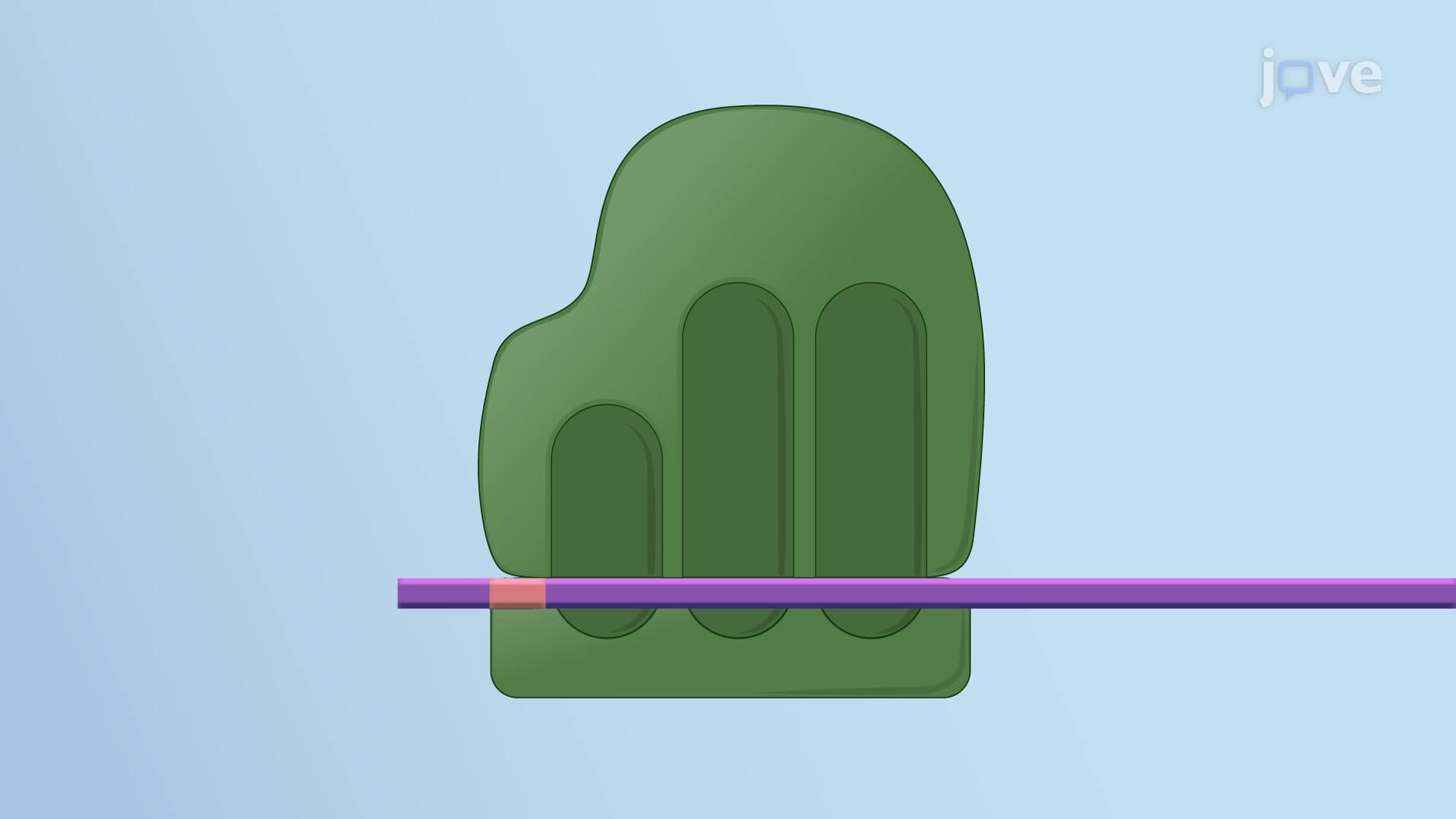
Understanding cytoplasm composition biology proves crucial for MCAT preparation, particularly in cell biology and biochemistry sections. Medical students at Johns Hopkins learn how certain medications target cytoplasmic processes—antibiotics like streptomycin disrupt bacterial protein synthesis by interfering with cytoplasmic ribosomes. For college biochemistry courses, focus on how cytoplasmic pH regulation affects enzyme activity and metabolic pathways, concepts frequently tested on university midterms.
Frequently Asked Questions
Cytoplasm is the gel-like substance filling cells, containing cytosol, organelles, and cytoskeleton that together enable all cellular functions. It provides the medium for biochemical reactions, houses cellular machinery, and facilitates molecular transport. Without functional cytoplasm, cells cannot maintain metabolism, respond to stimuli, or reproduce effectively.
Prokaryotic cytoplasm includes everything within the plasma membrane since no nucleus exists, while eukaryotic cytoplasm is confined to the space between plasma membrane and nuclear envelope. Eukaryotic cytoplasm contains membrane-bound organelles, whereas prokaryotic cytoplasm has ribosomes and other structures freely suspended in cytosol.
MCAT questions often test cytoplasm's role in protein folding, organelle transport, and cellular metabolism. Expect passage-based questions linking cytoplasmic pH changes to enzyme activity, or discrete questions about how cytoskeletal disruption affects cell motility. Practice identifying which cellular processes occur in cytoplasm versus other cellular compartments.
AP Biology emphasizes cytoplasm's role in cellular processes and evolution. Free-response questions might ask you to explain how cytoplasmic streaming aids plant cell function or compare cytoplasmic organization in different cell types. Multiple-choice questions often focus on distinguishing cytoplasm components and their specific functions.
Nursing programs require strong cell biology foundations for understanding pharmacology and pathophysiology. NCLEX-RN questions may test how medications affect cellular processes, requiring knowledge of where drugs act within cytoplasm. Understanding cytoplasmic function helps explain how infections, inflammation, and treatments impact cells at the molecular level.
Cytoplasm serves as the target for many medications and therapies. Chemotherapy drugs often disrupt cytoplasmic processes in cancer cells, while gene therapy techniques must navigate cytoplasmic barriers to reach target sites. Pharmaceutical companies like Pfizer and Moderna design drug delivery systems specifically to optimize cytoplasmic uptake and function.
Cytoplasm concepts build logically from basic chemistry principles taught in high school. Start with understanding water's properties, then explore how dissolved substances create cytosol's unique environment. Focus on major organelle functions before diving into molecular details—most introductory courses emphasize structure-function relationships rather than complex biochemical pathways.
Create concept maps linking cytoplasm components to their functions, then practice drawing and labeling cell diagrams from memory. Use active recall by explaining cytoplasmic processes aloud, and connect abstract concepts to concrete examples like how muscle contraction depends on cytoplasmic calcium regulation.
Advanced students can explore cytoplasmic inheritance, signal transduction pathways, and cellular stress responses. Investigate how cytoplasmic streaming facilitates transport in plant cells, or study how cytoplasmic viscosity changes affect cellular aging and disease processes.
Related Micro-courses
Related Subjects