Loading subject page…

- Biology
- Cell Structure and Function
- Prokaryotic Cells
Micro-course: Cell Structure and Function
1,576,715 views
Learn key concepts and earn your certificate.

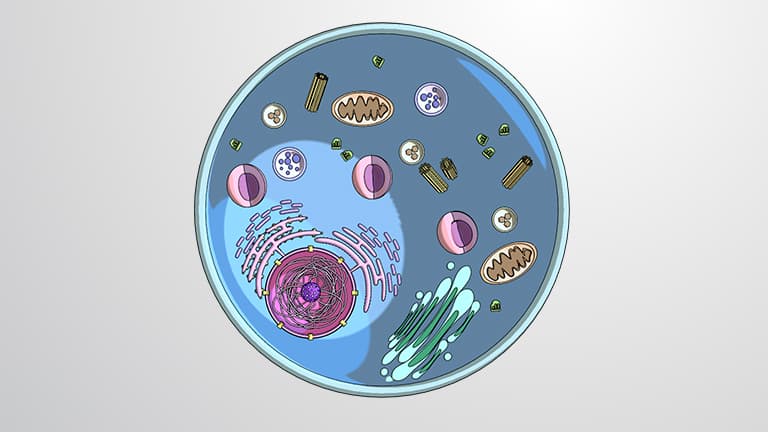

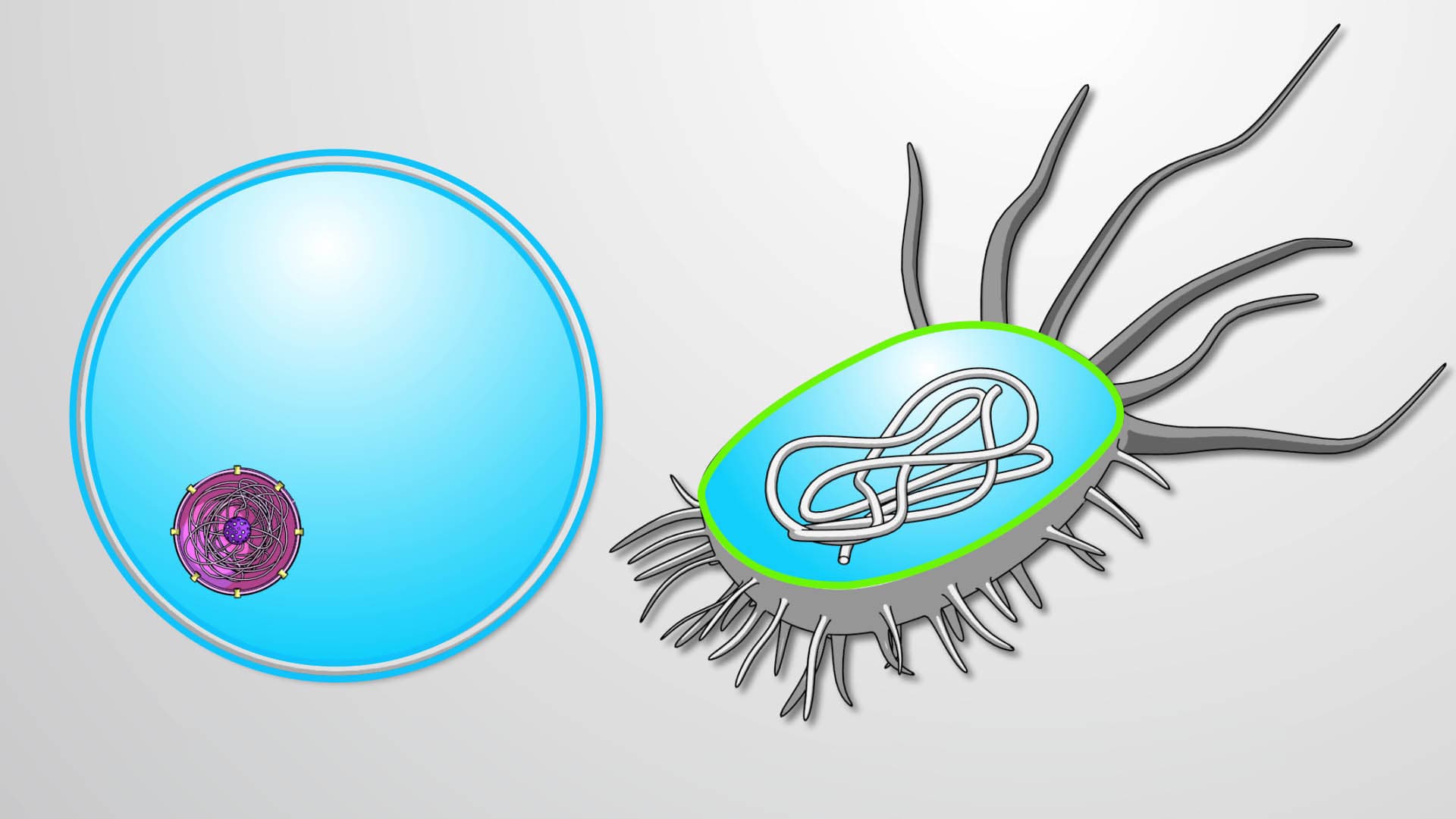
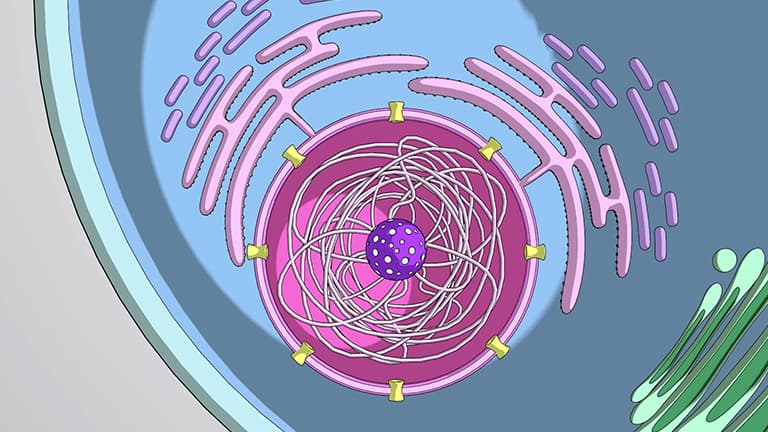
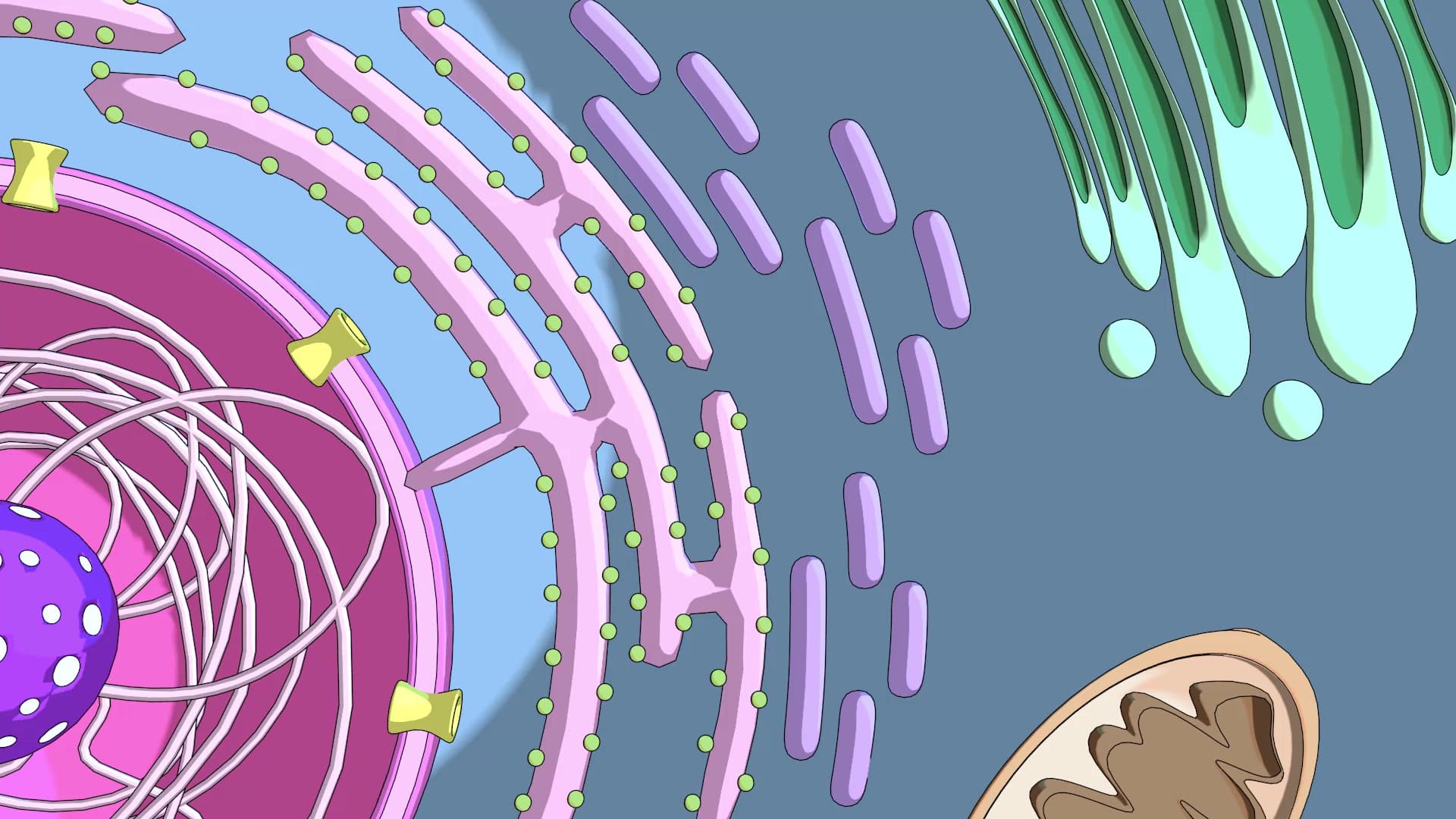

Prokaryotic Cells
00:00
01:51
- Understand what are prokaryotic cells and distinguish them from eukaryotic cells based on nuclear organization and cellular structure
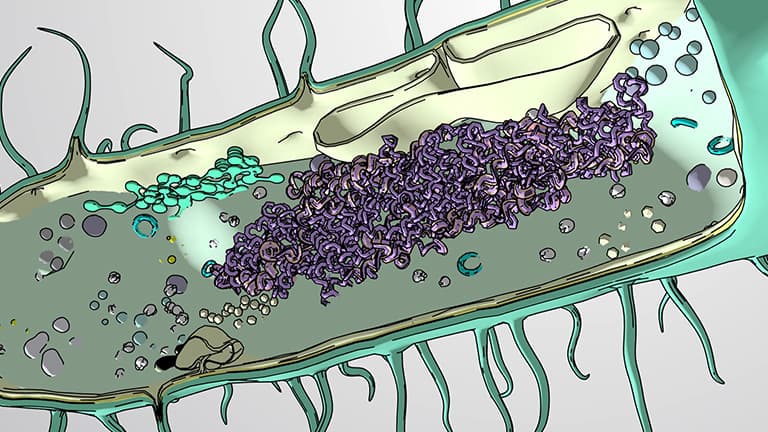
- Identify the key components of prokaryotic cell architecture, including plasma membrane, cell wall, capsule, and nucleoid region
- Analyze how bacteria prokaryote cell biology demonstrates adaptation through specialized organelles like magnetosomes and carboxysomes
- Compare structural differences between archaea and bacteria, focusing on cell wall composition and environmental adaptations
- Evaluate the role of plasmids in prokaryotic survival, particularly in antibiotic resistance mechanisms
- Apply knowledge of prokaryotic cell features to understand their ecological importance and medical significance
- Recognize how prokaryotes achieve metabolic diversity despite lacking membrane-bound organelles
- Explore real-world applications of prokaryotic biology in biotechnology, medicine, and environmental science
What are Prokaryotic Cells: Foundation of Life Sciences
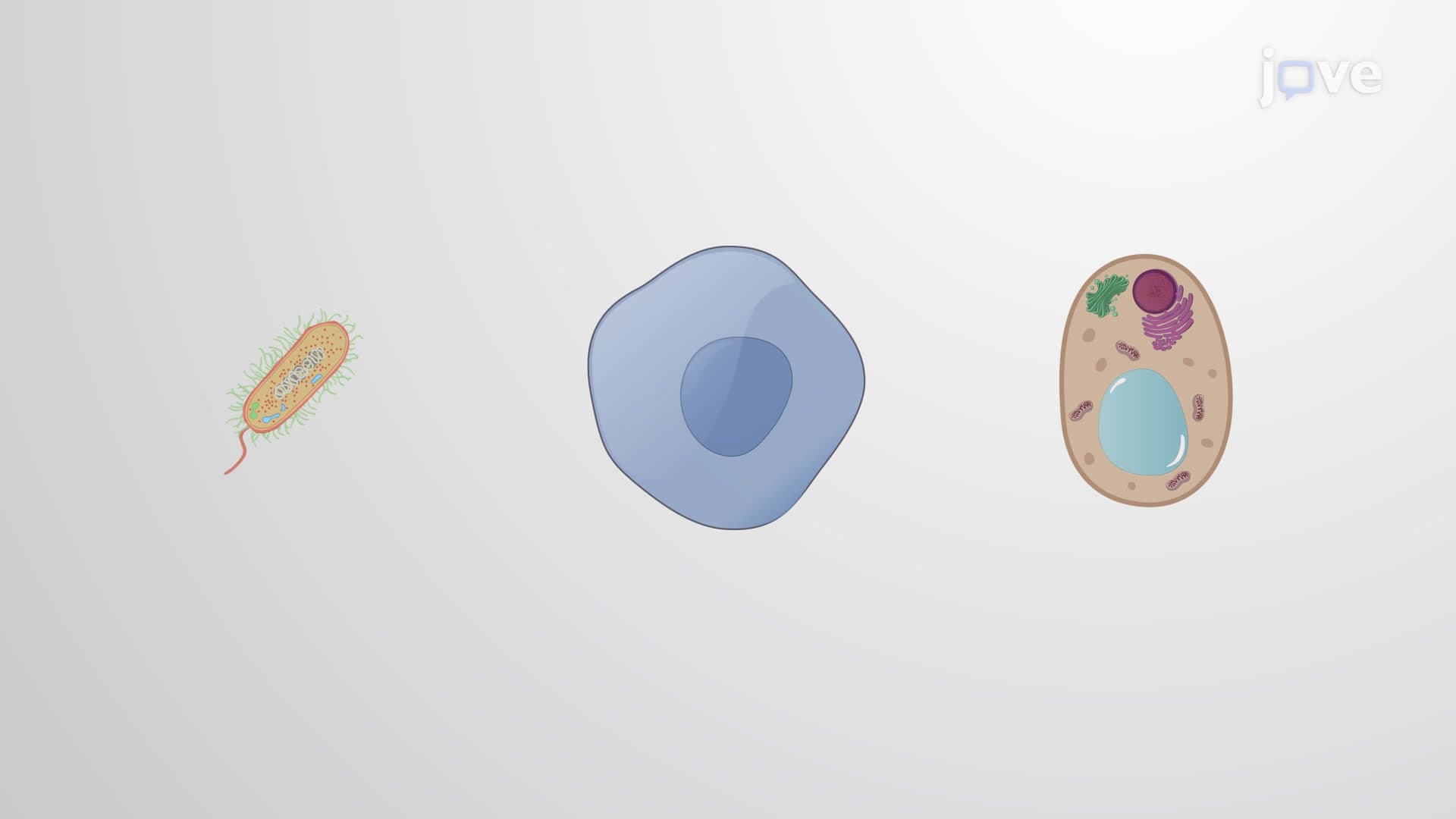
Prokaryotic cells represent one of life's most successful designs, thriving for over 3.5 billion years across every conceivable environment on Earth. These single-celled organisms, encompassing bacteria and archaea, demonstrate that cellular complexity isn't always necessary for survival success. Unlike eukaryotic cells found in plants, animals, and fungi, prokaryotes organize their genetic material without a membrane-bound nucleus, earning their name from the Greek "pro" (before) and "karyon" (nucleus).
Bacterial Cell Wall Structure and Protection Systems
The prokaryotic cell envelope provides multiple layers of defense against environmental challenges. The innermost plasma membrane controls molecular transport through selective permeability, while the peptidoglycan cell wall—composed of amino acid and sugar polymers—maintains cell shape and prevents osmotic bursting. This bacterial cell wall structure varies significantly between Gram-positive bacteria (thick peptidoglycan layer) and Gram-negative bacteria (thin peptidoglycan with outer membrane), a distinction crucial for antibiotic targeting in US medical practice.
Many prokaryotes add a hydrophilic capsule outside their cell wall, creating a polysaccharide shield that promotes adhesion to surfaces. This adaptation proves particularly important in medical contexts, as capsulated bacteria like Streptococcus pneumoniae cause more severe infections by evading immune system recognition.
Prokaryote Ribosomes DNA Organization Without Nucleus
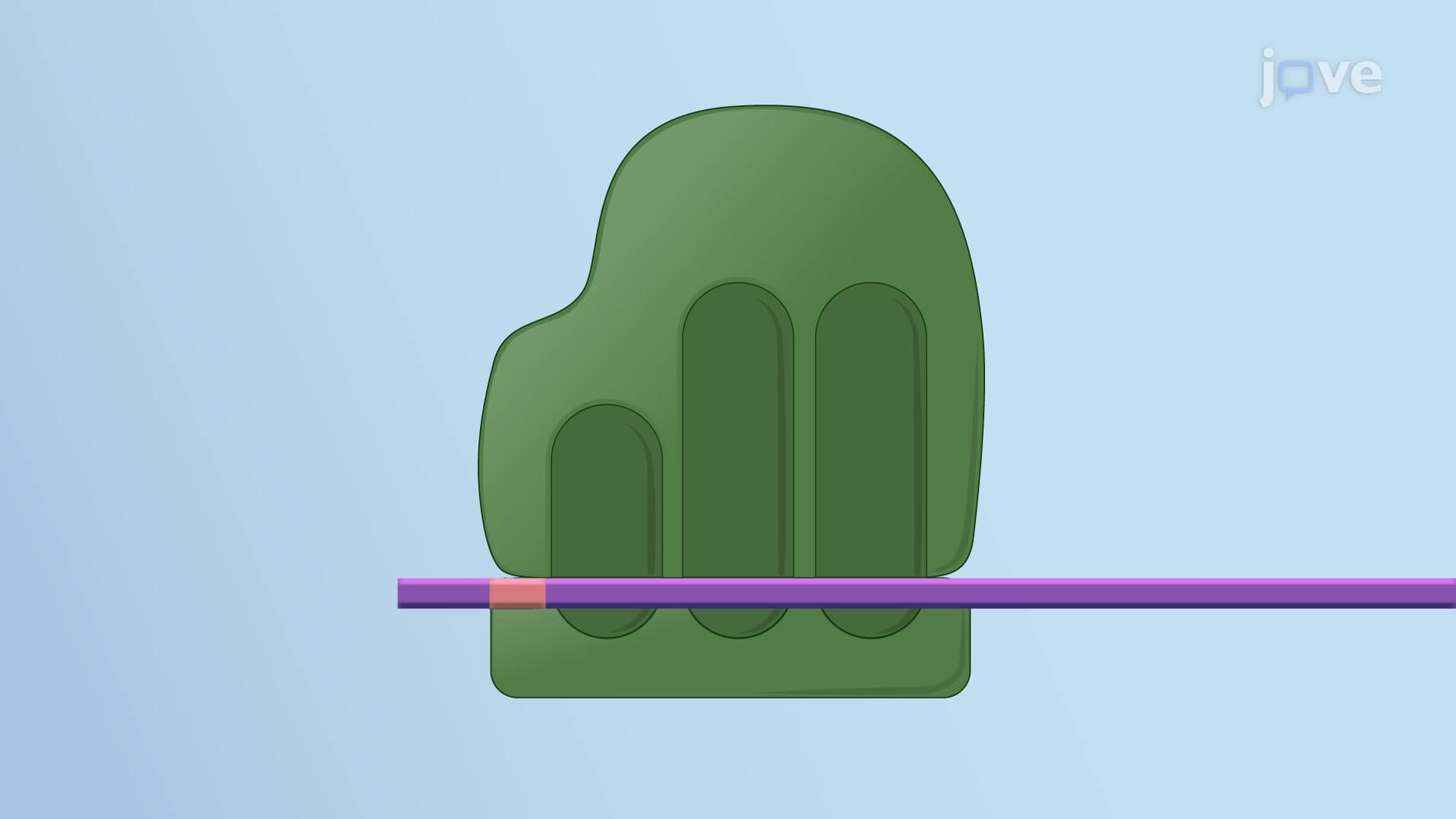
The prokaryote no nucleus design concentrates genetic material in the nucleoid region, where a single circular chromosome interacts freely with proteins and ribosomes. This arrangement enables rapid gene expression and protein synthesis, allowing bacteria to respond quickly to environmental changes. Prokaryotic ribosomes (70S) differ from eukaryotic versions (80S), making them excellent targets for antibiotics like streptomycin used in US hospitals.
Plasmids—small, circular DNA pieces—replicate independently of chromosomal DNA, often carrying genes for antibiotic resistance, toxin production, or metabolic capabilities. These genetic elements can transfer between bacteria through conjugation, transformation, or transduction, contributing to the rapid spread of antibiotic resistance in healthcare settings.
Specialized Prokaryotic Cell Features and Adaptations
Despite their reputation for simplicity, prokaryotes exhibit remarkable diversity through specialized structures. Cyanobacteria contain carboxysomes for carbon dioxide fixation and thylakoids for photosynthesis, enabling them to produce oxygen in freshwater systems across the United States. Magnetotactic bacteria possess magnetosomes—chains of magnetite crystals—allowing navigation along Earth's magnetic field lines, a phenomenon studied extensively at institutions like MIT and Stanford.
Flagella pili prokaryote structures enable motility and genetic exchange. Flagella provide swimming ability through rotary motion, while pili facilitate attachment and DNA transfer between cells. These structures prove essential for bacterial colonization and pathogenesis, making them important targets for vaccine development in US pharmaceutical research.
Understanding prokaryotic biology proves essential for AP Biology, college microbiology courses, and pre-med MCAT preparation, as these concepts underpin immunology, pharmacology, and environmental science studies.
Frequently Asked Questions
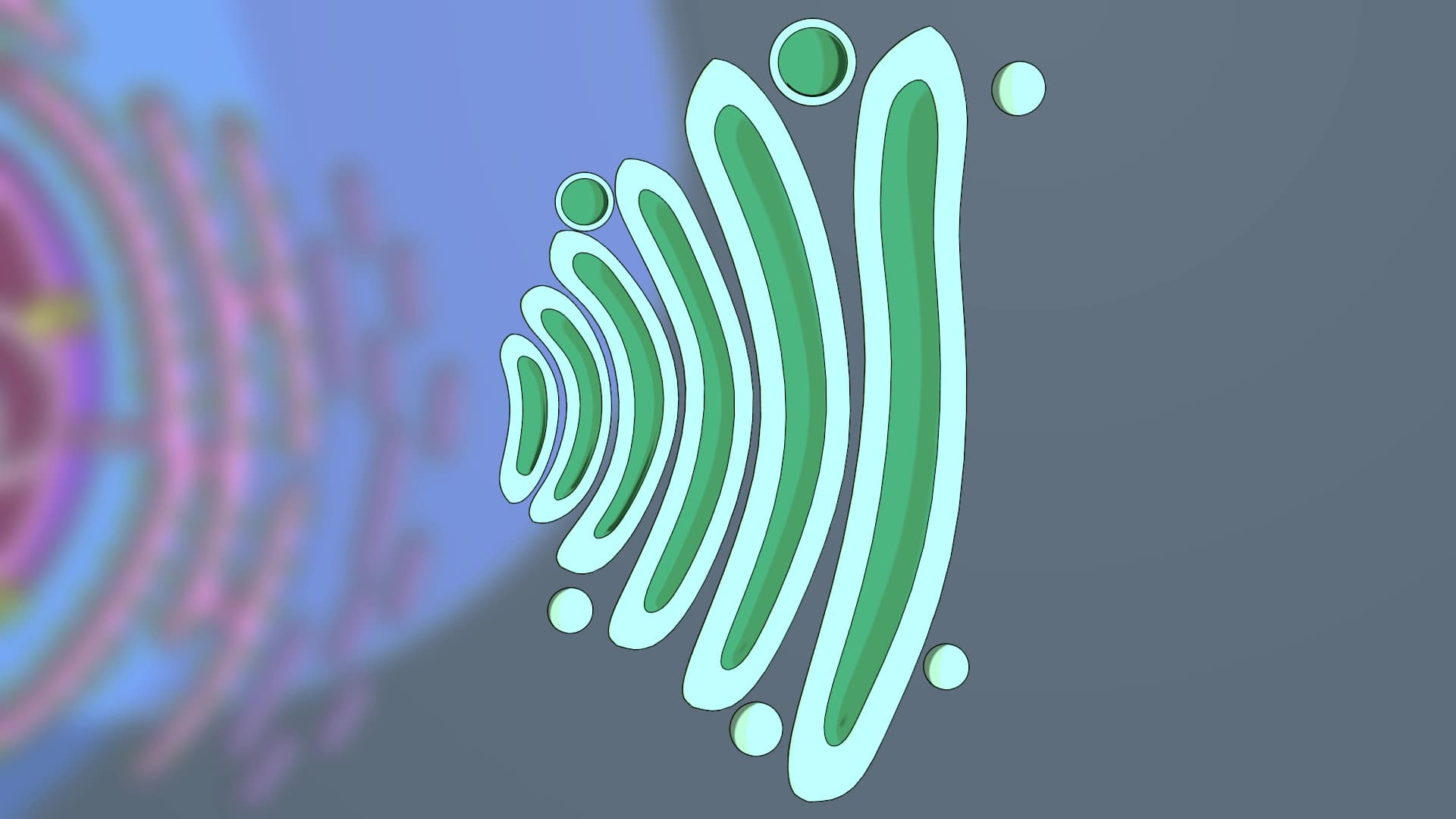
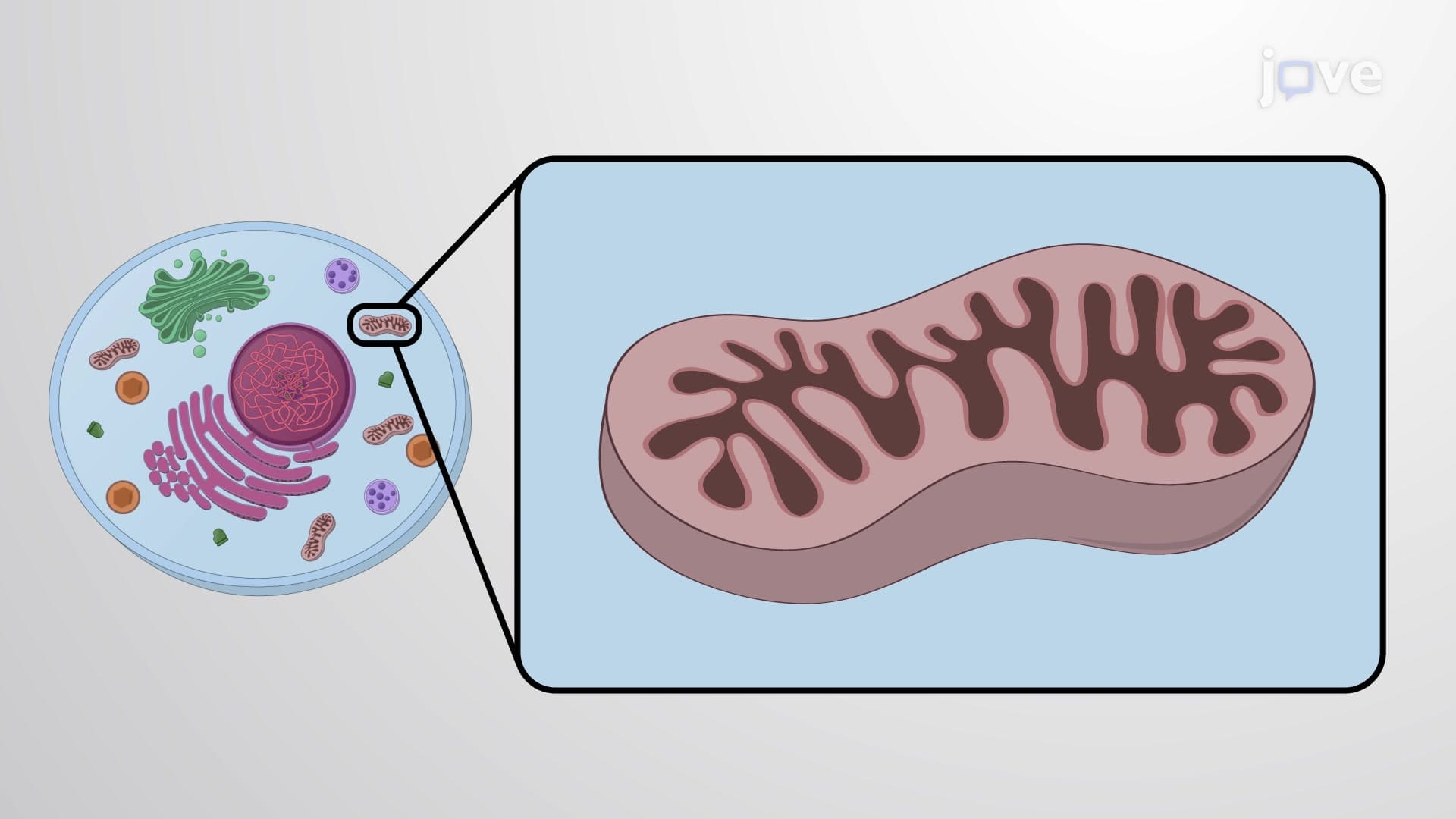
A prokaryotic cell is a single-celled organism without a membrane-bound nucleus, with genetic material freely floating in the cytoplasm. Unlike eukaryotic cells, prokaryotes lack organelles like mitochondria, endoplasmic reticulum, and Golgi apparatus, yet achieve remarkable metabolic diversity through specialized protein complexes and compartments.
AP Biology frequently tests plasma membrane, cell wall, capsule, nucleoid region, ribosomes, plasmids, and flagella identification. Focus on understanding functional relationships between structures rather than just memorizing names. Practice with labeled diagrams and comparative questions between prokaryotic and eukaryotic organization.
MCAT passages often connect prokaryotic structure to antibiotic mechanisms, genetic engineering applications, or evolutionary relationships. Expect questions linking cell wall composition to drug resistance, plasmid function to biotechnology, or metabolic pathways to environmental adaptation. Review prokaryotic diversity beyond just E. coli examples.
General Biology I, Microbiology, Cell Biology, and Molecular Biology courses extensively cover prokaryotic structure and function. Many programs integrate prokaryotic concepts into Biochemistry and Genetics courses when discussing gene regulation and protein synthesis mechanisms.
US pharmaceutical companies use prokaryotic systems to produce insulin, growth hormone, and vaccines through genetic engineering. Healthcare professionals must understand bacterial cell walls to prescribe appropriate antibiotics, while environmental scientists study prokaryotes for bioremediation projects cleaning contaminated sites across America.
Basic high school chemistry suffices for introductory prokaryotic concepts, focusing on molecular structure and chemical bonds. Advanced courses may require deeper biochemistry understanding, but foundational cell biology builds gradually from simple structural relationships to complex metabolic processes.
Create concept maps linking structure to function rather than rote memorization. Use mnemonics like "Please Come Navigate Properly" (Plasma membrane, Capsule, Nucleoid, Plasmids) and practice drawing labeled diagrams from memory. Focus on comparative tables highlighting prokaryotic versus eukaryotic differences.
Progress to eukaryotic cell structure, then explore cell membrane transport, metabolism, and genetics. Advanced students should investigate molecular biology techniques, antibiotic resistance mechanisms, and biotechnology applications that build directly on prokaryotic foundations.
Related Micro-courses