Loading video…

 16 Concepts
 1.6M views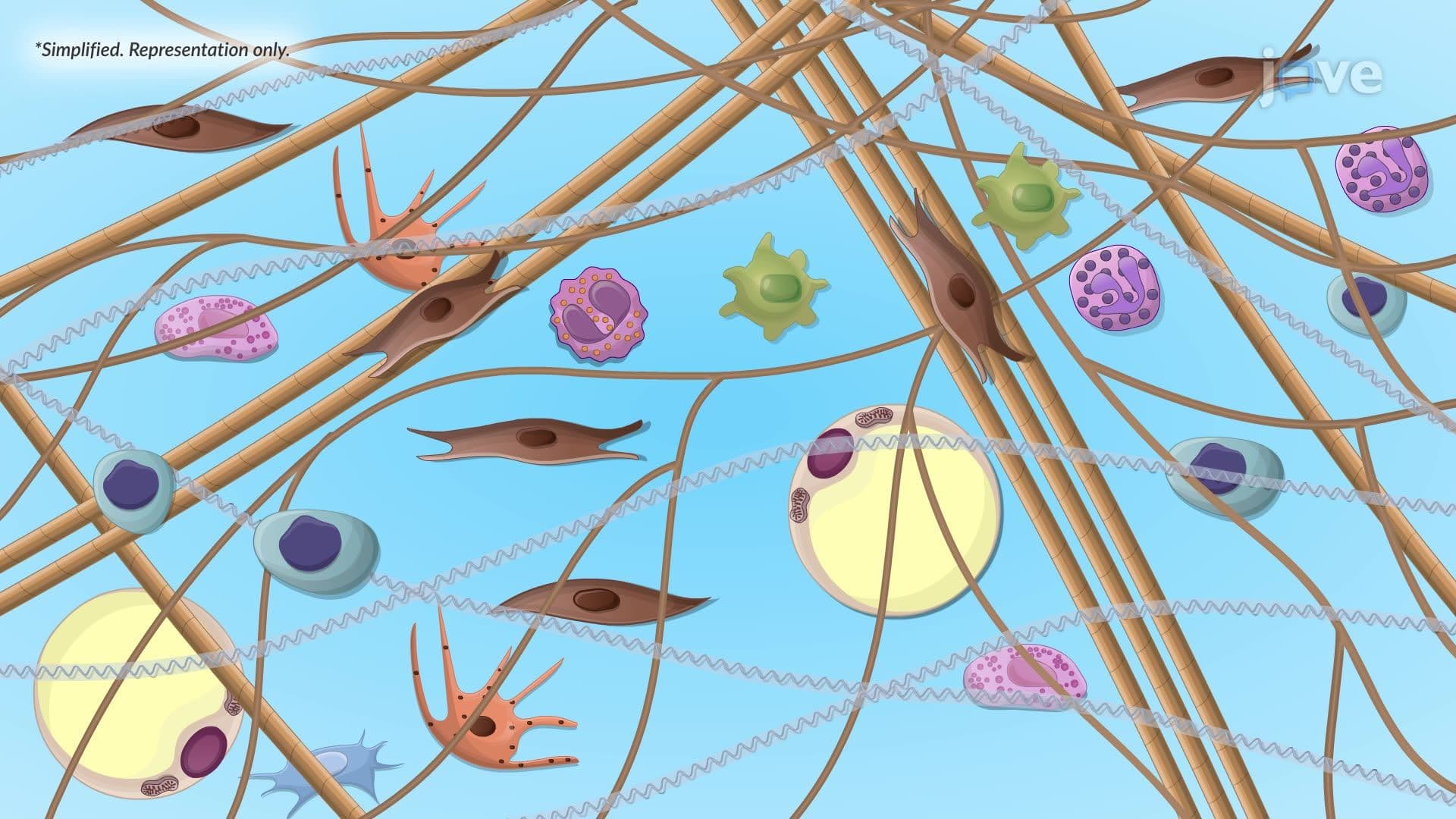

Video Summary: What Is the Extracellular Matrix
Did you know that your knee cartilage relies on the same molecular scaffolding that makes your skin stretchy? The extracellular matrix cell biology reveals how cells create their own support network through specialized proteins and sugars. From preventing osteoarthritis in aging athletes to enabling wound healing in emergency rooms across America, understanding what is the extracellular matrix transforms how we view cellular function. Watch the full video on JoVE Coach to master this concept with expert-led visuals and step-by-step explanations.
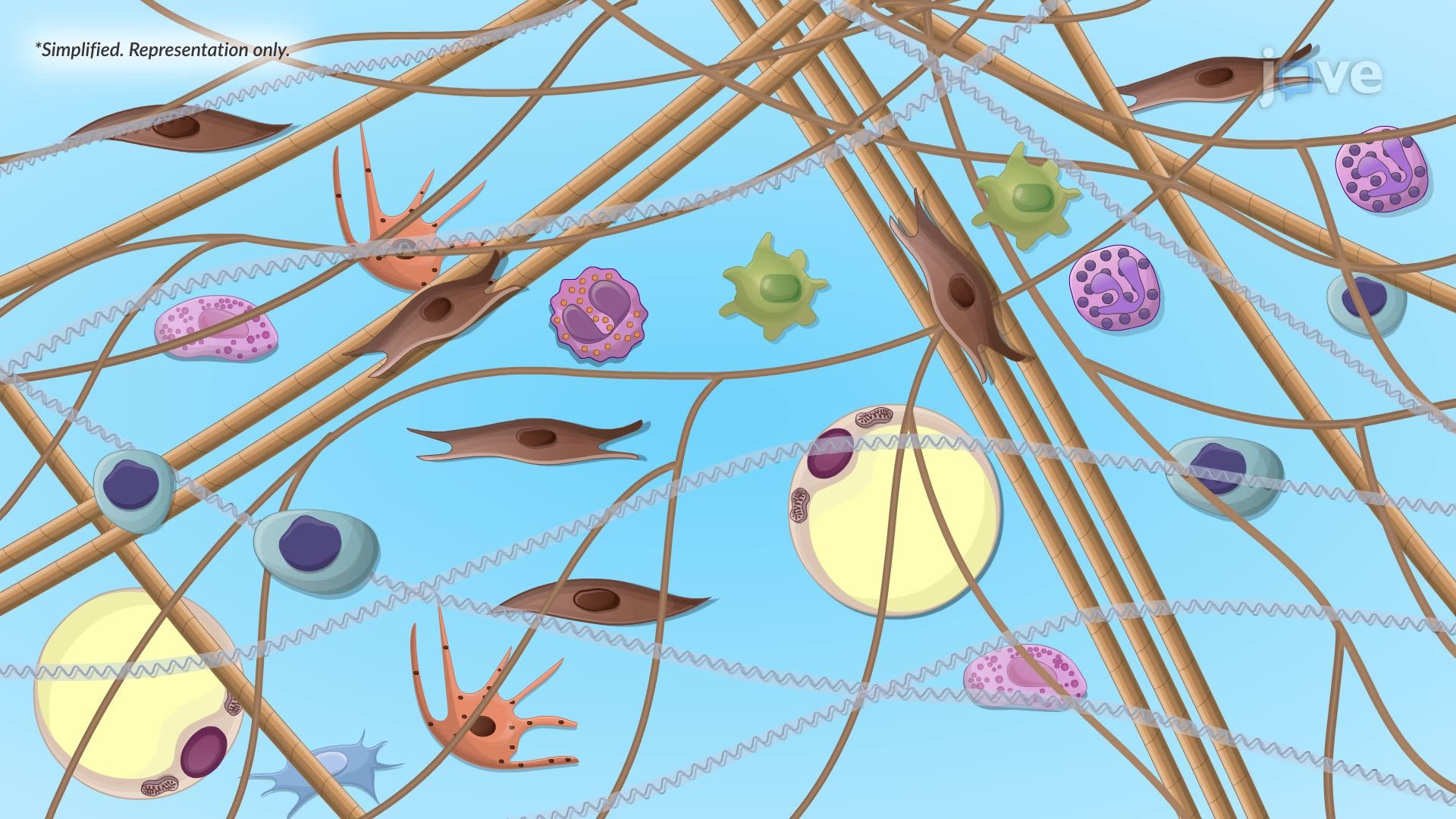
The extracellular matrix cell biology represents one of the most crucial yet underappreciated aspects of human physiology. Unlike the rigid walls of plant cells, animal cells depend entirely on a dynamic, three-dimensional scaffold called the extracellular matrix (ECM) for structural support, organization, and communication. This intricate network doesn't just hold cells in place-it actively regulates cellular behavior, development, and tissue repair.
The ECM's remarkable versatility stems from three primary components working in concert. Ground substance forms the gel-like foundation, primarily composed of water, glycosaminoglycans (GAGs), and proteoglycans. These molecules act like molecular sponges, binding water to create tissue hydration and enabling nutrient diffusion. Collagen fibronectin ECM components provide the structural framework-collagen offers tensile strength (think steel cables), while fibronectin serves as cellular glue, allowing cells to anchor securely to their surroundings.
The third component, specialized proteins like elastin, grants tissues their unique mechanical properties. In American emergency departments, understanding this becomes critical: elastin allows blood vessels to stretch during blood pressure spikes, while collagen prevents them from bursting under extreme stress.
What makes ECM cell environment explained fascinating is how local cells customize their surroundings. Fibroblasts in skin produce elastin-rich matrices for flexibility, while chondrocytes in knee cartilage secrete chondroitin sulfate-heavy proteoglycans for shock absorption. This explains why basketball players develop specific knee injuries-their cartilage ECM gradually loses chondroitin sulfates over time, leading to osteoarthritis.
For AP Biology and college-level cell biology courses, understanding proteoglycan ECM biology connects directly to human disease mechanisms. Students preparing for the MCAT will encounter ECM questions linking molecular structure to pathology. The concept bridges multiple biological systems: from wound healing (requiring fibronectin-mediated cell migration) to cancer metastasis (involving integrin-ECM interactions that regulate cell movement).
Related Micro-courses