Loading video…


 16 Concepts
 1.6M views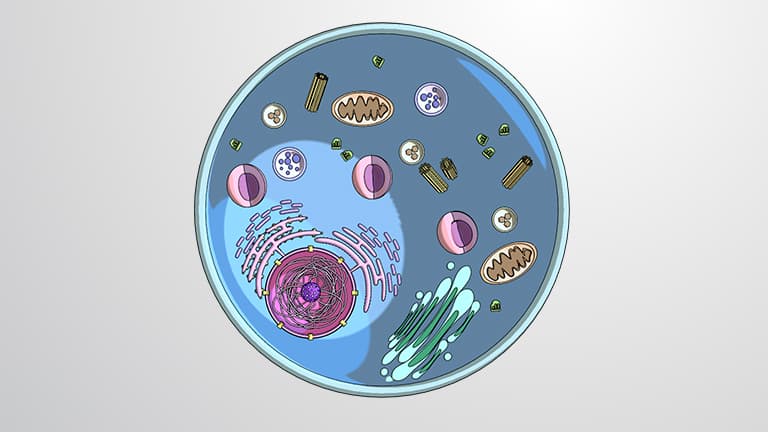

Video Summary: What Is Eukaryotic Compartmentalization
How can a single cell perform thousands of chemical reactions simultaneously without them interfering with each other? Eukaryotic compartmentalization biology reveals the answer: specialized, membrane-bound organelles that create distinct microenvironments within cells. Just like how hospitals separate surgery from patient recovery rooms for optimal conditions, eukaryotic cells use compartments to isolate incompatible processes. Understanding what is eukaryotic compartmentalization in biology explains why complex organisms like humans can maintain life-sustaining processes efficiently. Watch the full video on JoVE Coach to master this concept with expert-led visuals and step-by-step explanations.
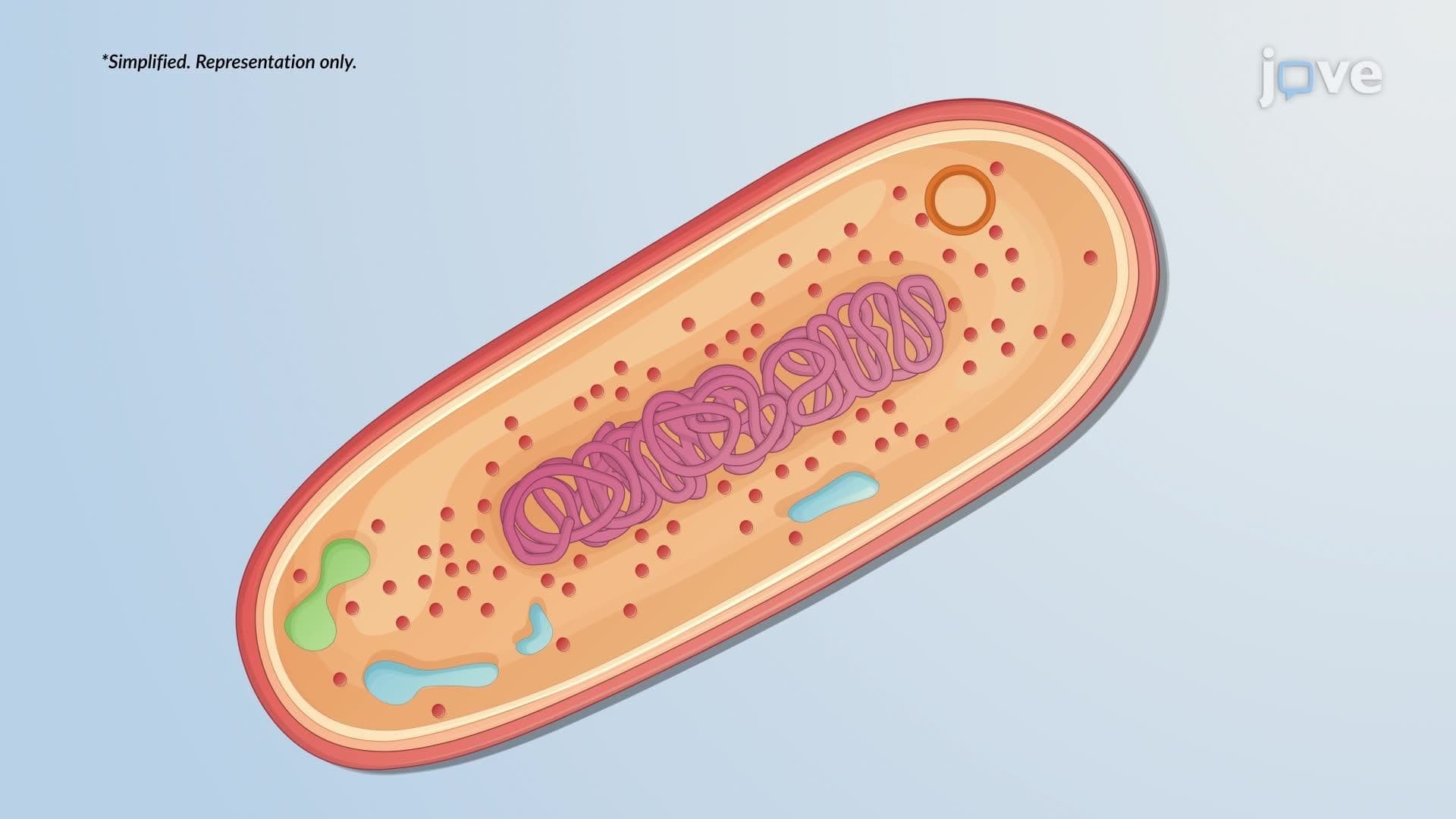
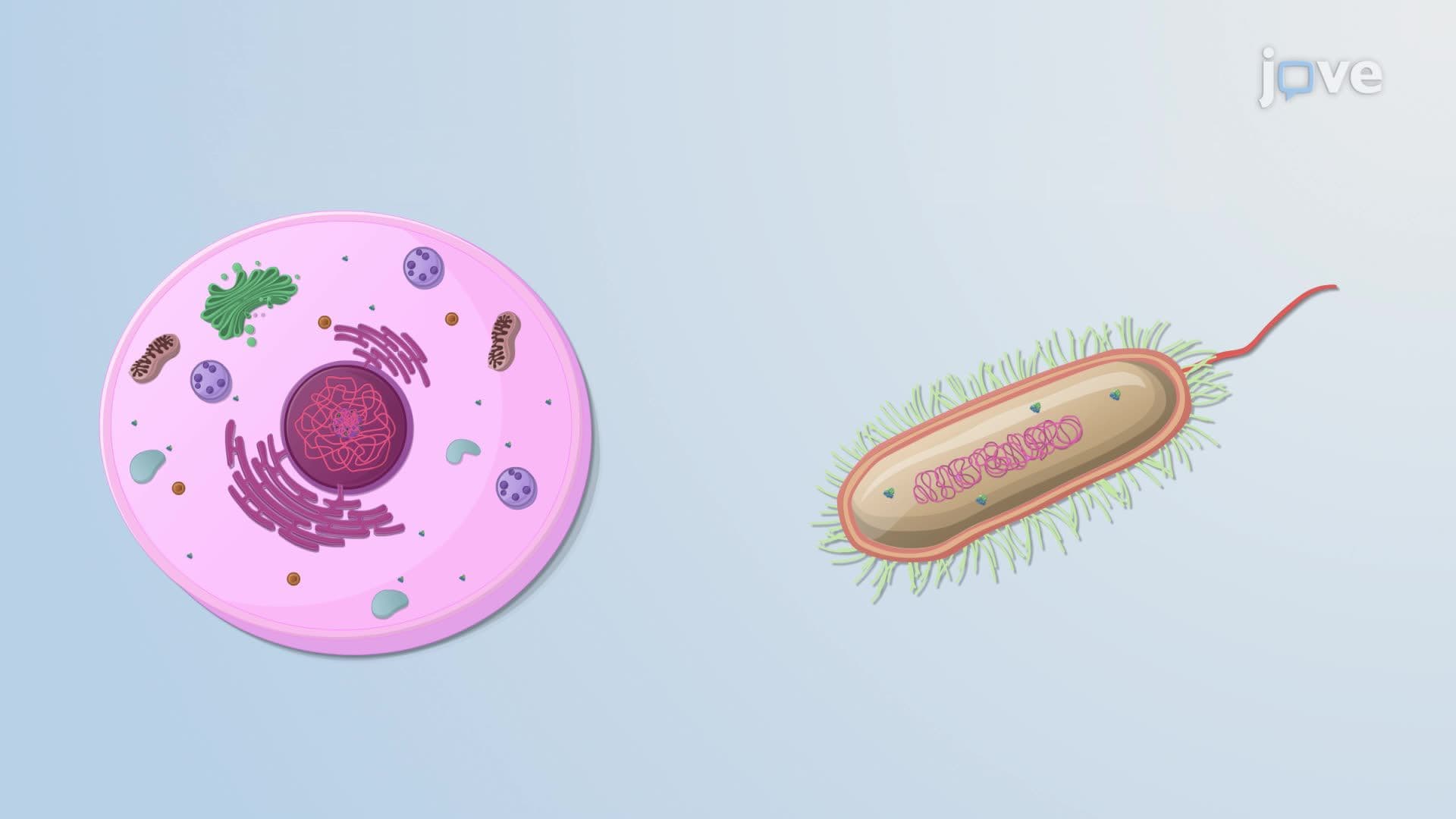
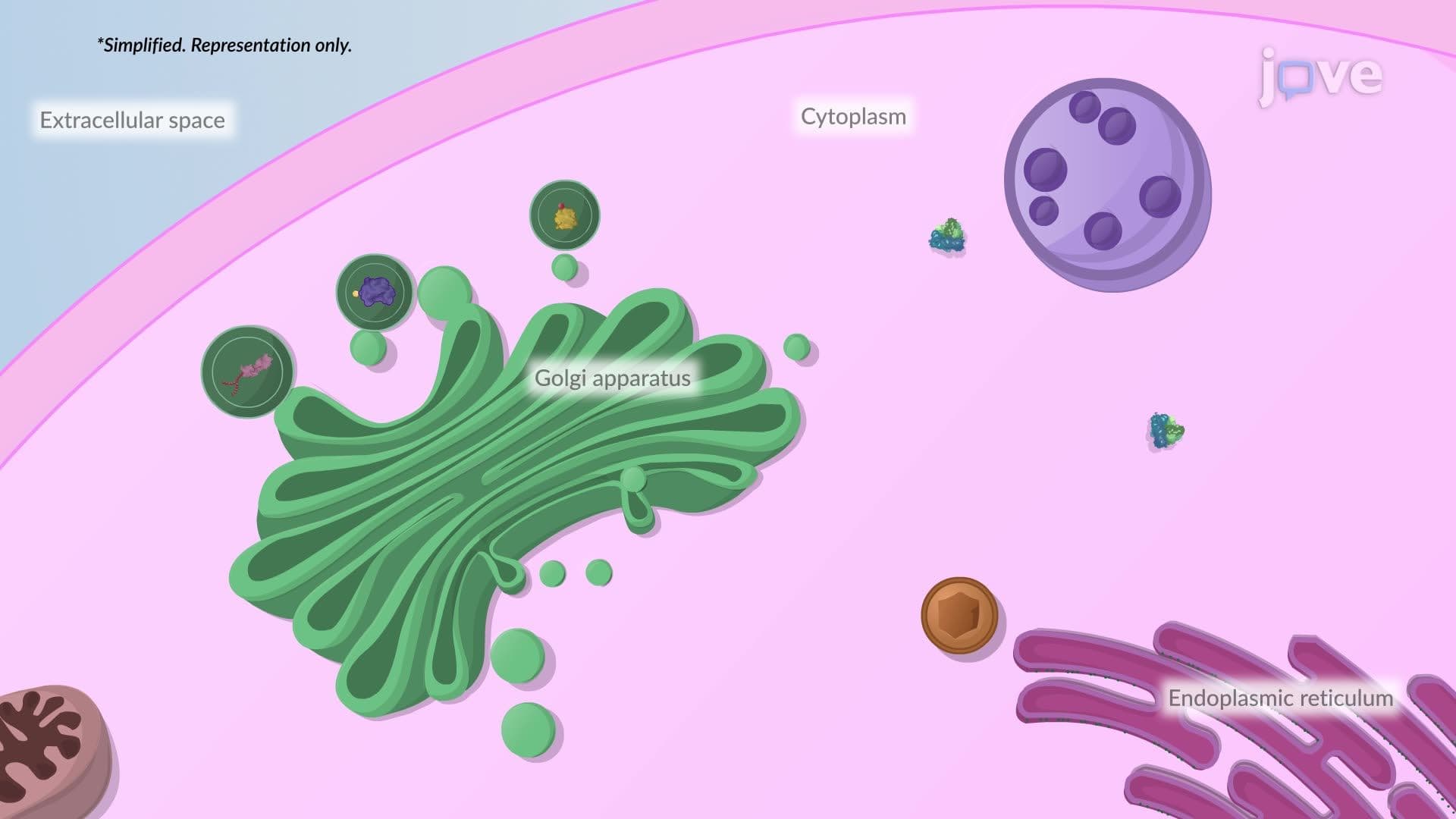
Eukaryotic compartmentalization biology represents one of the most significant evolutionary innovations that distinguishes complex cells from their simpler prokaryotic counterparts. This sophisticated organizational system allows eukaryotic cells to perform multiple, often contradictory biochemical processes simultaneously by creating specialized environments within membrane bound organelle eukaryote structures.
The principle underlying functional compartment cell organization mirrors how modern manufacturing facilities operate. Just as a pharmaceutical company separates sterile production areas from quality control labs, eukaryotic cells isolate processes that require different conditions or could potentially interfere with each other.
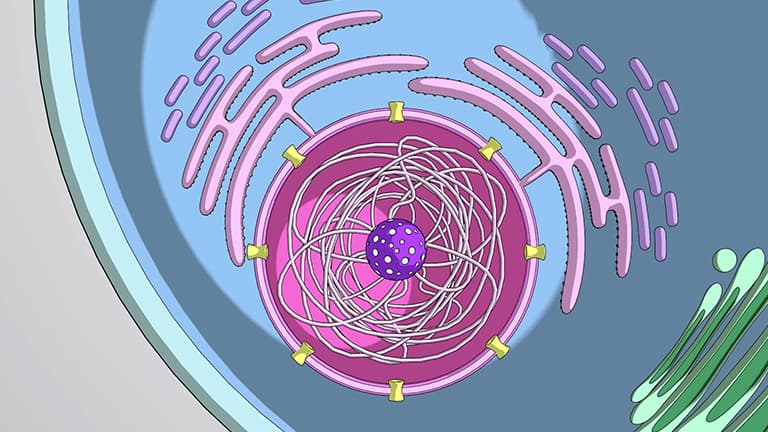
The nucleus mitochondria compartment system exemplifies how compartmentalization enables precise biological control. The nuclear envelope, composed of a double membrane with selective pores, creates a protected environment where DNA transcription and RNA processing occur under tightly regulated conditions. This separation allows cells to control gene expression timing-critical for processes like embryonic development studied in US developmental biology courses.
Medical students preparing for the MCAT encounter questions about how nuclear pores regulate molecular traffic, demonstrating the clinical relevance of understanding compartmentalization in genetic disorders and cancer research.
Organelle specialization eukaryote systems shine in metabolic processes, particularly energy production. Mitochondria create distinct compartments with different pH levels: the intermembrane space maintains acidic conditions essential for ATP synthesis, while the matrix provides optimal conditions for the citric acid cycle. This cellular compartmentalization advantage allows cells to maximize energy efficiency-a concept frequently tested on AP Biology exams.
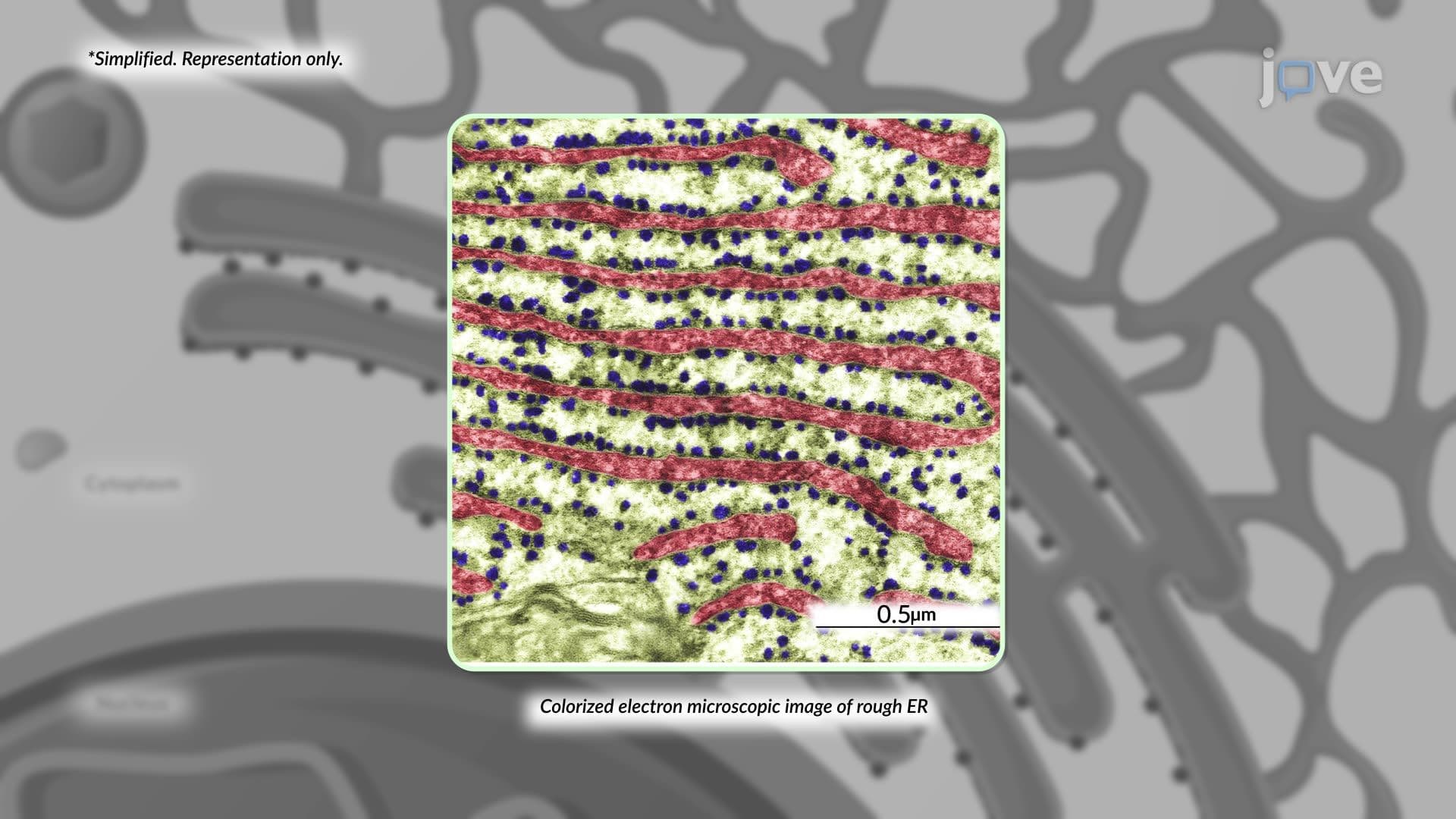
The endoplasmic reticulum demonstrates another level of specialization, providing oxidative environments for protein folding and modification while protecting the reductive cytosol from interference. This separation prevents misfolded proteins that could lead to diseases like Alzheimer's or Parkinson's-topics covered in advanced neuroscience courses at universities like Johns Hopkins and Stanford.
Lysosomes and peroxisomes illustrate compartmentalization's protective function. Lysosomes maintain highly acidic environments (pH 4.5-5.0) necessary for digestive enzymes while protecting the neutral cytoplasm from damage. Similarly, peroxisomes isolate dangerous hydrogen peroxide production and neutralization reactions. Understanding these protective mechanisms helps nursing students preparing for NCLEX exams grasp how cellular dysfunction contributes to metabolic disorders.
Related Micro-courses