Loading video…

 16 Concepts
 1.6M views

Video Summary: What Is Cell Size
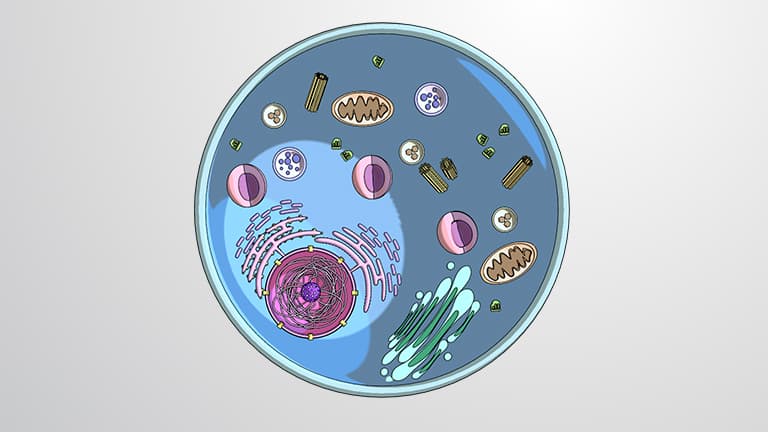
Ever wonder why bacteria are microscopic while some nerve cells in giraffes stretch over six feet long? Cell size biology explained reveals the fascinating constraints that determine whether cells stay tiny or grow large. From the 4-micrometer human sperm cell to neurons extending several meters, what is cell size depends on the critical relationship between surface area and volume. In the human intestine, millions of tiny cells maximize absorption through specialized folding structures called villi. Watch the full video on JoVE Coach to master this concept with expert-led visuals and step-by-explanations.
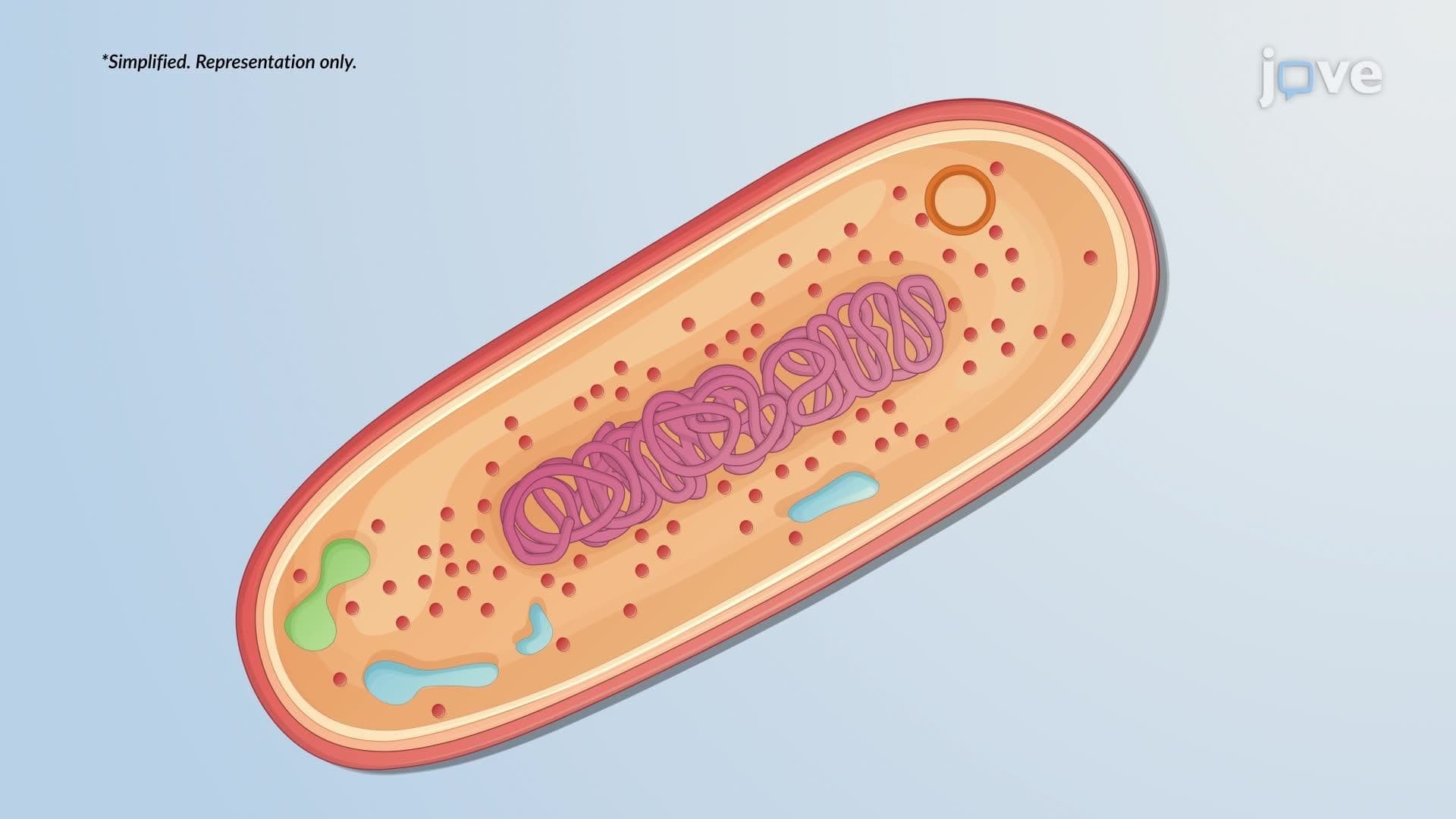
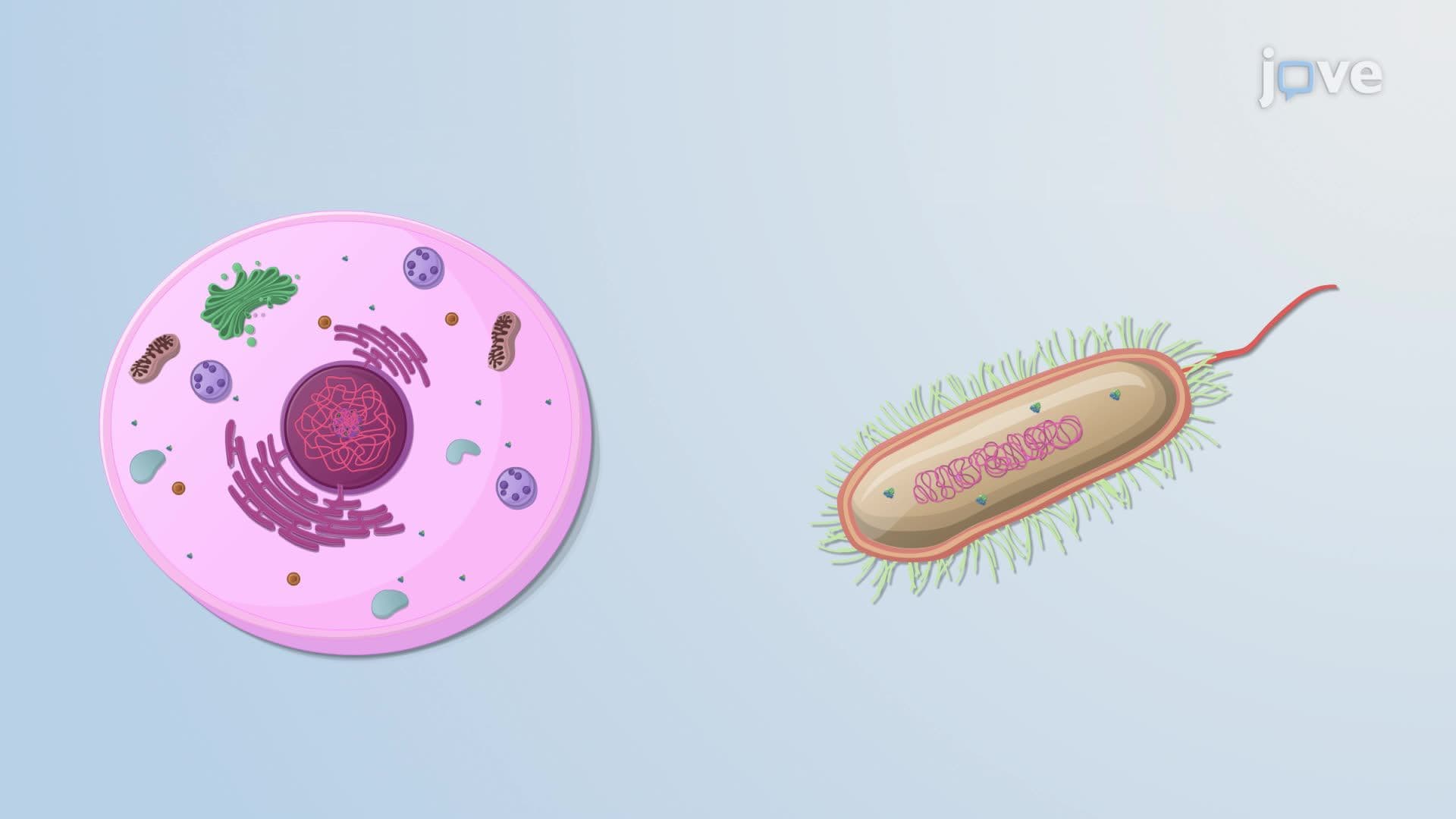
What is cell size fundamentally refers to the physical dimensions of individual cells, which range from microscopic bacteria measuring just 1-2 micrometers to extraordinary examples like ostrich eggs (single cells) reaching several inches in diameter. This dramatic variation isn't random-it reflects millions of years of evolutionary optimization for specific cellular functions.
The surface area volume ratio creates the primary constraint on cellular growth. When modeled as a cube, a cell with side length 2 units has a surface area of 24 square units and volume of 8 cubic units (ratio = 3:1). Double the dimensions, and surface area becomes 96 while volume jumps to 64 (ratio = 1.5:1). This mathematical reality explains why cells are small explained-larger cells struggle to transport materials efficiently across their membranes.
American medical schools emphasize this principle when teaching about intestinal absorption. The human small intestine contains millions of tiny villi-finger-like projections that dramatically increase surface area without increasing cell volume. This design allows efficient nutrient absorption across the 20-foot intestinal length. Similarly, lung alveoli maintain microscopic dimensions to optimize gas exchange, with approximately 300 million alveoli providing roughly 70 square meters of surface area.
Students preparing for the AP Biology exam frequently encounter cell size limit diffusion questions, particularly regarding bacterial efficiency versus eukaryotic specialization. The MCAT regularly tests understanding of how optimal cell size biology relates to metabolic rate and transport mechanisms. In clinical settings, understanding small cell efficiency helps explain why certain cancers (like small cell lung carcinoma) behave differently than large cell variants-smaller cells divide more rapidly due to their favorable surface area-to-volume ratios.
This fundamental principle of cell size constraint biology underlies everything from antibiotic effectiveness (targeting small bacterial cells) to tissue engineering challenges in regenerative medicine, making it essential knowledge for any student pursuing healthcare or biological sciences.
Related Micro-courses