Loading video…

 16 Concepts
 1.6M views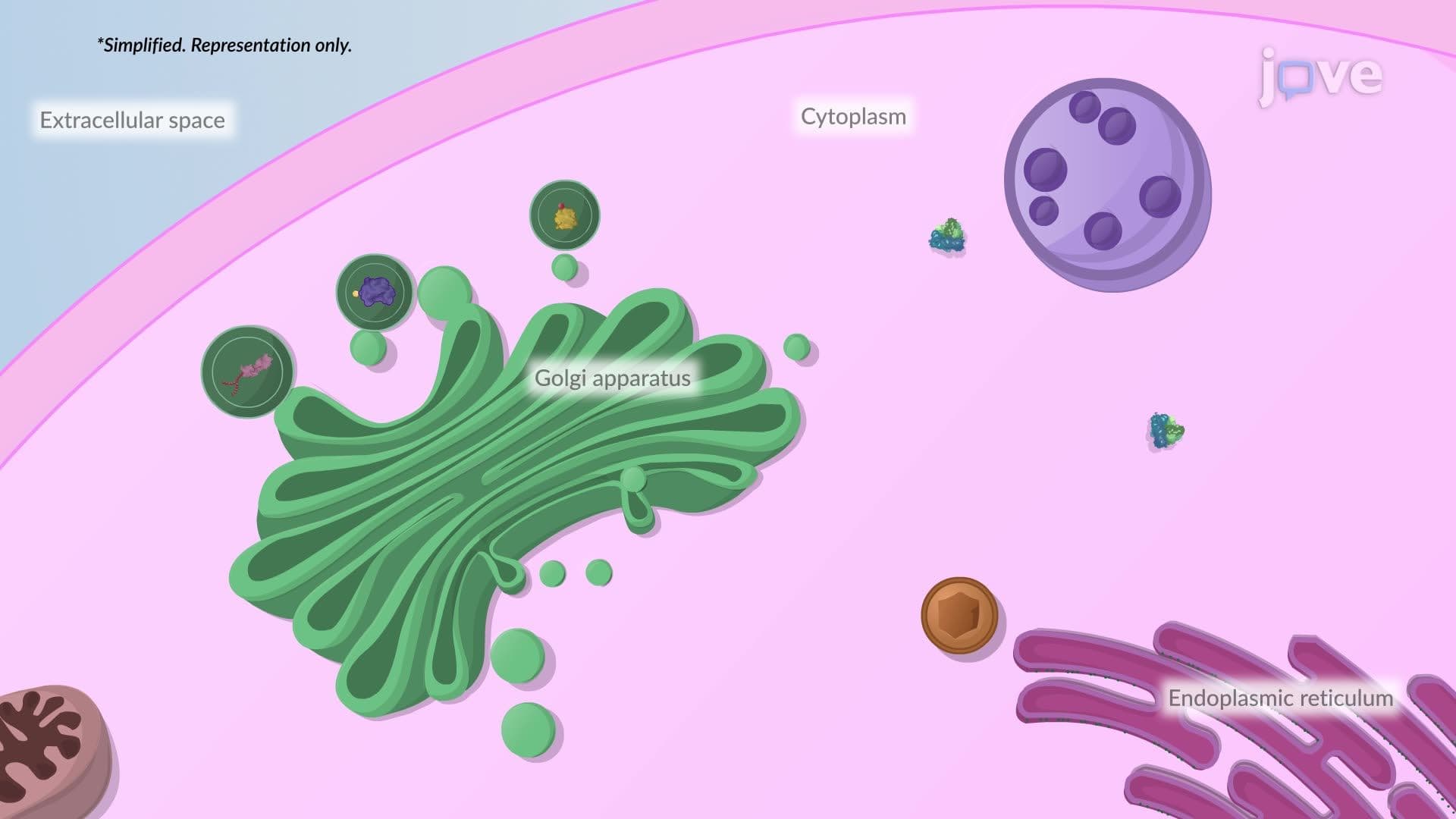

Video Summary: What Is Golgi Apparatus
Ever wonder how your cells know exactly where to send thousands of different proteins? The Golgi apparatus explained reveals nature's most sophisticated postal system, processing over 10,000 different proteins in human liver cells alone. This cellular organelle acts like a biochemical assembly line, modifying and sorting proteins with precision that rivals Amazon's distribution centers. What is Golgi Apparatus becomes clear when you see how it transforms raw proteins from the endoplasmic reticulum into functional molecules ready for their cellular destinations. Watch the full video on JoVE Coach to master this concept with expert-led visuals and step-by-step explanations.
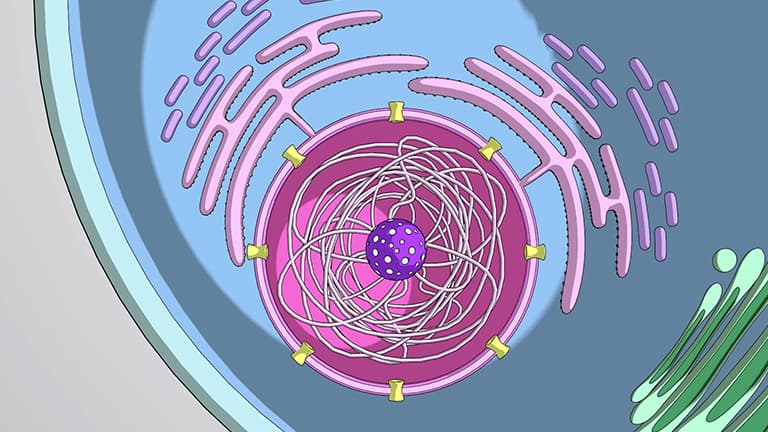
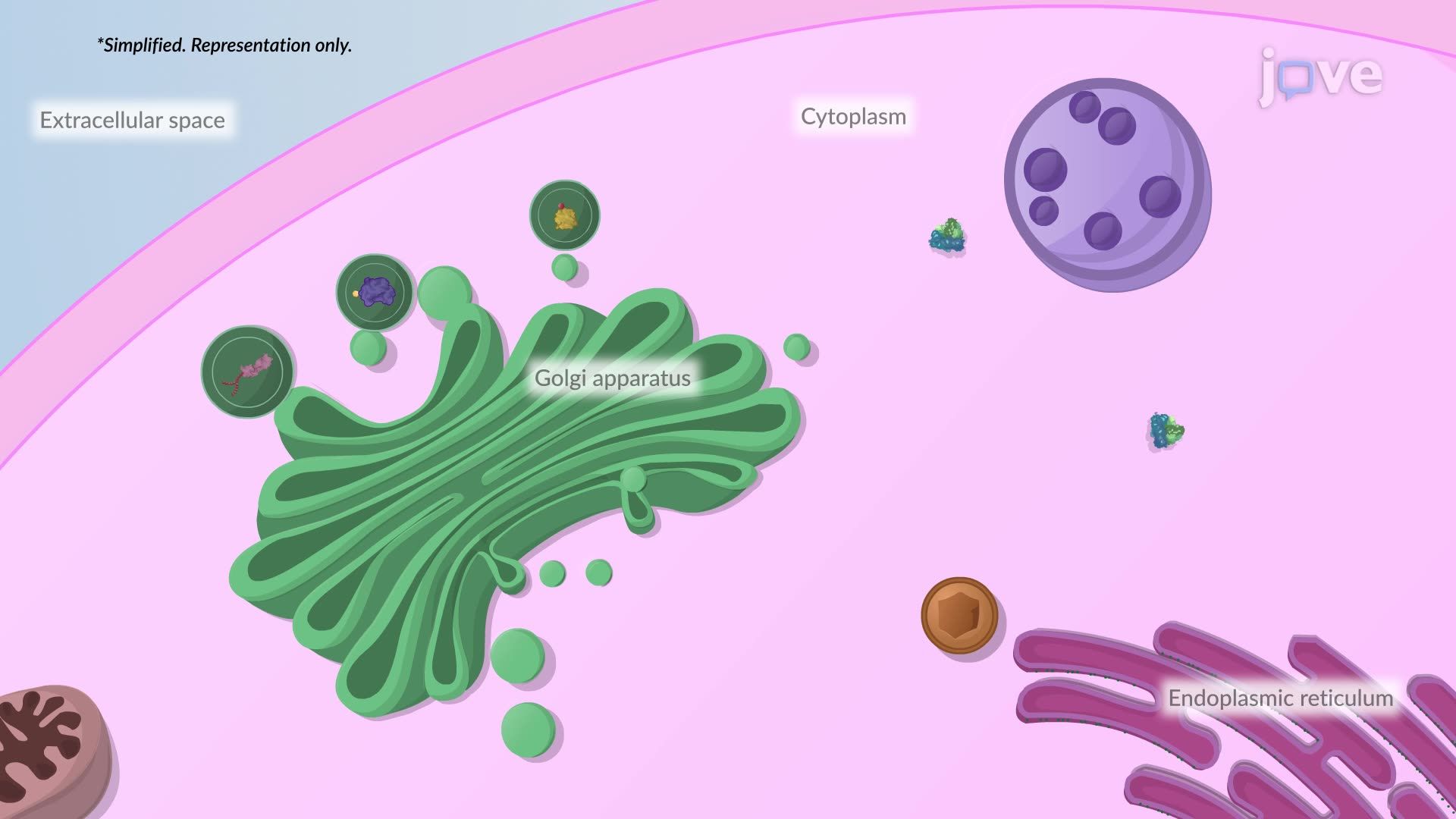
The Golgi apparatus function biology centers on its unique architectural design. This organelle consists of flattened, membrane-bound sacs called cisternae, stacked like pancakes and organized into distinct regions. The cis face receives materials from the endoplasmic reticulum, while the trans face ships finished products to their final destinations. This polarized structure enables the sequential processing that makes what is the Golgi apparatus and its function so remarkable in cellular biology.
Golgi protein modification occurs through a carefully orchestrated series of enzymatic reactions. As proteins move from cis to trans cisternae, they undergo glycosylation (sugar addition), deglycosylation (sugar removal), phosphorylation (phosphate addition), and sulfation (sulfur group addition). These modifications are crucial for protein function-for instance, insulin requires specific glycosylation patterns to maintain proper blood sugar regulation in diabetic patients treated at US medical centers.
The cis trans Golgi network functions like a sophisticated mail sorting facility. The trans-Golgi network acts as the final checkpoint, adding molecular "zip codes" to proteins. A mannose 6-phosphate tag directs enzymes to lysosomes, while other signals target proteins to the cell surface or secretory vesicles. This secretory pathway Golgi mechanism is essential for hormone release-pancreatic beta cells use this system to secrete insulin in response to blood glucose levels.
Understanding Golgi vesicle transport proves crucial for AP Biology, MCAT, and college biochemistry courses. Golgi dysfunction underlies various diseases, including certain forms of muscular dystrophy and neurodegeneration. The protein sorting Golgi concept frequently appears in multiple-choice questions about cellular trafficking defects. Students should focus on the directional flow (ER → cis-Golgi → trans-Golgi → destination) and the specific modifications occurring at each stage, as these details commonly appear in US standardized exams.
Related Micro-courses