Loading video…

 16 Concepts
 1.6M views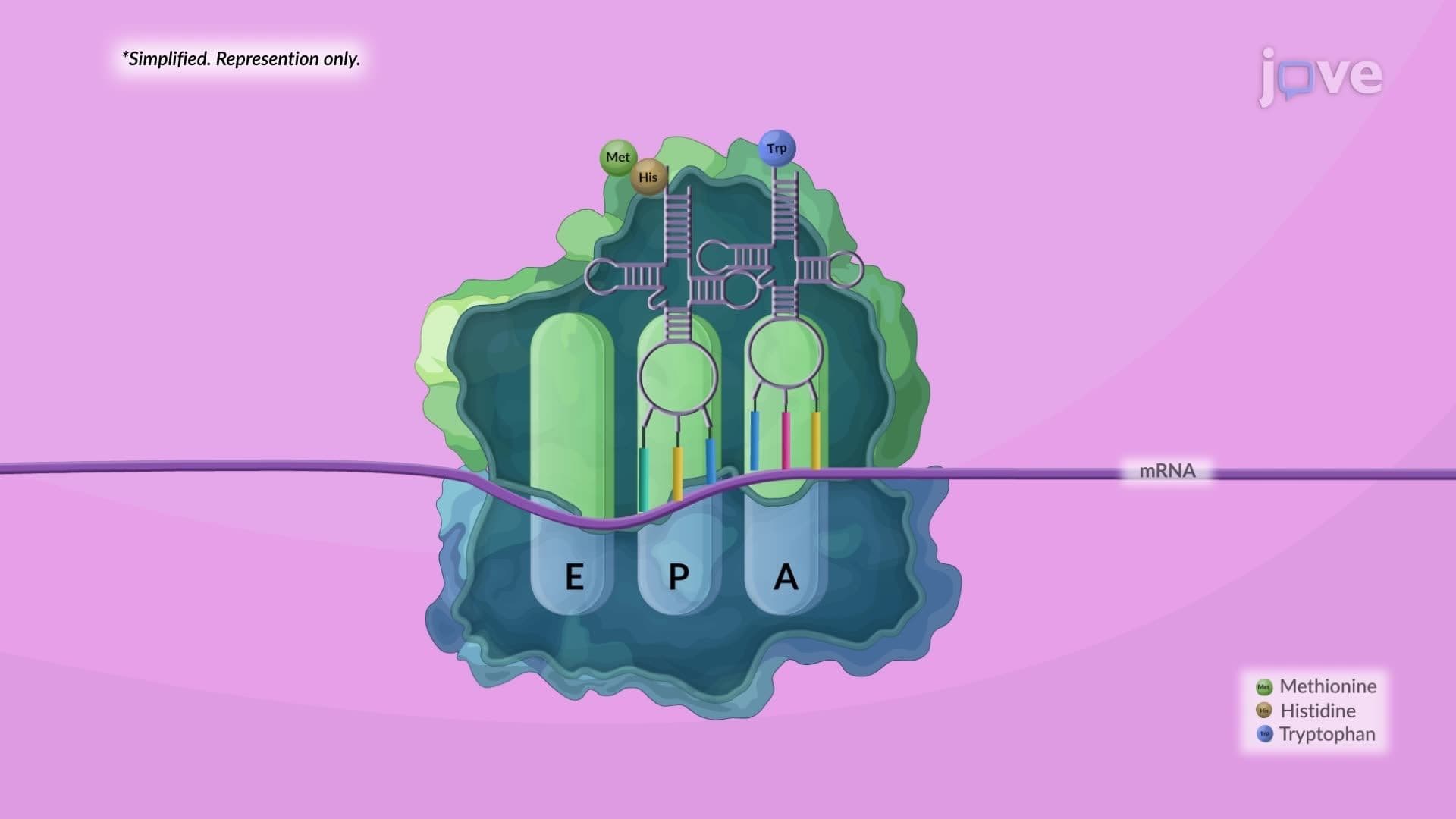

Video Summary: What are Ribosomes
Every second, your body produces millions of proteins essential for life-from insulin regulating blood sugar to hemoglobin carrying oxygen through your bloodstream. Ribosomes explained biology reveals these microscopic protein factories as the cellular machinery responsible for this remarkable feat. In human cells, 80S ribosomes consist of two subunits that work together to translate genetic instructions into functional proteins, a process critical for everything from muscle contraction to immune responses. Watch the full video on JoVE Coach to master this concept with expert-led visuals and step-by-step explanations.
Ribosomes explained biology as sophisticated molecular machines that convert genetic information into functional proteins through a process called translation. These essential organelles represent one of the most conserved cellular structures across all life forms, highlighting their fundamental importance in biological systems. In eukaryotic cells, including human cells, ribosomes demonstrate remarkable complexity and precision in their protein synthesis capabilities.
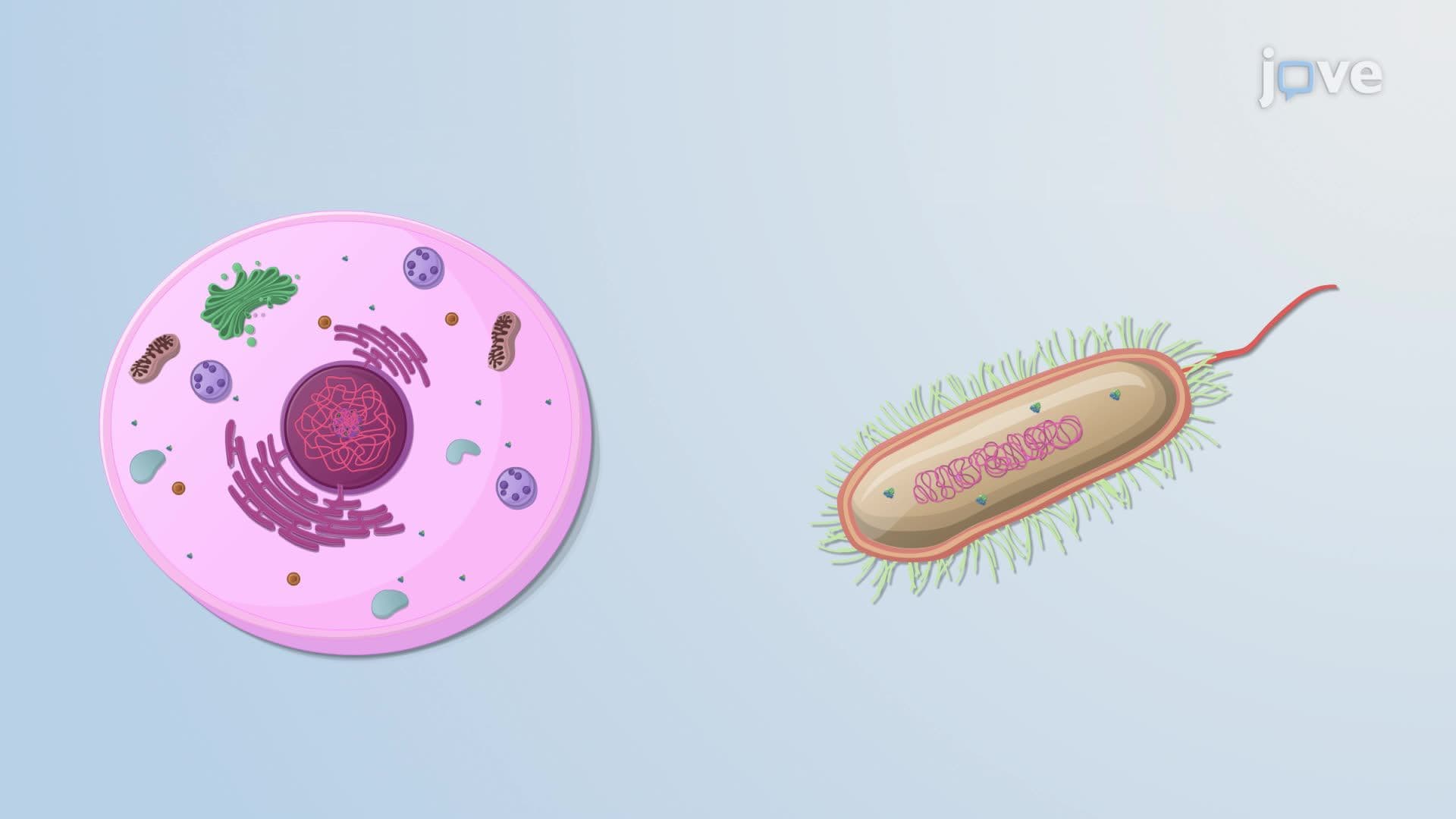
The 80S ribosome structure exemplifies cellular engineering at its finest. Unlike prokaryotic 70S ribosomes, eukaryotic ribosomes are larger and more complex, reflecting the sophisticated protein synthesis requirements of advanced organisms. The large 60S subunit contains three distinct ribosomal RNA molecules-28S, 5.8S, and 5S rRNA-along with 49 different proteins. This subunit houses the peptidyl transferase center, where peptide bonds form between amino acids. The smaller 40S subunit, containing 18S rRNA and 33 proteins, provides the mRNA binding platform and helps position transfer RNAs accurately during translation.
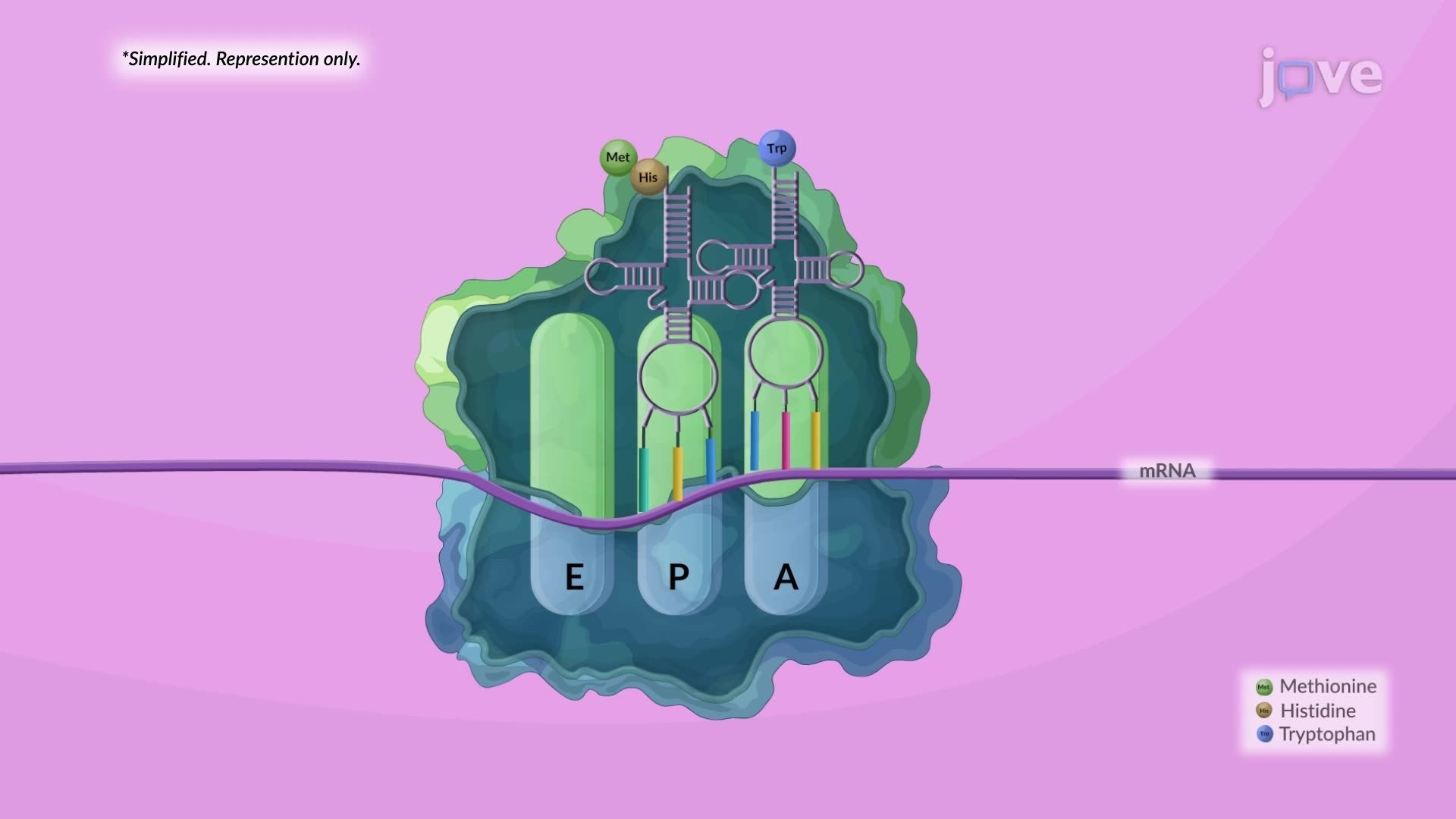
Ribosome function protein synthesis involves intricate molecular choreography between multiple RNA and protein components. The process begins when ribosomal subunits, initially separate after nuclear export, reassemble around messenger RNA molecules. Three critical tRNA binding sites facilitate this process: the A (aminoacyl) site receives incoming tRNAs carrying amino acids, the P (peptidyl) site holds the growing protein chain, and the E (exit) site releases empty tRNAs after amino acid transfer. This assembly line approach ensures accurate protein production, crucial for cellular functions from enzyme activity to structural support.
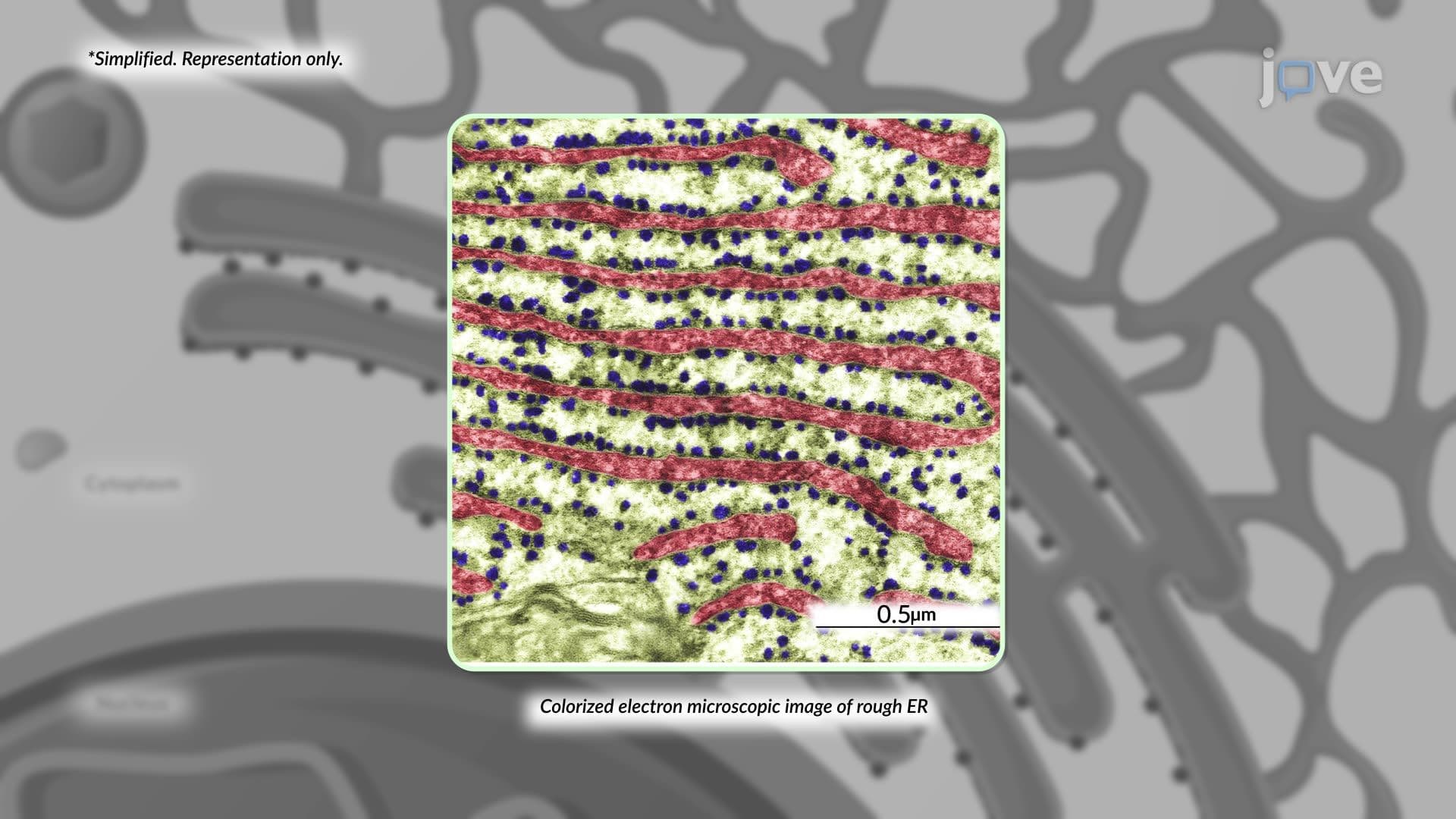
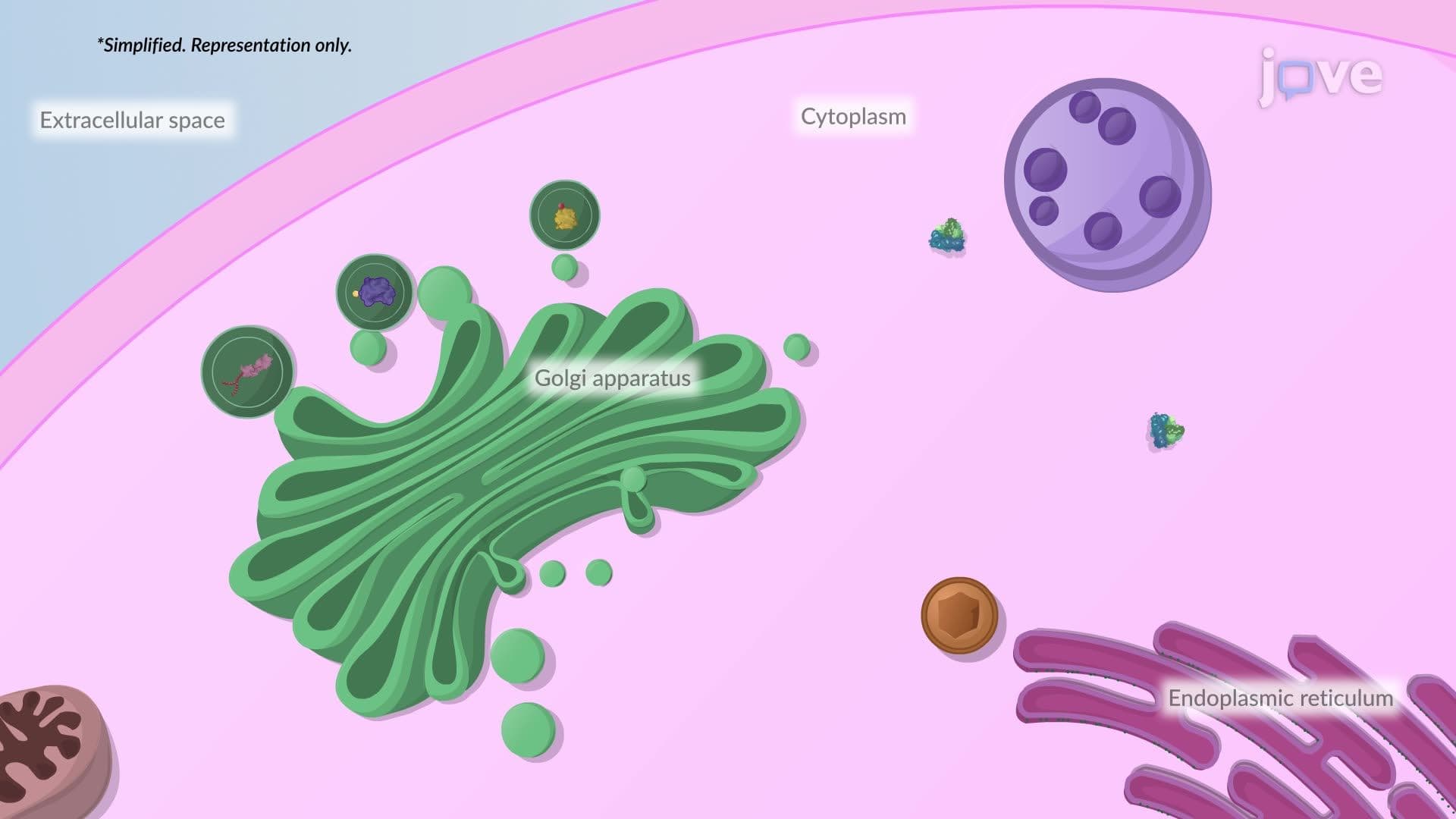
For students preparing for AP Biology or college biochemistry courses, understanding ribosome location provides important insights into protein targeting. Rough ER ribosome attachment occurs when proteins contain specific signal sequences, directing them toward secretion or membrane incorporation. Free ribosomes in the cytoplasm produce proteins for intracellular use, including enzymes for metabolic pathways and structural proteins for organelles.
Medical professionals frequently encounter ribosome-related concepts in clinical settings. Antibiotic mechanisms often target bacterial ribosomes specifically, exploiting differences between prokaryotic 70S and eukaryotic 80S ribosomes. For example, streptomycin binds to bacterial 30S subunits, disrupting protein synthesis without affecting human ribosomes. This selective targeting principle appears regularly on MCAT examinations and medical school coursework.
Research institutions like the National Institutes of Health study ribosomal dysfunction in diseases ranging from cancer to genetic disorders, making ribosome biology increasingly relevant for students pursuing healthcare careers.
Related Micro-courses