Loading video…


 16 Concepts
 1.6M views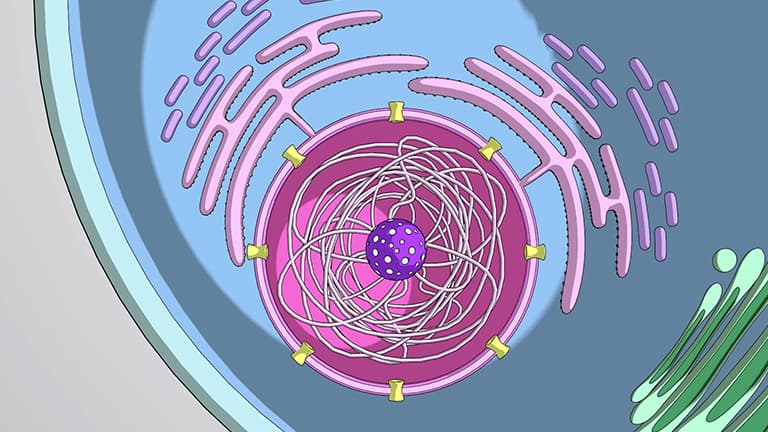

Video Summary: What Is the Nucleus
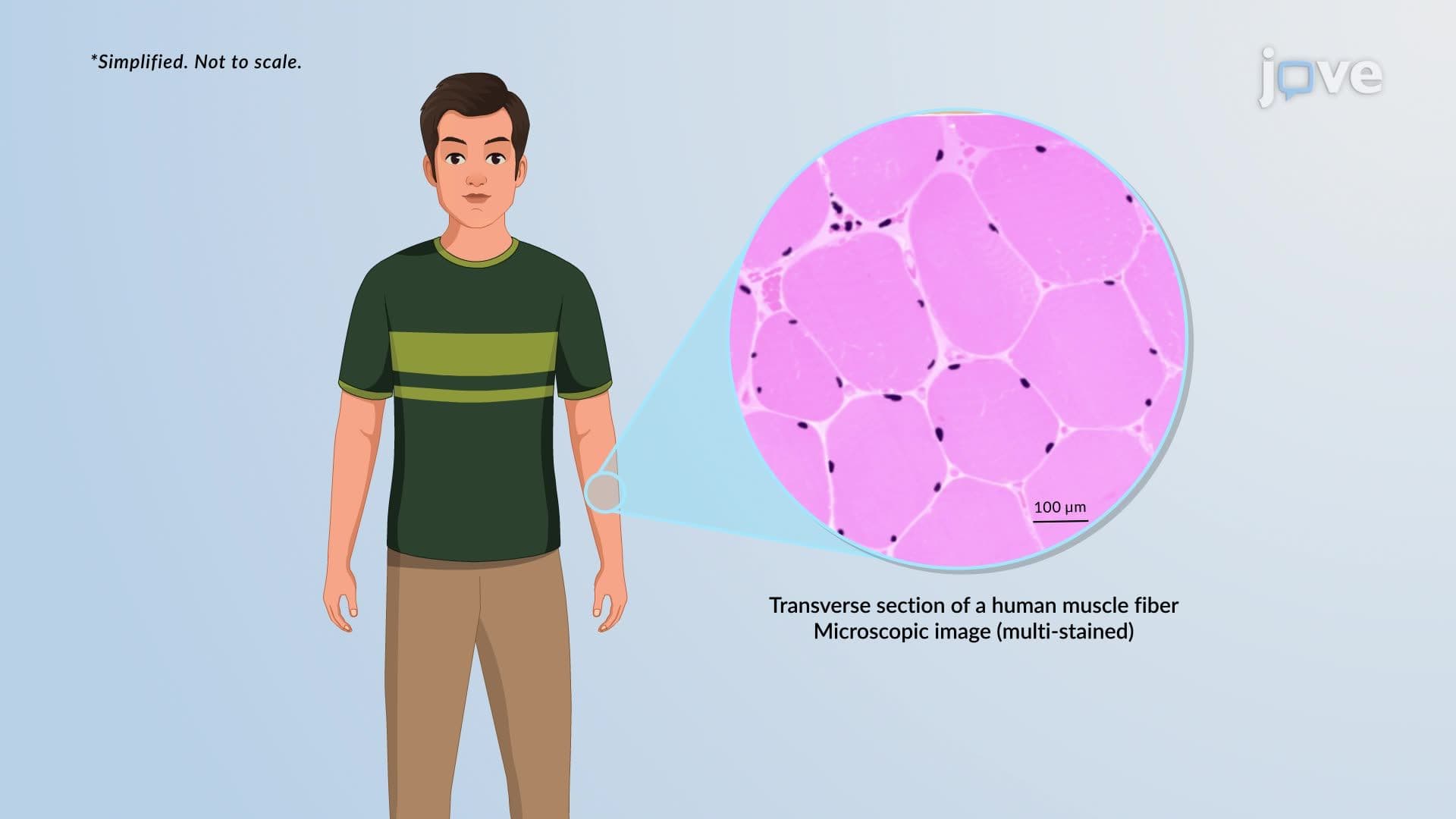
Ever wondered how your body's 37 trillion cells store enough genetic information to rebuild you from scratch? The cell nucleus explained reveals this cellular command center as a membrane-bound organelle containing DNA organized into chromatin and chromosomes. In human muscle cells used for UCLA medical research, scientists observe how the nucleus coordinates protein synthesis through its nucleolus and nuclear envelope. Watch the full video on JoVE Coach to master this concept with expert-led visuals and step-by-step explanations.
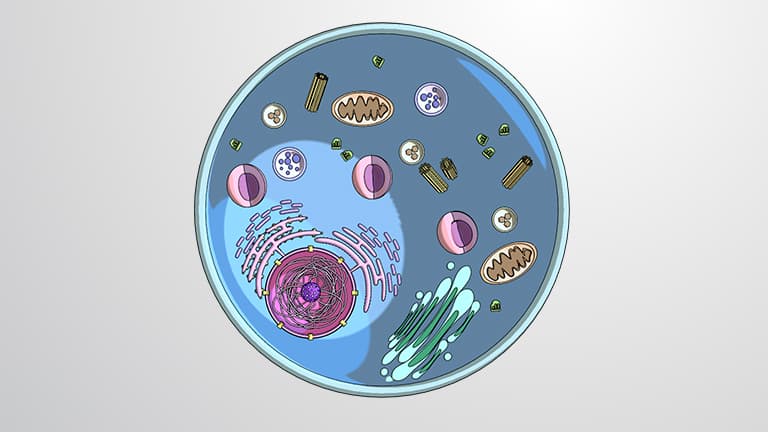
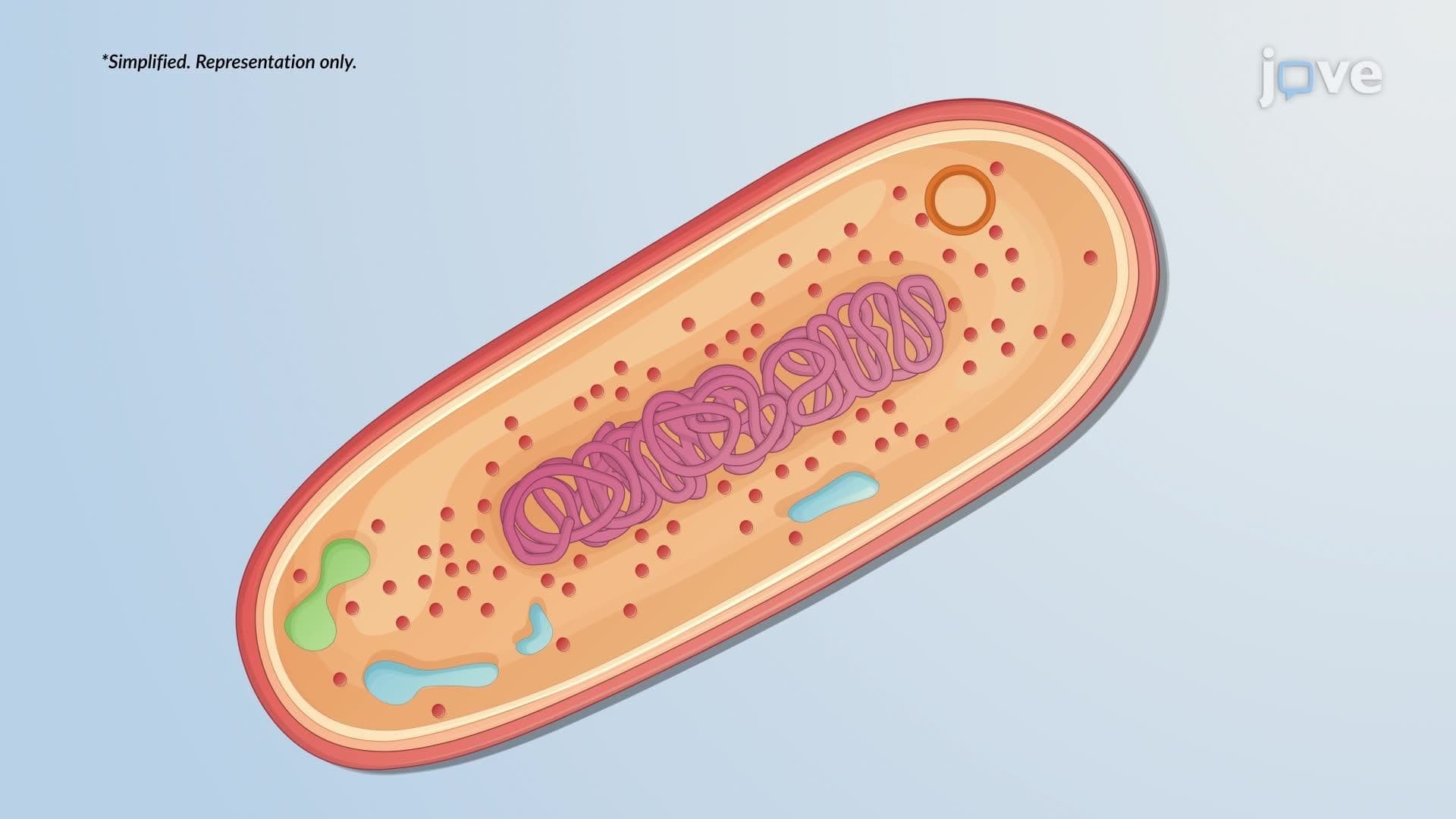
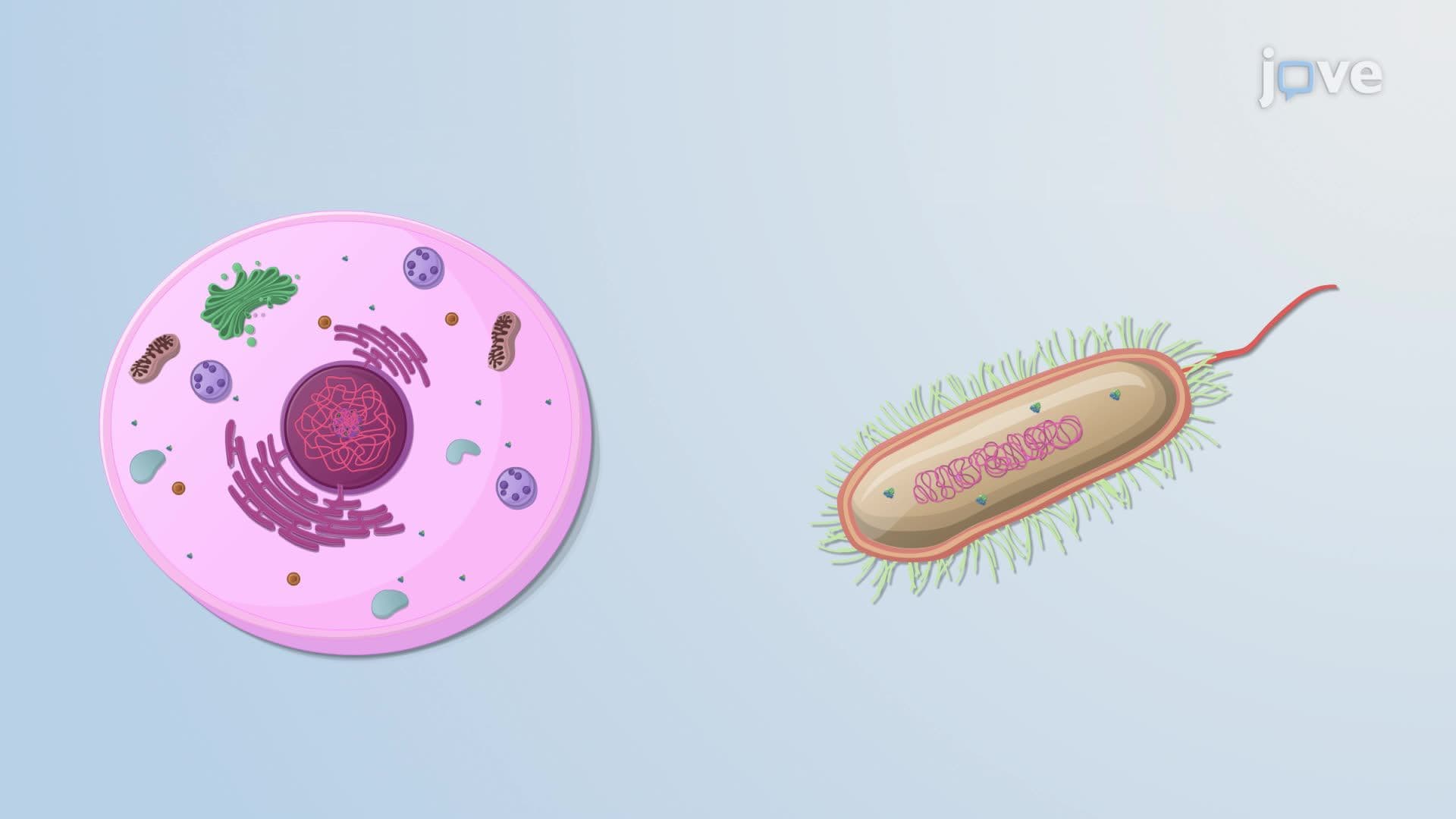
The nucleus serves as the definitive control center of eukaryotic cells, orchestrating virtually every cellular activity through its carefully organized genetic material. Unlike prokaryotic cells such as bacteria, eukaryotic cells-including all human cells-compartmentalize their DNA within this specialized organelle. This nucleus function in cell biology extends far beyond simple DNA storage, encompassing gene regulation, ribosome biogenesis, and cellular communication.
The nuclear envelope nucleus creates a sophisticated barrier system consisting of two lipid bilayer membranes separated by the perinuclear space. Embedded within these membranes, the nuclear pore complex functions as selective molecular gateways, containing approximately 30 different proteins called nucleoporins. These complexes regulate the bidirectional transport of molecules larger than 40 kilodaltons, including proteins destined for nuclear import and mRNA molecules ready for translation in the cytoplasm.
For AP Biology students, understanding nuclear pore selectivity proves crucial for exam success. The complexes allow small ions and water to pass freely while requiring specific transport signals for larger molecules. This selectivity maintains nuclear integrity while enabling essential cellular processes like gene expression and protein synthesis regulation.
The chromosome in nucleus organization demonstrates remarkable cellular engineering. During interphase, DNA exists as loosely packed chromatin fibers, allowing transcriptional machinery access to specific genes. This organization facilitates the estimated 20,000-25,000 human genes' differential expression patterns observed in Stanford University research on tissue-specific gene regulation.
As cells prepare for division, chromatin condenses into visible chromosomes through histone protein modifications and condensin complex activity. Human somatic cells organize their genetic material into 46 chromosomes (23 pairs), a concept fundamental to MCAT genetics questions and college-level cell biology courses.
The nucleolus nucleus function centers on ribosomal RNA synthesis and ribosome assembly. This non-membrane-bound nuclear subdomain contains approximately 400 genes encoding ribosomal components across five human chromosomes. Harvard Medical School research demonstrates how nucleolar dysfunction contributes to various diseases, including certain cancers and genetic disorders affecting protein synthesis.
Understanding nucleolar organization helps students grasp the connection between nuclear structure and cellular protein production capacity, a relationship frequently tested on standardized exams and crucial for medical school coursework.
Related Micro-courses