Loading video…

 16 Concepts
 1.6M views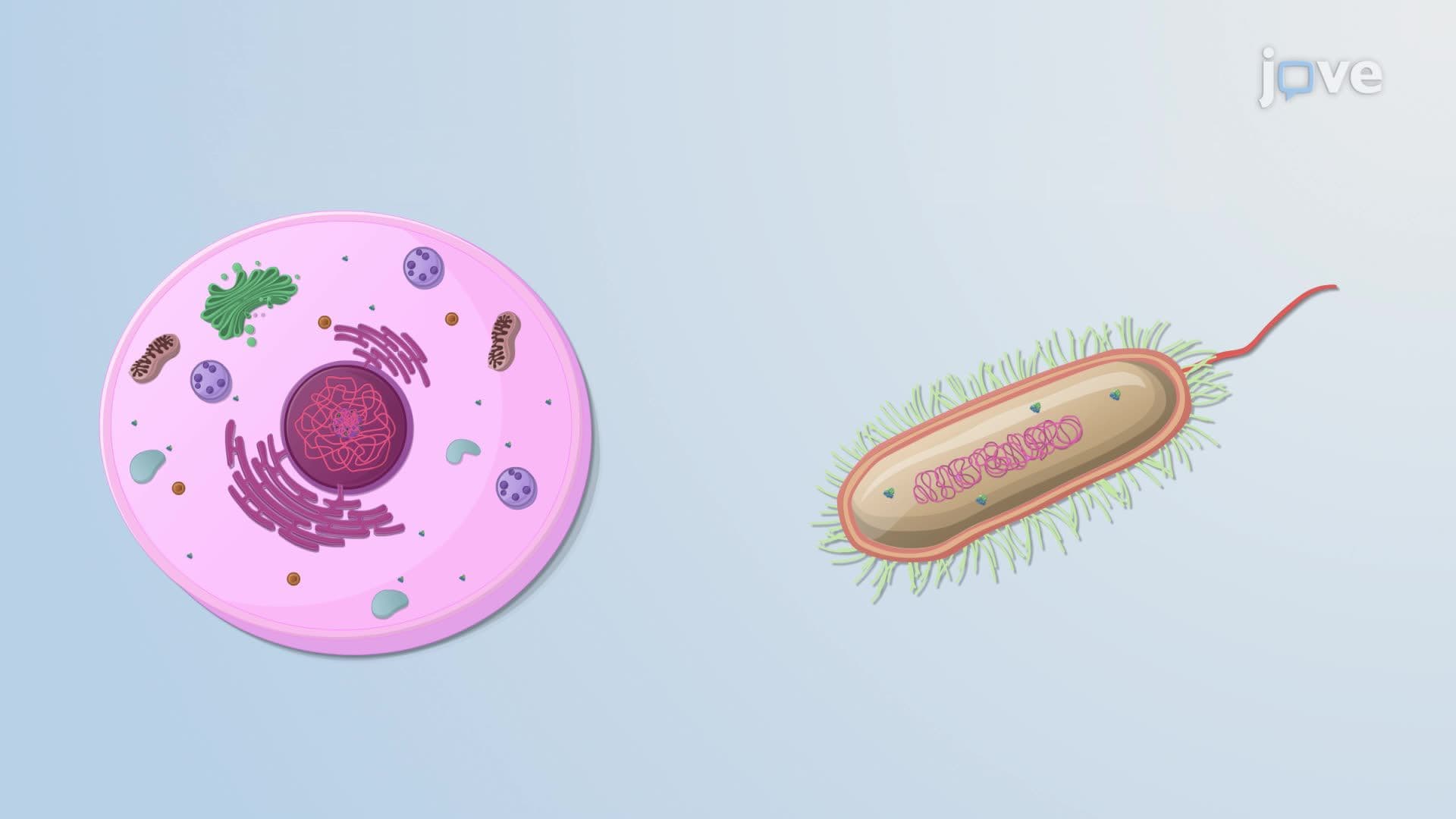

Video Summary: What Is Cytoplasm
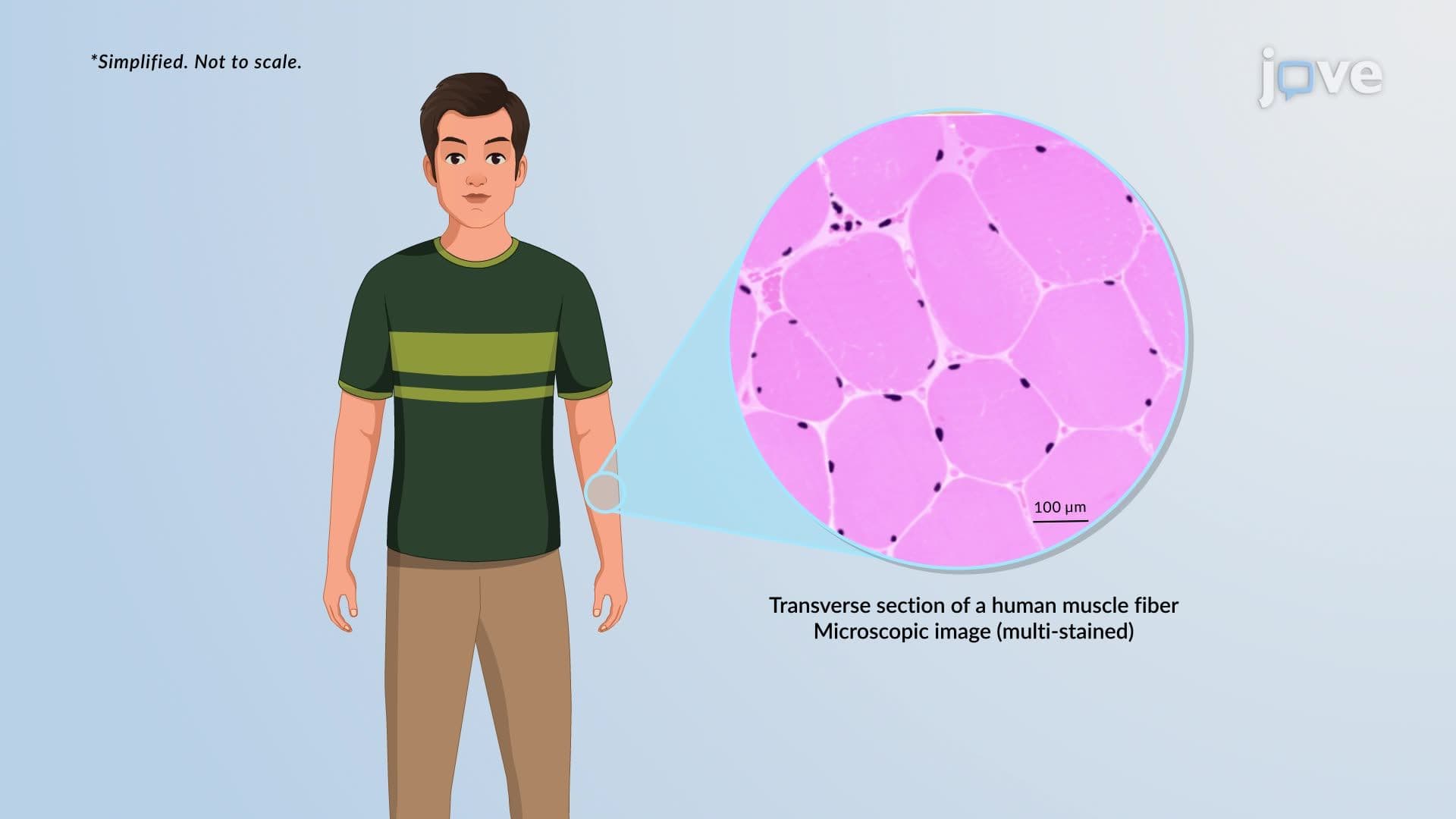
Ever wonder what fills the space inside your cells, making life possible at the microscopic level? Cytoplasm explained biology reveals this gel-like substance as the bustling hub where cellular activities unfold. Consider how muscle cells in Olympic sprinter Sha'Carri Richardson contract with lightning speed-this happens because cytoplasm facilitates rapid protein interactions and energy transfer. What is cytoplasm encompasses everything from the watery cytosol matrix to suspended organelles that power cellular functions. Watch the full video on JoVE Coach to master this concept with expert-led visuals and step-by-step explanations.
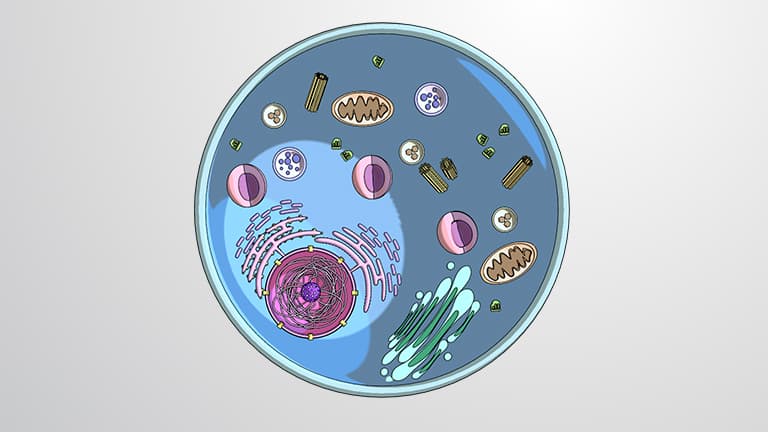
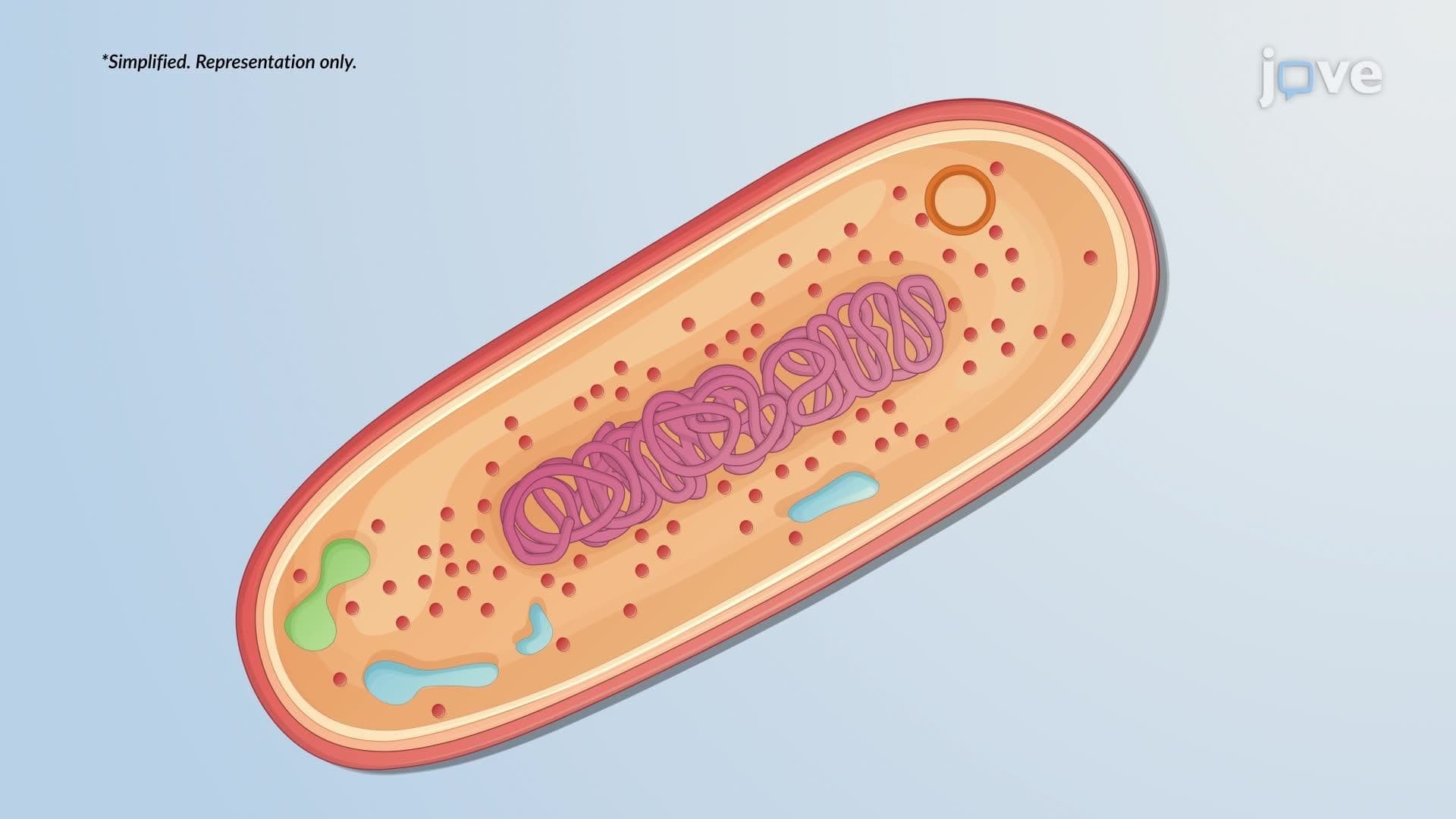
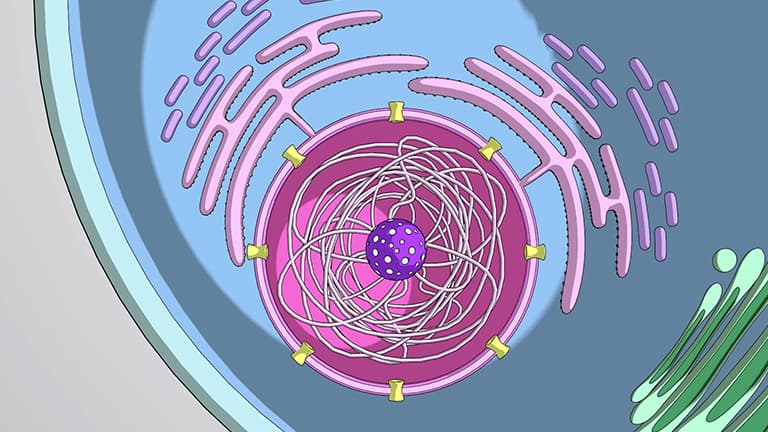
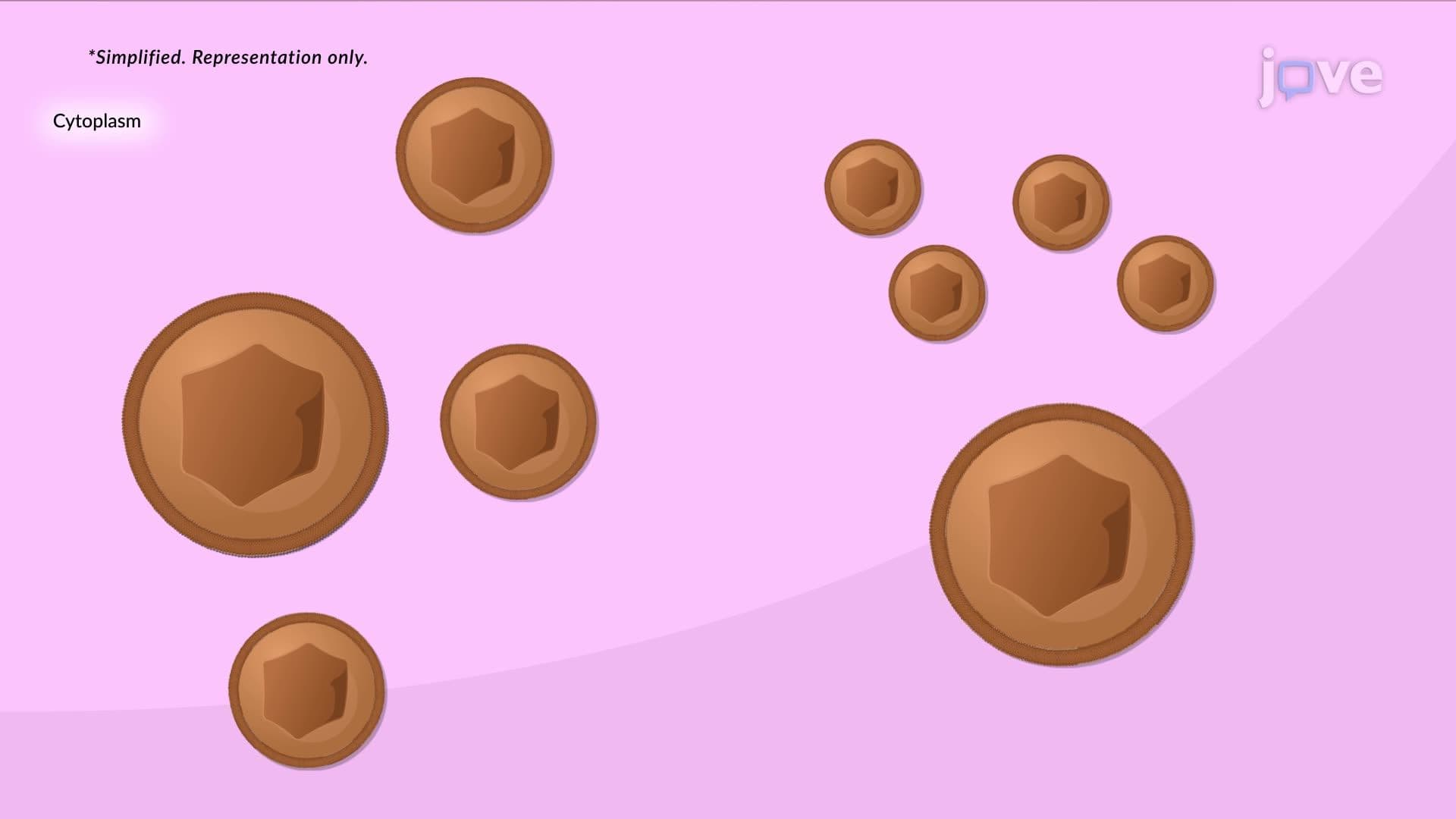
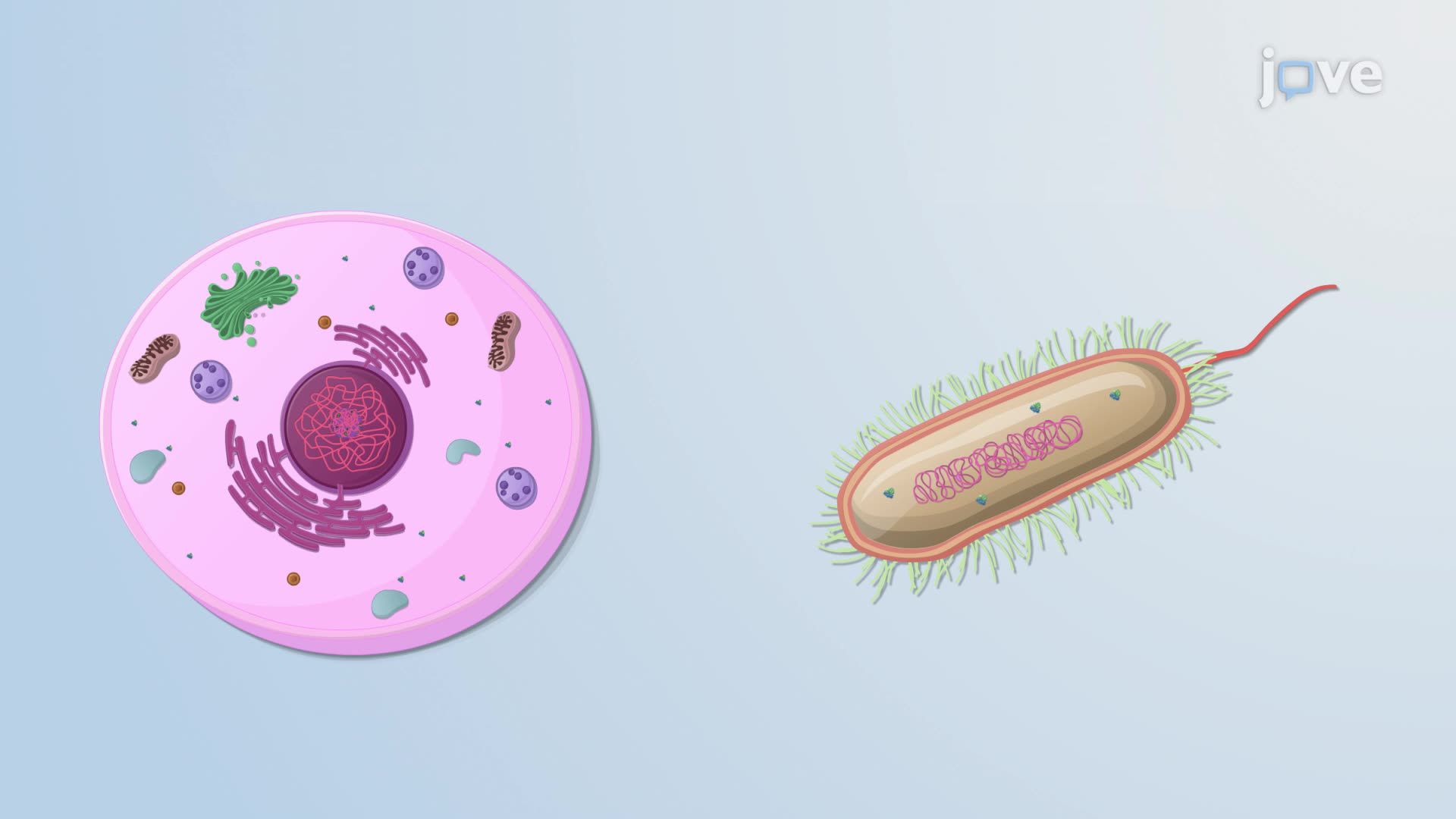
Cytoplasm definition and function encompasses far more than just cellular "filling material." This complex, organized system serves as the cell's operational headquarters, where thousands of biochemical reactions occur simultaneously. In prokaryotic cells like *E. coli* bacteria, cytoplasm includes everything within the plasma membrane, while eukaryotic cells confine cytoplasm to the space between the plasma membrane and nuclear envelope.
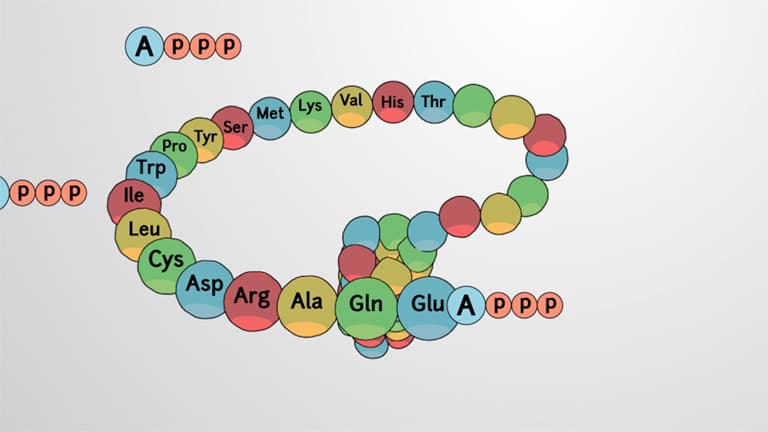
The cytosol organelles cytoplasm relationship begins with understanding cytosol as the liquid medium comprising 70-80% of cytoplasmic volume. This isn't simple water-cytosol contains dissolved ions, amino acids, sugars, and regulatory molecules that create an optimal environment for enzymatic reactions. For AP Biology students, remember that cytosol's high water content enables hydrophilic molecules to move freely while forcing hydrophobic regions of proteins to fold inward, crucial for proper protein structure.
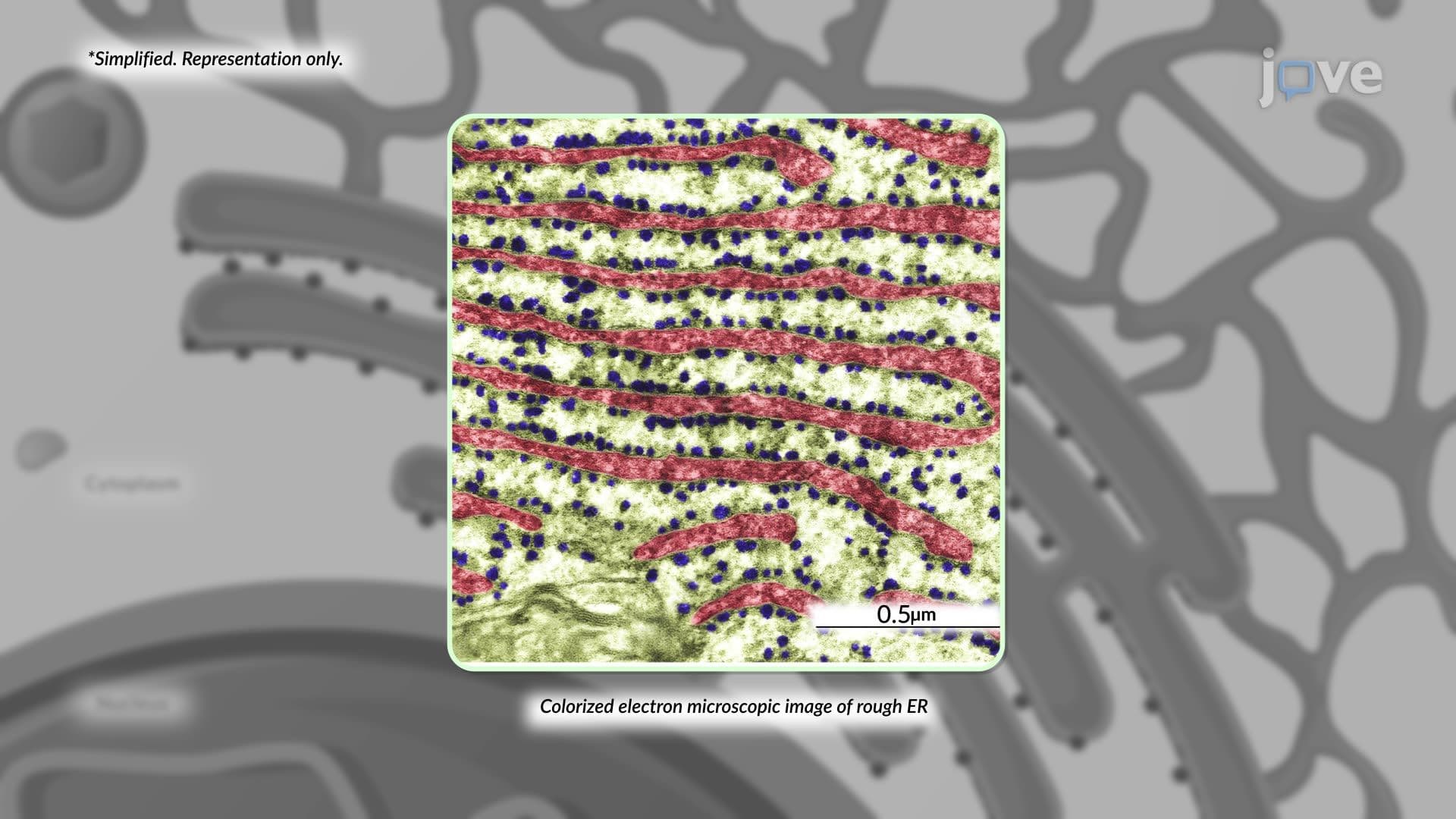
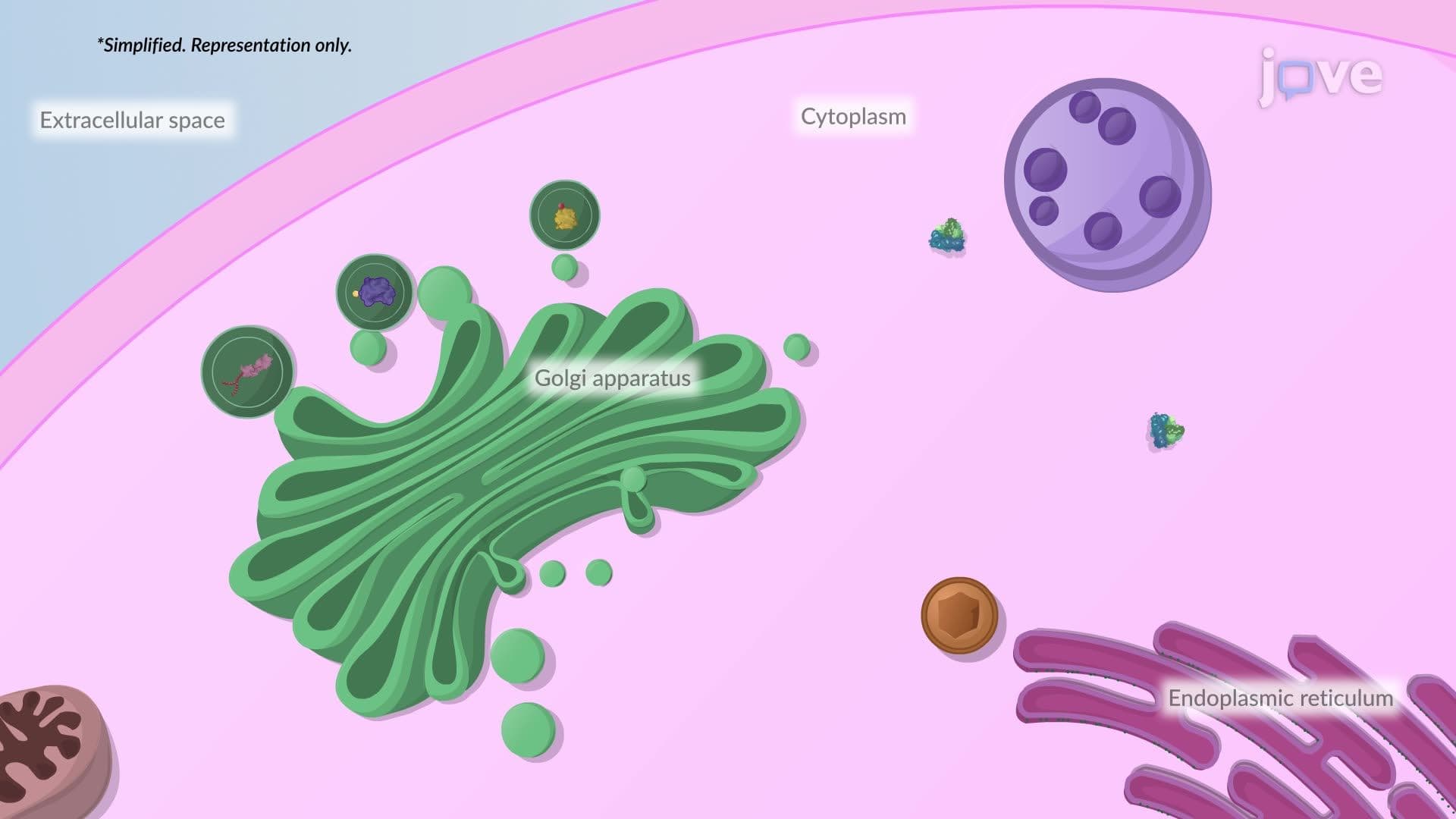
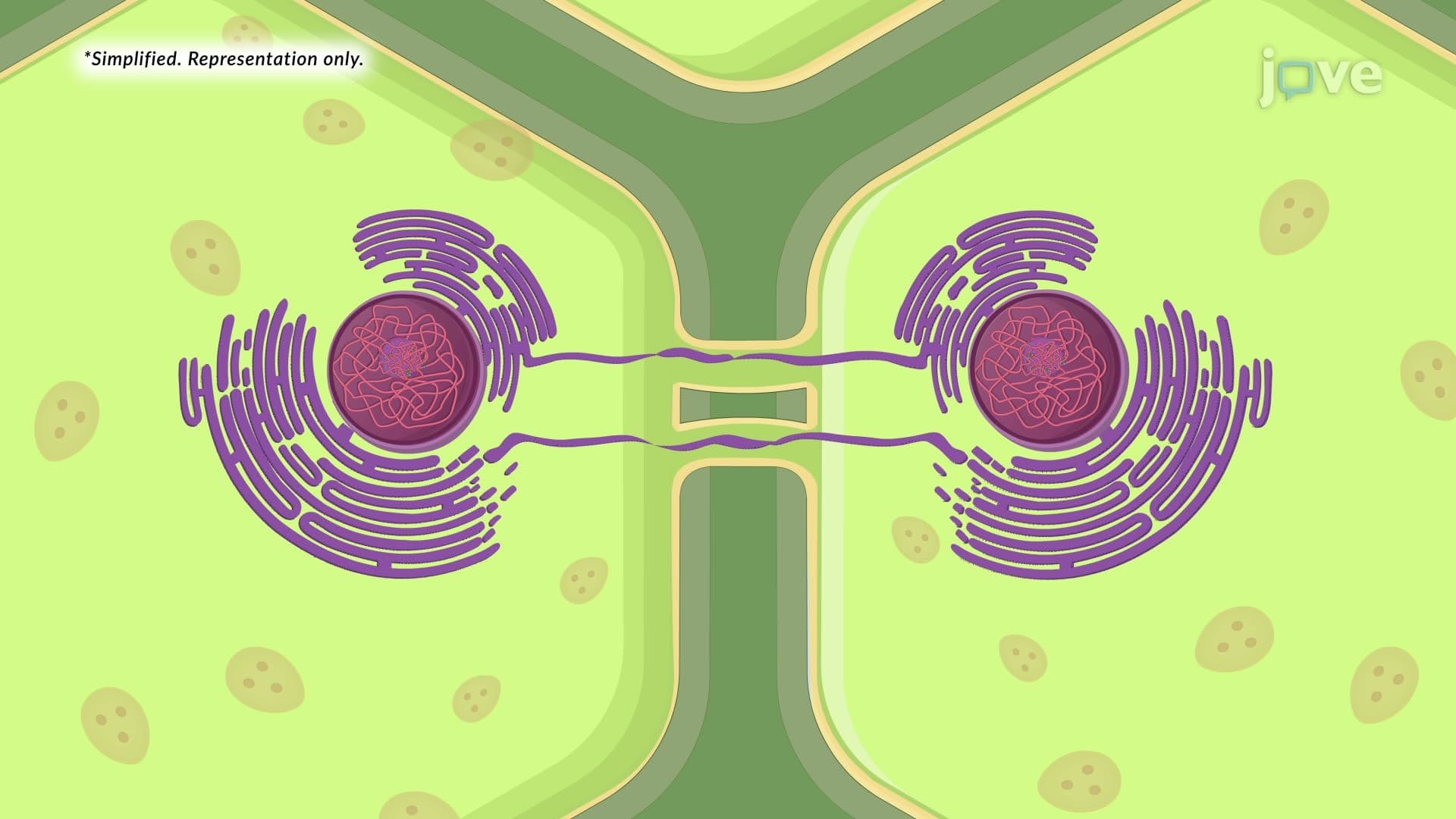
Cytoplasmic contents in eukaryotic cells include membrane-bound organelles suspended like specialized factories within the cytosol. Mitochondria generate ATP, endoplasmic reticulum synthesizes proteins and lipids, and Golgi apparatus processes and packages molecules. This compartmentalization allows simultaneous, potentially conflicting processes-like protein synthesis and degradation-to occur efficiently without interference.
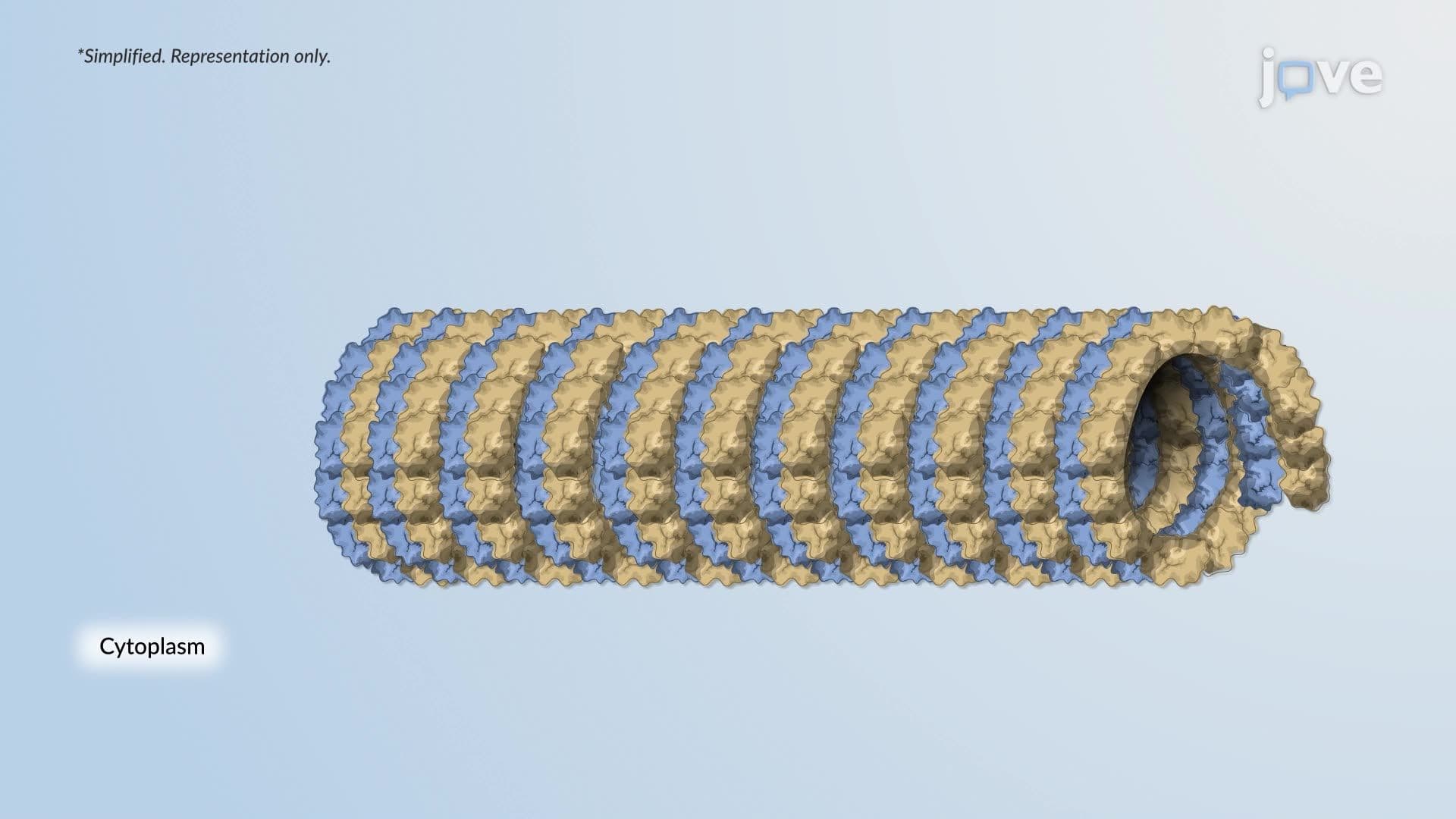
Cytoplasm cell function depends heavily on the cytoskeleton, a dynamic network of protein filaments providing structural support and enabling intracellular transport. Microtubules serve as "highways" for organelle movement, while actin filaments facilitate cell shape changes. This system proves essential in medical applications-cancer research at MD Anderson Cancer Center studies how disrupting cytoskeletal function can prevent metastasis.
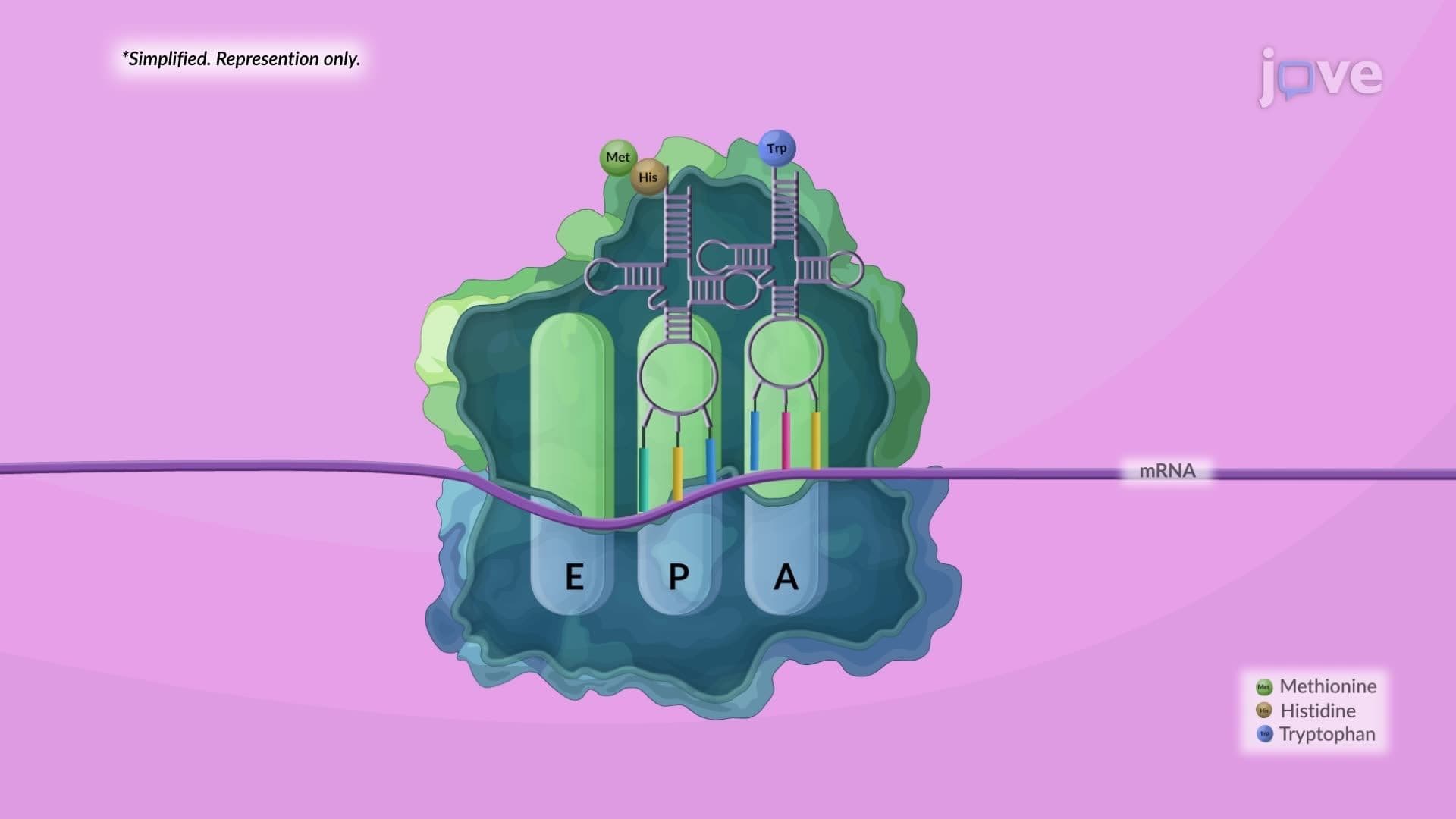
Understanding cytoplasm composition biology proves crucial for MCAT preparation, particularly in cell biology and biochemistry sections. Medical students at Johns Hopkins learn how certain medications target cytoplasmic processes-antibiotics like streptomycin disrupt bacterial protein synthesis by interfering with cytoplasmic ribosomes. For college biochemistry courses, focus on how cytoplasmic pH regulation affects enzyme activity and metabolic pathways, concepts frequently tested on university midterms.
Related Micro-courses