Loading video…

 16 Concepts
 1.6M views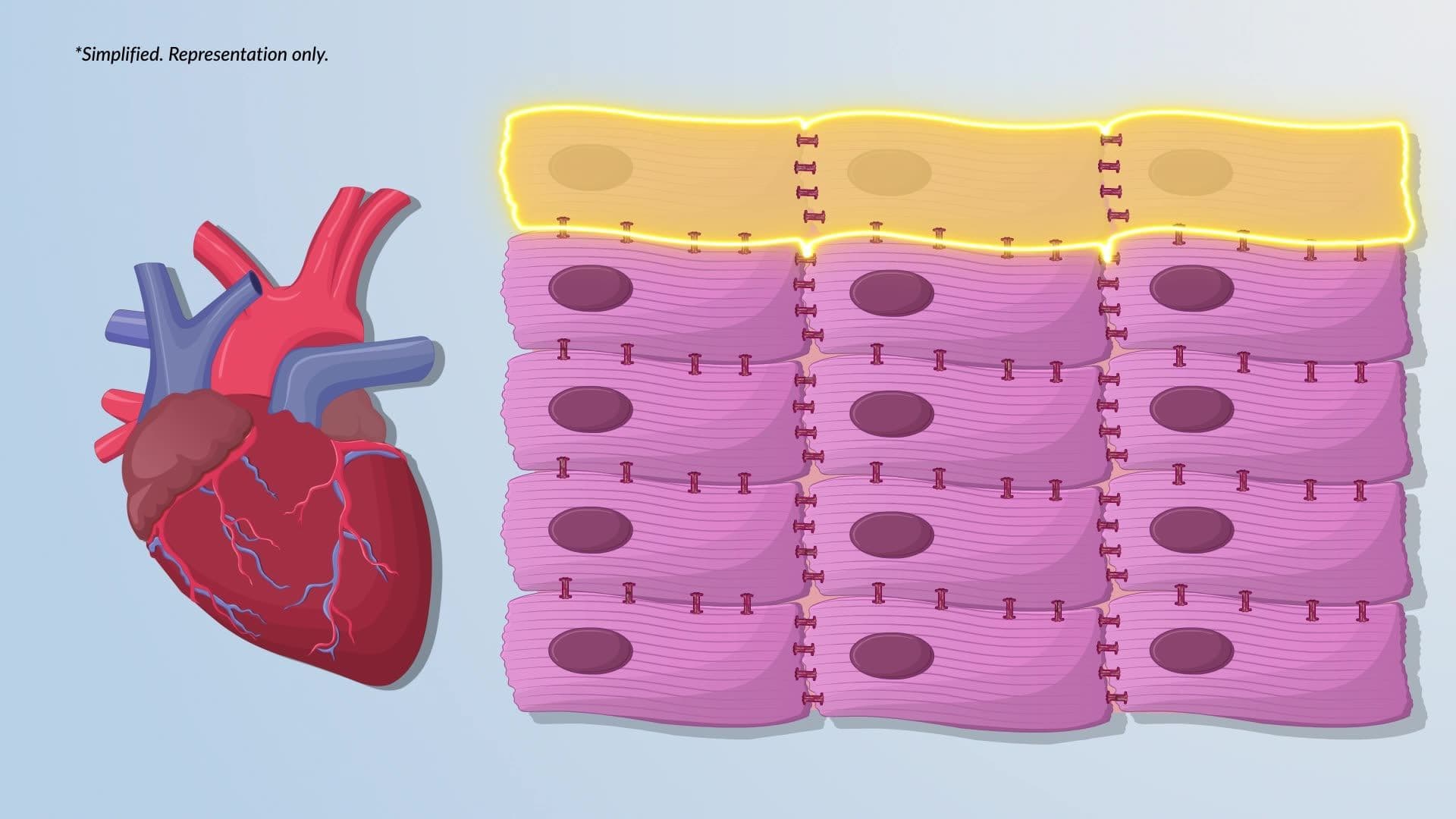

Video Summary: What are Gap Junctions
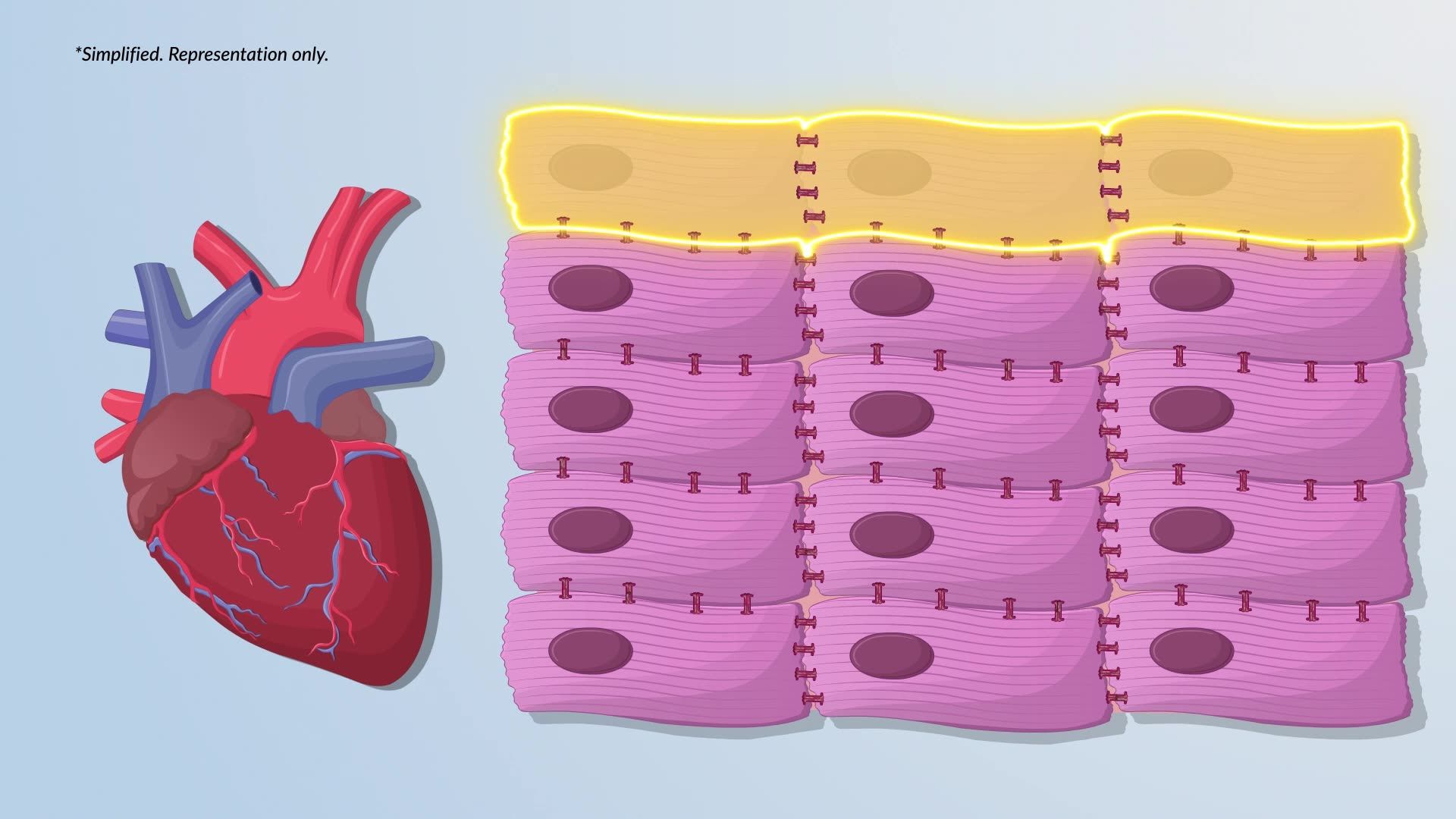
Did you know that your heart beats over 100,000 times daily because cardiac cells communicate through tiny molecular doorways? Gap junctions cell biology reveals how these specialized protein channels enable direct cell-to-cell communication by allowing ions and small molecules to pass between neighboring cells. In the human heart, gap junctions synchronize cardiomyocyte contractions, ensuring your heart pumps blood effectively throughout your body. Watch the full video on JoVE Coach to master this concept with expert-led visuals and step-by-step explanations.
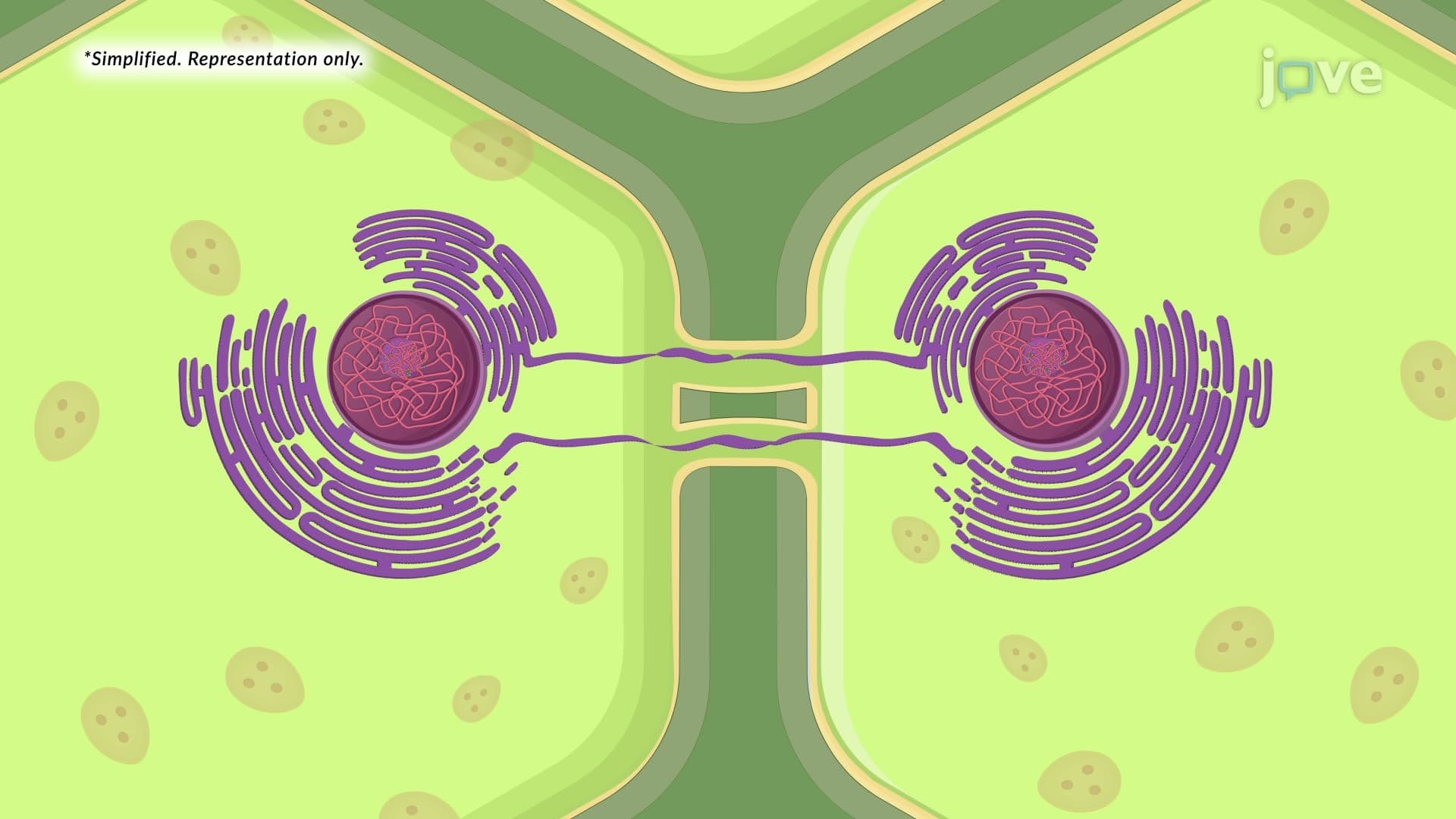
Gap junctions represent one of nature's most elegant solutions for direct cell-to-cell communication. These specialized structures function as intercellular bridges, creating continuity between the cytoplasm of adjacent cells. Unlike other forms of cellular communication that rely on external signaling molecules, gap junctions provide a direct pathway for ions, metabolites, and signaling molecules to move between cells without crossing extracellular space.
The significance of gap junction structure function becomes evident when we consider that these channels can selectively transport molecules up to approximately 1,000 daltons in molecular weight. This size selectivity allows passage of crucial signaling molecules like cyclic AMP, calcium ions, and glucose while preventing larger proteins and nucleic acids from crossing between cells.
The molecular architecture of gap junctions follows a precise hierarchical organization. Six connexin proteins oligomerize to form a connexon, which serves as a hemichannel embedded in the cell membrane. When connexons from two adjacent cells align and dock, they create a complete intercellular channel approximately 1.5-2.0 nanometers in diameter.
Human cells express over 20 different connexin isoforms, each designated by their molecular weight. For example, connexin 43 (Cx43) weighs approximately 43 kilodaltons and represents the most abundant connexin in many tissues, including cardiac muscle, smooth muscle, and various epithelial tissues. Connexin 26 (Cx26) plays crucial roles in cochlear function, and mutations in this protein cause hereditary hearing loss affecting thousands of Americans annually.
Gap junction intercellular channels exhibit sophisticated regulatory mechanisms that control their permeability and gating properties. Calcium ions serve as primary regulators, causing conformational changes in connexin proteins that result in channel closure. This calcium-sensitive gating proves particularly important during cellular stress or injury, where elevated intracellular calcium levels can isolate damaged cells from their healthy neighbors.
pH changes also influence gap junction permeability, with acidic conditions typically promoting channel closure. This pH sensitivity provides another protective mechanism during pathological conditions like ischemia, where tissue acidosis can compartmentalize cellular damage.
Understanding ion molecule gap junction transport proves essential for comprehending numerous physiological processes tested on the MCAT and in college-level cell biology courses. In cardiac physiology, gap junctions enable the rapid spread of electrical depolarization across the myocardium, ensuring synchronized contractions. Patients with certain gap junction mutations may develop cardiac arrhythmias or conduction defects.
In the nervous system, electrical synapse gap junction connections provide faster signal transmission than chemical synapses, playing crucial roles in certain reflexes and synchronized neural activities. The AP Biology exam frequently tests students' understanding of how gap junctions differ from other intercellular communication mechanisms, particularly in terms of speed, selectivity, and regulation.
Related Micro-courses