Loading…
Loading video…

1,576,701 views
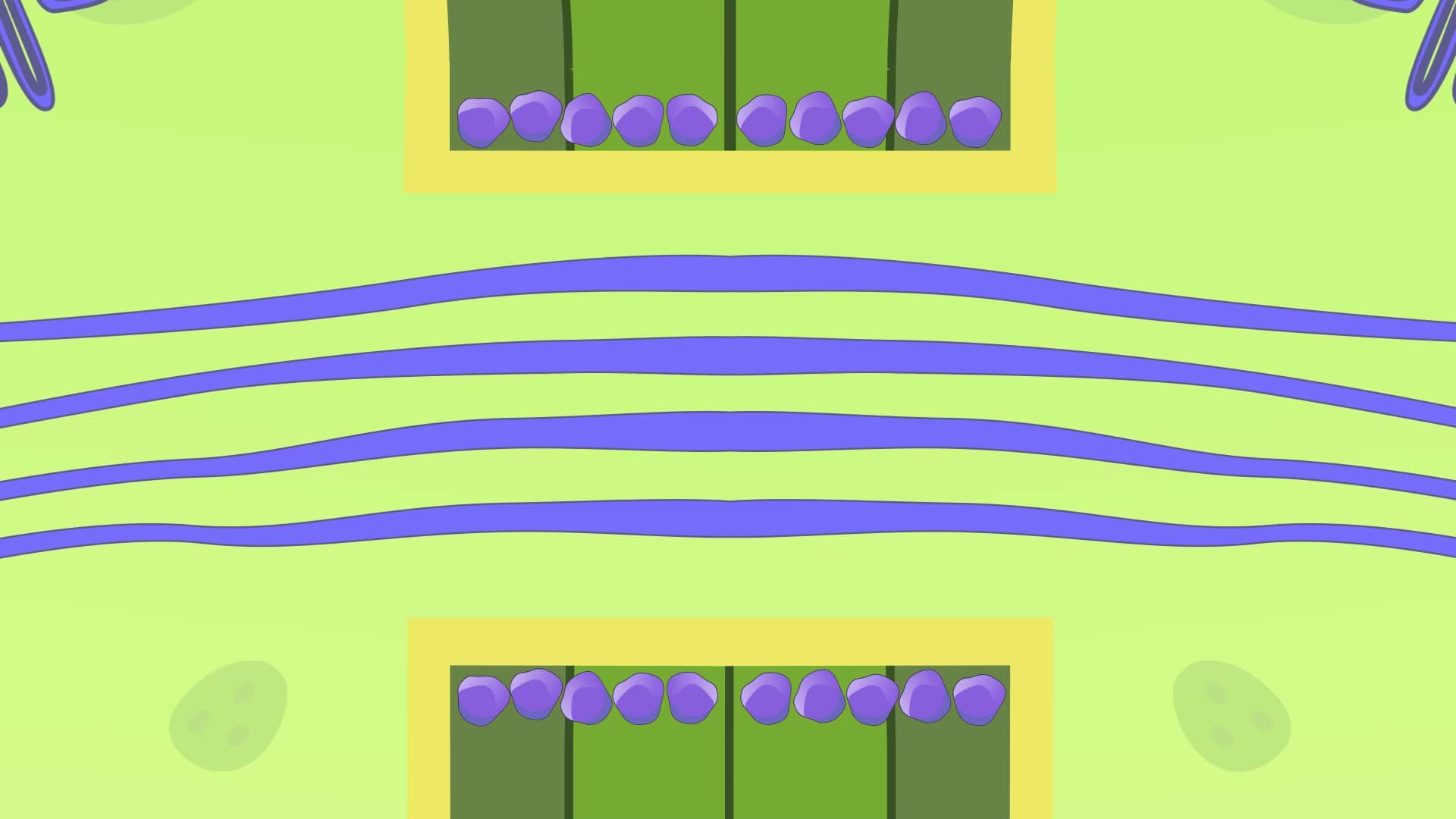
Ever wonder how plant cells communicate despite being surrounded by rigid cell walls? Plasmodesmata plant biology reveals nature's ingenious solution to this challenge. These microscopic channels function like cellular highways, allowing corn plants in Iowa to coordinate nutrient transport from roots to leaves efficiently. What is plasmodesmata becomes clear when we see them as specialized connections that create a living network throughout the plant body. Watch the full video on JoVE Coach to master this concept with expert-led visuals and step-by-step explanations.
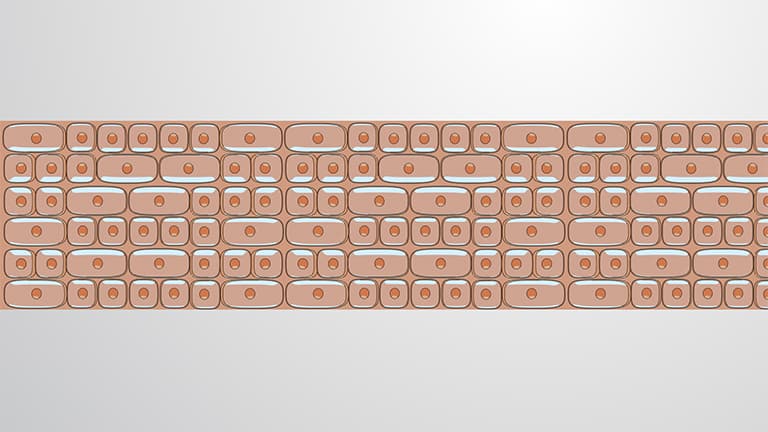
Plant cell junction explained begins with recognizing that unlike animal cells, plant cells face a unique communication challenge. The rigid cellulose cell walls that give plants their structural strength also create barriers to direct cellular interaction. Plasmodesmata solve this problem by forming continuous cytoplasmic bridges between adjacent cells, creating what botanists call the symplast—a living network that spans the entire plant.
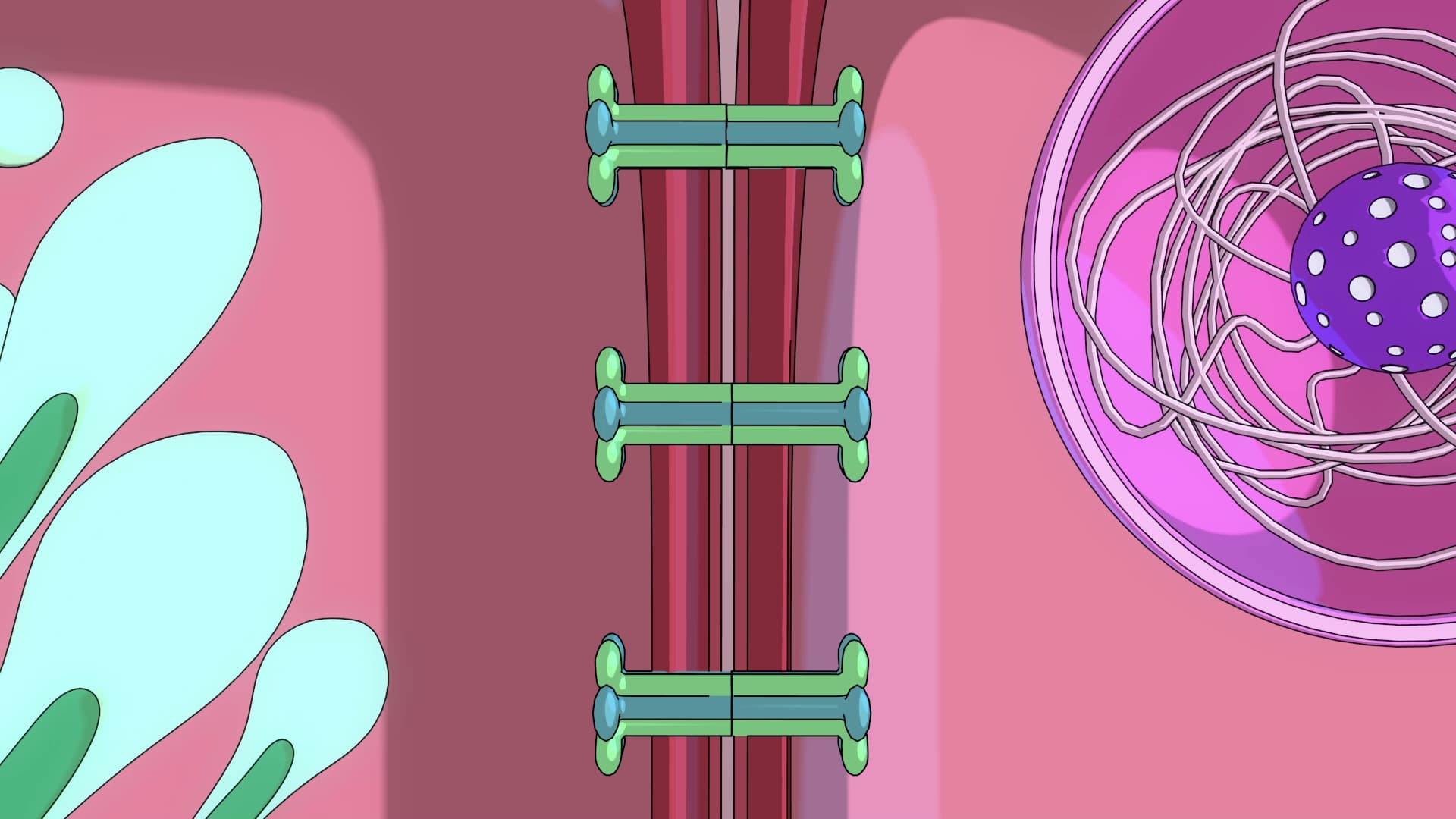
What are plasmodesmata in plant biology becomes clearer when we examine their sophisticated structure. Each plasmodesma contains a central desmotubule, which is essentially a modified extension of the endoplasmic reticulum threading through the channel. This creates a cytoplasmic sleeve around the desmotubule, forming the actual transport pathway. The sleeve's diameter can be dynamically regulated, making plasmodesmata smart gates rather than simple holes.
In cotton plants across Texas, for example, this regulation allows rapid sugar transport from photosynthetic leaves to developing fibers while blocking the movement of potentially harmful molecules. The cytoplasmic sleeve plasmodesmata structure enables this selective permeability through precise molecular control mechanisms.
Plasmodesma cell communication depends heavily on callose, a polysaccharide that acts like a molecular valve. Under normal conditions, small molecules like sugars, amino acids, and ions move freely through the channels. However, when plants detect stress or pathogen invasion, callose deposits can narrow or completely seal plasmodesmata. This mechanism proved crucial during the 2012 corn drought in the Midwest, where plants selectively closed channels to conserve water and nutrients in essential tissues.
Symplastic transport plant networks establish through two distinct processes. Primary plasmodesmata form during cell division as the new cell wall develops, often clustering in specialized regions called pit fields. Secondary plasmodesmata develop later as mature cells create new connections based on physiological needs. This dual formation pattern allows plants to maintain essential connections while adapting their communication networks as they grow.
Understanding desmotubule plasmodesma function becomes particularly important for AP Biology students, as these structures frequently appear in exam questions about plant transport mechanisms and cellular communication. College botany courses often emphasize how plasmodesma regulation integrates with hormone signaling pathways, making this concept essential for MCAT preparation in biological sciences.
Frequently Asked Questions
Plasmodesmata are microscopic channels that directly connect plant cell cytoplasms, allowing molecules to pass between cells without crossing membranes. Unlike animal gap junctions, plasmodesmata contain a central desmotubule structure and can be dynamically regulated by callose deposition. They create a continuous cytoplasmic network called the symplast throughout the plant body.
AP Biology frequently tests plasmodesmata in questions about plant transport, cell communication, and response to stimuli. Expect questions comparing symplastic vs. apoplastic transport, explaining how viruses spread through plants, or analyzing how callose regulation affects molecular movement. Practice drawing and labeling plasmodesma structure, including the desmotubule and cytoplasmic sleeve components.
For MCAT preparation, connect plasmodesmata to broader concepts like membrane transport, plant physiology, and cellular communication mechanisms. Study how plasmodesma function relates to osmotic regulation, hormone transport, and plant responses to environmental stress. Understanding callose regulation mechanisms also connects to carbohydrate biochemistry and cellular signaling pathways.
No advanced chemistry background is required to grasp plasmodesmata fundamentals. Basic understanding of cell membrane structure, diffusion, and molecular size concepts suffices for most high school and introductory college courses. The key is visualizing how these channels create selective pathways between plant cells while maintaining cellular integrity.
Create comparison charts between plasmodesmata and other transport mechanisms, focusing on what molecules can pass through under different conditions. Practice drawing the structure from memory, emphasizing the desmotubule and cytoplasmic sleeve. Use real examples like how sugar moves from leaves to fruits to make the concept concrete and memorable.
Plasmodesmata are essential in familiar plants like tomatoes grown in California, where they coordinate sugar transport from leaves to ripening fruits. In oak trees across US forests, these channels help distribute nutrients from photosynthetic leaves to non-photosynthetic bark and root tissues. Even in houseplants, plasmodesmata enable the coordinated responses you see when plants bend toward windows or recover from drought stress.
After mastering plasmodesmata, explore phloem loading mechanisms, plant hormone transport pathways, and systemic acquired resistance in plant immunity. These advanced topics rely heavily on plasmodesma-mediated communication and prepare students for graduate-level plant physiology and molecular biology courses.
Related Micro-courses
Related Subjects